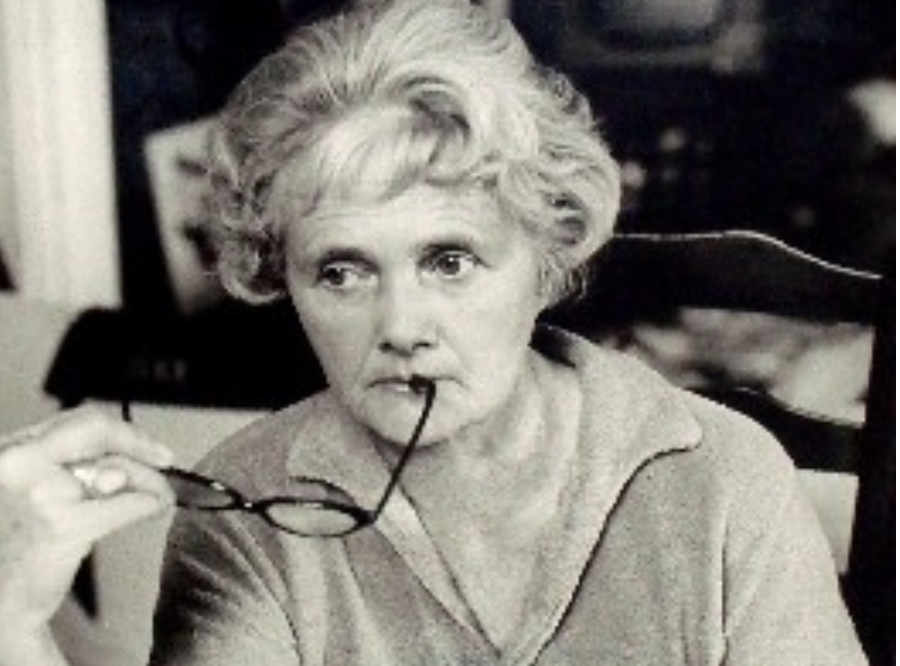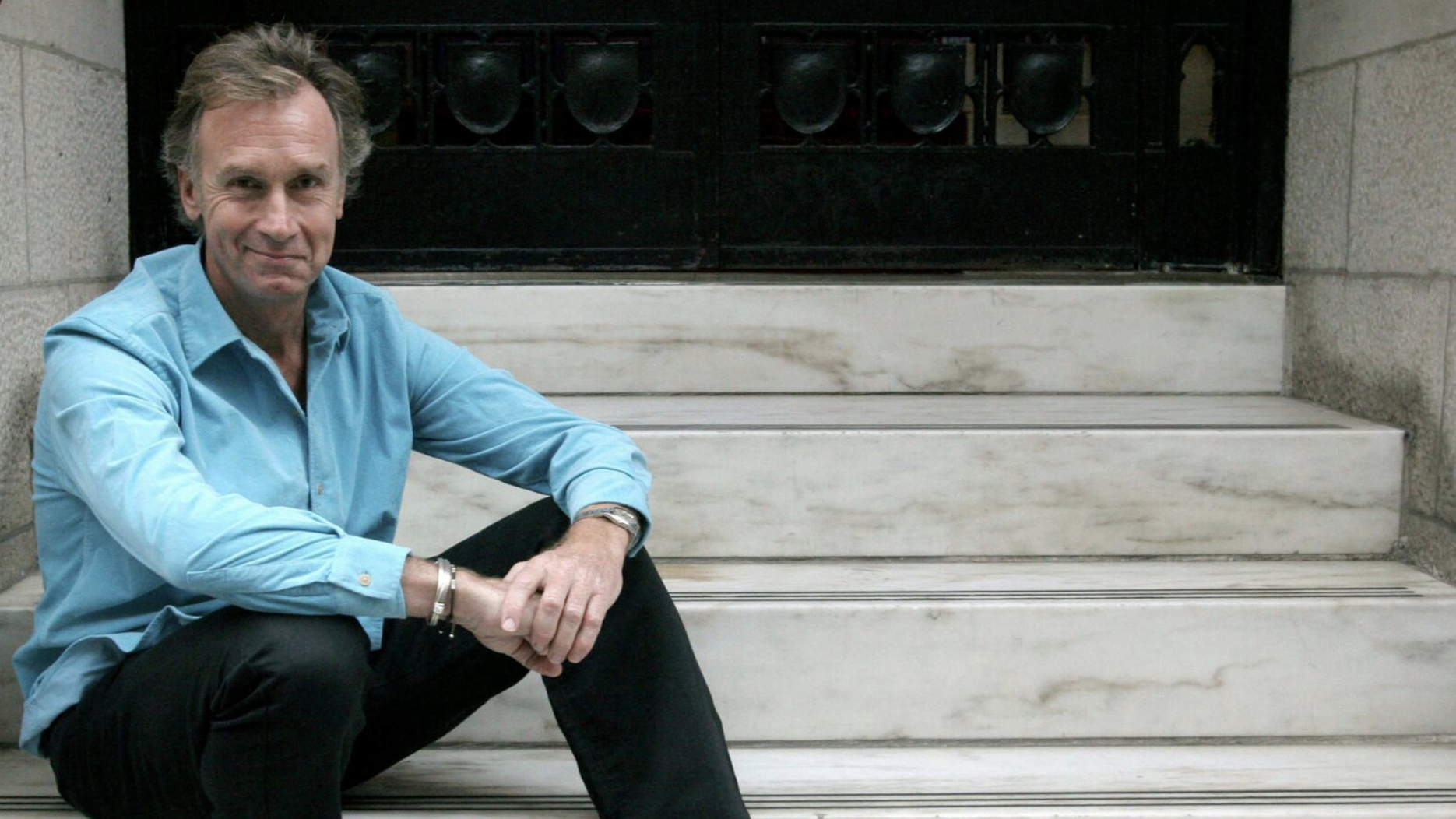
Nicholas Evans (Associated Press photo/Tina Fineberg).
The last time I devoted a whole post to symbolism in novels was in 2014 – the year this blog started. So, I’d like to revisit that topic via some books I’ve read since then or that I read before 2014 but didn’t mention in that previous post.
As I noted 12 years ago, symbolism can make a novel more interesting and evocative. It’s another element in the mix to draw in readers — along with the plot, characters, prose quality, etc.
I recently read Nicholas Evans’ riveting novel The Divide, which offers a compelling mystery, a heartbreaking family saga…and a symbolic title with multiple meanings. In the book, The Divide is the literal name of a Montana vacation spot where a meeting of two characters (one married to someone else) leads to a fateful romance that helps drive the plot. The title also evokes thoughts of the West/East, rural/urban, and ideological divides in the United States – and of “the divide” between women and men that’s a major theme as the storyline unfolds.
John Steinbeck’s East of Eden does the symbolism thing with a number of Biblical references, including the Trask sons Caleb and Aron having a Cain and Abel dynamic along with the same initials. Their father’s first name in the novel? Adam, of course.
The star of Ralph Ellison’s Invisible Man is obviously not literally an invisible man, but he is one figuratively because African-American citizens – especially decades ago — were not truly and truthfully SEEN by many people in a racist majority-white society.
Marcel Proust’s opus In Search of Lost Time features the serving of a delicious madeleine that triggers nostalgic memories. It’s both a cake and a symbol.
The pigs and other creatures in George Orwell’s Animal Farm are obviously symbolic stand-ins for humans.
Gregor Samsa becoming a giant insect in Franz Kafka’s The Metamorphosis symbolizes alienation, dehumanization, loss of identity, and more.
The title character of Herman Melville’s Moby-Dick is a living/breathing huge white whale but its existence also symbolically represents obsessive pursuit that can be pointless.
In Mark Twain’s Adventures of Huckleberry Finn, the Mississippi River is a…river…but also a literal symbol of freedom for the slave Jim and a more figurative symbol of the opening of Huck’s mind as he matures.
Robert Louis Stevenson uses the title character(s) in Strange Case of Dr. Jekyll and Mr. Hyde to shine a symbolic spotlight on the good-evil duality of many humans.
In my 2014 post, among the many novels I mentioned were George Eliot’s Daniel Deronda (which uses recurring water situations in a symbolic way), Barbara Kingsolver’s The Lacuna (whose title is an actual place in the novel but also symbolically has plot significance as a gap/blank space/missing part), and Jhumpa Lahiri’s The Namesake (in which “Gogol” is the actual name of a character even as that name evokes the absurdity of life in its reference to the often-absurdist Russian author Nikolai Gogol).
My 2014 post also noted that symbolism sometimes involves the initials of character names – including Jim Casy, the Jesus Christ figure in Steinbeck’s The Grapes of Wrath; Martin Eden, the semi-autobiographical “me” in Jack London’s Martin Eden; and Undine Spragg, who embodies crass U.S. materialism and ruthless ambition in Edith Wharton’s The Custom of the Country.
Your thoughts about, and examples of, this topic?
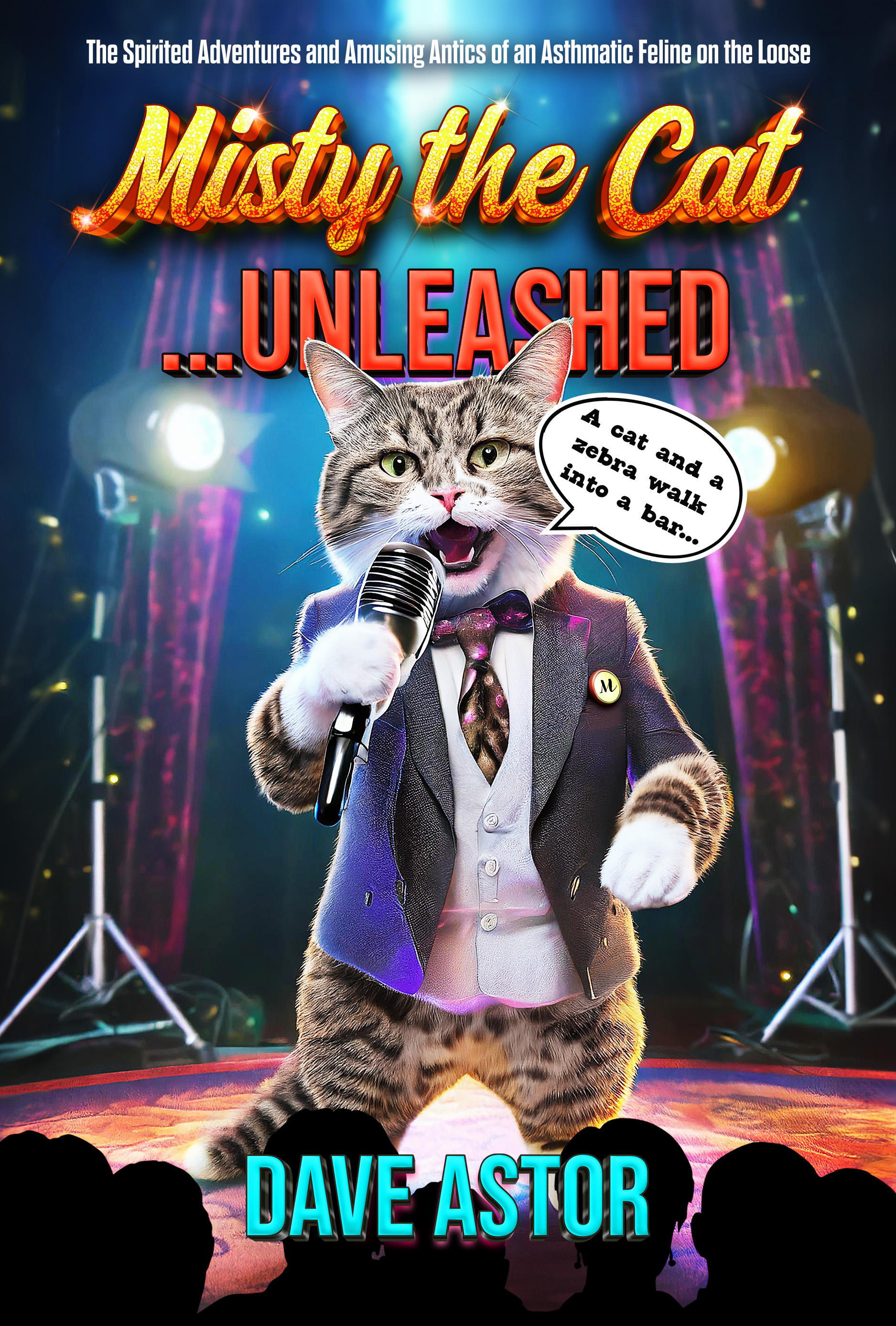
Misty the cat says: “I got my steps today, and also got my ladders.”
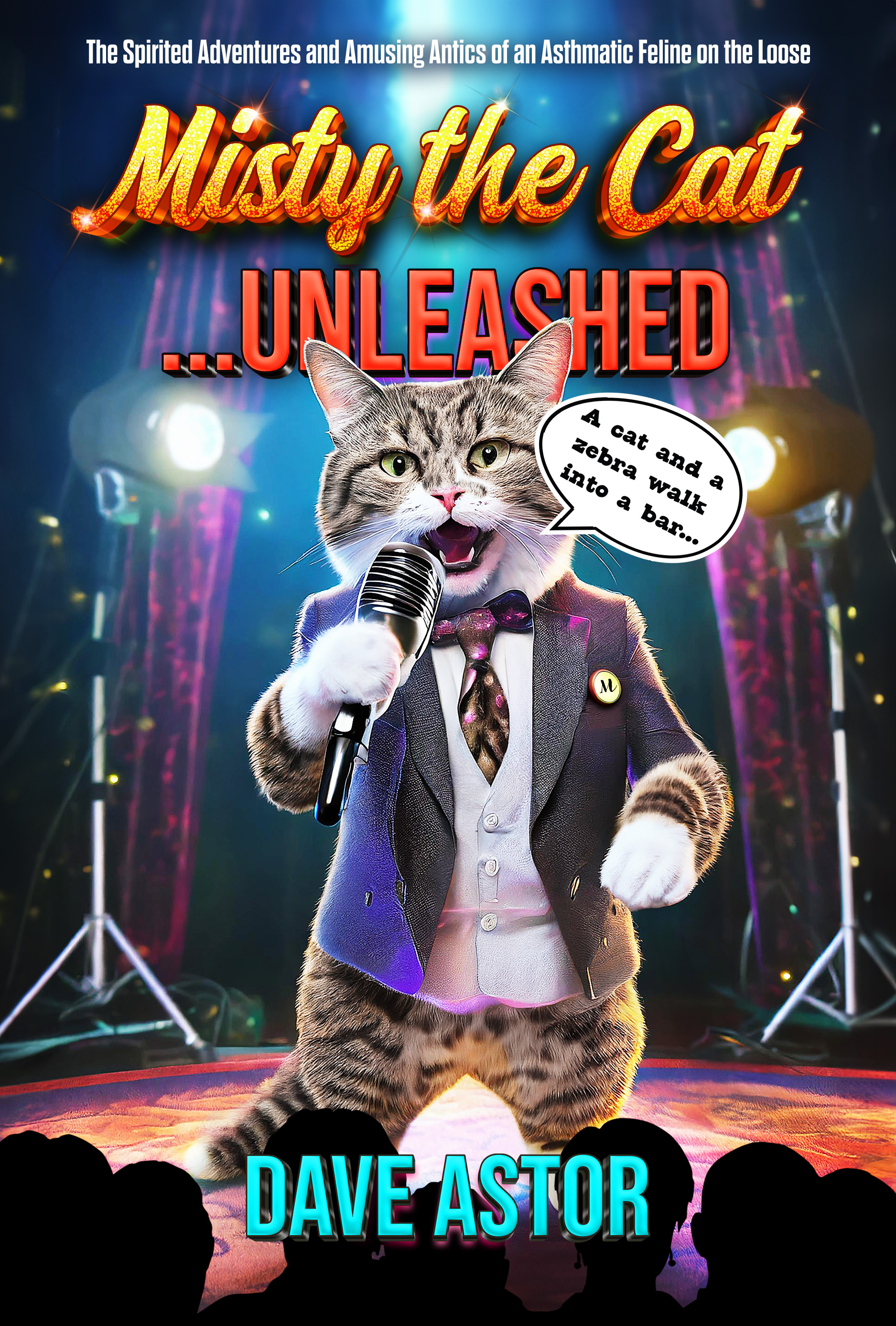
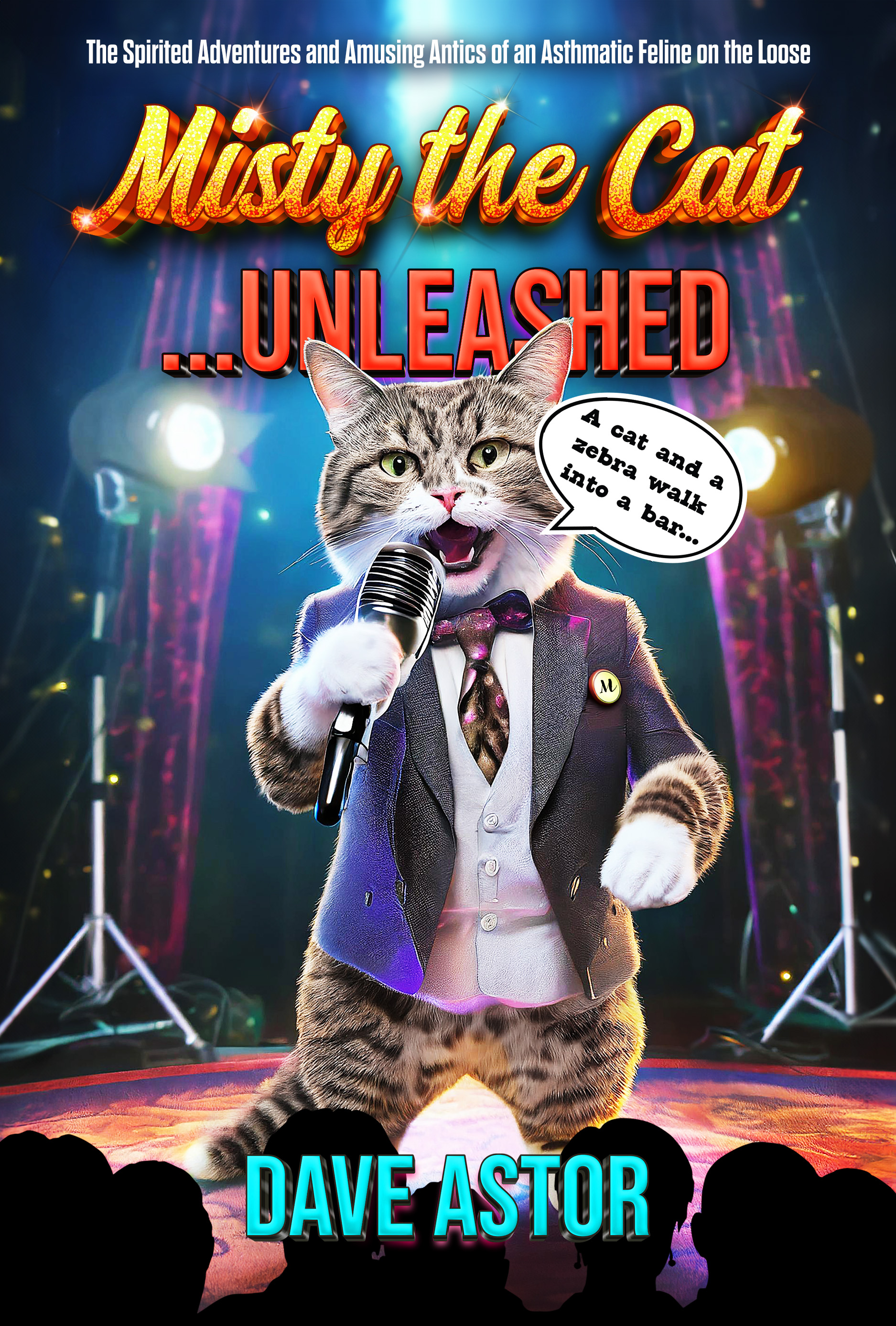
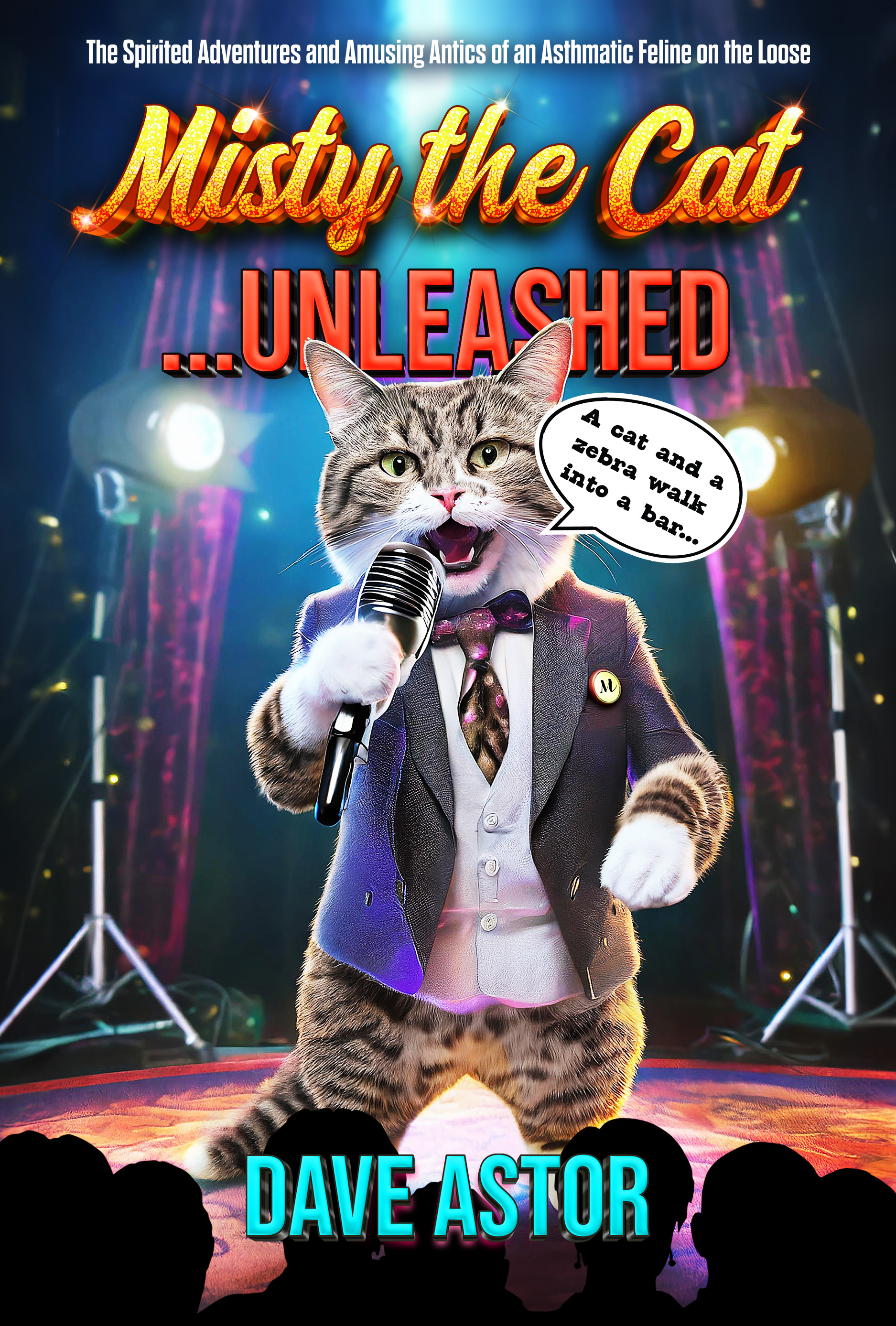
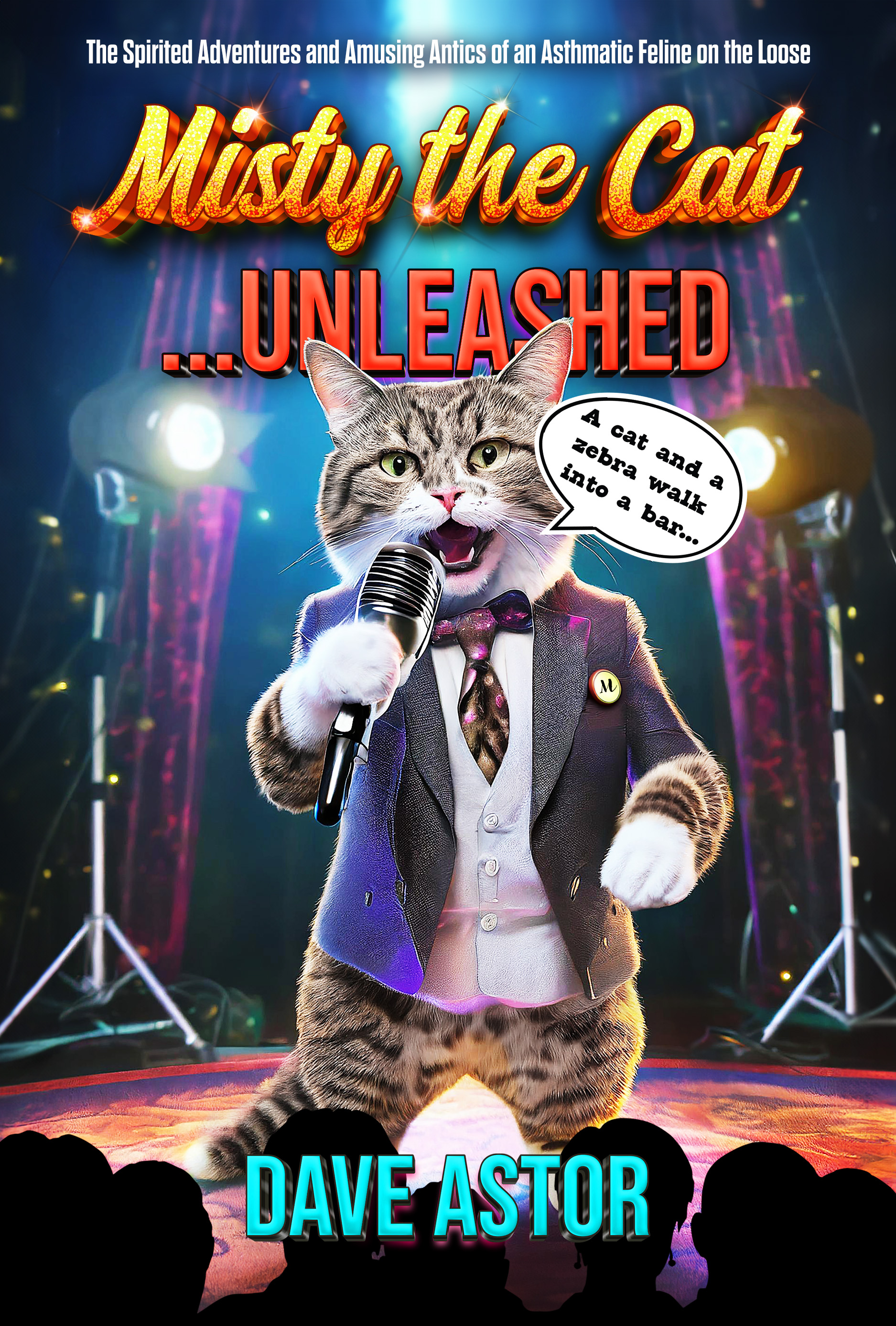
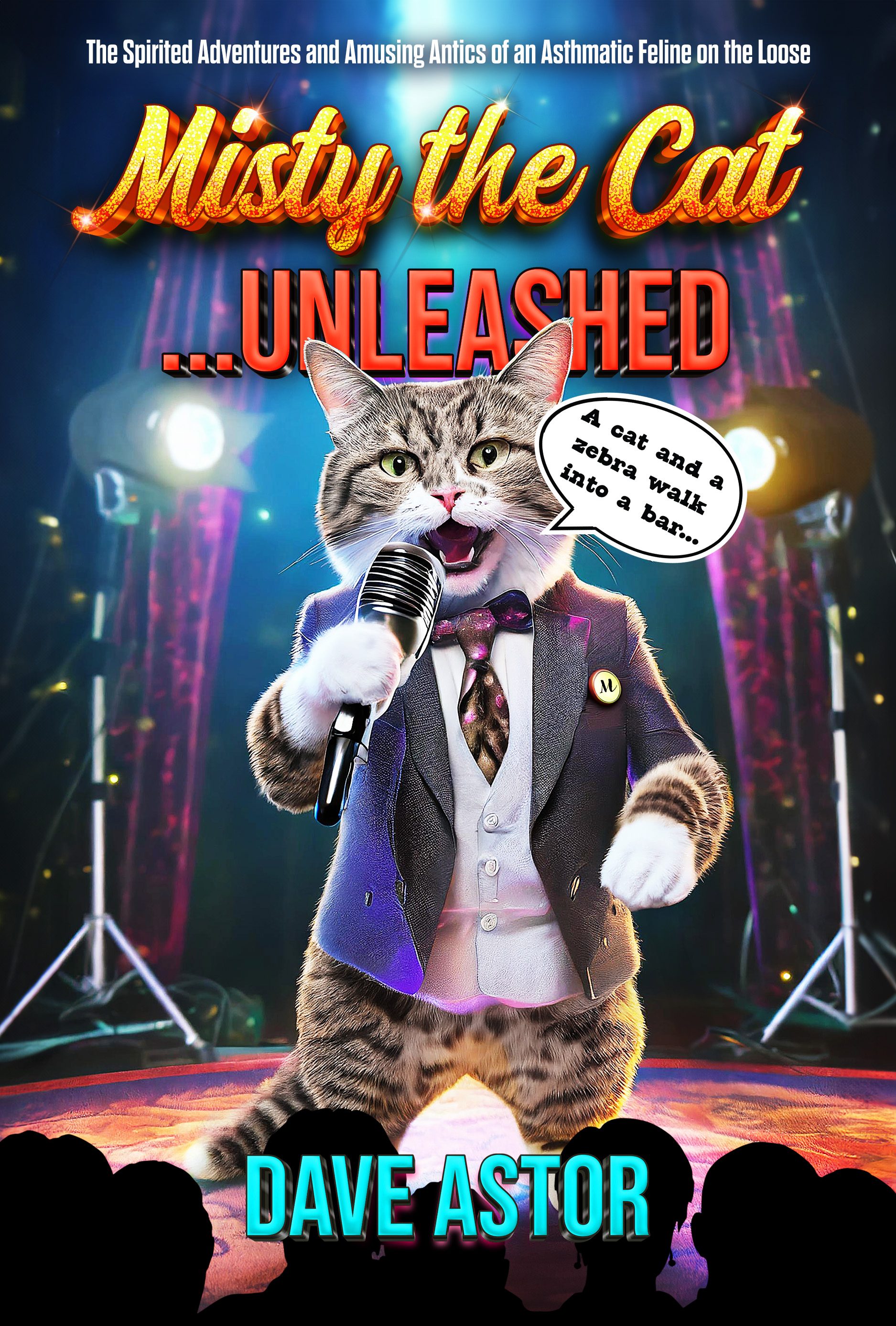
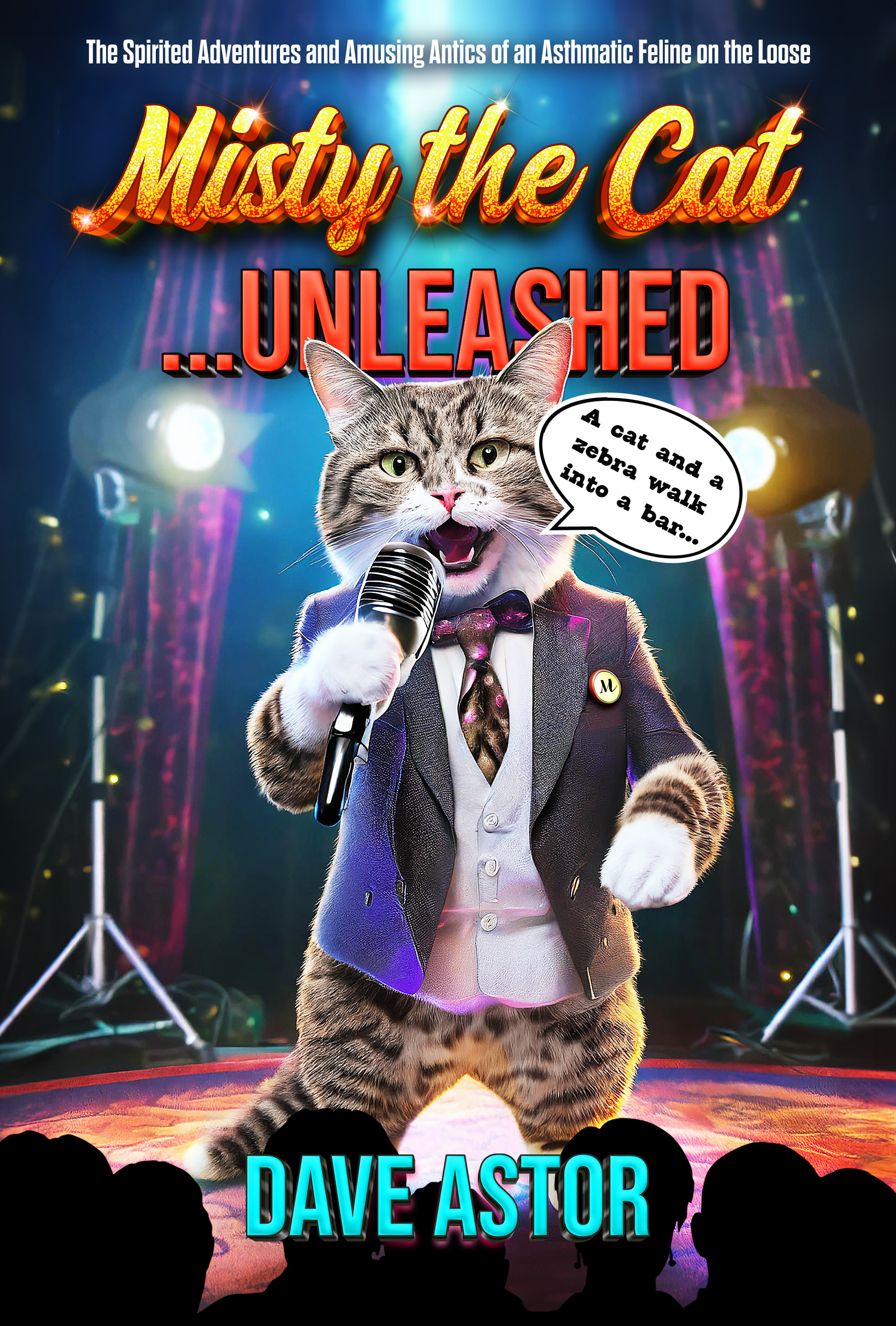
My comedic 2024 book — the part-factual/part-fictional/not-a-children’s-work Misty the Cat…Unleashed — is described and can be purchased on Amazon in paperback or on Kindle. It’s feline-narrated! (And Amazon reviews are welcome. 🙂 )
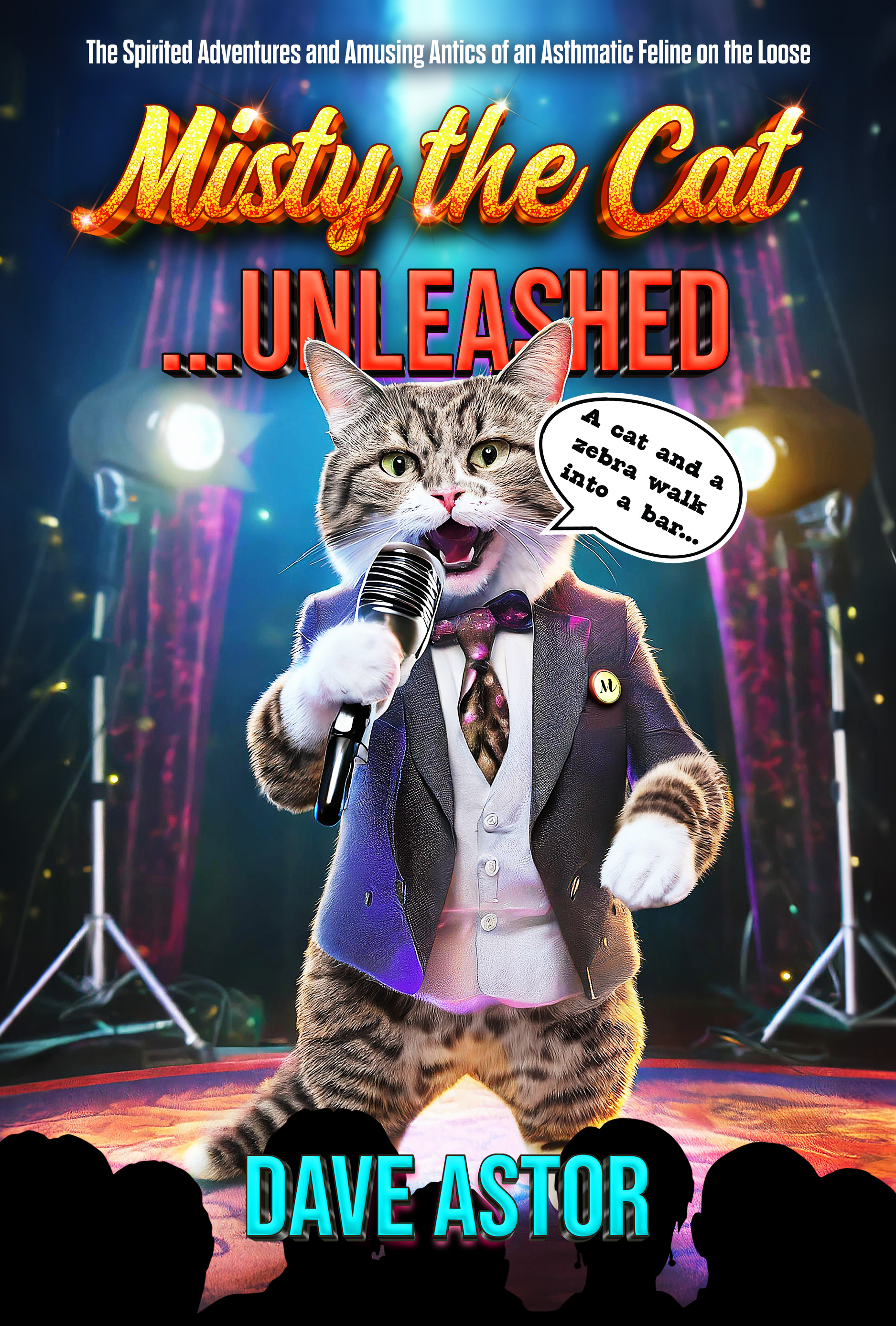
This 90-second promo video for the book features a talking cat: 🙂 (Not my voice. 🙂 )
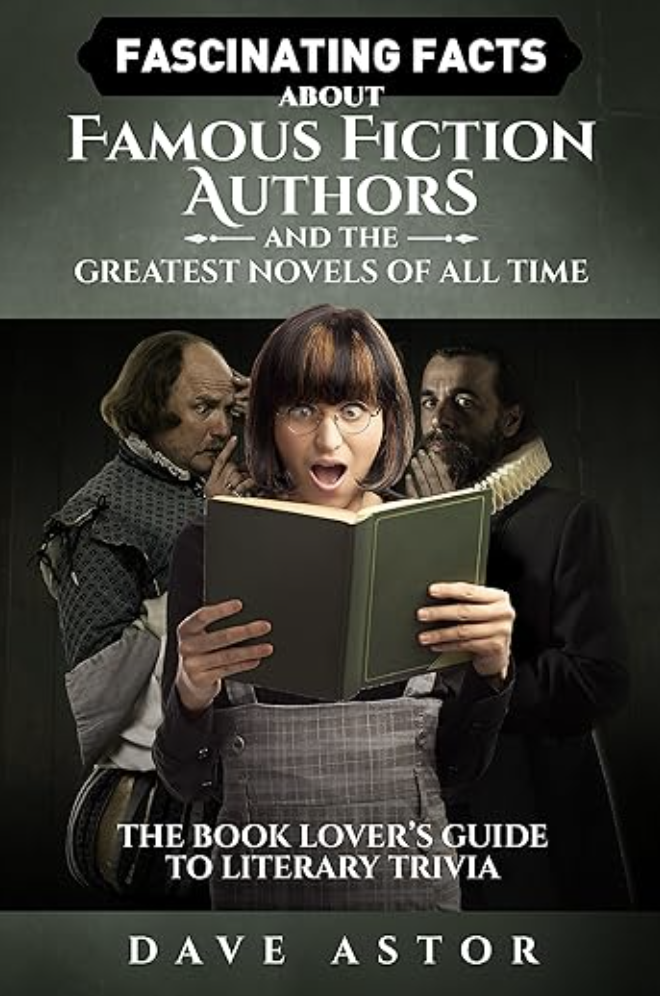
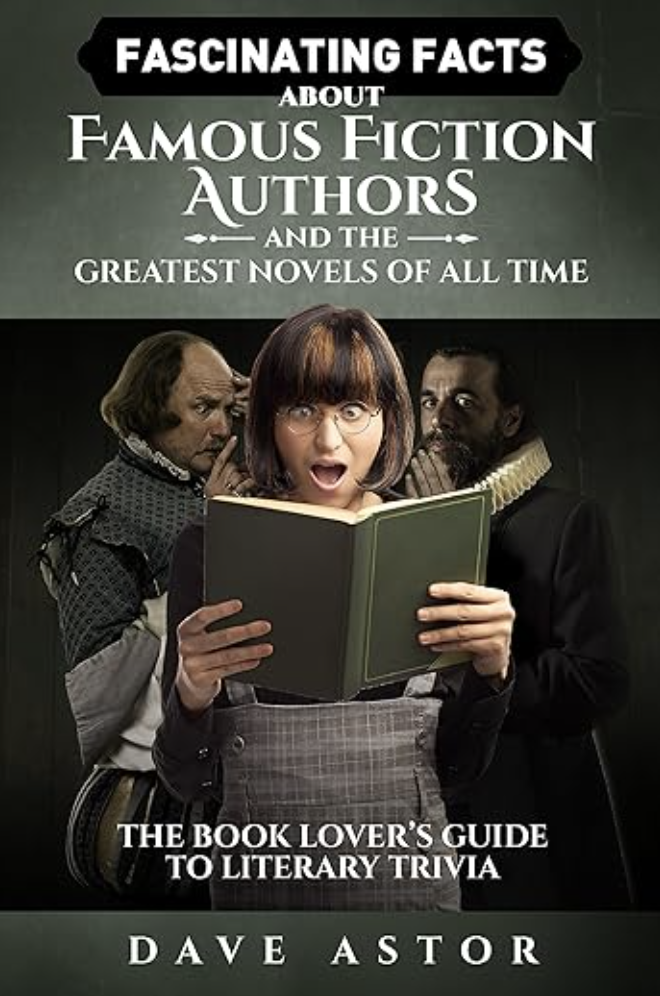
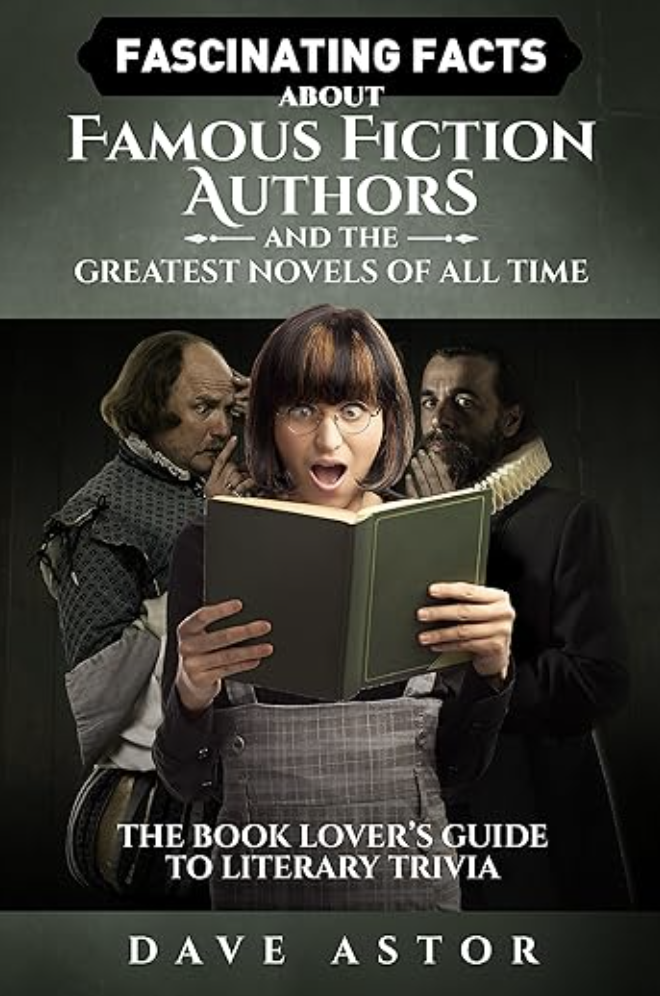
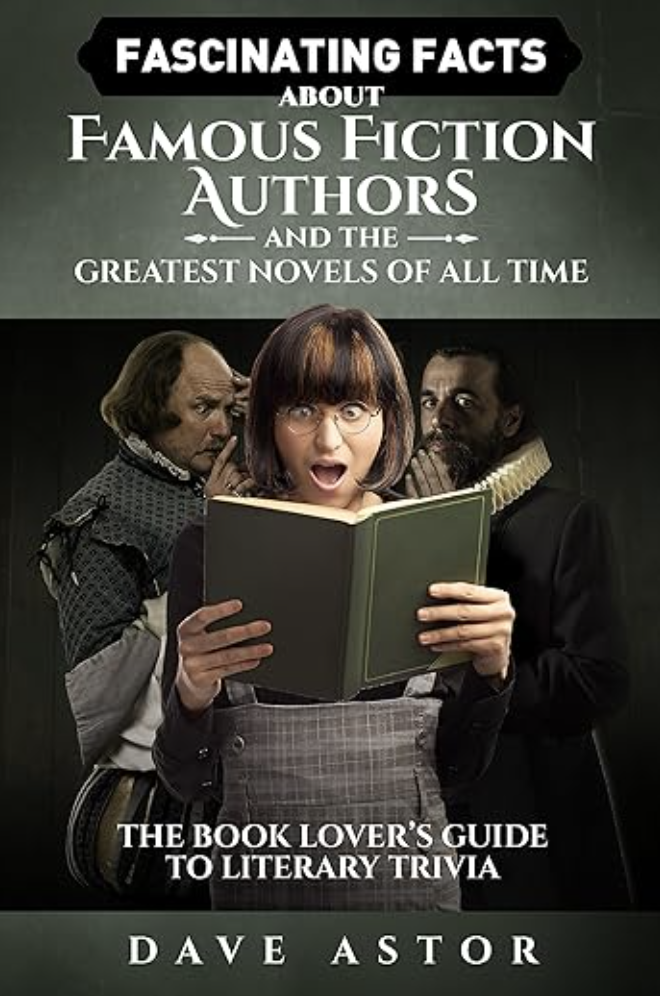
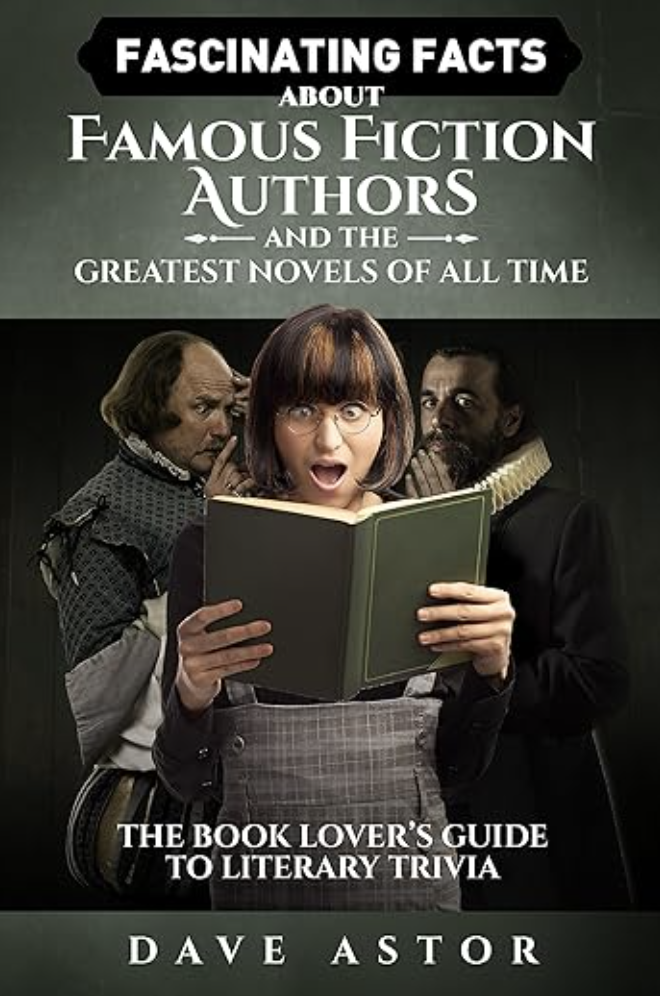
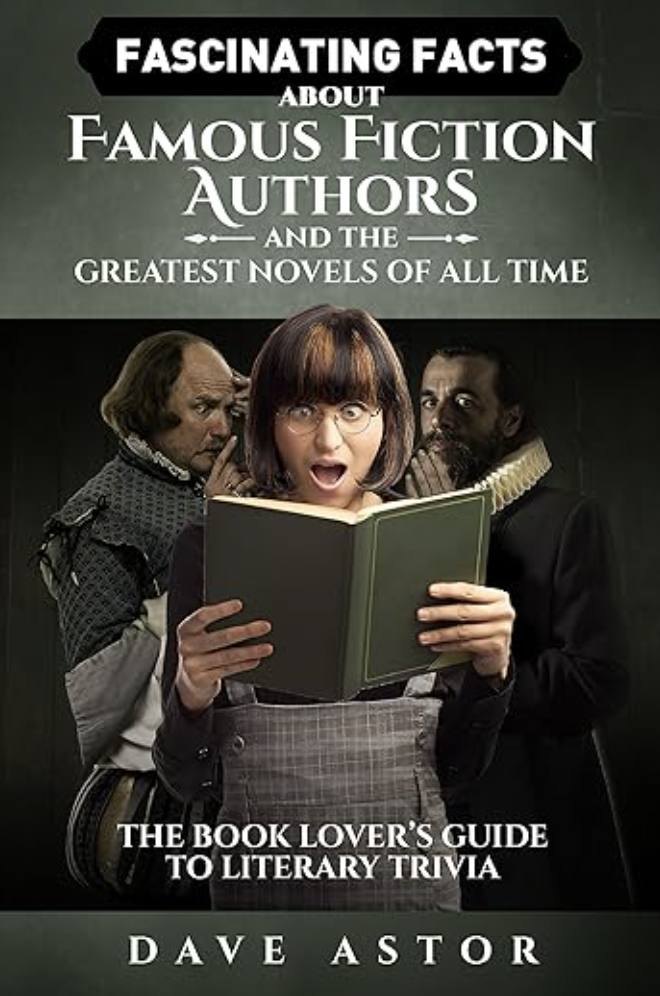
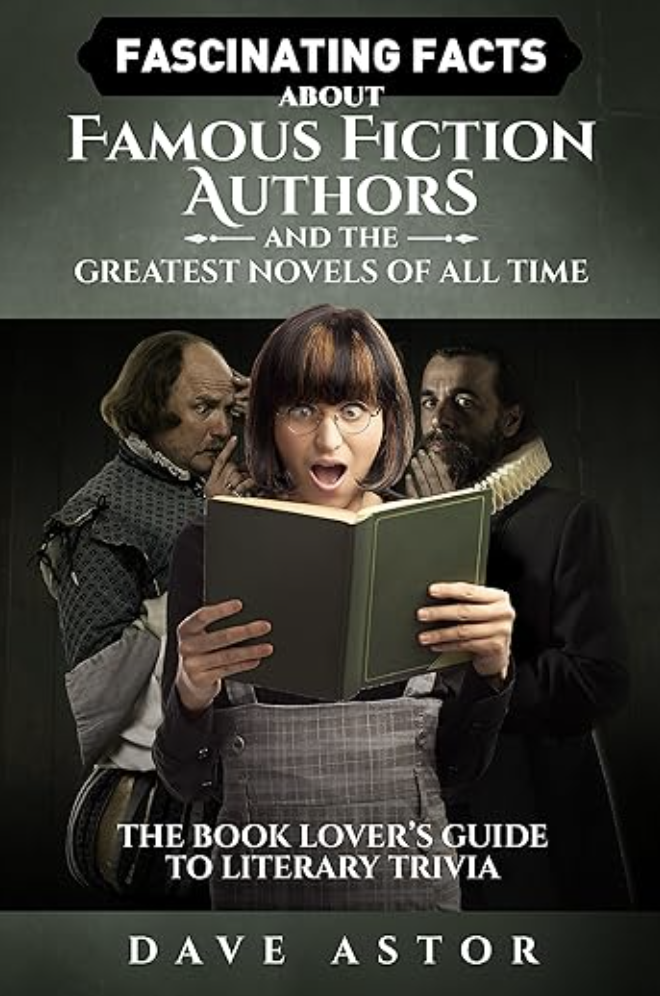
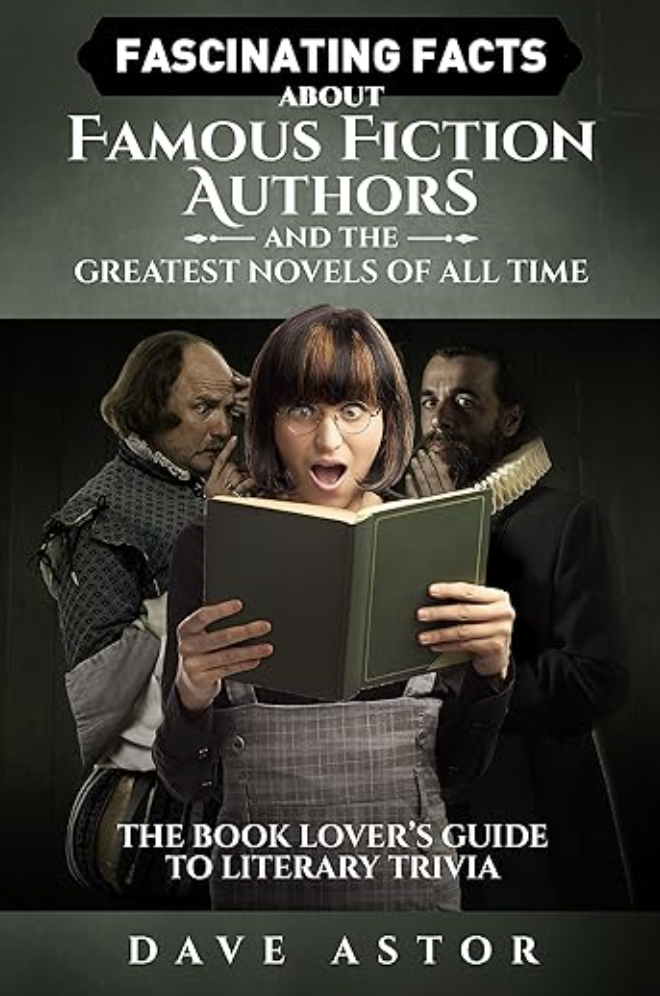
I’m also the author of a 2017 literary-trivia book…
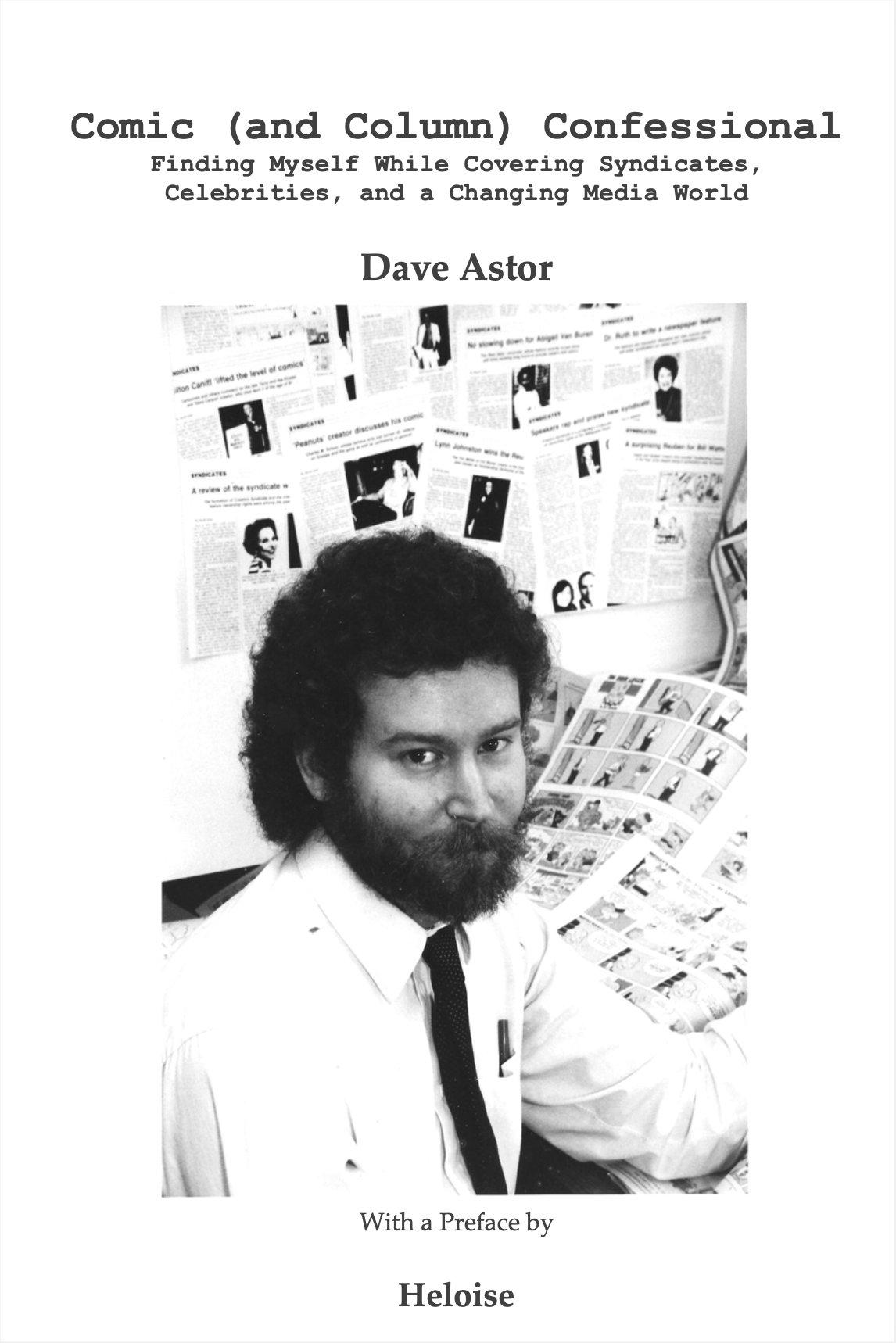
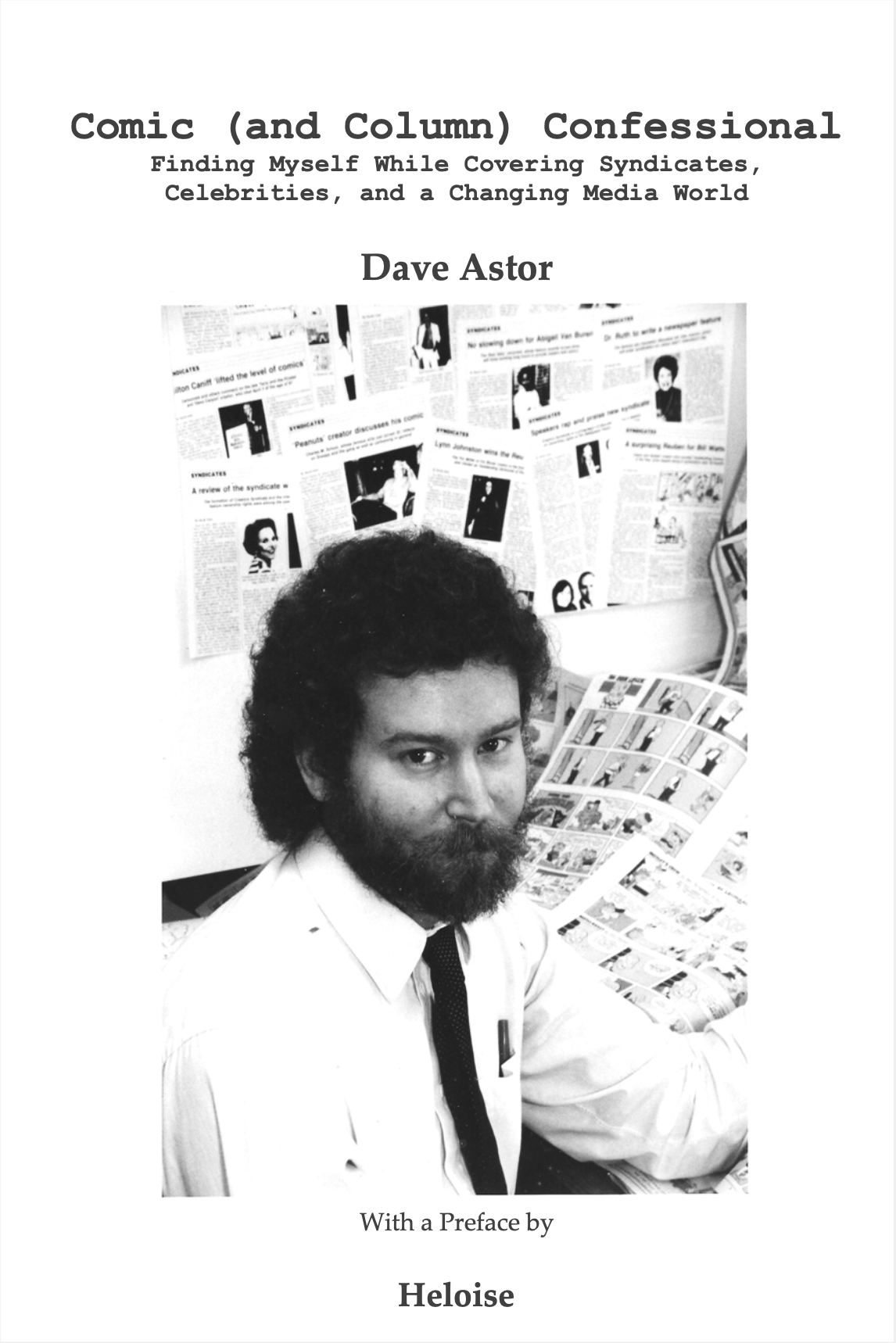
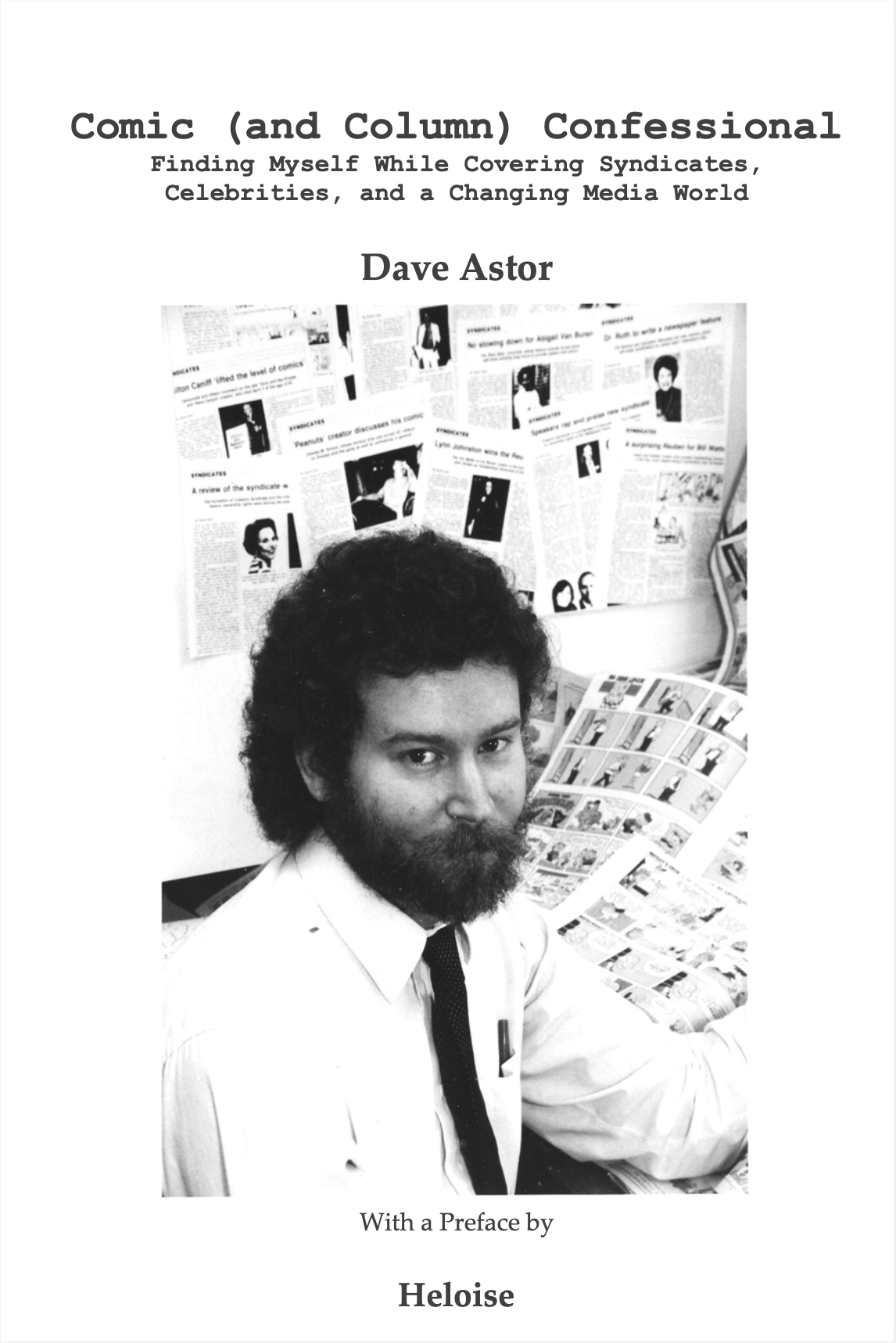
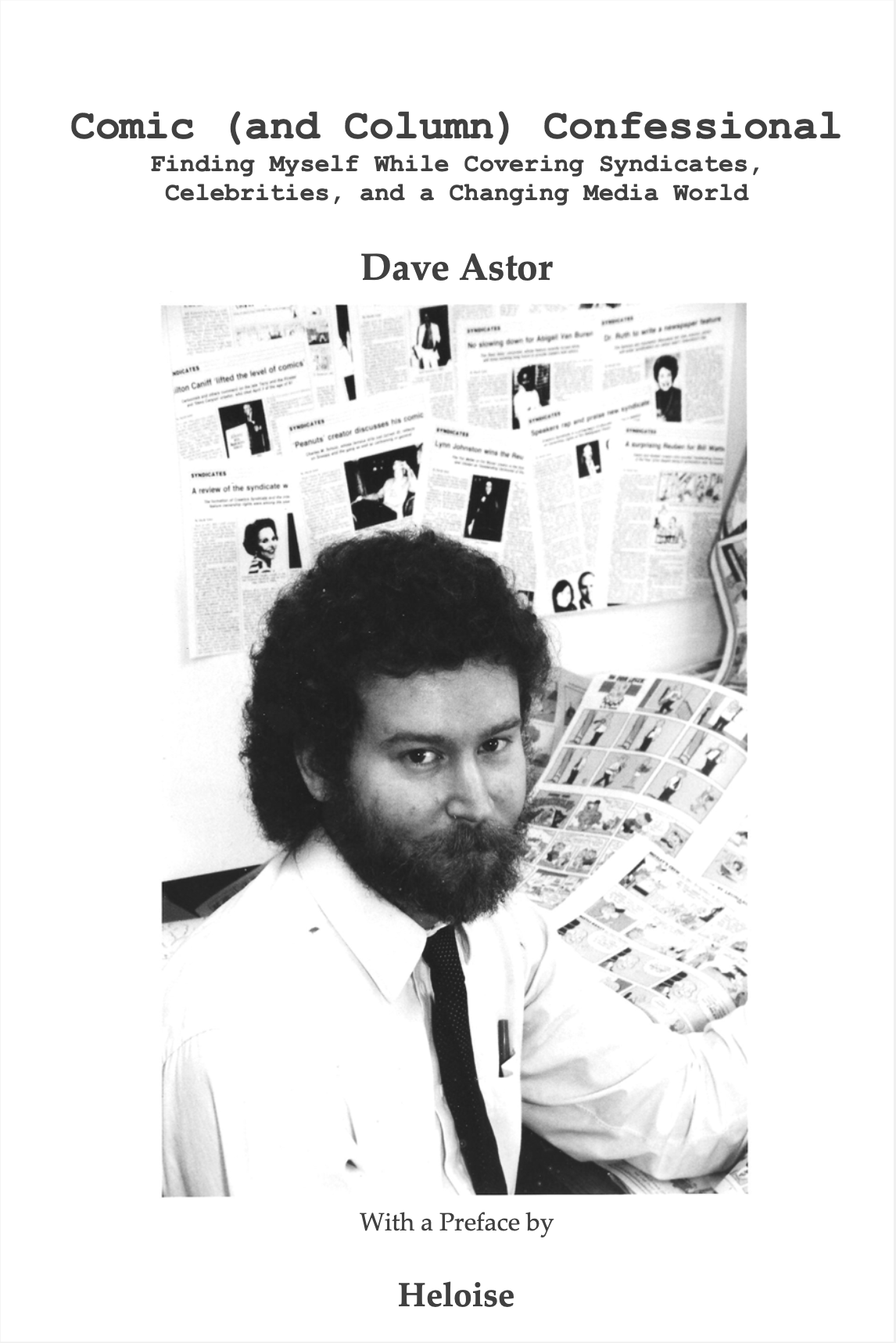
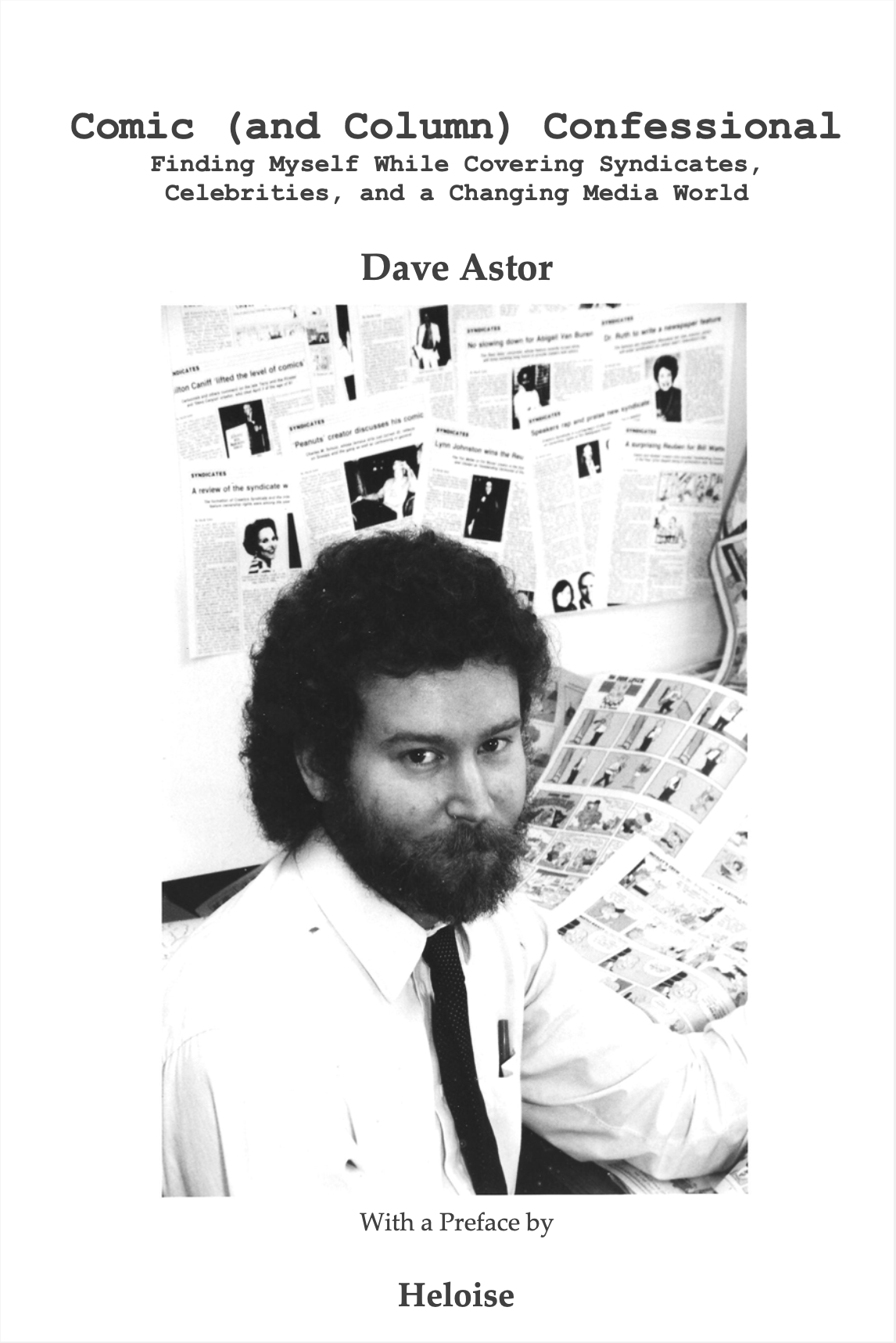
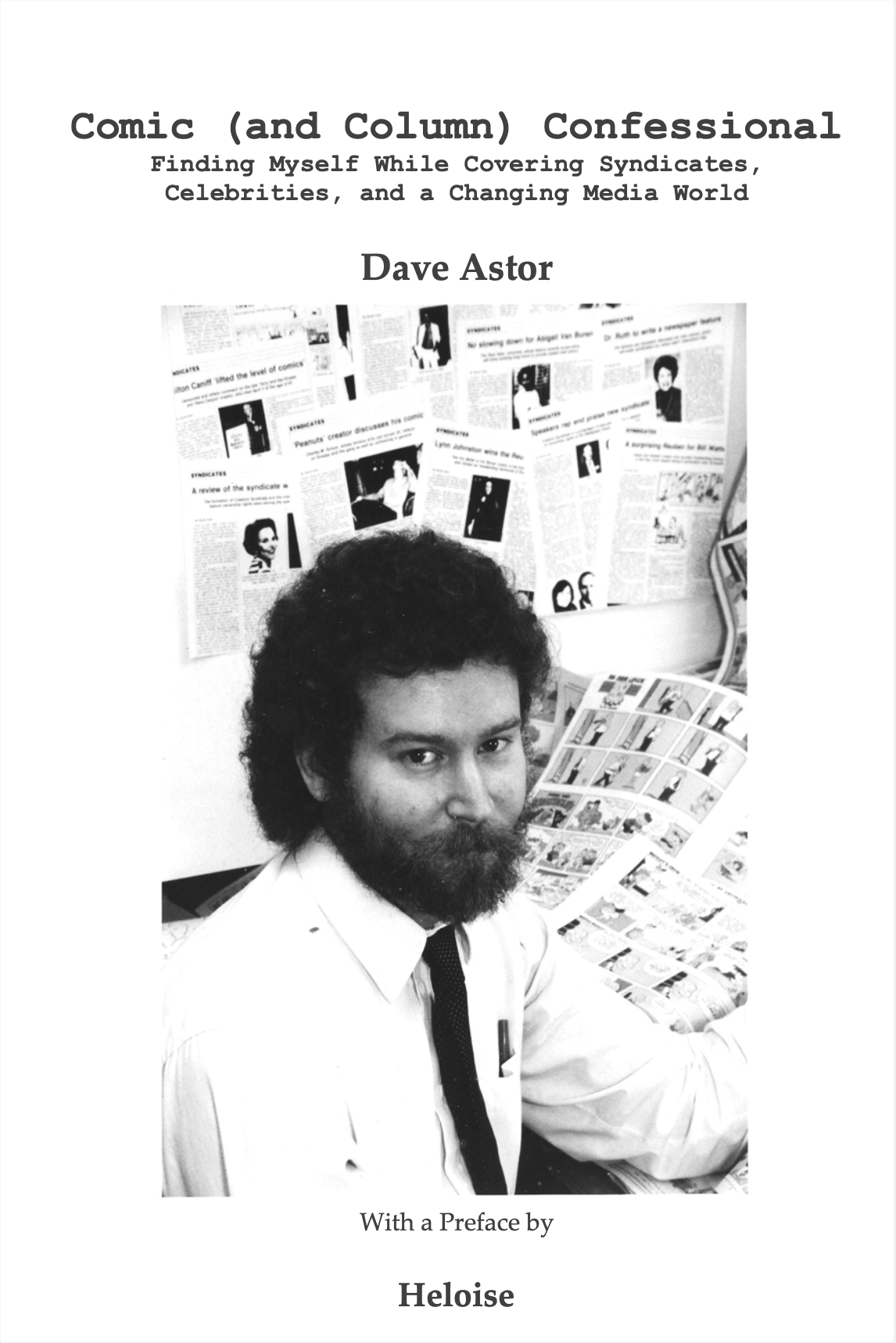
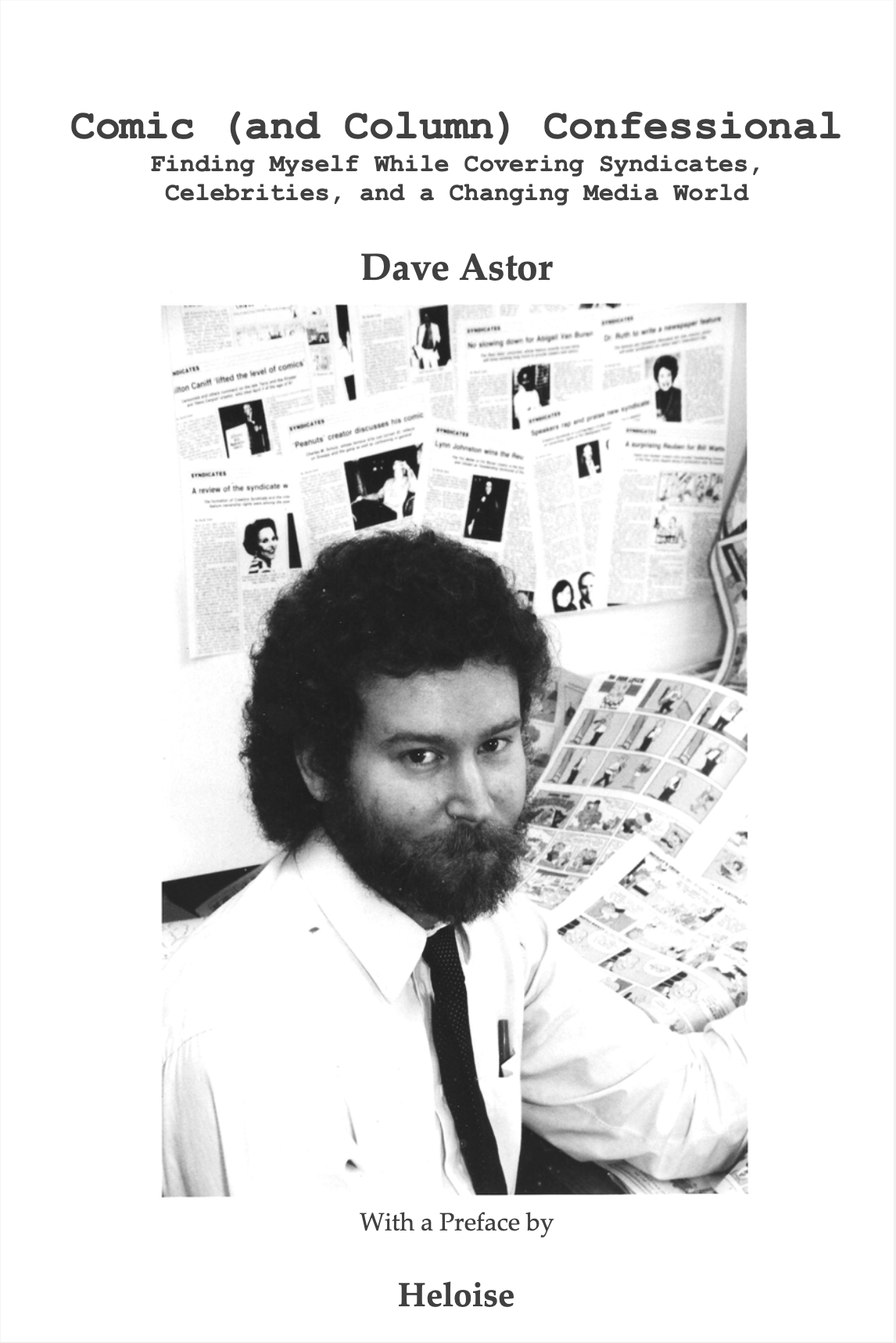
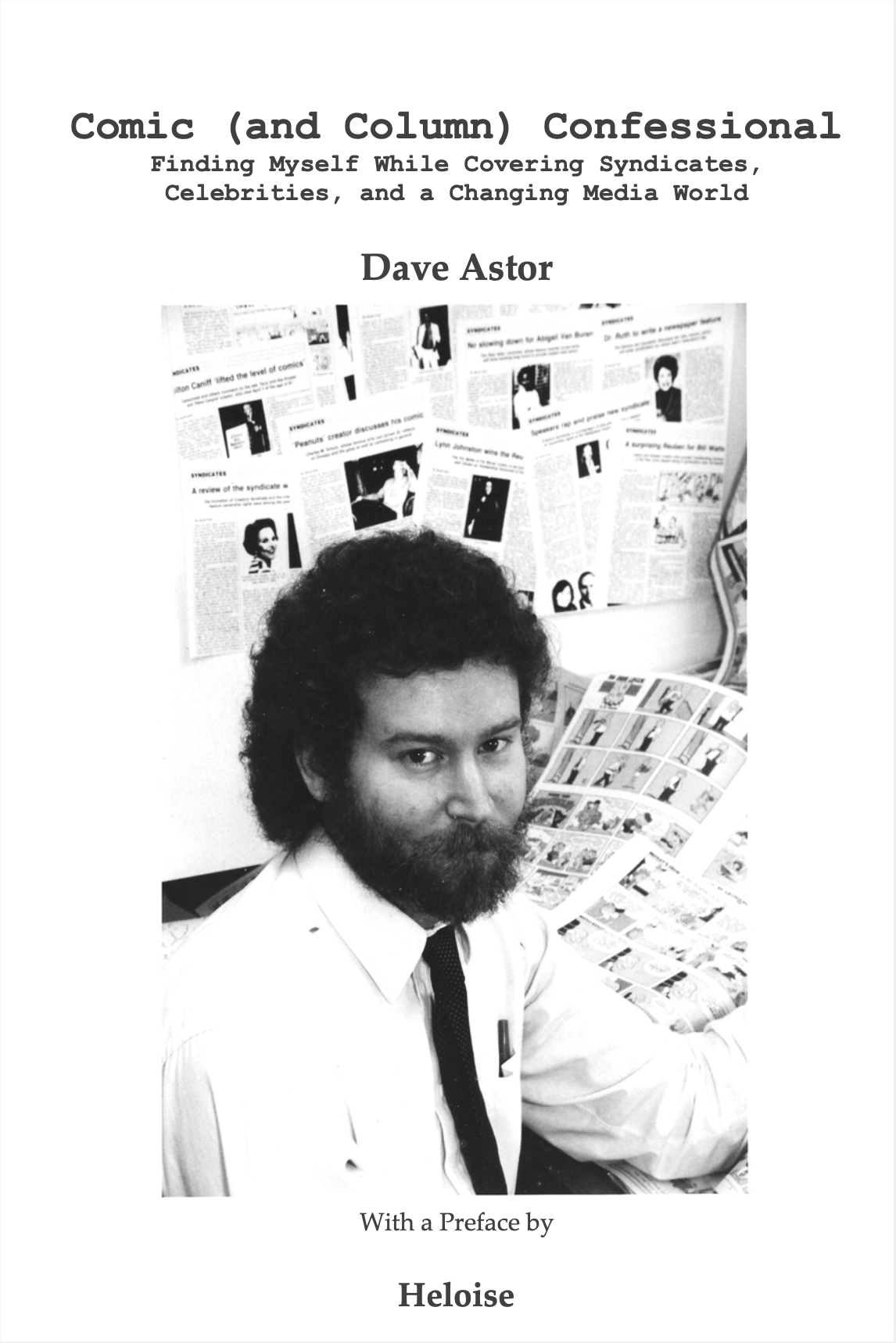
…and a 2012 memoir that focuses on cartooning and more, including many encounters with celebrities.
In addition to this weekly blog, I write the 2003-started/award-winning “Montclairvoyant” topical-humor column every Thursday for Montclair Local. The latest piece – about state school funding and more — is here.