The Power of Research

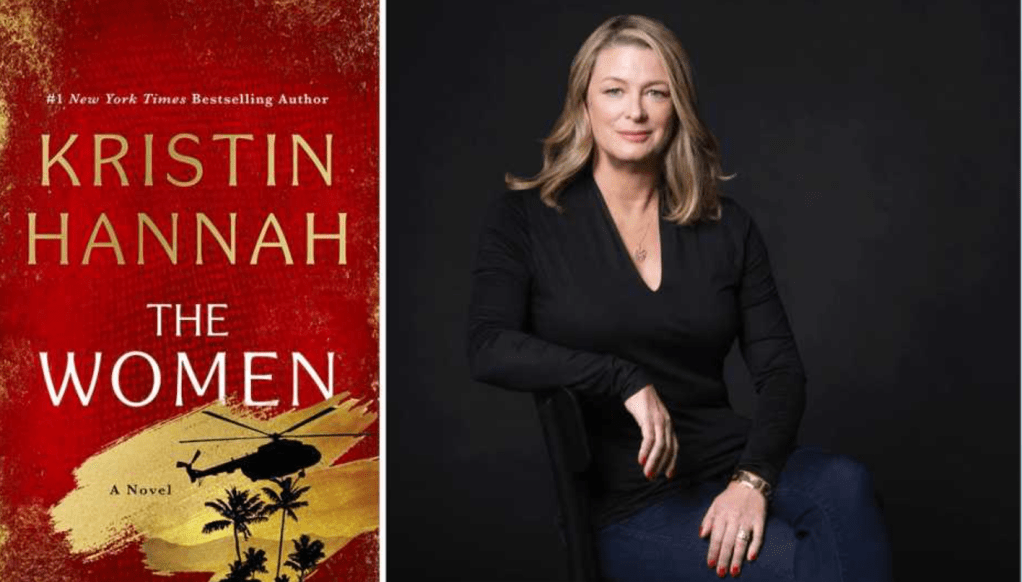
Kristin Hannah (St. Martin’s Press/Kevin Lynch)

Authors of course do research for not only nonfiction books but novels as well — often, albeit not always, when writing historical fiction. And sometimes the power of that research is…stunning.

I appreciated that once again last week when I read Kristin Hannah’s 2024 novel The Women, which focuses on U.S. combat nurses serving amid the chaos of the Vietnam War. The 1960-born Hannah was not a combat nurse, and hadn’t even reached adulthood before that war in Southeast Asia ended in 1975, but The Women‘s devastating “you are there” depiction of the work those nurses did is unforgettable. She obviously researched things to the hilt — reading written sources as well as interviewing people — and then combined that with a riveting story, compelling characters, and excellent prose and dialogue.

This was not the first time Hannah tackled historical fiction; among her many previous books are well-researched novels starring women such as The Nightingale (set during World War II) and The Four Winds (which unfolds in the 1930s Depression/Dust Bowl/California milieu previously explored by John Steinbeck in his classic The Grapes of Wrath).

With the help of careful/thorough research, female authors can obviously write novels set during wartime or other fraught times that are as good or better than those by male authors. We see that in such titles as Isabel Allende’s The House of the Spirits (which includes content about the U.S.-backed 1973 military coup in Chile); Julia Alvarez’s In the Time of the Butterflies (battling a Dominican Republic dictatorship); Kate Quinn’s The Rose Code and The Huntress as well as Elsa Morante’s History (all World War II-related); Quinn’s The Alice Network, Pat Barker’s Regeneration, Willa Cather’s One of Ours, and L.M. Montgomery’s Rilla of Ingleside (all World War I-related); Toni Morrison’s Beloved, Margaret Mitchell’s Gone With the Wind, and Geraldine Brooks’ March (all American Civil War-related); Octavia E. Butler’s Kindred and Harriet Beecher Stowe’s Uncle Tom’s Cabin (brutal U.S. slavery times); Diana Gabaldon’s Outlander series (American Revolutionary War); and Hilary Mantel’s Wolf Hall (intrigue in early 16th-century England).

Other historical novels that grab reader interest with the help of research-buttressed story lines and characters include Barbara Kingsolver’s The Lacuna, Margaret Atwood’s Alias Grace, Alix Christie’s Gutenberg’s Apprentice, Amor Towles’ A Gentleman in Moscow, Khaled Hosseini’s The Kite Runner, Mark Twain’s Personal Recollections of Joan of Arc, Nathaniel Hawthorne’s The Scarlet Letter, Alex Haley’s Roots, Junot Diaz’s The Brief Wondrous Life of Oscar Wao, Tracy Chevalier’s Girl With a Pearl Earring and Remarkable Creatures, E.L. Doctorow’s Ragtime and The Book of Daniel, and Sir Walter Scott’s Ivanhoe and Rob Roy, to name just a few.

Also, I will be reading Colson Whitehead’s The Underground Railroad sometime next month.

There are obviously countless well-researched novels out there; what are some of the ones you’d like to discuss, whether they were mentioned in my post or not? Any general comments about author research?

Misty the cat says: “Those are either daffodils in the distance or unusual cell towers.”

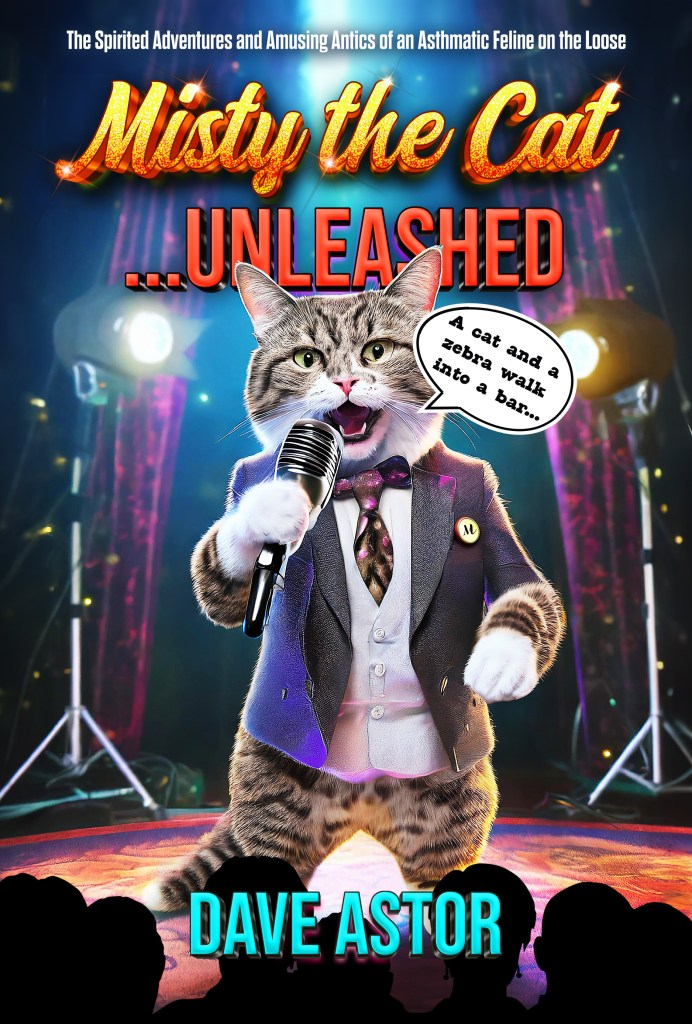
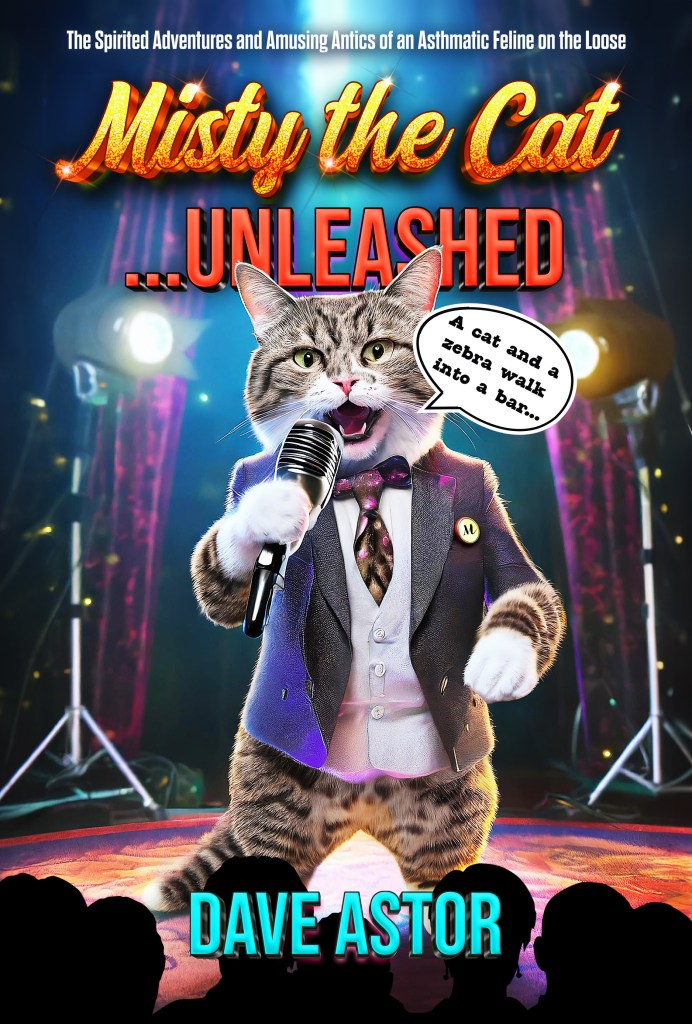
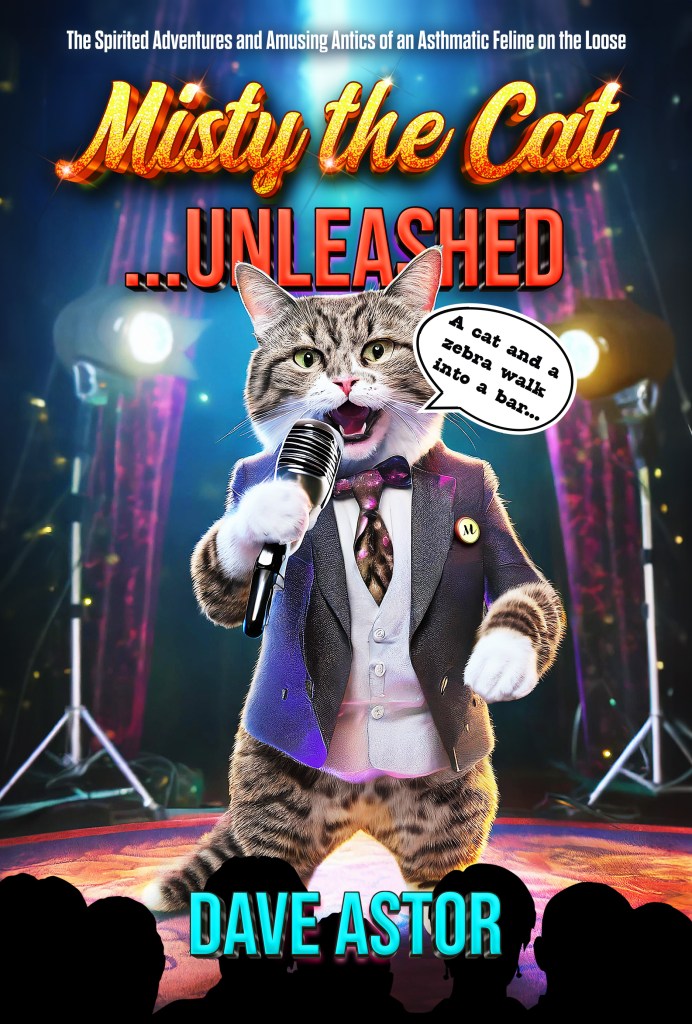
My comedic 2024 book — the part-factual/part-fictional/not-a-children’s-work Misty the Cat…Unleashed — is described and can be purchased on Amazon in paperback or on Kindle. It’s feline-narrated! (And Misty says Amazon reviews are welcome. 🙂 )
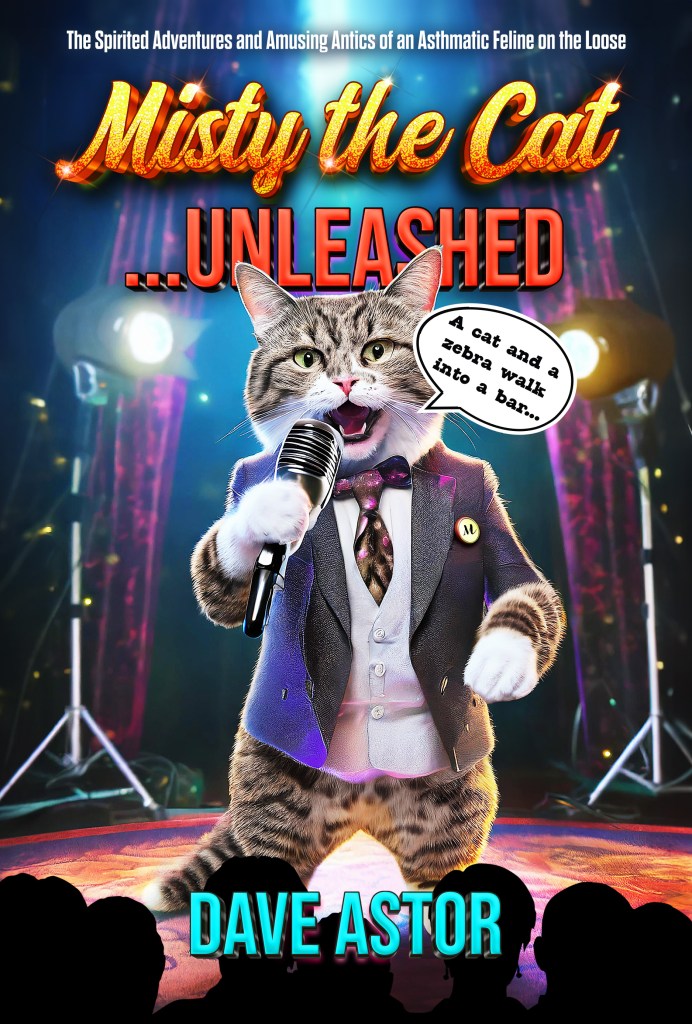
This 90-second promo video for my book features a talking cat: 🙂

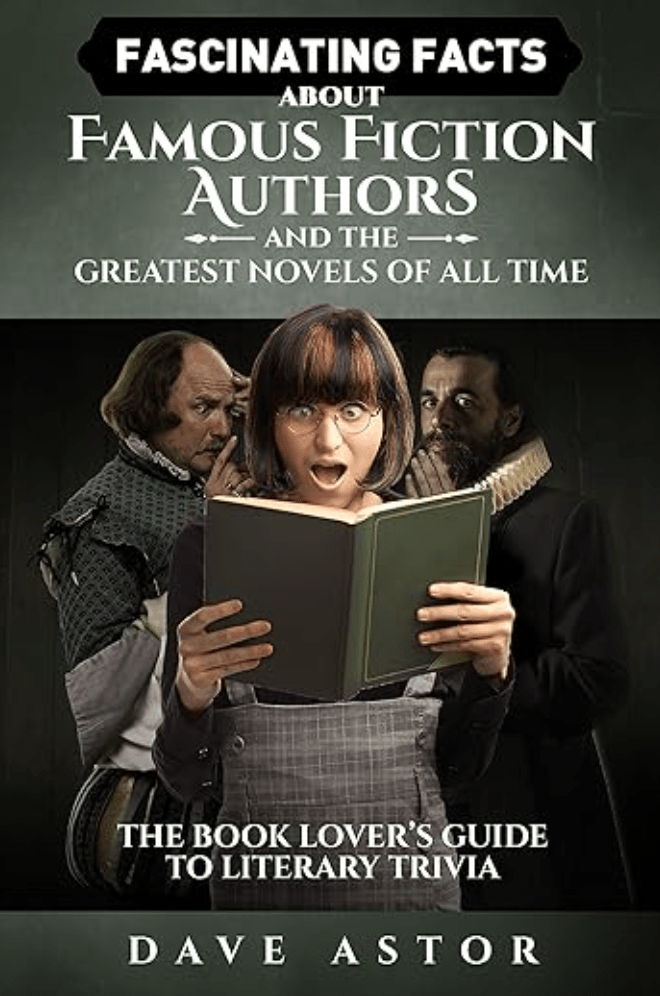
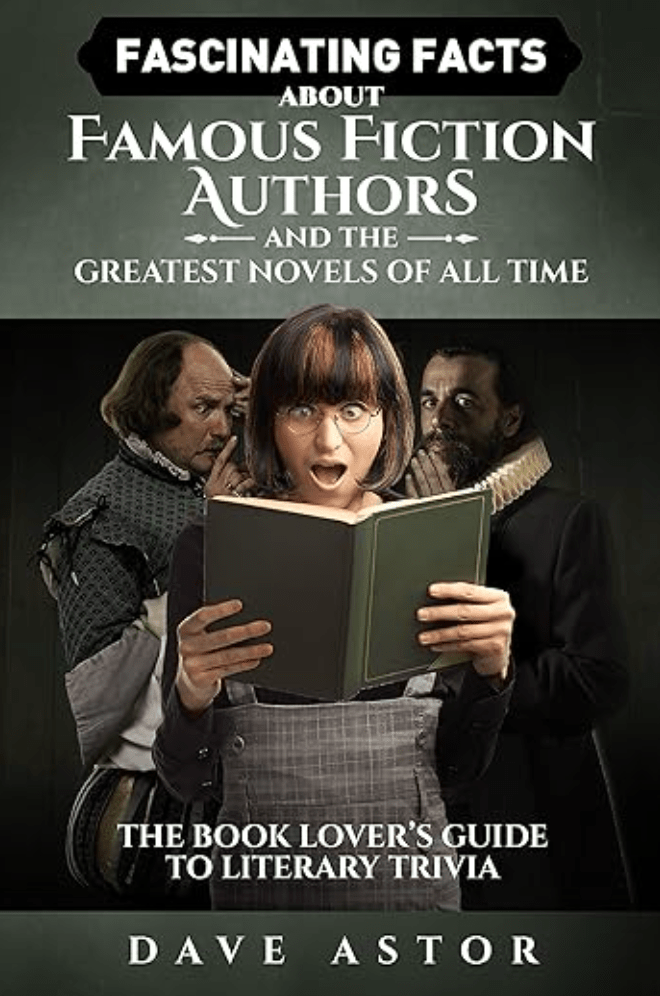
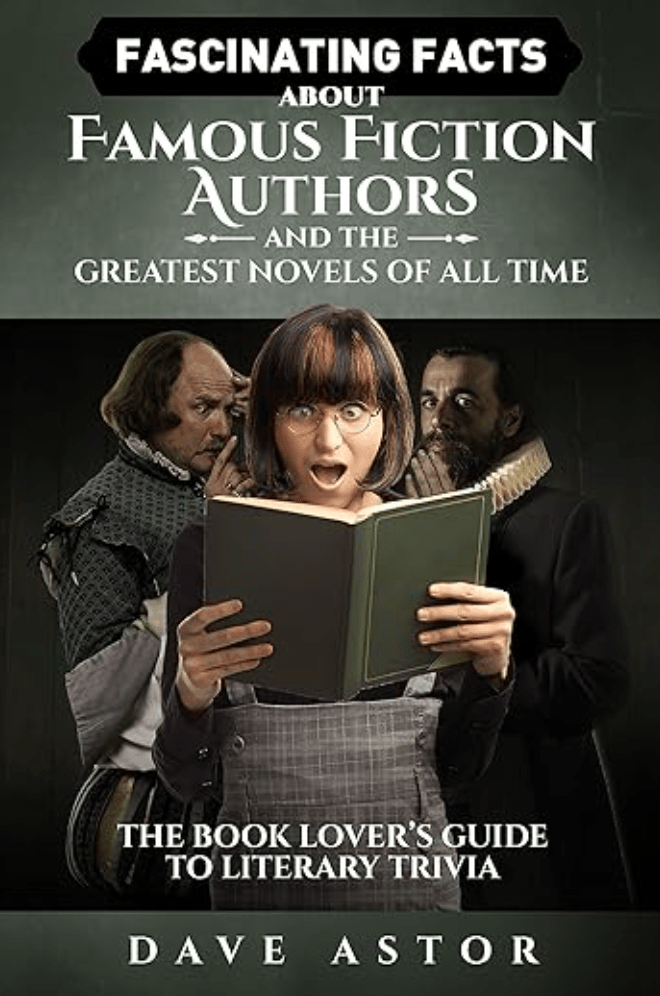
I’m also the author of a 2017 literary-trivia book

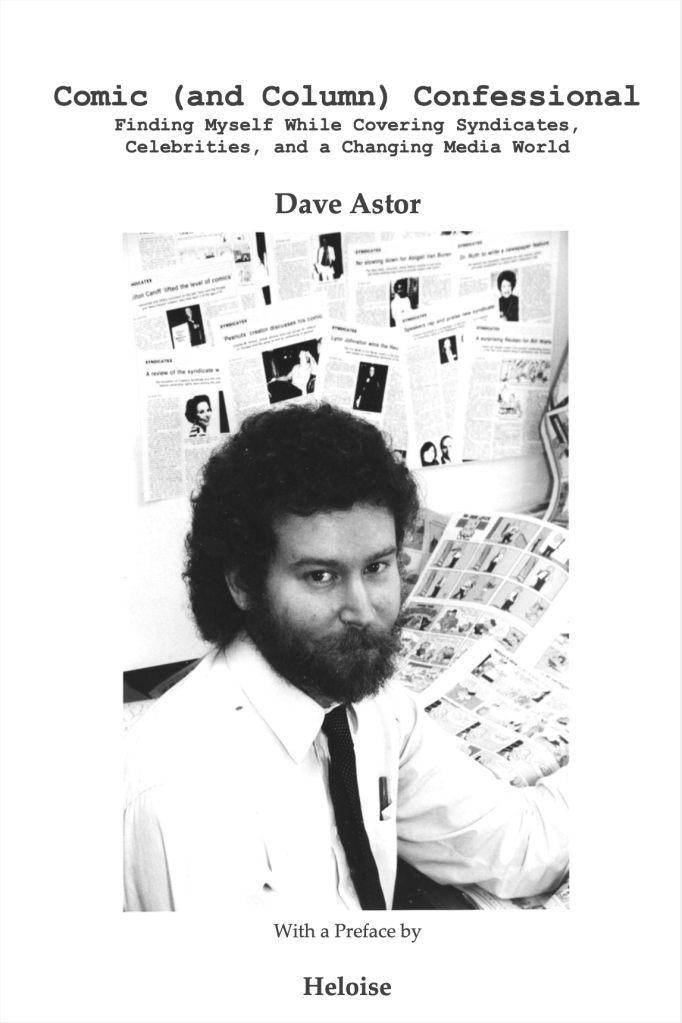
…and a 2012 memoir that focuses on cartooning and more.

In addition to this weekly blog, I write the 2003-started/award-winning “Montclairvoyant” topical-humor column every Thursday for Montclair Local. The latest piece — about a new library bond, an old school district bond, a faltering gubernatorial candidate, mice in a school, a welcome transgender proclamation, and more — is here.

Paying Deference to Novelistic Self-Reference

Was W. Somerset Maugham relaxing after appearing in his own book? Maybe. 🙂

Our attention is definitely captured when authors directly or indirectly refer to themselves and their own books in their novels.

This can give readers an additional sense of a writer’s personality, and provide other extra elements to a book — including humor. On the possibly negative side, “self-insertion” can puncture fiction’s illusory world and remind readers that there’s an authorial presence pulling the strings.

The example of “self-insertion” I noticed most recently was when Elin Hilderbrand had one of her fictional characters in The Five-Star Weekend buy a Hilderbrand novel while in a Nantucket bookstore. Some delightful authorial self-mocking was part of the scene as another character tried to ply the Hilderbrand-interested character with more “serious” literature.

In Miguel de Cervantes’ Don Quixote novel, the title character has Cervantes’ debut book in his library. Also, another character in the classic 17th-century work says he’s a friend of Cervantes.

Then there’s John Steinbeck’s East of Eden, which was partly inspired by the author’s own family history. So it’s not a total surprise when Steinbeck himself pops up for a brief cameo in the novel.

W. Somerset Maugham put somewhat more of his actual self in his latter-career novel The Razor’s Edge when his searching-for-meaning-in-life protagonist — the fictional Larry Darnell — has a deep discussion about spirituality and more in a Paris cafe with…Maugham. (Of Human Bondage, the Maugham novel considered that author’s masterpiece, is actually more semi-autobiographical than The Razor’s Edge.)

And Emile Zola put a LOT of himself in his novel The Masterpiece; the book’s fictional author Pierre Sandoz is clearly based on Zola himself, who had a long real-life friendship with painter Paul Cezanne. The Masterpiece‘s protagonist — painter Claude Lantier — is partly based on Cezanne as well as Claude Monet and Edouard Manet.

In Kurt Vonnegut’s Slaughterhouse-Five, the narrator character is obviously Vonnegut himself. There are even these lines: “That was I. That was me. That was the author of this book.”

Herman Melville did a self-reference variation by having the title character in Pierre write a book that appalled its would-be publisher. This plot twist was a way for Melville to vent about the poor critical and commercial reception for Moby-Dick, released the previous year. Pierre — which, like Moby-Dick, was ahead of its time in various ways — would also sell badly, and cause lots of controversy with its implied-incest element.

Of course, as several early commenters rightly note below, most novelists put something of themselves in the books they write — even if subconsciously. My post mostly focused on when writers do this in a pretty overt way. 🙂

Your thoughts on, and examples of, this topic?

Misty the cat says: “I’m on the windswept moors of ‘Wuthering Heights.'”

My comedic 2024 book — the part-factual/part-fictional/not-a-children’s-work Misty the Cat…Unleashed — is described and can be purchased on Amazon in paperback or on Kindle. It’s feline-narrated! (And Misty says Amazon reviews are welcome. 🙂 )

This 90-second promo video for my book features a talking cat: 🙂

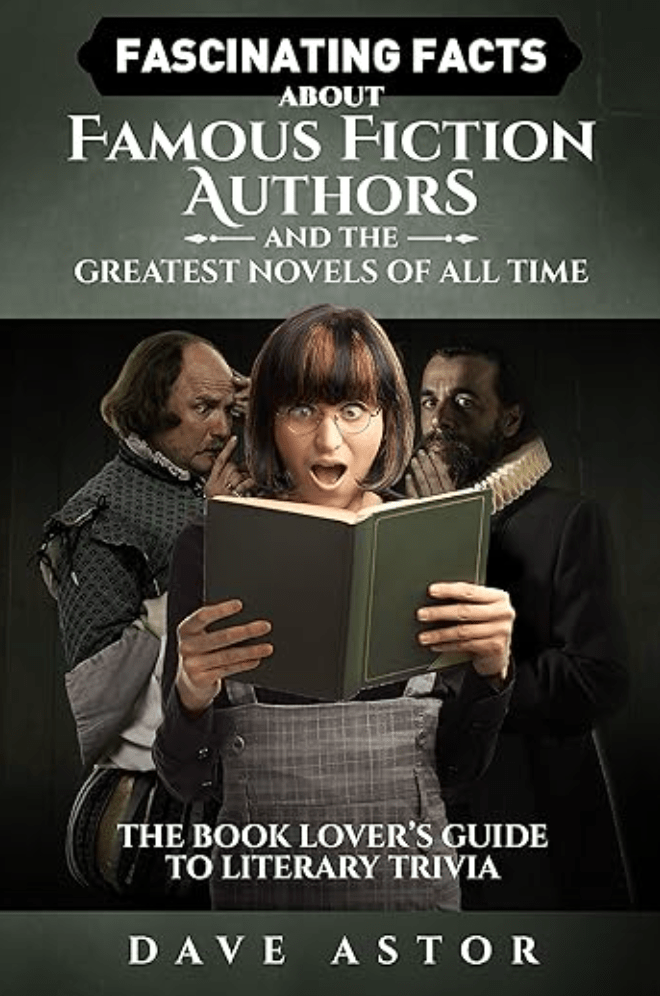
I’m also the author of a 2017 literary-trivia book

…and a 2012 memoir that focuses on cartooning and more.


In addition to this weekly blog, I write the 2003-started/award-winning “Montclairvoyant” topical-humor column every Thursday for Montclair Local. The latest piece — about past-due school district bills, a township manager payout, diminished mass transit, and more — is here.

We Were All Kids in the Beginning, Except for Benjamin Button

Every one of us can relate to looking back at our younger years and remembering the highs and lows of that time. Feeling nostalgia or regret or embarrassment, etc., from an adult perspective. And perhaps getting insight into what helped make us what we are today.

Among the many authors who have explored a fictional character’s past is Haruki Murakami in the rather lengthily titled Colorless Tsukuru Tazaki and His Years of Pilgrimage, which I read last week. As a teen two decades earlier, Tsukuru had been part of a group of five close friends when the other four suddenly and completely cut him off without explanation. Tsukuru was devastated, and never quite got over it even into his 30s. Finally, his girlfriend insists that the Tokyo-based Tsukuru try to find out what happened — which leads him to revisit his Japanese hometown of Nagoya and even take a trip to Finland.

Revisiting/analyzing one’s younger years is also a major theme of Cat’s Eye by Margaret Atwood. In that novel, celebrated Canadian painter Elaine Risley is invited back to her Toronto hometown for a retrospective show of her art. That visit brings to the surface many memories of her childhood — which included negative experiences (such as being bullied) and more positive ones.

Harper Lee’s renowned To Kill a Mockingbird novel has its Scout Finch character recount her childhood from an adult vantage point. Nicholas Sparks does something similar in A Walk to Remember, as the middle-aged Landon Carter recalls his teen romance with the gravely ill Jamie Sullivan. In both cases, virtually the whole book takes place in the past, except for the brief later-life framing.

Many other novels chiefly focus on a protagonist in adulthood while offering brief childhood flashbacks to more fully flesh out the character. Elin Hilderbrand’s The Blue Bistro, a book I just finished set mostly in a Nantucket restaurant, does that well.

The recollection-of-childhood approach is different in Charlotte Bronte’s Jane Eyre, as the title character uses a first-person narrative to chronologically chronicle her life from girlhood into adulthood. George Eliot does a third-person version of that in The Mill on the Floss as she tells the life story of Maggie Tulliver (and to a lesser extent Maggie’s brother Tom).

A chronological kid-to-adult story line can of course be extended into a series, as is the case with J.K. Rowling’s Harry Potter books and Jean M. Auel’s Earth’s Children books (The Clan of the Cave Bear, etc). In those two series, the sagas end in early adulthood for the young protagonists.

Another type of approach is in Jamie Ford’s Hotel on the Corner of Bitter and Sweet, which features Henry Lee in parallel story lines — as a 56-year-old adult in the 1980s, and as a 12-year-old kid seeing his friend Keiko Okabe relocated to a harsh Japanese-American internment camp in Idaho in the 1940s.

Then there’s F. Scott Fitzgerald’s short story “The Curious Case of Benjamin Button,” in which the title character ages in reverse — from old to young. Kind of a different category. 🙂

Your thoughts about, and examples of, this theme?

Misty the cat says: “Thomas Wolfe wrote ‘You Can’t Go Home Again.’ I’m proving him wrong.”

My comedic 2024 book — the part-factual/part-fictional/not-a-children’s-work Misty the Cat…Unleashed — is described and can be purchased on Amazon in paperback or on Kindle. It’s feline-narrated! (And Misty says Amazon reviews are welcome. 🙂 )

This 90-second promo video for my book features a talking cat: 🙂

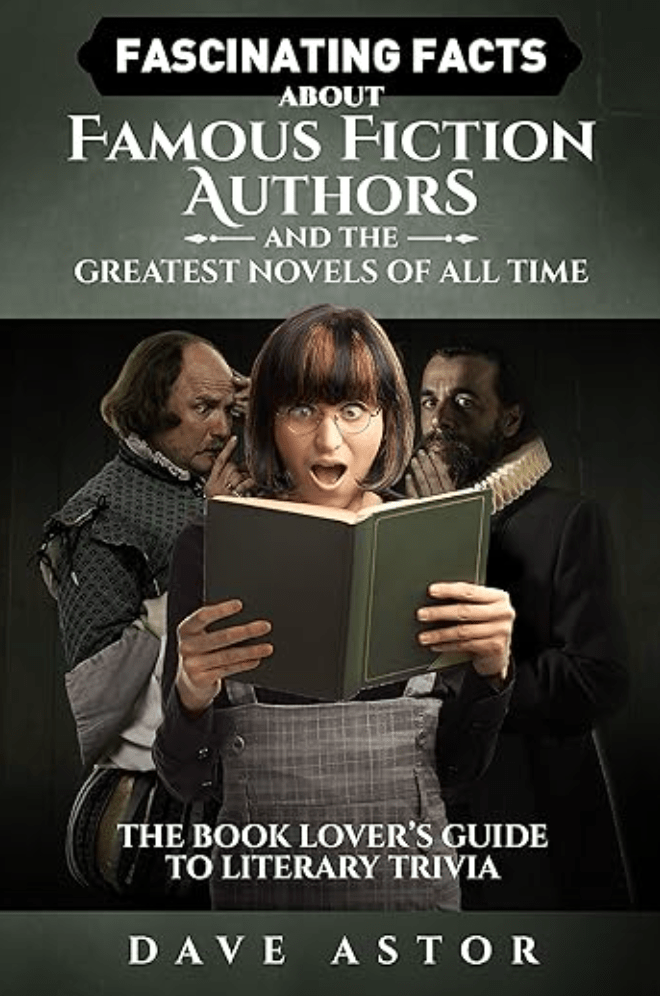
I’m also the author of a 2017 literary-trivia book

…and a 2012 memoir that focuses on cartooning and more.

In addition to this weekly blog, I write the 2003-started/award-winning “Montclairvoyant” topical-humor column every Thursday for Montclair Local. The latest piece — about affordable housing, flooding, public libraries in need of work, a schools superintendent search, and more — is here.

Chase Is Not a Bank When Novels Include Chases

One way to almost guarantee a satisfying conclusion in a novel is with a great chase scene. Such a scene frequently happens in genres such as the thriller, but also occasionally in more literary fiction.

Chases are exciting; the way they unfold can be quite inventive; and they make eager readers wonder: Will the pursued person (who can be the novel’s villain or hero) get caught or escape? Also, it should be noted that memorable chases might occur in the middle or soon after the start of a novel, too.

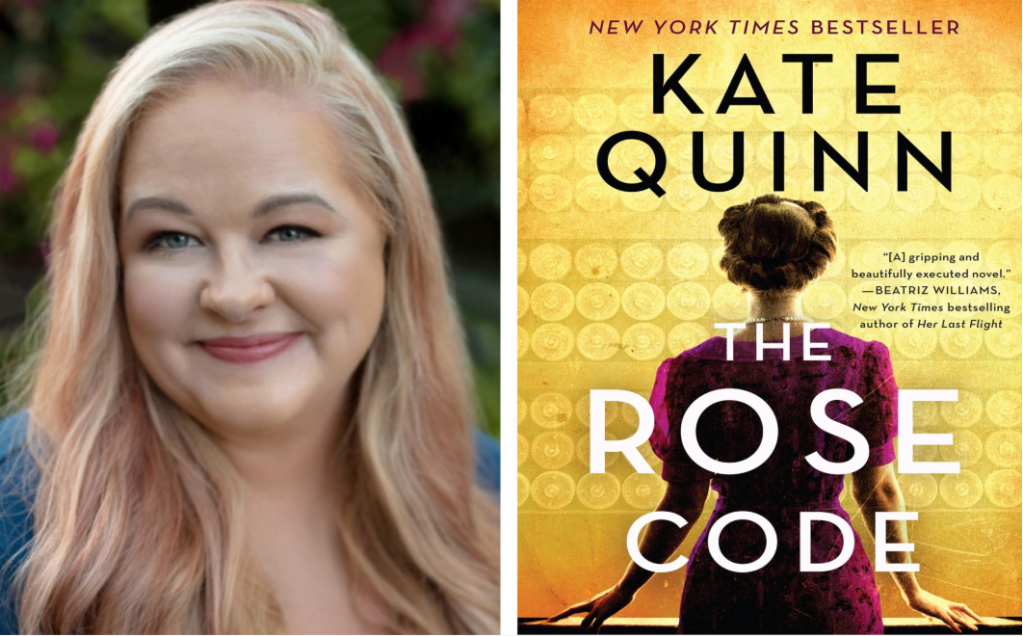
I just finished Kate Quinn’s The Rose Code, a terrific/intricate piece of historical fiction about British codebreakers during World War II that stars three unforgettable women. The icing on the cake near book’s end is an on-foot, top-speed, ultra-dramatic pursuit in London of a codebreaker traitor who had ruthlessly framed one of the three women.

Among the most memorable chases in the history of fiction? The pursuit of a terrified Eliza, holding her young son, as she tries to escape from slavery — including an attempt to cross the icy Ohio River — in Harriet Beecher Stowe’s Uncle Tom’s Cabin.

Also quite well known is Victor Frankenstein’s eye-opening, across-the-Arctic pursuit of the creature he created in Mary Shelley’s Frankenstein.

Hunted Past Reason chronicles the brutal hunt of a fleeing man by another man — with Richard Matheson’s novel inspired by Richard Connell’s decades-earlier short story “The Most Dangerous Game.”

Other novels with unforgettable chase elements — again, not necessarily at book’s end — include Cormac McCarthy’s No Country for Old Men, Patricia Highsmith’s The Talented Mr. Ripley, William Goldman’s Marathon Man, John Buchan’s The Thirty-Nine Steps, and James Dickey’s Deliverance.

Of course, there are novels with car chases, too.

Obviously, chases in fiction don’t always involve just humans. For instance, Captain Ahab and his Pequod crew pursue a certain big white whale in Herman Melville’s Moby-Dick. Also, there are the shark shenanigans in Peter Benchley’s Jaws.

Any other novels with great chase scenes you’d like to mention? Any general thoughts on this topic?

Misty the cat says: “One small step for cat, one giant leap if I were a very small cat.”

My comedic 2024 book — the part-factual/part-fictional/not-a-children’s-work Misty the Cat…Unleashed — is described and can be purchased on Amazon in paperback or on Kindle. It’s feline-narrated! (And Misty says Amazon reviews are welcome. 🙂 )

This 90-second promo video for my book features a talking cat: 🙂

I’m also the author of a 2017 literary-trivia book

…and a 2012 memoir that focuses on cartooning and more.

In addition to this weekly blog, I write the 2003-started/award-winning “Montclairvoyant” topical-humor column every Thursday for Montclair Local. The latest piece — about neglectful ownership of a lower-income apartment building and more — is here.

Anti-‘Woke’ Folk Should Do a Literary Soak

Colson Whitehead photo by Chris Close/Doubleday.

The Trump Administration’s countless nasty actions during its first six weeks include a crusade against DEI (Diversity/Equity/Inclusion) in the United States — a crusade that once again shows that Donald and company are white supremacists. They’re also sexist, anti-LGBTQ+, uncaring about people with disabilities, etc.

Their wrongheadedness has meant, among other things, firings of many federal employees who are not white males and crackdowns on merit-based multicultural hiring. Buttressing everything is the Trump Administration’s racist view that Caucasian men are the most competent people for any job — a view proven false time and time again, including when one looks at Trump’s grossly unqualified white male picks for Cabinet posts and other high positions.

Some on the anti-DEI bandwagon acknowledge that racism, misogyny, and homophobia once existed but contend that they’re now things of the past. Yes, things have gotten better, but true equality is still a distant goal. Also, there has of course been much recent backsliding into intolerance “thanks” to Trump, many of his fellow Republicans, some Democrats, and others.

One way people can see the very problematic nature of an anti-DEI attitude is to read novels. Many fictional works spotlight talented characters who are not white males, and often depict the challenges those characters face in a world still teeming with bias.

For instance, I’m currently reading Kate Quinn’s excellent 2021 novel The Rose Code — in which the abilities of World War II codebreakers Osla Kendall, Mab Churt, and Beth Finch are inspiring, as are the struggles of those three young Englishwomen against sexism and being underestimated.

But for the rest of this post, I’m going to only mention novels featuring impressive Black female and male characters who give the lie to alleged white male superiority as they often deal with a LOT in a society that devalues them and too often threatens them.

Just before starting The Rose Code, I read Colson Whitehead’s Pulitzer Prize-winning 2019 novel The Nickel Boys — and there’s no doubt that African-American character Elwood Curtis is smarter, nicer, and harder-working than any other teen (Black or white) we “meet” in the segregated northern Florida of the early 1960s. But a racist criminal “justice” system sends Elwood to a brutal juvenile reformatory on a charge he’s innocent of, and the results are not pretty — including what we learn in the powerful twist near the book’s conclusion.

But that was more than 60 years ago, you say? Whitehead, who also sets The Nickel Boys in more-recent times, shows how prejudice never completely goes away; it continues to reverberate. Trauma lingers across many a decade (as does a much smaller amount of intergenerational wealth among Black people compared to white people).

A few other memorable characters whose lives were at least partly affected by America’s warped racial dynamics include Joe King Oliver of Walter Mosley’s Down the River unto the Sea (2018), Starr Carter of Angie Thomas’ The Hate U Give (2017), Ifemelu of Chimamanda Ngozi Adichie’s Americanah (2013), Kiki Belsey of Zadie Smith’s On Beauty (2005), Celie of Alice Walker’s The Color Purple (1982), Dana Franklin of Octavia E. Butler’s Kindred (1979), Macon Dead III of Toni Morrison’s Song of Solomon (1977), Kunta Kinte of Alex Haley’s Roots (1976), John Grimes of James Baldwin’s Go Tell It On the Mountain (1953), the unnamed narrator of Ralph Ellison’s Invisible Man (1952), Bigger Thomas of Richard Wright’s Native Son (1940), and Janie Crawford of Zora Neale Hurston’s Their Eyes Were Watching God (1937). I found every one of those novels well worth reading, and I wish everyone trashing DEI would read them, too.

There are of course many bias-slammed Black characters skillfully created by white authors, too. Among them are Donte Drumm, a teen who ends up on Death Row for a murder he didn’t commit in John Grisham’s The Confession (2010); and the also falsely accused Tom Robinson in Harper Lee’s To Kill a Mockingbird (1960). Hmm…kind of similar story lines, 50 years apart.

Some of the characters mentioned in this post “overcome,” some do not.

Your thoughts about, and examples of, this topic?

Misty the cat says: “The grass will get greener this spring or when I buy a big can of green paint.”

My comedic 2024 book — the part-factual/part-fictional/not-a-children’s-work Misty the Cat…Unleashed — is described and can be purchased on Amazon in paperback or on Kindle. It’s feline-narrated! (And Misty says Amazon reviews are welcome. 🙂 )

This 90-second promo video for my book features a talking cat: 🙂

I’m also the author of a 2017 literary-trivia book

…and a 2012 memoir that focuses on cartooning and more.

In addition to this weekly blog, I write the 2003-started/award-winning “Montclairvoyant” topical-humor column every Thursday for Montclair Local. The latest piece — about a newly hired township manager, bad sidewalks, and more — is here.