Going Places

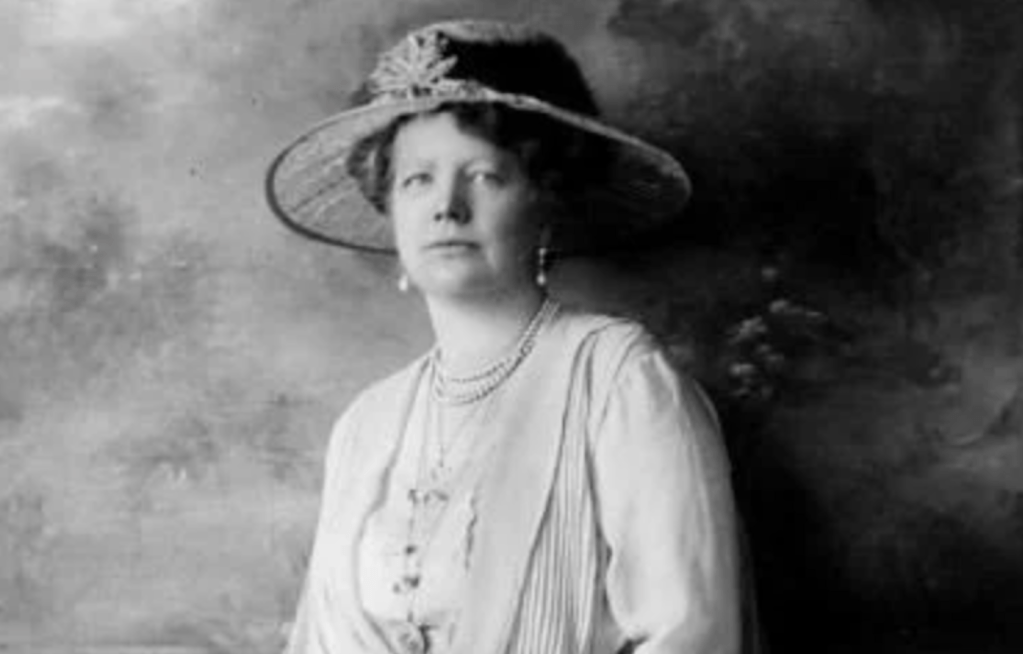
Elizabeth von Arnim

Can going to a different place change a person for the better? It certainly helps in some cases — as seen in various novels. Characters might get out of rut, meet new people, interact differently with people they already know, see new sights, learn new things, self-reflect, find the new place suits their personality more, etc.

I just read Elizabeth von Arnim’s The Enchanted April (1922), which focuses on four unhappy British women who rent a castle on the Italian Riviera for a month. The gorgeous setting becomes a big factor in improving things for each of the four. The Enchanted April is…enchanting — an upbeat novel, but with some welcome puncturing of sentimentality.

Another British character travels to Hawaii in David Lodge’s 1991 novel Paradise News, where love is found along with better weather. 🙂

Rita Mae Brown’s 1973 novel Rubyfruit Jungle stars Molly Bolt — who, as a lesbian, finds life somewhat fraught in Florida. She eventually ends up in New York City, where things are of course not perfect but there’s more of an LGBTQ+ community.

The orphaned title character of Charlotte Bronte’s Jane Eyre spends many of the 1847 novel’s early pages at Lowood School, a harsh place with little heat and inadequate food until some reforms are instituted. But the big change for Jane is subsequently getting a governess job at the Thornfield Hall manor, where life becomes quite dramatic. Good things happen, but not all good…

Yes, it can obviously be a mixed experience going to a different place. In Kristin Hannah’s 2024 novel The Women, for instance, the rather naive American protagonist signs up to be a Vietnam War nurse. Much of the experience is horrific for her and of course her badly wounded patients, yet she grows so much as a person that going to Vietnam has some positives.

In John Grisham’s 2014 novel Gray Mountain, New York City lawyer Samantha Kofer is a very urban person who nonetheless finds a lot of satisfaction amid fraught moments after taking a legal-aid job in Virginia’s Appalachian region.

A life-changing positive travel experience can also involve leaving Earth, as pioneering female astronaut Elma York does in Mary Robinette Kowal’s The Calculating Stars and its sequel The Fated Sky, both from 2018.

Obvioiusly, characters can get to another place and see their lives go downhill, but that scenario is not part of this blog post.

I’ve just touched the surface here. Other novels that fit today’s theme? Comments about this theme?

Misty the cat says: “Whoever writes ‘Stop’ signs is even more widely published than Stephen King.”

My comedic 2024 book — the part-factual/part-fictional/not-a-children’s-work Misty the Cat…Unleashed — is described and can be purchased on Amazon in paperback or on Kindle. It’s feline-narrated! (And Misty says Amazon reviews are welcome. 🙂 )

This 90-second promo video for the book features a talking cat: 🙂

I’m also the author of a 2017 literary-trivia book

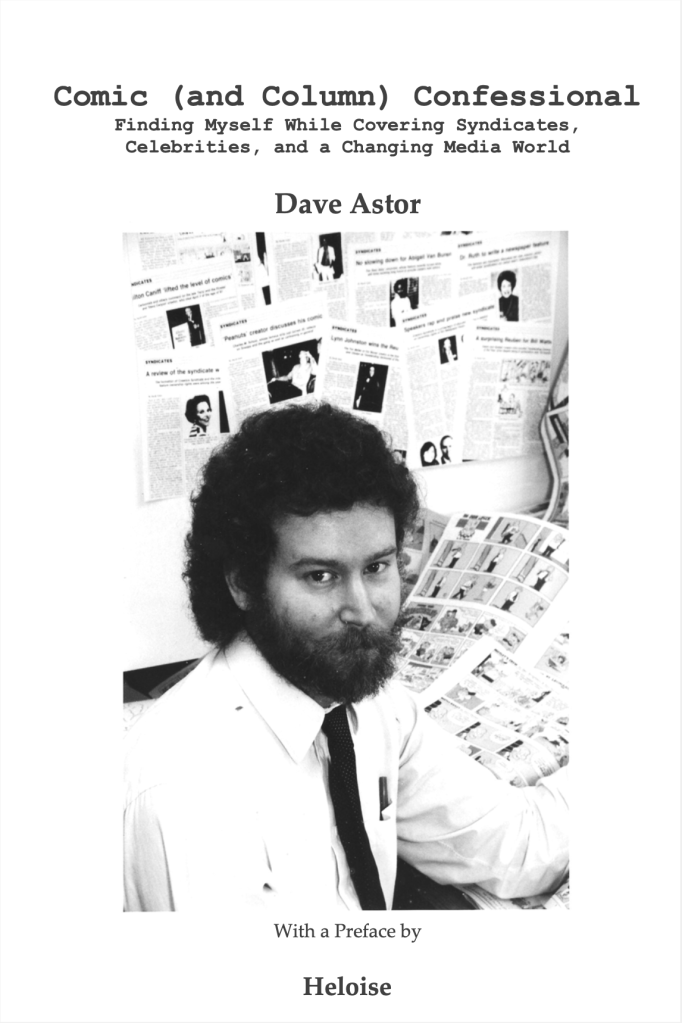
…and a 2012 memoir that focuses on cartooning and more.
In addition to this weekly blog, I write the 2003-started/award-winning “Montclairvoyant” topical-humor column every Thursday for Montclair Local. The latest piece — containing a comedic overreaction to a one-hour-earlier closing time at my town’s municipal pools — is here.

A New Person in Town Drives the Plot of Many Novels

Most of us know what it’s like to move to a new town or city — whether it’s to start college, begin a job, escape a bad marriage, retire, or for other reasons. So we really relate to fictional characters who also do that. We watch as they find a home or apartment, deal with initial loneliness and homesickness, navigate different cultural norms, try to make friends, become an object of curiosity to new neighbors and coworkers, etc.

Numerous novels have that “new person in town” element, and I’ll discuss a few of those books today.

I recently read John Grisham’s Camino Island, which describes the theft of the original manuscripts of F. Scott Fitzgerald’s five novels and then focuses mostly on two characters who move to the Florida isle of the title. One, Bruce Cable, had settled on Camino two decades earlier and opened a very successful bookstore — yet he still allegedly dabbles in stolen manuscripts despite not needing to financially. The other, struggling author Mercer Mann, is convinced by a certain investigative entity to spend six months on the island (which she visited as a kid) to spy on Cable.

(Grisham’s novel has the added bonus of mentioning many real-life authors and novels.)

Other contemporary best-selling writers — including Joyce Carol Oates, Anne Tyler, Liane Moriarty, and Stephen King — have also been among the many novelists to use the “new person in town” theme in interesting ways.

Oates’ novel Solstice has protagonist Monica Jensen move from New York City to a teaching job in rural Pennsylvania after her marriage ends. Some residents wonder why Monica left an exciting urban life for such a sleepy area, but the calmness of her new locale is something she needs, at least temporarily. Yet things become far from calm as she develops a very intense, problematic friendship with eccentric local artist Sheila Trask.

Anne Tyler’s Ladder of Years has protagonist Delia Grinstead walk away from the husband and children who don’t appreciate her, and much of the novel focuses on how Delia adapts to a different locale and her new solitary life — and on whether Delia should return to her family.

In Big Little Lies, the Liane Moriarty novel that inspired the hit TV series gets its page-turning plot going when single mother Jane Chapman moves to an Australian town with her young son and tries to fit in with the wealthier families who also have children in Ziggy’s new school.

Rose Daniels in Stephen King’s Rose Madder leaves home to escape her abusive police officer husband Norman, and then sees her new life (in a city that might be Chicago) become threatened as Norman tries to hunt her down.

Many older novels, of course, also feature characters starting anew in different places. One prime example is George Eliot’s Silas Marner, in which the title character moves from one England town to another after a “friend” frames him for a crime and then marries Marner’s fiancee. The bitter Silas becomes a miser until something almost magical changes his life.

What are some of your favorite novels that fit this topic?

My 2017 literary-trivia book is described and can be purchased here: Fascinating Facts About Famous Fiction Authors and the Greatest Novels of All Time.

In addition to this weekly blog, I write the award-winning “Montclairvoyant” topical-humor column for Baristanet.com. The latest weekly piece — which discusses an old train station, standardized testing, and more — is here.