Older Women, Younger Men, and a Newborn Blog Post

As in real life, many novels feature couples consisting of a younger woman and a man older than she is. So it’s refreshingly different when the age gap goes in the opposite gender direction.

I most recently experienced this last week when reading Elin Hilderbrand’s excellent early-career novel Barefoot, which includes a man in his early 20s who has an affair with a woman in her early 30s during a summer in Nantucket, Massachusetts. The relationship works for multiple reasons, even as both characters’ life situations are rather complicated.

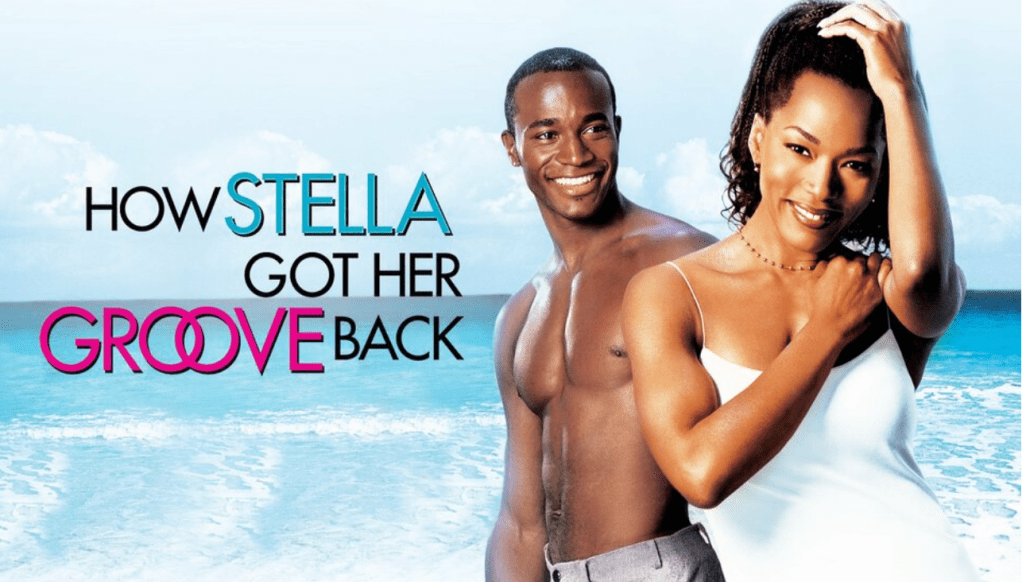
One of the best-known examples of this “genre” is Terry McMillan’s How Stella Got Her Groove Back, which stars a divorced 42-year-old woman who finds romance during a Jamaica vacation with a man half her age.

Three-quarters of a century earlier, Colette offered a similar 40-something/20-something dynamic in Cheri — which was followed by The Last of Cheri sequel.

Bernhard Schlink’s The Reader features a 36-year-old woman (a former Nazi guard) and a 15-year-old teen boy. As you can imagine, things get rather fraught personally and politically.

Then there’s Harold and Maude — released as a movie and a Colin Higgins-written novelization of that movie at roughly the same time. In the film, which became a cult classic, Harold is about 20 and Maude is 79, with the “hook” that Maude has a more youthful personality and sunnier outlook on life than the morbid Harold.

Another novel lesser known than its film version is Charles Webb’s The Graduate, in which Benjamin has an affair with Mrs. Robinson, the wife of his father’s business partner.

There are obviously many examples in fiction of a woman being only a modest number of years older than the man with whom she is romantically involved. For instance, the time-traveling Claire is Jamie’s senior by about five years in Diana Gabaldon’s Outlander books.

Of course, novels with an older man and a younger woman can also work, but it depends. One reason I found Marilynne Robinson’s Gilead kind of off-putting was because its elderly pastor was so much older than his wife. (He was sort of a fictional religious version of celebrities such as The Rolling Stones’ Mick Jagger and football coach Bill Belichick, who are both in relationships with much-younger women.) But somehow the romance between Jane Eyre and the two-decades-older Edward Rochester felt right — partly because Jane was emotionally and intellectually very mature for her age in Charlotte Bronte’s novel.

We will not mention what goes on in Vladimir Nabokov’s Lolita

Your thoughts about, and examples of, this topic?

Misty the cat says: “All those flowers are white? Trump’s anti-DEI efforts have gone too far.”

My comedic 2024 book — the part-factual/part-fictional/not-a-children’s-work Misty the Cat…Unleashed — is described and can be purchased on Amazon in paperback or on Kindle. It’s feline-narrated! (And Misty says Amazon reviews are welcome. 🙂 )
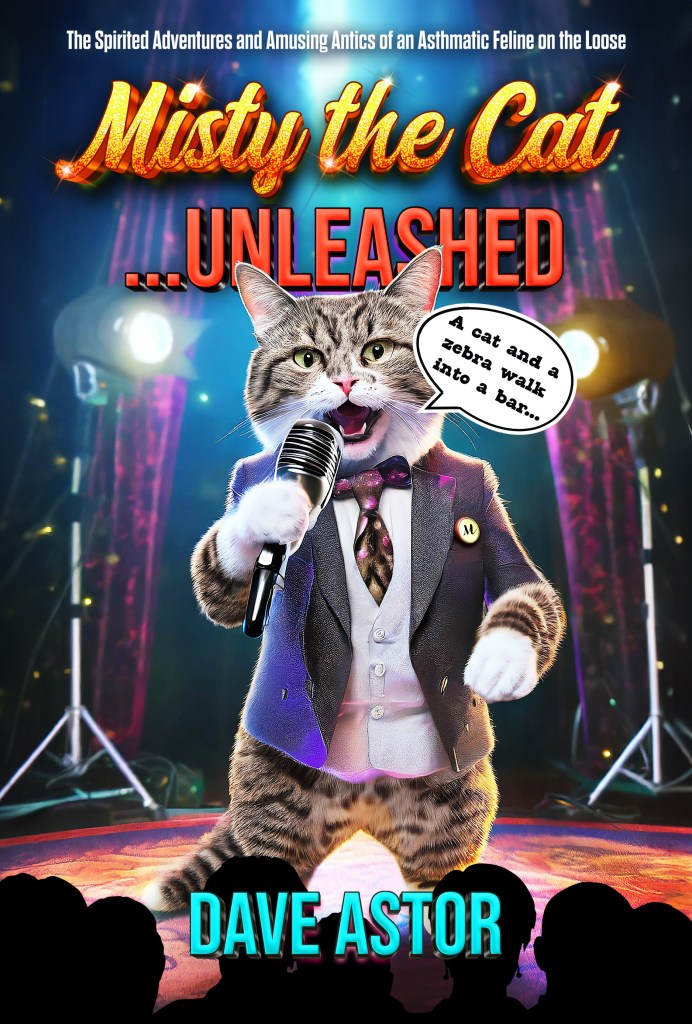
This 90-second promo video for my book features a talking cat: 🙂

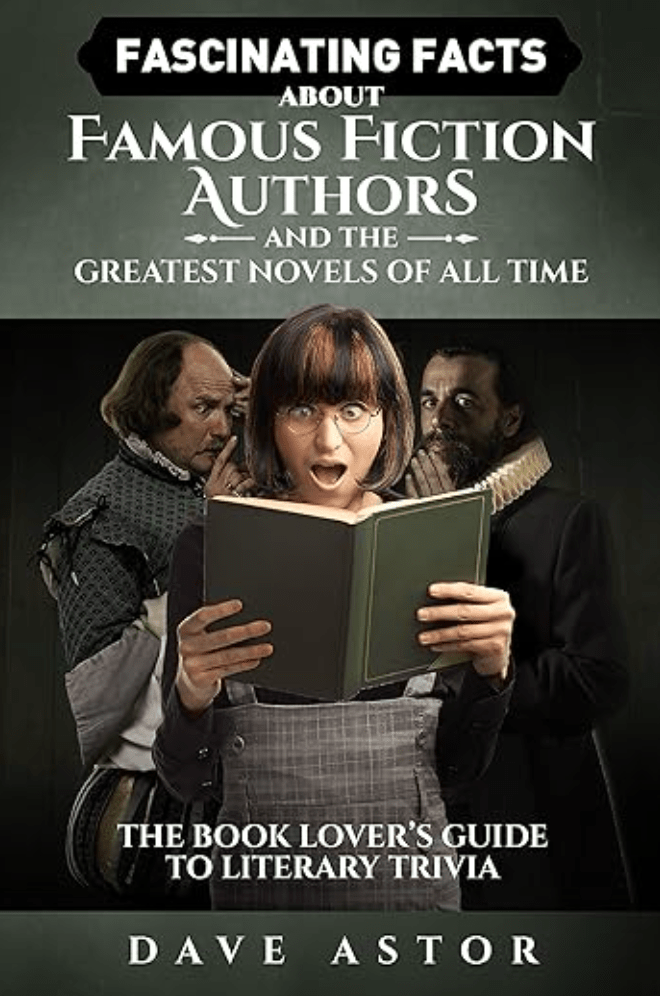
I’m also the author of a 2017 literary-trivia book

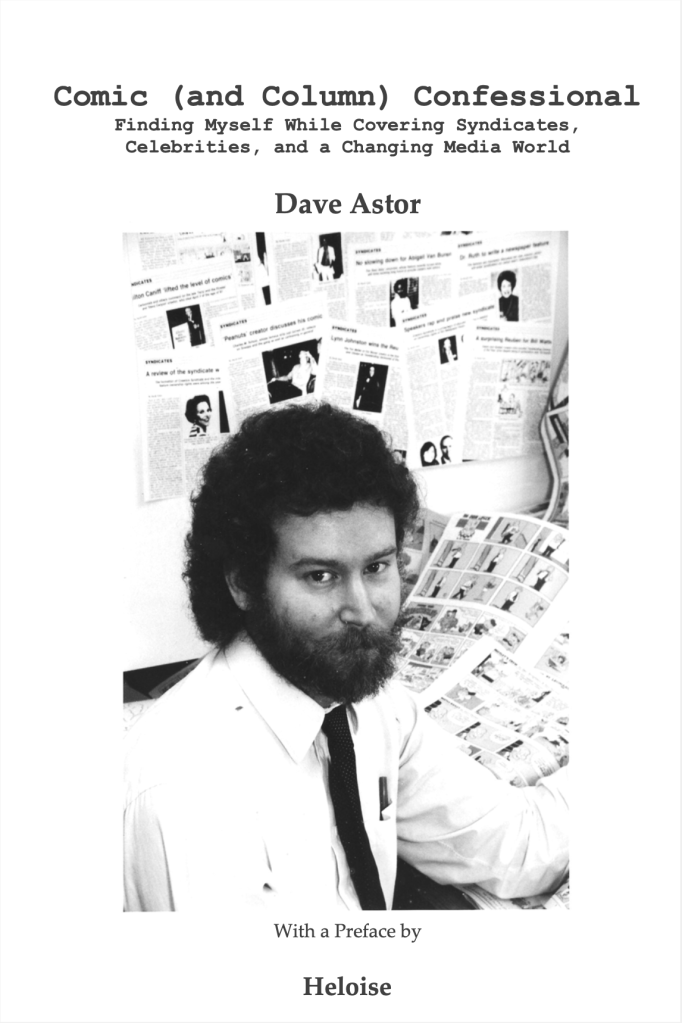
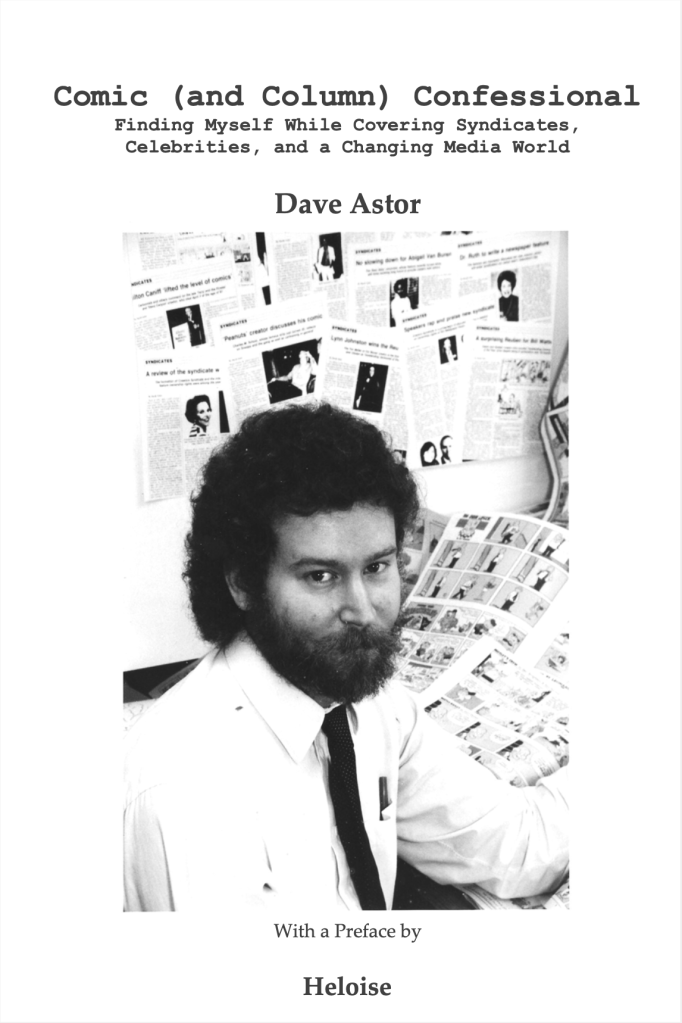
…and a 2012 memoir that focuses on cartooning and more.
In addition to this weekly blog, I write the 2003-started/award-winning “Montclairvoyant” topical-humor column every Thursday for Montclair Local. The latest piece — about a confusing proposed school district budget — is here.
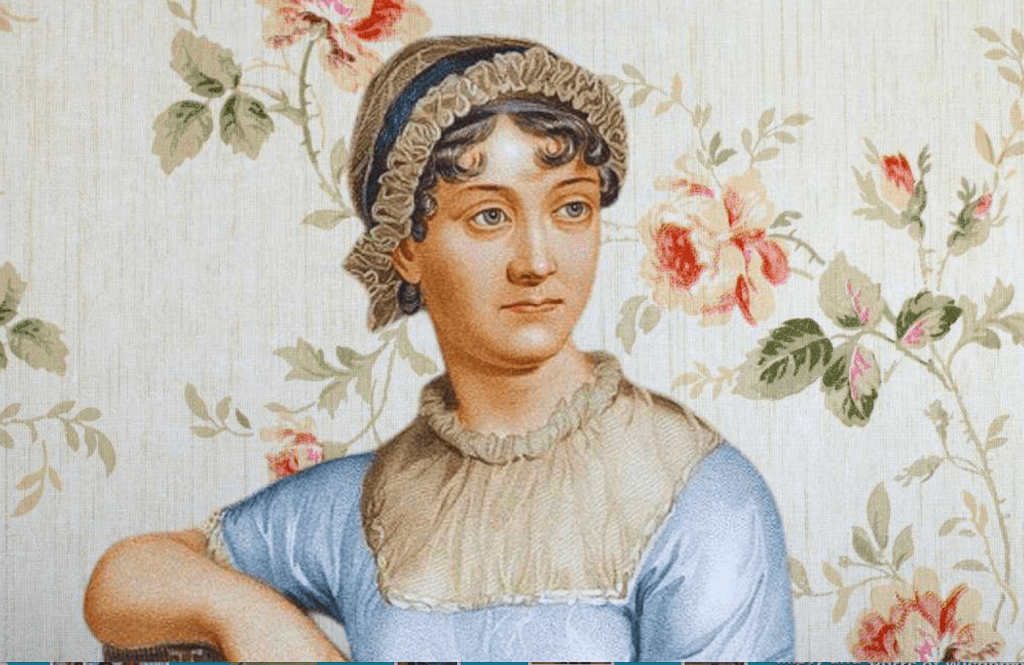
The Ardor Order of Jane Austen

Fellow blogger Rebecca Budd noted in a post last week (see below) that January 28 was the 1813 publication date of Jane Austen’s classic novel Pride and Prejudice. Rebecca’s piece made me think about how I would rank the six books Austen (1775-1817) is most known for. So here I go with a post that will not end with a wedding, but with the Austen novel that is my favorite.

6. Northanger Abbey: A satire of Gothic fiction with both great moments and so-so moments. Though published posthumously, it was the first novel Austen fully completed — so the authorial growing pains are not surprising. The protagonist is Catherine Morland, whose reading of Gothic fiction feeds her rather overactive imagination.

5. Emma: Many readers would undoubtedly rank this well-crafted novel higher in Austen’s canon, but Emma Woodhouse’s meddlesome nature is rather annoying; she really does need to mind her own business. (I’m surprised Harriet Smith didn’t “unfriend” Emma on Facebook. 🙂 ) But, to her credit, Emma eventually does some growing up by the latter part of the novel.

4. Mansfield Park: The “poor relation” protagonist Fanny Price is sympathetic, but probably the most boring and least charismatic of Austen heroines. Still, the story line and how Fanny fares makes for interesting reading. Bonus: J.K. Rowling named a cat in her Harry Potter series after the Mrs. Norris character in Mansfield Park.

3. Sense and Sensibility: An absorbing look at the Dashwood sisters as they and their widowed mother find themselves in reduced economic circumstances. The first Austen novel published, in 1811.

2. Pride and Prejudice: The favorite Austen work of many, and the novel is indeed quite a read. Its characters of course include Elizabeth Bennet (one of five sisters) and Fitzwilliam Darcy as they navigate an initially challenging relationship. The title of this iconic book comes from a phrase in Fanny Burney’s 1782 novel Cecilia.

1. Persuasion: A concise novel featuring what I think is Austen’s most mature heroine: Anne Elliot. Her relationship with Captain Frederick Wentworth is at first thwarted, but she keeps on keeping on with life during the years of separation.

Your Austen favorites?

Misty the cat says: “‘Journey to the Center of the Earth’ starts with stepping off a porch.” Click on brief video here: https://www.youtube.com/shorts/T9c23Mm3eY4

My comedic 2024 book — the part-factual/part-fictional/not-a-children’s-work Misty the Cat…Unleashed — is described and can be purchased on Amazon in paperback or on Kindle. It’s feline-narrated! (And Misty says Amazon reviews are welcome. 🙂 )

This 90-second promo video for my book features a talking cat: 🙂

I’m also the author of a 2017 literary-trivia book...

…and a 2012 memoir that focuses on cartooning and more.

Also, I write the 2003-started/award-winning “Montclairvoyant” topical-humor column every Thursday for Montclair Local. The latest piece — inspired by a January jammed with local news — is here.

Romantic Rivalry Can Result in Riveting Reading

Romantic situations make many novels interesting, and complicated romantic situations can make them even more interesting.

Among those complications are when two people love the same person, one person has two suitors, the desired person tries to decide between the two, and so on. How long will the process take? How intense will things get? Are both suitors true contenders? Who, if either, will be chosen? Will the most compatible match happen? How will the “loser” react? What might the relationship be like after that? Etc.

I most recently encountered a version of this scenario in Ivan Turgenev’s A House of Gentlefolk, in which Panshin and Lavretsky both want the hand of Lisaveta. While Lavretsky is the better “candidate,” neither he nor Panshin are ideal. Panshin is handsome, confident, and somewhat talented, but quite shallow. The deeper Lavretsky has drawbacks such as being much older than Lisa (36 to 19) and being depressed after a disastrous marriage to a woman who’s now (supposedly) dead. Lisa, while ethical and intelligent, is a somewhat sheltered person and much more religious than either of her two suitors. All in all, things are not promising for a match made in heaven — or Russia. And then things get REALLY complicated…

Another relevant 19th-century novel is Henry James’ The Portrait of a Lady, in which the independent and initially idealistic Isabel Archer rejects Lord Warburton and Caspar Goodwood and instead marries Gilbert Osmond. Yes, three suitors, and Isabel’s choice proves to be disastrous.

Still another relevant novel based in the 19th century, but in this case written in the 20th century, is Edith Wharton’s The Age of Innocence. Newland Archer is engaged to the conventional May Welland but becomes enamored with the unconventional Ellen Olenska. Archer’s ultimate choice is not disastrous, but his life ends up being pretty much a melancholy one. (The photo atop this blog post shows Michelle Pfeiffer as Ellen, Daniel Day-Lewis as Newland, and Winona Ryder as May in 1993’s The Age of Innocence movie.)

In more recent fiction that sort of echoes what happens in Wharton’s novel, wedding band guitarist Dave is engaged to a fellow New Jersey resident (the rather boring Julie) he’s known since high school but then becomes smitten with a New York City resident (the arty but neurotic Gretchen) in Tom Perrotta’s The Wishbones.

Fannie Flagg’s Fried Green Tomatoes at the Whistle Stop Cafe has Ruth Jamison marrying the abusive Frank Bennett, but Ruth and Idgie Threadgoode are the novel’s secret soulmates living in a difficult time and place for same-gender love to be out in the open.

Though it’s referenced completely in back story, Severus Snape is attracted to Lily, but she ends up marrying James in J.K. Rowling’s Harry Potter series. Lily and James of course become the doomed parents of Harry.

In 18th-century fiction, the star of Fanny Burney’s Evelina finds herself the object of desire for the unsavory Sir Clement Willoughby and the admirable Lord Orville. Not much contest there.

A quirky version of the romantic-rivals situation is offered in Jorge Amado’s Dona Flor and Her Two Husbands, which has hubby number one still in the picture despite being dead. 🙂

Your favorite novels that fit this topic?

My literary-trivia book is described and can be purchased here: Fascinating Facts About Famous Fiction Authors and the Greatest Novels of All Time.

In addition to this weekly blog, I write the award-winning “Montclairvoyant” topical-humor column for Baristanet.com. The latest weekly piece — about my town’s shamed Planning Board and a Board of Education in turmoil — is here.