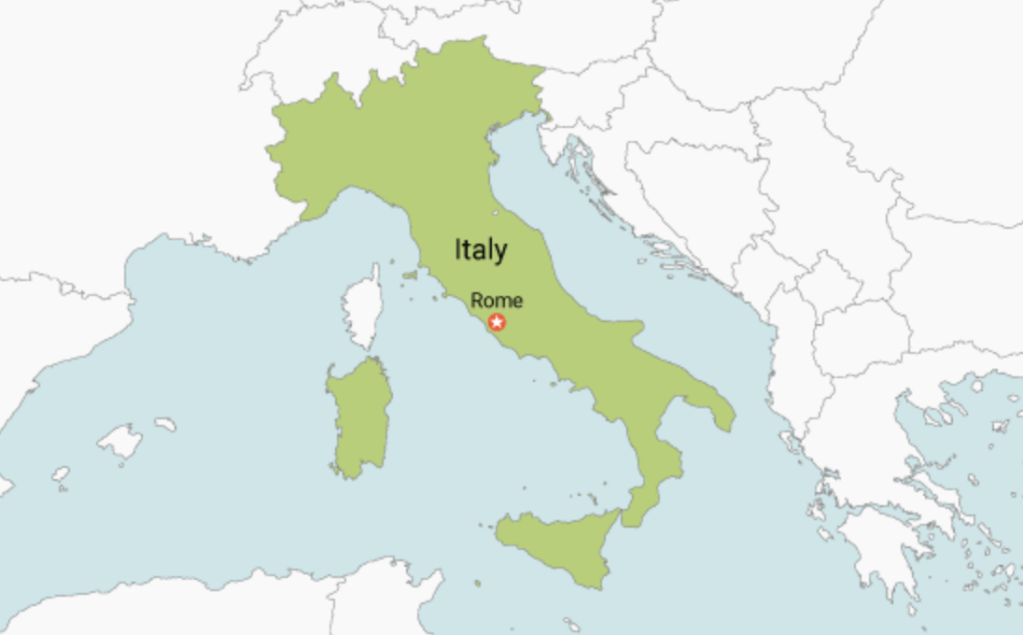
Last week I used the ascendancy of American-born Pope Leo XIV as an excuse to write about literature set in his hometown of Chicago. The new pontiff is of course now based in Vatican City, so I’ll use that as an excuse to write about literature set in…Italy. 🙂
I’m no expert on Italy, or on fiction by Italian authors, or on Italy-set fiction by non-Italian authors, but know enough to eke out a short blog post. 🙂 I’ve visited Venice twice, Florence once, and Rome once, and have read a handful of novels by Italian authors — of which these three are my clear favorites:
1. Elsa Morante’s History (1974), a gripping World War II-era novel about a beleaguered schoolteacher, her two sons (one VERY precocious), a beloved dog, and more in fascist-ruled Rome.
2. Giuseppe Tomasi di Lampedusa’s posthumously published The Leopard (1958), about seismic changes during the time of Italy’s 19th-century unification. Certainly one of the most beautifully written novels I’ve ever read.
3. Umberto Eco’s The Name of the Rose (1980), a riveting historical murder mystery set in a 14th-century monastery.
Some Italian literature I’ve read that I was not as fond of include Eco’s Foucault’s Pendulum novel, Elena Ferrante’s The Lost Daughter novel, and Italo Calvino’s Marcovaldo book of linked short stories.
I have not gotten to Dante Alighieri’s The Divine Comedy — a fact that is not divine and not comedic. 🙂
Then there are of course novels by non-Italian authors set or partly set in Italy/what is now Italy. Among those I’ve read are Stendhal’s The Charterhouse of Parma (starring a young Italian nobleman); Henry James’ The Portrait of a Lady (my favorite HJ work), The Aspern Papers (set in Venice), and Daisy Miller (Rome); Robert Grave’s I, Claudius (ancient Rome intrigue); Anthony Burgess’ The Kingdom of the Wicked (which also unfolds around 2,000 years ago); Irving Stone’s The Agony and the Ecstasy (about Michelangelo); Martin Cruz Smith’s The Girl from Venice (set near the end of World War II); Sally Vickers’ Miss Garnet’s Angel (Englishwoman moves to Venice for six months); and John Grisham’s Playing for Pizza (American quarterback joins a football team in Italy).
Your thoughts about, and examples of, this week’s theme? (After posting this piece, I realized I completely forgot that I had already written about Italian literature in 2022 — as in 2022 AD, not 2022 BC. 🙂 Sorry about that. This piece is somewhat different, at least.)
A note from Misty the cat: “Dave has a broken big left toe and can’t walk me for a while. My female humans Laurel or Maria are now taking me out every morning, but the daily videos you’ll be seeing for a while are ‘reruns’ filmed by Dave in years past, with new captions. The video below is from 2020.”
Misty the cat says: “Here I am in the ‘Up the Down Staircase’ movie.”
My comedic 2024 book — the part-factual/part-fictional/not-a-children’s-work Misty the Cat…Unleashed — is described and can be purchased on Amazon in paperback or on Kindle. It’s feline-narrated! (And Misty says Amazon reviews are welcome. 🙂 )
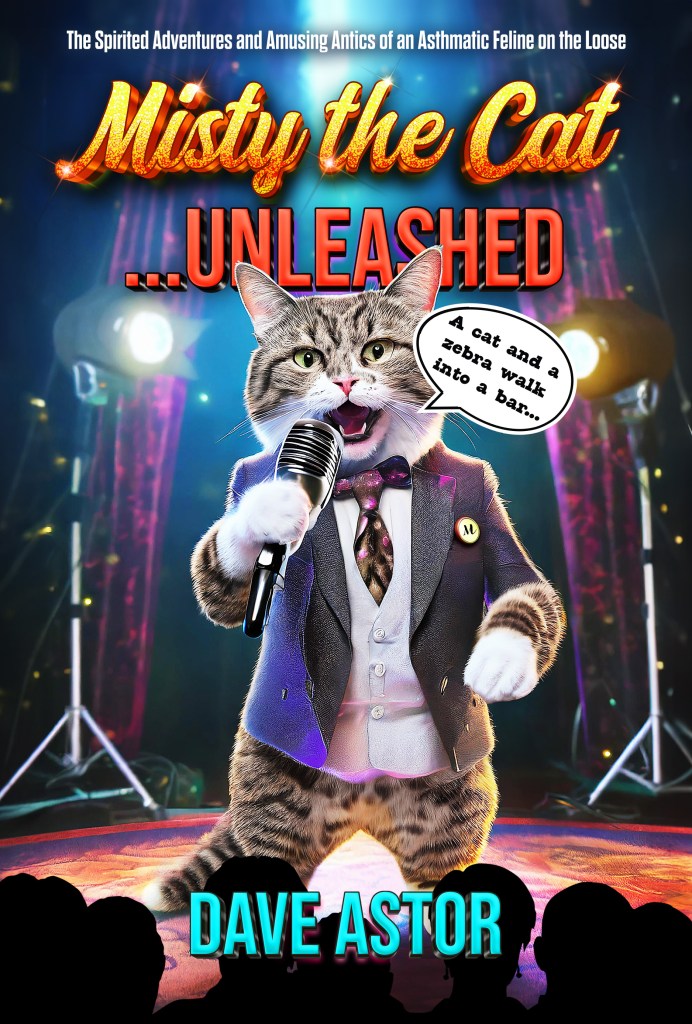
This 90-second promo video for my book features a talking cat: 🙂
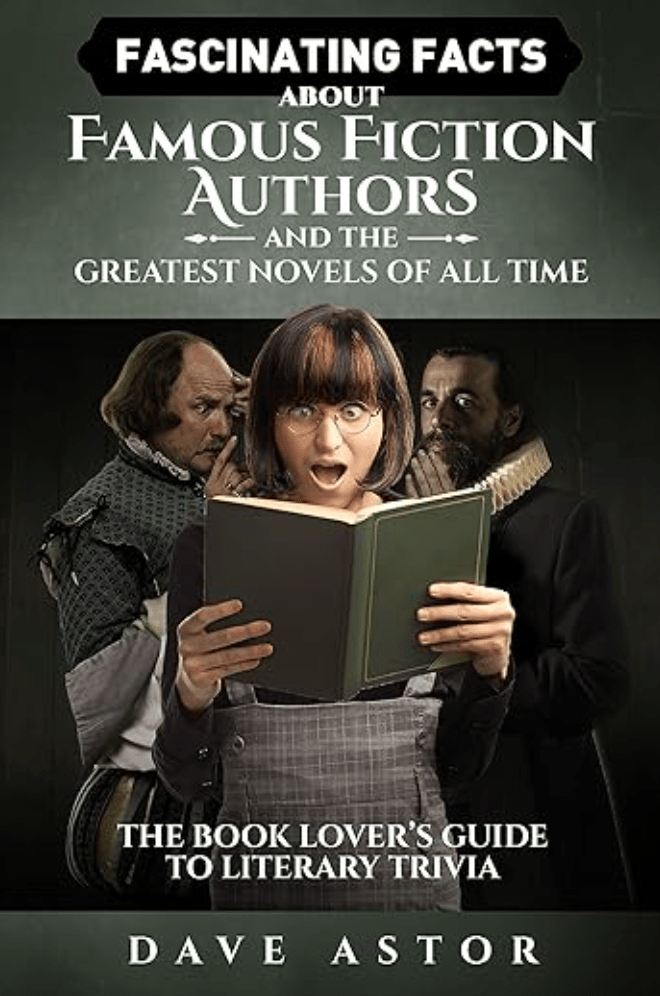
I’m also the author of a 2017 literary-trivia book…
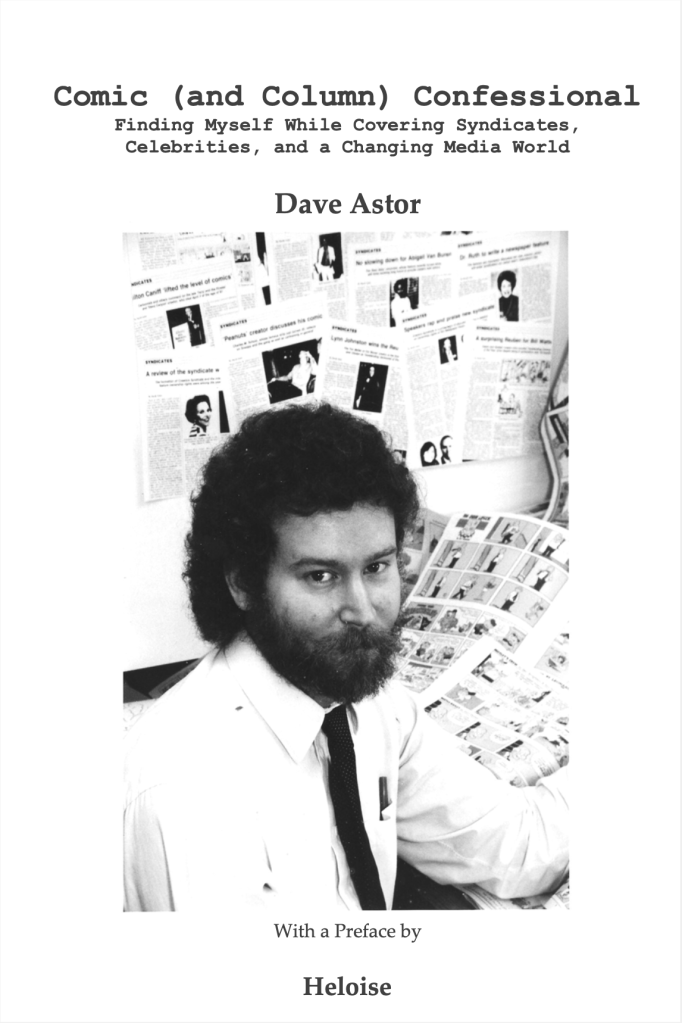
…and a 2012 memoir that focuses on cartooning and more.
In addition to this weekly blog, I write the 2003-started/award-winning “Montclairvoyant” topical-humor column every Thursday for Montclair Local. The latest piece — about the impending departure of my town’s skilled CFO, New Jersey’s governor race, a section of a venerable fallen tree turned into a bench, and more — is here.
 Dave Astor on Literature