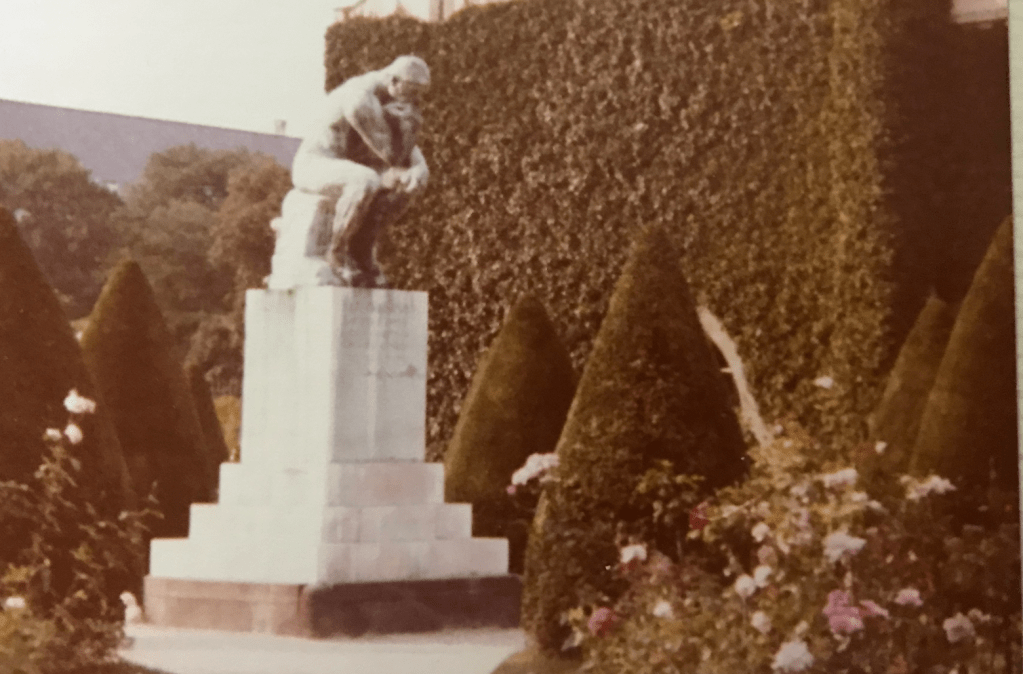
Rodin’s “The Thinker.” (Photo by me during a long-ago trip to Paris.)
There are more action heroes than philosophers in fiction, but novels do occasionally feature characters who think deeply about the human condition.
One such protagonist is Isabel Dalhousie of Alexander McCall Smith’s The Sunday Philosophy Club. (Hmm…that title points to the novel’s frequent metaphysical content.) And 40-something intellectual Isabel is actually kind of an action heroine, too, as she tries to solve the mystery of a young man’s death amid her musings about the meaning of life and such.
By the way, I thought The Sunday Philosophy Club — which I read last week — was good but not great; perhaps some of its many sequels are better?
Larry Darrell of The Razor’s Edge by W. Somerset Maugham is hyper-focused on trying to find a transcendent explanation for why things are. This is after the pilot is traumatized by his World War I experiences, including the death of a comrade. Death and war can clearly make a person philosophical.
Raskolnikov of Fyodor Dostoevsky’s Crime and Punishment is fixated on good vs. evil, how an individual’s actions affect society, and so on. Perhaps we can call him a murderer-philosopher.
Albus Dumbledore, headmaster of the Hogwarts School of Witchcraft and Wizardry, clearly has a philosophical bent in J.K. Rowling’s Harry Potter series. Harry’s mentor is wise, reflective, and thinks deeply about deep things.
Of course, some people play-act at being philosophical while not really being deep thinkers. Such is the case with Rev. Edward Casaubon, who puts on intellectual airs in George Eliot’s Middlemarch but is actually rather dull, shallow, and not particularly nice — as young Dorothea Brooke learns after marrying him.
Additional characters with philosophical leanings in other novels I’ve read include Lelia of George Sand’s Lelia, Harry Haller of Hermann Hesse’s Steppenwolf, Binx Bolling of Walker Percy’s The Moviegoer, and the unnamed narrator in Ralph Ellison’s Invisible Man, to cite a few.
Authors not previously mentioned in this post who wrote philosophically in at least some of their work include James Baldwin, Italo Calvino, Albert Camus, Umberto Eco, Gabriel Garcia Marquez, Goethe, Aldous Huxley, Franz Kafka, Herman Melville, Iris Murdoch, Marcel Proust, Jean-Paul Sartre, Mary Shelley, Voltaire, and Virginia Woolf, among others.
Your thoughts about, and examples of, this topic?
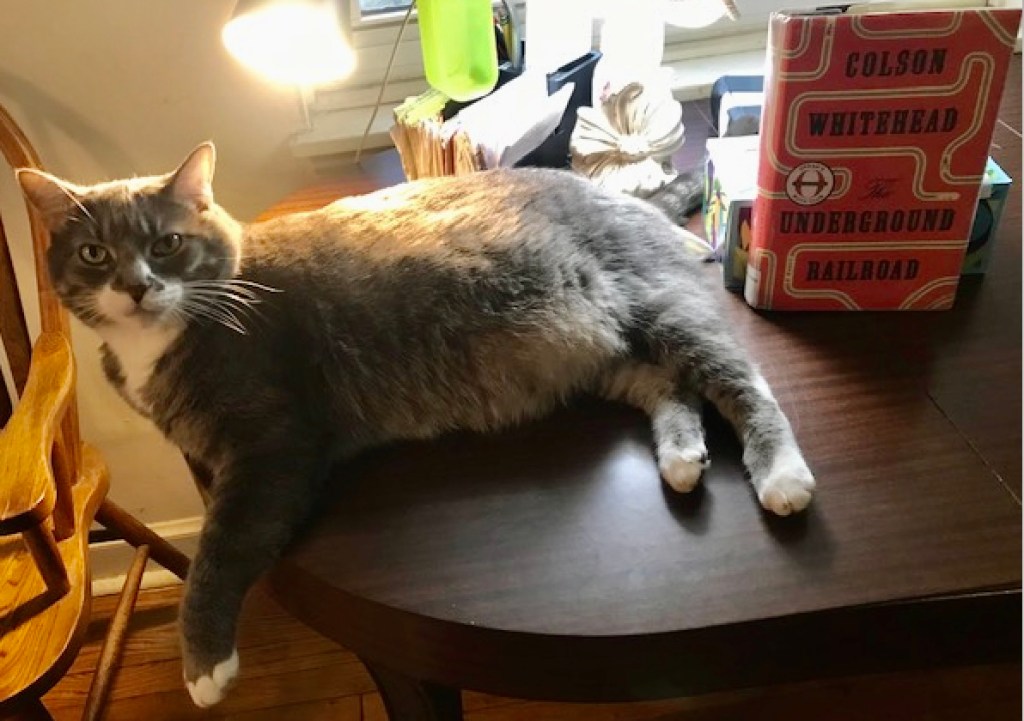
Misty the cat asks: “Can’t I get an actual throne from which to survey my kingdom?”
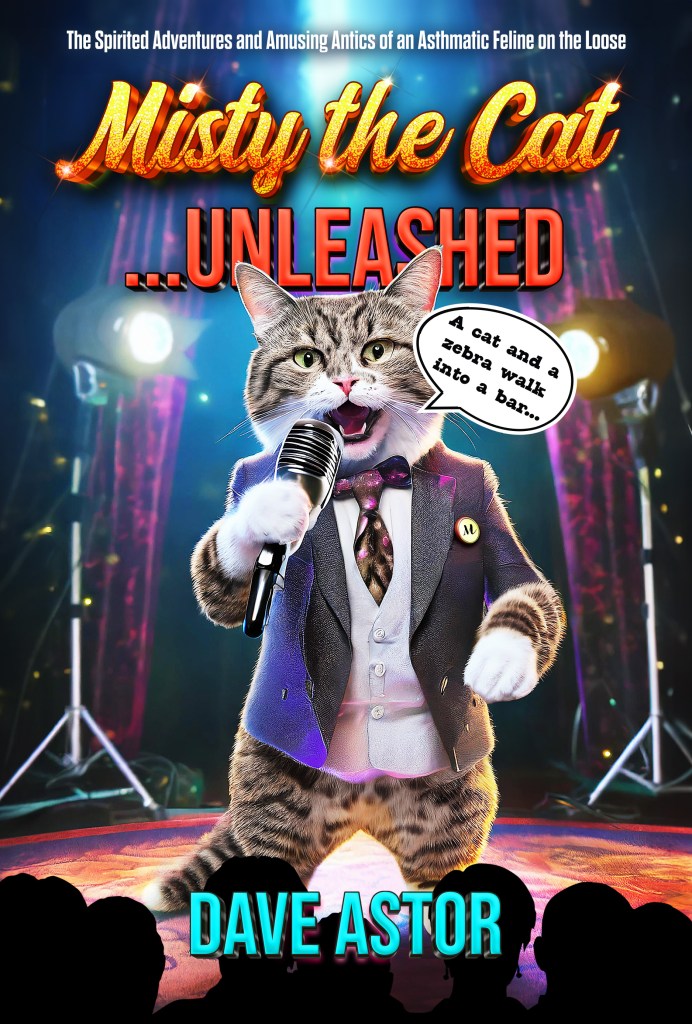
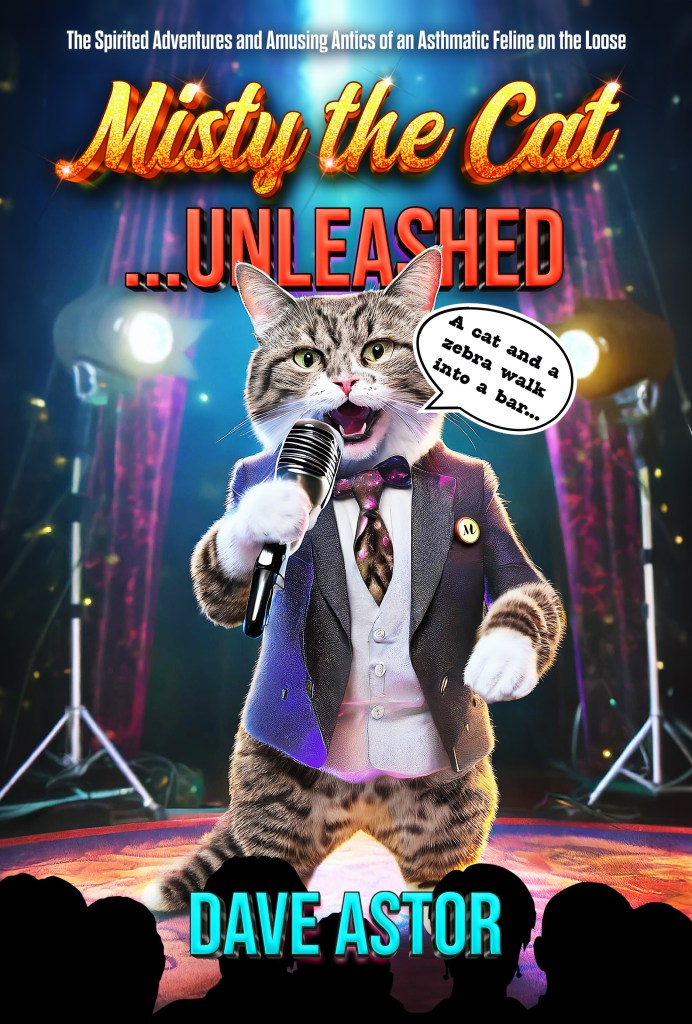
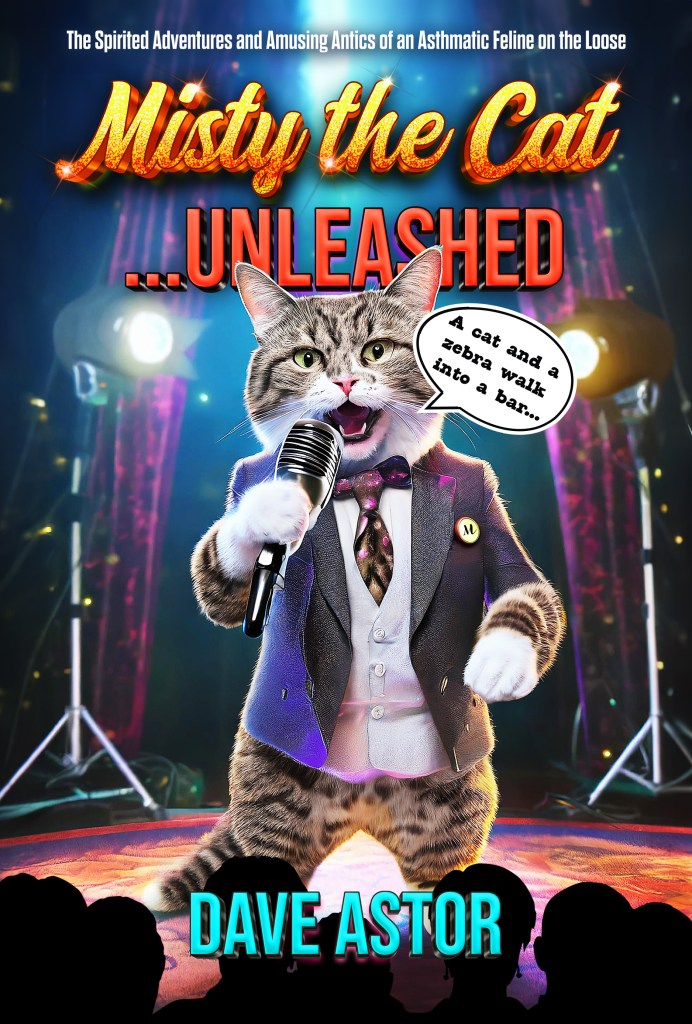
My comedic 2024 book — the part-factual/part-fictional/not-a-children’s-work Misty the Cat…Unleashed — is described and can be purchased on Amazon in paperback or on Kindle. It’s feline-narrated! (And Misty says Amazon reviews are welcome. 🙂 )
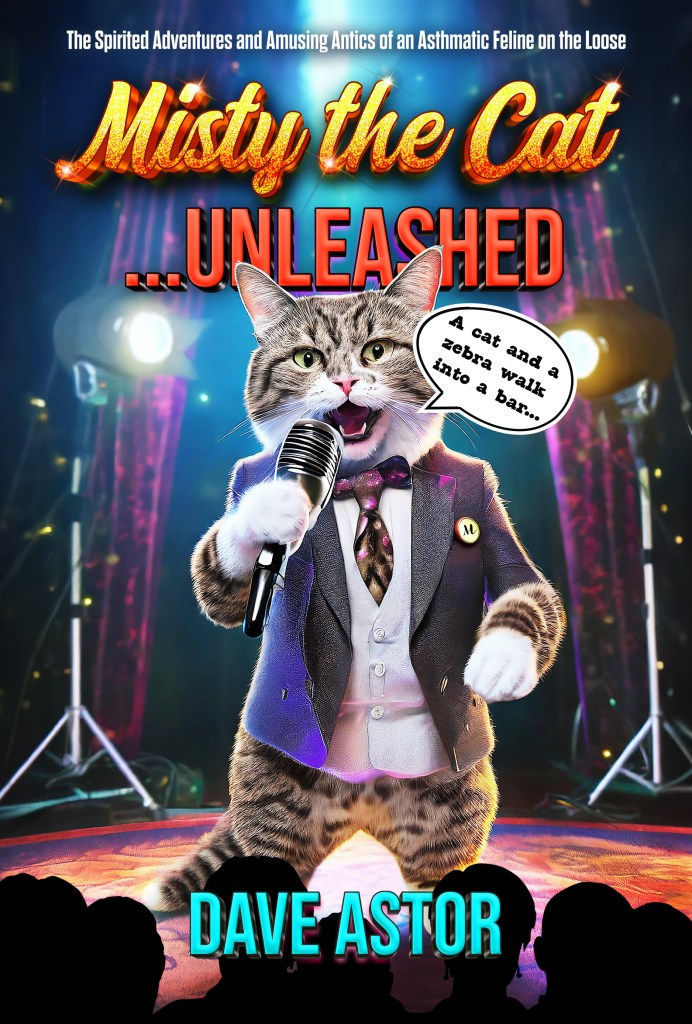
This 90-second promo video for my book features a talking cat: 🙂
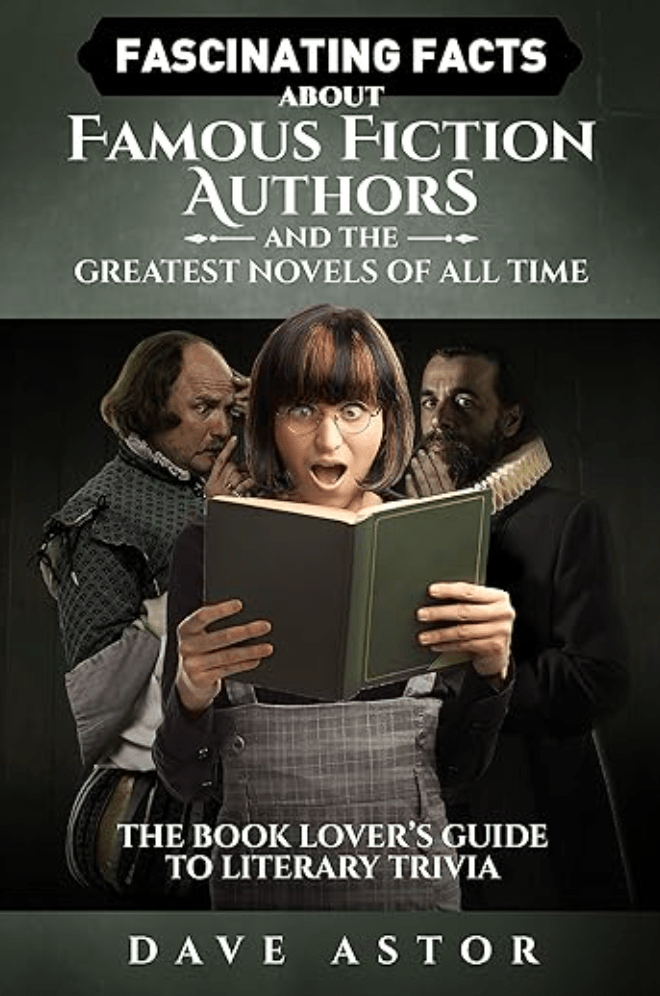
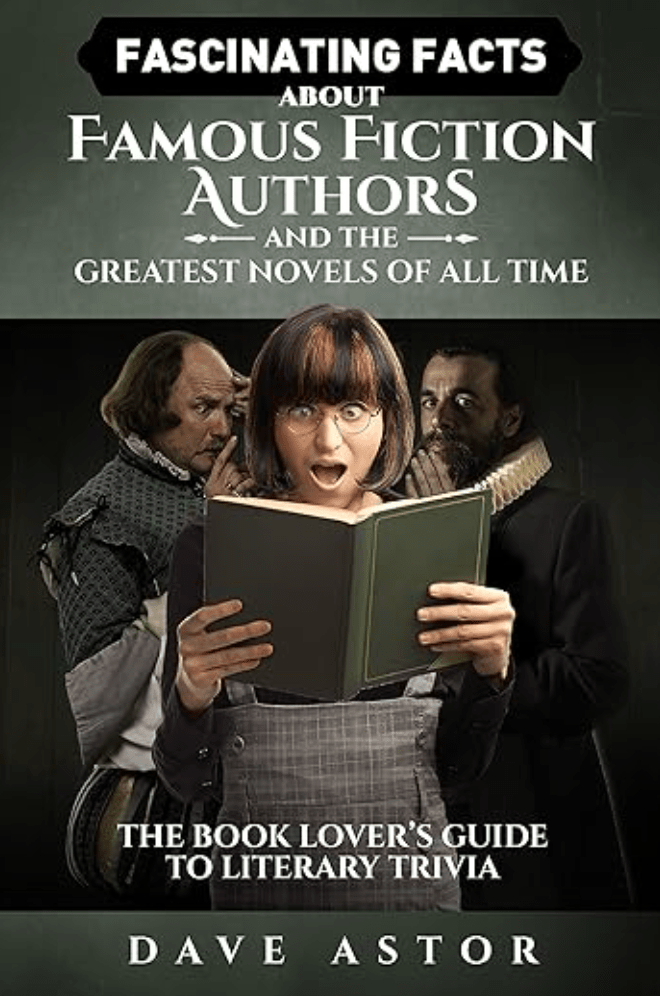
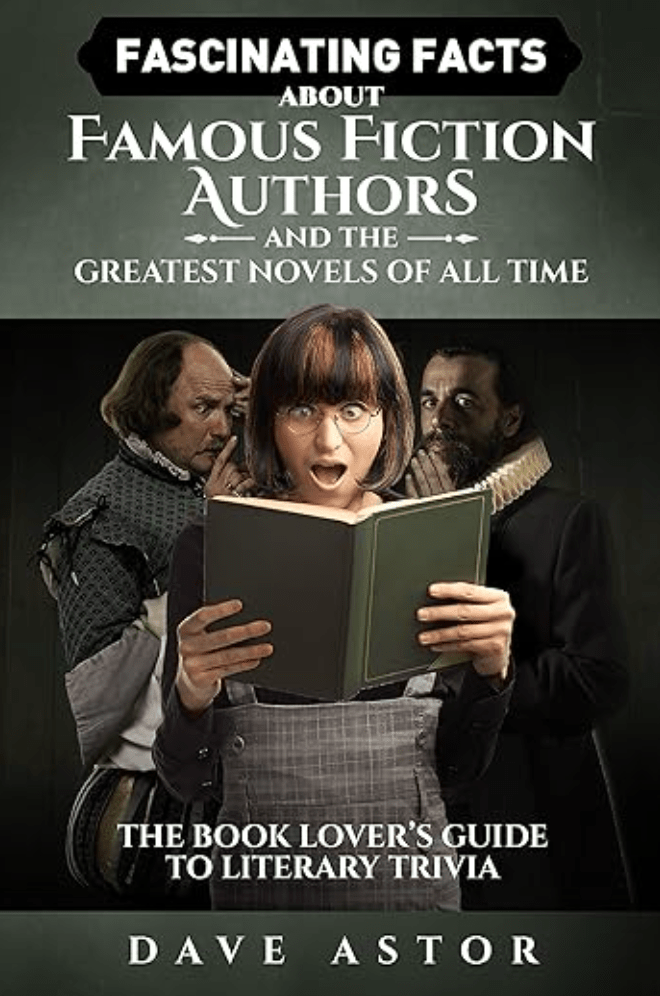
I’m also the author of a 2017 literary-trivia book…
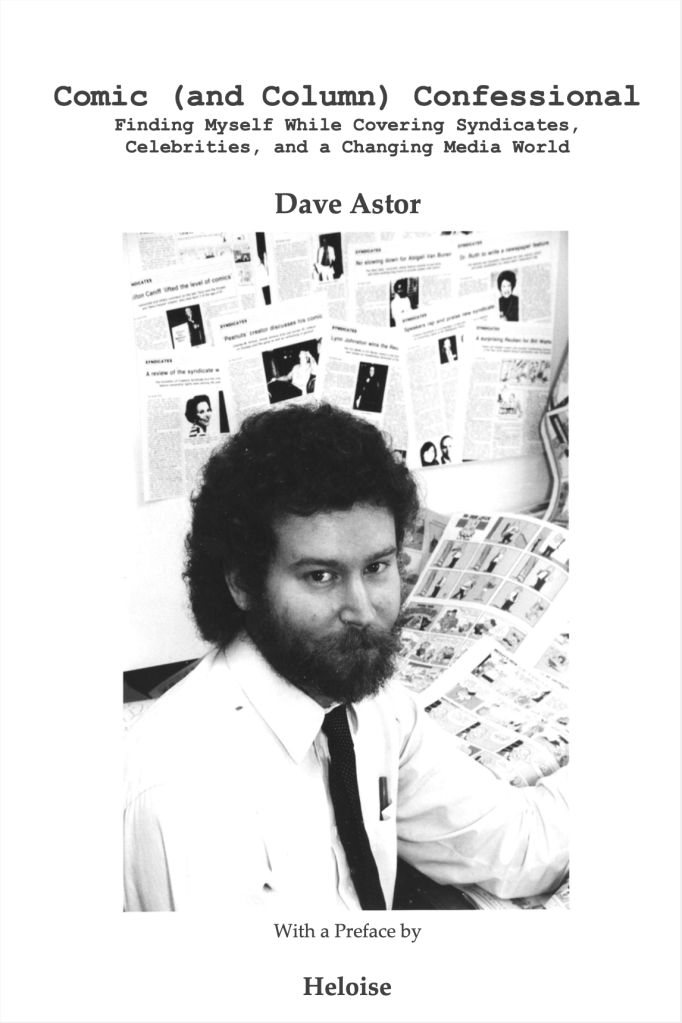
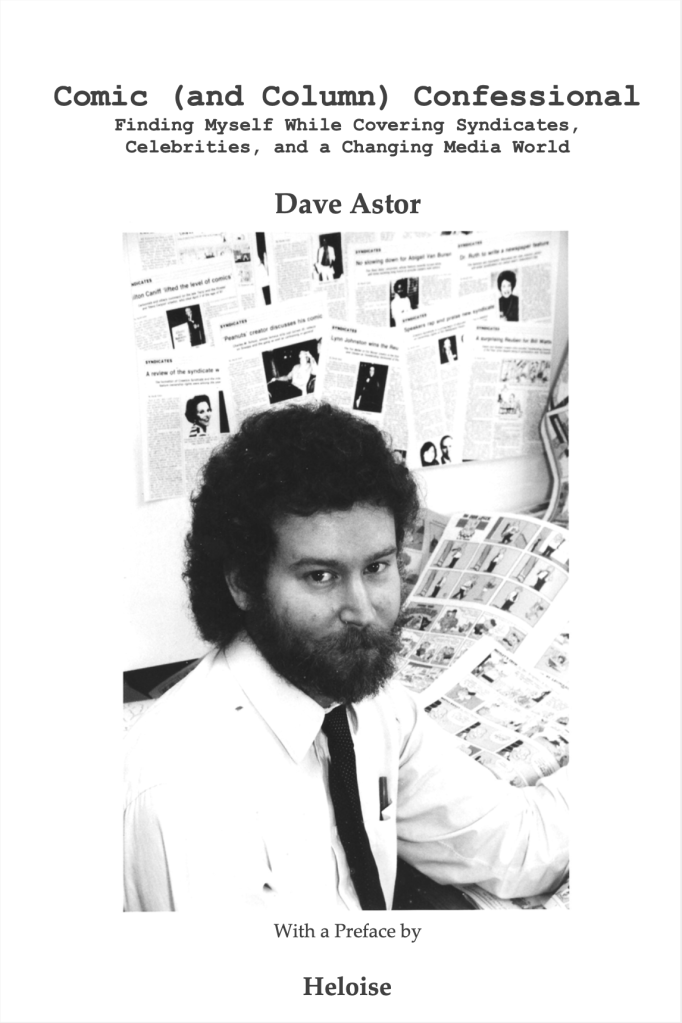
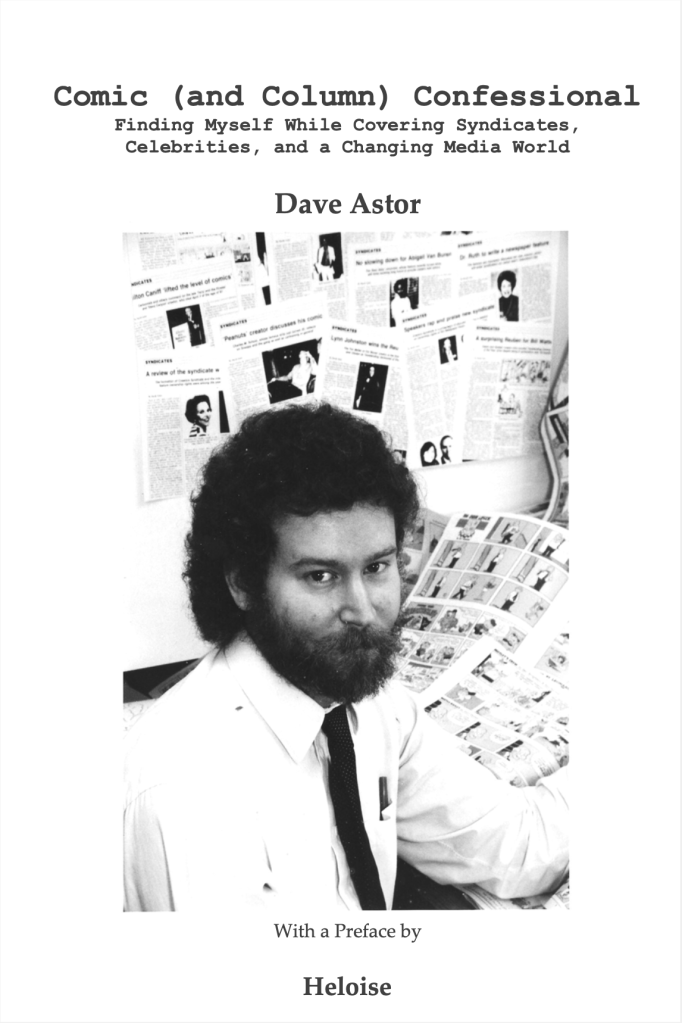
…and a 2012 memoir that focuses on cartooning and more.
In addition to this weekly blog, I write the 2003-started/award-winning “Montclairvoyant” topical-humor column every Thursday for Montclair Local. The latest piece — about a pizza mural controversy and more — is here.





 Dave Astor on Literature