Gothic Fiction Gives Readers Frisson

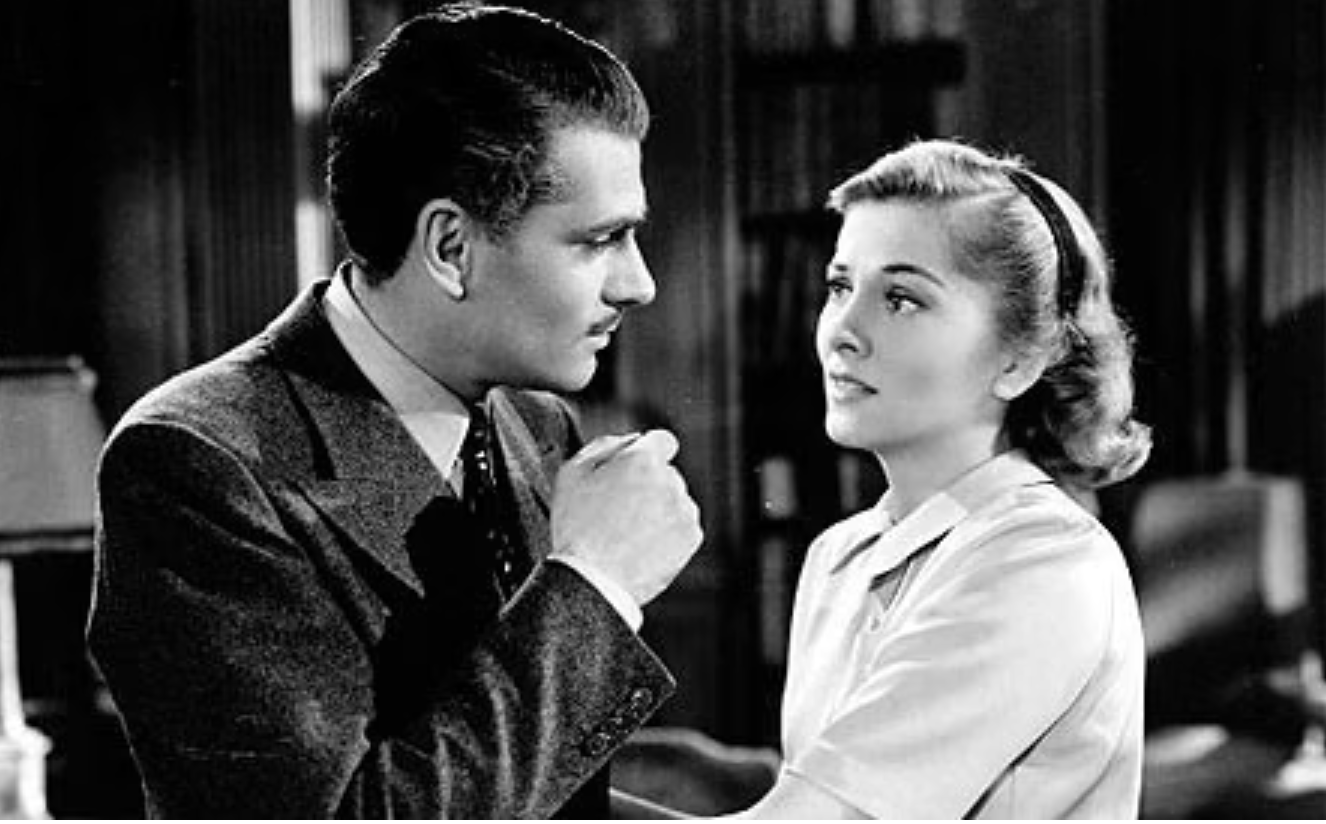
Laurence Olivier and Joan Fontaine in Alfred Hitchcock’s Rebecca movie from 1940.

What’s a Gothic novel? Definitions I found online include “a literary genre combining fiction, horror, death, and romance” that might be “set in gloomy, decaying locations like castles or ruined mansions” and also might feature “the intrusion of the past upon the present” as well as “dark secrets, supernatural elements” and “a brooding hero” and “a vulnerable female protagonist.”

Those definitions mean books in this category can be compelling, mysterious, haunting, and more. So, all that is an incentive for me to discuss various Gothic novels I’ve read.

I recently reread Daphne du Maurier’s mesmerizing Rebecca (1938), which is one of the first books that come to mind when thinking of the Gothic genre. It’s about an unnamed young woman who marries wealthy widower Maxim de Winter. His first wife? Rebecca, of course. The shy/insecure/inexperienced new spouse compares herself (and is compared by others) to the late Rebecca — whose presence remains palpable at Maxim’s huge Manderley estate. In which we meet sinister housekeeper Mrs. Danvers, who was very attached to the beautiful/charismatic/seemingly admirable Rebecca and treats the second Mrs. de Winter with contempt and cruelty.

After finishing Rebecca, I read for the first time du Maurier’s 1936 potboiler of a novel Jamaica Inn, which also has some Gothic elements (including a remote setting and plenty of terror) but no upper-class characters in the main cast. Not as skillfully composed as Rebecca, but still plenty gripping.

Du Maurier also wrote several other novels considered Gothic or part-Gothic — including 1951’s My Cousin Rachel and 1969’s The House on the Strand.

Going back to 19th-century literature, Charlotte Bronte’s Jane Eyre (1847) included various Gothic elements — a big old home, a mysterious woman in the attic, some disastrous events, an otherworldly occurrence, etc. Its story, several of its characters, and the dynamics of its central romance clearly influenced the Rebecca novel published nearly a century later.

Emily Bronte’s Wuthering Heights (also 1847) has lots of Gothic content, too — obsession, psychological torment, ghostly apparitions, the wild moors…

Almost 30 years earlier, Mary Shelley’s ominous 1818 novel Frankenstein drips with atmosphere while also being an early example of science fiction.

Later in the 19th century, we have Wilkie Collins’ The Woman in White (1860) with its suspense, “insane asylum,” and mistaken identity; Robert Louis Stevenson’s Strange Case of Dr. Jekyll and Mr. Hyde (1886) with its split-personality motif, claustrophobia, and foggy London streets; and Bram Stoker’s Dracula (1897), which I don’t need to summarize but can give many a reader nightmares.

In the realm of 19th-century short stories, a number of Edgar Allan Poe’s tales can be considered Gothic — including “The Fall of the House of Usher” and “The Masque of the Red Death.”

Joining du Maurier in writing 20th-century novels with at least some Gothic elements are authors such as Shirley Jackson (1959’s The Haunting of Hill House), Stephen King (1977’s The Shining), and Toni Morrison (1987’s Beloved).

And I shouldn’t forget to mention Jane Austen’s Northanger Abbey — an 1817-published spoof of Gothic fiction.

It’s pretty much agreed that Gothic novels first appeared in the 1700s, but I haven’t read any from that century (yet). They include Horace Walpole’s The Castle of Otranto (1764) and Ann Radcliffe’s The Mysteries of Udolpho (1794), among others.

There’s also the Southern Gothic genre that includes such novels as William Faulkner’s Light in August (1932), Carson McCullers’ Reflections in a Golden Eye (1941), Flannery O’Connor’s Wise Blood (1952), and Cormac McCarthy’s Outer Dark (1968).

What are your favorite Gothic novels, whether I mentioned them or not? I know there are a number of books in that genre I didn’t name.

Misty the cat says: “When I requested a deck, I meant a deck of cards to play poker.”

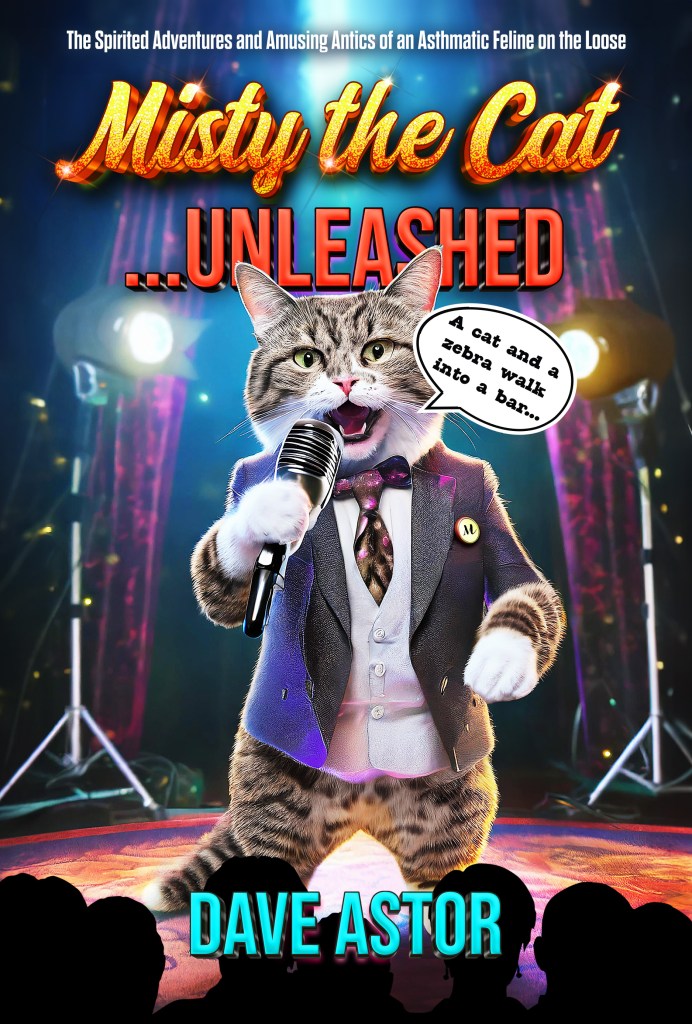
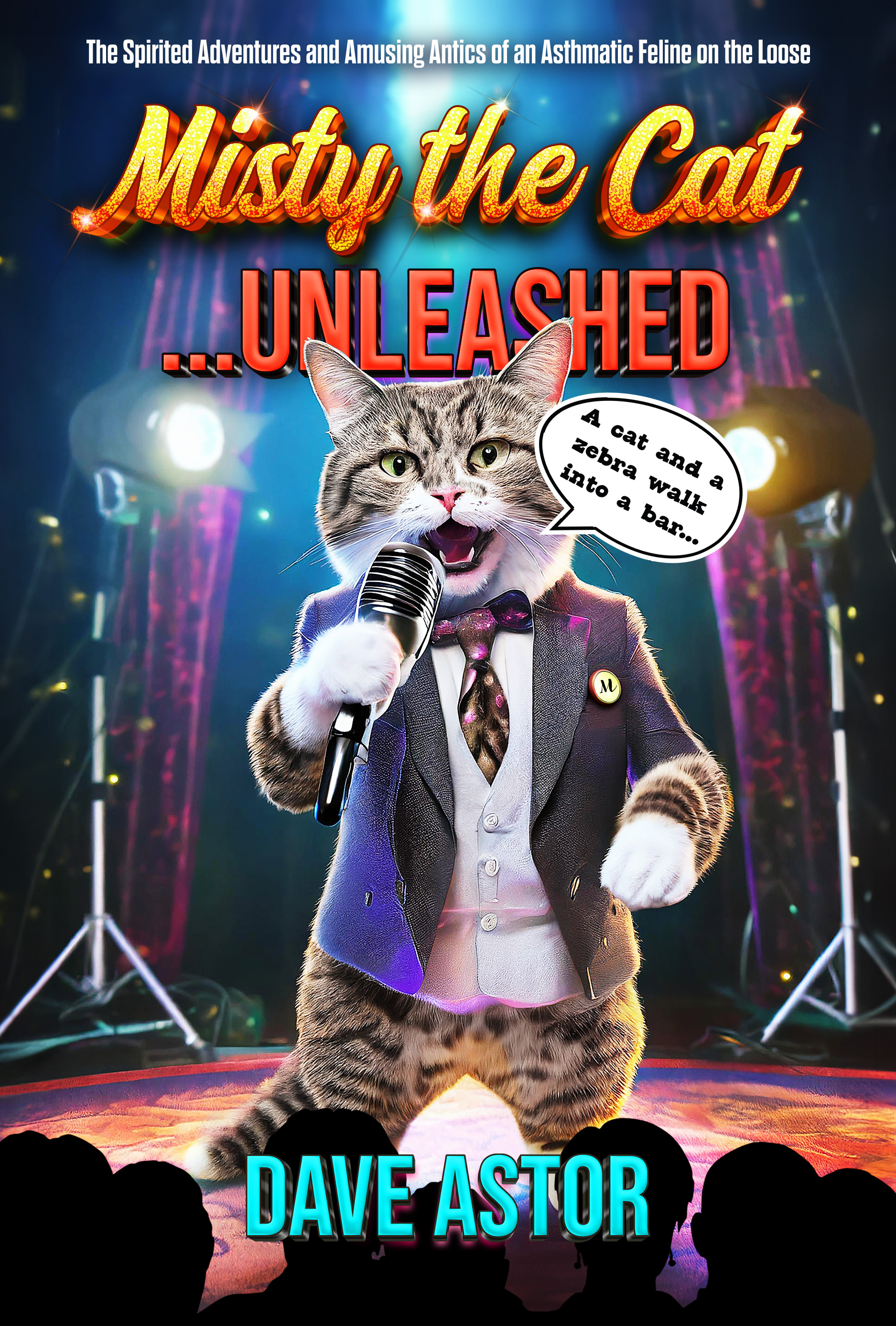
My comedic 2024 book — the part-factual/part-fictional/not-a-children’s-work Misty the Cat…Unleashed — is described and can be purchased on Amazon in paperback or on Kindle. It’s feline-narrated! (And Amazon reviews are welcome. 🙂 )
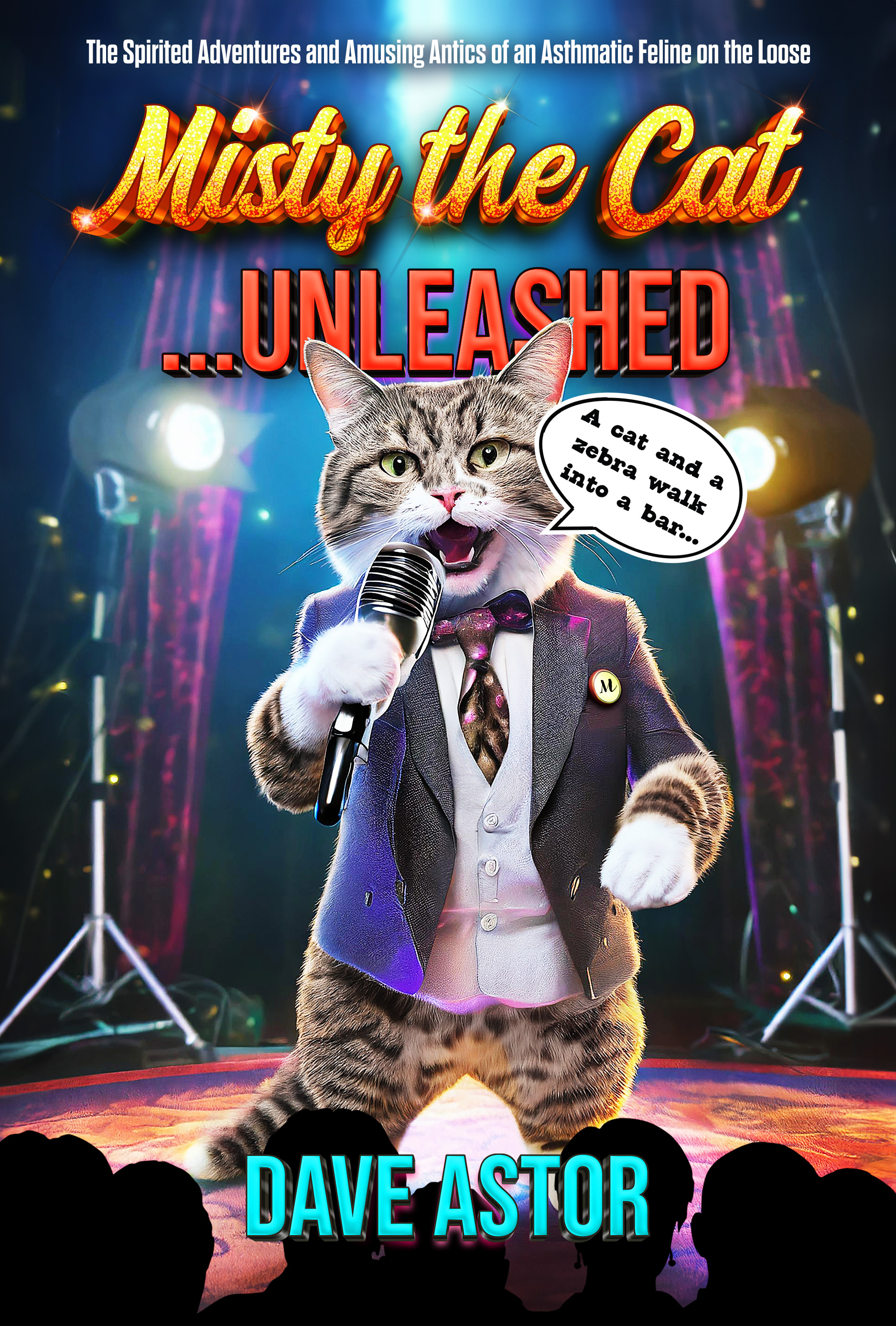
This 90-second promo video for the book features a talking cat: 🙂

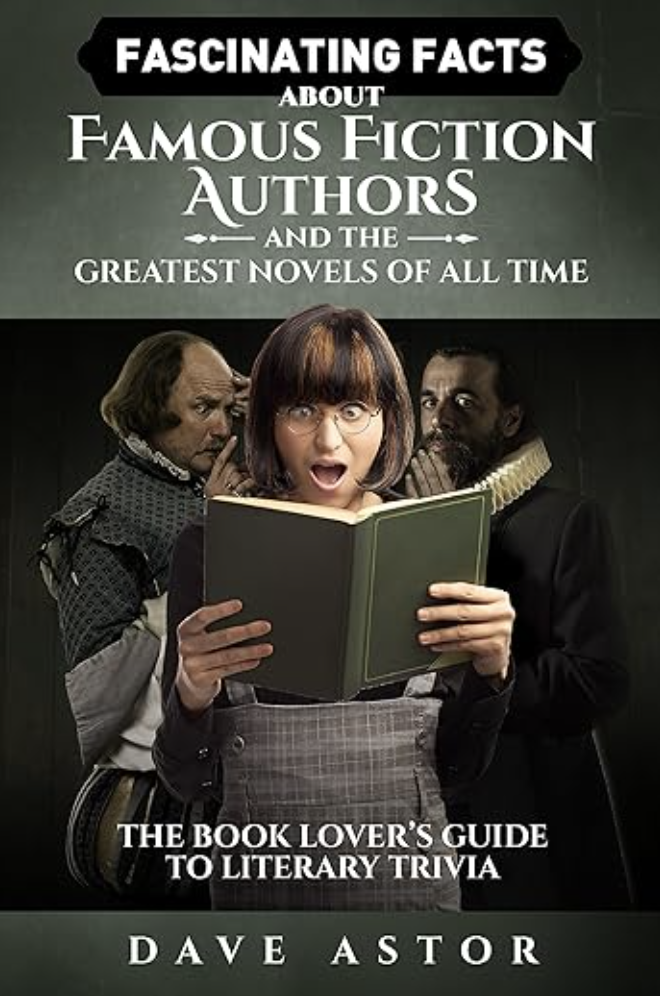
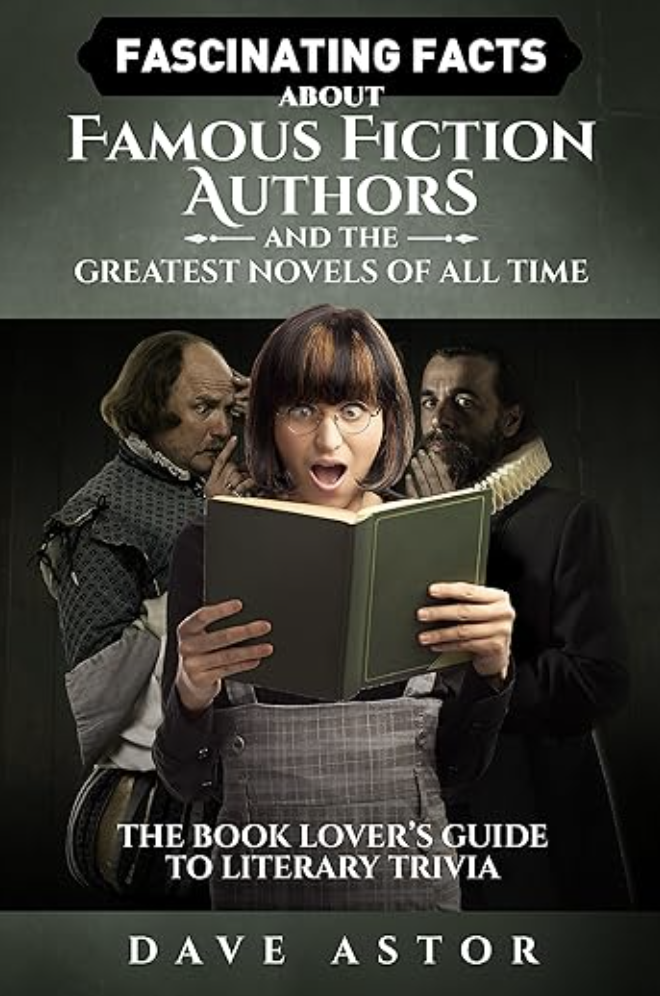
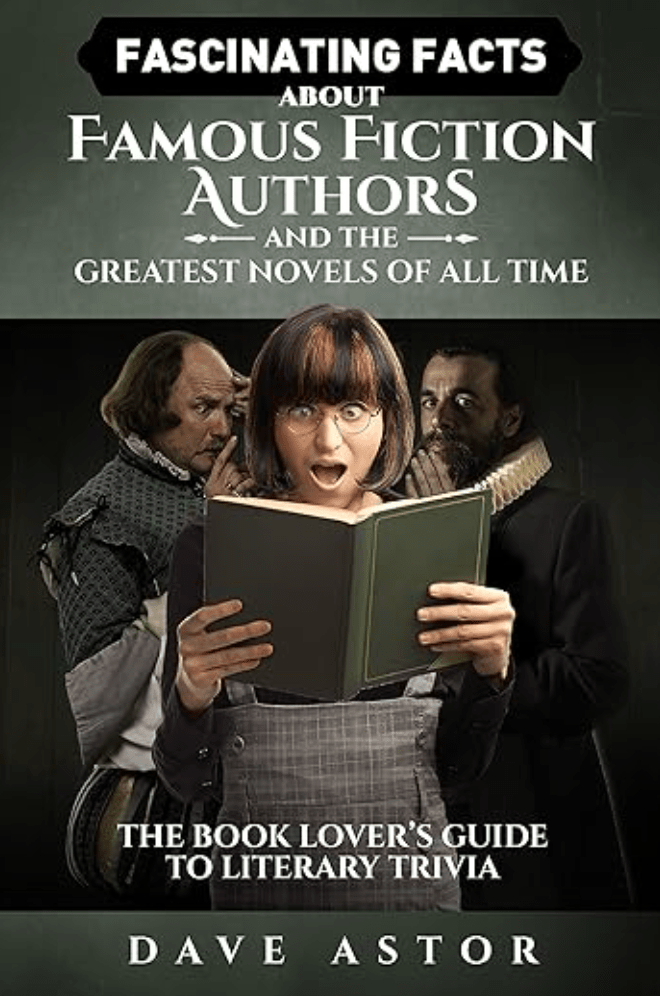
I’m also the author of a 2017 literary-trivia book

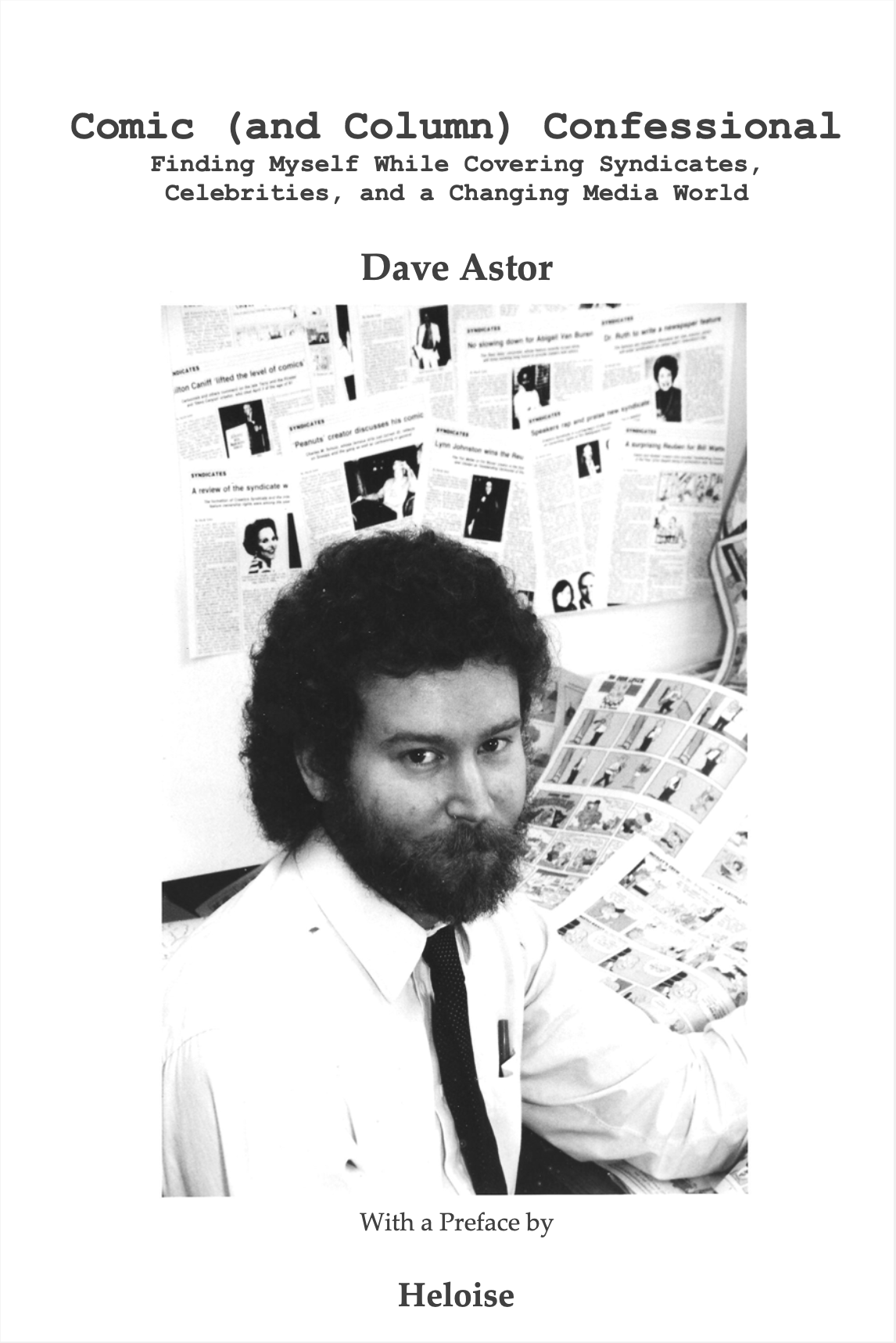
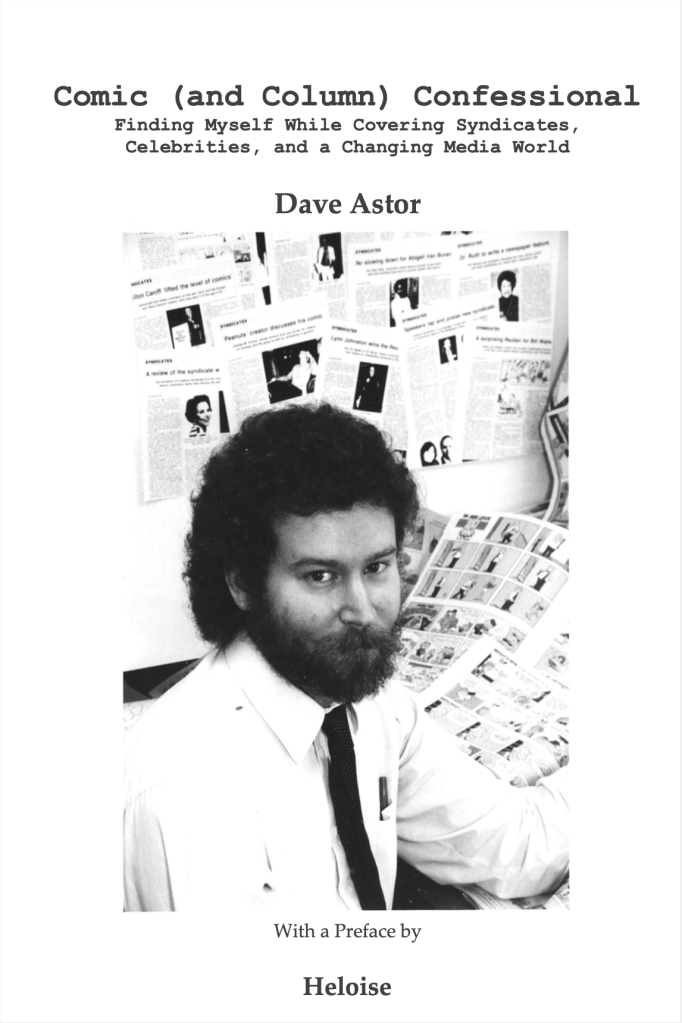
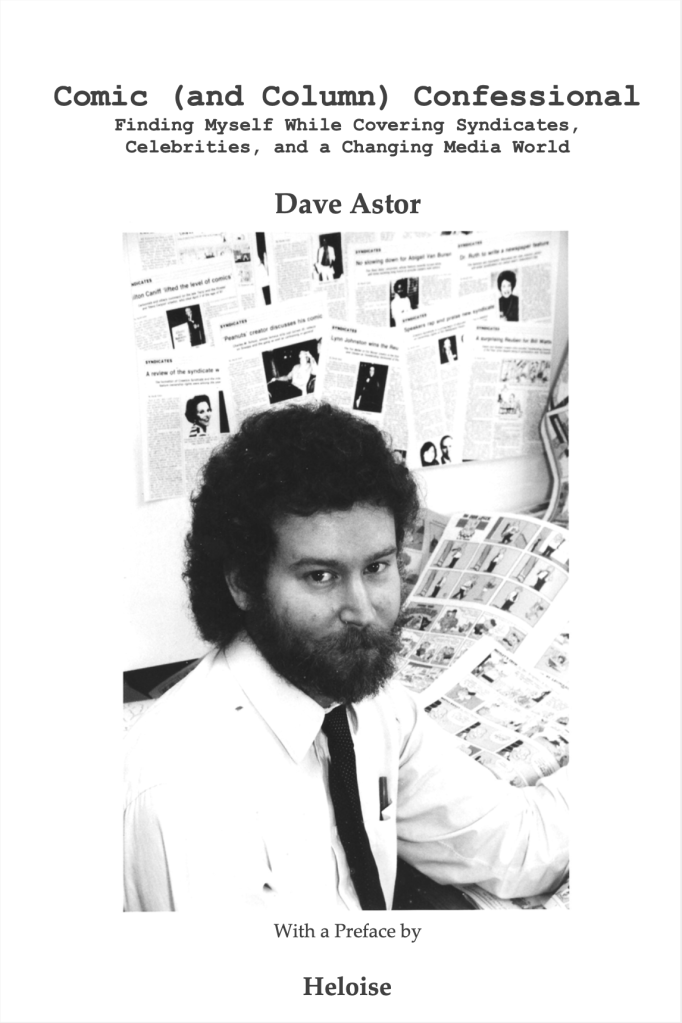
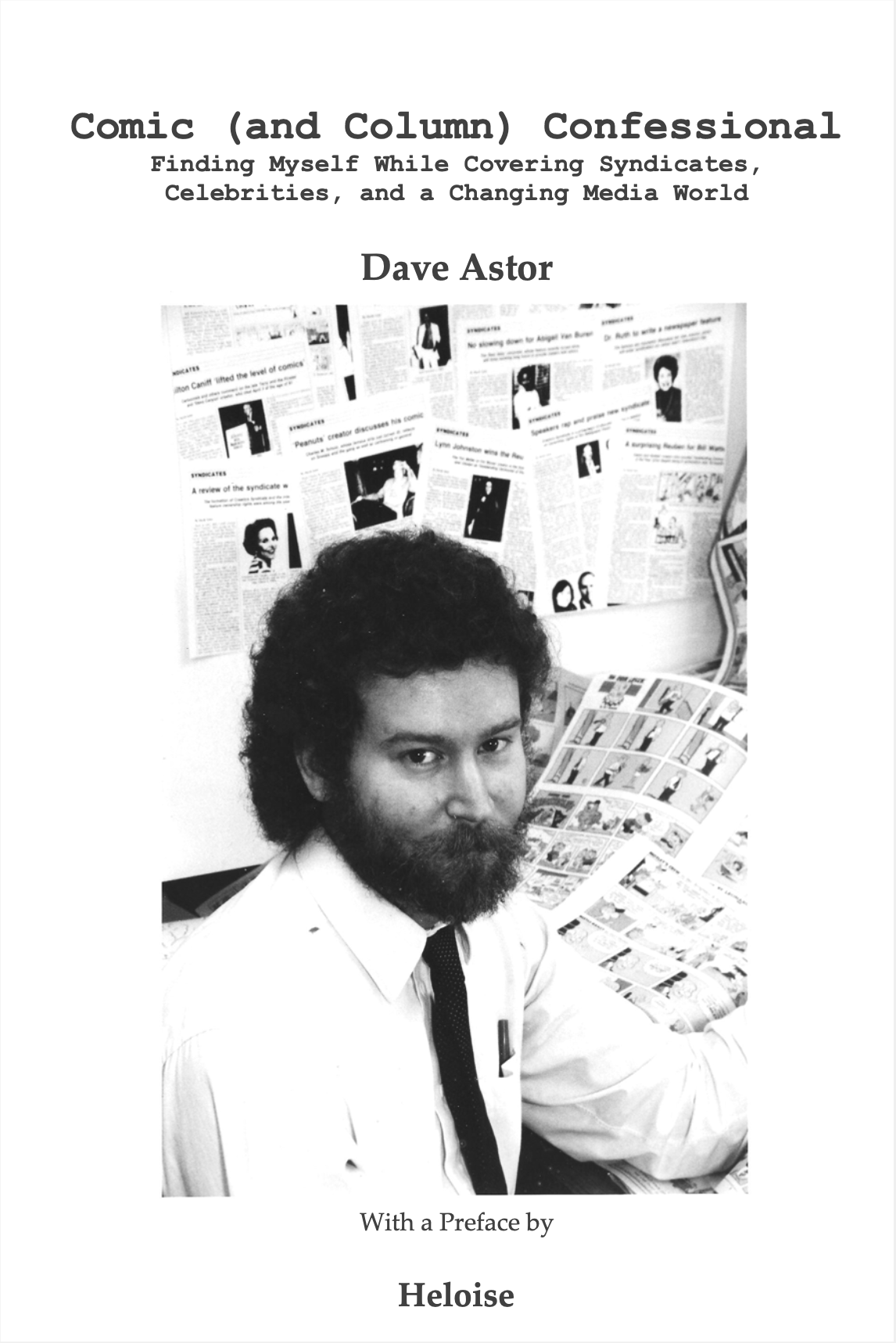
…and a 2012 memoir that focuses on cartooning and more, including many encounters with celebrities.
In addition to this weekly blog, I write the 2003-started/award-winning “Montclairvoyant” topical-humor column every Thursday for Montclair Local. The latest piece — about a welcome election victory and more — is here.
Favorite Females in Fiction, Recently Read

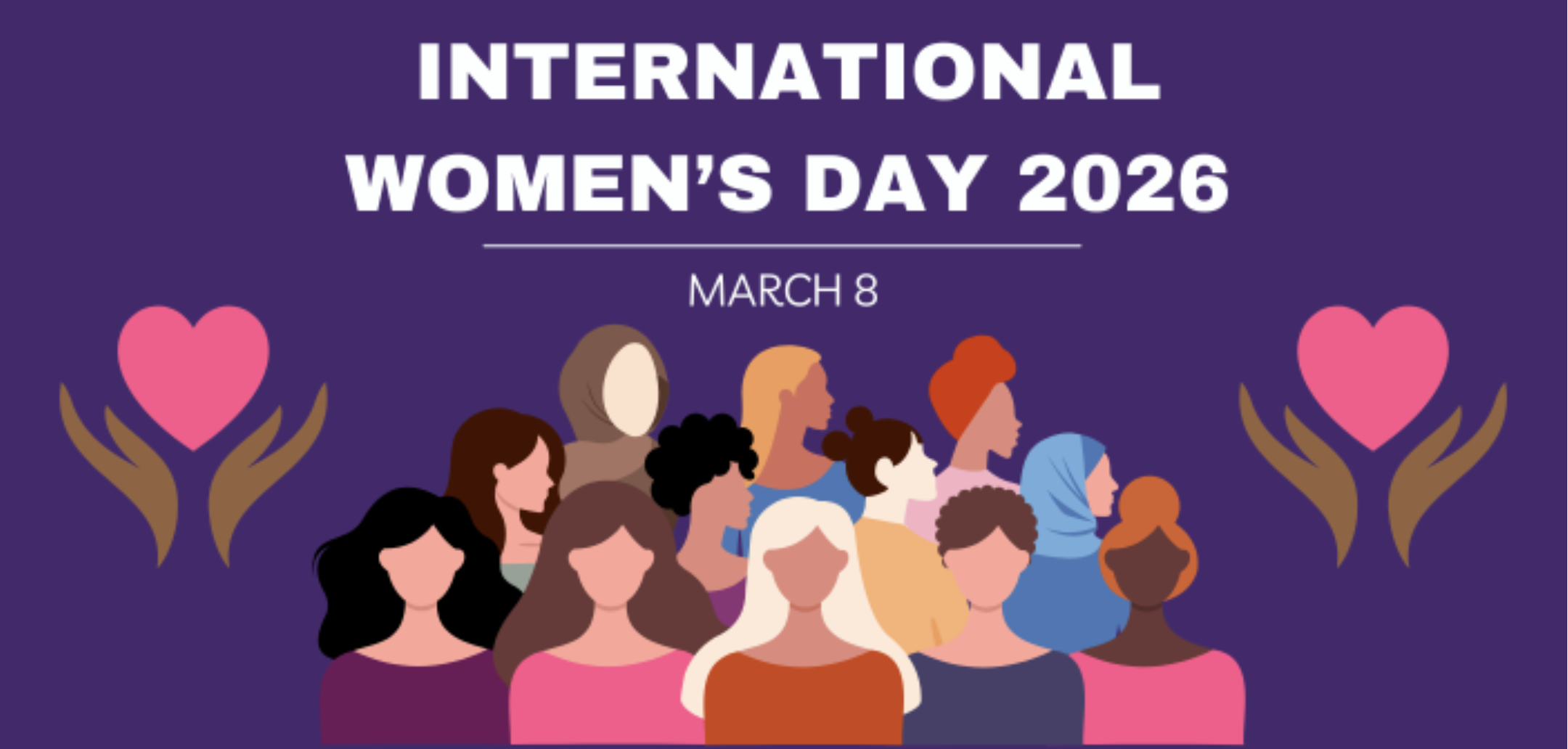
Today is International Women’s Day. Over the years, I’ve written blog posts from various angles about women in literature. This time, I’ll focus on some of my favorite women characters in novels I’ve read (though were not necessarily published) during the past couple of years.

Because of its title, the first book that came to mind was Kristin Hannah’s terrific 2024 novel The Women focusing on Vietnam War combat nurses. It stars Frances “Frankie” McGrath, a somewhat-naive young woman from an affluent family who’s forced to mature very quickly while treating horrendous battle injuries. Her two war-zone mentors — Barb Johnson and Ethel Flint — are also memorable in secondary roles.

Hannah’s previous novel, 2021’s The Four Winds, also has a stirring woman protagonist in Elsa Wolcott. (Her 1930s-set story is clearly influenced by John Steinbeck’s The Grapes of Wrath.)

Elin Hilderbrand’s novels — nearly 30 of which I read in 2024 and 2025 — are teeming with compelling women characters. Among my favorites are teacher Mallory Blessing of 2020’s bittersweet 28 Summers (inspired by Bernard Slade’s Same Time, Next Year) and the strong-willed Irene Steele who moves from Iowa to the Caribbean after her husband dies mysteriously in Hilderbrand’s Paradise trilogy (2018/2020/2020).

I was also drawn to another teacher: Maggie Jones of Kent Haruf’s Plainsong, an affecting 1999 novel that features interlocking stories.

And to the brave/beleaguered former government agent who goes by various aliases in Stephenie Meyer’s 2016 thriller The Chemist.

And to 1950s mathematician/astronaut Elma York of Mary Robinette Kowal’s 2018 alternative-history novel The Calculating Stars.

And to Wall Street attorney-turned-Appalachia legal aid attorney Samantha Kofer in John Grisham’s Gray Mountain (2014).

In the sleuth genre, three impressive yet very human/relatable women I’ve recently mentioned in other posts include Robin Ellacott of J.K. Rowling’s 2013-launched series, cold-case detective Karen Pirie of Val McDermid’s 2003-launched series, and private investigator Kinsey Millhone of the late Sue Grafton’s 1982-2017 alphabet-mystery series I’m currently working through (now enjoying Q Is for Quarry).

Among my favorite women characters in novels (some classic) that I read years ago include Jane Eyre in Charlotte Bronte’s book of the same name, Helen Huntingdon of Anne Bronte’s The Tenant of Wildfell Hall, Anne Elliot of Jane Austen’s Persuasion, Maggie Tulliver of George Eliot’s The Mill on the Floss, Denise Baudu of Emile Zola’s The Ladies’ Paradise, Marian Halcombe of Wilkie Collins’ The Woman in White, Ethelberta Petherwin in Thomas Hardy’s The Hand of Ethelberta, Edna Pontellier of Kate Chopin’s The Awakening, Anne Shirley of L.M. Montgomery’s Anne of Green Gables, Renee Nere of Colette’s The Vagabond, Pilate Dead of Toni Morrison’s Song of Solomon, Imogene “Idgie” Threadgoode of Fannie Flagg’s Fried Green Tomatoes at the Whistle Stop Cafe, Eliza Sommers of Isabel Allende’s Daughter of Fortune, and Dellarobia Turnbow of Barbara Kingsolver’s Flight Behavior, to name a few. (Actually, Anne Shirley is only 16 at the end of Montgomery’s book.)

Your thoughts about this topic, and your favorite women characters?

Misty the cat says: “Last night, clocks and patches of snow both moved one hour ahead.”

My comedic 2024 book — the part-factual/part-fictional/not-a-children’s-work Misty the Cat…Unleashed — is described and can be purchased on Amazon in paperback or on Kindle. It’s feline-narrated! (And Amazon reviews are welcome. 🙂 )

This 90-second promo video for the book features a talking cat: 🙂

I’m also the author of a 2017 literary-trivia book

…and a 2012 memoir that focuses on cartooning and more, including many encounters with celebrities.

In addition to this weekly blog, I write the 2003-started/award-winning “Montclairvoyant” topical-humor column every Thursday for Montclair Local. The latest piece — which comments on a fraught upcoming school budget vote — is here.

Duality Is Their Reality

Today is the first day of winter in the Northern Hemisphere, but it was also still autumn for a few hours. So, a two-faced day.

As in real life, some fictional characters also have two faces — offering different personas at different times and in different situations. This can be among the many building blocks involved in making a character complex, nuanced, and three-dimensional.

Perhaps the most literal depiction of a Janus-like character is the star of Strange Case of Dr. Jekyll and Mr. Hyde. The duality in Robert Louis Stevenson’s 1886 novel happens when Jekyll, a basically good man with some repressed dark tendencies, takes a potion that turns him into the evil Hyde.

But things are usually somewhat more subtle when it comes to characters with binary tendencies.

For instance, the villainous Count Fosco can also be quite charming in Wilkie Collins’ 1860 classic The Woman in White.

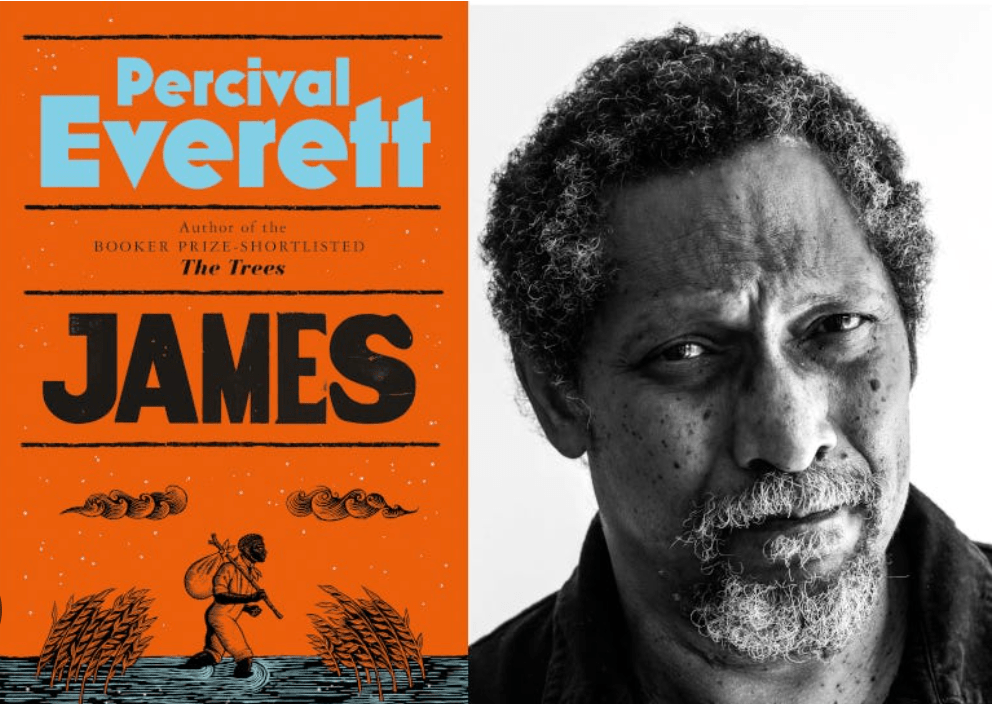
Much more recently, we have Percival Everett’s 2024 novel James, which reimagines Mark Twain’s Adventures of Huckleberry Finn from the vantage point of escaped slave Jim — after Twain mostly focused on Huck in his 1884 book. The duality here is that James, in a recognizable self-preservation maneuver, speaks in a different way (intellectually) to his fellow Black people than to white people (with whom he plays dumb). James, which I read last week, won the Pulitzer Prize for fiction earlier this year.

Jim’s dual persona reminds me of female characters who are smarter and/or more strategic than they let on. Daisy Buchanan of F. Scott Fitzgerald’s The Great Gatsby (1925) would be one example.

Returning to contemporary literature, we have Val McDermid’s crime series about cold-case detective Karen Pirie. She is mostly tough while on the job — both with suspects and with the people (including sexist men) she works with — while Pirie’s more vulnerable side emerges in her personal life.

Then there are the characters who are warrior-like in battle even as they can have more-tender aspects when not fighting. Jamie Fraser of Diana Gabaldon’s Outlander series certainly has those two elements.

Sometimes, two parts of a personality exist more consecutively than simultaneously — as with young Neville Longbottom of J.K. Rowling’s Harry Potter series. He starts off bumbling and insecure, but eventually becomes quite courageous. Perhaps that arc is more maturity than duality.

Any comments about and/or examples of this topic?

Misty the cat says: “It’s the first day of winter. Autumn must still be around here somewhere.”

My comedic 2024 book — the part-factual/part-fictional/not-a-children’s-work Misty the Cat…Unleashed — is described and can be purchased on Amazon in paperback or on Kindle. It’s feline-narrated! (And Amazon reviews are welcome. 🙂 )

This 90-second promo video for the book features a talking cat: 🙂

I’m also the author of a 2017 literary-trivia book

…and a 2012 memoir that focuses on cartooning and more, including many encounters with celebrities.

In addition to this weekly blog, I write the 2003-started/award-winning “Montclairvoyant” topical-humor column every Thursday for Montclair Local. The latest piece — which has a dystopian novel theme as it discusses 19 school-district jobs saved and 84 not saved (evoking George Orwell’s 1984) — is here.

At This Thematic Stop, We Hop on ‘Pop’

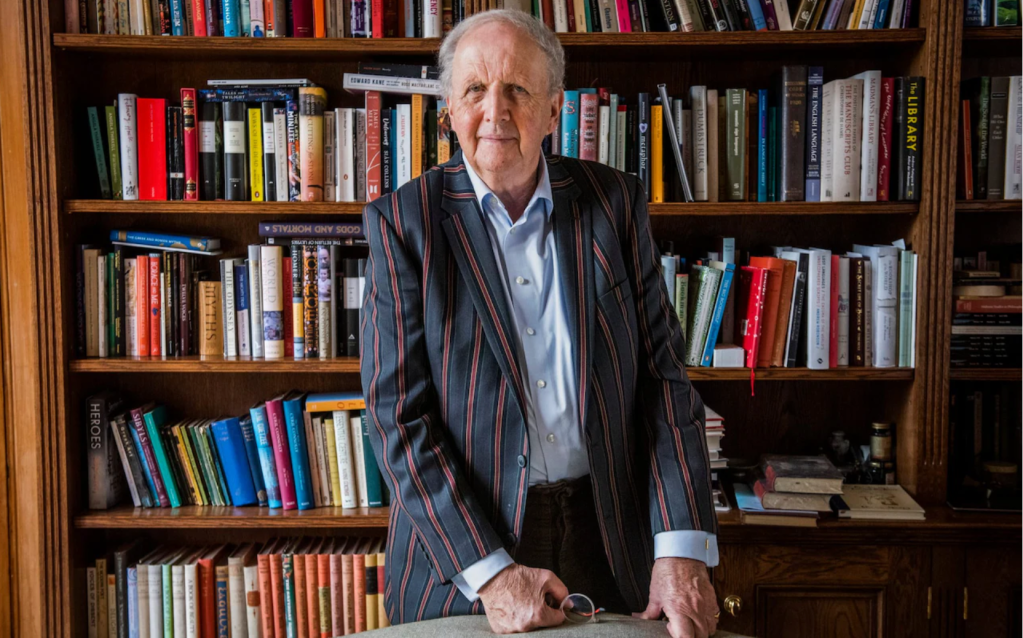
Alexander McCall Smith. (Photo by Chris Watt.)

Being an accomplished author doesn’t mean that every character she or he creates will “pop.”

Novelists are not machines; they don’t operate at 100% capacity with every word. Also, they might be more interested in certain characters than in other ones, perhaps because some characters have elements that are more quirky, unusual, etc. Authors might even make some characters deliberately boring because some people are boring and it might work for the story. And then of course there’s the matter of villains often having a level of charisma that nicer characters might not possess.

A great way to observe this phenomenon is with a novel featuring an ensemble cast in which no one is really the sole star. Such is 44 Scotland Street by Alexander McCall Smith, who populates his first-in-a-series 2005 book with residents of an apartment building (located at the Edinburgh address of the title) and with several other people who are friends or co-workers of said residents.

The “fulcrum” of 44 Scotland Street is probably Pat, a 20-year-old woman who opens the novel visiting the titular address in which she’ll soon share a multi-person apartment. But Pat is not that fascinating a person — partly because of her young age and relatively small amount of life experience. On the other hand, 60-something building resident Domenica is quite memorable, as is her 50-something artist friend — soon also Pat’s friend — Angus. Pat’s narcissistic apartment-mate Bruce is more annoying than interesting.

Of course, someone quite young can also be compelling. In McCall Smith’s novel, that would be five-year-old Bertie — a very precocious kid buckling under the pressure of a “helicopter” mom-from-hell forcing him to learn Italian and play a saxophone almost as big as he is.

Now I’ll fit three classics into this theme, although there are of course many other novels that could also be included.

The “hero” of Wilkie Collins’ 1860 mystery/adventure The Woman in White is the brave and devoted Walter Hartright, who has “the right heart” but doesn’t really “pop” into three-dimensionality. The characters who stand out include the deliciously wicked Count Fosco and the resourceful, not conventionally attractive, possibly lesbian (?) Marian Halcombe.

In Edith Wharton’s 1920 novel The Age of Innocence, protagonist Newland Archer is mildly interesting while his fiancee and subsequently wife May Welland is rather bland and conventional. The character who really “pops” is free-spirited bohemian Ellen Olenska — to whom Newland becomes attracted. This is clearly intentional on Wharton’s part as she sets up Newland’s internal struggle between what he wants and his societal “obligations” as a young man from an upper-class family.

Frodo Baggins might be “first among equals” in J.R.R. Tolkien’s The Lord of the Rings trilogy (published 1954-55). He’s admirable and courageous, but the low-key, earnest hobbit doesn’t “pop” like some other characters such as Frodo’s equally courageous but more spirited and quick-witted “servant” companion Samwise Gamgee and the anguished, part-villainous/part-sympathetic Gollum.

As I’ve written in a couple of past posts, supporting characters can frequently be more interesting than the so-called leads they might bounce off of in novels.

Your thoughts about, and examples of, this topic?

Misty the cat says: “My wagon flipped, so I’m walking the rest of the way to Mars.”
https://www.youtube.com/shorts/jNRBuJU6YFI

My comedic 2024 book — the part-factual/part-fictional/not-a-children’s-work Misty the Cat…Unleashed — is described and can be purchased on Amazon in paperback or on Kindle. It’s feline-narrated! (And Misty says Amazon reviews are welcome. 🙂 )

This 90-second promo video for my book features a talking cat: 🙂

I’m also the author of a 2017 literary-trivia book

…and a 2012 memoir that focuses on cartooning and more.

In addition to this weekly blog, I write the 2003-started/award-winning “Montclairvoyant” topical-humor column every Thursday for Montclair Local. The latest piece — about my town’s newly appointed schools superintendent — is here.