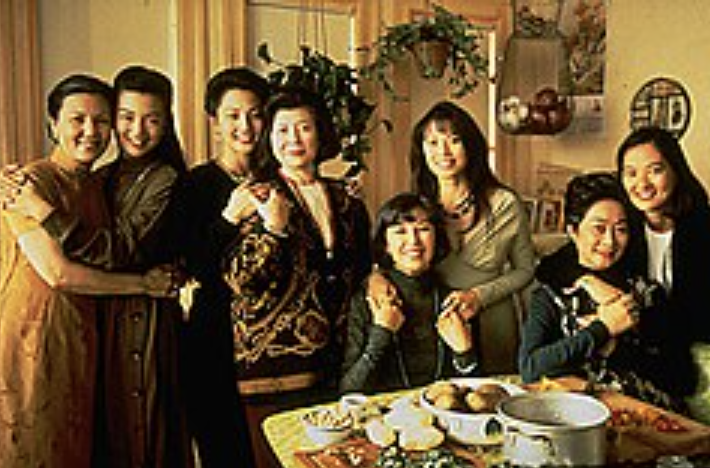
From ‘The Joy Luck Club’ movie.
Many humans like to be part of a group — whether it’s called a group, a club, an organization, an association, a society, a union, a gang, etc. Sometimes official, sometimes casual, often positive, occasionally negative, these groups offer camaraderie, a place for shared interests, strength in numbers, networking, etc. — with possible internal tensions in certain cases due to jealousy, different views, and so on.
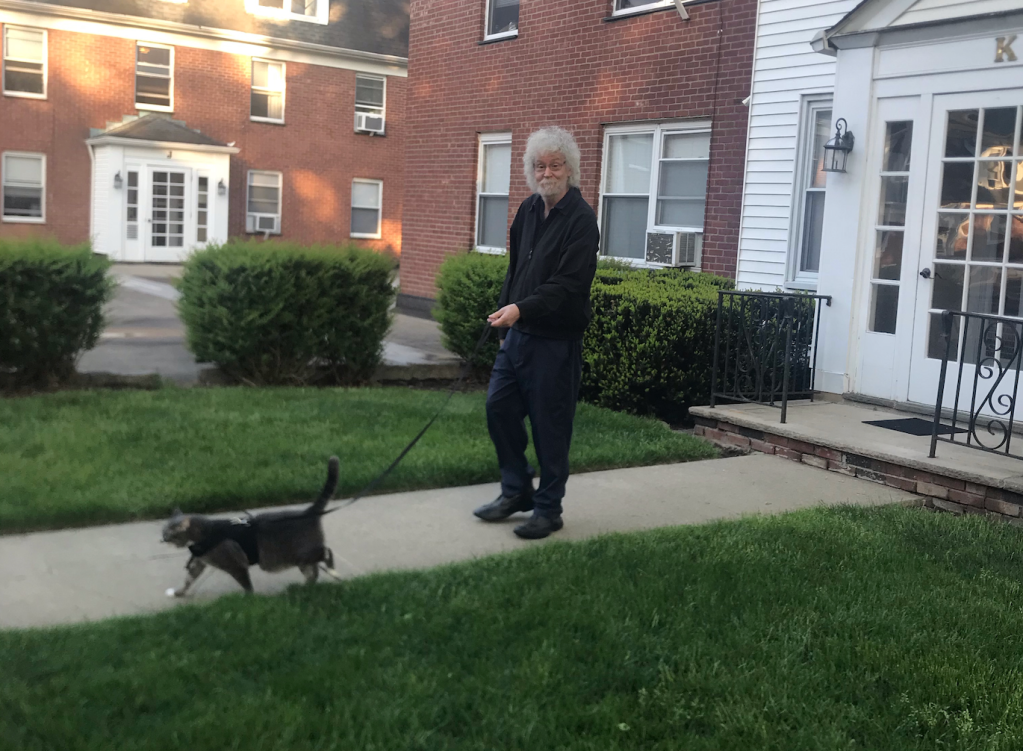
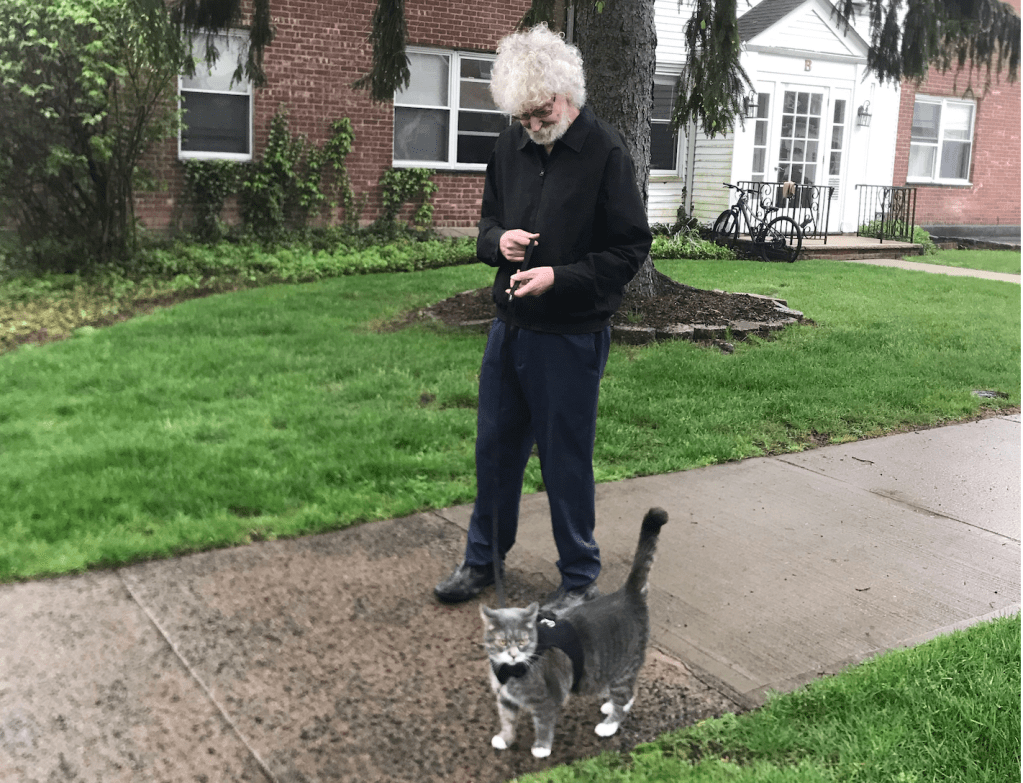
I thought of groups last week when my application for membership in the Cat Writers’ Association was accepted after I submitted to the CWA a copy of my comedic new book Misty the Cat…Unleashed. It’s the second major organization I’m a member of, along with my longtime history as part of the National Society of Newspaper Columnists, where I was a board member from 2009 to 2023 and still copy-edit the NSNC newsletter. There’s also the wonderful blogosphere here, where I’m very happy to associate with other bloggers and commenters — including the people reading this post now.
And — you knew this was coming — groups can be a big part of some novels. Including, of course, Mary McCarthy’s The Group, about the life of eight friends after college. Another book with a gathering of people literally in its title is the World War II novel The Guernsey Literary and Potato Peel Pie Society by Mary Ann Shaffer and Annie Barrows.
Also a group-focused novel with a WWII theme is Fannie Flagg’s The All-Girl Filling Station’s Last Reunion, about a cadre of women pilots.
Moving backward in time to World War I, we have the spy ring of women in Kate Quinn’s The Alice Network.
We also have the secret society in Dan Brown’s The Da Vinci Code and the group of immigrant Chinese-American women who form The Joy Luck Club that gives Amy Tan’s novel its title.
Unions? We see them — or more ad hoc labor groupings — in such novels as Emile Zola’s Germinal, Jack London’s Martin Eden, John Steinbeck’s The Grapes of Wrath, Ken Kesey’s Sometimes a Great Notion, and Kristin Hannah’s The Four Winds.
Of course, groupings can be sinister, as with the Mafia guys in Mario Puzo’s The Godfather and the vicious 19th-century western gang of white guys in Cormac McCarthy’s Blood Meridian.
Any examples of, or comments about, this theme you’d like to offer?
My comedic new 2024 book — the part-factual/part-fictional Misty the Cat…Unleashed — is described and can be purchased on Amazon in paperback or Kindle. It’s feline-narrated! (And Misty says Amazon reviews are welcome. 🙂 )
In addition to this weekly blog, I write the 2003-started/award-winning “Montclairvoyant” topical-humor column every Thursday for Montclair Local. The latest piece — about yet another lawsuit against a township official, incompetence that led to the hacking of the municipal computer system, and other topics — is here.