Gothic Fiction Gives Readers Frisson

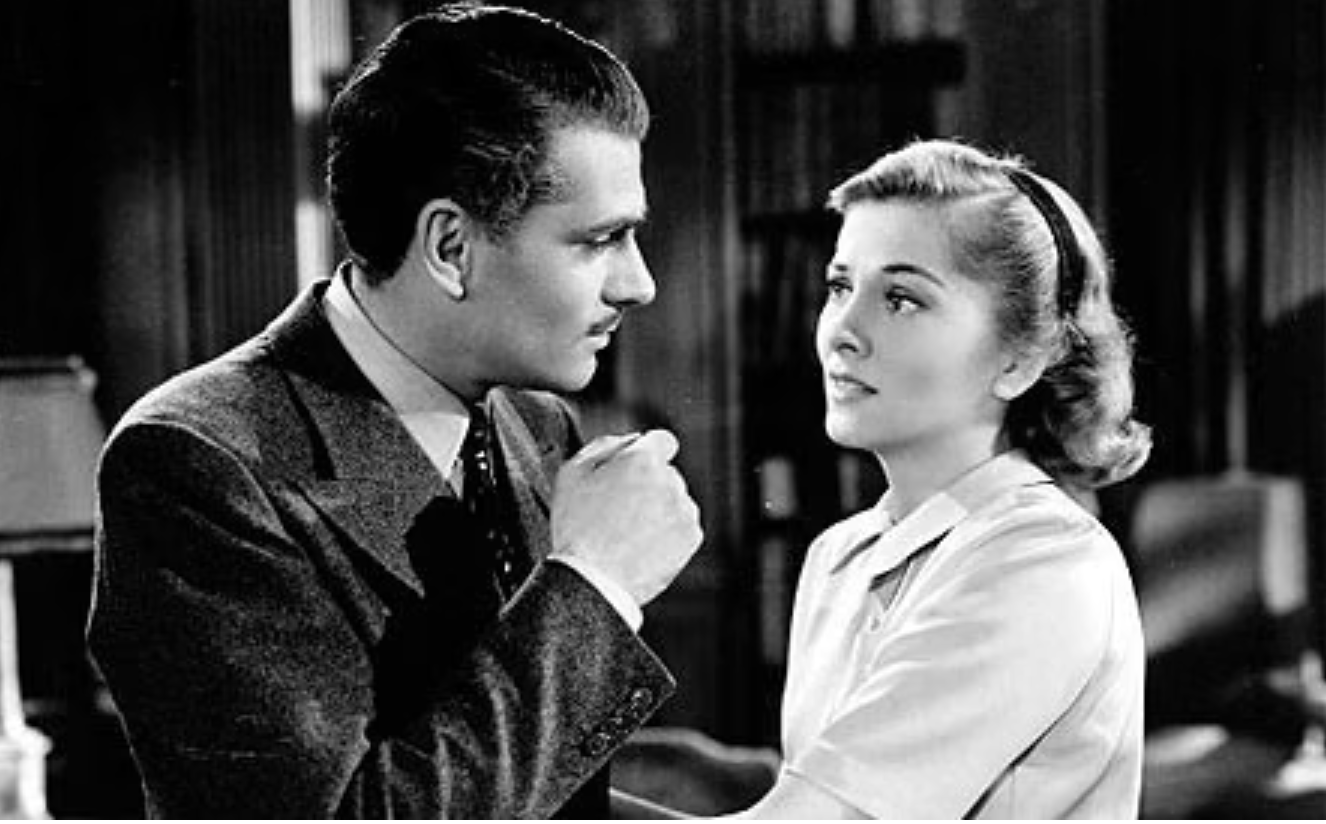
Laurence Olivier and Joan Fontaine in Alfred Hitchcock’s Rebecca movie from 1940.

What’s a Gothic novel? Definitions I found online include “a literary genre combining fiction, horror, death, and romance” that might be “set in gloomy, decaying locations like castles or ruined mansions” and also might feature “the intrusion of the past upon the present” as well as “dark secrets, supernatural elements” and “a brooding hero” and “a vulnerable female protagonist.”

Those definitions mean books in this category can be compelling, mysterious, haunting, and more. So, all that is an incentive for me to discuss various Gothic novels I’ve read.

I recently reread Daphne du Maurier’s mesmerizing Rebecca (1938), which is one of the first books that come to mind when thinking of the Gothic genre. It’s about an unnamed young woman who marries wealthy widower Maxim de Winter. His first wife? Rebecca, of course. The shy/insecure/inexperienced new spouse compares herself (and is compared by others) to the late Rebecca — whose presence remains palpable at Maxim’s huge Manderley estate. In which we meet sinister housekeeper Mrs. Danvers, who was very attached to the beautiful/charismatic/seemingly admirable Rebecca and treats the second Mrs. de Winter with contempt and cruelty.

After finishing Rebecca, I read for the first time du Maurier’s 1936 potboiler of a novel Jamaica Inn, which also has some Gothic elements (including a remote setting and plenty of terror) but no upper-class characters in the main cast. Not as skillfully composed as Rebecca, but still plenty gripping.

Du Maurier also wrote several other novels considered Gothic or part-Gothic — including 1951’s My Cousin Rachel and 1969’s The House on the Strand.

Going back to 19th-century literature, Charlotte Bronte’s Jane Eyre (1847) included various Gothic elements — a big old home, a mysterious woman in the attic, some disastrous events, an otherworldly occurrence, etc. Its story, several of its characters, and the dynamics of its central romance clearly influenced the Rebecca novel published nearly a century later.

Emily Bronte’s Wuthering Heights (also 1847) has lots of Gothic content, too — obsession, psychological torment, ghostly apparitions, the wild moors…

Almost 30 years earlier, Mary Shelley’s ominous 1818 novel Frankenstein drips with atmosphere while also being an early example of science fiction.

Later in the 19th century, we have Wilkie Collins’ The Woman in White (1860) with its suspense, “insane asylum,” and mistaken identity; Robert Louis Stevenson’s Strange Case of Dr. Jekyll and Mr. Hyde (1886) with its split-personality motif, claustrophobia, and foggy London streets; and Bram Stoker’s Dracula (1897), which I don’t need to summarize but can give many a reader nightmares.

In the realm of 19th-century short stories, a number of Edgar Allan Poe’s tales can be considered Gothic — including “The Fall of the House of Usher” and “The Masque of the Red Death.”

Joining du Maurier in writing 20th-century novels with at least some Gothic elements are authors such as Shirley Jackson (1959’s The Haunting of Hill House), Stephen King (1977’s The Shining), and Toni Morrison (1987’s Beloved).

And I shouldn’t forget to mention Jane Austen’s Northanger Abbey — an 1817-published spoof of Gothic fiction.

It’s pretty much agreed that Gothic novels first appeared in the 1700s, but I haven’t read any from that century (yet). They include Horace Walpole’s The Castle of Otranto (1764) and Ann Radcliffe’s The Mysteries of Udolpho (1794), among others.

There’s also the Southern Gothic genre that includes such novels as William Faulkner’s Light in August (1932), Carson McCullers’ Reflections in a Golden Eye (1941), Flannery O’Connor’s Wise Blood (1952), and Cormac McCarthy’s Outer Dark (1968).

What are your favorite Gothic novels, whether I mentioned them or not? I know there are a number of books in that genre I didn’t name.

Note: My next blog post might publish on Monday, May 4, rather than Sunday, May 3.

Misty the cat says: “When I requested a deck, I meant a deck of cards to play poker.”

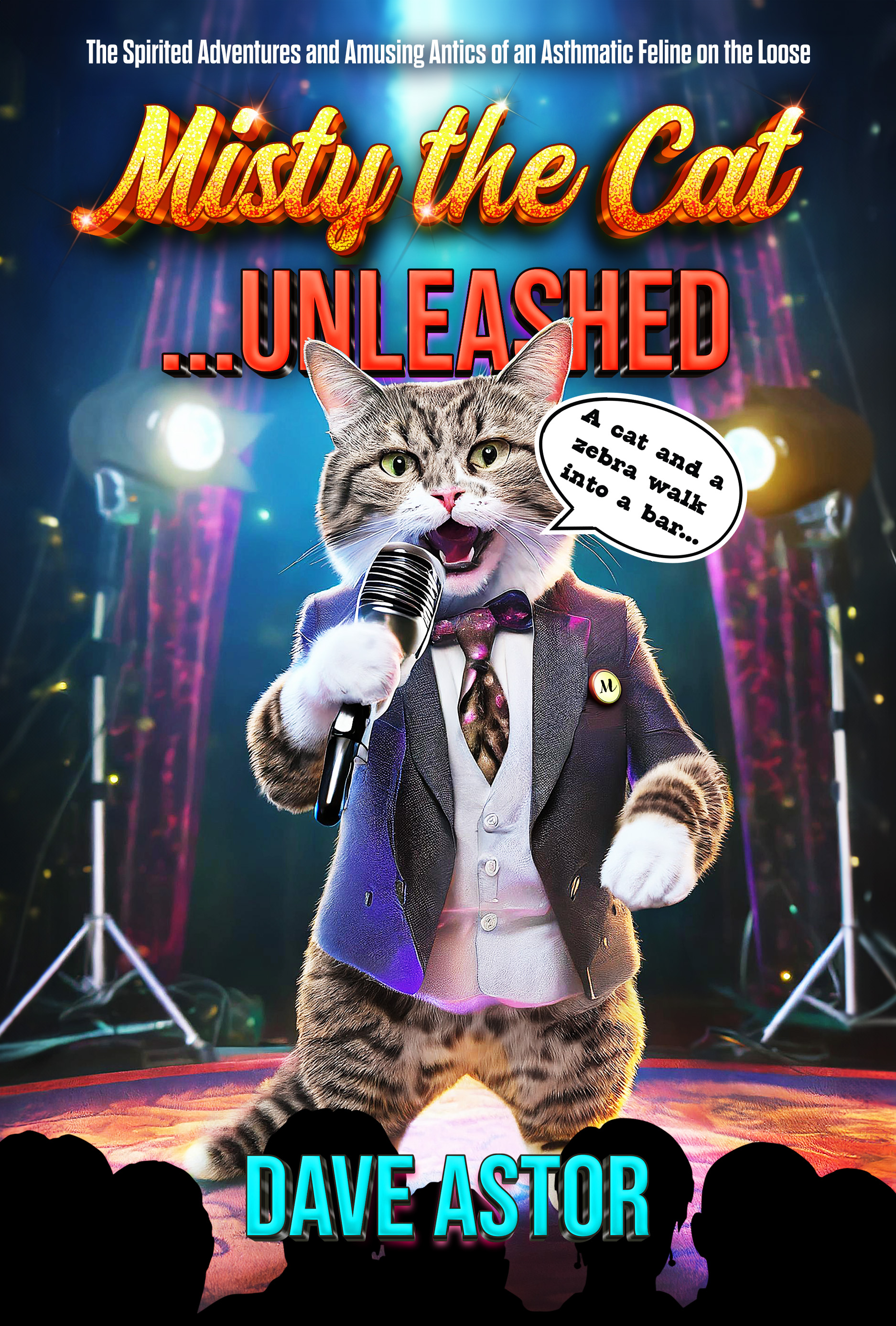
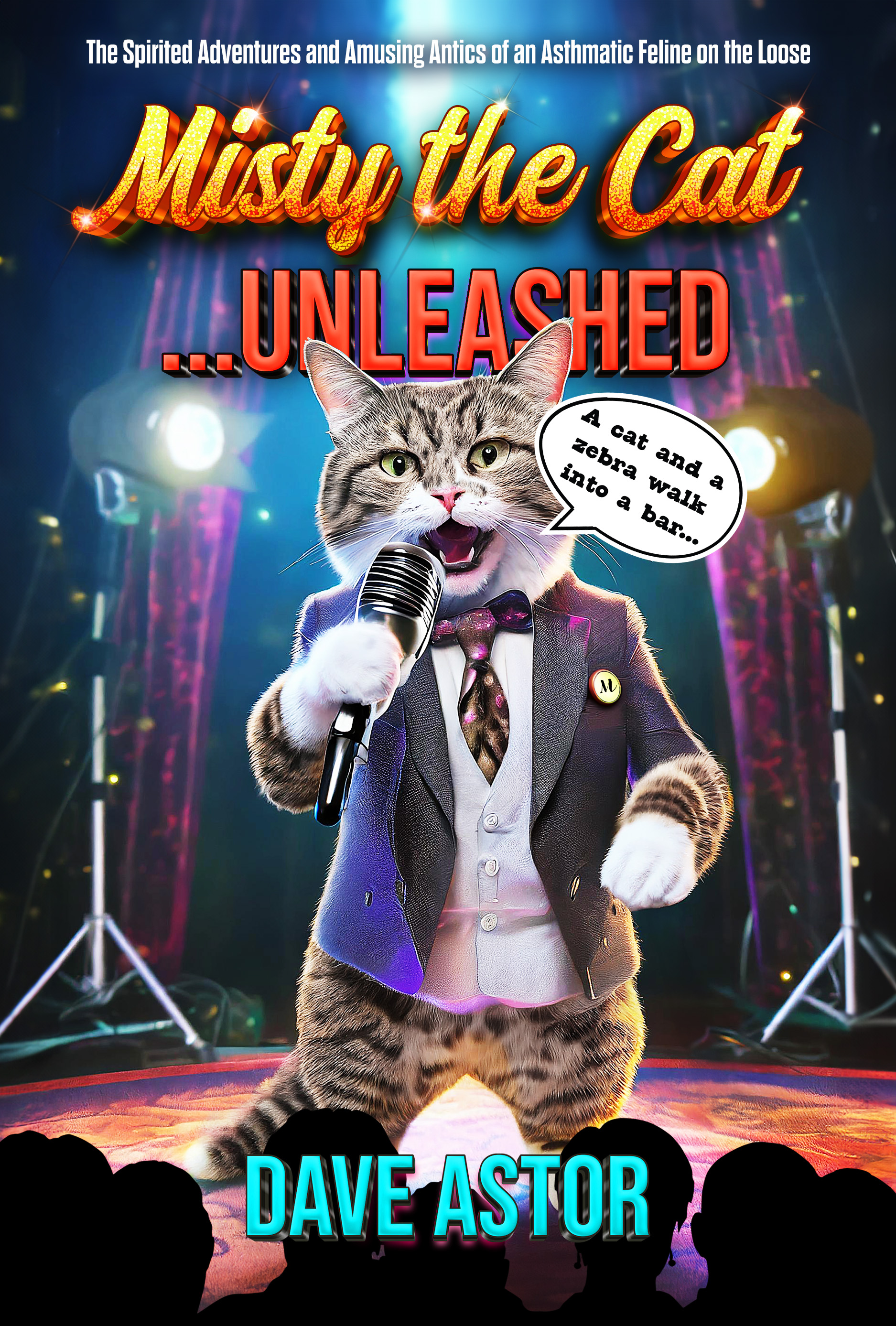
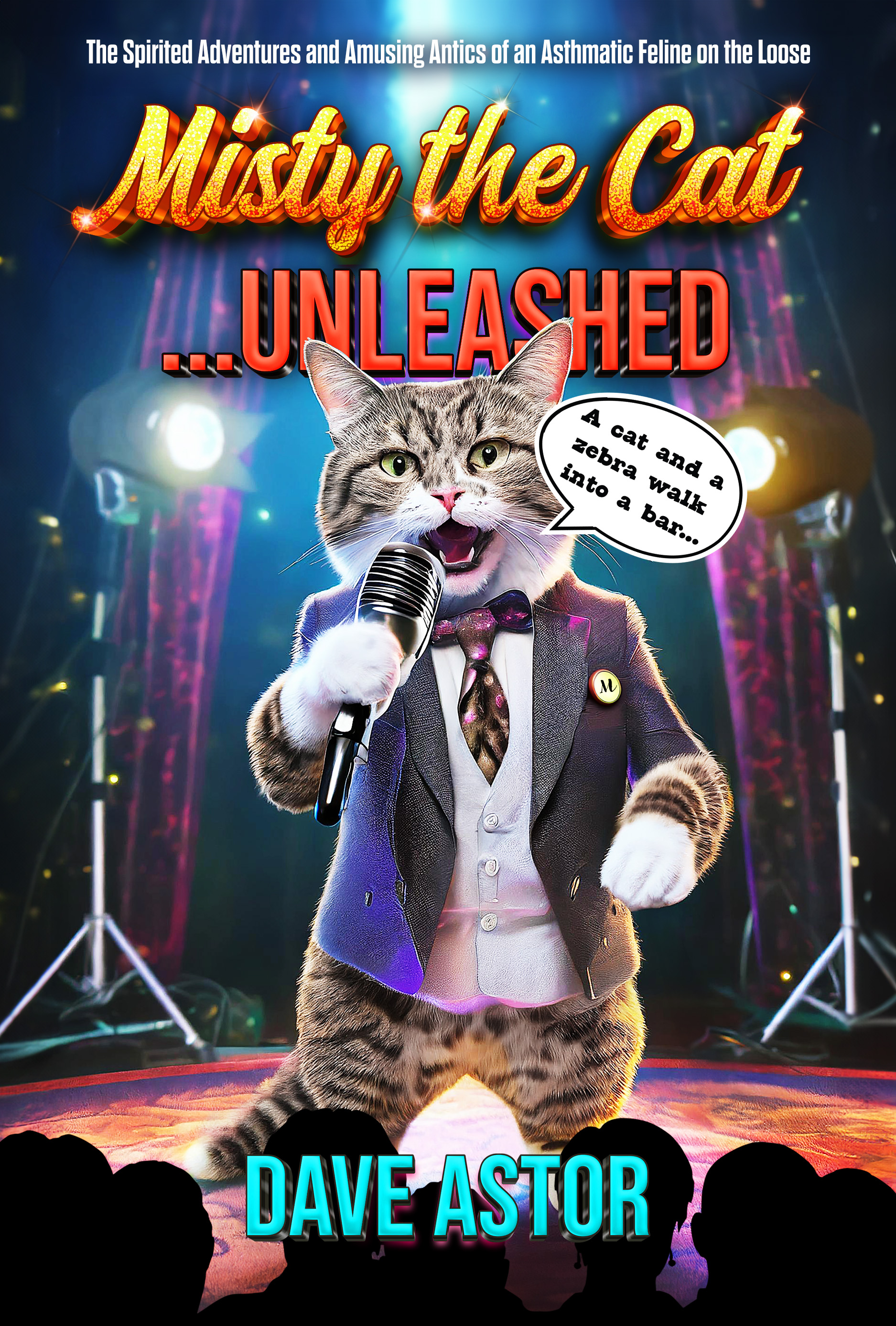
My comedic 2024 book — the part-factual/part-fictional/not-a-children’s-work Misty the Cat…Unleashed — is described and can be purchased on Amazon in paperback or on Kindle. It’s feline-narrated! (And Amazon reviews are welcome. 🙂 )
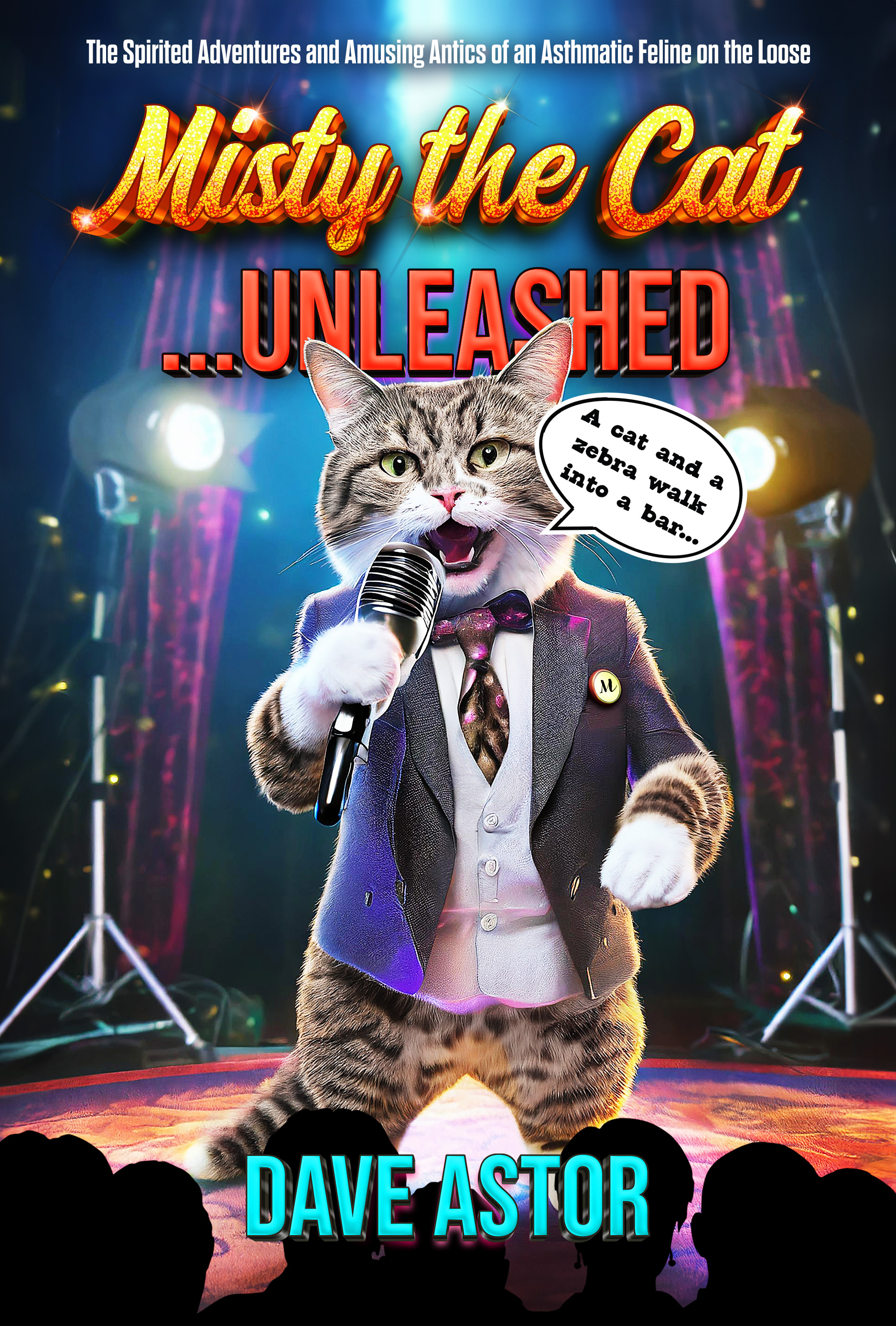
This 90-second promo video for the book features a talking cat: 🙂

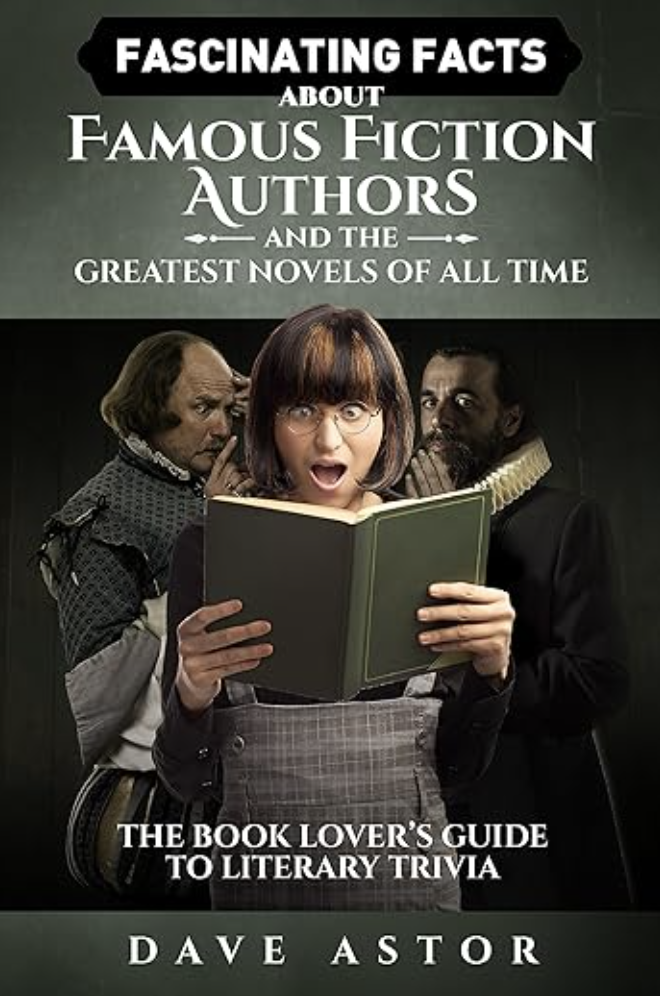
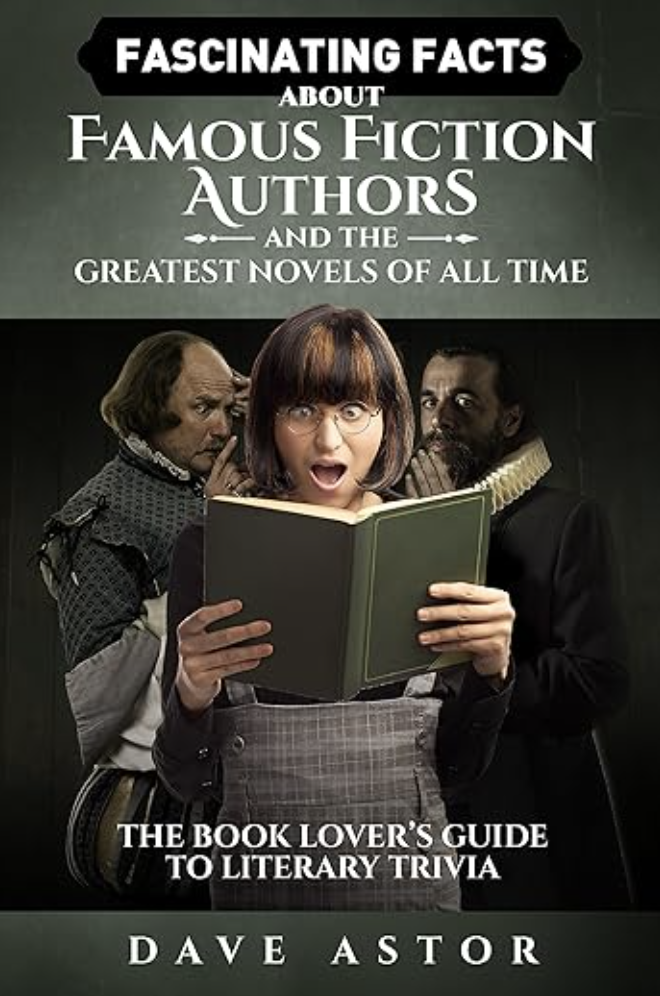
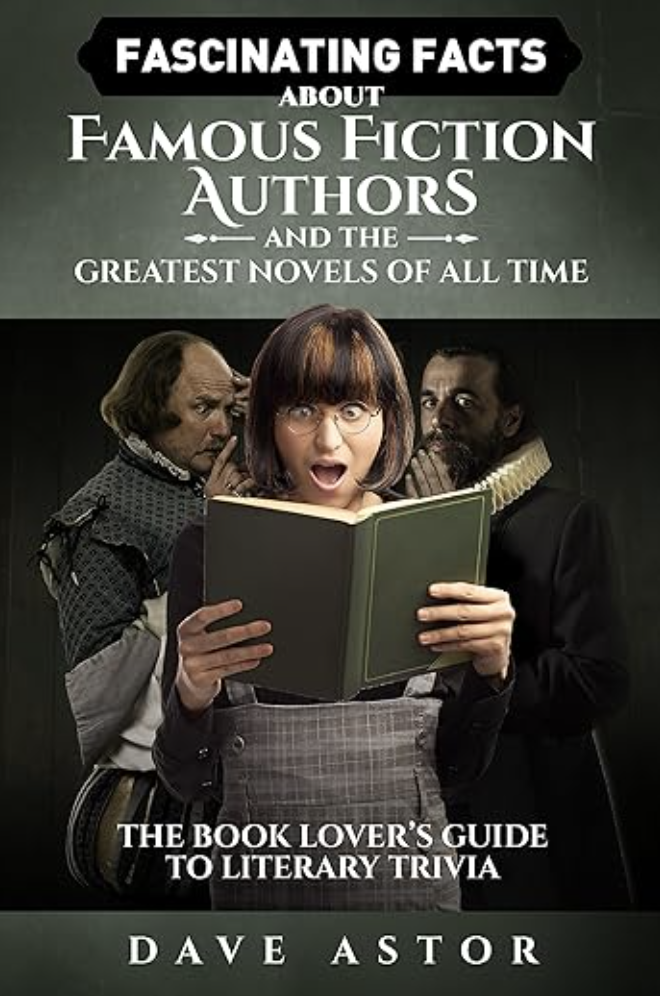
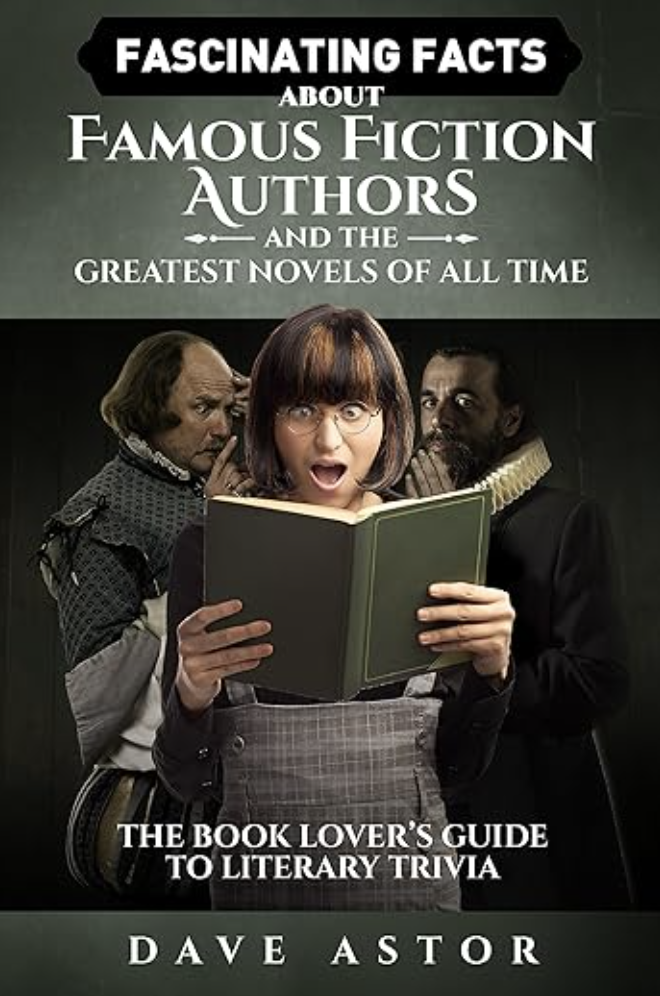
I’m also the author of a 2017 literary-trivia book

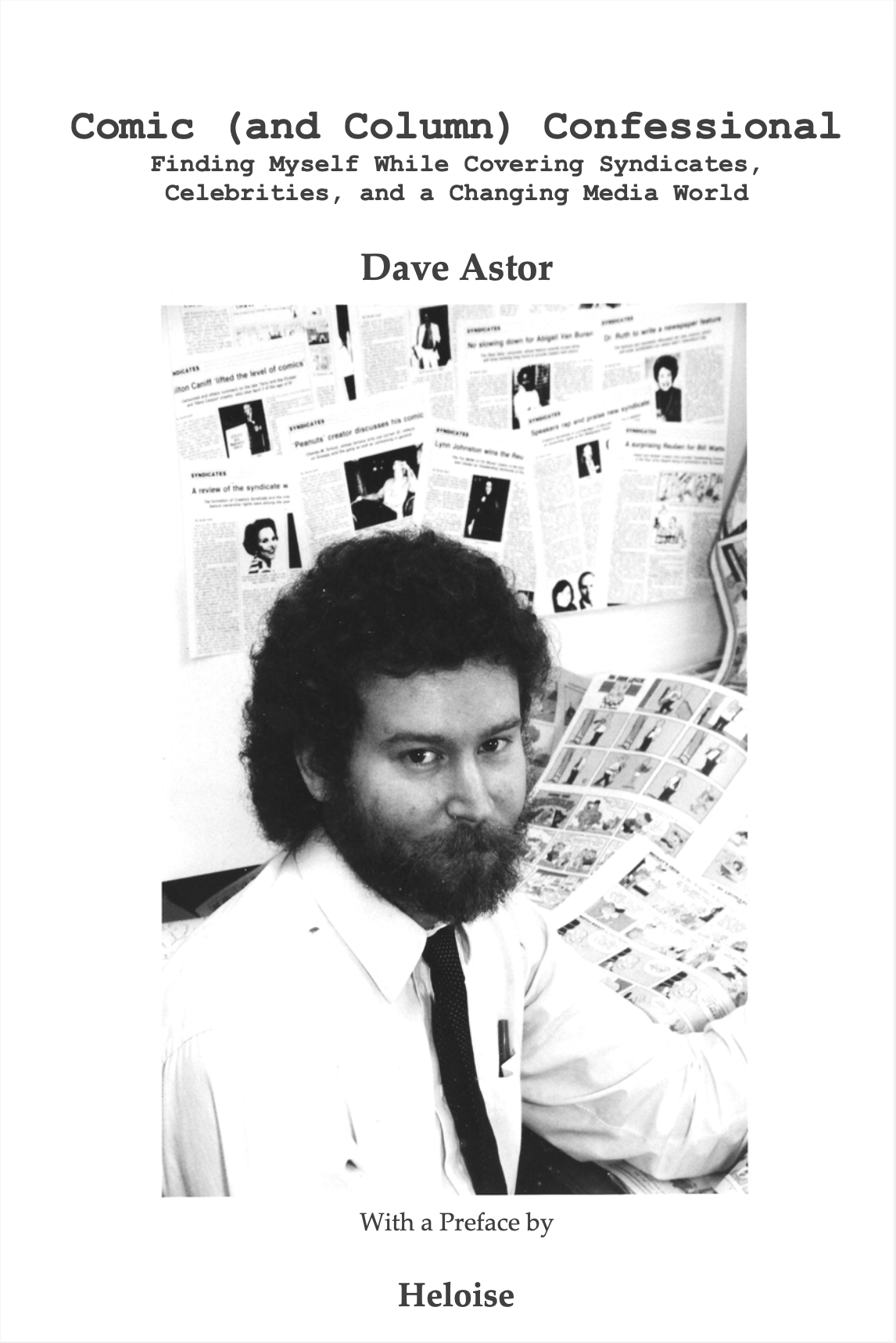
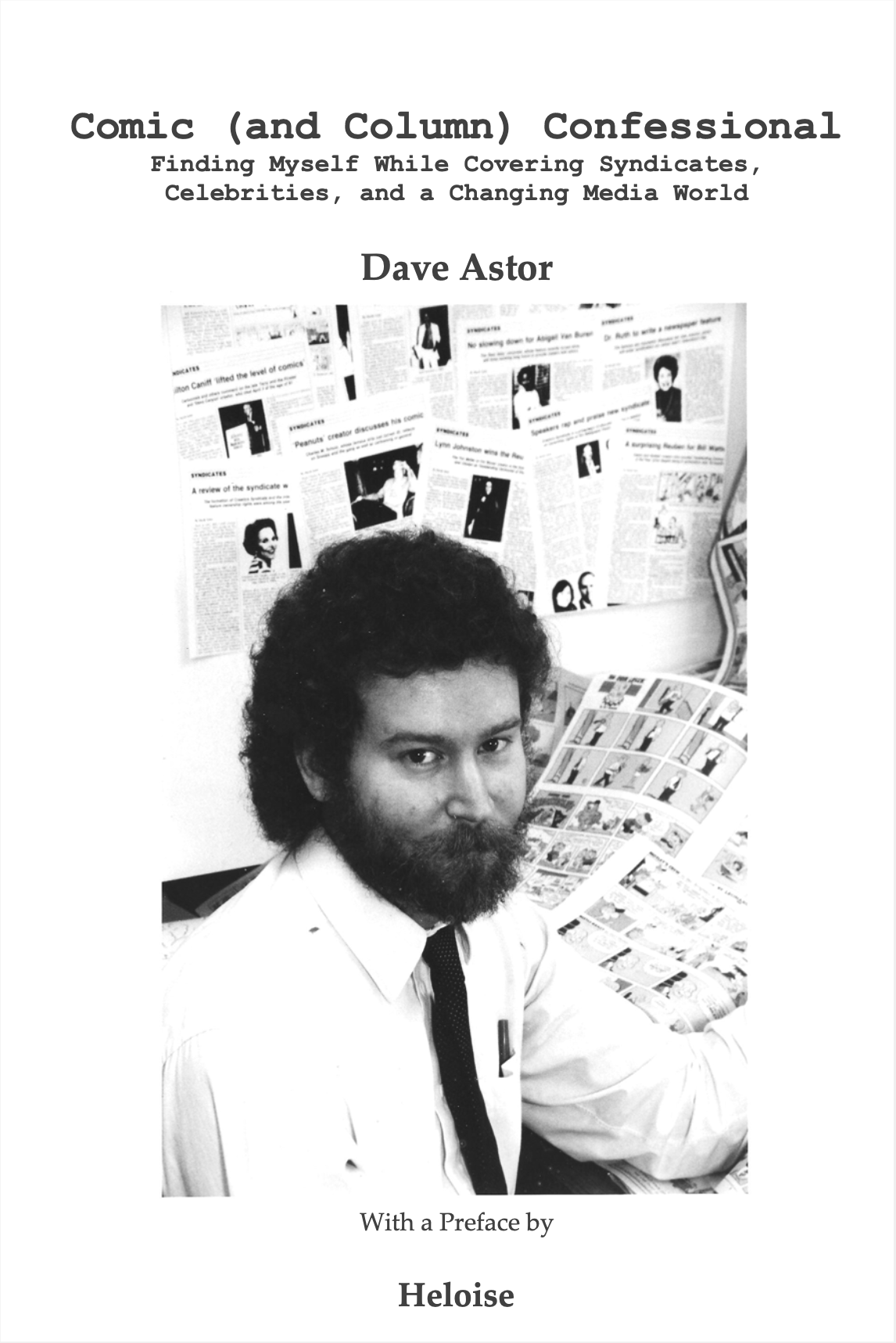
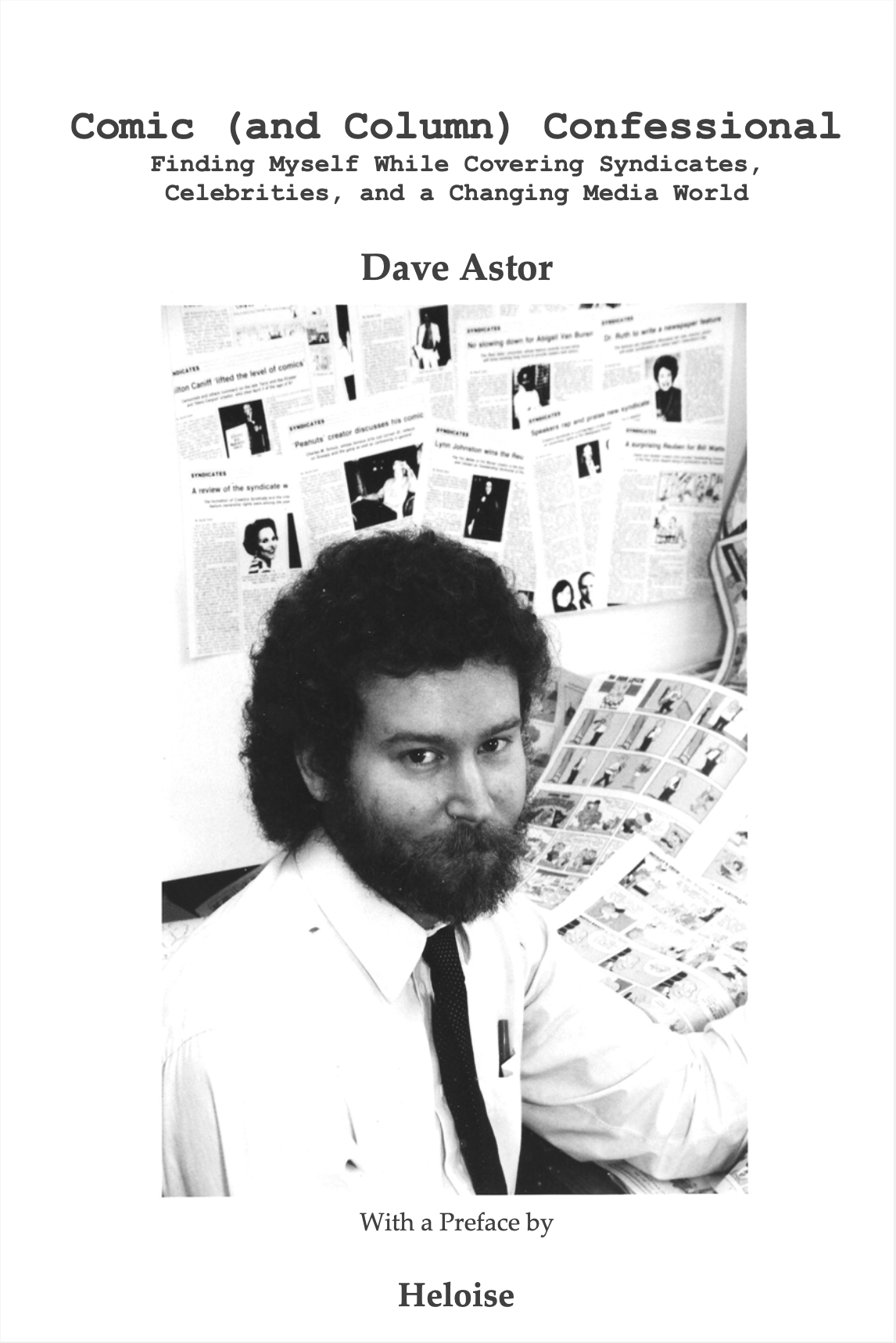
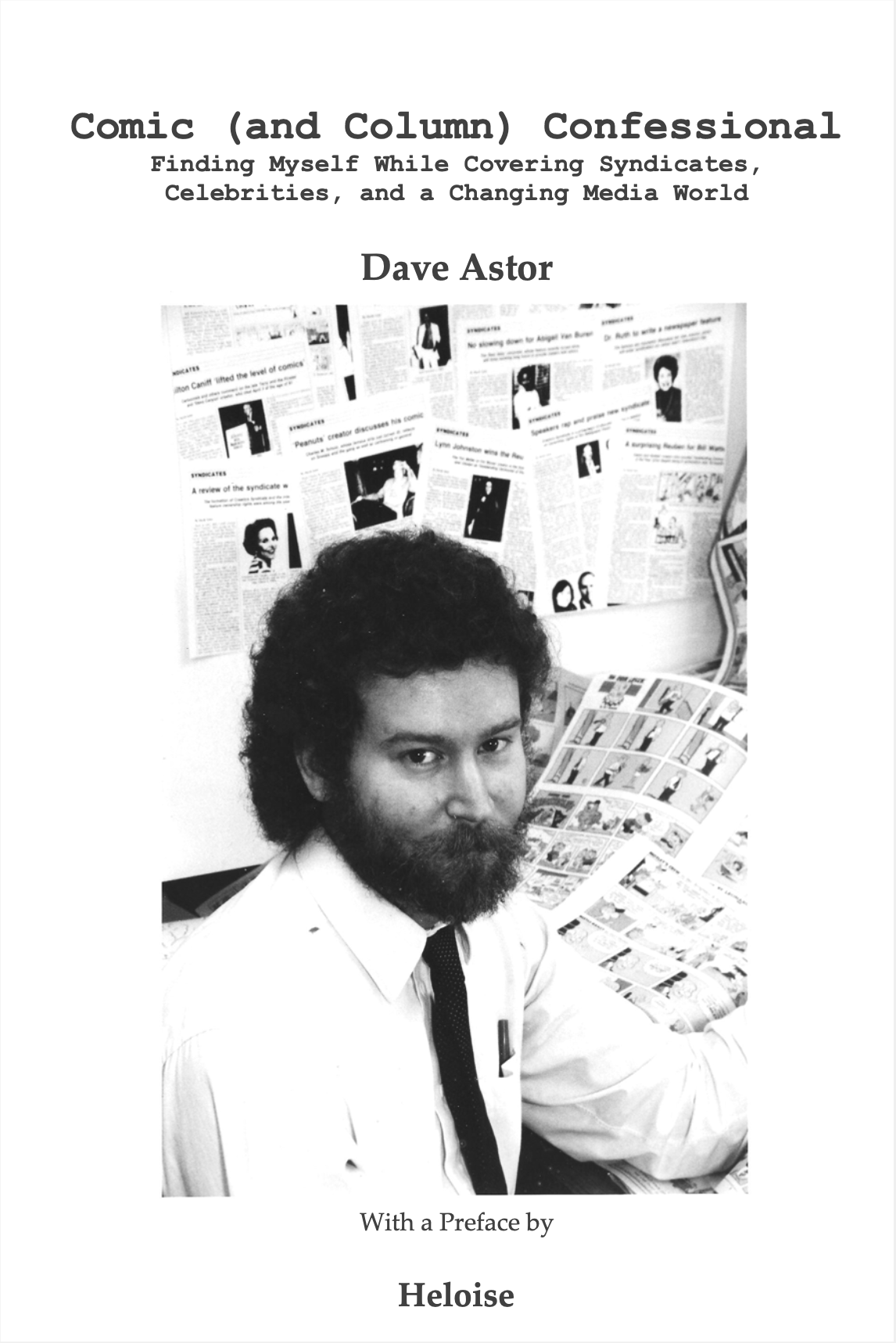
…and a 2012 memoir that focuses on cartooning and more, including many encounters with celebrities.
In addition to this weekly blog, I write the 2003-started/award-winning “Montclairvoyant” topical-humor column every Thursday for Montclair Local. The latest piece — about a welcome election victory and more — is here.

Characters from Classic Novels Take to Social Media

The mature and measured U.S. president.

Donald Trump constantly posts unhinged messages on his social media platform Truth Social (aka Lie Social). Threatening genocide against Iran, showing an image of himself as Jesus Christ, denouncing Pope Leo XIV for wanting peace in the world, cursing at people who don’t “bend the knee” to him, etc. So, I’d like to offer more respectable — and more enjoyable — social media content: posts by various characters from classic literature. (With fictional comments responding to those fictional posts.) The characters inhabit novels published long before the existence of Facebook, X, Bluesky, Instagram, and other platforms, but they still managed to make their online thoughts known.

Jane Eyre: “Here’s a photo I took tonight of a tree that got split by lightning just after R asked me to marry him. Cool!”

Rochelle from Rochester: “Jane, not sure that’s cool; the severed tree could symbolize a coming rupture in your relationship.”

Jane: “As Freud might say after he’s eventually born, sometimes a tree is just a tree.”

Thornfield Hall & Oates: “Charlotte Bronte, please weigh in here.”

Charlotte: “I’ll try, but the WiFi in Haworth Parsonage is spotty.”

Rodion Raskolnikov: “I heard that the popular co-hosts of the I’ve Had It podcast are ‘killing it.’ That means I have something in common with them.”

St. Petersburger King: “You actually murdered people; podcasters Jennifer Welch and Angie ‘Pumps’ Sullivan did not.”

Raskolnikov: “I had my reasons for doing the Crime that might lead to Punishment, but at least I didn’t bomb a girls’ school like the Trump regime did in Iran.”

Sonya Semyonovna Marmeladova: “Fyodor Dostoevsky, could you extract Raskolnikov from his time warp? And give me a shorter name while you’re at it.”

Dostoevsky: “I’m busy deciding on a first name for the repulsive dad in my novel The Brothers Karamazov. Let’s see…Biff? No. Chuck? No. Rocky? No. Fyodor? Yes!”

Paul Baumer: “I’m told it’s All Quiet on the Western Front, but the occasional new western novel and occasional new western movie means that genre is not totally quiet. Plus I’m not sure if I’m fighting in World War I or The Great War.”

Wiser than the Kaiser: “Actually, they’re the same conflict. When The Great War happened, no one knew there’d be a World War II that would retrospectively lead to The Great War being renamed World War I.”

Paul: “I did not live to see World War II, or to even read the World War Z zombie apocalypse novel by Max Brooks, son of Mel Brooks and Anne Bancroft. Young Frankenstein was The Graduate, right?

Archie Triumph: “Erich Maria Remarque, could you rein in your protagonist?”

Erich: “I married Charlie Chaplin’s former wife, actress Paulette Goddard, so get off my case.”

Queequeg: “I’d post a video of The Great White Whale, but Apple has yet to develop a harpoon with a phone camera.”

Mel from Melville: “Given that you’re in a novel with lots of gravitas, shouldn’t the Moby-Dick whale have the more-formal name of Moby-Richard?”

Queequeg: “Call me, Ishmael, if my harpoon ever gets a smartphone.”

This Billy Budd’s for You: “Herman Melville, tell Captain Ahab to start monitoring his crew’s social media content.”

Herman Melville: “Herman Munster has the same initials as me.”

Edmond Dantes: “Given that it’s tax season, what is The Count of Monte Cristo’s count — according to his accountant?”

Chateau d’ifs, ands, or buts: “Depends on whether you, Edmond/Count, declared Abbe Faria a dependent.”

Edmond: “Actually, I was more a dependent of Faria’s than he was of me in the Chateau d’if island prison.”

Rhea Venge: “Alexandre Dumas, could you have The Three Musketeers stick a sword in this blog post? It’s done.”

Note: My next post might publish on Monday, April 27, rather than Sunday, April 26.

Misty the cat says: “The novel ‘All the Light We Cannot See’ seems to have missed that lamp.”

My comedic 2024 book — the part-factual/part-fictional/not-a-children’s-work Misty the Cat…Unleashed — is described and can be purchased on Amazon in paperback or on Kindle. It’s feline-narrated! (And Amazon reviews are welcome. 🙂 )

This 90-second promo video for the book features a talking cat: 🙂

I’m also the author of a 2017 literary-trivia book

…and a 2012 memoir that focuses on cartooning and more, including many encounters with celebrities.

In addition to this weekly blog, I write the 2003-started/award-winning “Montclairvoyant” topical-humor column every Thursday for Montclair Local. The latest piece — about topics such as steeply rising health-insurance costs hurting my town’s municipal budget — is here.

Children of Privilege in Fiction

In many cases, the children and grandchildren of the rich and/or famous don’t turn out so well. Growing up in privileged families can leave them spoiled, nasty, entitled, coldhearted, etc. Not always, of course, but often enough.

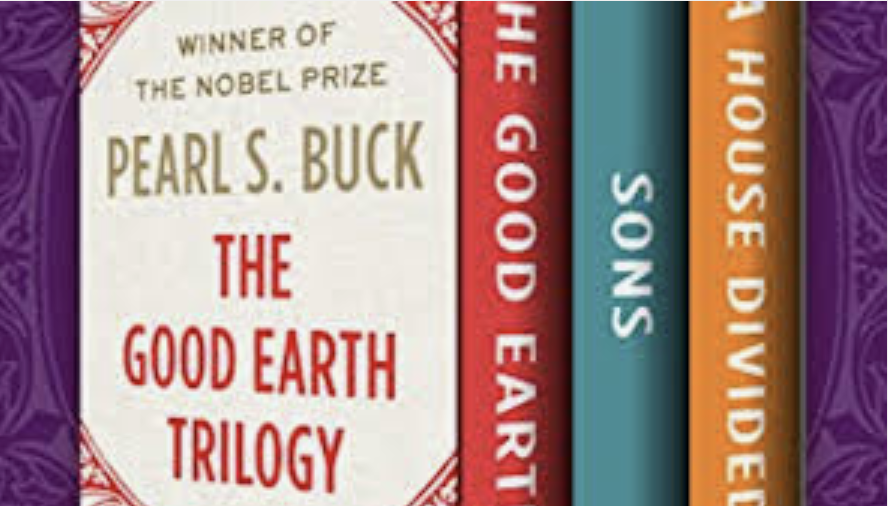
This is also the case in novels — which, as we know, usually mirror real life in some way. My most recently read example involves the title characters in Sons, Pearl S. Buck’s sequel to The Good Earth. In that first China-set book, Wang Lung built himself up from being a poor farmer to a rich landowner via endless toil and strategic smarts. He did exhibit some very problematic behavior in his older age, but overall was more admirable than not.

His three sons in the sequel? Not as admirable. With no worries about money after being among the inheritors of his father’s land, the eldest son becomes fat, lazy, and weak-minded. The more-intelligent second son works hard but is exceptionally greedy and miserly. The ambitious third son becomes a brave but antisocial war lord who forces his son — a gentle soul — into a military life. One wouldn’t want any of that sibling trio on their holiday card list.

Other novels in which the next or next-next generation isn’t so scintillating?

The title character of Alexander Pushkin’s novel-in-verse Eugene Onegin is a son of privilege who becomes a bored and selfish man making some unfortunate decisions.

Vernon and Petunia Dursley (more upper-middle-class than rich in J.K. Rowling’s Harry Potter series) are not-nice human beings who raise an even-worse son, Dudley — who’s petulant, pampered, and beyond spoiled.

Another novel with a depressing descendant is Booth Tarkington’s The Magnificent Ambersons, in which the grandson of the family’s aristocratic patriarch is an arrogant jerk.

Obviously, rich and/or famous parents themselves can be problematic, with their children often following suit but sometimes becoming decent human beings.

In George Eliot’s Silas Marner, for instance, Squire Cass is quite unlikable, and his sons Godfrey and Dunstan are no picnic, either. Things are more mixed in Fyodor Dostoevsky’s The Brothers Karamazov, in which the repulsive dad’s sons include Dmitri (who behaves kind of like his wealthy father), Ivan (an intellectual who’s a relatively decent person), and the compassionate Alexei.

Your thoughts about, and examples of, this topic?

Misty the cat says: “As Robert Frost sort of noted, good Belgian blocks make good neighbors.”

My comedic 2024 book — the part-factual/part-fictional/not-a-children’s-work Misty the Cat…Unleashed — is described and can be purchased on Amazon in paperback or on Kindle. It’s feline-narrated! (And Amazon reviews are welcome. 🙂 )

This 90-second promo video for the book features a talking cat: 🙂

I’m also the author of a 2017 literary-trivia book

…and a 2012 memoir that focuses on cartooning and more, including many encounters with celebrities.

In addition to this weekly blog, I write the 2003-started/award-winning “Montclairvoyant” topical-humor column every Thursday for Montclair Local. The latest piece — about a lingering snow-dump fiasco, an immigrant-protection vote, an animal-protection vote, and an upcoming election, all with a dose of Hemingway and the band Rush — is here.

Spring is for Jogging and Kitty Blogging

Misty the cat here again with my every two-month guest post, which gives Dave a break to search 24/7 for The Golden Bowl. That’s a Henry James novel as well as a circular dish I want for an elite food and drink experience.

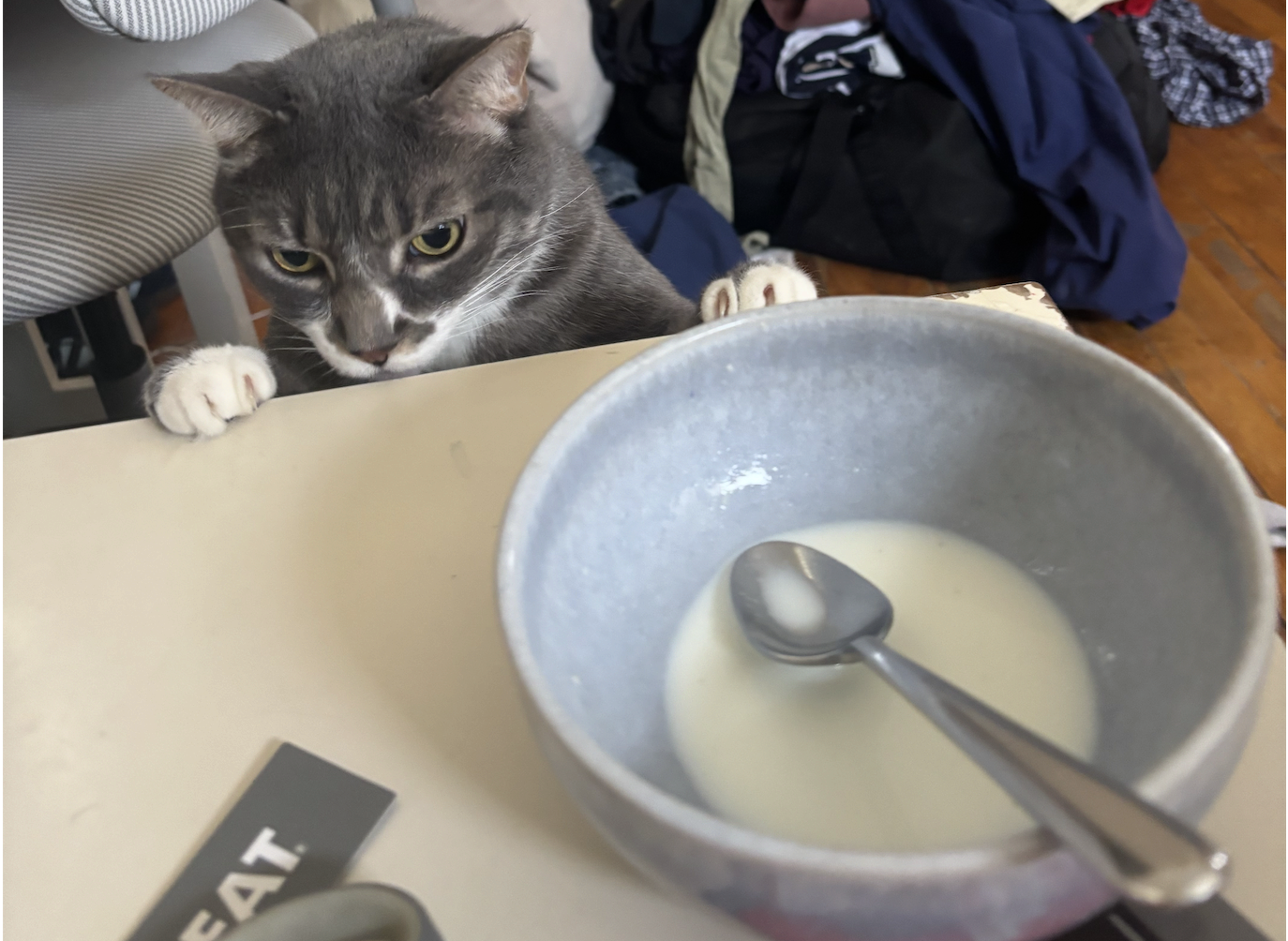
Another novelist with the same last name, E.L. James, wrote Fifty Shades of Grey. I never read it, but, as you can see in the photo atop this post, I was recently amid five shades of gray — including the color of the not-golden bowl I’m eyeing that contains liquid that’s either milk or Wilkie Collins’ novel The Woman in White minus the woman. (Photo by my adult female human Laurel Cummins.)

What am I, Misty the cat, reading now? I just finished T is for Trespass as I continue to work my way through Sue Grafton’s alphabet mysteries starring private investigator Kinsey Millhone, whose last name rhymes with Milk-Bone. (Shout-out to my dog readers, including Snoopy the Easter Beagle.) As you might know, the late Grafton didn’t allow her book series to be adapted for the screen because she had formerly worked in that business and distrusted it. Heck, Hollywood even had nowhere-near-tall-enough Tom Cruise play Jack Reacher before the physically massive Alan Ritchson more appropriately got the role in the current TV iteration of Lee Child’s thrilling book series. Ritchson IS Reacher, which creates ID confusion for the actor at airports.

While I almost always read fiction, I’ve been periodically perusing Rebecca Romney’s nonfiction book Jane Austen’s Bookshelf — which Dave received as a December holiday present from his sister-in-law Sheila Cummins. (I, Misty the cat, was gifted a $700,000 Lamborghini by Dave…in my dreams.) Romney focuses on the 1700s-born female authors who inspired Austen and why some of those excellent/pioneering writers are barely known today. These authors include Frances Burney, Ann Radcliffe, Charlotte Lennox, Hannah More, Charlotte Smith, Elizabeth Inchbald, Hester Lynch Thrale Piozzi, and Maria Edgeworth. All of whom are also known for founding the crack law firm Burney, Radcliffe, Lennox, More, Smith, Inchbald, Piozzi, Edgeworth, and Dora the Explorer. I want that firm in my corner when I’m on trial for purchasing a Trump pardon with catnip crypto.

Besides T is for Trespass, other novels I had Dave borrow from the library last month were Pearl S. Buck’s Sons (The Good Earth sequel I just started reading), Daphne du Maurier’s Rebecca (which I’ll be rereading) and Jamaica Inn, and Peter May’s The Blackhouse. All will be mentioned in future posts, with credit at that time to those who recommended two of those books. I would’ve visited the library myself, but it’s hard for a cat to drag books home when they’re no longer printed on yarn.

Speaking of high-tech things like knitting, it has been suggested that I comment on Artificial Intelligence’s relation to literature — especially after the Shy Girl novel was recently pulled by a major publisher for reportedly including lots of AI-generated content. But I’m no AI expert, which contrasts with my deep knowledge of 14th-century automobiles. Curiously, Chaucer only featured one Lamborghini in The Canterbury Tales; maybe he was more into mass transit. Dave does periodically receive seemingly AI-generated emails offering marketing help for his books — for a not-small fee, of course. Dave looked in his wallet, consulted with George Washington and other notables pictured on American currency, and was advised to…get a roomier wallet. With a kitchen so those long-dead notables can eat.

In conclusion, I’ll mention that I’m now an older cat (10) who recently starting doing three things to keep myself healthier: eat a prescription diet, get a monthly arthritis shot, and read fiction by writers who had also been medical doctors — among them Khaled Hosseini, Arthur Conan Doyle, Mikhail Bulgakov, and Anton Chekhov. Anton even appeared on the TV series Scrubs.

As I fend off a lawsuit claiming Chekhov did NOT appear on Scrubs, Dave will reply to comments.

Misty the cat says: “My favorite comedy trios are The Marx Brothers and The Pine Cones.”

My and Dave’s comedic 2024 book — the part-factual/part-fictional/not-a-children’s-work Misty the Cat…Unleashed — is described and can be purchased on Amazon in paperback or on Kindle. It’s feline-narrated! (And Amazon reviews are welcome. 🙂 )

This 90-second promo video for the book features a talking cat: 🙂

Dave is also the author of a 2017 literary-trivia book

…and a 2012 memoir that focuses on cartooning and more, including many encounters with celebrities.

In addition to this weekly blog, Dave writes the 2003-started/award-winning “Montclairvoyant” topical-humor column every Thursday for Montclair Local. The latest piece — about “No Kings” rallies and more — is here.