
The Waitresses new-wave band, pictured in the early 1980s. (Photo by George DuBose.)
It’s Christmas Day, and time for my annual holiday verse with a literary twist. This year I’m rewriting The Waitresses’ 1981 song “Christmas Wrapping” to mention many of the novels I read in 2022.
First, a lyrics video of the Chris Butler-composed song:
https://www.youtube.com/watch?v=ARq6uYSsUq0
Now, my version:
“Bah humbug” doesn’t feel near
I read Scrooge’s tale long before this year
Started 2022 with Herman Wouk
“War and Remembrance” by “The Caine Mutiny” bloke
Lengthy, epic, heartbreaking novel
Good to finally see the Nazis grovel
Then “Up the Down Staircase” by Kaufman, Bel
That book’s high school – like war – is hell
Next “A Gentleman in Moscow,” stuck in hotel
Under house arrest, not in prison cell
Amor Towles’ Russia-set story is riveting
But to other novels I now will be pivoting
“Apples Never Fall” by Liane Moriarty
Who writes with brilliant authority
Followed by the latest from Jack Reacher’s sphere
A page-turner I received for Christmas last year.
After finishing Lee Child’s “Better Off Dead”
Diana Gabaldon’s ninth “Outlander” book I read
What a saga with Jamie and Claire
The very best in time-travel fare
On to the “Tinkers” novel by Paul Harding
His dying protagonist, soon departing
Toni Morrison’s “Song of Solomon” came next
Why I waited so long to read it…I’m perplexed
Same for “The Agony and the Ecstasy” by Irving Stone
About Michelangelo, not Sylvester Stallone
Then to “The Stone Diaries” I swerve
Carol Shields wrote it, not Stone, Irv
Matt Haig’s “The Midnight Library” brings thoughts of life
Many alternate timelines come with strife
Then John Grisham, not one of fiction’s rookies
“A Time for Mercy” from those Christmas cookies!
Merry Christmas, Merry Christmas
We read a lot of books this year
Merry Christmas, Merry Christmas
We read a lot of books this year
Merry Christmas, Merry Christmas
We read a lot of books this year
Merry Christmas, Merry Christmas
We read a lot of books this year.
“Breathing Lessons” inhaled soon enough
Nicely quirky, like most Anne Tyler stuff
“The Overstory” – epic! – by Richard Powers
With astonishing trees, and so-so flowers
“The General in His Labyrinth” didn’t require
“One Hundred Years of Solitude” to read, entire
After Gabriel Garcia Marquez…Joy Fielding
Her “Lost” has suspense she’s expert at wielding
The landscape turned to Jane Smiley’s “A Thousand Acres”
An intense family drama, albeit lacking Quakers
Switching genres, “The Calculating Stars”
About female astronauts steering more than cars
By Mary Robinette Kowal, years after Zane Grey
Wrote “Boulder Dam” about harnessed river spray
Followed by Melville’s “Mardi,” a sea saga longer
Than Santa’s risky sleigh ride – make your roofs stronger!
On to “Brothers Keepers,” let’s not tarry
Donald Westlake’s setting: a monastery
Louis Auchincloss’ “The Lady of Situations”
An interesting take on a woman’s ambitions
“The Sympathizer” and “The Committed” are connected
The first won a Pulitzer; Viet Thanh Nguyen was selected
Then “The Glass Kingdom” by Lawrence Osborne
Excellent but disturbing, I’m obliged to warn
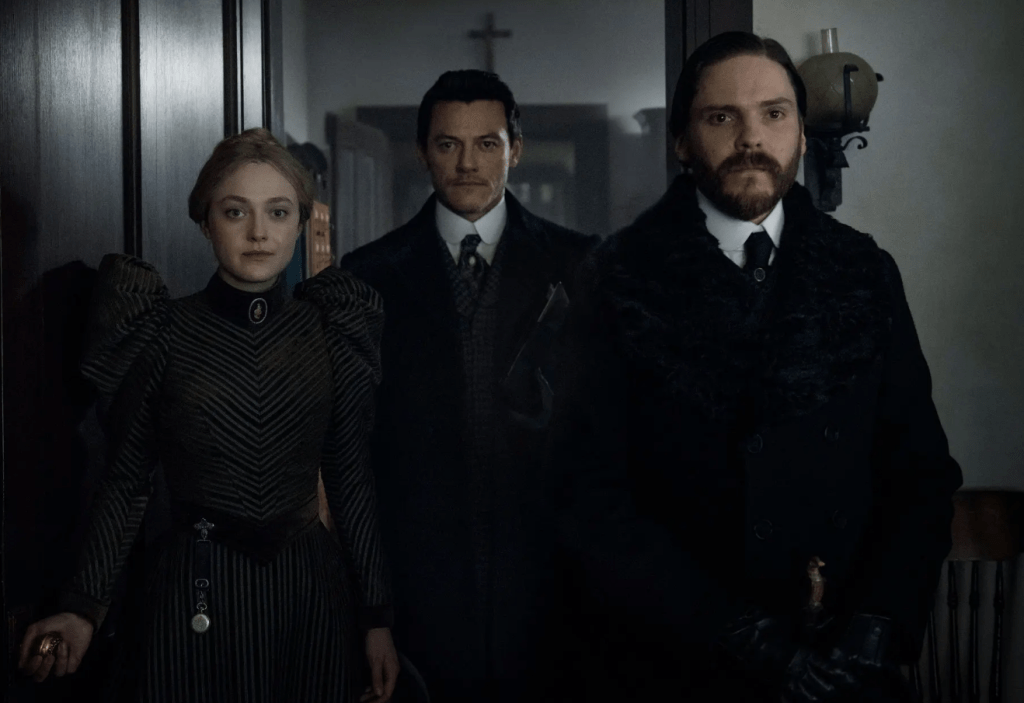
Same with “The Alienist” by Caleb Carr
Crime fiction par excellence, or excellence par
Includes real figures like Teddy Roosevelt
The killer no teddy bear; left more than a welt
Now 16th-century-immersed in Hilary Mantel’s “Wolf Hall”
Her tour de force about a man who’s “on the ball”
His name’s Thomas Cromwell and he really existed
But just like Santa his phone number’s unlisted.
Merry Christmas, Merry Christmas
We read a lot of books this year
Merry Christmas, Merry Christmas
We read a lot of books this year
Merry Christmas, Merry Christmas
We read a lot of books this year
Merry Christmas, Merry Christmas
We read a lot of books this year.
The fictional works you most enjoyed in 2022?
My literary-trivia book is described and can be purchased here: Fascinating Facts About Famous Fiction Authors and the Greatest Novels of All Time.
In addition to this weekly blog, I write the 2003-started/award-winning “Montclairvoyant” topical-humor column for Baristanet.com every Thursday. The latest piece – which is light but not light — is here.




 Dave Astor on Literature