
Sir Walter Scott
At the end of my August 15 post last Sunday, I mentioned that it was the 75th birthday of acclaimed songwriter Jimmy Webb. Well, by the time I got to…not Phoenix, but to thinking of a post for this week, I remembered there was a much more milestone-y birthday on August 15 — the 250th anniversary of Sir Walter Scott’s 1771 birth. So, today I will offer an appreciation of that renowned Scottish novelist and poet.
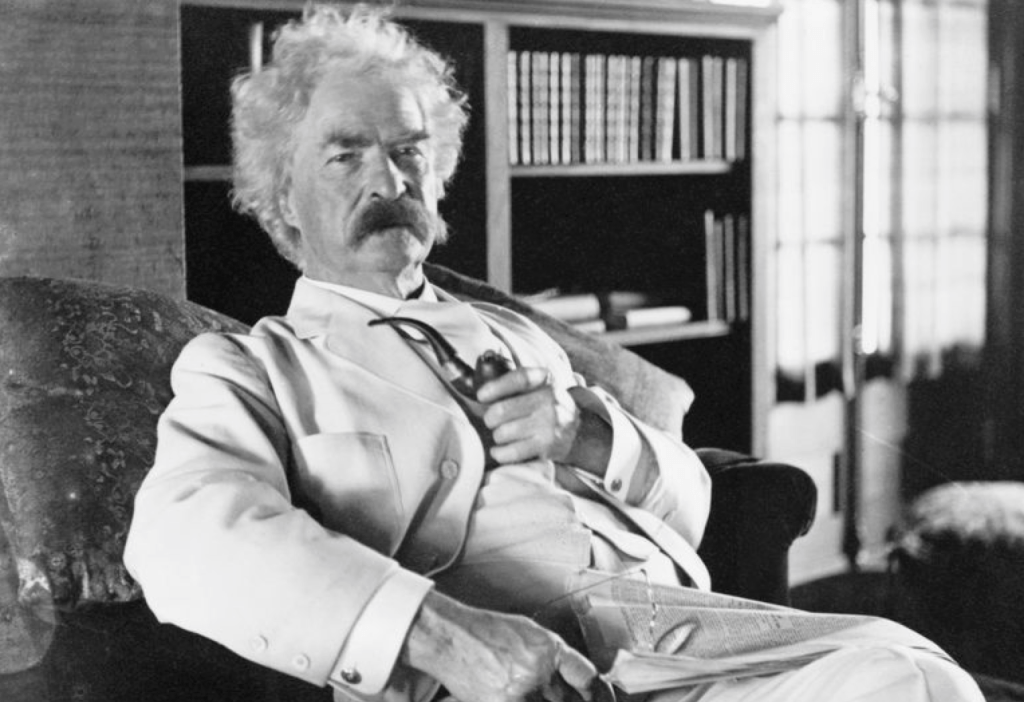
Some have criticized Scott’s writing for being too sentimental, too romanticized, too elitist, and so on. Mark Twain certainly disliked Scott’s work, but, heck, authors such as Jane Austen and the Bronte sisters were strong admirers. (And Scott admired Austen’s fiction.)
While I “get” some of the criticism, I’m still a big fan of many Scott novels. They’re compelling, well-written, full of memorable characters, and packed with historical information. (Most novels by Scott are historical fiction; he was among the pioneers of that genre.) Scott’s historical takes weren’t always 100% reliable, but he did do lots of research.
Even as they usually looked back, some of Scott’s 25 or so novels were ahead of their time in certain ways. For instance, The Heart of Midlothian — my favorite book of his — features female working-class protagonist Jeanie Deans as she makes an epic journey on foot from Edinburgh to London to seek a royal pardon for her wrongly imprisoned sister. And Scott’s most famous novel — the rousing Ivanhoe, set in 12th-century England — includes surprisingly non-stereotypical-for-the-time Jewish character Rebecca (even as her father, Isaac, is depicted less three-dimensionally).
My second-favorite Scott novel is the 17th-century-set Old Mortality, featuring the author’s most memorable writing about war and its effect on people. Rob Roy (in which the titular Scottish outlaw is not quite the main character) is also great, as are the tragic The Bride of Lammermoor and the underrated Quentin Durward — the last starring an adventurous 15th-century Scottish archer serving under King Louis XI of France.
I can take or leave Scott’s first two books — Waverley and Guy Mannering — which were written when the author was getting his footing as a novelist after achieving huge renown as a poet. I’ve read little of Scott’s verse, though of course know the line that’s one of the most famous in literature: “Oh what a tangled web we weave when first we practice to deceive,” from the long narrative poem Marmion. A line often erroneously attributed to Shakespeare.
Many of Scott’s novels were published without his name on them, though it was an open secret that he was the author. Why the anonymity? One possible reason is that many people at the time considered novels a lesser form of writing than poetry.
The highly productive Scott also penned plenty of nonfiction, including a biography of Napoleon.
Speaking of biographies, Edgar Johnson’s massive study of Scott is a page-turner. Reading it, we see that Scott led quite a life — dealing with a pronounced limp after surviving childhood polio, working in the legal profession in addition to penning fiction, building the massive Abbotsford estate, and, after going bankrupt, refusing all help as he determinedly tried to write his way out of insolvency. He almost did before dying in 1832.
Any thoughts about Sir Walter Scott and his work?
My literary-trivia book is described and can be purchased here: Fascinating Facts About Famous Fiction Authors and the Greatest Novels of All Time.
In addition to this weekly blog, I write the 2003-started/award-winning “Montclairvoyant” local topical-humor column for Baristanet.com. The latest weekly piece — about trying to raise money to fix my town’s aging school buildings — is here.



 Dave Astor on Literature