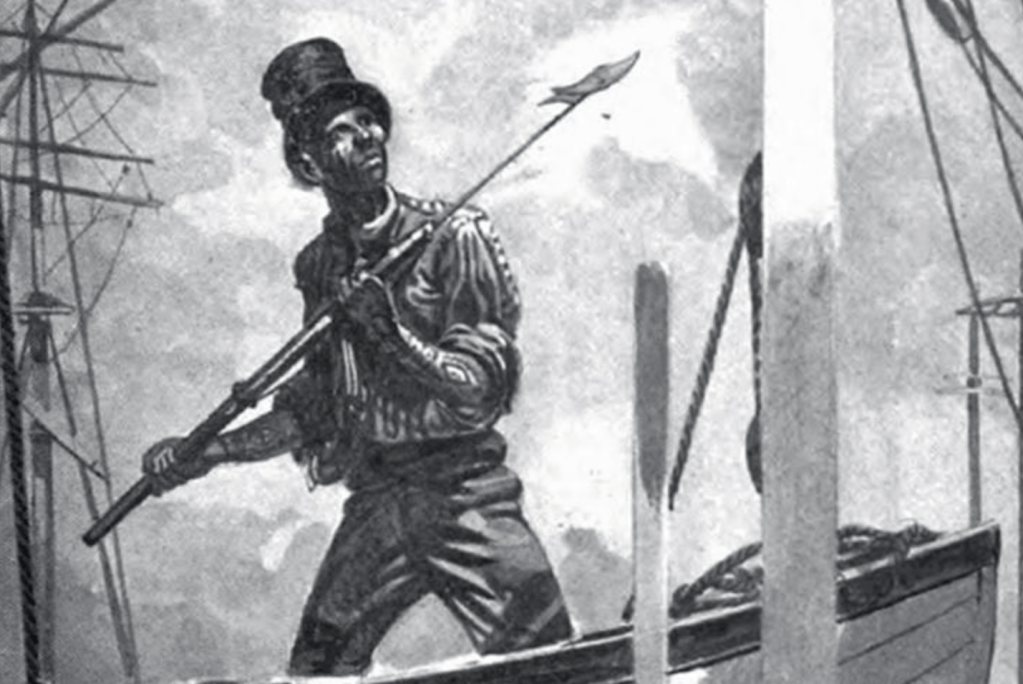
Is that a big syringe rather than a harpoon Queequeg is holding?
We’re sure to see many future novels that are about COVID or at least mention COVID. Until then, we’ll have to make do with revising the plots of classics…
Moby-Dick, pandemic edition: Captain Ahab learns that M-D the whale has contracted the coronavirus, and embarks on an obsessive sea voyage that enables harpooner Queequeg to hurl a huge Moderna-vaccine-filled syringe into the flipper of said whale.
Middlemarch, pandemic edition: Dorothea Brooke gets her first Pfizer shot in February, and, in an effort to remember that her second shot is scheduled for the 15th of the following month, successfully lobbies local leaders to change the name of her town from Earlyapril to…
Bleak House, pandemic edition: Things get kind of…bleak when characters from every Dickens novel have to quarantine together in a…house after an ill-advised American tour led by Martin Chuzzlewit. When the group orders food online from FreshDirect, Oliver Twist tells the deliverer: “Please, sir, I want some more.”
Crime and Punishment, pandemic edition: Raskolnikov denies killing two people, claiming they died of the coronavirus after flying Anachronism Airlines from St. Petersburg to Trump’s COVID-protocol-ignoring White House. Sonya starts to wonder if Raskolnikov is capable of redemption.
A Farewell to Arms, pandemic edition: After Hemingway’s protagonists say goodbye to their upper limbs, they have no arms left for getting jabbed with the COVID vaccine. But they still have legs to run with the bulls in Pamplona, where one never-stationary bull earns the nickname “A Moveable Beast.”
Their Eyes Were Watching God, pandemic edition. But their noses and mouths weren’t doing much of anything behind those light-blue disposable masks.
Of Human Bondage, pandemic edition: Philip and Mildred get tangled in one of the aforementioned masks and live unhappily ever after.
Far from the Madding Crowd, pandemic edition: Being far from ANY crowd makes it easier for Thomas Hardy’s characters to social-distance, even as the mayor of Casterbridge allows restaurants and fitness centers to reopen too soon.
One Hundred Years of Solitude, pandemic edition: The ultimate in social-distancing, lasting a century.
The Yearling, pandemic edition: Life in 1870s Florida gets more exciting for young Jody Baxter and his fawn when the National Basketball Association moves its COVID-truncated season to a “bubble” near Orlando, after which LeBron James and the fawn shoot a beer commercial.
Anne of Avonlea, pandemic edition: In the first Anne of Green Gables sequel, Anne Shirley experiences some frustration teaching online after her school closes due to COVID. Anne lives in the 19th century, so barely half of her students have WiFi.
The Count of Monte Cristo, pandemic edition: Edmond Dantès escapes the Chateau d’If island prison and sets out to wreak vengeance against the men who framed him for the theft of Napoleon’s laminated vaccination card.
Any pandemic-related revisions you’d like to suggest for famous novels?
My literary-trivia book is described and can be purchased here: Fascinating Facts About Famous Fiction Authors and the Greatest Novels of All Time.
In addition to this weekly blog, I write the 2003-started/award-winning “Montclairvoyant” topical-humor column for Baristanet.com. The latest piece — which has an April Fools theme befitting its April 1 publishing date — is here.





 Dave Astor on Literature