From Antigua to Anniversaries (of Notable Novels)

A street in Antigua, Guatemala, that has nothing to do with the topic of this literature post. πŸ™‚ (Photo by me on January 8.)

Glad to be back! I missed writing a post last week because of a trip I took with my wife Laurel and younger daughter Maria to Guatemala, where Maria was born. A memorable visit that included stops in Guatemala City, Tikal, Antigua, Panajachel, and Guatemala City again.

Today, as I do every January, I’m going to mention well-known novels — many of which I’ve read, some of which I haven’t — reaching major round-number anniversaries. So, in 2026, novels published in 2001 are turning 25, 1976-released books are turning 50, 1926 novels are turning 100, etc.

The first 2001 novel that came to mind was Richard Russo’s riveting Pulitzer Prize winner Empire Falls, set in a Maine blue-collar town.

Released that year, too, was Jonathan Franzen’s The Corrections, about a couple and their three adult children. I liked it better than the author’s much-touted Freedom, though that 2010 novel was pretty good as well.

Also, Yann Martell’s Life of Pi, which features a boy stranded on a boat with a tiger after a shipwreck; Sue Monk Kidd’s The Secret Life of Bees, which has a lot to say about female relationships as well as racism; Ann Patchett’s Bel Canto, a riveting look at a mass-hostage situation; Amy Tan’s The Bonesetter’s Daughter, about a Chinese-American woman and her immigrant mother; Ian McEwan’s Atonement, which I found both compelling and annoying; John Grisham’s semi-autobiographical A Painted House; Neil Gaiman’s fantasy tour de force American Gods; and Jasper Fforde’s clever The Eyre Affair.

Kristin Hannah’s peak as an author was yet to arrive, but her somewhat-early-in-career 2001 novel Summer Island was quite absorbing as it focused on a fraught mother-daughter relationship and rapprochement.

In the series realm, Diana Gabaldon’s fifth Outlander novel (The Fiery Cross) and Lee Child’s fifth Jack Reacher novel (Echo Burning) came out 25 years ago.

The year 2001 also saw the publication of Carlos Ruiz Zafon’s The Shadow of the Wind and Dennis Lehane’s Mystic River, neither of which I’ve read.

In 1976, the most famous release was Alex Haley’s Roots, which was of course the multi-generational American slavery saga about Kunta Kinte and his descendants.

There was also Margaret Atwood’s third novel Lady Oracle, about a woman with multiple identities; and Marge Piercy’s Woman on the Edge of Time, a sci-fi-ish work whose lower-income protagonist is unjustly committed to a psychiatric institution.

Notable 1976 books I haven’t read include Anne Rice’s debut novel Interview with the Vampire and Judith Guest’s made-into-a-memorable-movie Ordinary People.

Exactly a century ago — 1926 — saw the appearance of Ernest Hemingway’s The Sun Also Rises, which I thought was good not great.

An underrated classic that year was L.M. Montgomery’s The Blue Castle, about a young woman who gets very bad news that turns out to be very good news.

There was also Colette’s The Last of Cheri, the sequel to the 1920 Cheri novel about the relationship between a younger man and older woman; and My Mortal Enemy, one of Willa Cather’s lesser works.

Well-known 1926 novels I haven’t read include Agatha Christie’s The Murder of Roger Ackroyd and Upton Sinclair’s Oil!

Published 150 years ago, in 1876: Mark Twain’s iconic The Adventures of Tom Sawyer, about a rascally boy and his friend Huckleberry Finn.

That year also saw the release of Daniel Deronda, George Eliot’s final novel and one of her best. Its title character, who discovers he’s Jewish, interacts with some very memorable people.

In addition, there was Thomas Hardy’s not-famous-but-interesting The Hand of Ethelberta.

Two 1826 highlights were Mary Shelley’s apocalyptic, late-21st-century-set The Last Man and James Fenimore Cooper’s The Last of the Mohicans that unfolds in 1757 during the French and Indian War. Two novels with “Last” in the title that lasted.

And in 1726, 300 years ago, Jonathan Swift’s iconic Gulliver’s Travels was published!

Any thoughts on the novels I discussed? Any other titles you’d like to mention from those anniversary years? (I’m sure I missed some.)

Misty the cat says: “Tofu falling from the sky was not on my 2026 bingo card.”

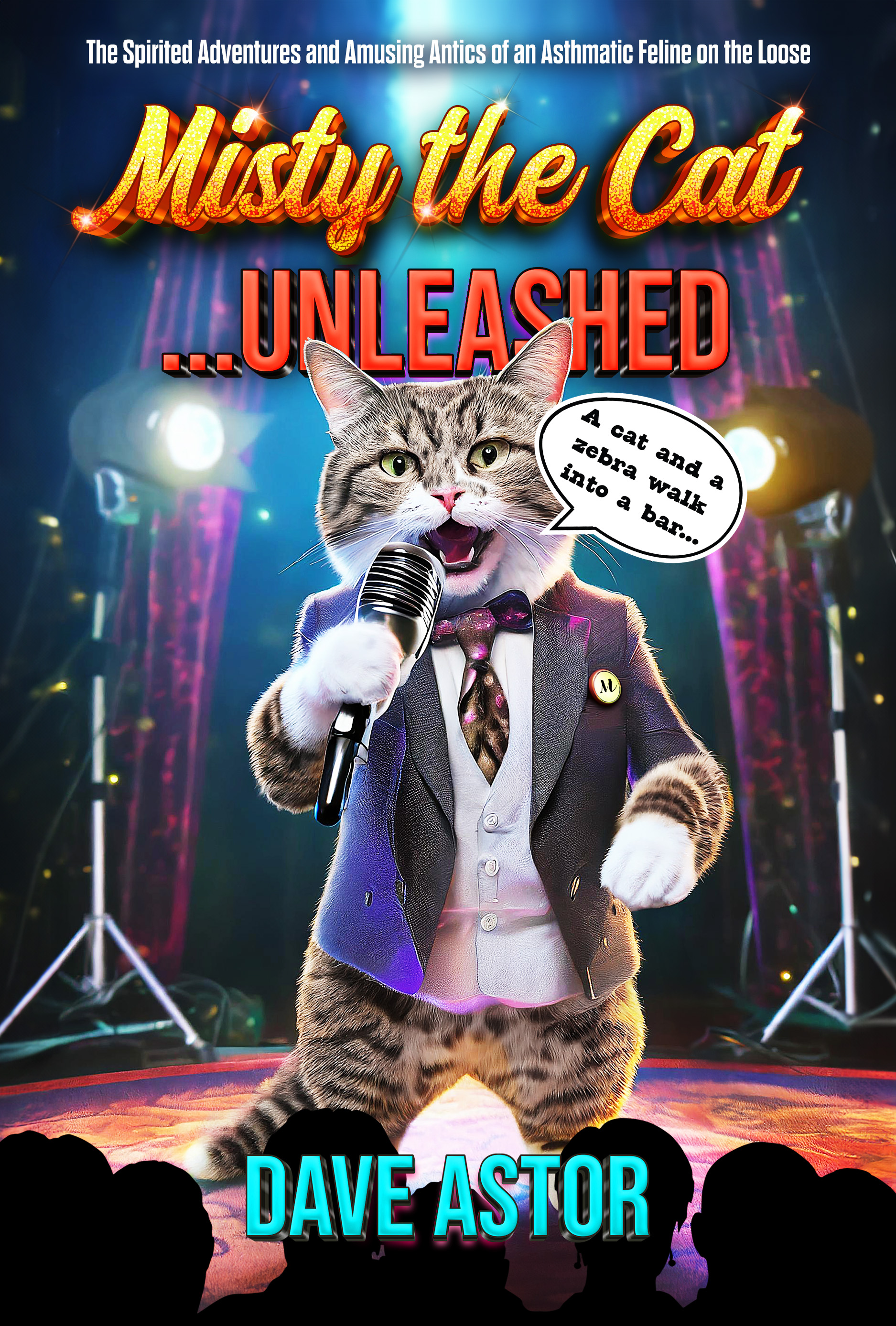
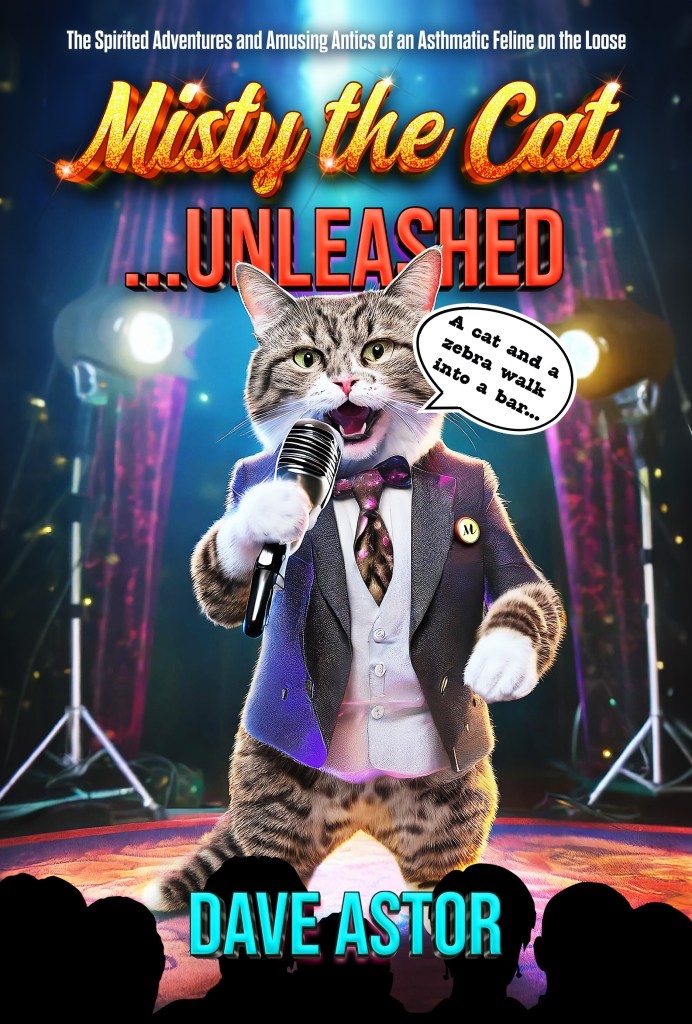
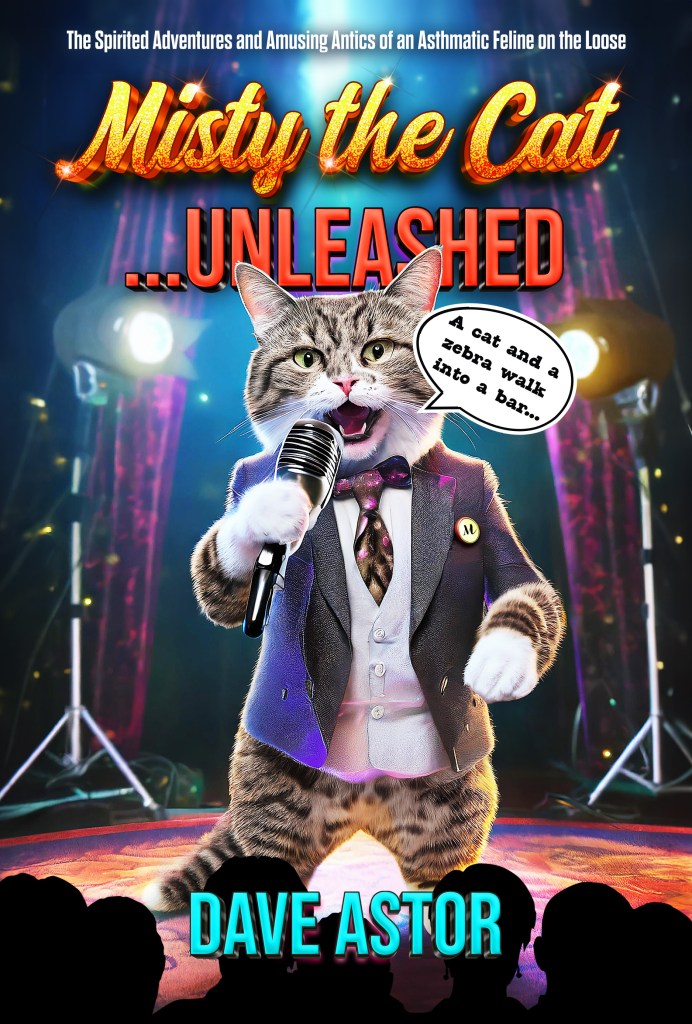
My comedic 2024 book — the part-factual/part-fictional/not-a-children’s-work Misty the Cat…Unleashed — is described and can be purchased on Amazon in paperback or on Kindle. It’s feline-narrated! (And Amazon reviews are welcome. πŸ™‚ )

This 90-second promo video for the book features a talking cat: πŸ™‚

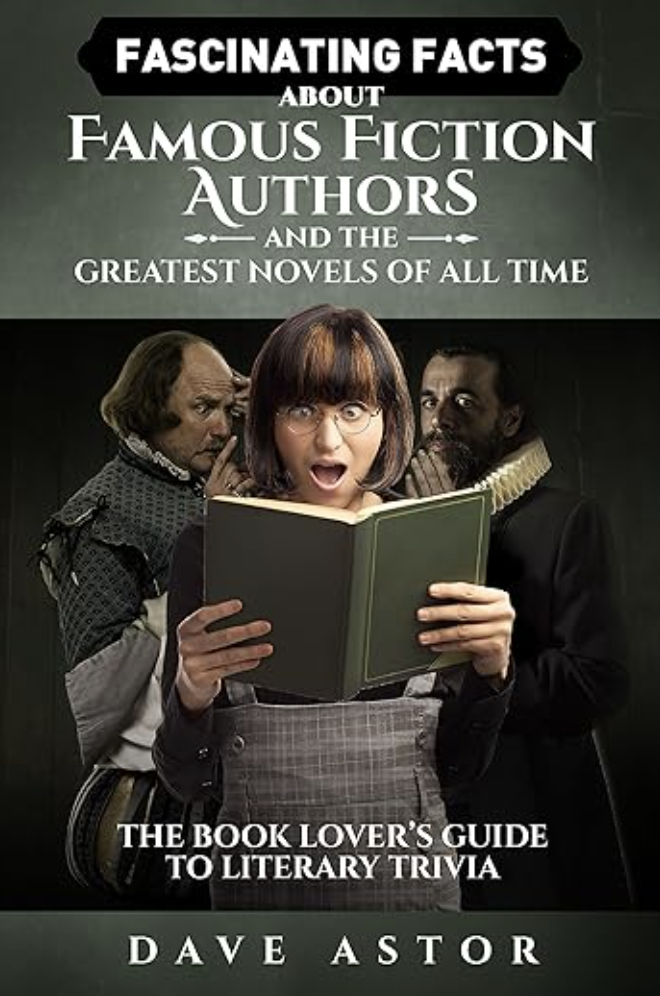
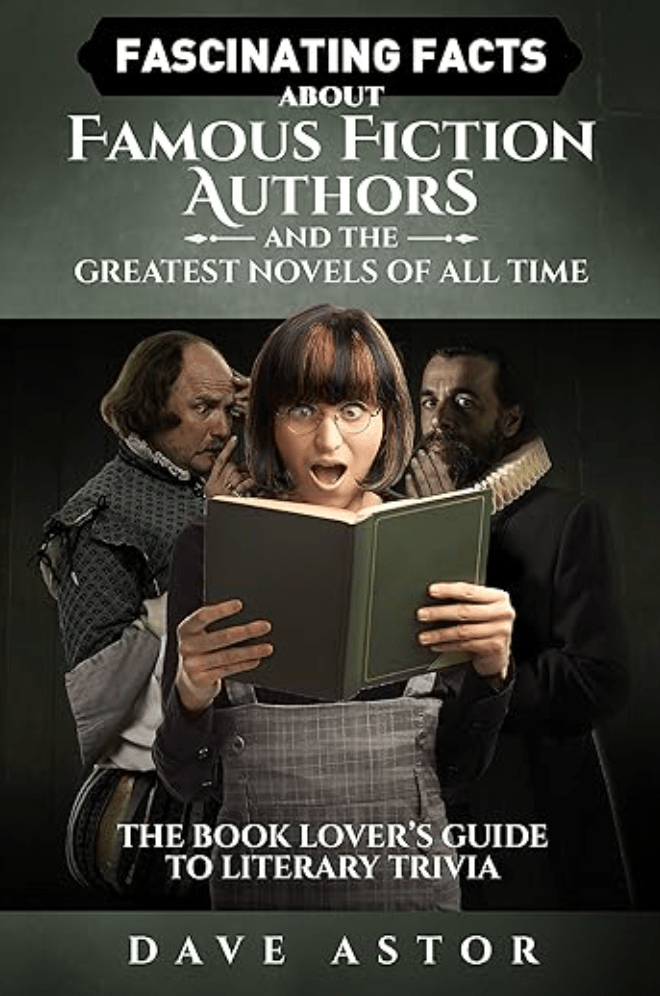
I’m also the author of a 2017 literary-trivia book

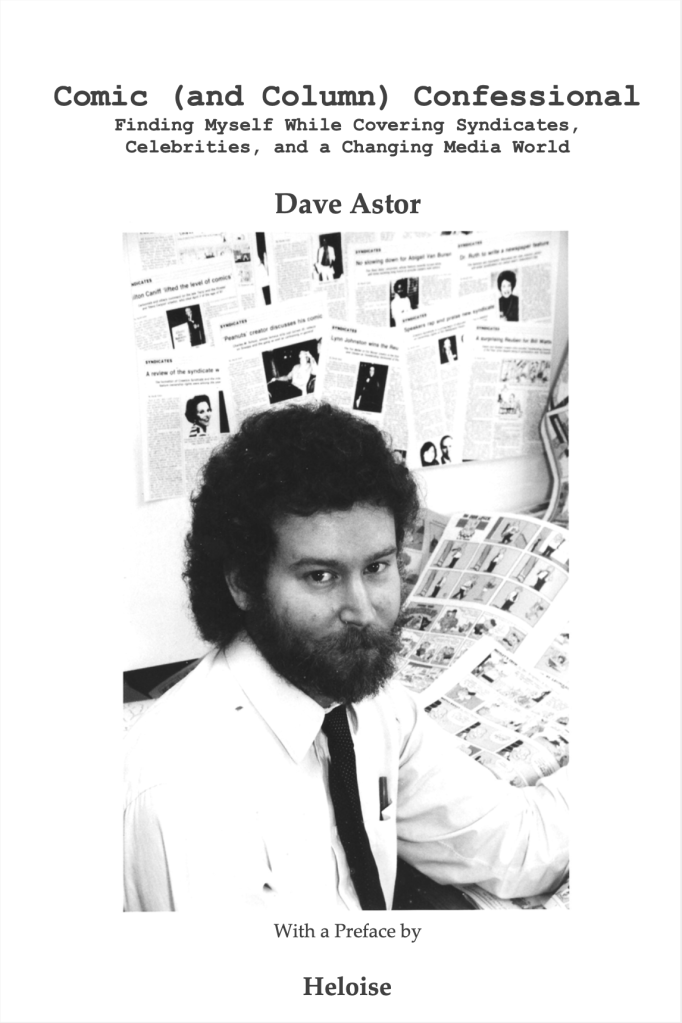
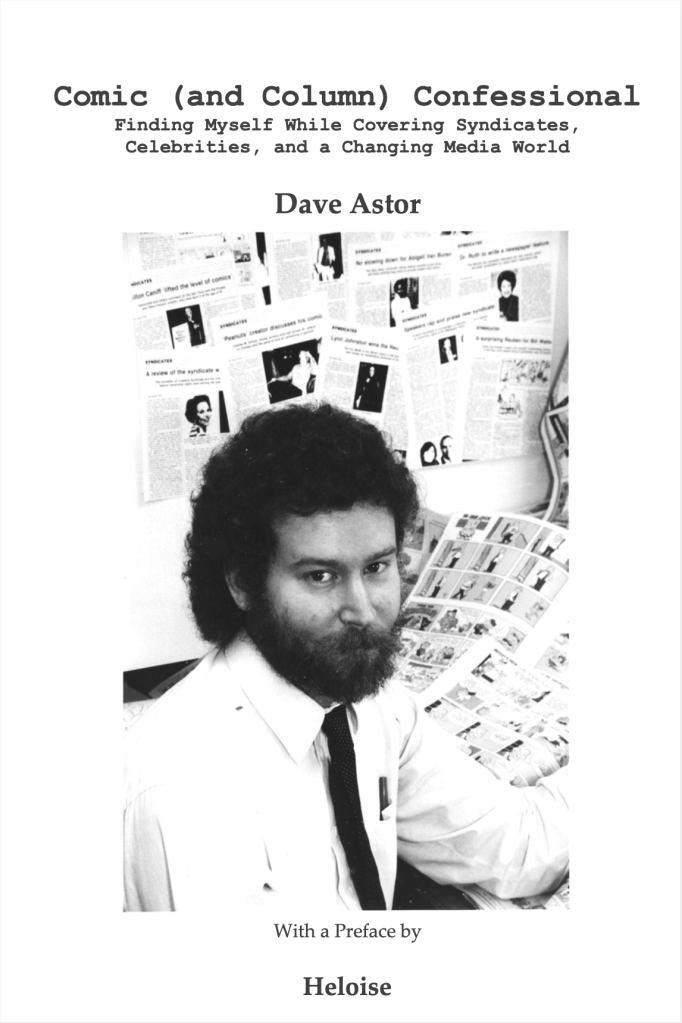
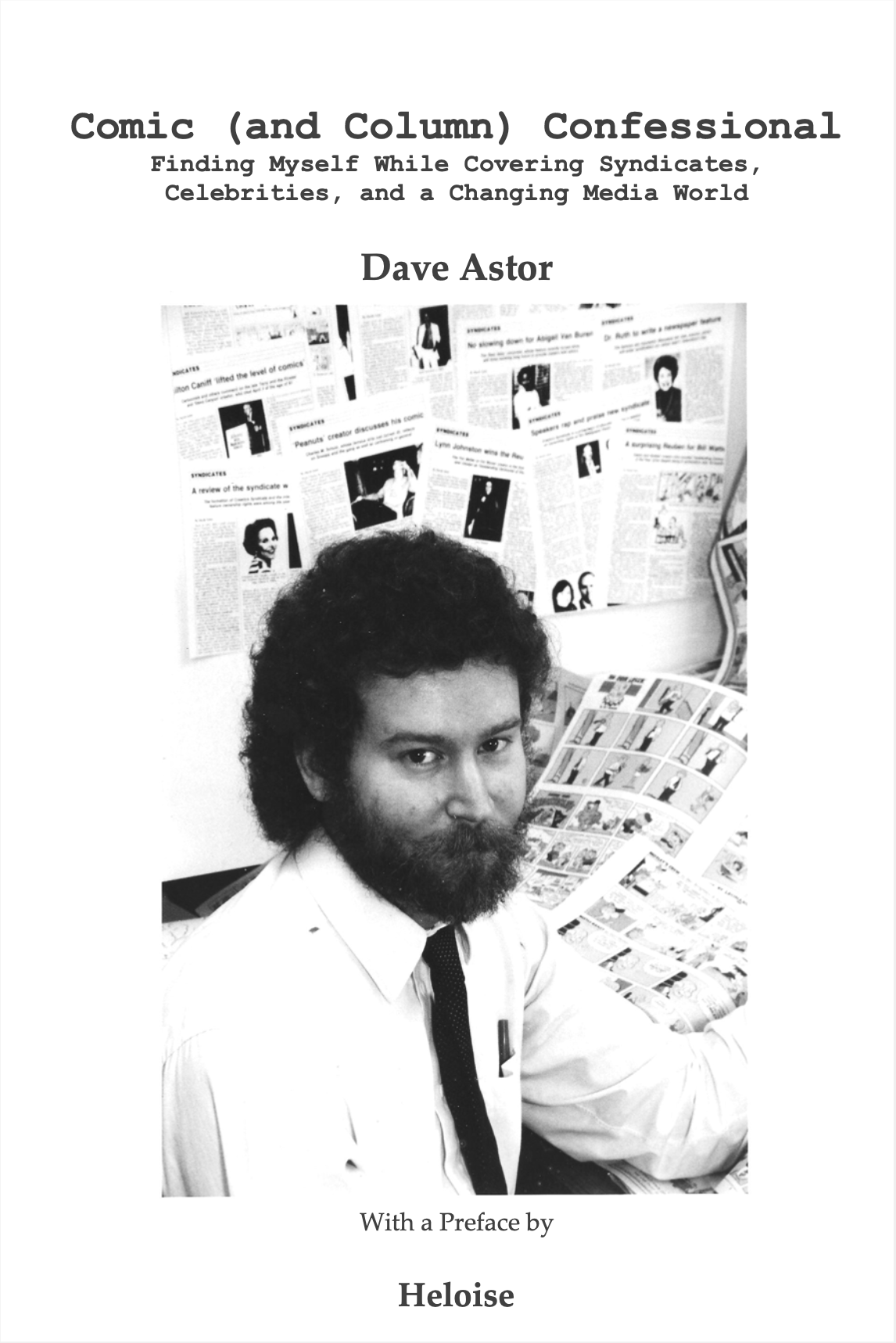
…and a 2012 memoir that focuses on cartooning and more, including many encounters with celebrities.
In addition to this weekly blog, I write the 2003-started/award-winning “Montclairvoyant” topical-humor column every Thursday for Montclair Local. The latest piece — about two meetings, a local anti-ICE protest, and more — is here.

The Books of Sleuth

It’s been a while since I wrote a post focusing on crime novels, so let’s get fictionally felonious again! Today, I’m going to discuss some of my favorite detectives/investigators in literature.

Their exploits can be compelling and satisfying for various reasons, including the wish-fulfillment aspect of seeing criminals get their comeuppance — though not always, and even those caught or killed can wreak a lot of havoc before their illegal work is done. Then there’s the appeal of intricate plots, trying to guess the culprits, seeing how fictional sleuths solve cases, enjoying the interesting and at-times weird personality traits of the detectives and criminals, etc.

Fictional sleuths — some professional, some amateur — are on my mind after having read four of Tarquin Hall’s India-set mysteries the past few weeks. They star private investigator Vish Puri — a brilliant, incorruptible, overeating, occasionally comedic, unfortunately a bit sexist character who solves various quirky cases. Just how quirky is telegraphed by the titles of some of Hall’s books, including The Case of the Man Who Died Laughing (2010) and The Case of the Deadly Butter Chicken (2012).

Yes, sleuths are often in multiple novels — including J.K. Rowling’s superb crime series starring Cormoran Strike and Robin Ellacott. Those two characters are brave, brainy, charismatic investigators who carry some serious physical or psychological baggage and, while work partners, are secretly in love with each other. It’s saying something that I find that 2013-launched series — written under the pen name Robert Galbraith — almost as compelling as Rowling’s earlier Harry Potter books.

Also excellent are Walter Mosley’s novels starring another expert investigator: Easy Rawlins, an African-American World War II veteran who lives in Los Angeles. The series began with the 1990-published Devil in a Blue Dress, and now has 16 installments set from the 1940s to 1960s.

Absorbing, too, are Louise Penny’s atmospheric Canada-set novels featuring inspector Armand Gamache.

And there are Val McDermid’s great books starring cold case detective Karen Pirie that I won’t get into today because I’ve recently written about them in other contexts.

Some other contemporary authors have created characters who are not detectives per se but do plenty of incisive sleuthing to solve crimes. Among them are bounty hunter Stephanie Plum in Janet Evanovich’s mysteries, attorney Mickey Haller in Michael Connelly’s books, and the roaming Jack Reacher in the novels by Lee Child (with recent titles co-written by Andrew Child).

Then of course there are past authors who created detectives — many quite iconic. Arthur Conan Doyle’s Sherlock Holmes (in novels and short stories), Edgar Allan Poe’s C. Auguste Dupin (in short stories), Agatha Christie’s Hercule Poirot and Miss Marple (of course!), Wilkie Collins’ Sgt. Richard Cuff (of The Moonstone), Umberto Eco’s William of Baskerville (in The Name of the Rose), Sue Grafton’s Kinsey Millhone (of alphabet mysteries fame), Dorothy L. Sayers’ Peter Wimsey/Harriet Vane duo, Raymond Chandler’s Philip Marlowe, Dashiell Hammett’s Sam Spade, P.D. James’ Adam Dalgliesh, etc.

And, in books penned by multiple authors over the years…Nancy Drew!

Comments about this post? Fictional sleuths you’ve liked?

Misty the cat says: “The leaves turned after I installed steering wheels on them.”

My comedic 2024 book — the part-factual/part-fictional/not-a-children’s-work Misty the Cat…Unleashed — is described and can be purchased on Amazon in paperback or on Kindle. It’s feline-narrated! (And Misty says Amazon reviews are welcome. πŸ™‚ )

This 90-second promo video for the book features a talking cat: πŸ™‚

I’m also the author of a 2017 literary-trivia book

…and a 2012 memoir that focuses on cartooning and more.

In addition to this weekly blog, I write the 2003-started/award-winning “Montclairvoyant” topical-humor column every Thursday for Montclair Local. The latest piece — about the start of school and more — is here.

Summer in the City? No, Summer with a Kitty

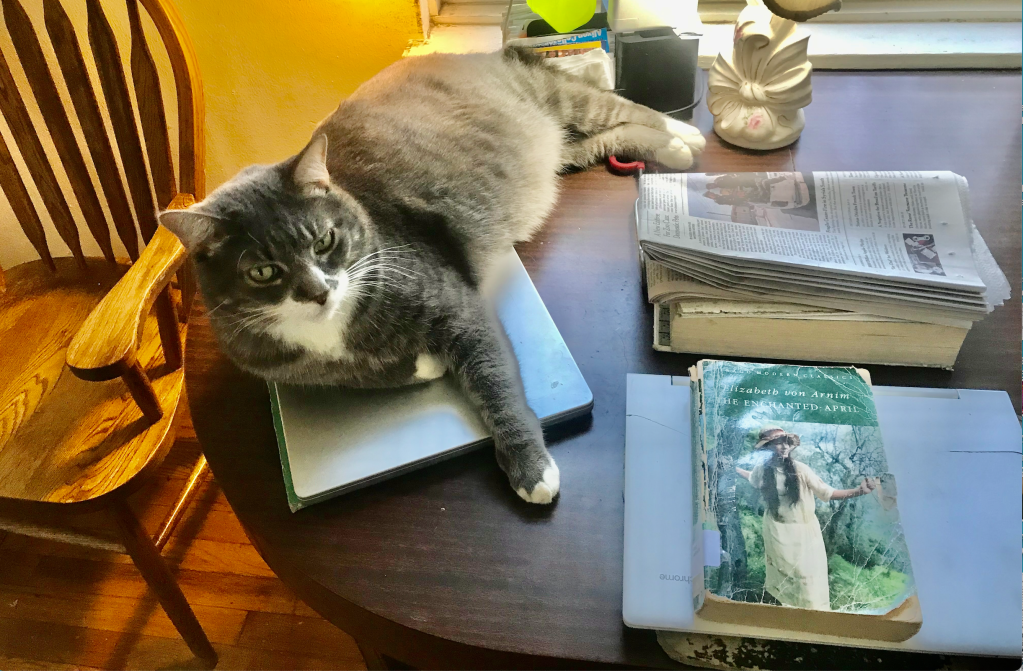
My feline self sprawled next to Elizabeth von Arnim’s The Enchanted April, which I will not discuss today because I haven’t finished reading it yet. The first letters of that novel’s title spell “tea,” which I don’t drink. Thank you for your attention to these two matters. (Photo by Dave.)

Misty the suburban cat here with my every-two-month blog post. My previous guest piece was in June, this one is in August, and the next one will be in October. Except that U2’s October album was released in 1981, so I’m not sure how my next blog post will be in…October. There IS a song on that album called “Stranger in a Strange Land,” which is about me at the vet for my yearly check-up.

Anyway, my adult humans Dave and Laurel saw the Superman movie this month, and enjoyed its thrills, acting, and empathy. But I, Misty, was not allowed in the theater because of being a cat. I was actually kind of relieved, because sitting through 25 minutes of ads and previews would have had me yowling loud enough to be heard on Mars — which billionaire bozo Elon Musk, aka the Tesla dude, wants to not only colonize but have The Martian Chronicles author Ray Bradbury write a 2025 sequel called The SpaceX Chronicles. Given that Bradbury died in 2012, he…missed the pleasure of seeing the catastrophic flop of Musk’s stupid Cybertruck.

The Superman film reminds me and other kitties of Michael Chabon’s The Amazing Adventures of Kavalier & Clay, the 2000 novel partly based on the real-life Jerry Siegel/Joe Shuster duo who created the Superman character for comic books in 1938 — the year the iPhone minus-69 was released.

More generally, the 2025 movie starring the “Man of Steel” also reminds my meowing self of fictional characters possessing abilities beyond the capacity of most mortals. One is the Lee Child-created Jack Reacher — who’s not a superhero but displays unusual strength, incredible fighting abilities, great intellect, and other attributes in the 29-book series that began in 1997. Exactly a century after Bram Stoker’s Dracula (1897), which stars a vampire who acts out in all kinds of ways after Frankenstein defeats him in pickleball. A tip of the hat to Mary Shelley.

Another character who combines exceptional brains with exceptional physical abilities is the prehistoric protagonist Ayla of Jean M. Auel’s The Clan of the Cave Bear and its sequels. Ayla’s many accomplishments included inventing things and being the only person able to ride Baby the lion (a feline like me!), although she never played pickleball with her horse Whinney.

Some fictional people even rise in the air or fly — in magic-realism novels and other books. Among them are Remedios in Gabriel Garcia Marquez’s One Hundred Years of Solitude, Margarita in Mikhael Bulgakov’s The Master and Margarita, and the title character of J.M. Barrie’s Peter Pan — which was first a play, then a novel, then an animated movie, then a live TV film, and finally a jar of peanut butter which also flew when Dave tossed it out the window to compare its hang time with a jar of Skippy peanut butter. Denying me the opportunity to swat both brands off the counter with my cat paws.

There are also characters who might not be extraordinarily adept in a brute physical way but are really, really smart. Hermione Granger of J.K. Rowling’s Harry Potter books, Sherlock Holmes of Arthur Conan Doyle’s detective fiction, Hercule Poirot of Agatha Christie’s mysteries, Lisbeth Salander of Stieg Larsson’s The Girl with the Dragon Tattoo and its sequels, etc. Lisbeth sadly did not have a cat tattoo, but I forgive her because she’s Swedish and thus might toss some Swedish meatballs my way.

Dave will reply to comments so that I have time to eat the aforementioned meatballs. Rest assured that I maintain a balanced diet — one meatball in each side of my mouth.

I, Misty the cat, say: “After years of study, I’m finally qualified to inspect Belgian blocks.”

My and Dave’s comedic 2024 book — the part-factual/part-fictional/not-a-children’s-work Misty the Cat…Unleashed — is described and can be purchased on Amazon in paperback or on Kindle. It’s feline-narrated! (And Misty says Amazon reviews are welcome. πŸ™‚ )

This 90-second promo video for the book features a talking cat: πŸ™‚

Dave is also the author of a 2017 literary-trivia book

…and a 2012 memoir that focuses on cartooning and more.

In addition to this weekly blog, Dave writes the 2003-started/award-winning “Montclairvoyant” topical-humor column every Thursday for Montclair Local. The latest piece — about my school district’s huge, recently discovered deficit — is here.