Gothic Fiction Gives Readers Frisson

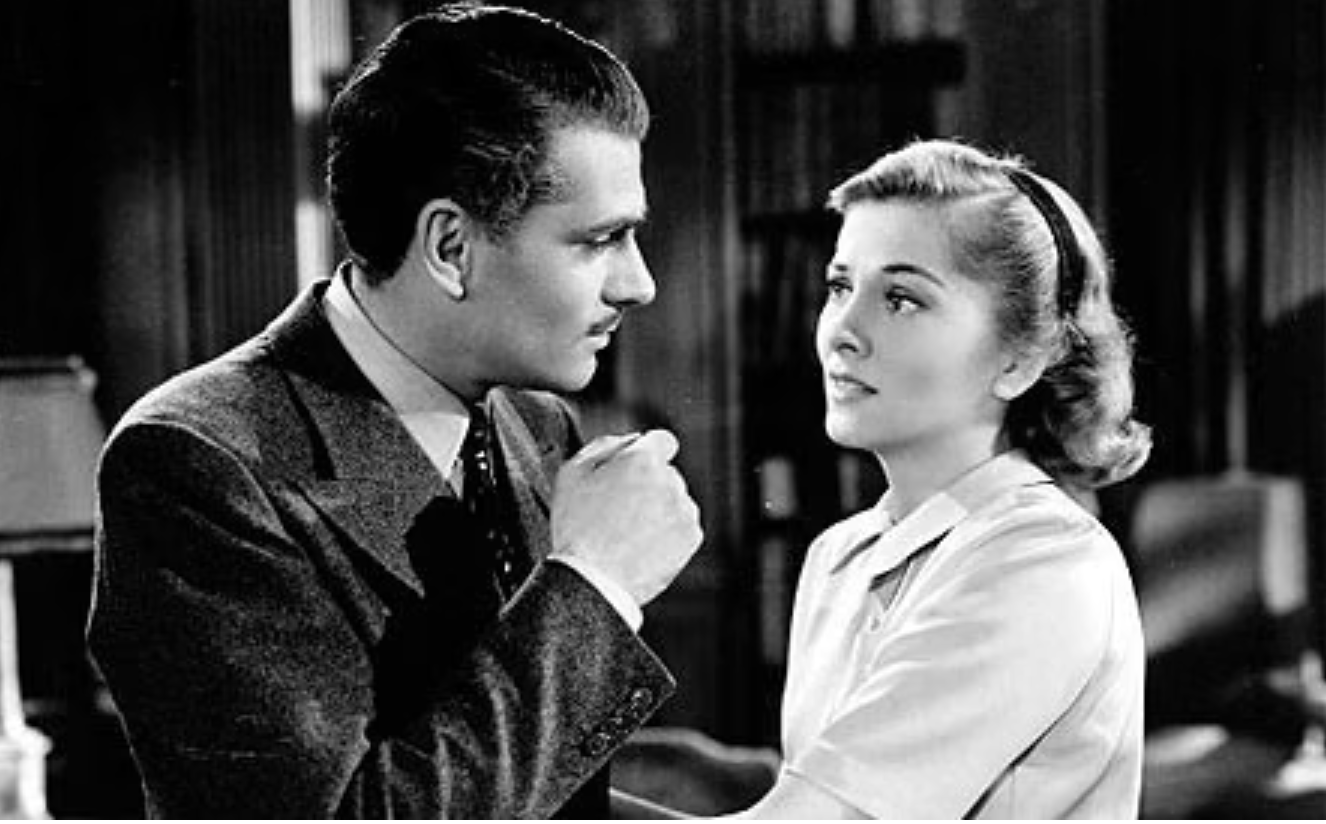
Laurence Olivier and Joan Fontaine in Alfred Hitchcock’s Rebecca movie from 1940.

What’s a Gothic novel? Definitions I found online include “a literary genre combining fiction, horror, death, and romance” that might be “set in gloomy, decaying locations like castles or ruined mansions” and also might feature “the intrusion of the past upon the present” as well as “dark secrets, supernatural elements” and “a brooding hero” and “a vulnerable female protagonist.”

Those definitions mean books in this category can be compelling, mysterious, haunting, and more. So, all that is an incentive for me to discuss various Gothic novels I’ve read.

I recently reread Daphne du Maurier’s mesmerizing Rebecca (1938), which is one of the first books that come to mind when thinking of the Gothic genre. It’s about an unnamed young woman who marries wealthy widower Maxim de Winter. His first wife? Rebecca, of course. The shy/insecure/inexperienced new spouse compares herself (and is compared by others) to the late Rebecca — whose presence remains palpable at Maxim’s huge Manderley estate. In which we meet sinister housekeeper Mrs. Danvers, who was very attached to the beautiful/charismatic/seemingly admirable Rebecca and treats the second Mrs. de Winter with contempt and cruelty.

After finishing Rebecca, I read for the first time du Maurier’s 1936 potboiler of a novel Jamaica Inn, which also has some Gothic elements (including a remote setting and plenty of terror) but no upper-class characters in the main cast. Not as skillfully composed as Rebecca, but still plenty gripping.

Du Maurier also wrote several other novels considered Gothic or part-Gothic — including 1951’s My Cousin Rachel and 1969’s The House on the Strand.

Going back to 19th-century literature, Charlotte Bronte’s Jane Eyre (1847) included various Gothic elements — a big old home, a mysterious woman in the attic, some disastrous events, an otherworldly occurrence, etc. Its story, several of its characters, and the dynamics of its central romance clearly influenced the Rebecca novel published nearly a century later.

Emily Bronte’s Wuthering Heights (also 1847) has lots of Gothic content, too — obsession, psychological torment, ghostly apparitions, the wild moors…

Almost 30 years earlier, Mary Shelley’s ominous 1818 novel Frankenstein drips with atmosphere while also being an early example of science fiction.

Later in the 19th century, we have Wilkie Collins’ The Woman in White (1860) with its suspense, “insane asylum,” and mistaken identity; Robert Louis Stevenson’s Strange Case of Dr. Jekyll and Mr. Hyde (1886) with its split-personality motif, claustrophobia, and foggy London streets; and Bram Stoker’s Dracula (1897), which I don’t need to summarize but can give many a reader nightmares.

In the realm of 19th-century short stories, a number of Edgar Allan Poe’s tales can be considered Gothic — including “The Fall of the House of Usher” and “The Masque of the Red Death.”

Joining du Maurier in writing 20th-century novels with at least some Gothic elements are authors such as Shirley Jackson (1959’s The Haunting of Hill House), Stephen King (1977’s The Shining), and Toni Morrison (1987’s Beloved).

And I shouldn’t forget to mention Jane Austen’s Northanger Abbey — an 1817-published spoof of Gothic fiction.

It’s pretty much agreed that Gothic novels first appeared in the 1700s, but I haven’t read any from that century (yet). They include Horace Walpole’s The Castle of Otranto (1764) and Ann Radcliffe’s The Mysteries of Udolpho (1794), among others.

There’s also the Southern Gothic genre that includes such novels as William Faulkner’s Light in August (1932), Carson McCullers’ Reflections in a Golden Eye (1941), Flannery O’Connor’s Wise Blood (1952), and Cormac McCarthy’s Outer Dark (1968).

What are your favorite Gothic novels, whether I mentioned them or not? I know there are a number of books in that genre I didn’t name.

Misty the cat says: “When I requested a deck, I meant a deck of cards to play poker.”

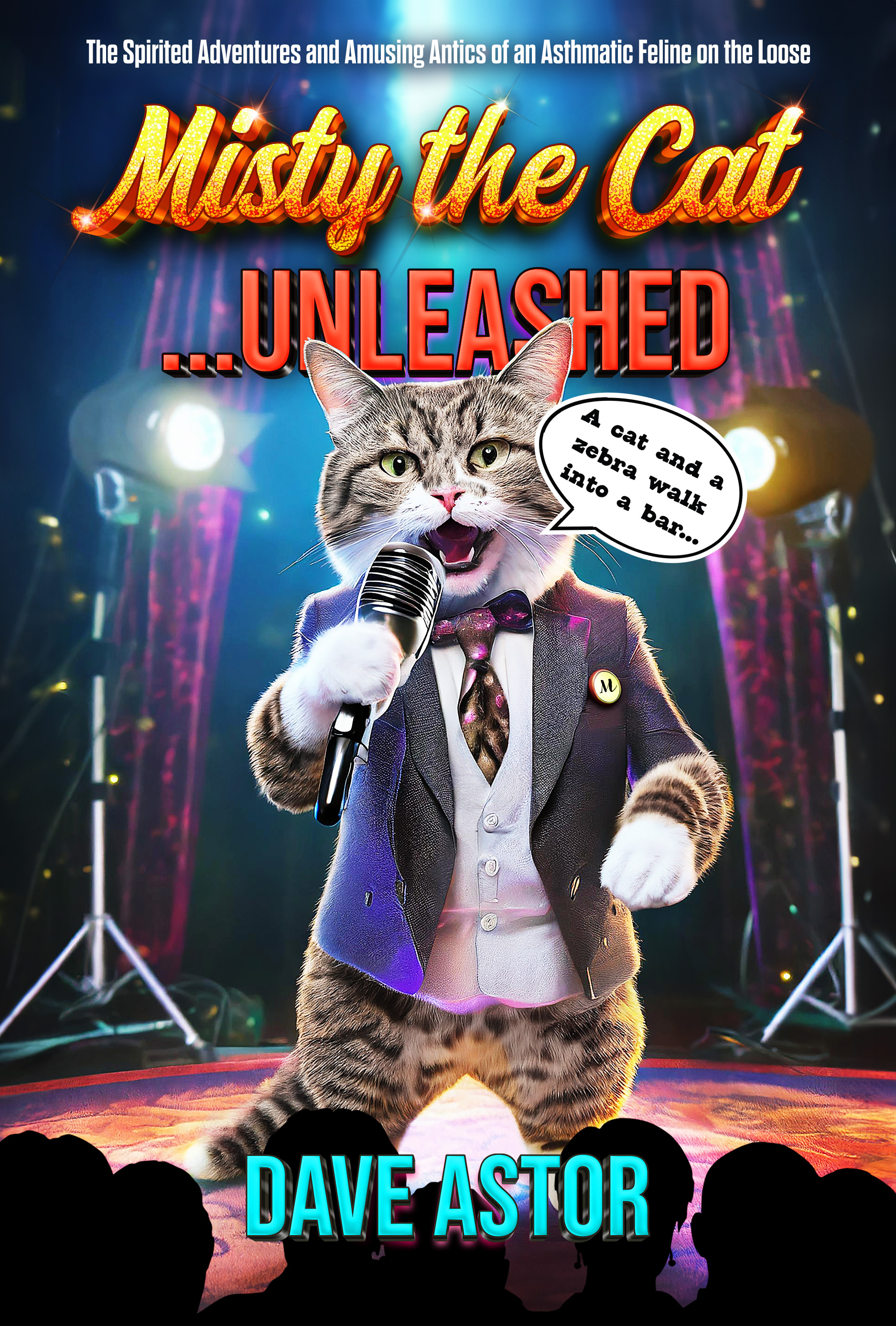
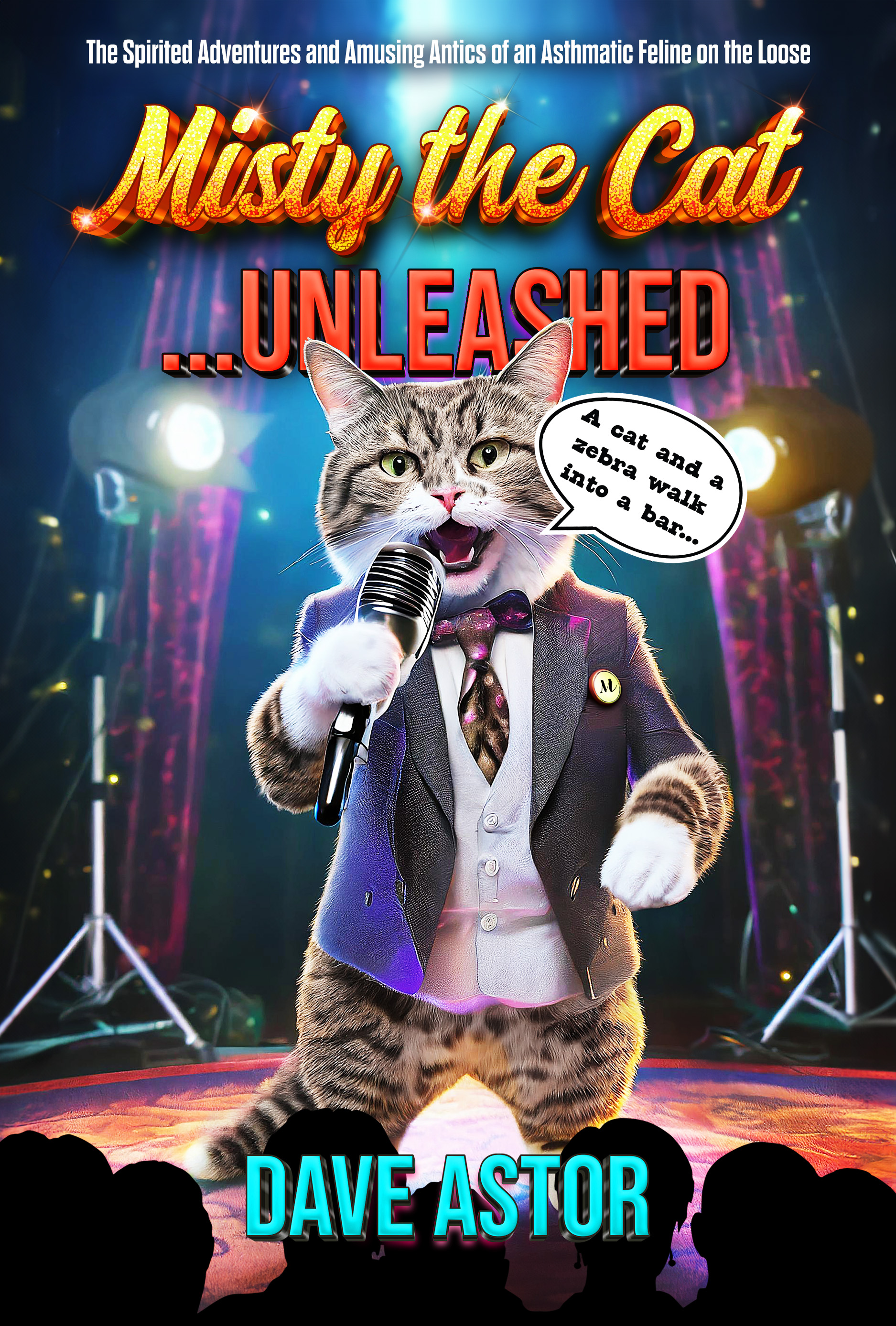
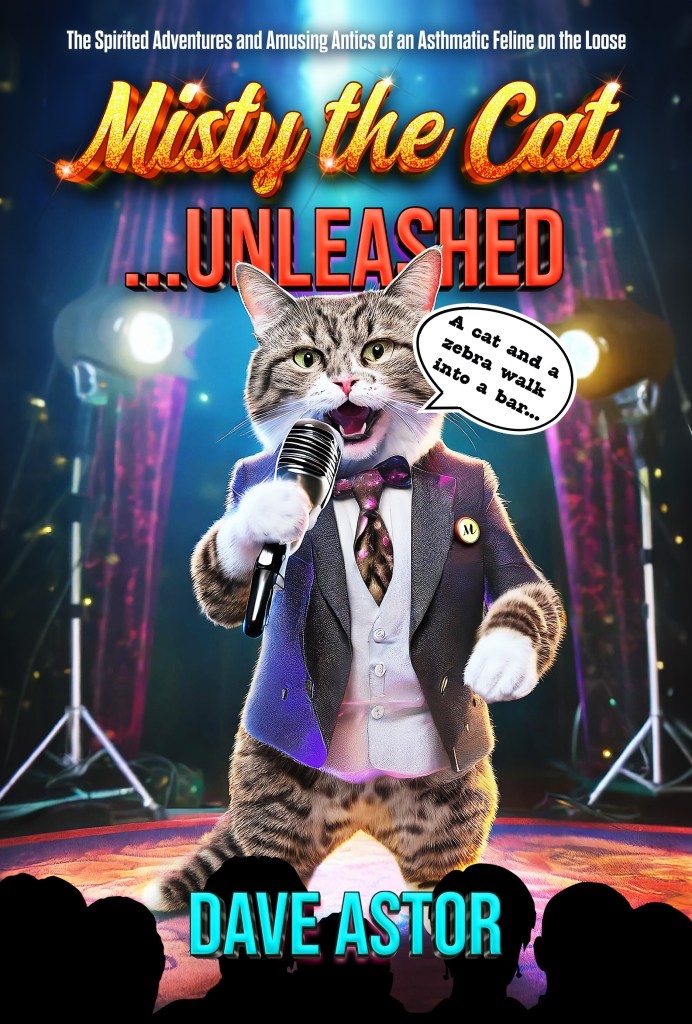
My comedic 2024 book — the part-factual/part-fictional/not-a-children’s-work Misty the Cat…Unleashed — is described and can be purchased on Amazon in paperback or on Kindle. It’s feline-narrated! (And Amazon reviews are welcome. 🙂 )
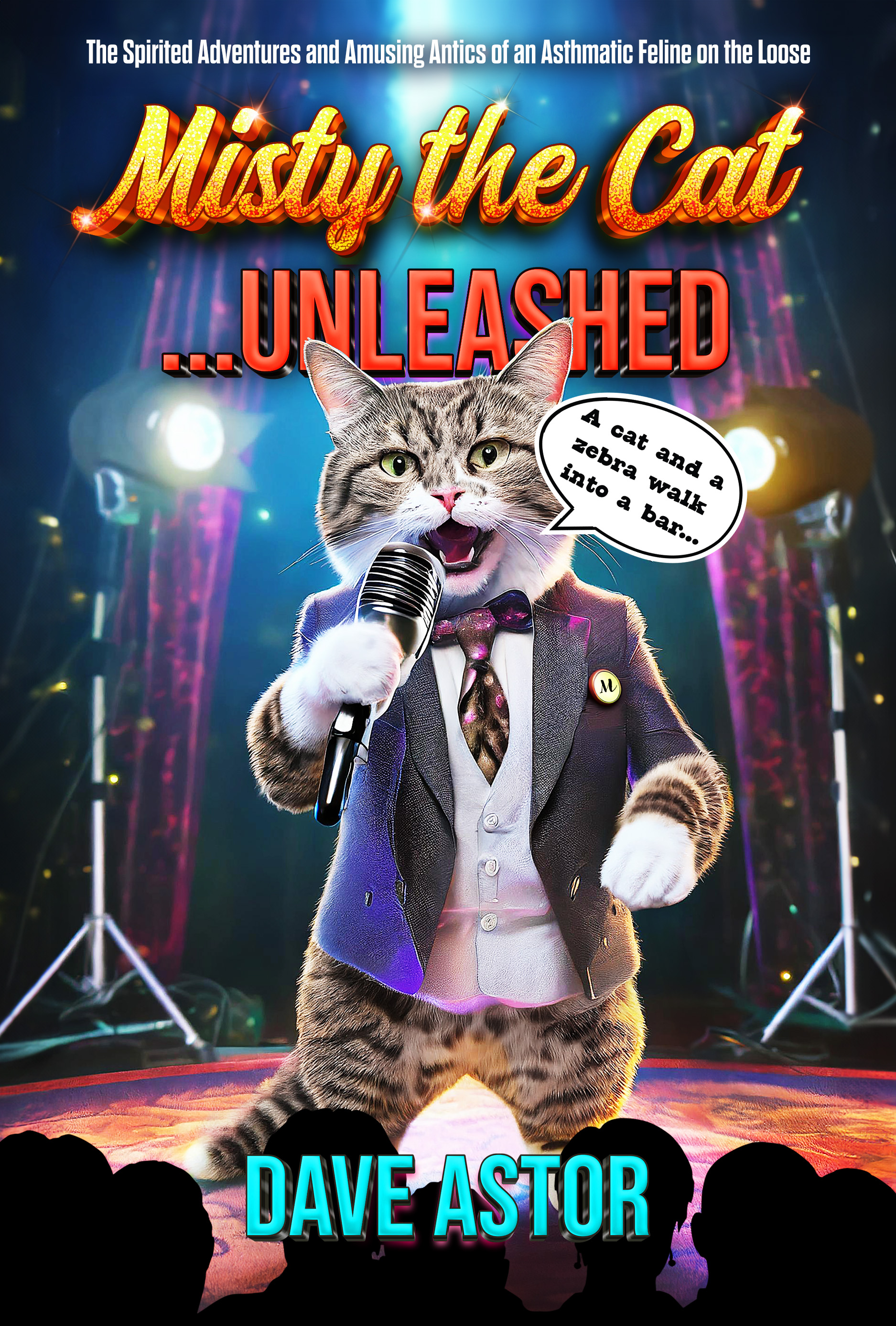
This 90-second promo video for the book features a talking cat: 🙂

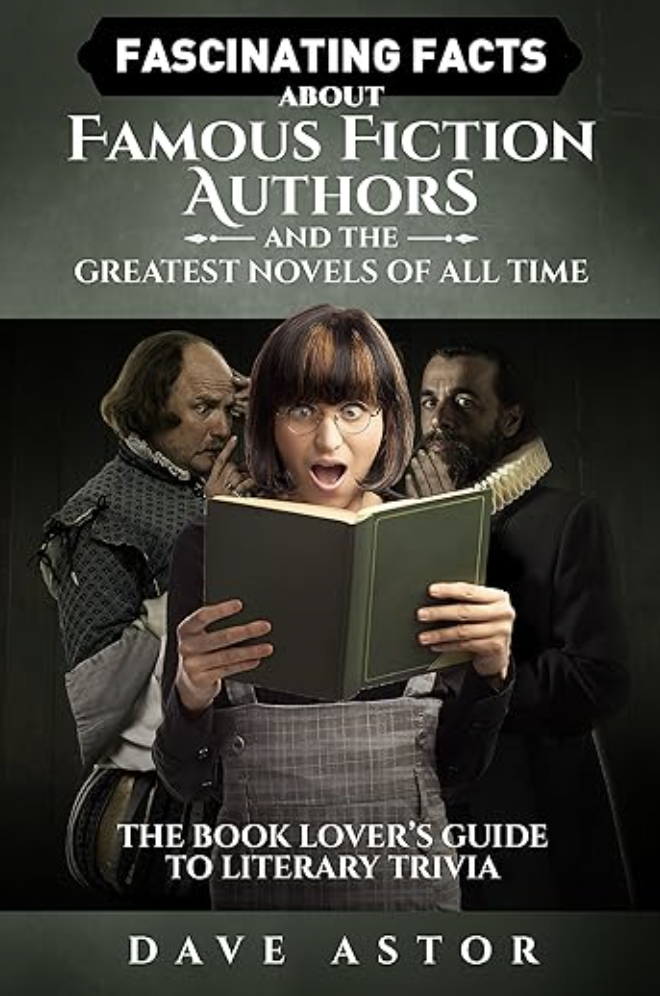
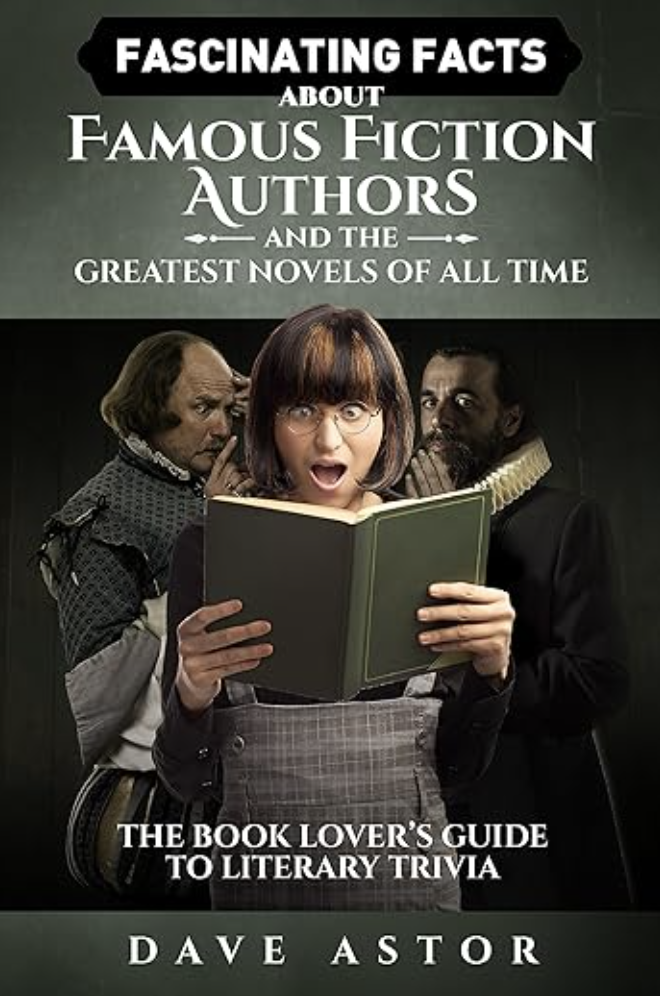
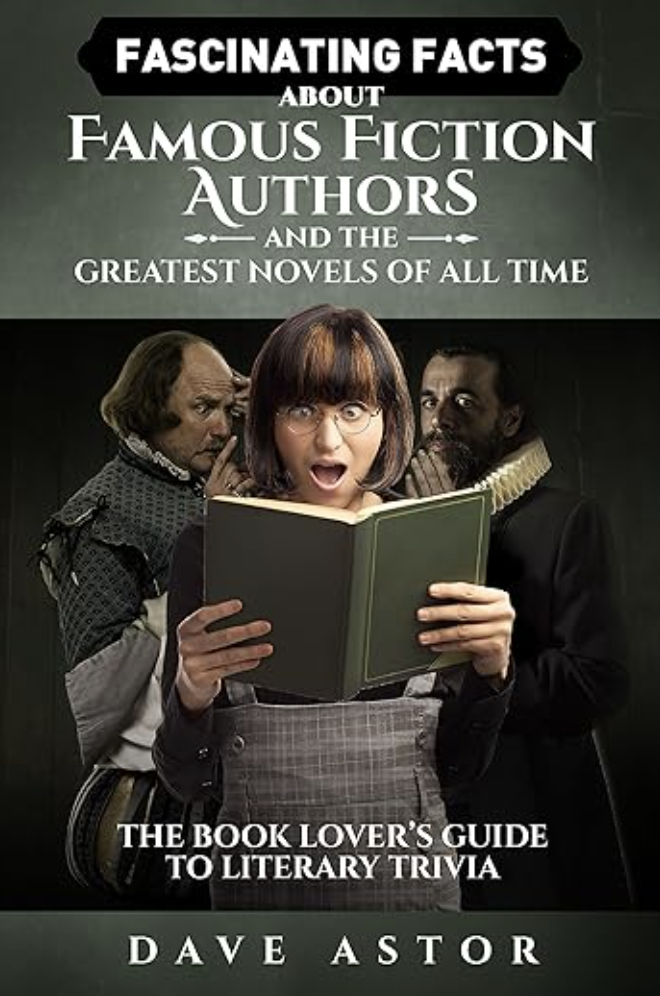
I’m also the author of a 2017 literary-trivia book

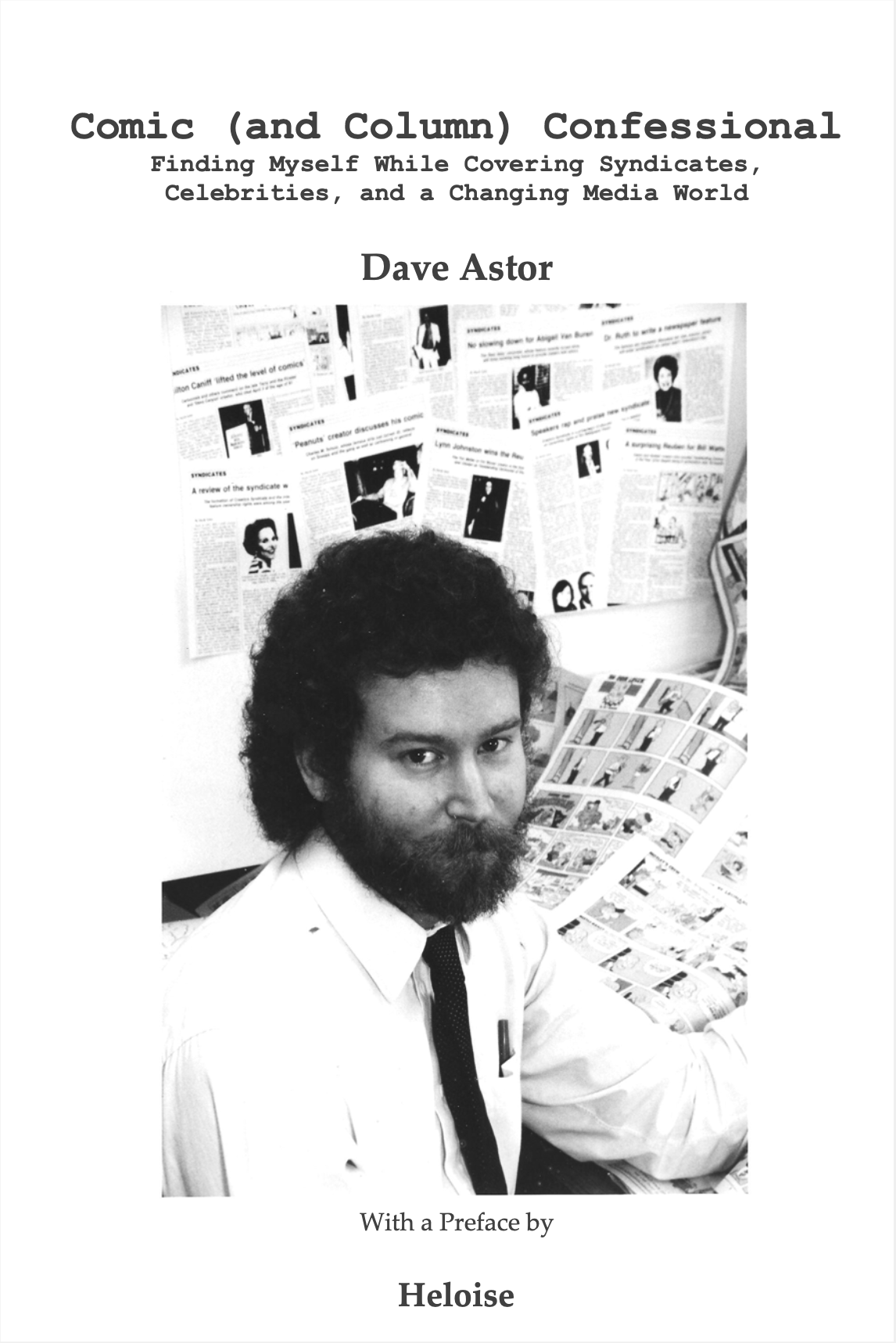
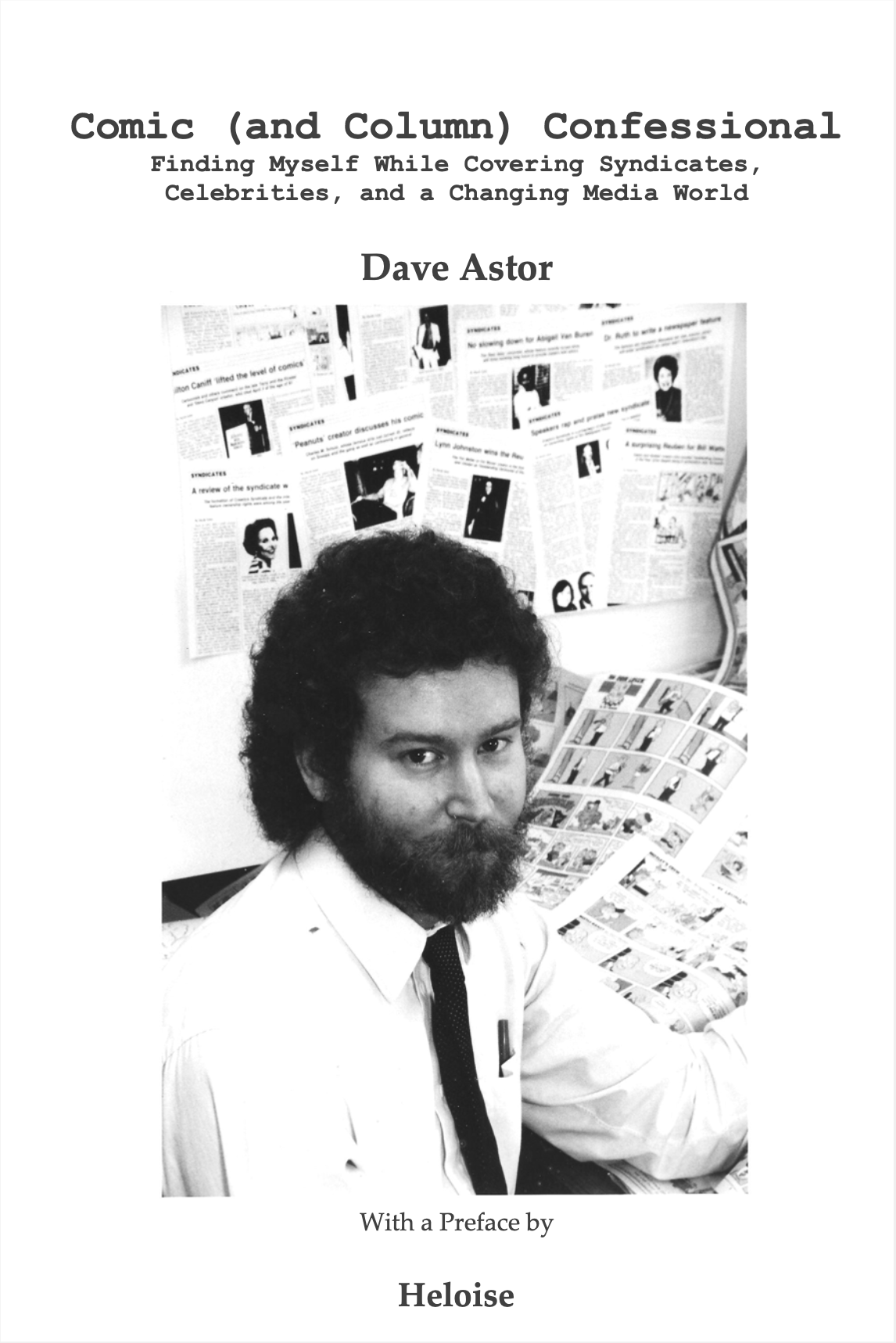
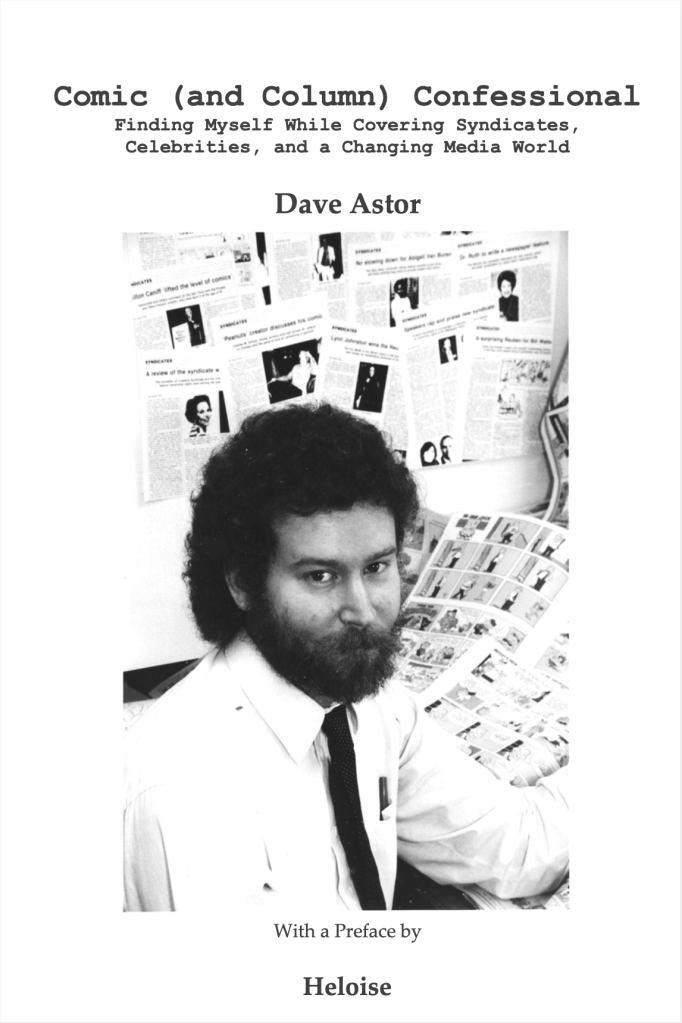
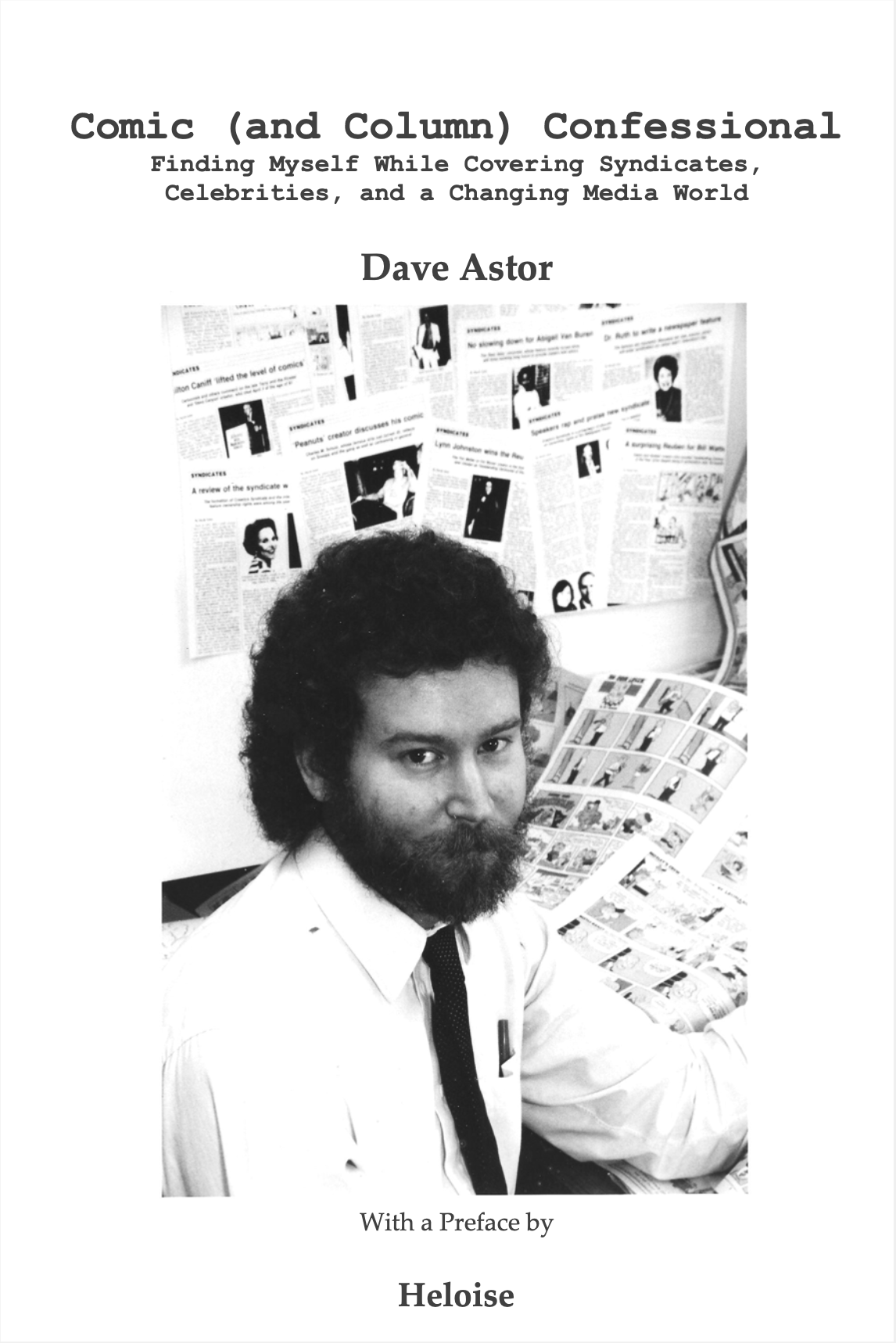
…and a 2012 memoir that focuses on cartooning and more, including many encounters with celebrities.
In addition to this weekly blog, I write the 2003-started/award-winning “Montclairvoyant” topical-humor column every Thursday for Montclair Local. The latest piece — about a welcome election victory and more — is here.

Murder They Wrote

Today is “The Ides of March,” the March 15 date on which Roman dictator Julius Caesar was assassinated in the year 44 BC. So, I’m going do a word salad rather than a Caesar salad discussing some memorable murders in literature — while trying to avoid too many spoilers in the specific details.

Murders are of course awful, even as they’re sometimes almost merited for righteous revenge reasons. Whatever the motives behind them, they can be a key plot device and make for painfully dramatic reading.

One novel’s title that literally telegraphs a killing is Chronicle of a Death Foretold by Gabriel Garcia Marquez. Written in a journalistic reconstruction fashion, the book is far from the author’s best work but still interesting.

Also quite interesting is Albert Camus’ The Stranger and its puzzling murder by the novel’s detached protagonist.

The brutal double-killing early in the iconic Crime and Punishment is…iconic. Then we spend the rest of Fyodor Dostoevsky’s psychological novel observing Rodion Raskolnikov’s angst, his attempts to justify his action, his worry about capture, and more.

Other novels with multiple murders? We’ve read a few — including Agatha Christie’s classic And Then They Were None and its many dispatched characters. They deserve some punishment, but do they deserve dying? Murders, of course, are a staple of mysteries, detective fiction, and thrillers.

Totally innocent is Black teen Donte Drumm, who’s wrongly accused of killing a white high school girl in John Grisham’s The Confession. Will that murder by someone else lead to another murder — the execution of Drumm — by racist authorities?

Which reminds me of the unjust killings by law enforcement of characters in novels such as Angie Thomas’ The Hate U Give (another Black teen is the victim) and John Steinbeck’s The Grapes of Wrath (a white man is the victim).

Retaliatory killings? We see righteous ones in Alexandre Dumas’ The Count of Monte Cristo, Erich Maria Remarque’s Arch of Triumph, and Percival Everett’s James — the last book a reimagining of Mark Twain’s Adventures of Huckleberry Finn. Speaking of Twain, he wrote about the execution of a real-life heroine in Personal Recollections of Joan of Arc — a novel in the historical-fiction genre also inhabited by Margaret Atwood’s Alias Grace and its double-murder.

If we include genocide in this discussion, various grim novels come to mind — including Holocaust ones such as William Styron’s Sophie’s Choice and Herman Wouk’s War and Remembrance.

In the short-story realm, there many murder-in-the-mix tales to choose from: “The Lottery” by Shirley Jackson, “A Good Man Is Hard to Find” by Flannery O’Connor, “A Jury of Her Peers” by Susan Glaspell, “The Tell-Tale Heart” and “The Cask of Amontillado” by Edgar Allan Poe, etc., etc.

Your thoughts about, and examples of, this topic?

I will probably be offline much of tomorrow (Monday, March 16) while in New York City but will reply to comments after I return. 🙂

Misty the cat asks: “Is it necessary for my building to have a steering wheel?”

My comedic 2024 book — the part-factual/part-fictional/not-a-children’s-work Misty the Cat…Unleashed — is described and can be purchased on Amazon in paperback or on Kindle. It’s feline-narrated! (And Amazon reviews are welcome. 🙂 )

This 90-second promo video for the book features a talking cat: 🙂

I’m also the author of a 2017 literary-trivia book

…and a 2012 memoir that focuses on cartooning and more, including many encounters with celebrities.

In addition to this weekly blog, I write the 2003-started/award-winning “Montclairvoyant” topical-humor column every Thursday for Montclair Local. The latest piece — with my thoughts about unofficial voting results on a school deficit matter roiling my town — is here.

The Books of Sleuth

It’s been a while since I wrote a post focusing on crime novels, so let’s get fictionally felonious again! Today, I’m going to discuss some of my favorite detectives/investigators in literature.

Their exploits can be compelling and satisfying for various reasons, including the wish-fulfillment aspect of seeing criminals get their comeuppance — though not always, and even those caught or killed can wreak a lot of havoc before their illegal work is done. Then there’s the appeal of intricate plots, trying to guess the culprits, seeing how fictional sleuths solve cases, enjoying the interesting and at-times weird personality traits of the detectives and criminals, etc.

Fictional sleuths — some professional, some amateur — are on my mind after having read four of Tarquin Hall’s India-set mysteries the past few weeks. They star private investigator Vish Puri — a brilliant, incorruptible, overeating, occasionally comedic, unfortunately a bit sexist character who solves various quirky cases. Just how quirky is telegraphed by the titles of some of Hall’s books, including The Case of the Man Who Died Laughing (2010) and The Case of the Deadly Butter Chicken (2012).

Yes, sleuths are often in multiple novels — including J.K. Rowling’s superb crime series starring Cormoran Strike and Robin Ellacott. Those two characters are brave, brainy, charismatic investigators who carry some serious physical or psychological baggage and, while work partners, are secretly in love with each other. It’s saying something that I find that 2013-launched series — written under the pen name Robert Galbraith — almost as compelling as Rowling’s earlier Harry Potter books.

Also excellent are Walter Mosley’s novels starring another expert investigator: Easy Rawlins, an African-American World War II veteran who lives in Los Angeles. The series began with the 1990-published Devil in a Blue Dress, and now has 16 installments set from the 1940s to 1960s.

Absorbing, too, are Louise Penny’s atmospheric Canada-set novels featuring inspector Armand Gamache.

And there are Val McDermid’s great books starring cold case detective Karen Pirie that I won’t get into today because I’ve recently written about them in other contexts.

Some other contemporary authors have created characters who are not detectives per se but do plenty of incisive sleuthing to solve crimes. Among them are bounty hunter Stephanie Plum in Janet Evanovich’s mysteries, attorney Mickey Haller in Michael Connelly’s books, and the roaming Jack Reacher in the novels by Lee Child (with recent titles co-written by Andrew Child).

Then of course there are past authors who created detectives — many quite iconic. Arthur Conan Doyle’s Sherlock Holmes (in novels and short stories), Edgar Allan Poe’s C. Auguste Dupin (in short stories), Agatha Christie’s Hercule Poirot and Miss Marple (of course!), Wilkie Collins’ Sgt. Richard Cuff (of The Moonstone), Umberto Eco’s William of Baskerville (in The Name of the Rose), Sue Grafton’s Kinsey Millhone (of alphabet mysteries fame), Dorothy L. Sayers’ Peter Wimsey/Harriet Vane duo, Raymond Chandler’s Philip Marlowe, Dashiell Hammett’s Sam Spade, P.D. James’ Adam Dalgliesh, etc.

And, in books penned by multiple authors over the years…Nancy Drew!

Comments about this post? Fictional sleuths you’ve liked?

Misty the cat says: “The leaves turned after I installed steering wheels on them.”

My comedic 2024 book — the part-factual/part-fictional/not-a-children’s-work Misty the Cat…Unleashed — is described and can be purchased on Amazon in paperback or on Kindle. It’s feline-narrated! (And Misty says Amazon reviews are welcome. 🙂 )

This 90-second promo video for the book features a talking cat: 🙂

I’m also the author of a 2017 literary-trivia book

…and a 2012 memoir that focuses on cartooning and more.

In addition to this weekly blog, I write the 2003-started/award-winning “Montclairvoyant” topical-humor column every Thursday for Montclair Local. The latest piece — about the start of school and more — is here.