Murder They Wrote

Today is “The Ides of March,” the March 15 date on which Roman dictator Julius Caesar was assassinated in the year 44 BC. So, I’m going do a word salad rather than a Caesar salad discussing some memorable murders in literature — while trying to avoid too many spoilers in the specific details.

Murders are of course awful, even as they’re sometimes almost merited for righteous revenge reasons. Whatever the motives behind them, they can be a key plot device and make for painfully dramatic reading.

One novel’s title that literally telegraphs a killing is Chronicle of a Death Foretold by Gabriel Garcia Marquez. Written in a journalistic reconstruction fashion, the book is far from the author’s best work but still interesting.

Also quite interesting is Albert Camus’ The Stranger and its puzzling murder by the novel’s detached protagonist.

The brutal double-killing early in the iconic Crime and Punishment is…iconic. Then we spend the rest of Fyodor Dostoevsky’s psychological novel observing Rodion Raskolnikov’s angst, his attempts to justify his action, his worry about capture, and more.

Other novels with multiple murders? We’ve read a few — including Agatha Christie’s classic And Then They Were None and its many dispatched characters. They deserve some punishment, but do they deserve dying? Murders, of course, are a staple of mysteries, detective fiction, and thrillers.

Totally innocent is Black teen Donte Drumm, who’s wrongly accused of killing a white high school girl in John Grisham’s The Confession. Will that murder by someone else lead to another murder — the execution of Drumm — by racist authorities?

Which reminds me of the unjust killings by law enforcement of characters in novels such as Angie Thomas’ The Hate U Give (another Black teen is the victim) and John Steinbeck’s The Grapes of Wrath (a white man is the victim).

Retaliatory killings? We see righteous ones in Alexandre Dumas’ The Count of Monte Cristo, Erich Maria Remarque’s Arch of Triumph, and Percival Everett’s James — the last book a reimagining of Mark Twain’s Adventures of Huckleberry Finn. Speaking of Twain, he wrote about the execution of a real-life heroine in Personal Recollections of Joan of Arc — a novel in the historical-fiction genre also inhabited by Margaret Atwood’s Alias Grace and its double-murder.

If we include genocide in this discussion, various grim novels come to mind — including Holocaust ones such as William Styron’s Sophie’s Choice and Herman Wouk’s War and Remembrance.

In the short-story realm, there many murder-in-the-mix tales to choose from: “The Lottery” by Shirley Jackson, “A Good Man Is Hard to Find” by Flannery O’Connor, “A Jury of Her Peers” by Susan Glaspell, “The Tell-Tale Heart” and “The Cask of Amontillado” by Edgar Allan Poe, etc., etc.

Your thoughts about, and examples of, this topic?

I will probably be offline much of tomorrow (Monday, March 16) while in New York City but will reply to comments after I return. 🙂

Misty the cat asks: “Is it necessary for my building to have a steering wheel?”

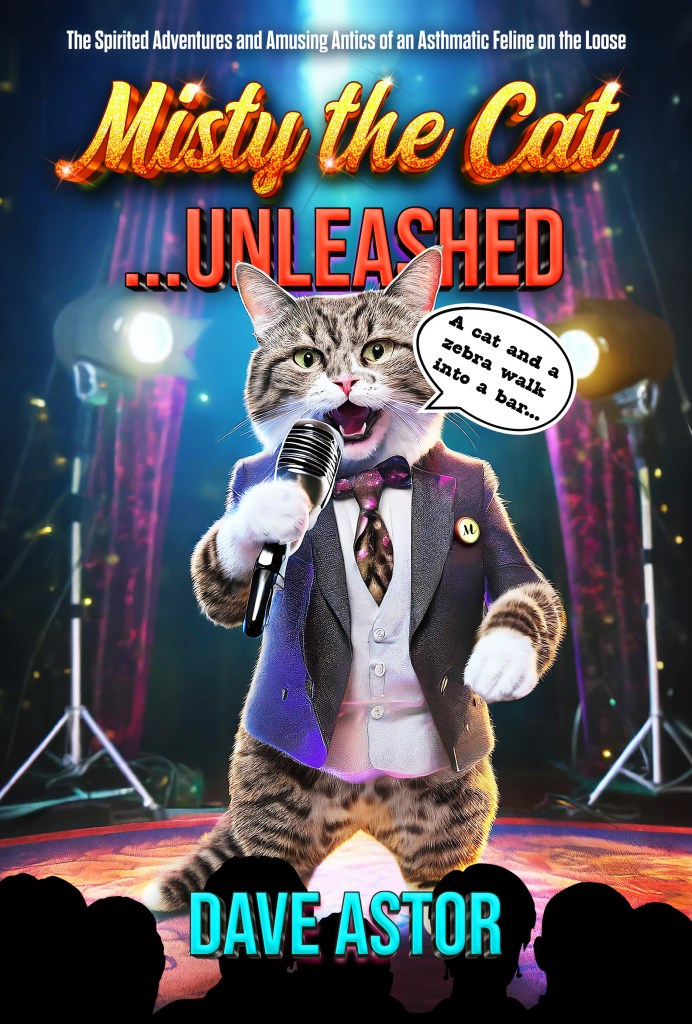
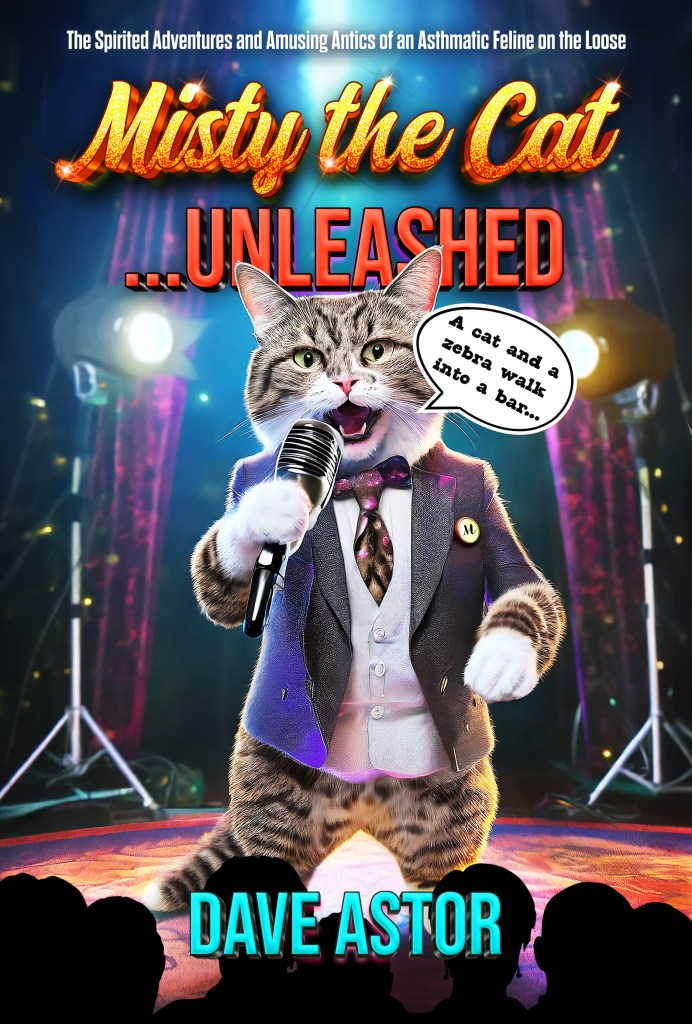
My comedic 2024 book — the part-factual/part-fictional/not-a-children’s-work Misty the Cat…Unleashed — is described and can be purchased on Amazon in paperback or on Kindle. It’s feline-narrated! (And Amazon reviews are welcome. 🙂 )
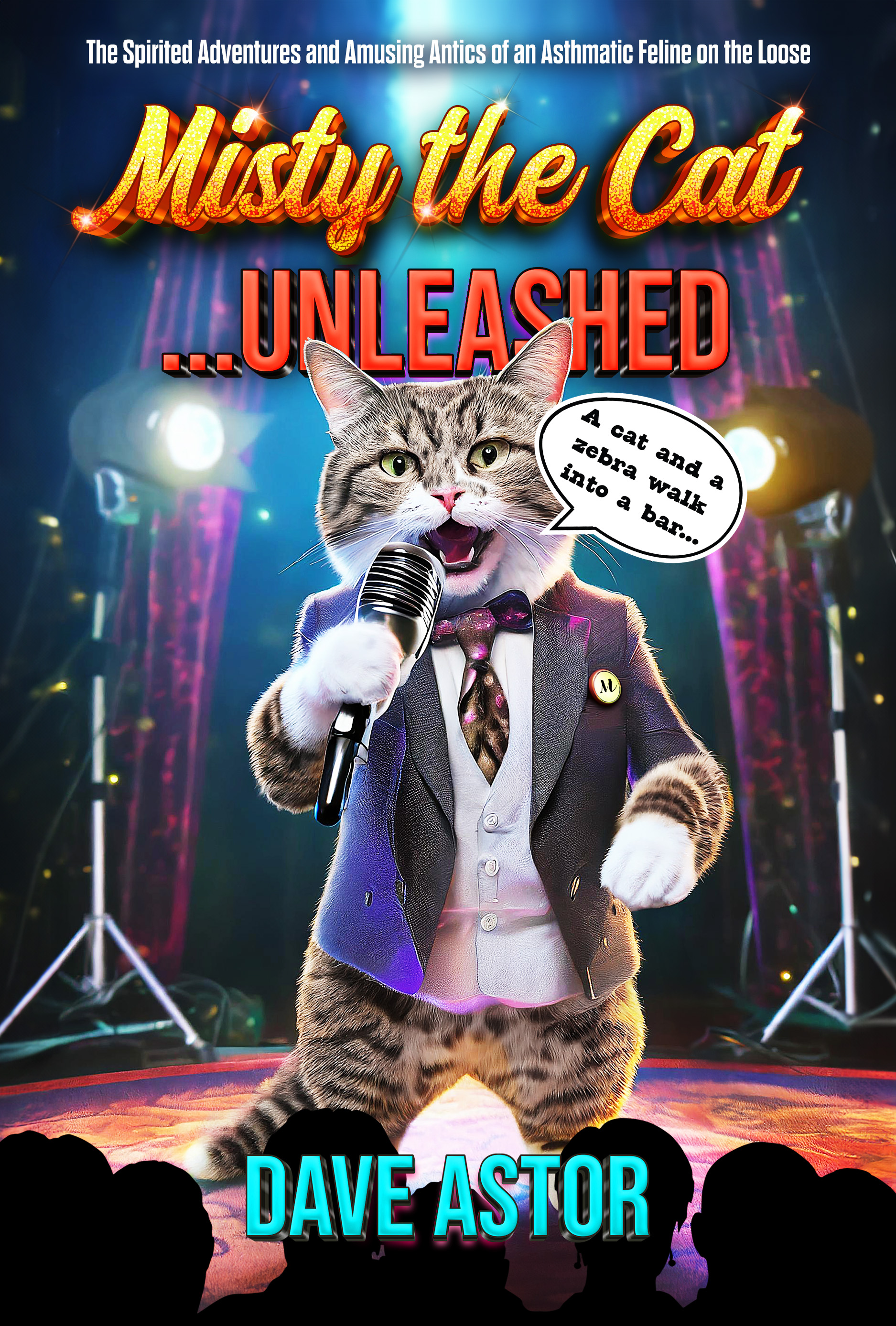
This 90-second promo video for the book features a talking cat: 🙂

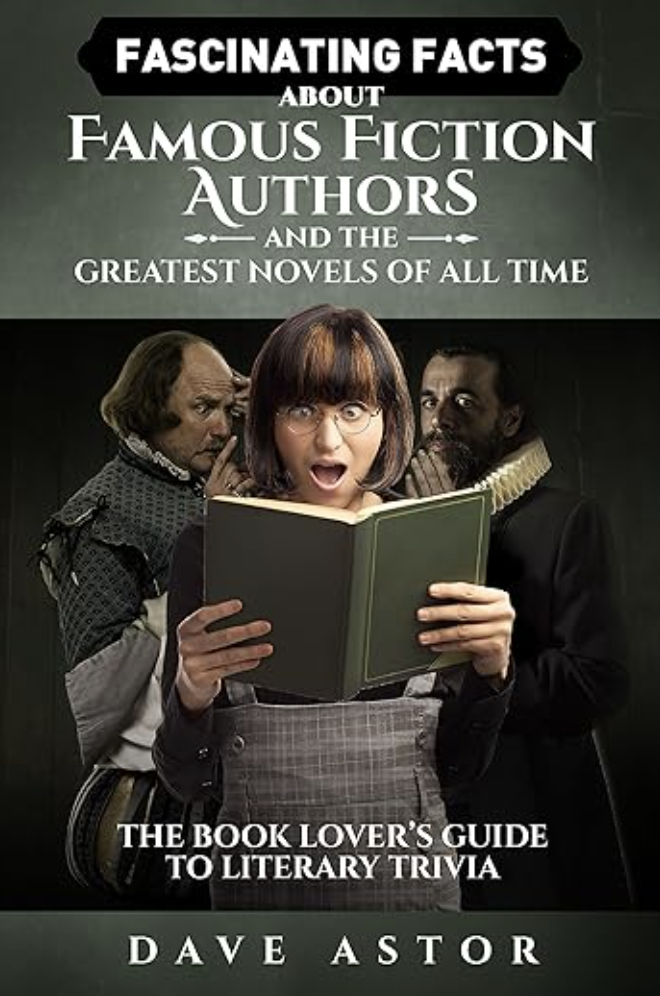
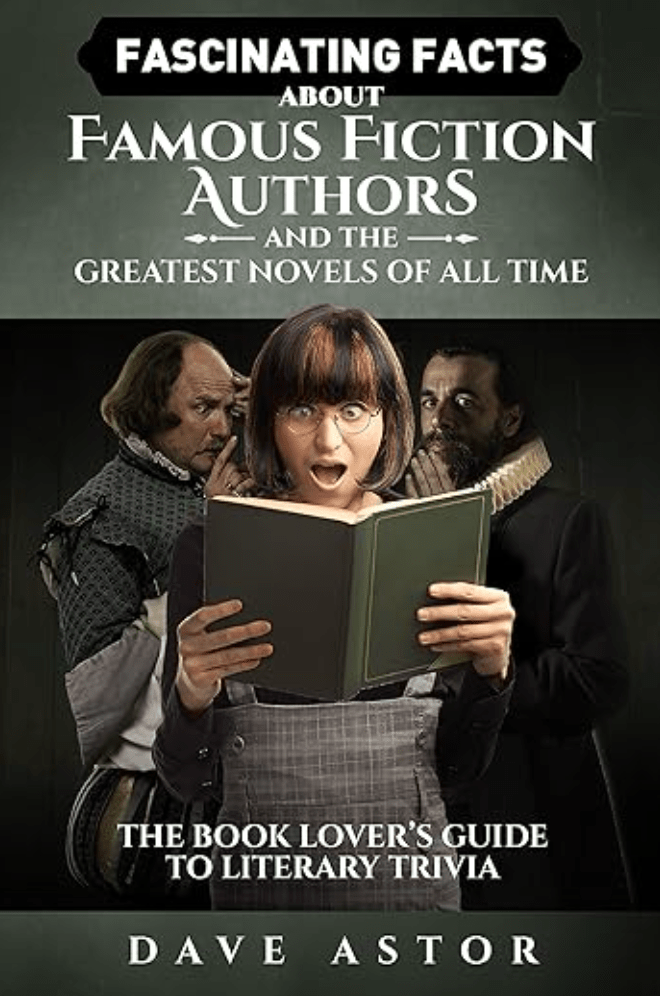
I’m also the author of a 2017 literary-trivia book

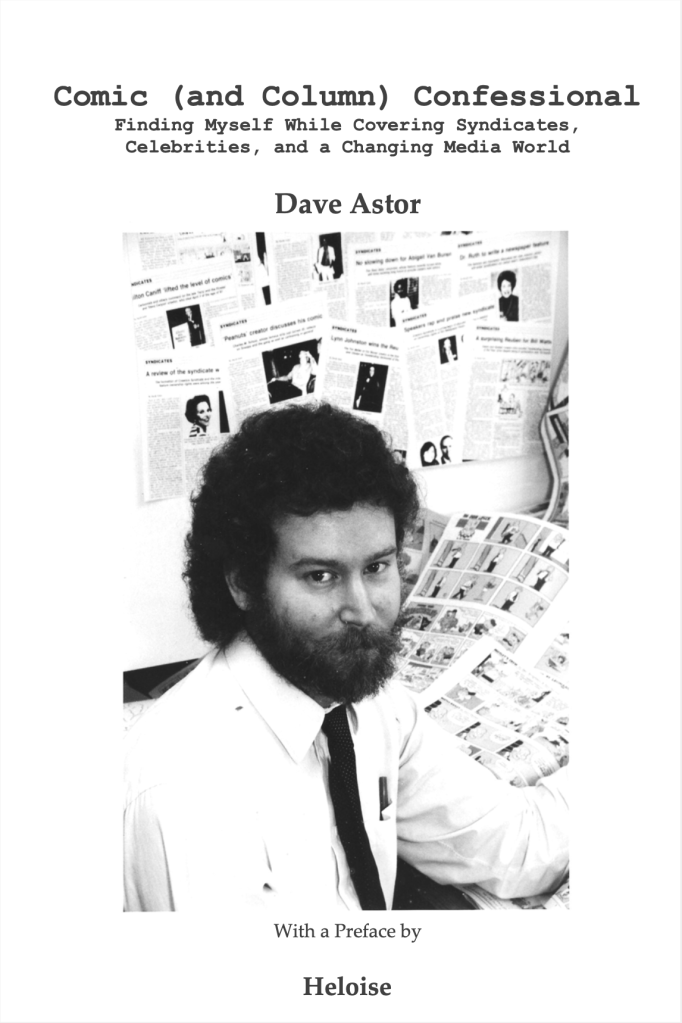
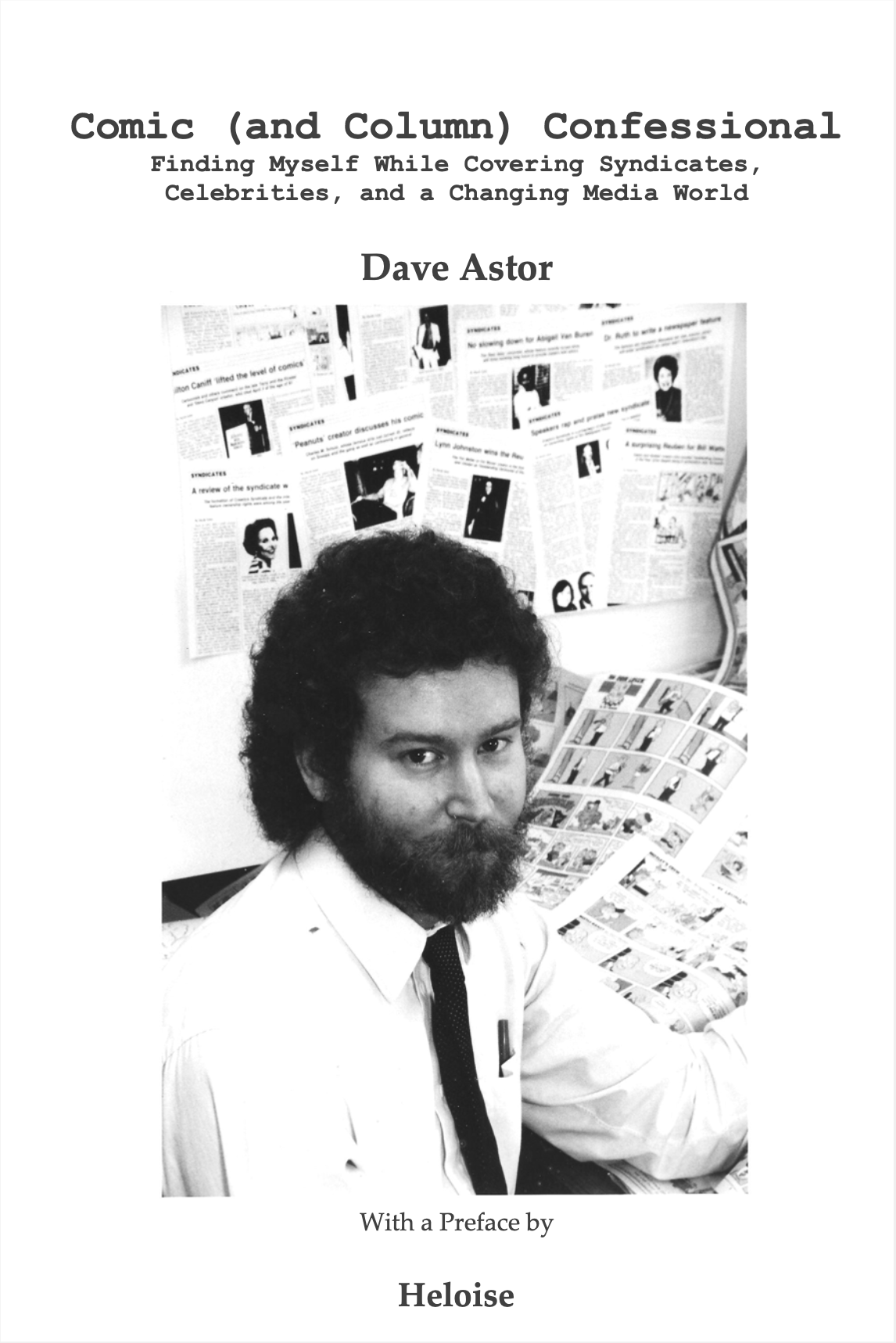
…and a 2012 memoir that focuses on cartooning and more, including many encounters with celebrities.
In addition to this weekly blog, I write the 2003-started/award-winning “Montclairvoyant” topical-humor column every Thursday for Montclair Local. The latest piece — with my thoughts about unofficial voting results on a school deficit matter roiling my town — is here.
Incompetent R Them

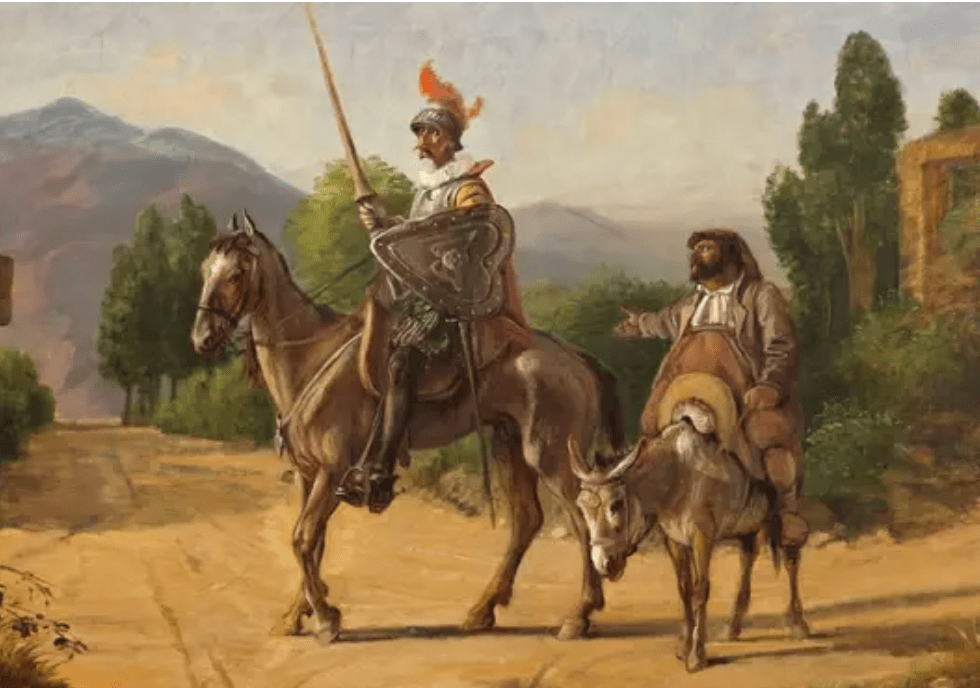
Don Quixote leads the way in this image and the blog post below.

I started sorting through my family’s 2025 tax paperwork yesterday, which reminded me that a tax-preparation company we used for the first time last year was rather incompetent. (Needless to say, we’ll be trying a different company this month.) I was also reminded of characters in novels who are incompetent or bumbling — with some of them sympathetic and some of them less so.

Before I continue with today’s theme, I wanted to mention that a far-from-inept podcaster/blogger — the mega-talented Rebecca Budd, who many of you know via WordPress — interviewed me about how reading books can be helpful and comforting in these very difficult times. Thank you, Rebecca, for the great questions and wonderful conversation! Which can be listened to here:

Anyway, the first inept character who came to mind was the clueless and deluded but kind of charming Don Quixote in Miguel de Cervantes’ early-1600s classic. Quixote IS quite skilled at attacking windmills he mistakes for enemies. 🙂

Not as sympathetic is the buffoonish Professor Gilderoy Lockhart in J.K. Rowling’s Harry Potter and the Chamber of Secrets. Also inept, at the start of the seven-book Potter series, is Hogwarts student Neville Longbottom, but his character arc eventually has him become more self-assured and even heroic.

An inept/adept mix can also be simultaneous — as with the bounty hunter Stephanie Plum who is both bumbling and skilled in Janet Evanovich’s series of novels.

Then there’s Ignatius J. Reilly, who could be categorized as a fool in John Kennedy Toole’s A Confederacy of Dunces. But he has some smarts, too, and is funny as hell.

The combination of ineptness and proficiency manifests itself in a different way in Daniel Keyes’ Flowers for Algernon, in which Charlie Gordon goes from being a low-IQ to high-IQ individual via an experimental surgical procedure.

A poignant character with almost no life skills is “The Poor Fool,” a child of Wang Lung and O-Lan in Pearl S. Buck’s The Good Earth. The girl, who isn’t named in the novel, has a mental handicap probably caused by being a baby the year her family was starving. Yes, some characters sadly have no control over how they turn out.

Back in 2019, I wrote a post about bad bosses in novels, and some of them were pretty incompetent — including Captain Queeg in Herman Wouk’s The Caine Mutiny.

Most of us know some incompetent people in real life, so that type is certainly familiar when encountered in literature. Even welcome in a way, because we’re relieved that these people are fictional rather than real. 🙂

Thoughts about, and examples of, today’s topic?

Misty the cat says: “That car either disappeared into the garage or into the space-time continuum.”

My comedic 2024 book — the part-factual/part-fictional/not-a-children’s-work Misty the Cat…Unleashed — is described and can be purchased on Amazon in paperback or on Kindle. It’s feline-narrated! (And Amazon reviews are welcome. 🙂 )

This 90-second promo video for the book features a talking cat: 🙂

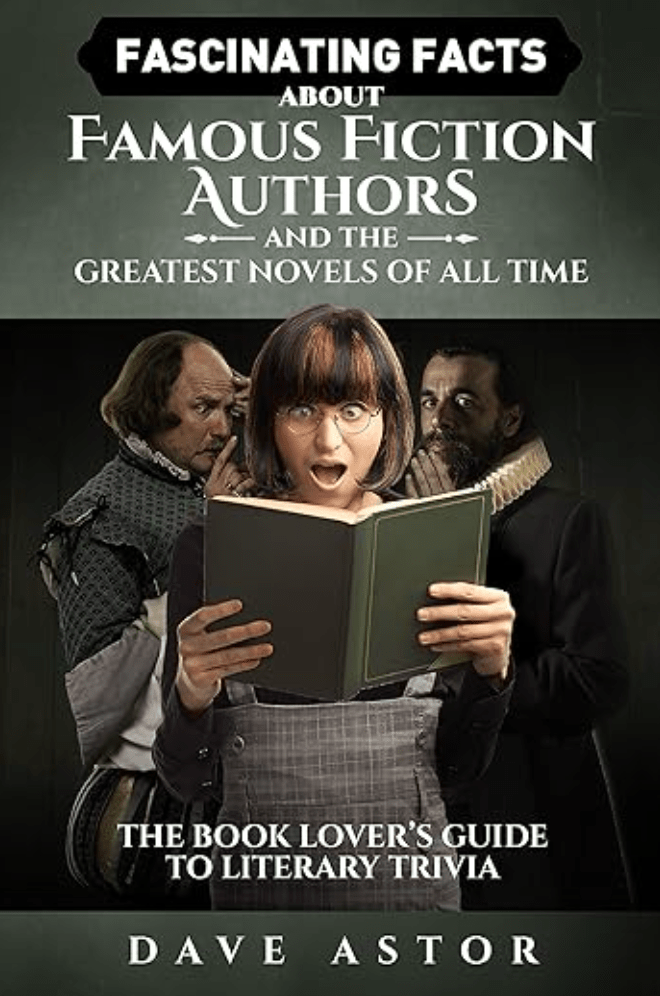
I’m also the author of a literary-trivia book

…and a memoir that focuses on cartooning and more, including many encounters with celebrities.

In addition to this weekly blog, I write the 2003-started/award-winning “Montclairvoyant” topical-humor column every Thursday for Montclair Local. The latest piece — about Black History Month and a closed fire station — is here.

Feline Post Includes Mentions of Jane Austen and ‘The Host’

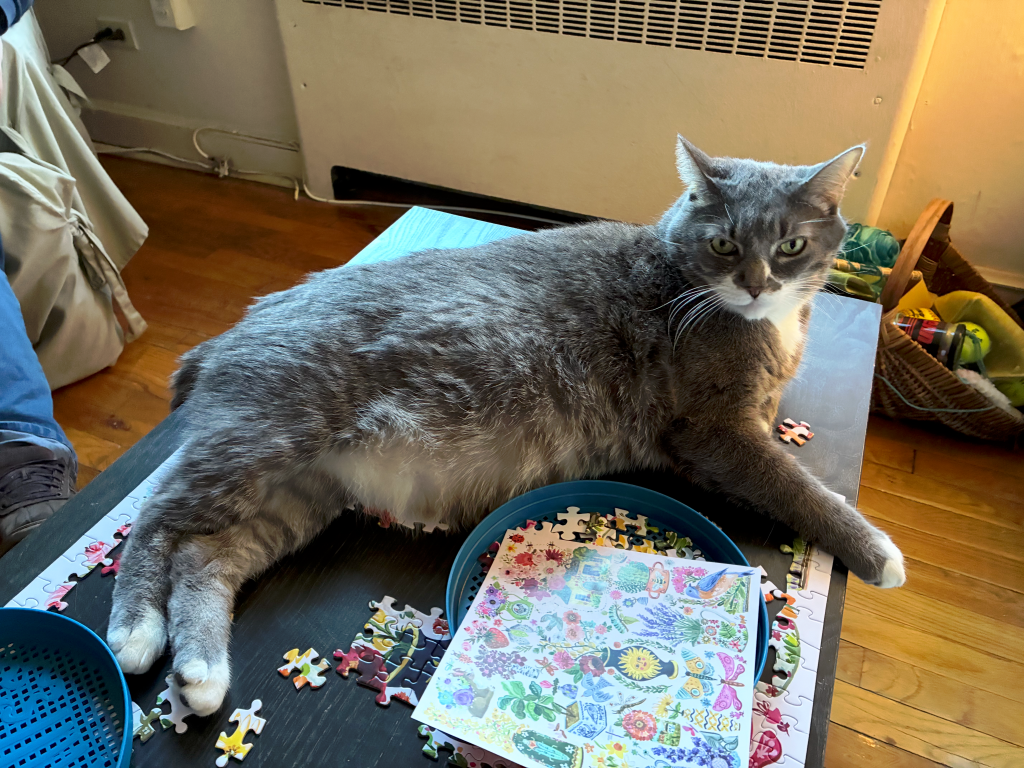
I, Misty the cat, say: “Putting together a guest blog post is like putting together a puzzle.” (Photo of my kitty self taken by my adult female human Laurel.)

Misty the cat here, returning for my every-two-month takeover of Dave’s blog — which I do by gunpoint, minus the gun. This is a particularly memorable time for me to post because tomorrow is the 8th anniversary of my adoption into my forever family, from whom I’ve received everything I could desire except a bed the size and shape of Buckingham Palace. King Chuck III has some ‘splaining to do.

And in nine days — December 16 — there’ll be a milestone moment for literature: the 250th anniversary of Jane Austen’s 1775 birth! Rebecca Budd, who comments here every week, has already posted about that anniversary in one of her great blogs. The year 1775 was also significant for being the start of the American Revolutionary War and for Apple’s rollout of the iMusket 9.

Back to Austen. I’m often (well, never) asked how I rank her six novels, and here’s my kitty answer: 1, 2, 3, 4, 5, 6. Oh, you want titles, too? 1) Persuasion. 2) Pride and Prejudice. 3) Sense and Sensibility. 4) Mansfield Park. 5) Emma. 6) Northanger Abbey. This is also Dave’s order of faves (rhyme alert!), which means we were both bribed by the same literary scholars. Austen’s early 19th-century books have aged well…partly because I keep them in my wine cellar. Actually, I don’t have a wine cellar. No cat does.

And today, December 7, is the 84th anniversary of the 1941 attack on Pearl Harbor, an event vividly depicted near the end of Herman Wouk’s compelling novel The Winds of War. If those winds had become strong enough, Wouk’s book would’ve been titled The Hurricanes of War — storms that fall alphabetically between Hurricane Violin and Hurricane Xylophone.

The Winds of War was followed by Wouk’s epic War and Remembrance — the title of which has the initials “WAR.” Coincidence? Well, Hurricane Coincidence falls alphabetically between Hurricane Bassoon and Hurricane Didgeridoo.

My current reading? I, Misty the cat, recently finished Twilight author Stephenie Meyer’s The Host, an excellent work of sci-fi that stars a being who lives inside a human body. So, no, the book is not a historical novel about Johnny Carson, who was not related to The Heart Is a Lonely Hunter author Carson McCullers, who was a top-notch writer but apparently didn’t know that a heart can’t hunt animals without a permit and that vegans prefer Fannie Flagg’s novel Fried Green Tomatoes at the Whistle Stop Cafe. Also, American frontiersman Kit Carson was not a feline like me.

Natty Bumppo did the frontiersman thing, too, in James Fenimore Cooper’s five “Leatherstocking” novels that included The Last of the Mohicans. Cooper was an American contemporary of aforementioned Englishwoman Jane Austen, and there are even rumors that they collaborated on a novel called The Last of the Emmas. So I’m puzzled (see photo) that we later had people such as actresses Emma Thompson and Emma Watson.

The latter of course played Hermione Granger in the Harry Potter movies based on the J.K. Rowling novels. Seven books, eight movies, and nine lives (experienced by cats like me). Plus there are 10 characters in Agatha Christie’s famed mystery novel And Then There Were None, whose plot focuses on the number of dry-food pellets left in my bowl after I finish eating. No mystery where those pellets went.

Which books do I want for Christmas? Charles Dickens’ A Christmas Carol, Fannie Flagg’s A Redbird Christmas, John Grisham’s Skipping Christmas, Betty Smith’s A Christmas Tree Grows in Brooklyn, Anthony Burgess’ A Christmas Orange, Fyodor Dostoevsky’s Christmas and Punishment, Aldous Huxley’s Brave New Christmas, Barbara Kingsolver’s Demon Christmashead, E.M. Forster’s A Passage to Christmas, Chinua Achebe’s Christmas Falls Apart

Dave will reply to comments as I either finish the puzzle I’m photographed with or swat every piece of that puzzle into January 2026.

I, Misty the cat, say: “There’s gotta be a sidewalk sale around here somewhere.”

Dave and my comedic 2024 book — the part-factual/part-fictional/not-a-children’s-work Misty the Cat…Unleashed — is described and can be purchased on Amazon in paperback or on Kindle. It’s feline-narrated! (And Amazon reviews are welcome. 🙂 )

This 90-second promo video for the book features a talking cat: 🙂

Dave is also the author of a 2017 literary-trivia book

…and a 2012 memoir that focuses on cartooning and more, including many encounters with celebrities.

In addition to this weekly blog, Dave writes the 2003-started/award-winning “Montclairvoyant” topical-humor column every Thursday for Montclair Local. The latest piece — from which Sir Walter Scott should remove himself from discussion of a referendum-halting court decision — is here.