Children of Privilege in Fiction

In many cases, the children and grandchildren of the rich and/or famous don’t turn out so well. Growing up in privileged families can leave them spoiled, nasty, entitled, coldhearted, etc. Not always, of course, but often enough.

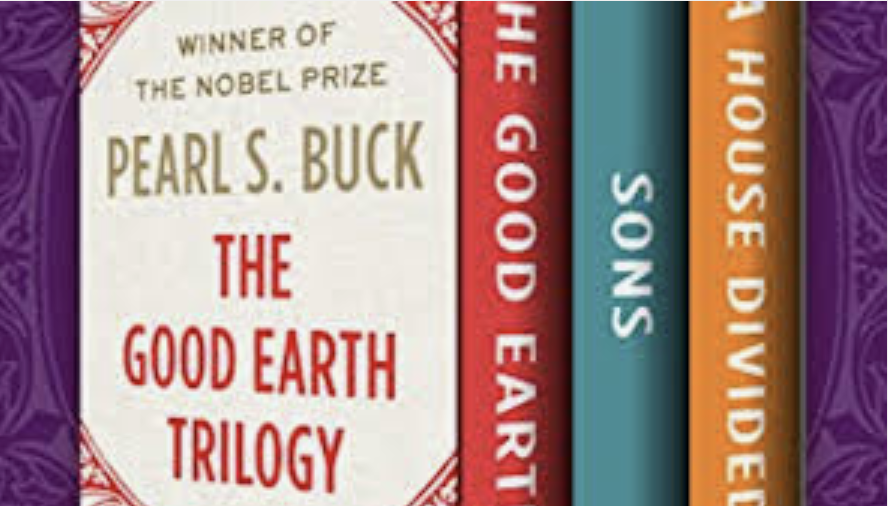
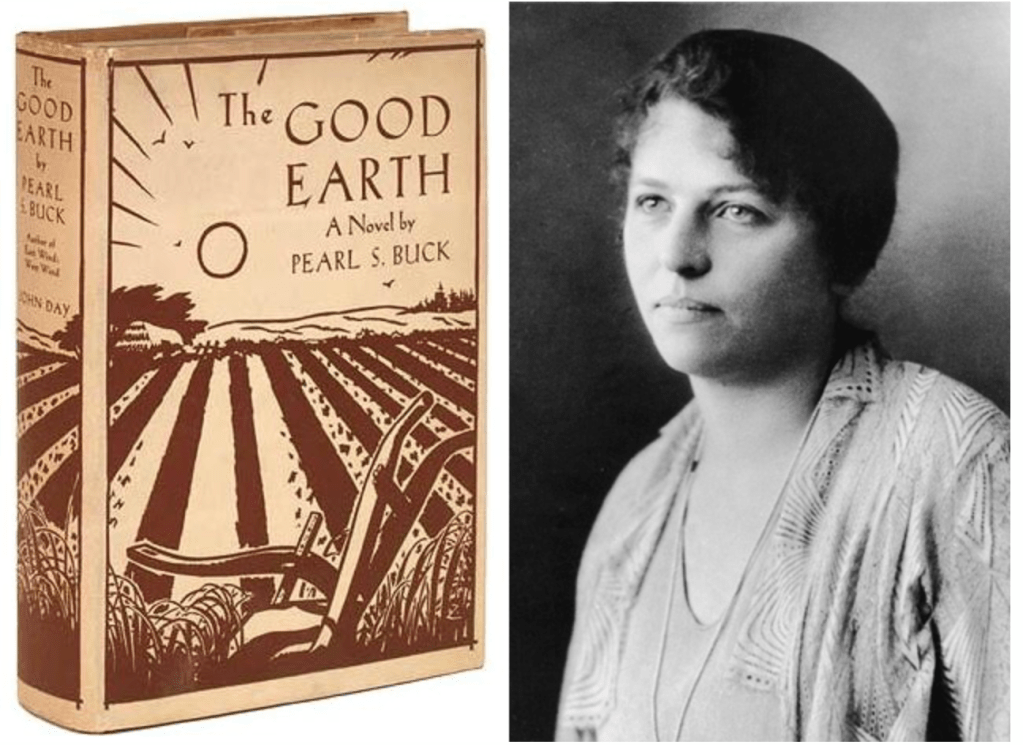
This is also the case in novels — which, as we know, usually mirror real life in some way. My most recently read example involves the title characters in Sons, Pearl S. Buck’s sequel to The Good Earth. In that first China-set book, Wang Lung built himself up from being a poor farmer to a rich landowner via endless toil and strategic smarts. He did exhibit some very problematic behavior in his older age, but overall was more admirable than not.

His three sons in the sequel? Not as admirable. With no worries about money after being among the inheritors of his father’s land, the eldest son becomes fat, lazy, and weak-minded. The more-intelligent second son works hard but is exceptionally greedy and miserly. The ambitious third son becomes a brave but antisocial war lord who forces his son — a gentle soul — into a military life. One wouldn’t want any of that sibling trio on their holiday card list.

Other novels in which the next or next-next generation isn’t so scintillating?

The title character of Alexander Pushkin’s novel-in-verse Eugene Onegin is a son of privilege who becomes a bored and selfish man making some unfortunate decisions.

Vernon and Petunia Dursley (more upper-middle-class than rich in J.K. Rowling’s Harry Potter series) are not-nice human beings who raise an even-worse son, Dudley — who’s petulant, pampered, and beyond spoiled.

Another novel with a depressing descendant is Booth Tarkington’s The Magnificent Ambersons, in which the grandson of the family’s aristocratic patriarch is an arrogant jerk.

Obviously, rich and/or famous parents themselves can be problematic, with their children often following suit but sometimes becoming decent human beings.

In George Eliot’s Silas Marner, for instance, Squire Cass is quite unlikable, and his sons Godfrey and Dunstan are no picnic, either. Things are more mixed in Fyodor Dostoevsky’s The Brothers Karamazov, in which the repulsive dad’s sons include Dmitri (who behaves kind of like his wealthy father), Ivan (an intellectual who’s a relatively decent person), and the compassionate Alexei.

Your thoughts about, and examples of, this topic?

Misty the cat says: “As Robert Frost sort of noted, good Belgian blocks make good neighbors.”

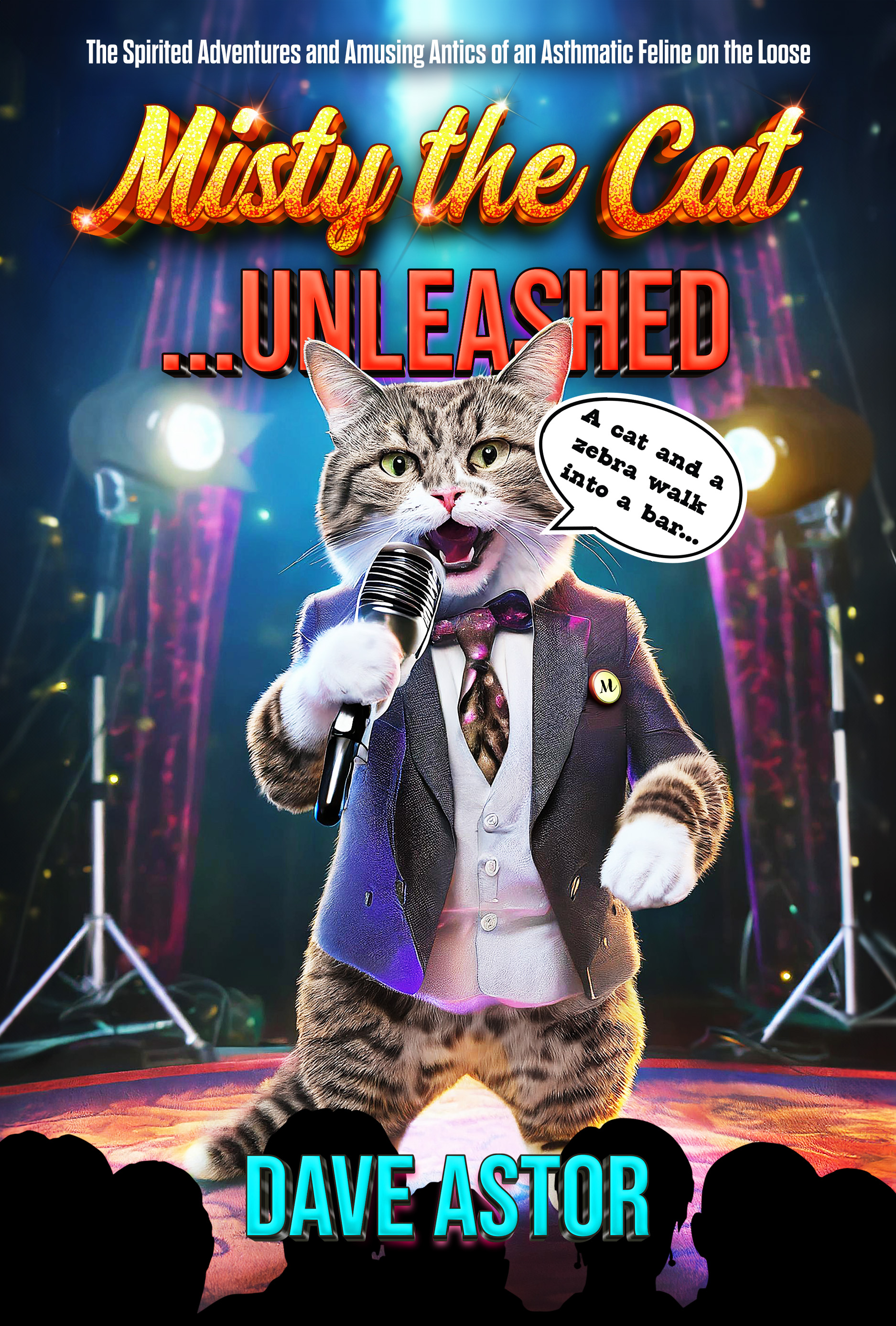
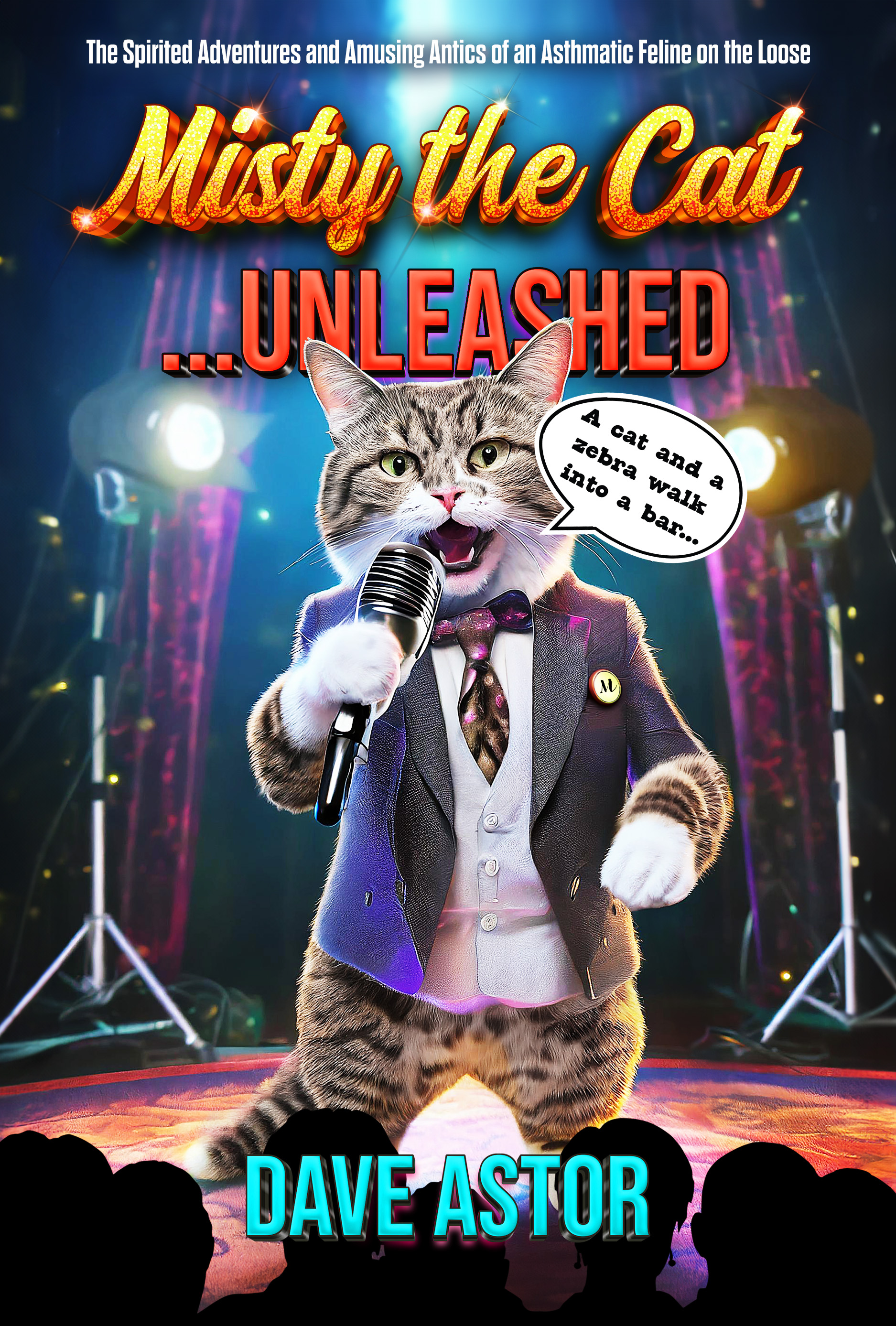
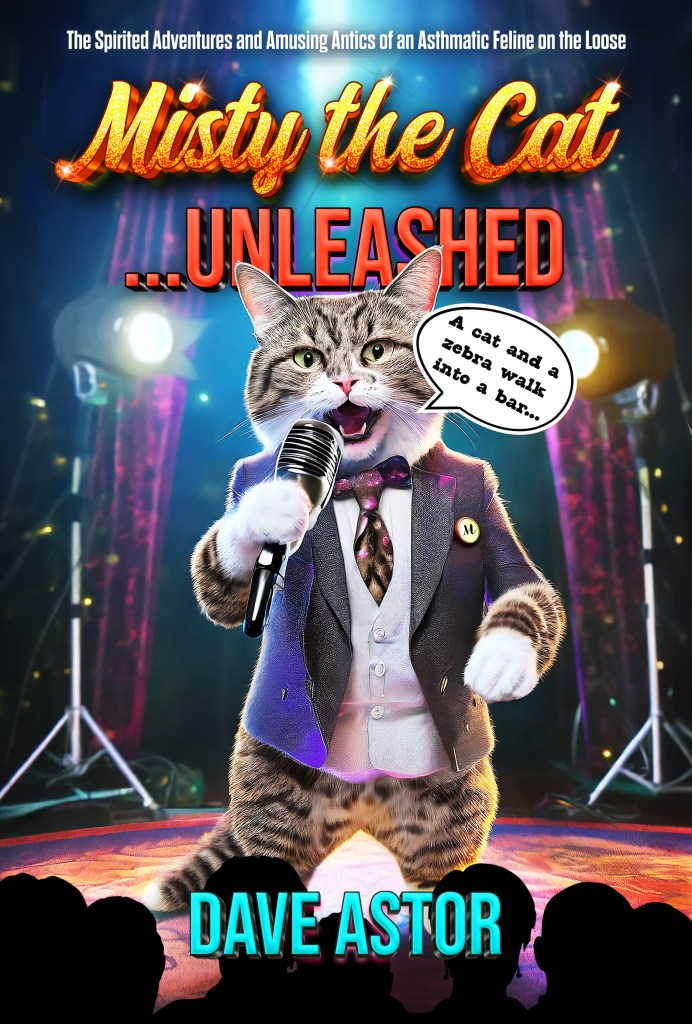
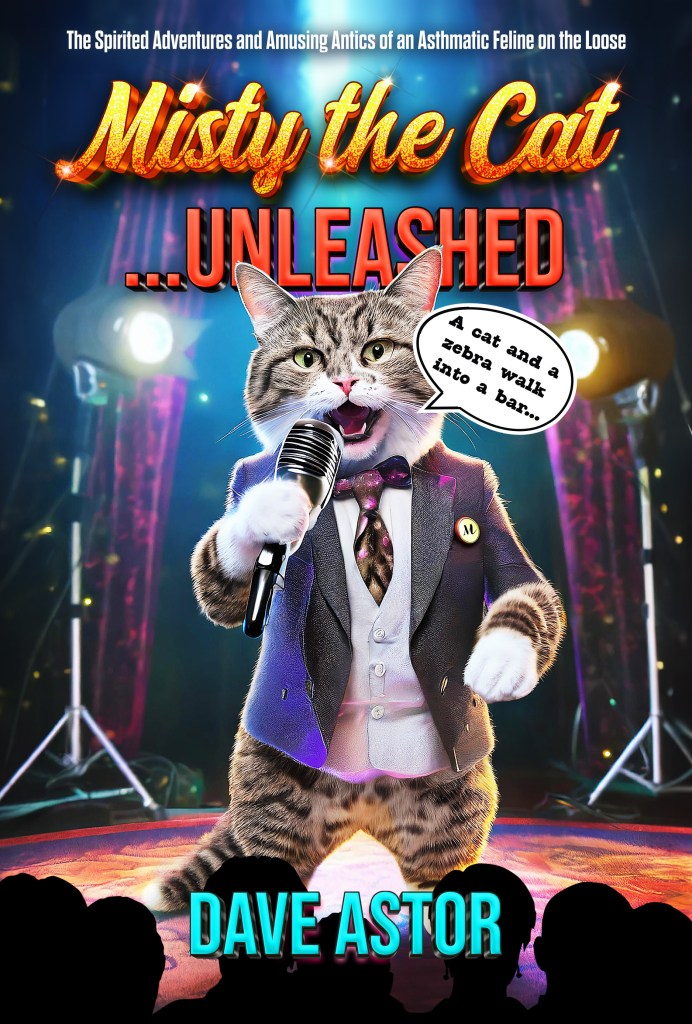
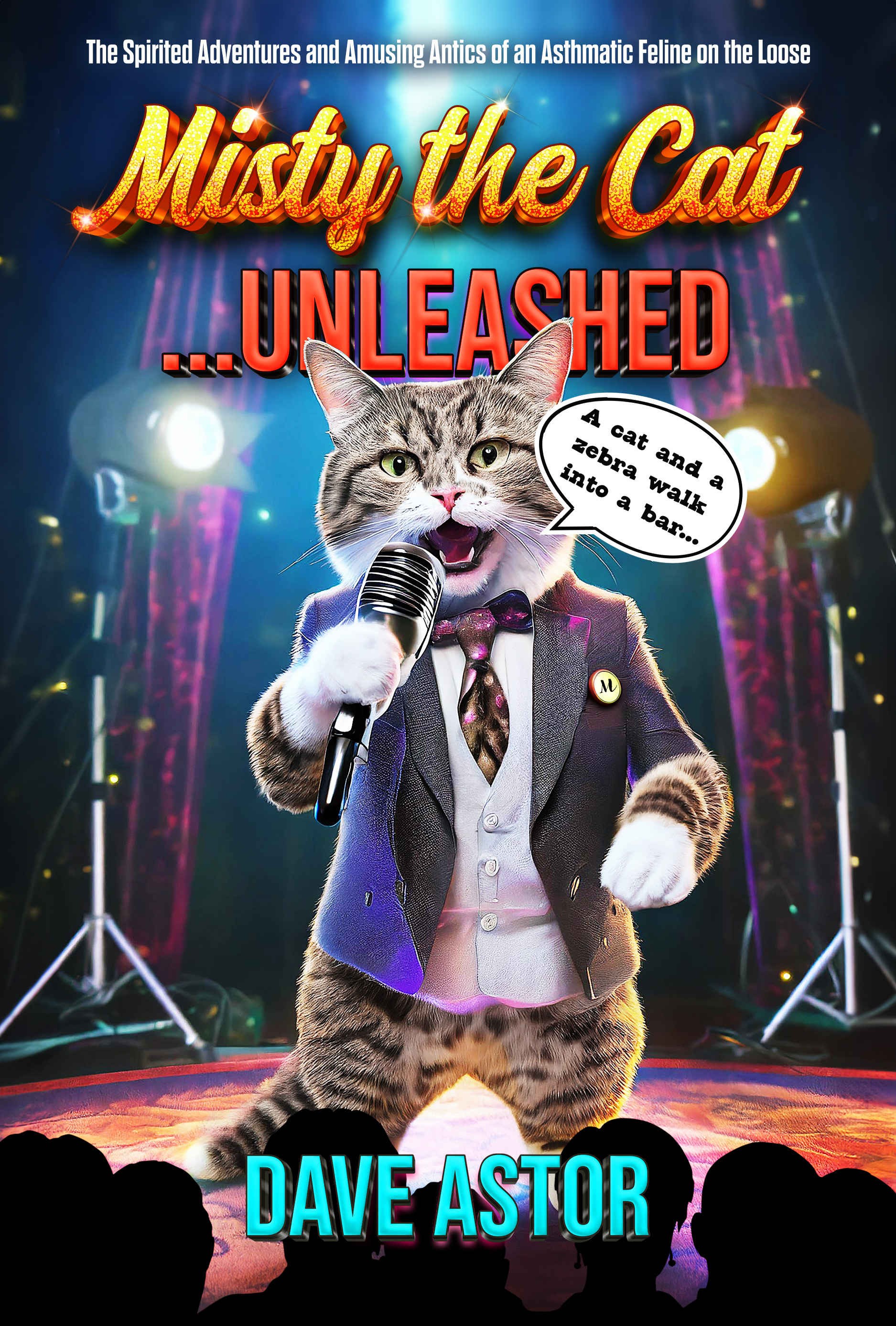
My comedic 2024 book — the part-factual/part-fictional/not-a-children’s-work Misty the Cat…Unleashed — is described and can be purchased on Amazon in paperback or on Kindle. It’s feline-narrated! (And Amazon reviews are welcome. 🙂 )
This 90-second promo video for the book features a talking cat: 🙂

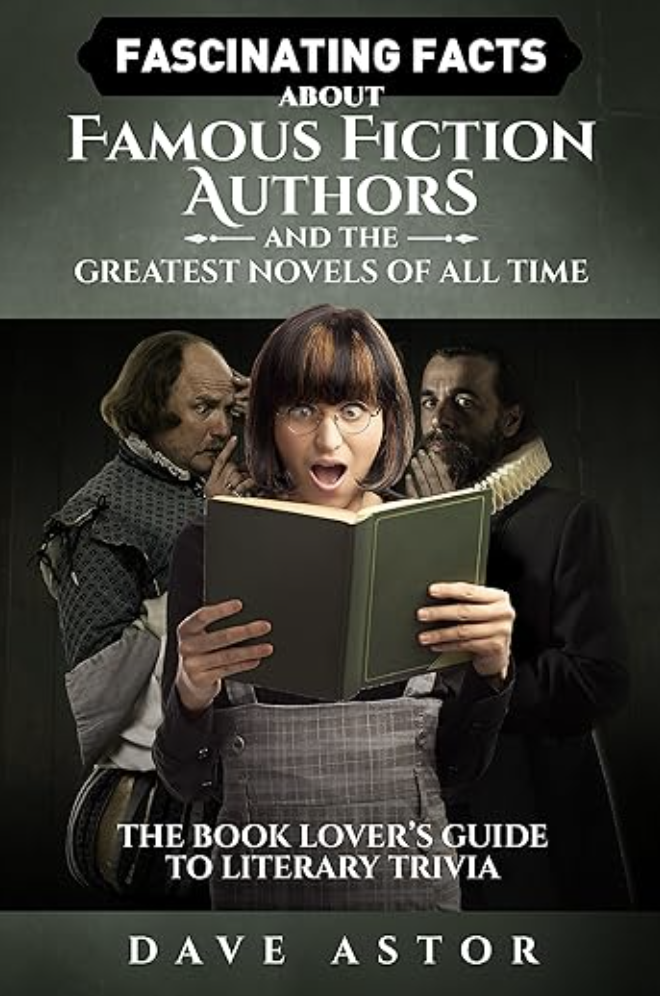
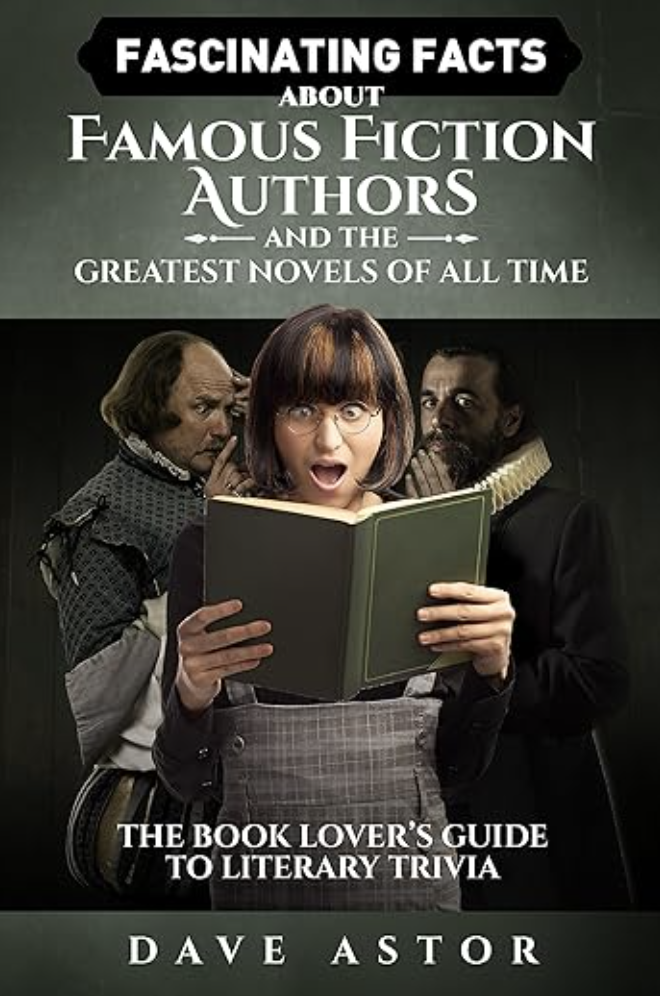
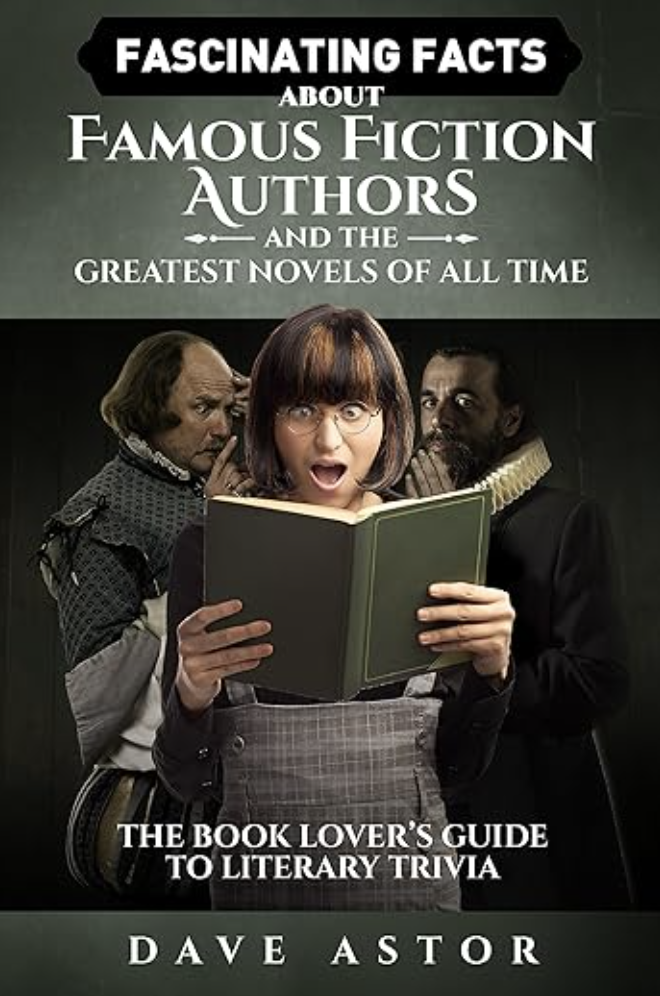
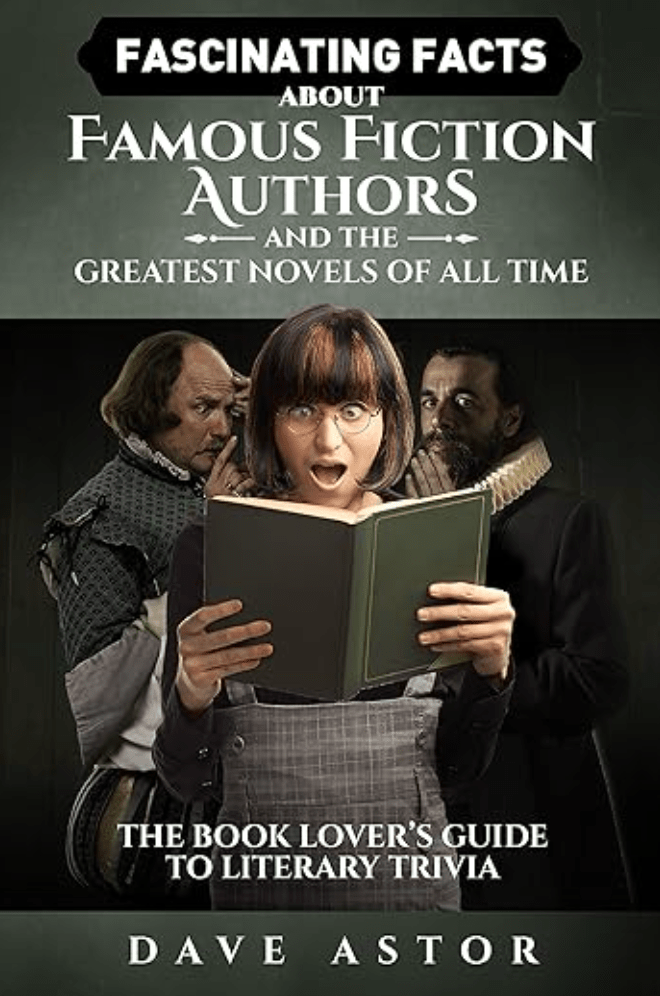
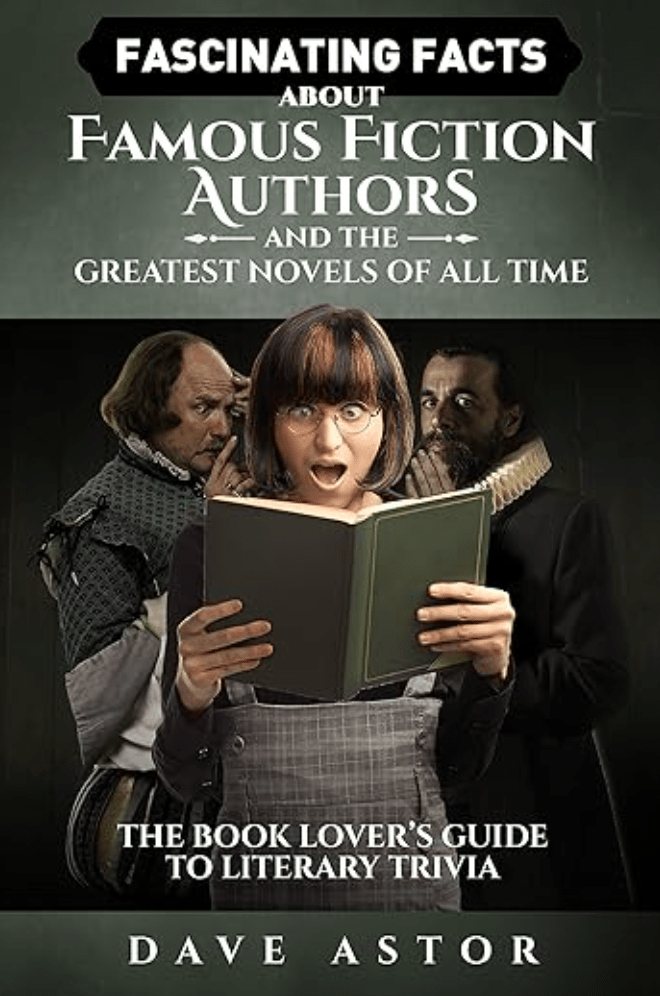
I’m also the author of a 2017 literary-trivia book

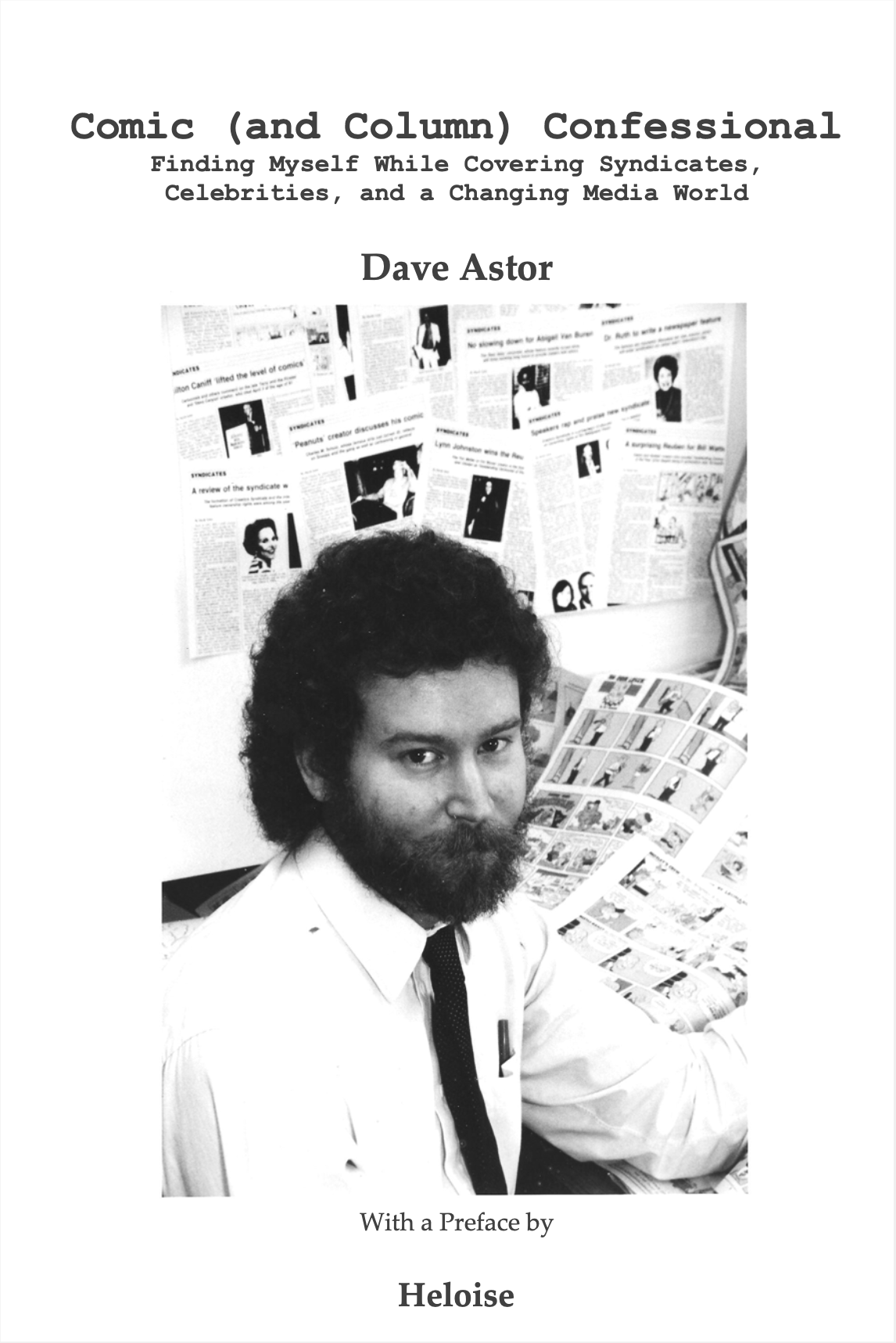
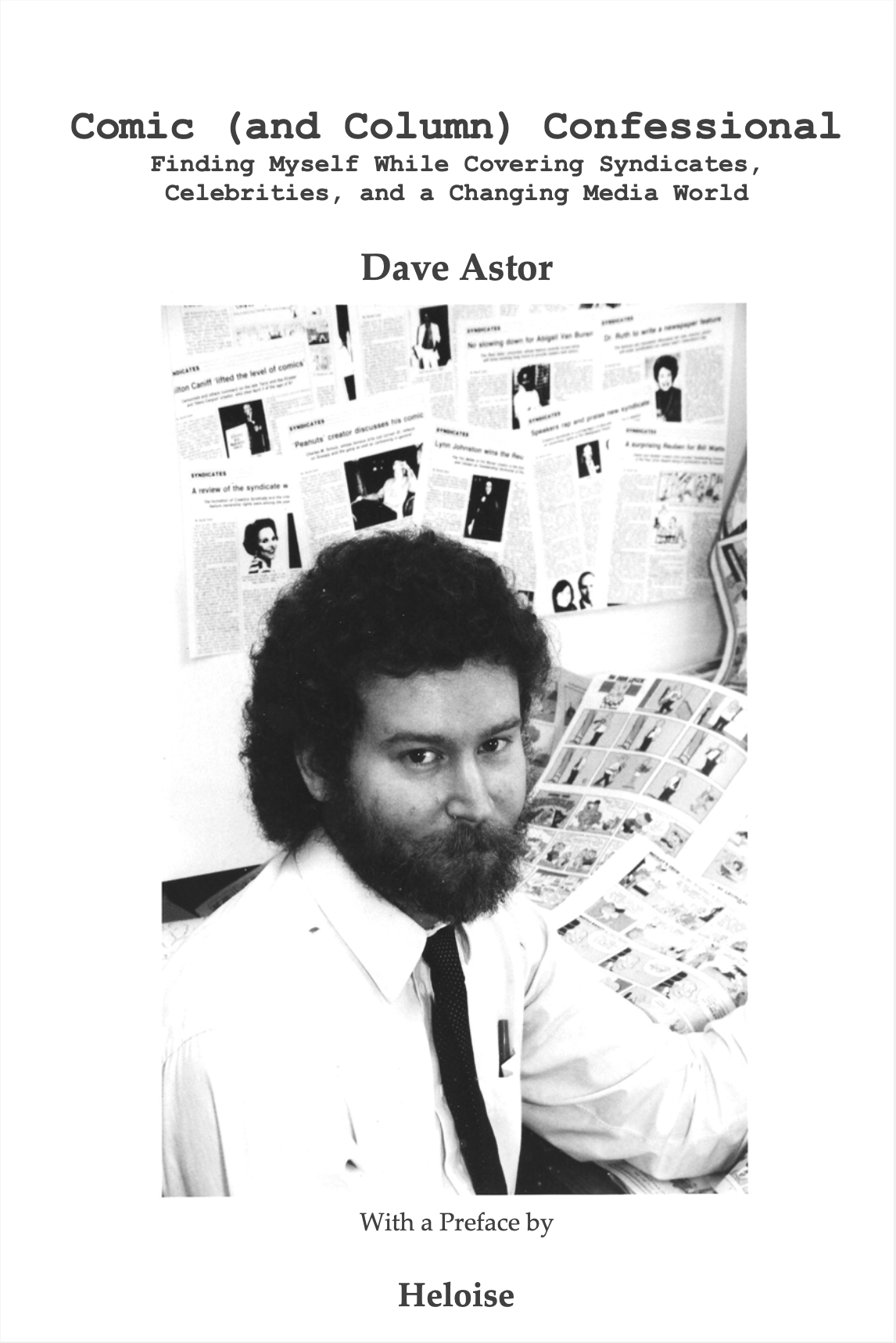
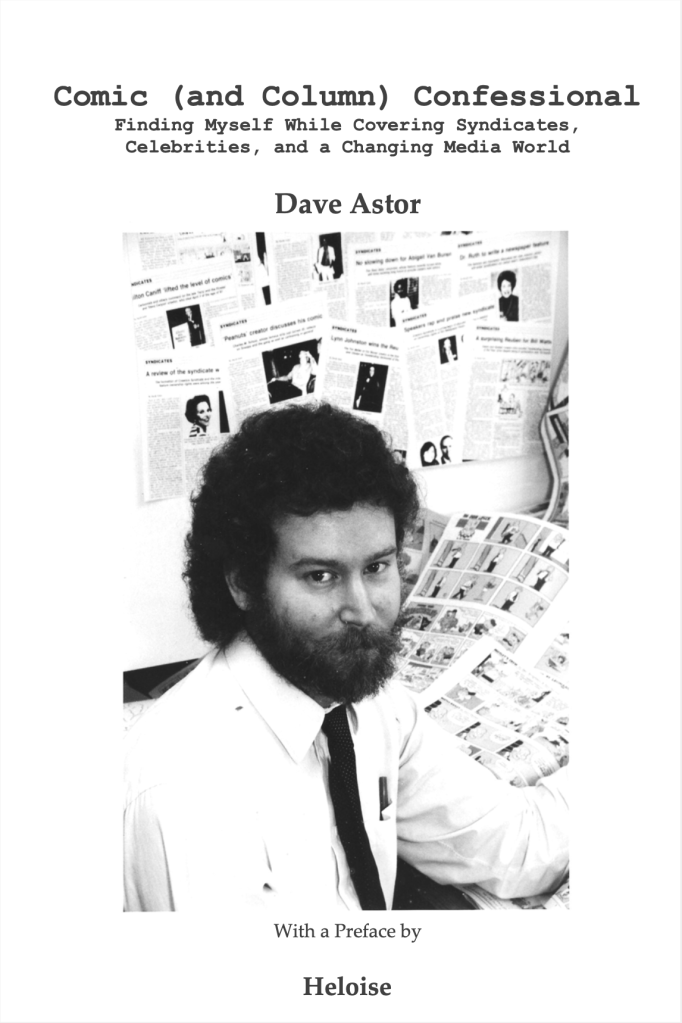
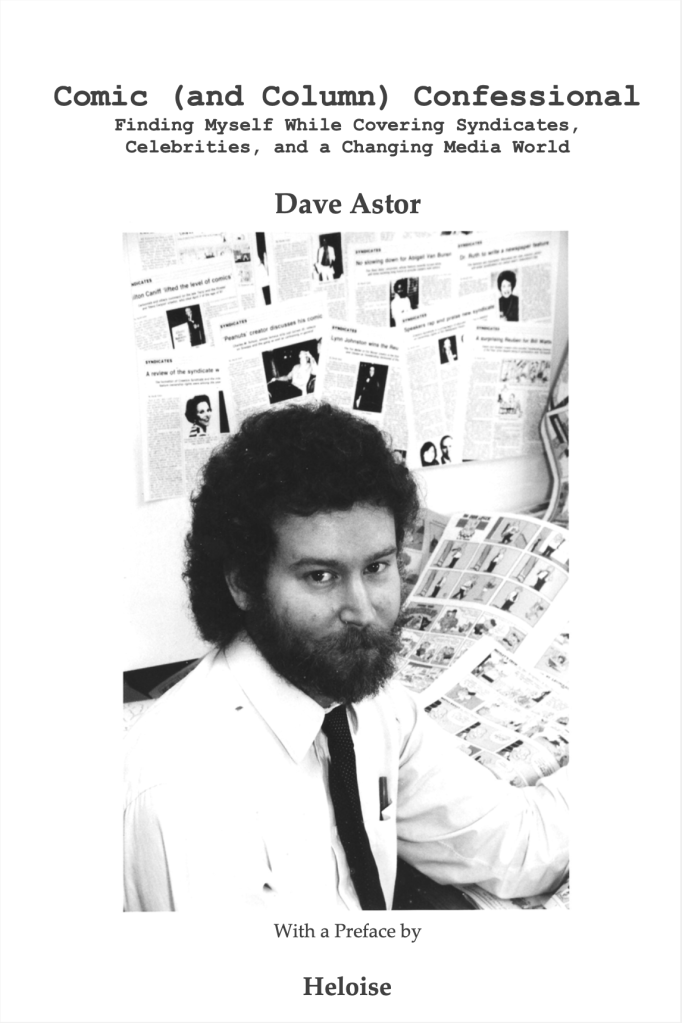
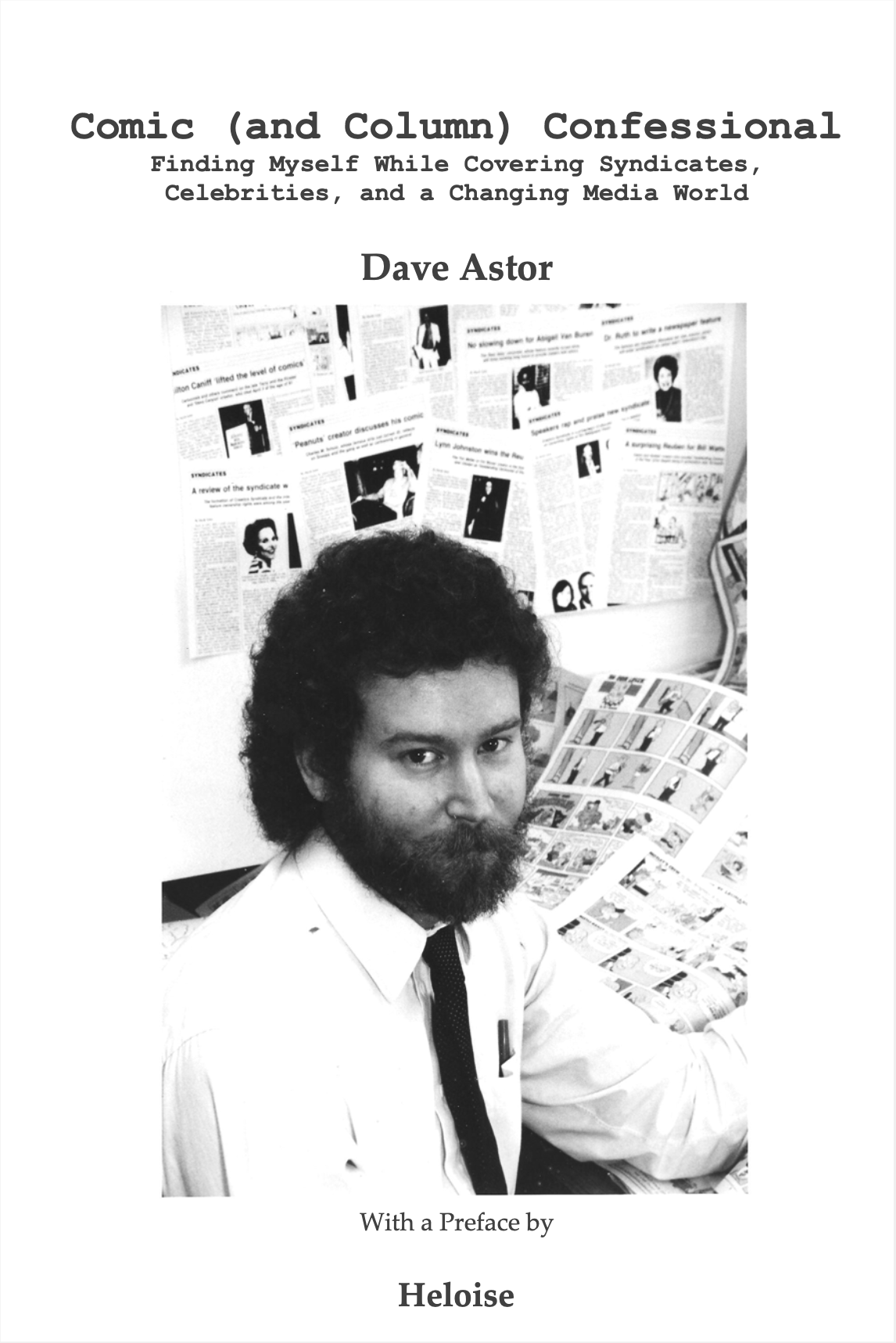
…and a 2012 memoir that focuses on cartooning and more, including many encounters with celebrities.
In addition to this weekly blog, I write the 2003-started/award-winning “Montclairvoyant” topical-humor column every Thursday for Montclair Local. The latest piece — about a lingering snow-dump fiasco, an immigrant-protection vote, an animal-protection vote, and an upcoming election, all with a dose of Hemingway and the band Rush — is here.

Spring is for Jogging and Kitty Blogging

Misty the cat here again with my every two-month guest post, which gives Dave a break to search 24/7 for The Golden Bowl. That’s a Henry James novel as well as a circular dish I want for an elite food and drink experience.

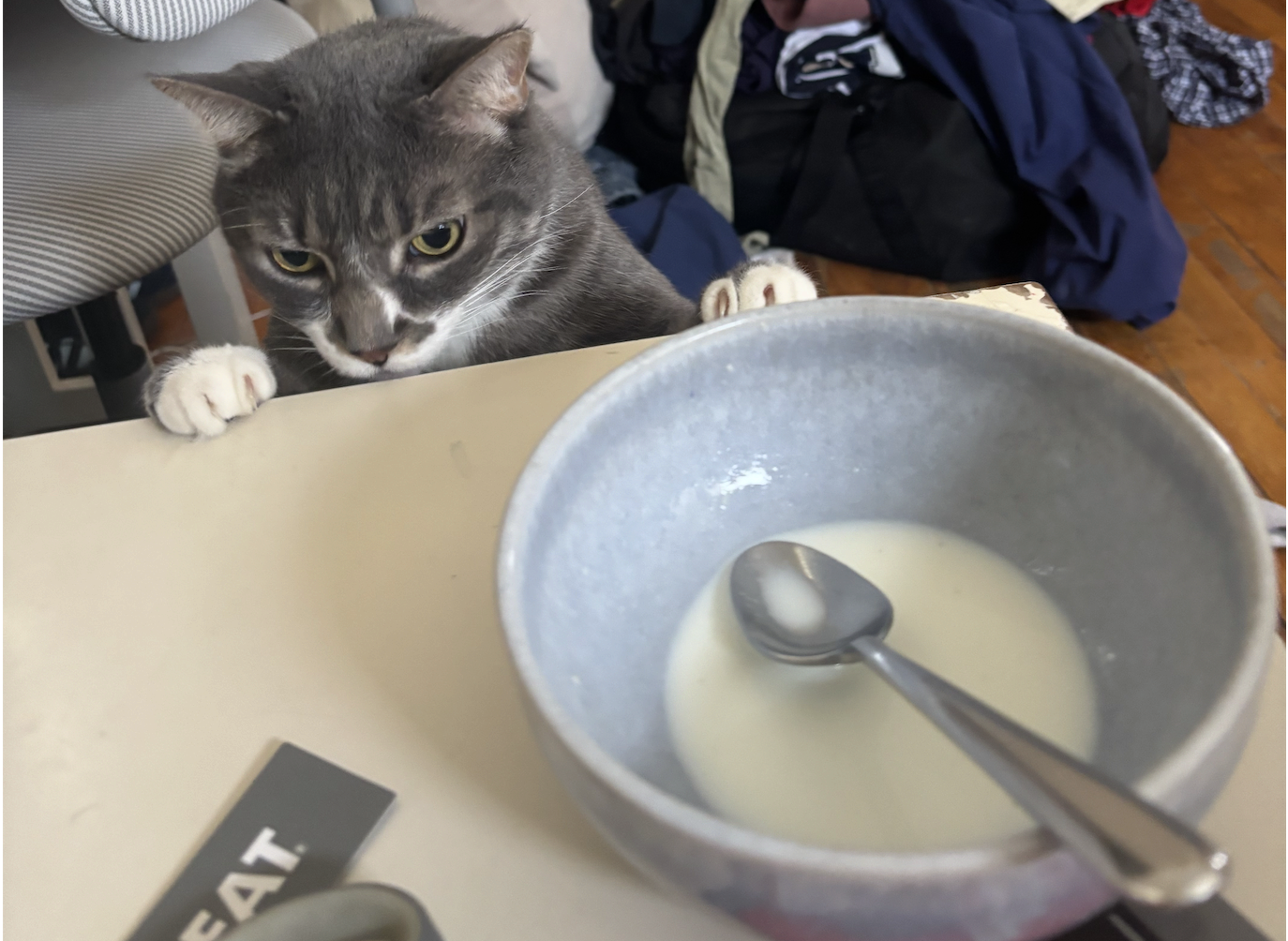
Another novelist with the same last name, E.L. James, wrote Fifty Shades of Grey. I never read it, but, as you can see in the photo atop this post, I was recently amid five shades of gray — including the color of the not-golden bowl I’m eyeing that contains liquid that’s either milk or Wilkie Collins’ novel The Woman in White minus the woman. (Photo by my adult female human Laurel Cummins.)

What am I, Misty the cat, reading now? I just finished T is for Trespass as I continue to work my way through Sue Grafton’s alphabet mysteries starring private investigator Kinsey Millhone, whose last name rhymes with Milk-Bone. (Shout-out to my dog readers, including Snoopy the Easter Beagle.) As you might know, the late Grafton didn’t allow her book series to be adapted for the screen because she had formerly worked in that business and distrusted it. Heck, Hollywood even had nowhere-near-tall-enough Tom Cruise play Jack Reacher before the physically massive Alan Ritchson more appropriately got the role in the current TV iteration of Lee Child’s thrilling book series. Ritchson IS Reacher, which creates ID confusion for the actor at airports.

While I almost always read fiction, I’ve been periodically perusing Rebecca Romney’s nonfiction book Jane Austen’s Bookshelf — which Dave received as a December holiday present from his sister-in-law Sheila Cummins. (I, Misty the cat, was gifted a $700,000 Lamborghini by Dave…in my dreams.) Romney focuses on the 1700s-born female authors who inspired Austen and why some of those excellent/pioneering writers are barely known today. These authors include Frances Burney, Ann Radcliffe, Charlotte Lennox, Hannah More, Charlotte Smith, Elizabeth Inchbald, Hester Lynch Thrale Piozzi, and Maria Edgeworth. All of whom are also known for founding the crack law firm Burney, Radcliffe, Lennox, More, Smith, Inchbald, Piozzi, Edgeworth, and Dora the Explorer. I want that firm in my corner when I’m on trial for purchasing a Trump pardon with catnip crypto.

Besides T is for Trespass, other novels I had Dave borrow from the library last month were Pearl S. Buck’s Sons (The Good Earth sequel I just started reading), Daphne du Maurier’s Rebecca (which I’ll be rereading) and Jamaica Inn, and Peter May’s The Blackhouse. All will be mentioned in future posts, with credit at that time to those who recommended two of those books. I would’ve visited the library myself, but it’s hard for a cat to drag books home when they’re no longer printed on yarn.

Speaking of high-tech things like knitting, it has been suggested that I comment on Artificial Intelligence’s relation to literature — especially after the Shy Girl novel was recently pulled by a major publisher for reportedly including lots of AI-generated content. But I’m no AI expert, which contrasts with my deep knowledge of 14th-century automobiles. Curiously, Chaucer only featured one Lamborghini in The Canterbury Tales; maybe he was more into mass transit. Dave does periodically receive seemingly AI-generated emails offering marketing help for his books — for a not-small fee, of course. Dave looked in his wallet, consulted with George Washington and other notables pictured on American currency, and was advised to…get a roomier wallet. With a kitchen so those long-dead notables can eat.

In conclusion, I’ll mention that I’m now an older cat (10) who recently starting doing three things to keep myself healthier: eat a prescription diet, get a monthly arthritis shot, and read fiction by writers who had also been medical doctors — among them Khaled Hosseini, Arthur Conan Doyle, Mikhail Bulgakov, and Anton Chekhov. Anton even appeared on the TV series Scrubs.

As I fend off a lawsuit claiming Chekhov did NOT appear on Scrubs, Dave will reply to comments.

Misty the cat says: “My favorite comedy trios are The Marx Brothers and The Pine Cones.”

My and Dave’s comedic 2024 book — the part-factual/part-fictional/not-a-children’s-work Misty the Cat…Unleashed — is described and can be purchased on Amazon in paperback or on Kindle. It’s feline-narrated! (And Amazon reviews are welcome. 🙂 )

This 90-second promo video for the book features a talking cat: 🙂

Dave is also the author of a 2017 literary-trivia book

…and a 2012 memoir that focuses on cartooning and more, including many encounters with celebrities.

In addition to this weekly blog, Dave writes the 2003-started/award-winning “Montclairvoyant” topical-humor column every Thursday for Montclair Local. The latest piece — about “No Kings” rallies and more — is here.

Incompetent R Them

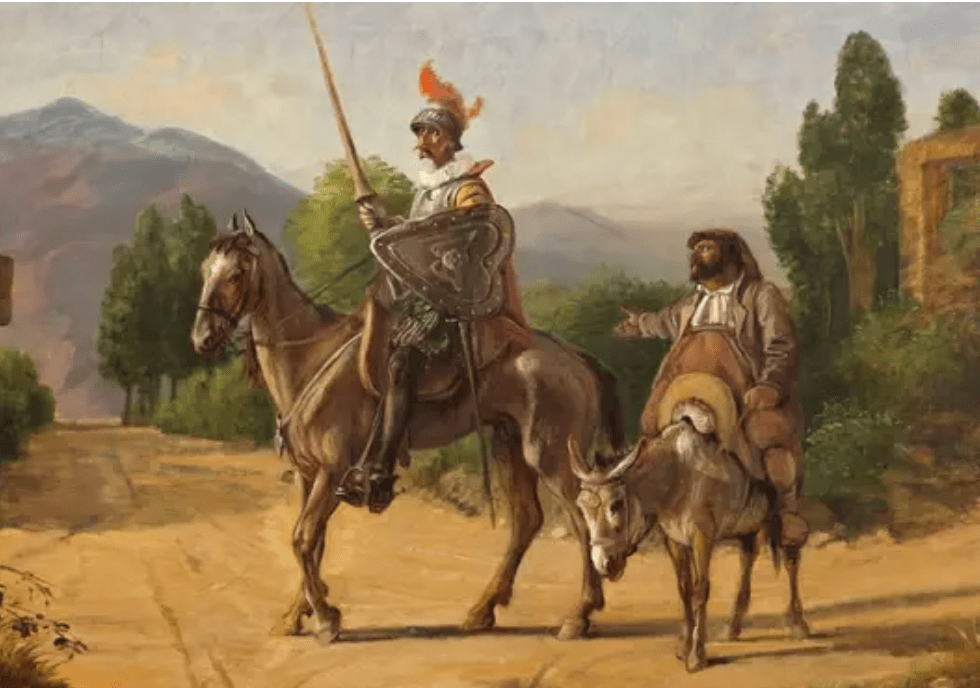
Don Quixote leads the way in this image and the blog post below.

I started sorting through my family’s 2025 tax paperwork yesterday, which reminded me that a tax-preparation company we used for the first time last year was rather incompetent. (Needless to say, we’ll be trying a different company this month.) I was also reminded of characters in novels who are incompetent or bumbling — with some of them sympathetic and some of them less so.

Before I continue with today’s theme, I wanted to mention that a far-from-inept podcaster/blogger — the mega-talented Rebecca Budd, who many of you know via WordPress — interviewed me about how reading books can be helpful and comforting in these very difficult times. Thank you, Rebecca, for the great questions and wonderful conversation! Which can be listened to here:

Anyway, the first inept character who came to mind was the clueless and deluded but kind of charming Don Quixote in Miguel de Cervantes’ early-1600s classic. Quixote IS quite skilled at attacking windmills he mistakes for enemies. 🙂

Not as sympathetic is the buffoonish Professor Gilderoy Lockhart in J.K. Rowling’s Harry Potter and the Chamber of Secrets. Also inept, at the start of the seven-book Potter series, is Hogwarts student Neville Longbottom, but his character arc eventually has him become more self-assured and even heroic.

An inept/adept mix can also be simultaneous — as with the bounty hunter Stephanie Plum who is both bumbling and skilled in Janet Evanovich’s series of novels.

Then there’s Ignatius J. Reilly, who could be categorized as a fool in John Kennedy Toole’s A Confederacy of Dunces. But he has some smarts, too, and is funny as hell.

The combination of ineptness and proficiency manifests itself in a different way in Daniel Keyes’ Flowers for Algernon, in which Charlie Gordon goes from being a low-IQ to high-IQ individual via an experimental surgical procedure.

A poignant character with almost no life skills is “The Poor Fool,” a child of Wang Lung and O-Lan in Pearl S. Buck’s The Good Earth. The girl, who isn’t named in the novel, has a mental handicap probably caused by being a baby the year her family was starving. Yes, some characters sadly have no control over how they turn out.

Back in 2019, I wrote a post about bad bosses in novels, and some of them were pretty incompetent — including Captain Queeg in Herman Wouk’s The Caine Mutiny.

Most of us know some incompetent people in real life, so that type is certainly familiar when encountered in literature. Even welcome in a way, because we’re relieved that these people are fictional rather than real. 🙂

Thoughts about, and examples of, today’s topic?

Misty the cat says: “That car either disappeared into the garage or into the space-time continuum.”

My comedic 2024 book — the part-factual/part-fictional/not-a-children’s-work Misty the Cat…Unleashed — is described and can be purchased on Amazon in paperback or on Kindle. It’s feline-narrated! (And Amazon reviews are welcome. 🙂 )

This 90-second promo video for the book features a talking cat: 🙂

I’m also the author of a literary-trivia book

…and a memoir that focuses on cartooning and more, including many encounters with celebrities.

In addition to this weekly blog, I write the 2003-started/award-winning “Montclairvoyant” topical-humor column every Thursday for Montclair Local. The latest piece — about Black History Month and a closed fire station — is here.

‘The Good Earth’ and Not-So-Good Movie Casting

I reread Pearl S. Buck’s novel The Good Earth this month, and was again impressed with how compelling that 1931 classic is. Buck’s depiction of the relationship between Chinese peasant farming couple Wang Lung (hardworking/ambitious) and O-Lan (hardworking/stoic) was something to behold — as was Wang’s eventual, disappointing lack of respect for that marriage as he became more “successful” in life.

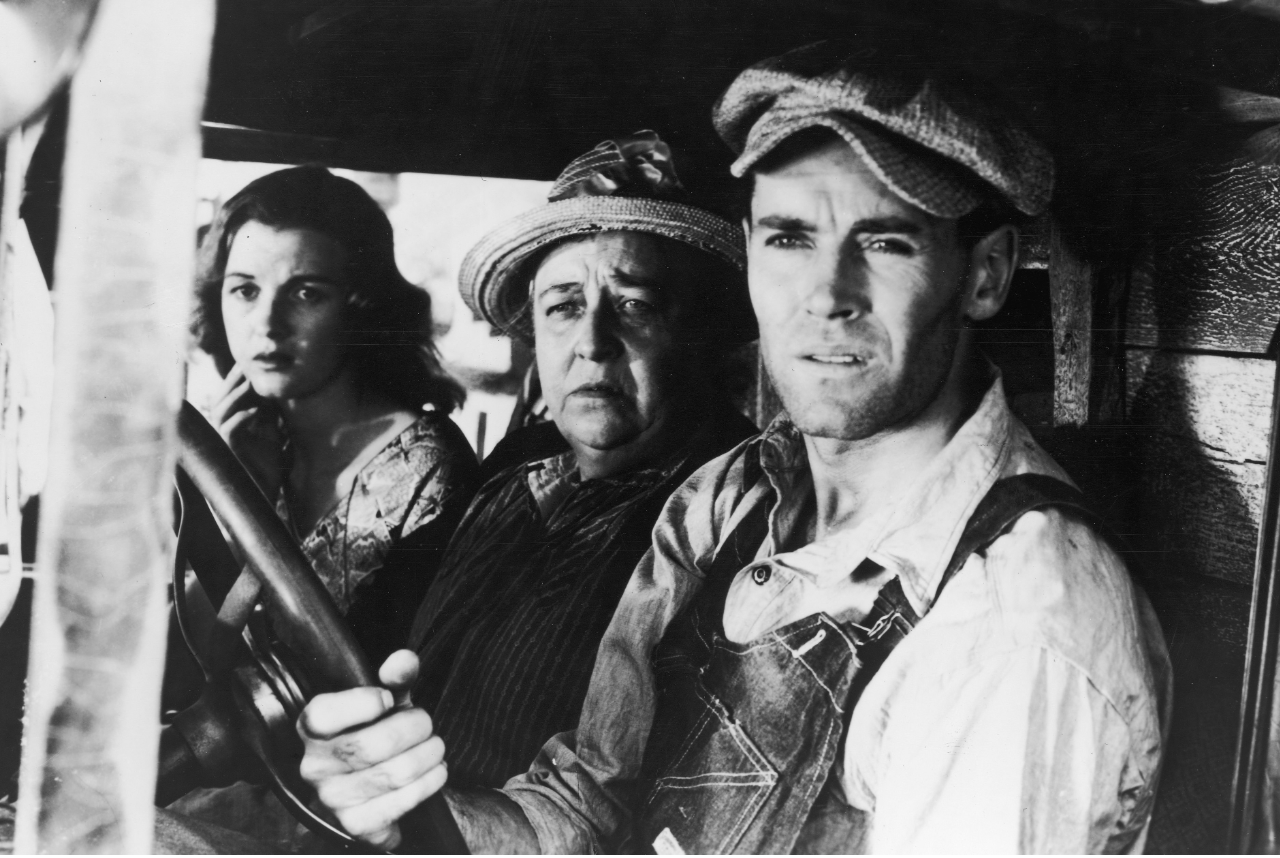
Normally I’d consider watching the movie version of a novel, but I’ll take a pass on this one. That’s because The Good Earth film of 1937 stars two white performers — Paul Muni and Luise Rainer — as Wang and O-Lan despite Buck wanting Chinese or Chinese-American performers. (Some lesser roles in the movie went to people of Asian descent.) Of course, Buck was not of Asian descent herself, but did spend many years of her childhood and adulthood in China.

Hollywood’s racist/catering-to-what-much-of-the-public-supposedly-wanted “whitewashing” of characters of color was not unusual back in the day, even as the practice continued here and there in more-recent decades.

For instance, 1994’s The House of the Spirits movie based on Isabel Allende’s terrific 1982 novel of the same name was justly criticized for having non-Hispanic actresses and actors in most of the major roles. Great performers — Meryl Streep, Glenn Close, Jeremy Irons, Winona Ryder, Vanessa Redgrave, etc. — but not the right ethnicity for the parts.

Miscasting also happened when white actor Alec Guinness played Indian character Professor Narayan Godbole in the 1984 film based on E.M. Forster’s 1924 novel A Passage to India.

In 1997, white actor Casper Van Dien was Johnny Rico in a film based on Robert A. Heinlein’s 1959 sci-fi novel Starship Troopers. In the book, the character was Juan “Johnny” Rico, of Filipino descent.

Also, Mexican-American attorney Mickey Haller from Michael Connelly’s 2005 novel The Lincoln Lawyer and its sequels was played in a 2011 movie by white actor Matthew McConaughey. This was rectified in a later TV series starring Manuel Garcia-Rulfo.

In addition, the 2003 film based on Philip Roth’s 2000 novel The Human Stain starred Anglo actor Anthony Hopkins as Professor Coleman Silk, an African American who “passes” as white.

The white Mickey Rooney played an Asian supporting character in the 1961 movie version of Truman Capote’s 1958 novella Breakfast at Tiffany’s.

Returning to the 1930s, white actor Sam Jaffe got the part of the ancient Asian “High Lama” in the Lost Horizon film (1937) based on James Hilton’s mesmerizing 1933 novel of the same name.

The King and I film (1956) based on Margaret Landon’s novel Anna and the King of Siam (1944) starred Yul Brynner, a white actor, as Asian royalty.

William Shakespeare’s character Othello has been played in movie versions by white actors such as Orson Welles (1951) and Laurence Olivier (1965). A shame that renowned African-American actor/singer/activist Paul Robeson — who memorably portrayed Othello on the stage multiple times — wasn’t invited to do a movie version. (Robeson died on January 23, 1976 — 50 years ago as of this past Friday.)

Of course, there have been some instances in recent decades where performers of color have portrayed fictional or real-life white people — including Black actor Morgan Freeman as Red in the 1994 film The Shawshank Redemption based on a Stephen King story, and Black actress Noma Dumezweni as the adult Hermione Granger in the play Harry Potter and the Cursed Child inspired by J.K. Rowling’s Harry Potter novels. This kind of casting also happened in Lin-Manuel Miranda’s blockbuster musical Hamilton and in a production of Arthur Miller’s Death of a Salesman I saw in my town about 15 years ago. I have no problem with these infrequent occurrences; I see them as compensation of sorts for white performers historically getting most of the best roles.

Your thoughts about, and examples of, this topic?

An added, somewhat-related comment: In the United States, “law enforcement” has a vile history of murdering people of color who are either innocent or committed minor infractions. Yesterday, the Trump regime’s Gestapo-like federal agent thugs added to their crimes against innocent non-white Americans by murdering a second innocent white Minnesotan this month — both of whom (Renee Nicole Good and ICU nurse Alex Pretti) tragically found themselves in the “role” of people of color victimized by out-of-control “policing.” If there is any justice, Trump as well as his sociopathic administration appointees and masked “law enforcement” goons will all end up in prison someday.

Misty the cat says: “I will only go out in the snow today if someone gifts me their Nobel Prize.”

My comedic 2024 book — the part-factual/part-fictional/not-a-children’s-work Misty the Cat…Unleashed — is described and can be purchased on Amazon in paperback or on Kindle. It’s feline-narrated! (And Amazon reviews are welcome. 🙂 )

This 90-second promo video for the book features a talking cat: 🙂

I’m also the author of a 2017 literary-trivia book

…and a 2012 memoir that focuses on cartooning and more, including many encounters with celebrities.

In addition to this weekly blog, I write the 2003-started/award-winning “Montclairvoyant” topical-humor column every Thursday for Montclair Local. The latest piece — about an upcoming special congressional election and more — is here.