Novels with a Sunshine State of Mind

A Delray Beach retirement community in 2018. (Photo by me.)

Florida! Beaches. Palm trees. Retired senior citizens. Disney World. Miami Vice. Kennedy Space Center/Cape Canaveral. Many nationally known pro and college teams in football and other sports. A once-blue but now-red state led by far-right/mean-spirited Governor Ron DeSantis. The home state of far-right/mean-spirited President Donald Trump, a New York native.

“The Sunshine State” has personal elements for me, too. After she retired, my New York-born/later-New Jersey-based mother lived in Delray Beach from the early 1990s to her death in 2018. My wife has extended family in Florida, where I also have friends. I covered conferences in Orlando, Sarasota, and Boca Raton when I was a magazine writer.

As you might expect, I’m also going to discuss Florida’s various literary connections. It’s one of the places where Ernest Hemingway lived — in Key West. The state is associated as well with novelists Zora Neale Hurston and Marjorie Kinnan Rawlings, columnists/authors Dave Barry and Carl Hiaasen, and other wordsmiths. And it’s the state where “The Wizarding World of Harry Potter” is located — a theme park inspired, of course, by the blockbuster J.K. Rowling series.

I didn’t plan this, but the last two novels I read were set a little or mostly in Florida. First there was James Leo Herlihy’s Midnight Cowboy (known more for the iconic movie), a riveting book about a down-and-out Texas hustler in New York City who ends up taking a fraught bus ride to Miami. Then I proceeded to James Michener’s Recessional, which takes a poignant and very absorbing look at a senior facility near Tampa. It was Michener’s final novel — published when he was 87 — so the author really “lived” the subject matter.

Other novels with partial or mainly Florida settings? Referencing authors already mentioned in this post, there was Zora Neale Hurston’s compelling classic Their Eyes Were Watching God starring a memorable independent woman, Marjorie Kinnan Rawling’s Pulitzer Prize-winning The Yearling featuring a boy and his fawn, and Ernest Hemingway’s fishing-boat saga To Have and Have Not.

I’ve read the columns of Dave Barry and Carl Hiaasen, and met and written about both men, but have not tried any of their books.

But I have read Rita Mae Brown’s Rubyfruit Jungle, in which the lesbian protagonist leaves Florida for more-tolerant New York City; Colson Whitehead’s The Nickel Boys, much of which is set at a problematic reform school in Florida; Joy Fielding’s Cul-de-sac, a page-turner about the families living on one suburban Florida street; John Grisham’s thriller Camino Island, in which manuscripts of F. Scott Fitzgerald play a prominent role; and Peter Straub’s Ghost Story, which — not surprisingly for a novel partly set in Florida — prominently features senior citizens in its cast.

Thoughts about and/or examples of this theme?

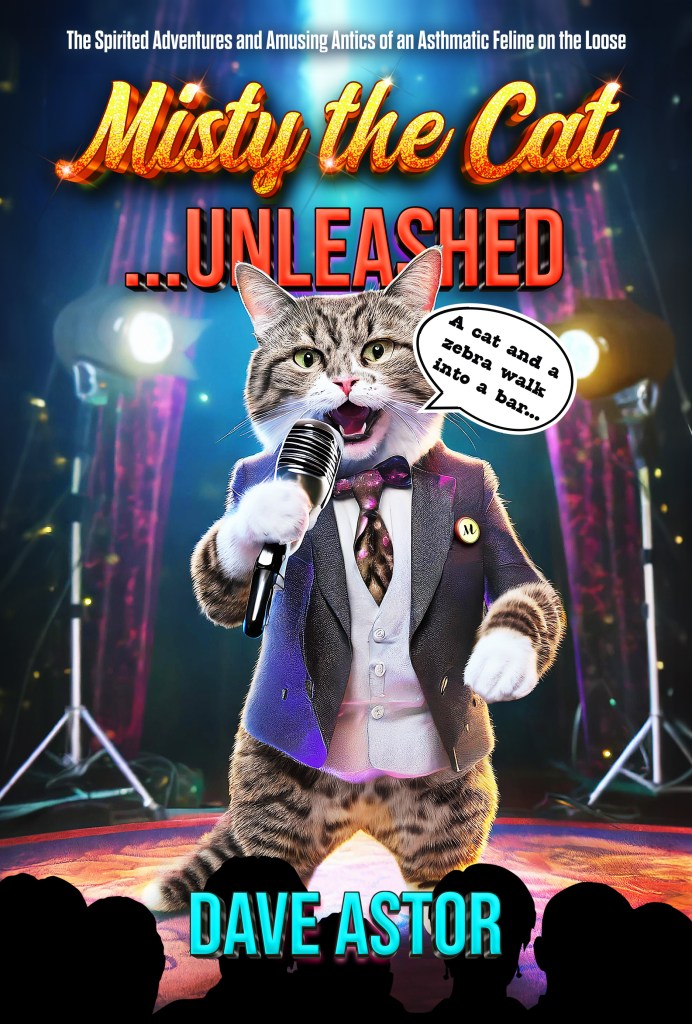
Misty the cat says: 🎵 “There’s something happening here/what it is ain’t exactly clear.” 🎵

My comedic 2024 book — the part-factual/part-fictional/not-a-children’s-work Misty the Cat…Unleashed — is described and can be purchased on Amazon in paperback or on Kindle. It’s feline-narrated! (And Amazon reviews are welcome. 🙂 )
This 90-second promo video for the book features a talking cat: 🙂

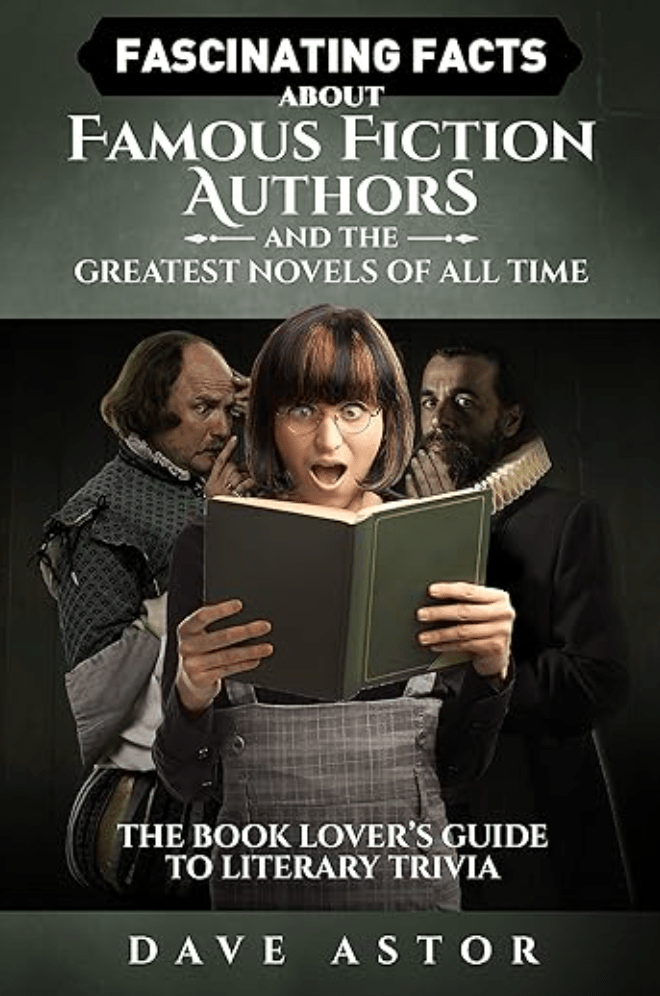
I’m also the author of a 2017 literary-trivia book

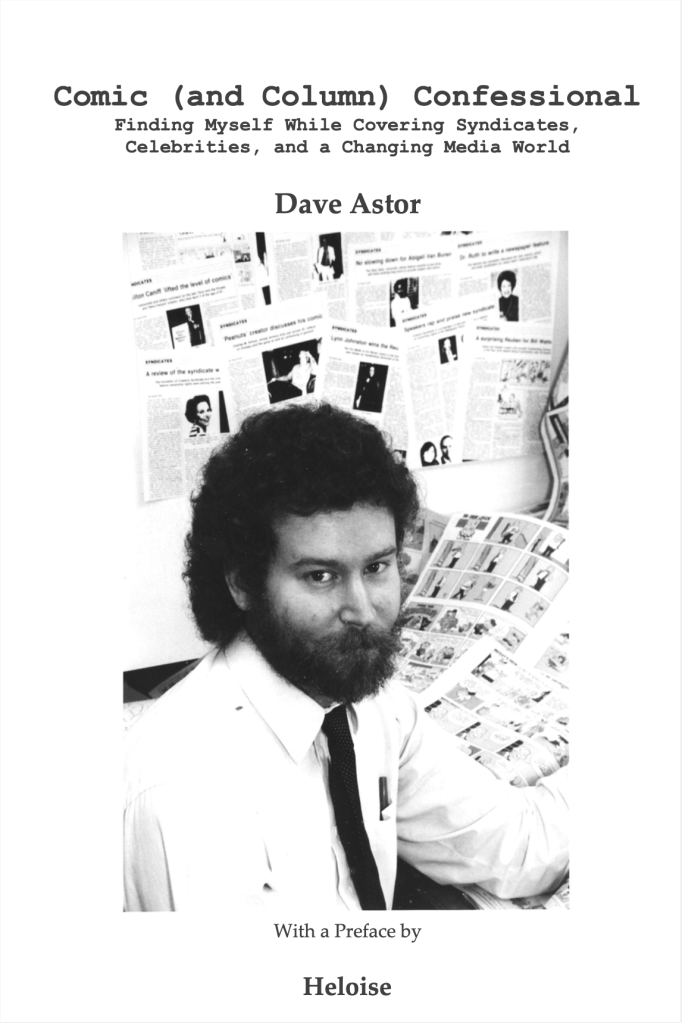
…and a 2012 memoir that focuses on cartooning and more, with many encounters with celebrities.
In addition to this weekly blog, I write the 2003-started/award-winning “Montclairvoyant” topical-humor column every Thursday for Montclair Local. The latest piece — about awful massive layoffs in my school district, upcoming elections, and more — is here.

A Novel Exploding With Themes (and Some Grenades)

As regular readers of this literature blog know, my “modus operandi” is writing themed pieces rather than, say, book reviews. Almost every time I read a novel, it gives me an idea for a theme, and then I try to remember various other novels that also fit into that theme.

Well, I just read a book that reminded me of MANY themes I’ve written about in the past. So I thought I’d go with that this week.

The novel is Tales of the South Pacific by James Michener, an author (recommended by several people credited in the comments section) I finally tried last month. Michener’s 1947 book checked off so many previously discussed themes that I decided to list ten of them, along with some other novels that fit those themes.

1. Tales is among a relatively small group of debut novels that became VERY popular bestsellers. A notable recent example: J.K. Rowling’s Harry Potter and the Sorcerer’s Stone (originally Harry Potter and the Philosopher’s Stone in England).

2. Michener is one of those authors whose first novel was published at a relatively advanced age — in his case, 40. But even that was several decades short of Harriet Doerr’s age (74) when her Stones for Ibarra debut came out.

3. Tales is among the many novels that are semi-autobiographical with a heavy dose of fictionalizing (Michener was a U.S. Navy man in the South Pacific during World War II). There have been countless other semi-autobiographical novels, but I’ll name just one: Saul Bellow’s Herzog, which I also read this month.

4. Michener’s book is one of those “fish out of water”/”culture shock” novels that place characters in unfamiliar settings — in this case, American soldiers based on South Pacific islands. Another of the numerous “fish out of water” novels is Paul Bowles’ The Sheltering Sky (Americans in North Africa).

5. Tales is among the war novels by military veterans who give readers a “you are there” feeling and don’t sugarcoat what warfare is like. Erich Maria Remarque’s All Quiet on the Western Front is one of the most obvious examples.

6. Michener’s book is among the famous novels that are edgier than many readers expect them to be. Also the case with Herman Melville’s Pierre.

7. Tales is a very multicultural book, surprisingly so for its time. A more recent novel with that welcome element: Zadie Smith’s White Teeth.

8. Tales is basically a collection of short stories that coalesce into a novel — an interesting sub-genre of fiction. Another example: Elizabeth Strout’s Olive Kitteridge.

9. Michener’s book is among the novels that have won the Pulitzer Prize. So many other excellent ones: Edith Wharton’s The Age of Innocence, John Steinbeck’s The Grapes of Wrath, Harper Lee’s To Kill a Mockingbird, Toni Morrison’s Beloved, Donna Tartt’s The Goldfinch

10. Tales is among the fictional works that inspired a production more famous than the book itself. In this case, the Broadway musical South Pacific (based on just a couple sections of Tales) and two South Pacific movies (one theatrically released and the other created for TV). Daphne du Maurier’s short story “The Birds,” made into the iconic Hitchcock film, is among the other works somewhat overshadowed by subsequent adaptations.

What are some other novels that fit into the above ten categories? Any thoughts about Michener books you may have read, as well as his authorial abilities in general? As many of you know, Michener went on to write many more books — including long, heavily researched, often geographically specific novels such as Hawaii, The Source, Centennial, Chesapeake, Space, Texas, Alaska, and Mexico.

(The box for submitting comments is below already-posted comments, but your new comment will appear at the top of the comments area — unless you’re replying to someone else.)

I’ve finished writing a book called Fascinating Facts About Famous Fiction Writers, which will probably be published during the first quarter of 2017. But I’m still selling Comic (and Column) Confessional — my often-funny memoir that recalls 25 years of covering and meeting cartoonists such as Charles Schulz (“Peanuts”) and Bill Watterson (“Calvin and Hobbes”), columnists such as “Dear Abby” and Ann Landers, and other notables such as Coretta Scott King, Walter Cronkite, and various authors. The book also talks about the malpractice death of my first daughter, my remarriage, and life in Montclair, N.J. — where I write the award-winning weekly “Montclairvoyant” humor column for The Montclair Times. You can email me at dastor@earthlink.net to buy a discounted, inscribed copy of the book, which contains a preface by “Hints” columnist Heloise and back-cover blurbs by people such as “The Far Side” cartoonist Gary Larson.Â