Fictional Characters Inspired by Real-Life People

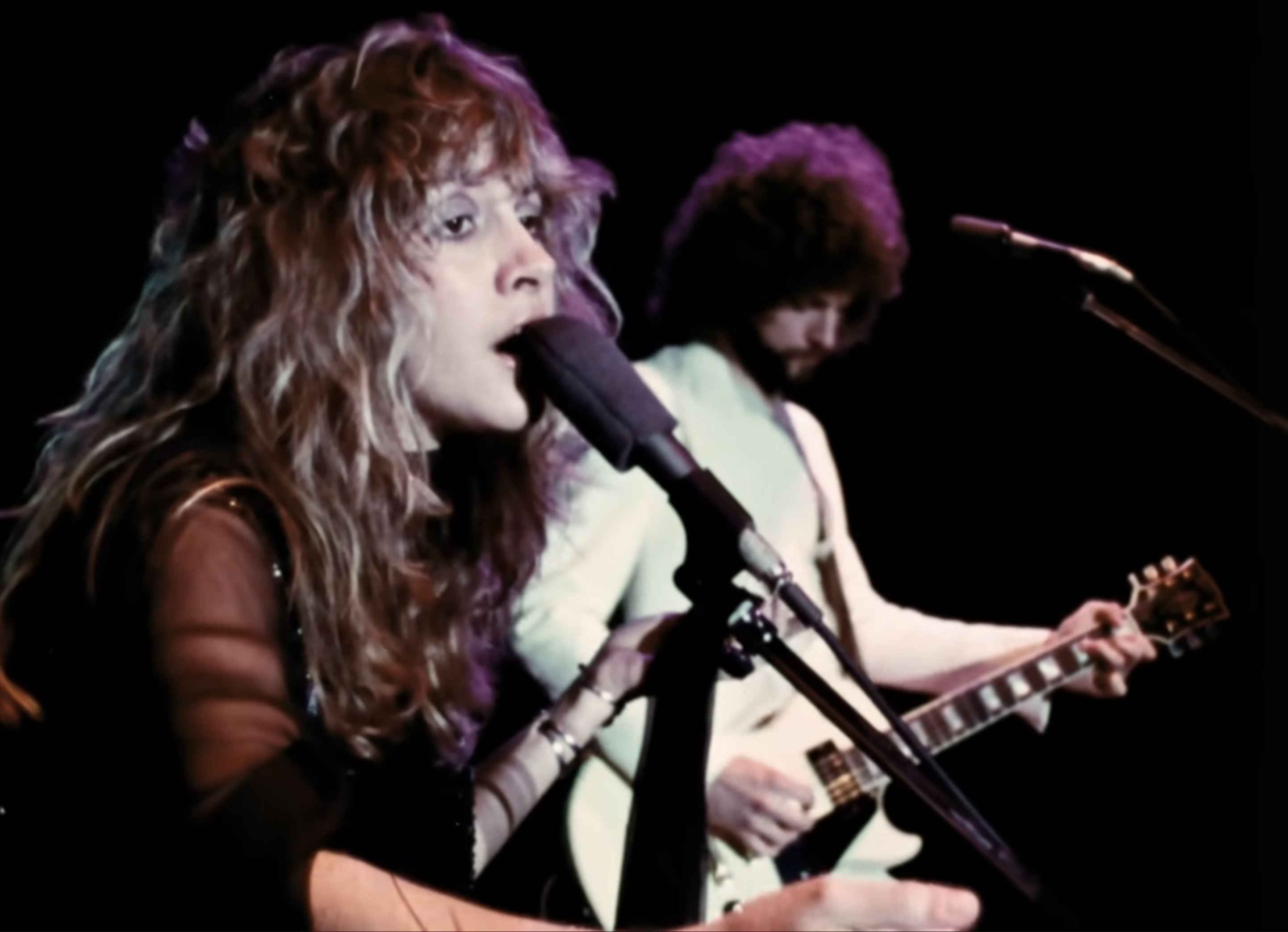
Fleetwood Mac’s Stevie Nicks (left) and bandmate Lindsey Buckingham in the official video for the Nicks-written 1977 song “Dreams.” (Screenshot by me.)

Fiction is of course not always totally fiction. One example of that is when authors create characters inspired by real-life people, even if those fictional characters are often different in significant ways. 

This approach can certainly be compelling for readers as they look for the similarities and differences between the created people and the actual people – and wait to see where authors take these hybrid humans. Also, authors are helped by having a factual template for creating fictional characters.
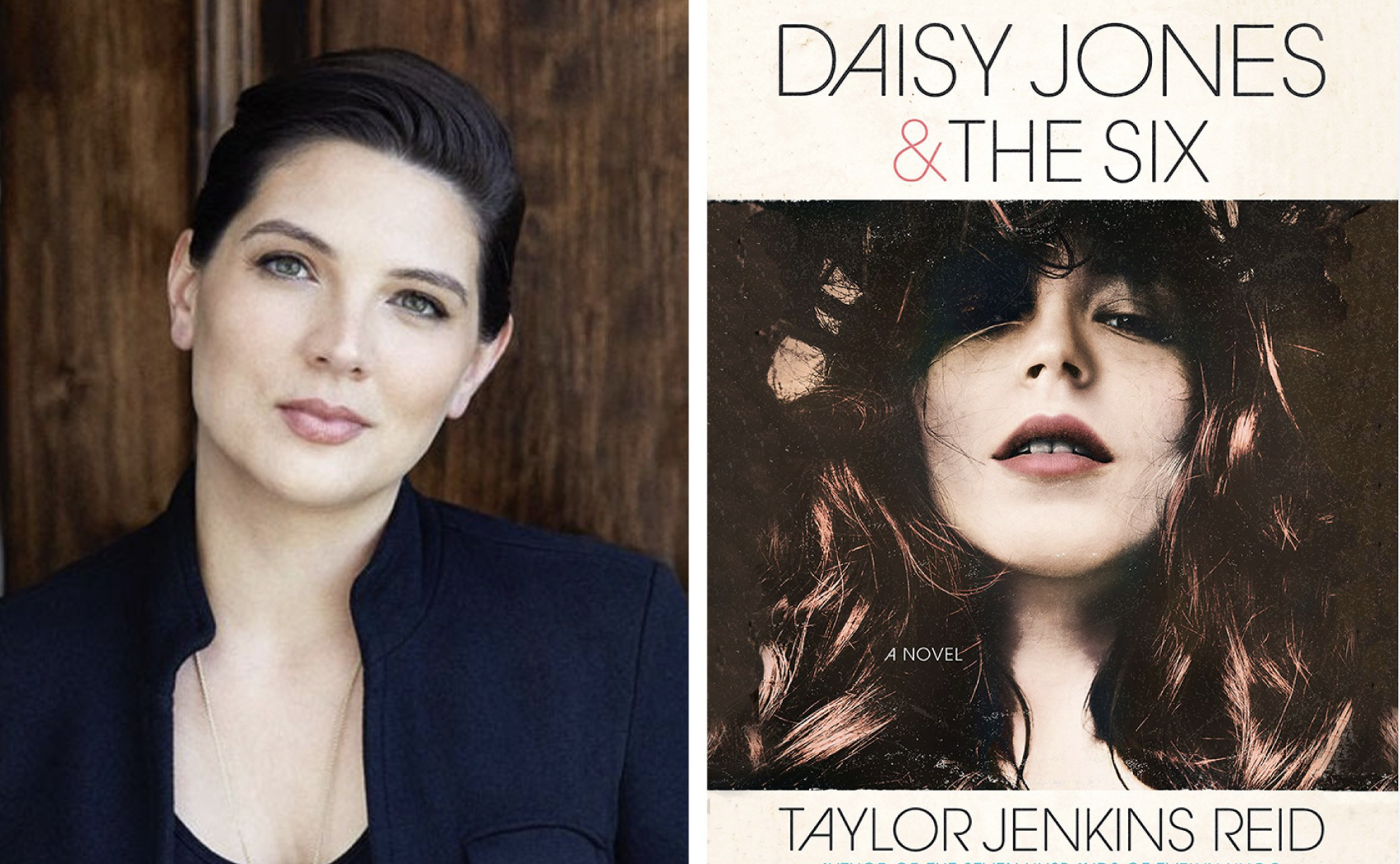
Taylor Jenkins Reid (above) took that approach in her 2019 novel Daisy Jones & The Six, which I read last week, about a fictional mega-popular 1970s band inspired by the real-life Fleetwood Mac. Daisy has some similarities to Stevie Nicks, an FM singer-songwriter, while Six member Billy Dunne has aspects of Lindsey Buckingham, another FM singer-songwriter as well as the band’s guitarist.

But there are differences. For instance, Nicks and Buckingham were real-life romantic partners before their breakup, while Daisy and Billy’s relationship has a different dynamic. Also, Daisy and Billy co-write a number of songs amid their love-hate feelings for each other, while Nicks and Buckingham each mostly composed their songs solo.

Another Six member is keyboardist Karen Sirko, loosely based on late Fleetwood Mac keyboardist/singer/songwriter Christine McVie. But, again, various differences between the two. 

A much different novel, All the King’s Men (1946) by Robert Penn Warren, stars a charismatic populist governor — Willie Stark – who begins as an idealist but ends up corrupt. Stark was clearly inspired by real-life Louisiana politician Huey Long.

F. Scott’s Fitzgerald’s 1925 classic The Great Gatsby includes several characters modeled on real-life people. Daisy Buchanan was inspired by socialite/heiress Ginevra King – a longtime romantic obsession of the author. And fictional Daisy’s fictional golfer friend Jordan Baker was based on Ginevra’s golfer friend Edith Cummings.

Three years later, Aldous Huxley’s 1928 novel Point Counter Point included the character of Mark Rampion as a D.H. Lawrence type.

In Harper Lee’s To Kill a Mockingbird (1960), Atticus Finch was inspired by the author’s attorney father Amasa Lee. And the young Scout Finch’s friend Dill Harris was based on Harper Lee’s childhood pal Truman Capote, the future author.

Looking to real-life people for novelistic inspiration of course predates 1900.

The title character in Bram Stoker’s 1897 novel Dracula was partly inspired by 15th-century Romanian prince Vlad the Impaler.

In Mary Shelley’s 1826 novel The Last Man, there are characters based on Percy Bysshe Shelley (the author’s late husband by that time) and Lord Byron.

Of course, authors often create characters who are like themselves – as was the semi-autobiographical case with the aforementioned Scout Finch (Harper Lee as a kid), The Last Man’s Lionel Verney (Mary Shelley gender-switched), My Antonia’s Jim Burden (Willa Cather also gender-switched), The Mill on the Floss’ Maggie Tulliver (based on George Eliot), Little Women’s Jo March (based on Louisa May Alcott), David Copperfield‘s title character (whose name flips Charles Dickens’ initials), Martin Eden‘s title character (whose initials spell “me” for author Jack London), etc.

Comments about, and examples of, this theme?

Misty the cat says: “Two more foundations and we’ll have Isaac Asimov’s ‘Foundation Trilogy.'”

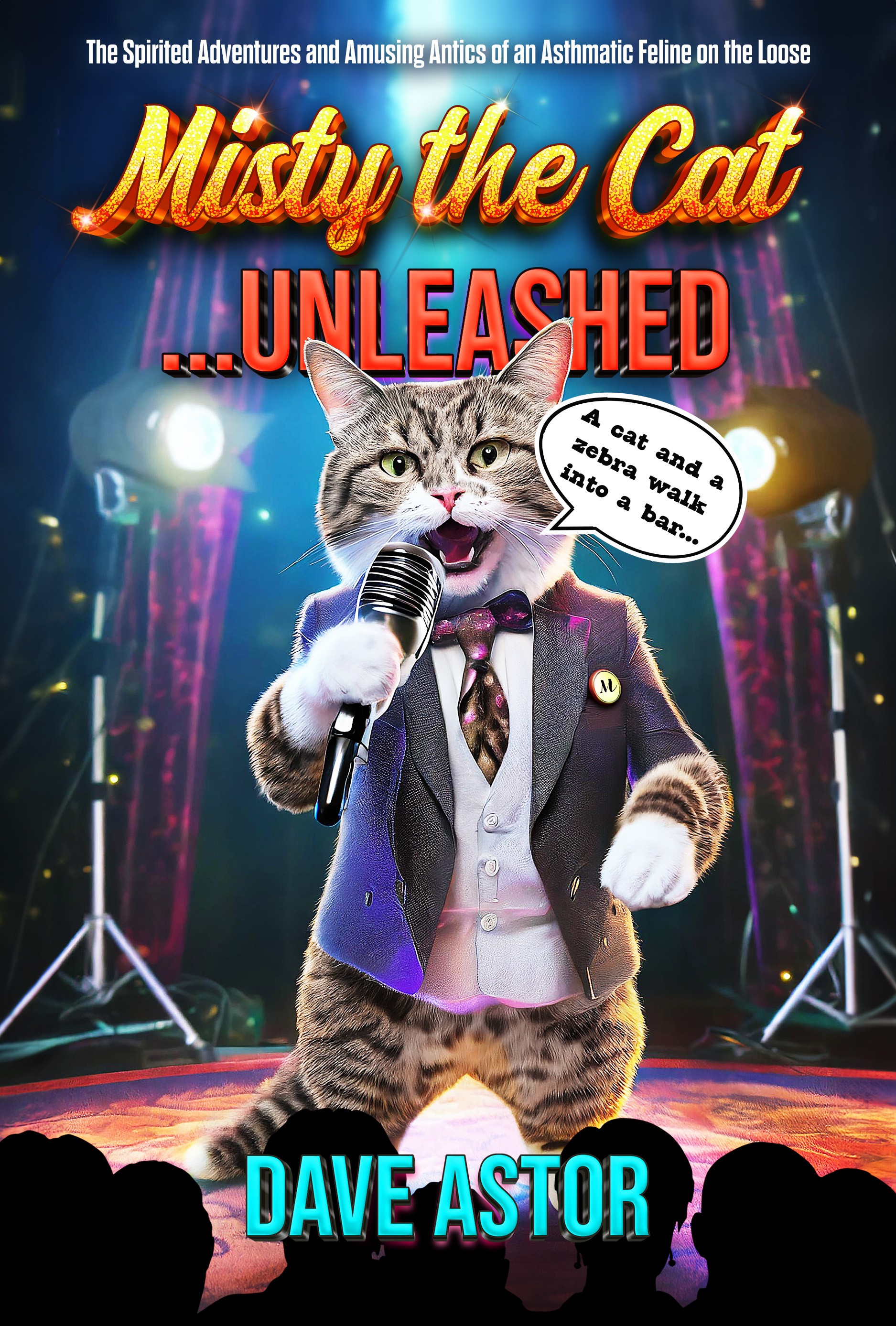
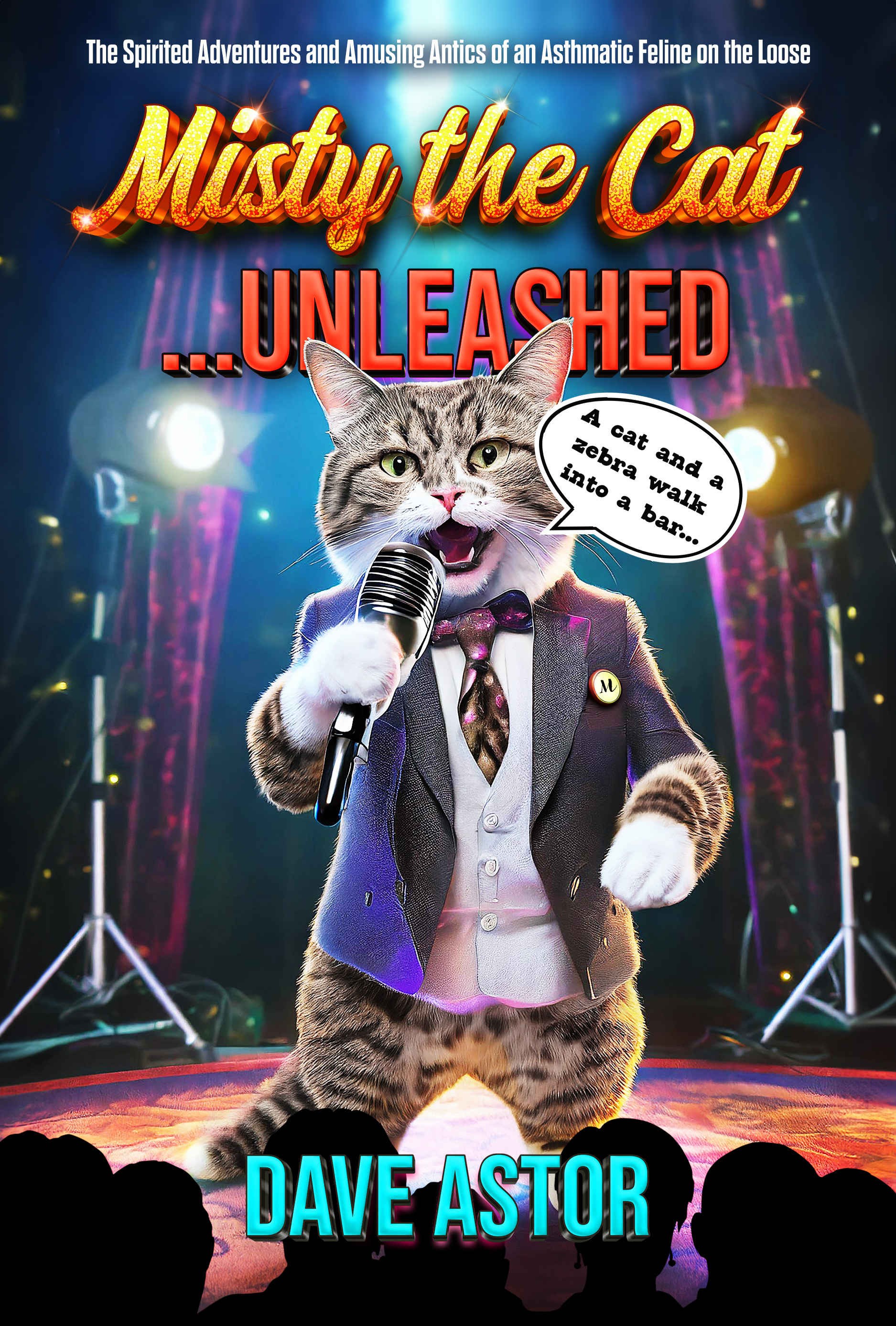
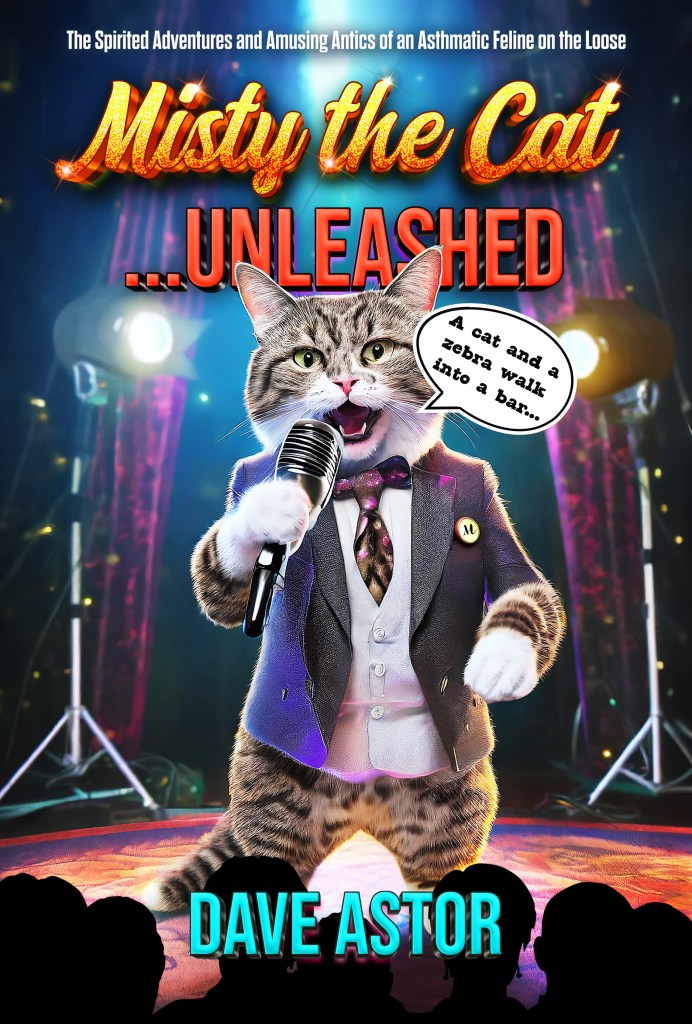
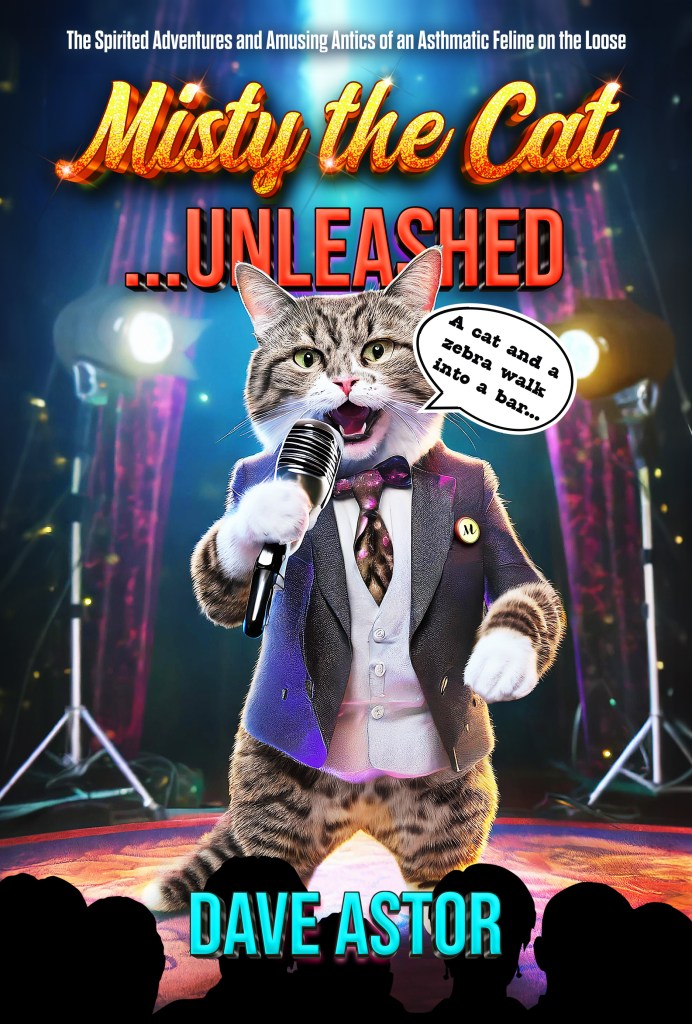
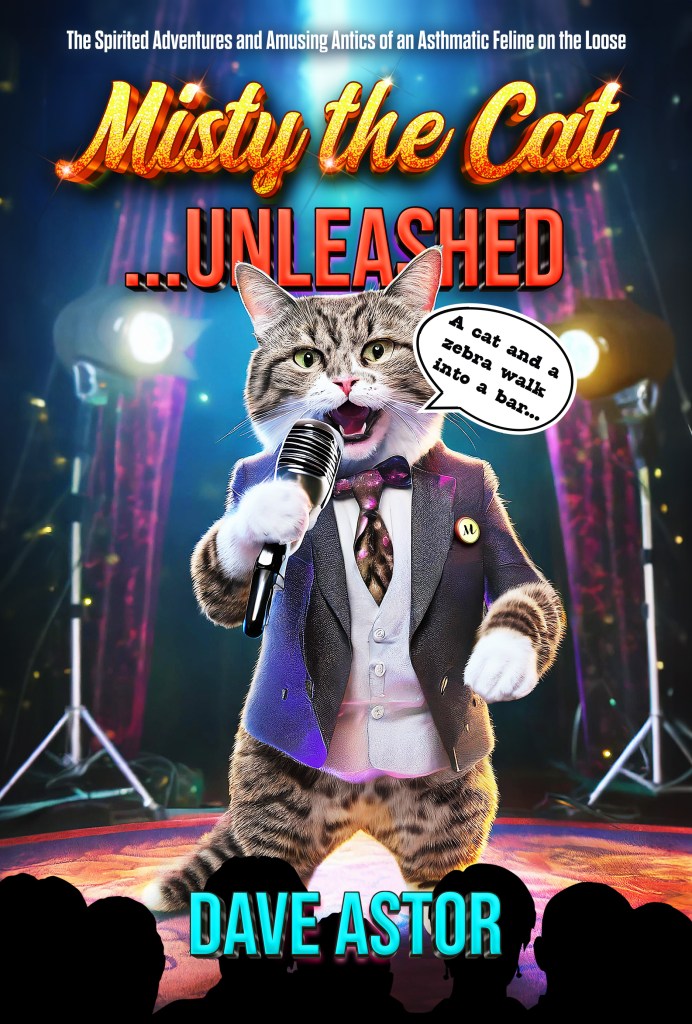
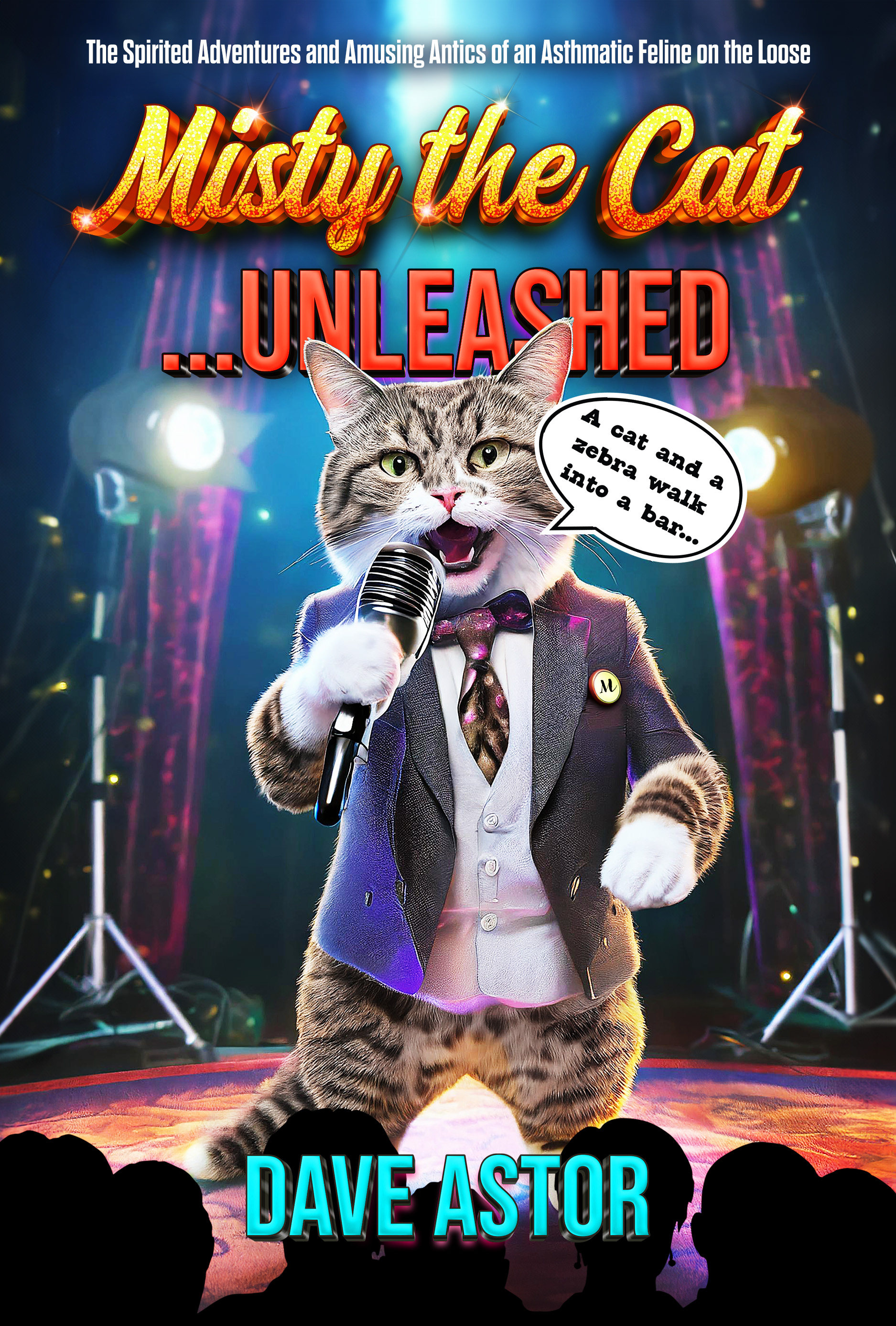
My comedic 2024 book — the part-factual/part-fictional/not-a-children’s-work Misty the Cat…Unleashed — is described and can be purchased on Amazon in paperback or on Kindle. It’s feline-narrated! (And Amazon reviews are welcome. 🙂 )
This 90-second promo video for the book features a talking cat: 🙂

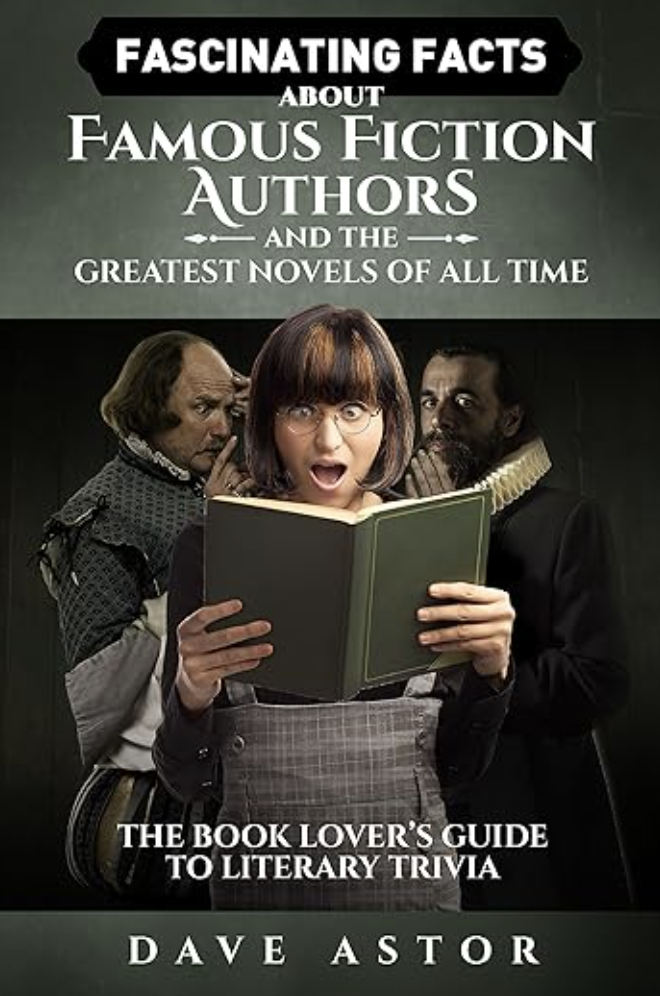
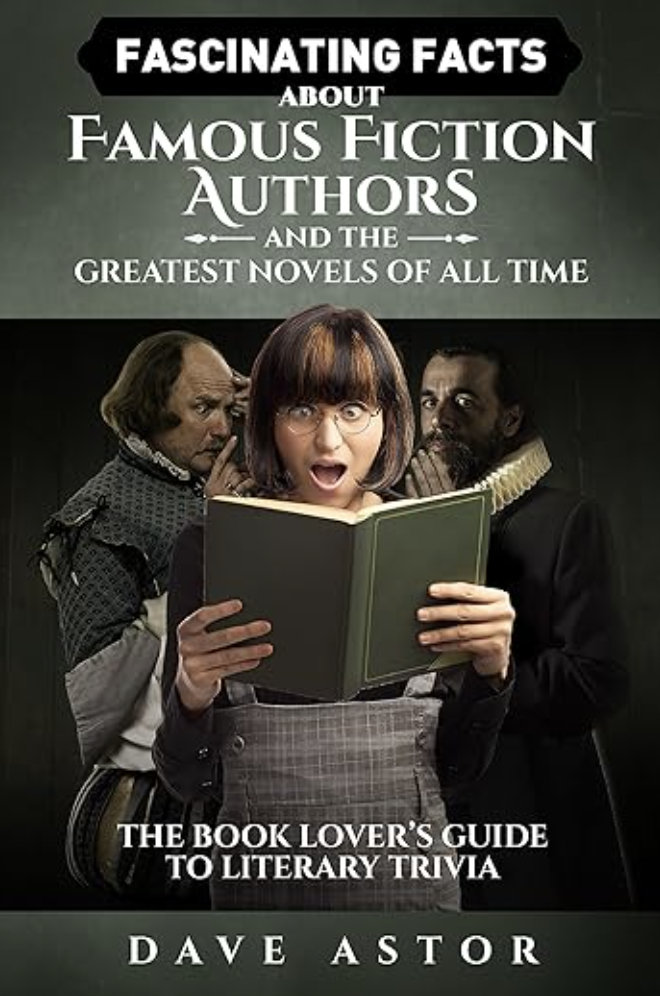
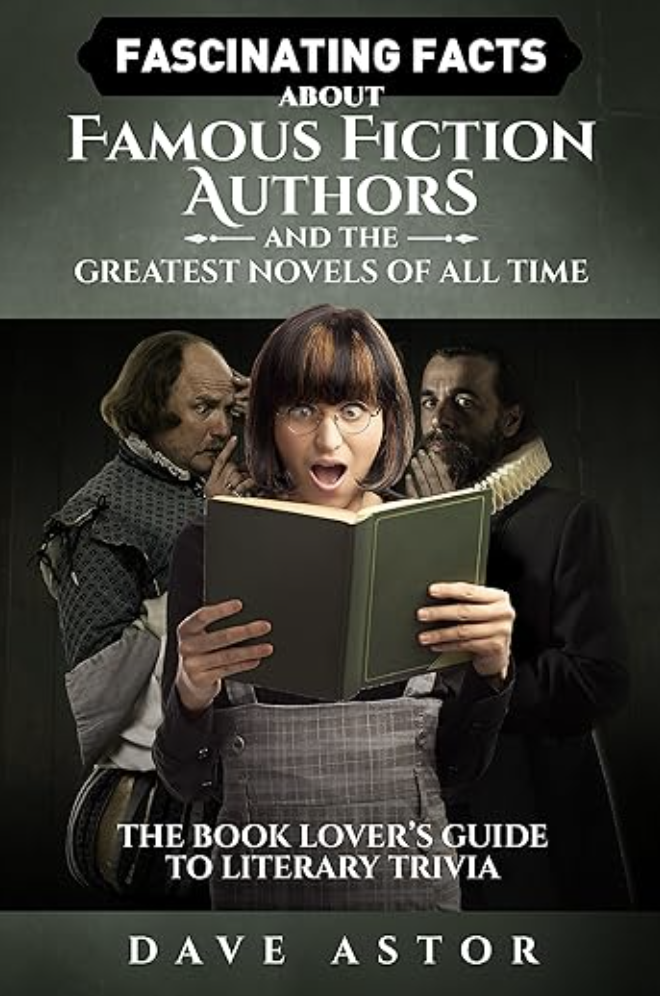
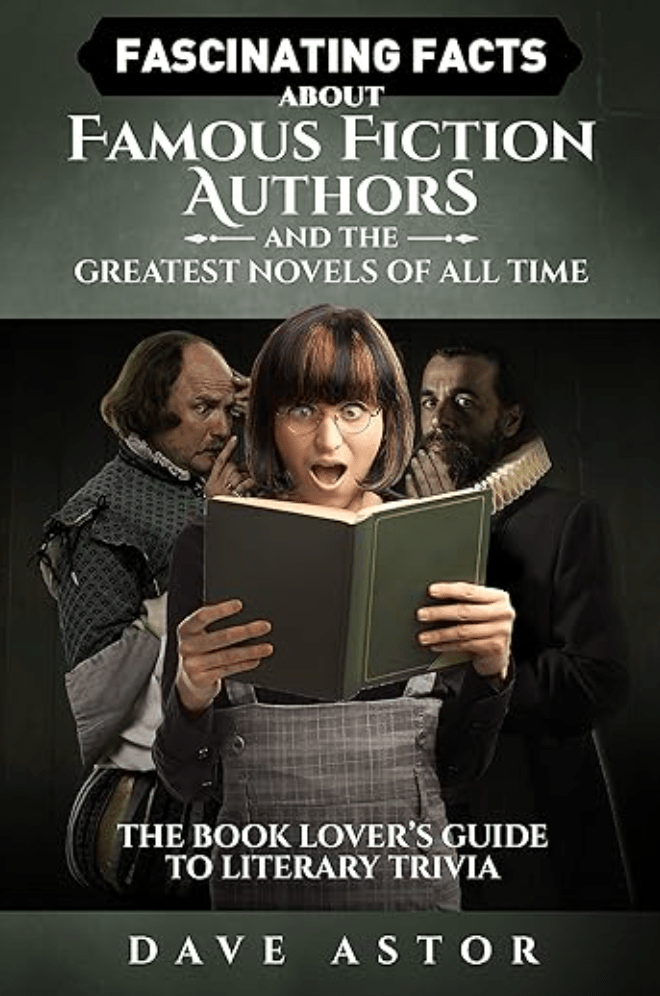
I’m also the author of a 2017 literary-trivia book

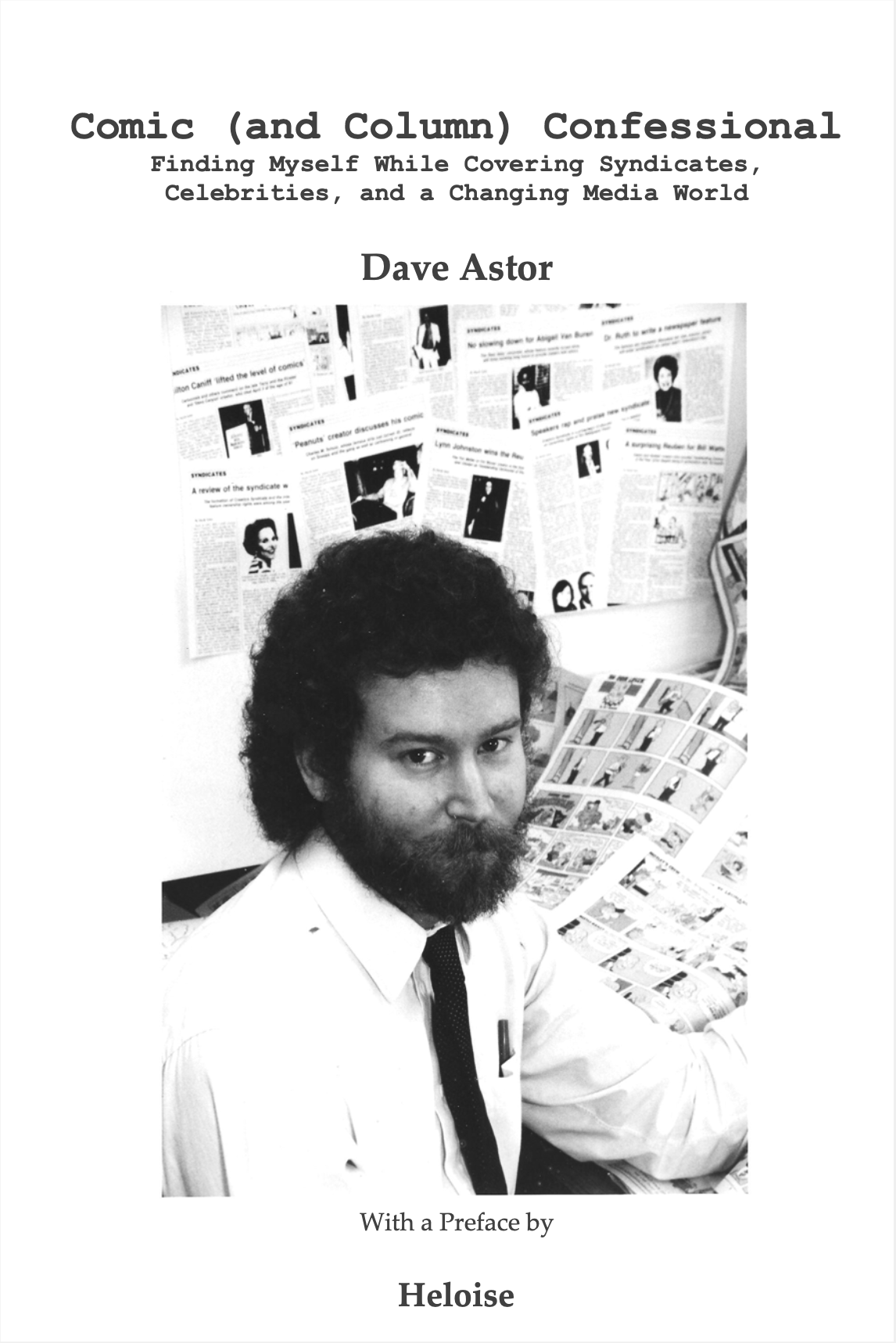
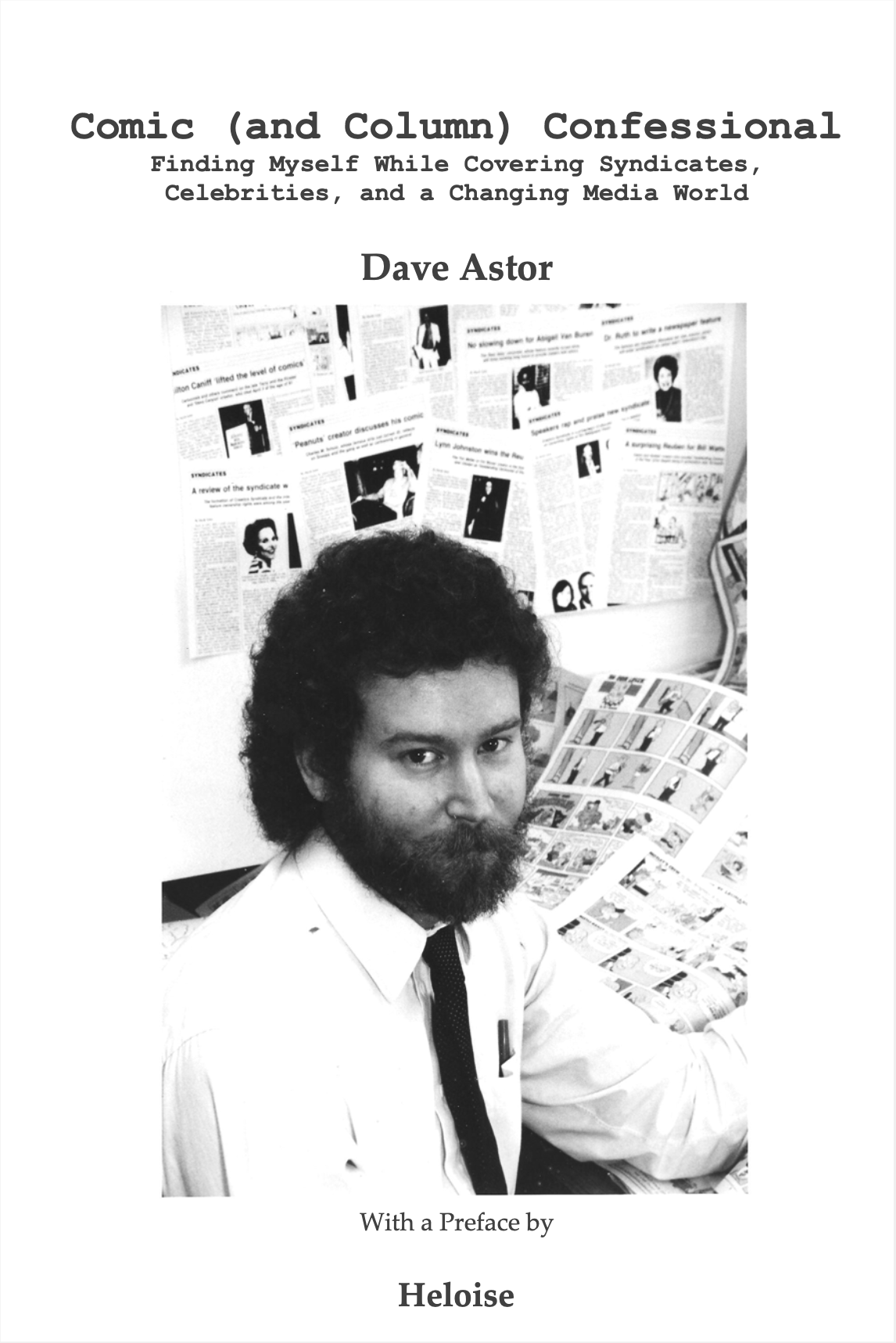
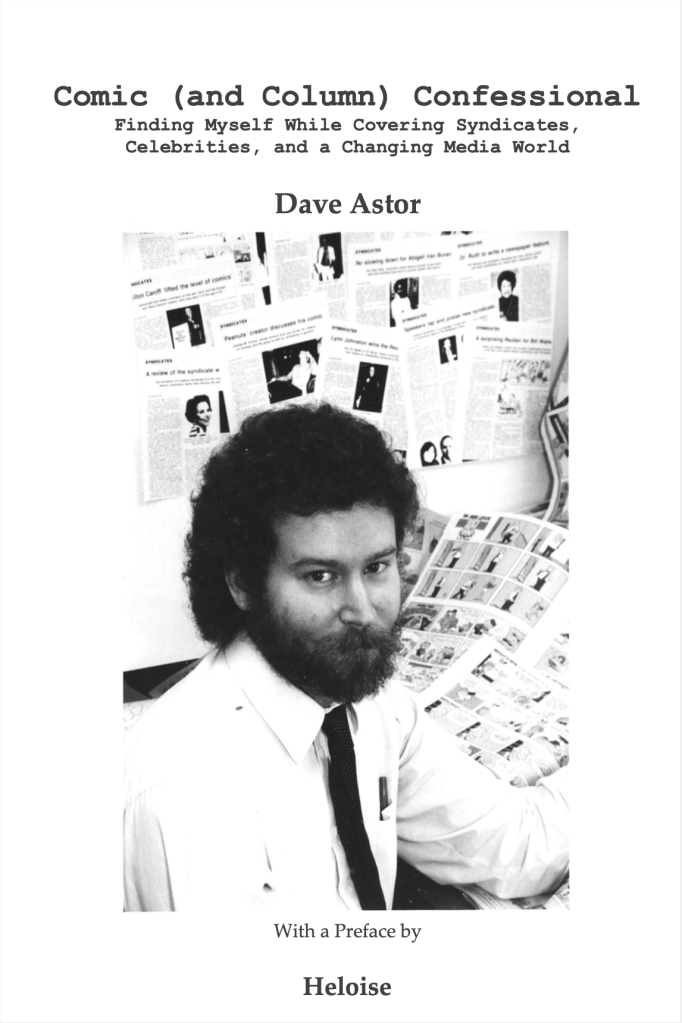
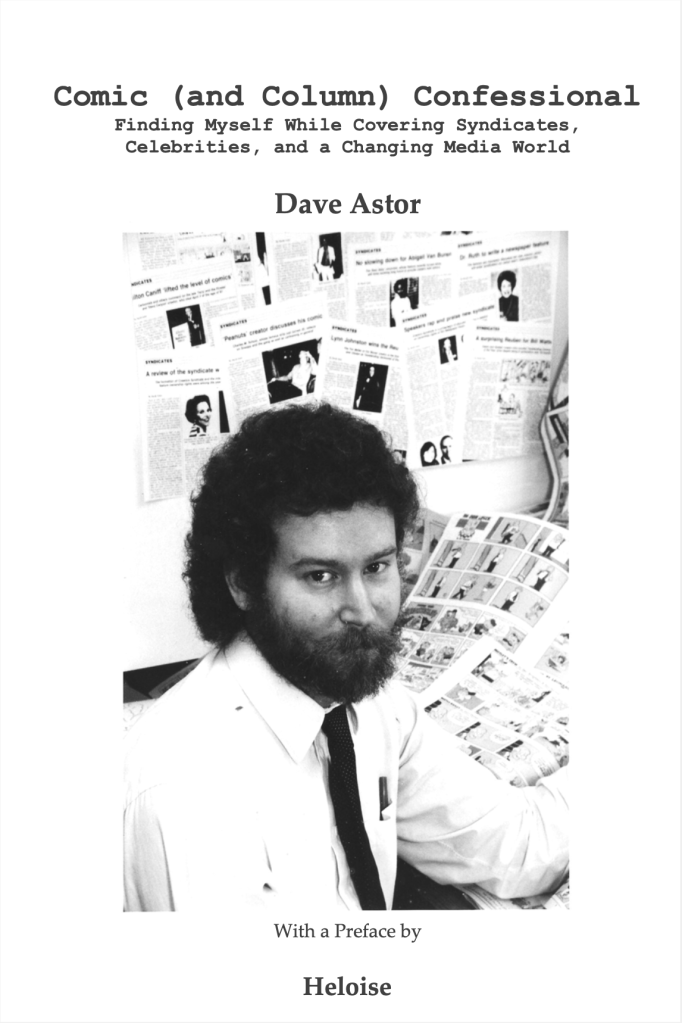
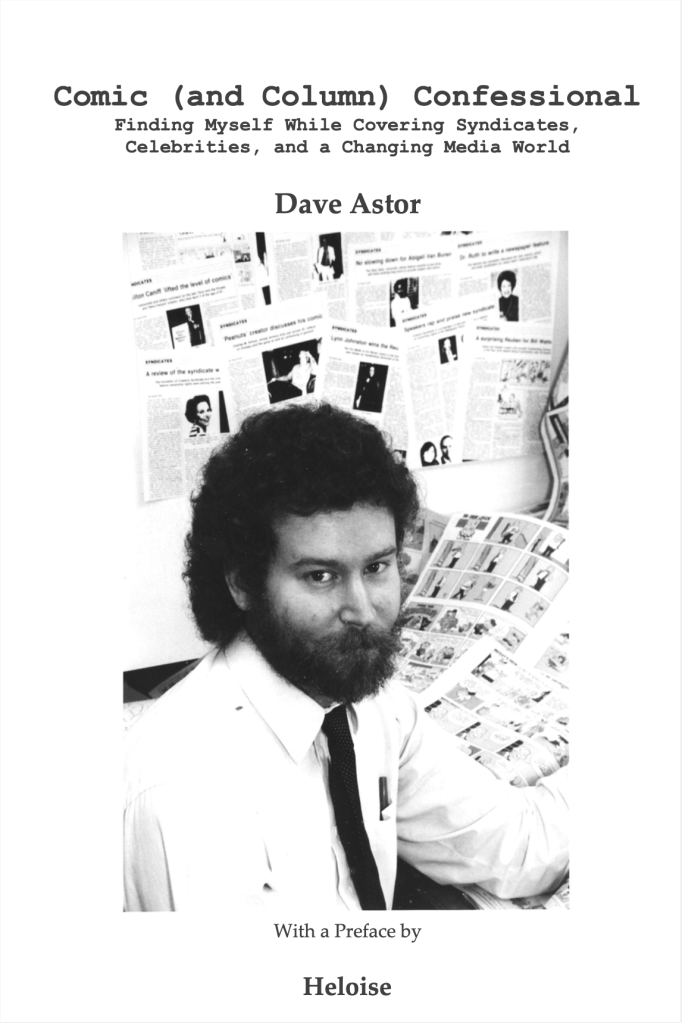
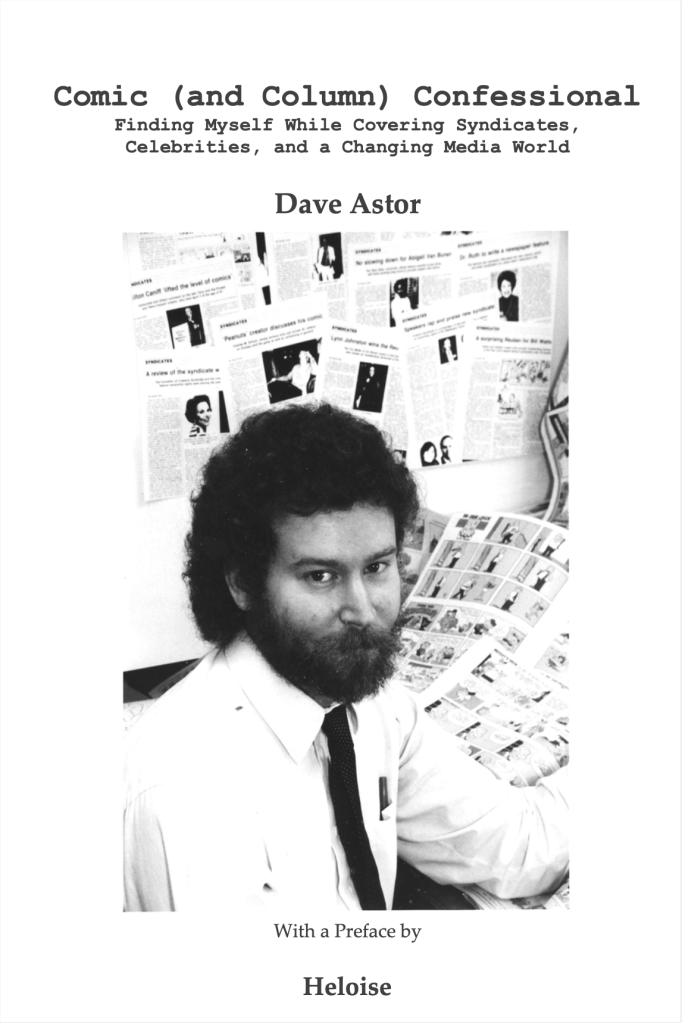
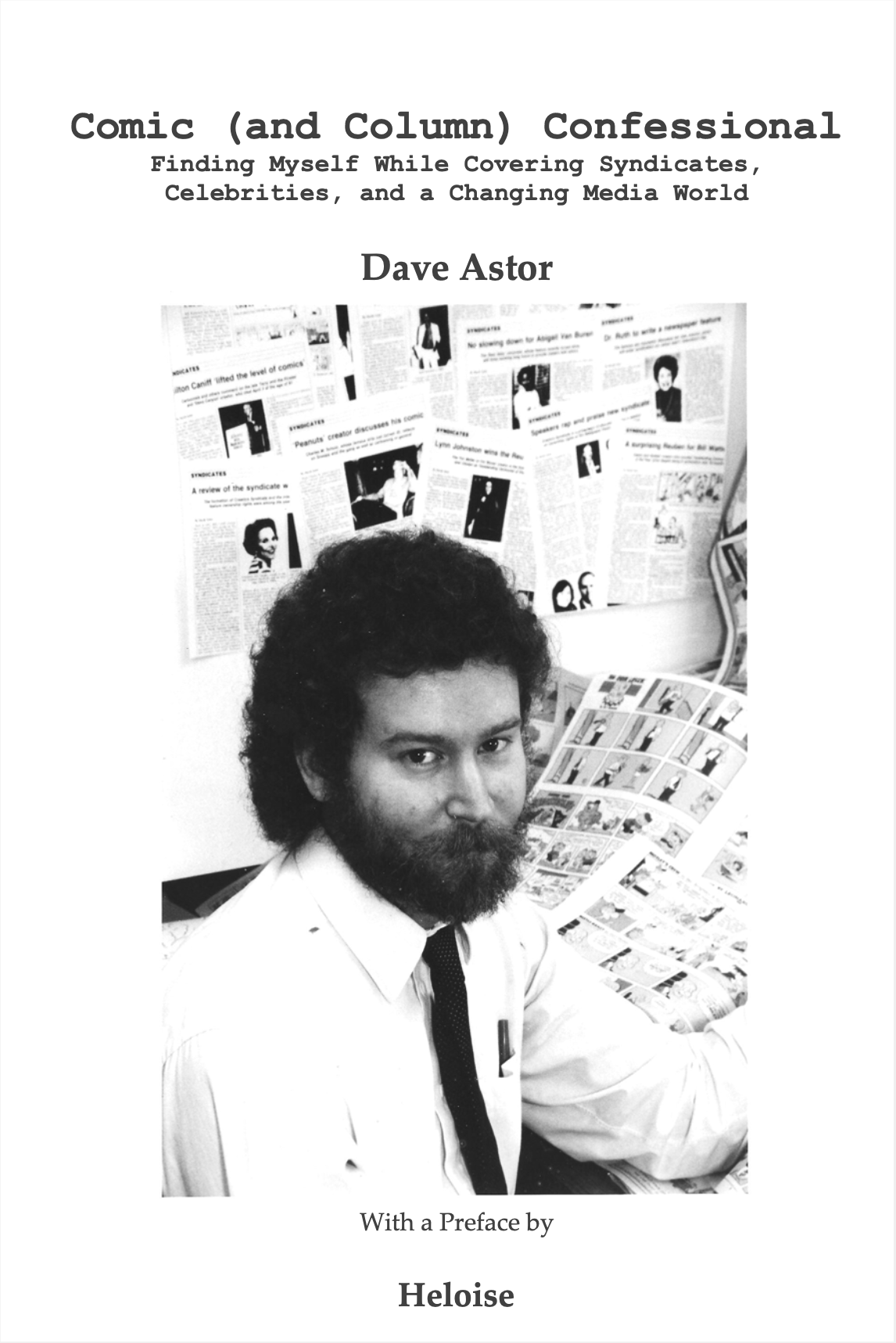
…and a 2012 memoir that focuses on cartooning and more, including many encounters with celebrities.
In addition to this weekly blog, I write the 2003-started/award-winning “Montclairvoyant” topical-humor column every Thursday for Montclair Local. The latest piece – about my town’s welcome pulling of $91.1 million from a bank supporting cruel privately run immigrant detention centers — is here.

When Entertainers Enter Novels

The French author Colette (1873-1954).

Among the memorable characters in literature are entertainers: actors, actresses, singers, musicians, etc.

Many dramatic possibilities with these fictional “show biz” people — including creative highs and lows, how they handle fame or lack of fame, how they handle wealth (if wealthy), how they deal with loneliness on the road, and so on. These characters might be flamboyant, charismatic, egotistic, shallow, surprisingly decent, beloved, wedded to their work at the expense of relationships…

I thought about all that last week as I read The Parasites, a lesser-known novel by Daphne du Maurier. The absorbing 1949 book focuses on three siblings – intermittently depicted as kids and as adults – whose self-centered parents were acclaimed stage performers. Two of those siblings become performers themselves (one’s an actress and the other is a pianist who composes fluffy, very popular songs) and they are spoiled/often-irresponsible sights to behold.

More novels I’ve read with performers at the center or as notable supporting characters? One of them is Colette’s semi-autobiographical The Vagabond (1910), about an independent-minded divorcee who becomes a music-hall dancer to support herself. I’ve read most of Colette’s novels, and I think this is her best.

Also semi-autobiographical is Charles Bukowski’s Hollywood (1989), a fictionalized/satirical version of the author’s experiences as a screenwriter for the 1987 film Barfly starring Mickey Rourke and Faye Dunaway.

Then there’s The Song of the Lark (1915), a poignant Willa Cather novel about an ambitious young woman from a small town who becomes a famous opera singer — and the joys and sacrifices that went along with that.

Ann Patchett’s Bel Canto features an opera singer, too. In the 2001 novel, that singer and others are taken hostage during a private concert she’s giving for bigwigs.

A significant supporting player in Jonathan Franzen’s Freedom (2010) is a rock musician who was a college friend of one of the novel’s two main characters and later has a brief affair with that friend’s wife (the book’s other co-star).

Also in the secondary character realm is the teen Hollywood actress who becomes infatuated with the married male protagonist in F. Scott Fitzgerald’s Tender Is the Night (1934). Another semi-autobiographical novel.

The protagonist in Tom Perrotta’s The Wishbones (1997) is a musician in a New Jersey wedding band trying to decide between being with a fairly conventional New Jersey woman or a more “hip”/edgy New York City woman.

Wilkie Collins’ 1862 novel No Name includes a character whose acting skills from her theatrical career come in handy when navigating an unusual family crisis.

While the main character in Walker Percy’s The Moviegoer (1961) is a film-watching stockbroker rather than an entertainer, I feel that novel deserves an honorable mention here.

I’ll add that some writers of novels have been actors/actresses or worked in other parts of the entertainment world — including Fannie Flagg, Thomas Tryon, Steve Martin, and David Duchovny, to name four.

Thoughts about, and examples of, today’s theme?

Misty the cat says: “Here’s where ‘Singin’ in the Rain’ was filmed, but I didn’t hear any singing.”

My comedic 2024 book — the part-factual/part-fictional/not-a-children’s-work Misty the Cat…Unleashed — is described and can be purchased on Amazon in paperback or on Kindle. It’s feline-narrated! (And Amazon reviews are welcome. 🙂 )

This 90-second promo video for the book features a talking cat: 🙂

I’m also the author of a 2017 literary-trivia book

…and a 2012 memoir that focuses on cartooning and more, including many encounters with celebrities.

In addition to this weekly blog, I write the 2003-started/award-winning “Montclairvoyant” topical-humor column every Thursday for Montclair Local. The latest piece — which comments on a not-needed name change for a future park, my town’s hopeful divestment from a bank helping to fund cruel federal immigration detention centers, and another hiring of a high-paid administrator in a school district (mine) where teachers have been laid off — is here.

What Is So Rare as a Cat Post in June?

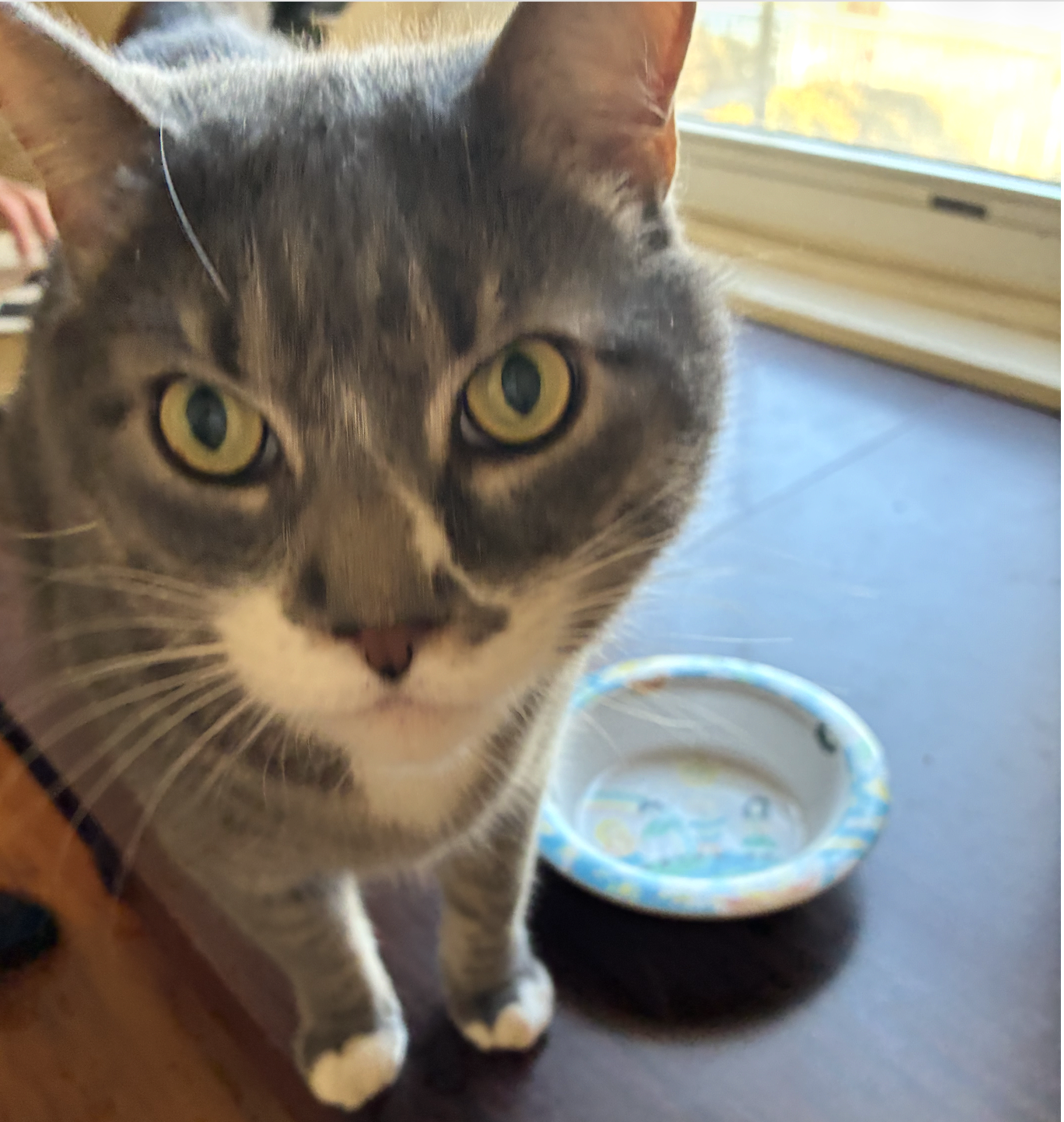
SO ready for my close-up. (Photo by some human.)

I, Misty the cat, am back for my every-two-month guest blog post — this time starting with a book-related complaint. Is my beef the fact that few males in literature are as handsome as my feline self? Well, that’s an issue, but my complaint actually involves libraries not always having every book in a series — causing me to slap photos of not-there novels on milk cartons under the word MISSING.

Sure, I realize some of those novels are being borrowed by library users, but my cat intuition suspects that in other cases the whole series were not ordered by acquisitions departments. If Amnesty International didn’t have infinitely more important things to do, they’d investigate.

I most recently wrestled with missing-book syndrome after looking several times for Y Is for Yesterday, the 25th and final installment of Sue Grafton’s wonderful series of alphabet mysteries (the author unfortunately died before authoring Z). I decided not to write 25 strongly worded…letters.

Then, after reading Peter May’s riveting thriller The Blackhouse and its equally intense sequel The Lewis Man (unexpectedly not about Jerry Lewis in The Nutty Professor), I returned to the library several times with hopeful tail in air looking for the third installment: The Chessmen. But it was never there. Not even a single cheap plastic pawn, rook, or bishop. Sure, I could try to get on a waiting list (if my local library had those books) or do the interlibrary loan thing, but I have so many books on my to-read list that I just ended up borrowing other novels. After briefly sobbing for multiple days.

During my last library visit vainly seeking The Chessmen, I randomly chose a different Peter May novel called Lockdown. Didn’t like it at all; I abandoned the book after struggling through nearly 100 pages — though I kindly gave the library some clues about where I had abandoned said book. (Hint: it’s buried near where labor leader Jimmy Hoffa disappeared in 1975.) Even the best authors can write the occasional clunker, and their prison terms for doing so tend to be only several years.

More clunkers by otherwise excellent authors who are not cats like me? Stephen King’s Cell, Kristin Hannah’s Fly Away, Willa Cather’s Sapphira and the Slave Girl, and Jack London’s A Daughter of the Snows, to name four. I’d love to see what’s in the parent-name boxes on that snow daughter’s birth certificate.

Nary a clunker among George Eliot’s big-five novels published in this chronological order: Adam Bede, The Mill on the Floss, Silas Marner, Middlemarch, and Daniel Deronda. Oddly, Mary Ann Evans wrote the same five novels — meaning she and Eliot may have been smoking noms de plume.

Daniel Deronda reminds me — the intermittently meowing Misty — that many fictional works have alliterative titles: Black Beauty (Anna Sewell), Captains Courageous (Rudyard Kipling), Cat’s Cradle (Kurt Vonnegut), Golden Girl (Elin Hilderbrand), Gone Girl (Gillian Flynn), Make Me (Lee Child), Marjorie Morningstar (Herman Wouk), Nicholas Nickleby (Charles Dickens), Perestroika in Paris (Jane Smiley), Peter Pan (J.M. Barrie), Rob Roy (Walter Scott), The Cuckoo’s Calling (J.K. Rowling), The Custom of the Country (Edith Wharton), The Great Gatsby (F. Scott Fitzgerald), The Master and Margarita (Mikhail Bulgakov), The Boys from Biloxi (John Grisham), The Plains of Passage (Jean M. Auel), etc. Oh, and Crime and Crunishment.

What does “crunishment” mean? I think it has something to do with being bombarded by croutons.

It’s June and the sun is often out, so I would like to conclude this post with some novels that have “Sun” in their titles. The Sun Also Rises, of course, which I feel is overrated Hemingway — although he was a big fan of never-overrated cats. Half of a Yellow Sun by Chimamanda Ngozi Adichie. Klara and the Sun by Kazuo Ishiguro. A Thousand Splendid Suns by Khaled Hosseini. And so on. I, Misty the cat, do not live in “The House of the Rising Sun” but instead dwell in “The Apartment of the Rising Sun” — from which I emerge every morning for my daily leashed walk to do more reading: STOP signs, street signs, graffiti, license plates, T-shirt logos, and the occasional plane skywriting “Where’s the final alphabet mystery?”

My human Dave will reply to all comments because “crunishment” is not a word.

Misty the cat says: “I’m inches from garden-bag greatness.”

My (and Dave’s) comedic 2024 book — the part-factual/part-fictional/not-a-children’s-work Misty the Cat…Unleashed — is described and can be purchased on Amazon in paperback or on Kindle. It’s feline-narrated! (And Amazon reviews are welcome. 🙂 )


This 90-second promo video for the book features a talking cat: 🙂

Dave is also the author of a 2017 literary-trivia book

…and a 2012 memoir that focuses on cartooning and more, including many encounters with celebrities.

In addition to this weekly blog, Dave writes the 2003-started/award-winning “Montclairvoyant” topical-humor column every Thursday for Montclair Local. The latest piece — with primary election results, a governor’s mixed reaction to protests against an awful immigrant detention center, and more — is here.

1930s Novels Remind Us of Today

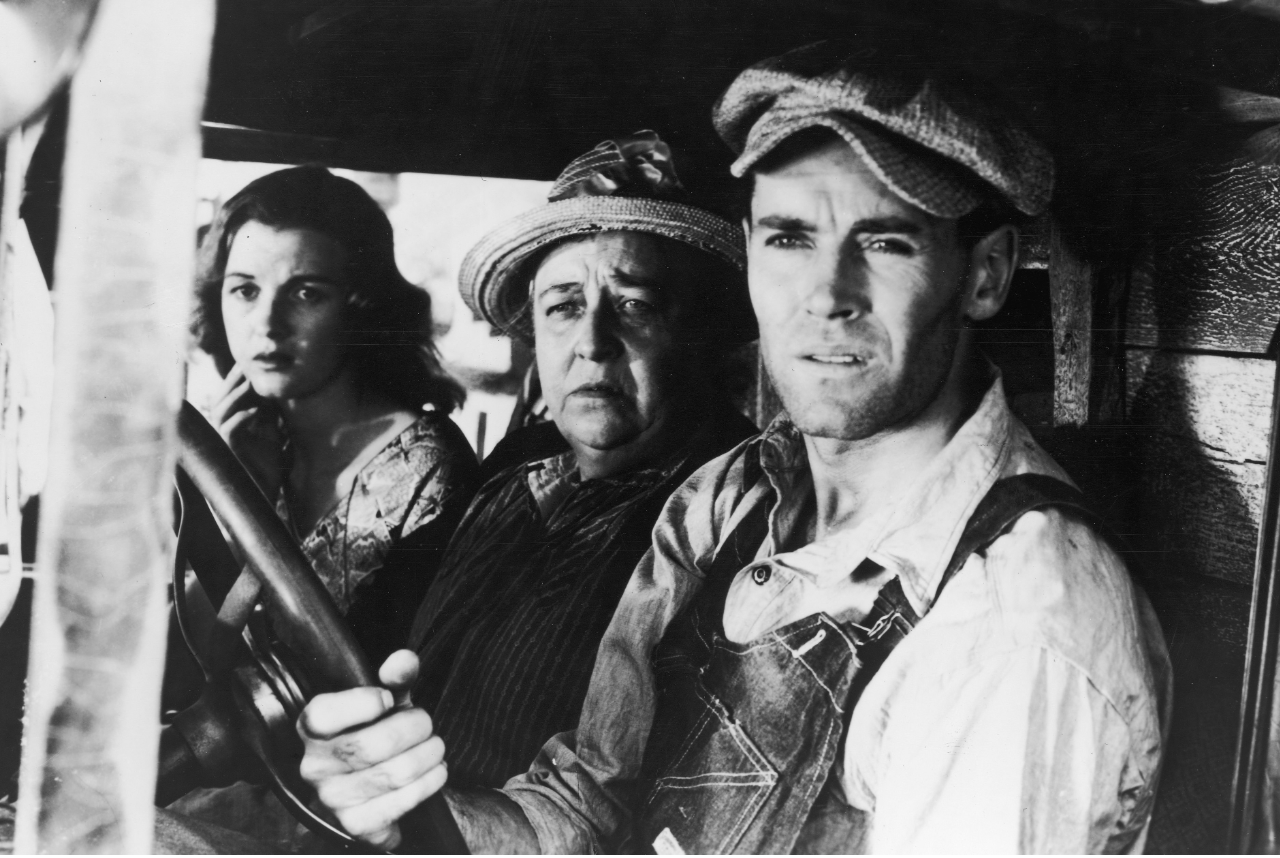
From The Grapes of Wrath movie. (20th Century Fox/Getty Images.)

After mentioning Daphne du Maurier’s great 1938 novel Rebecca in last week’s post about Gothic fiction, I thought of other books from that decade and how those years were a significant time in literature as well as quite relevant to the 2020s. After all, both decades had/have war, a rise in authoritarianism, major economic problems, and more.

So, I’m going to discuss a number of novels I’ve read, and a few I haven’t, that were published in the 1930s.

One that immediately came to mind is John Steinbeck’s 1939 classic The Grapes of Wrath, which focused on the Joad family but also took a wider look at the impact of The Great Depression bedeviling the U.S (and most of the world) that decade.

Steinbeck also wrote other notable 1930s novels — including Tortilla Flat (1935), In Dubious Battle (1936), and Of Mice and Men (1937) — that reflected social conditions. In Dubious Battle focused on a strike, fitting for a decade when labor flexed its muscles.

It Can’t Happen Here (1935) is a dystopian Sinclair Lewis novel imagining the rise of fascism in the U.S. — making it almost a primer for current dictator wannabe Donald Trump. (Although Trump is notoriously known for not reading books.)

War? Two of Erich Maria Remarque’s lesser-known novels: The Road Back (1931) and Three Comrades (1936) — have World War I elements. (The Road Back was a sequel of sorts to Remarque’s 1929-published All Quiet on the Western Front.) The American Civil War is a backdrop to Margaret Mitchell’s Gone with the Wind (1936). And Dalton Trumbo’s Johnny Got His Gun (1939) makes a powerful antiwar statement.

The 1930s were also significant writing years for William Faulkner: As I Lay Dying (1930), about a family and its journey to bury their matriarch; Light in August (1932), whose characters include a multiracial (?) drifter; and other works.

Then there was the 1934 publication of F. Scott Fitzgerald’s perhaps second-best novel, the semi-autobiographical Tender Is the Night.

Three years later, Zora Neale Hurston’s Their Eyes Were Watching God (1937) featured the memorable experiences of protagonist Janie Crawford.

That decade’s other notable book releases included — to name just a few — Mildred Benson’s The Secret of the Old Clock (1930), the first Nancy Drew mystery; Dashiell Hammett’s The Maltese Falcon (1930), featuring private investigator Sam Spade; Dorothy L. Sayers’ Strong Poison (1930), with mystery writer Harriet Vane and Lord Peter Wimsey; Pearl S. Buck’s China-set classic The Good Earth (1931); Aldous Huxley’s dystopian classic Brave New World (1932); and Erskine Caldwell’s Tobacco Road (1932).

Also: James Hilton’s Lost Horizon (1933), set in a mythical paradise; Daphne du Maurier’s Jamaica Inn (1936), which was also mentioned in last week’s blog post about Gothic fiction; Ernest Hemingway’s To Have and Have Not (1937), starring a fishing captain; J.R.R. Tolkien’s The Hobbit (1937), the fantasy novel that became the prequel to the 1950s-published The Lord of the Rings trilogy; Marjorie Kinnan Rawlings’ The Yearling (1938), about a boy and his fawn; Agatha Christie’s mystery And Then There Were None (1939); and Raymond Chandler’s The Big Sleep (1939), starring sleuth Philip Marlowe.

While writing this, I remembered that I had done a 2023 piece focusing on novels published in 1937. But the other years in that decade were not included in that post. 🙂

My list of 1930s novels is of course incomplete. Your favorites from that decade, whether mentioned by me or not?

Misty the cat says: “I own all this land, but where did I put the deed?”

My comedic 2024 book — the part-factual/part-fictional/not-a-children’s-work Misty the Cat…Unleashed — is described and can be purchased on Amazon in paperback or on Kindle. It’s feline-narrated! (And Amazon reviews are welcome. 🙂 )

This 90-second promo video for the book features a talking cat: 🙂

I’m also the author of a 2017 literary-trivia book

…and a 2012 memoir that focuses on cartooning and more, including many encounters with celebrities.

In addition to this weekly blog, I write the 2003-started/award-winning “Montclairvoyant” topical-humor column every Thursday for Montclair Local. The latest piece — which has a literature theme connected to local news in my town — is here.

Duality Is Their Reality

Today is the first day of winter in the Northern Hemisphere, but it was also still autumn for a few hours. So, a two-faced day.

As in real life, some fictional characters also have two faces — offering different personas at different times and in different situations. This can be among the many building blocks involved in making a character complex, nuanced, and three-dimensional.

Perhaps the most literal depiction of a Janus-like character is the star of Strange Case of Dr. Jekyll and Mr. Hyde. The duality in Robert Louis Stevenson’s 1886 novel happens when Jekyll, a basically good man with some repressed dark tendencies, takes a potion that turns him into the evil Hyde.

But things are usually somewhat more subtle when it comes to characters with binary tendencies.

For instance, the villainous Count Fosco can also be quite charming in Wilkie Collins’ 1860 classic The Woman in White.

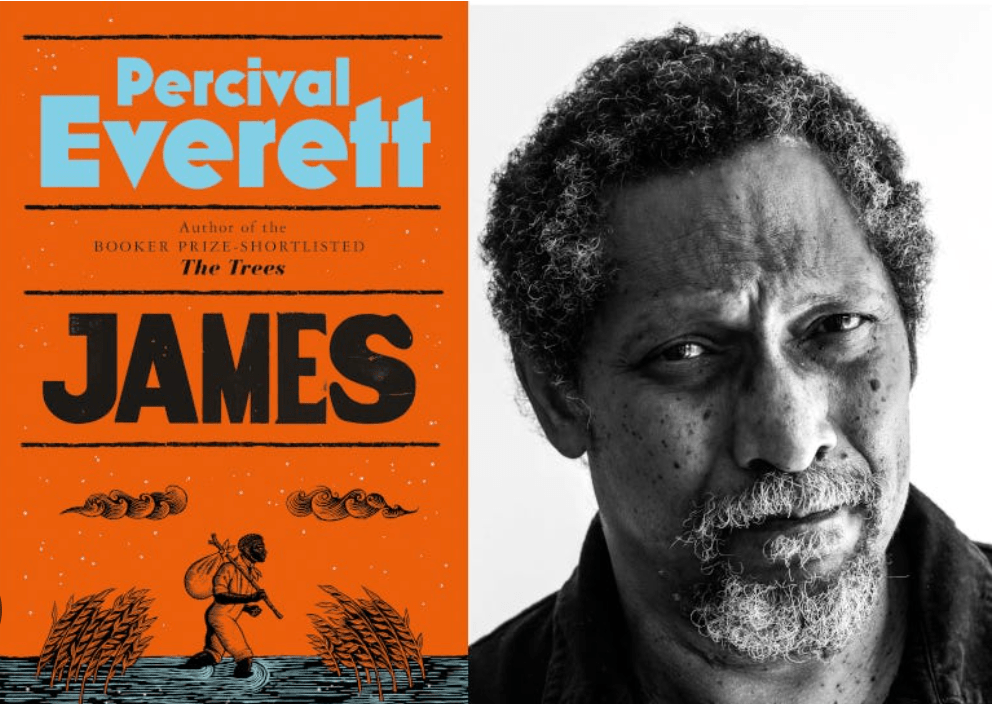
Much more recently, we have Percival Everett’s 2024 novel James, which reimagines Mark Twain’s Adventures of Huckleberry Finn from the vantage point of escaped slave Jim — after Twain mostly focused on Huck in his 1884 book. The duality here is that James, in a recognizable self-preservation maneuver, speaks in a different way (intellectually) to his fellow Black people than to white people (with whom he plays dumb). James, which I read last week, won the Pulitzer Prize for fiction earlier this year.

Jim’s dual persona reminds me of female characters who are smarter and/or more strategic than they let on. Daisy Buchanan of F. Scott Fitzgerald’s The Great Gatsby (1925) would be one example.

Returning to contemporary literature, we have Val McDermid’s crime series about cold-case detective Karen Pirie. She is mostly tough while on the job — both with suspects and with the people (including sexist men) she works with — while Pirie’s more vulnerable side emerges in her personal life.

Then there are the characters who are warrior-like in battle even as they can have more-tender aspects when not fighting. Jamie Fraser of Diana Gabaldon’s Outlander series certainly has those two elements.

Sometimes, two parts of a personality exist more consecutively than simultaneously — as with young Neville Longbottom of J.K. Rowling’s Harry Potter series. He starts off bumbling and insecure, but eventually becomes quite courageous. Perhaps that arc is more maturity than duality.

Any comments about and/or examples of this topic?

Misty the cat says: “It’s the first day of winter. Autumn must still be around here somewhere.”

My comedic 2024 book — the part-factual/part-fictional/not-a-children’s-work Misty the Cat…Unleashed — is described and can be purchased on Amazon in paperback or on Kindle. It’s feline-narrated! (And Amazon reviews are welcome. 🙂 )

This 90-second promo video for the book features a talking cat: 🙂

I’m also the author of a 2017 literary-trivia book

…and a 2012 memoir that focuses on cartooning and more, including many encounters with celebrities.

In addition to this weekly blog, I write the 2003-started/award-winning “Montclairvoyant” topical-humor column every Thursday for Montclair Local. The latest piece — which has a dystopian novel theme as it discusses 19 school-district jobs saved and 84 not saved (evoking George Orwell’s 1984) — is here.

Observe the Learning Curve

Sometimes, authors dazzle with their debut novels. Mary Shelley and Frankenstein. Emily Bronte and Wuthering Heights. Carson McCullers and The Heart Is a Lonely Hunter. Ralph Ellison and Invisible Man. Arundhati Roy and The God of Small Things. Zadie Smith and White Teeth. Etc.

But more frequently there’s somewhat of a learning curve for authors, which is totally natural — and totally the topic of this post.

I came to this topic via the work of Stephenie Meyer, three of whose novels I recently read in reverse order: first The Chemist (2016), then The Host (2008), and then Twilight (2005). Twilight was of course Meyer’s mega-bestselling debut featuring a teen human and teen vampire who fall in love. An interesting take on the vampire genre that held my interest even as it was too often written in a pedestrian way. Published three years later, The Host turned out to be a fascinating sci-fi story — and more skillfully crafted. Finally, The Chemist thriller about a hunted female ex-government agent was full of superb prose and dialogue. Meyer’s wordsmithing arc was impressive.

It all reminded me a bit of J.K. Rowling’s progression. The first Harry Potter novel was compelling and tons of fun as the author did her world-building, even as the writing itself was not super-scintillating. But Rowling’s prose and dialogue got better and better as her next six wizard-realm books emerged, and continued in that direction with the skillfully written The Casual Vacancy and the riveting crime series starring private investigators Cormoran Strike and Robin Ellacott.

Both Rowling and Meyer can be rather long and wordy in their more recent offerings, but I’m here for it.

Going much further back in time, I liked the feminist idea of Jack London’s early novel A Daughter of the Snows, but the dialogue was laughable and the prose clunky. One year later, London’s pitch-perfect The Call of the Wild was released. I don’t know what writing elixir the author imbibed during those 12 months, but I want it. 🙂

F. Scott Fitzgerald’s college-set debut novel This Side of Paradise is quite uneven, only hinting at the greatness of The Great Gatsby published just five years later.

John Steinbeck’s debut novel Cup of Gold was an okay, rather conventional pirate novel before much of his later fiction became light years better — including, of course, his masterpiece The Grapes of Wrath.

Willa Cather’s first two novels — Alexander’s Bridge and O Pioneers! — exhibited some authorial growing pains before they were followed by her absorbing The Song of the Lark and then the masterful My Antonia.

Dan Brown’s early-career novel The Da Vinci Code was VERY popular and quite ingenious in its way but even more awkwardly written than Stephenie Meyer’s Twilight. I never read Brown again, but I assume his writing improved?

Any comments about, or examples of, this theme?

Misty the cat asks: “How am I supposed to shovel this stuff without opposable thumbs?”

My comedic 2024 book — the part-factual/part-fictional/not-a-children’s-work Misty the Cat…Unleashed — is described and can be purchased on Amazon in paperback or on Kindle. It’s feline-narrated! (And Amazon reviews are welcome. 🙂 )

This 90-second promo video for the book features a talking cat: 🙂

I’m also the author of a 2017 literary-trivia book

…and a 2012 memoir that focuses on cartooning and more, including many encounters with celebrities.

In addition to this weekly blog, I write the 2003-started/award-winning “Montclairvoyant” topical-humor column every Thursday for Montclair Local. The latest piece — which has “no appeal” appeal — is here.

Novels with a Sunshine State of Mind

A Delray Beach retirement community in 2018. (Photo by me.)

Florida! Beaches. Palm trees. Retired senior citizens. Disney World. Miami Vice. Kennedy Space Center/Cape Canaveral. Many nationally known pro and college teams in football and other sports. A once-blue but now-red state led by far-right/mean-spirited Governor Ron DeSantis. The home state of far-right/mean-spirited President Donald Trump, a New York native.

“The Sunshine State” has personal elements for me, too. After she retired, my New York-born/later-New Jersey-based mother lived in Delray Beach from the early 1990s to her death in 2018. My wife has extended family in Florida, where I also have friends. I covered conferences in Orlando, Sarasota, and Boca Raton when I was a magazine writer.

As you might expect, I’m also going to discuss Florida’s various literary connections. It’s one of the places where Ernest Hemingway lived — in Key West. The state is associated as well with novelists Zora Neale Hurston and Marjorie Kinnan Rawlings, columnists/authors Dave Barry and Carl Hiaasen, and other wordsmiths. And it’s the state where “The Wizarding World of Harry Potter” is located — a theme park inspired, of course, by the blockbuster J.K. Rowling series.

I didn’t plan this, but the last two novels I read were set a little or mostly in Florida. First there was James Leo Herlihy’s Midnight Cowboy (known more for the iconic movie), a riveting book about a down-and-out Texas hustler in New York City who ends up taking a fraught bus ride to Miami. Then I proceeded to James Michener’s Recessional, which takes a poignant and very absorbing look at a senior facility near Tampa. It was Michener’s final novel — published when he was 87 — so the author really “lived” the subject matter.

Other novels with partial or mainly Florida settings? Referencing authors already mentioned in this post, there was Zora Neale Hurston’s compelling classic Their Eyes Were Watching God starring a memorable independent woman, Marjorie Kinnan Rawling’s Pulitzer Prize-winning The Yearling featuring a boy and his fawn, and Ernest Hemingway’s fishing-boat saga To Have and Have Not.

I’ve read the columns of Dave Barry and Carl Hiaasen, and met and written about both men, but have not tried any of their books.

But I have read Rita Mae Brown’s Rubyfruit Jungle, in which the lesbian protagonist leaves Florida for more-tolerant New York City; Colson Whitehead’s The Nickel Boys, much of which is set at a problematic reform school in Florida; Joy Fielding’s Cul-de-sac, a page-turner about the families living on one suburban Florida street; John Grisham’s thriller Camino Island, in which manuscripts of F. Scott Fitzgerald play a prominent role; and Peter Straub’s Ghost Story, which — not surprisingly for a novel partly set in Florida — prominently features senior citizens in its cast.

Thoughts about and/or examples of this theme?

Misty the cat says: 🎵 “There’s something happening here/what it is ain’t exactly clear.” 🎵

My comedic 2024 book — the part-factual/part-fictional/not-a-children’s-work Misty the Cat…Unleashed — is described and can be purchased on Amazon in paperback or on Kindle. It’s feline-narrated! (And Amazon reviews are welcome. 🙂 )

This 90-second promo video for the book features a talking cat: 🙂

I’m also the author of a 2017 literary-trivia book

…and a 2012 memoir that focuses on cartooning and more, with many encounters with celebrities.

In addition to this weekly blog, I write the 2003-started/award-winning “Montclairvoyant” topical-humor column every Thursday for Montclair Local. The latest piece — about awful massive layoffs in my school district, upcoming elections, and more — is here.

Books Helped Robert Redford’s Film Career Shine

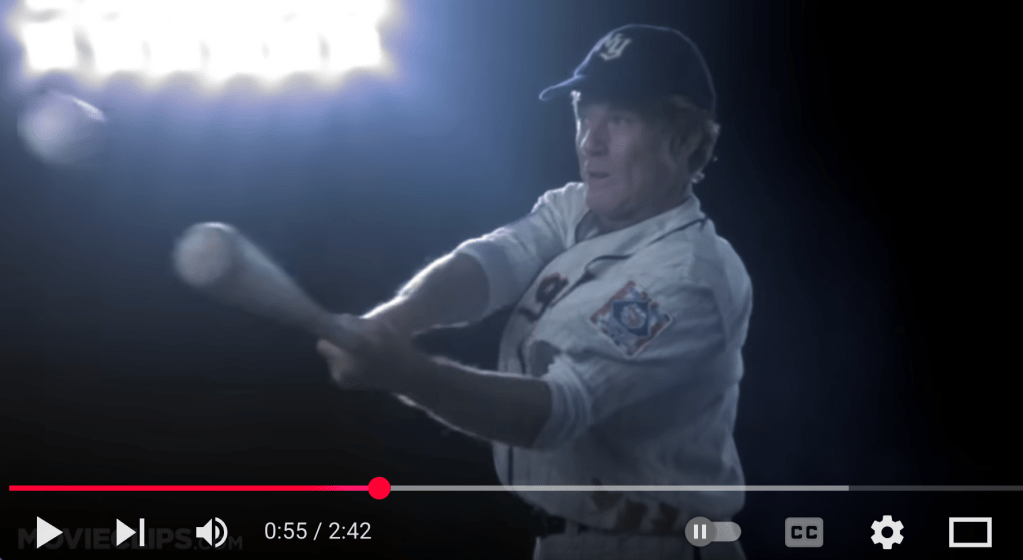
A screen shot from The Natural movie starring a man who hit a home run in life.

Like many other performers, Robert Redford appeared in a number of films inspired by books. I’ll discuss several of those screen adaptations in this post, which appears five days after the sad news of the iconic star’s September 16 death at age 89.

The first movie that came to mind was The Natural (1984), based on Bernard Malamud’s 1952 novel of the same name. Redford starred as baseball player Roy Hobbs, who returns to the game in midlife after being shot as a young man. (The Hobbs name is an amalgam of real-life baseball legends Ty Cobb and Rogers Hornsby.) Quite a compelling and affecting motion picture, which — as is often the case with Hollywood — has a happier ending than the one in the more nuanced book.

A decade earlier, another major role for Redford was in the 1974 movie version of F. Scott Fitzgerald’s 1925 classic The Great Gatsby. Redford was Jay Gatsby to Mia Farrow’s Daisy Buchanan.

I didn’t realize until researching this post that 1973’s The Way We Were movie — in which Redford co-starred with Barbra Streisand — was based on Arthur Laurents’ 1972 novel rather than on a totally original screenplay.

Redford was not only an actor but a director, producer, longtime champion of independent films, and laudable activist for the environment and other causes. Several of those multiple talents came together for the 1988 movie version of John Nichols’ 1974 novel The Milagro Beanfield War. The film — whose cast included Ruben Blades and Sonia Braga — didn’t do well at the box office, but Redford received praise for his direction of it.

I’ve read Nichols’ and Malamud’s books, but not Judith Guest’s 1976 novel Ordinary People, for which Redford won the directing Oscar for the 1980 movie version starring Mary Tyler Moore, Donald Sutherland, and Timothy Hutton. I’ve seen the film, which is excellent.

Redford of course also acted in movies based on notable nonfiction books — including 1937’s Out of Africa memoir by Isak Dinesen (Redford co-starred with Meryl Streep in the 1985 film) and 1974’s Watergate-scandal-focused All the President’s Men by Washington Post reporters Bob Woodward and Carl Bernstein (Redford played Woodward opposite Dustin Hoffman as Bernstein in the 1976 movie). I’ve read both books, and the films did each of them justice even as their main characters were more glamorous than their written-page counterparts.

A great late-career role for Redford was in the 2017 screen adaptation of Kent Haruf’s very poignant 2015 novel Our Souls at Night, about an older couple’s twilight-years romance. He co-starred with Jane Fonda, repeating a charismatic pairing from several earlier films.

I’ll close with this: Redford lived a life that we’ll remember with affection and admiration for his talent, his kindness, and his social conscience. People such as the cruel Trump and his dreadful toadies will be remembered quite differently when they’re gone.

Any thoughts on Redford, the films and books mentioned in this post, or any book-inspired Redford movies I might have missed? (My post included only titles for which I read the book or saw the film or both.)

Misty the LGBTQ-friendly cat says: “I have two mums, and I’m fine with that.”

My comedic 2024 book — the part-factual/part-fictional/not-a-children’s-work Misty the Cat…Unleashed — is described and can be purchased on Amazon in paperback or on Kindle. It’s feline-narrated! (And Misty says Amazon reviews are welcome. 🙂 )

This 90-second promo video for the book features a talking cat: 🙂

I’m also the author of a 2017 literary-trivia book

…and a 2012 memoir that focuses on cartooning and more, and includes many encounters with celebrities. (But not Robert Redford. 🙂 )

In addition to this weekly blog, I write the 2003-started/award-winning “Montclairvoyant” topical-humor column every Thursday for Montclair Local. The latest piece — about an exploding school budget deficit and a Township Council member’s sudden resignation — is here.