
Photos courtesy of Sony; Nina Subin
I’ve written before about the unexpected in literature, but I’m going to take a partly different angle this time. It involves readers’ expectations of certain authors and novels, and how those readers can be surprised.
For instance, as I prepared to read Elin Hilderbrand for the first time last week, I expected her to be an (excellent) escapist writer. Heck, her fiction is often set on the idyllic (?) island vacation destination of Nantucket, Massachusetts, and a blurb on the back of the Summer of ’69 novel I chose said “Hilderbrand’s books are…perfect beach reads.”
Well, Summer of ’69 was certainly entertaining (and excellent), but hardly 100% escapist as it focused on a multi-generational family. There were various plot strands referencing racism, sexism, class divisions, adultery, suicide, the Vietnam War, etc. I’m glad all that was there — it made the novel more compelling — but those things weren’t on my Hilderbrand bingo card. Obviously, I hadn’t done enough pre-reading homework!
Another example of a novel that surprised me was from the summer of ’61 — 1861, that is, though I don’t know if Silas Marner was published in the summer. I opened the pages of George Eliot’s classic a decade or so ago with the expectation that it would be a dry work that many students famously disliked when it was assigned to them in high school. But it turned out to be a poignant, heartbreaking, heartwarming novel about a man who goes through some life-changing tragedies and triumphs. I loved it.
Going back another two centuries-plus, I thought Don Quixote would be entertaining but perhaps, because of its 1605-1615 publication period, not super-readable for modern eyes. But Miguel de Cervantes’ novel WAS super-readable in the 21st century.
Yes, some long-ago books are much more enjoyable than one might expect. Among those that come to mind are Voltaire’s Candide, Henry Fielding’s Joseph Andrews, and Fanny Burney’s Evelina — all written in the 18th century.
Getting more recent again, a John Steinbeck reader who starts with The Grapes of Wrath might not be ready for just how humorous that author can be when he puts his mind to it. I had no idea how much I would laugh when I polished off Tortilla Flat, Cannery Row, and Sweet Thursday (even as those novels also contained plenty of social commentary). Then, Steinbeck’s epic East of Eden wiped the smile off my face.
Not much humor, either, in Uncle Tom’s Cabin, but that novel surprised me. I thought it would be an earnest anti-slavery work that was sort of an obligation to read. But the story line is quite skillful and compelling, and Harriet Beecher Stowe’s title character is a more nuanced, more admirable person than what some critics have stereotyped him as.
Another 19th-century novel — by Stowe’s Hartford, Connecticut, neighbor Mark Twain — surprised me in being almost completely serious. That was Twain’s Personal Recollections of Joan of Arc, which also had the unusual distinction for the usually humorous or seriocomic author of featuring a female title character.
J.K. Rowling turned heads, too, when writing the deadly serious, non-wizard novel The Casual Vacancy after her blockbuster Harry Potter series that had plenty of humor amid the intense drama. Surprising, yes, but not a surprise for me and other readers who saw all kinds of reviews of, and articles about, The Casual Vacancy before reading that change-of-pace novel.
Yes, doing some homework about a novel or an author can prevent surprises, but then we might lose the fun of being startled. 🙂
Novels and authors you’ve read that were different than you expected?
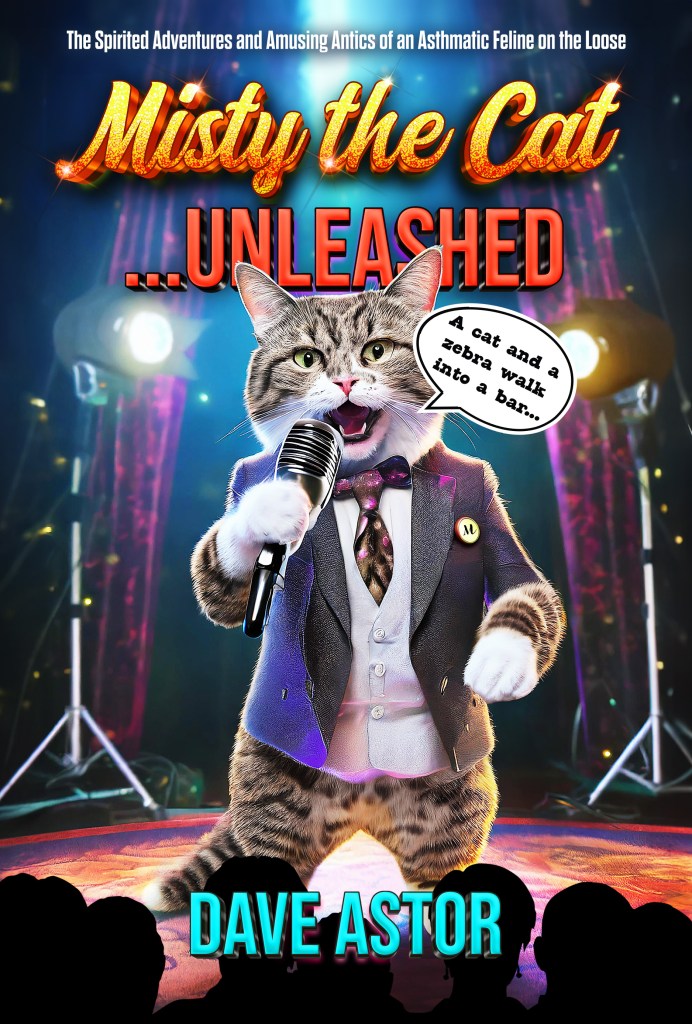
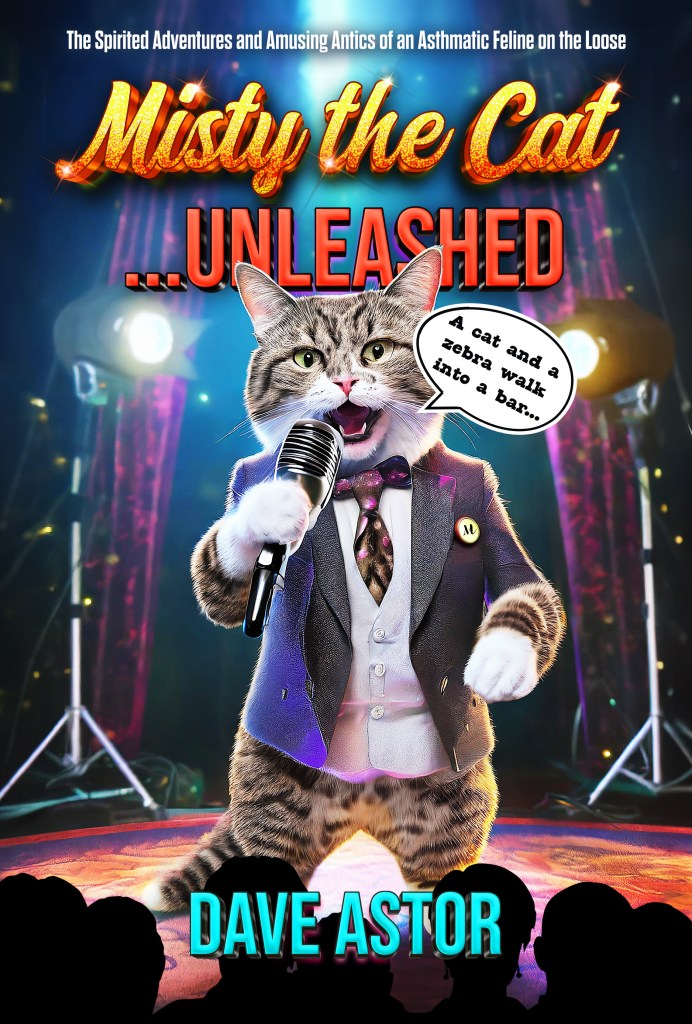
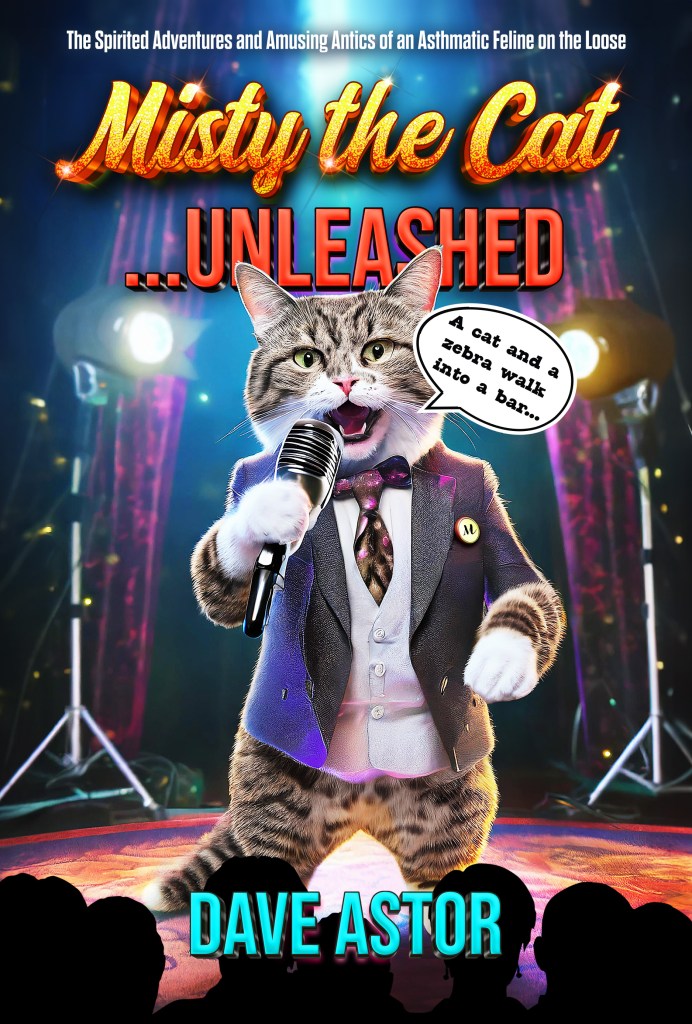
My comedic new 2024 book — the part-factual/part-fictional/not-a-children’s-work Misty the Cat…Unleashed — is described and can be purchased on Amazon in paperback or on Kindle. It’s feline-narrated! (And Misty says Amazon reviews are welcome. 🙂 )
The 90-second promo video for my book features a talking cat: 🙂




 Dave Astor on Literature