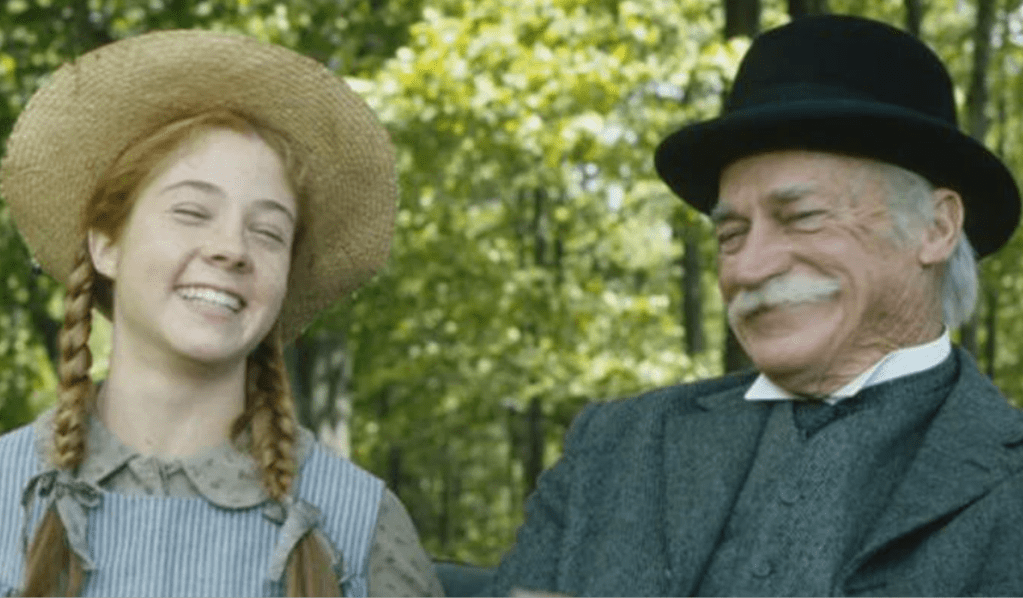
Megan Follows as Anne Shirley and Richard Farnsworth as Matthew Cuthbert in 1985’s beloved Anne of Green Gables screen adaptation.
With all the scary real-world stuff happening (that has nothing to do with Halloween), it’s good to think positive…about nice characters in literature.
Those characters can be admirably nice or cloyingly nice, but they’re…nice. (Even as they, like most people, usually have some flaws.) They can also be boring or interesting, with some of them interesting enough to carry a novel and others needing “villains” to play off of — possibly to be victimized by or possibly to triumph over. The latter scenario is of course heartening wish fulfillment when it occurs.
Nice characters come from all walks of life. For instance, Sonya — a beacon of goodness and decency in Fyodor Dostoevsky’s oft-disturbing classic Crime and Punishment — is a drunkard’s daughter forced into prostitution to help her family.
There are also moral religious characters such as Helen Burns, the very kind classmate of the young Jane Eyre in Charlotte Bronte’s equally classic novel. (It should be noted that it’s hardly a given a religious person will be moral.)
Another 19th-century-literature character in the kind category is Fanny Price of Mansfield Park. Super-nice but rather on the boring side, unlike Jane Austen’s usually fascinating female protagonists.
A more interesting 1800s character with a kind nature is Denise Baudu, the young countrywoman who moves to Paris to work in a pre-Walmart-like department store in Emile Zola’s The Ladies’ Delight.
And young Eva of Uncle Tom’s Cabin is positively angelic. Sort of one-dimensional but a potent contrast to another of Harriet Beecher Stowe’s white characters — vicious slaveowner Simon Legree — in a rare 19th-century novel with a multiracial cast giving African-Americans (such as Tom, Eliza, and George) prominent roles.
Going back further in time, the titular Joseph Andrews of Henry Fielding’s satirical 18th-century novel is comically pure of heart.
Very nice characters in 20th- and 21st-century fiction? Among the many are shy Matthew Cuthbert, who becomes Anne Shirley’s beloved adoptive father in L.M. Montgomery’s Anne of Green Gables; masochistic-until-he’s-not Philip Carey, who eventually becomes a physician in W. Somerset Maugham’s Of Human Bondage; caring, disease-stricken Jamie Sullivan in Nicholas Sparks’ A Walk to Remember; and altruistic Subhash in Jhumpa Lahiri’s The Lowland.
There are also admirably good characters who become full or sort-of social/political activists — including lapsed reverend Jim Casy in John Steinbeck’s The Grapes of Wrath, attorney Atticus Finch in Harper Lee’s To Kill a Mockingbird, reproductive-rights advocate Dr. Wilbur Larch in John Irving’s The Cider House Rules, the anti-dictatorship Mirabel sisters in Julia Alvarez’s In the Time of the Butterflies, and the anti-police-brutality teen girl Starr Carter in Angie Thomas’ The Hate U Give.
Thoughts about, and examples of, this topic?
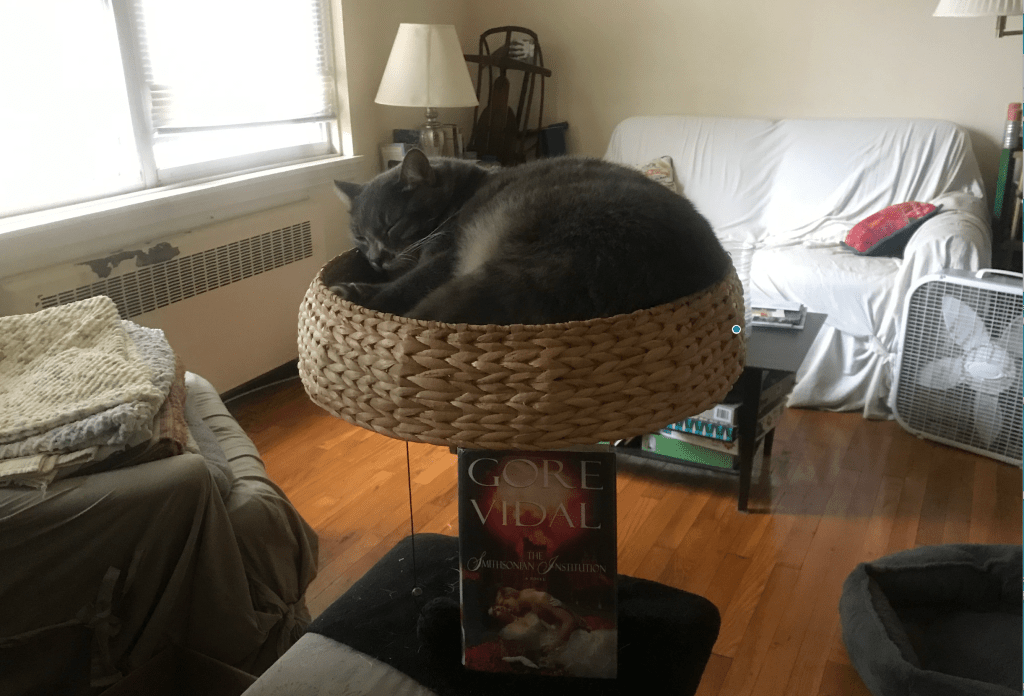
Misty the cat says: “I’m editing a manuscript.”
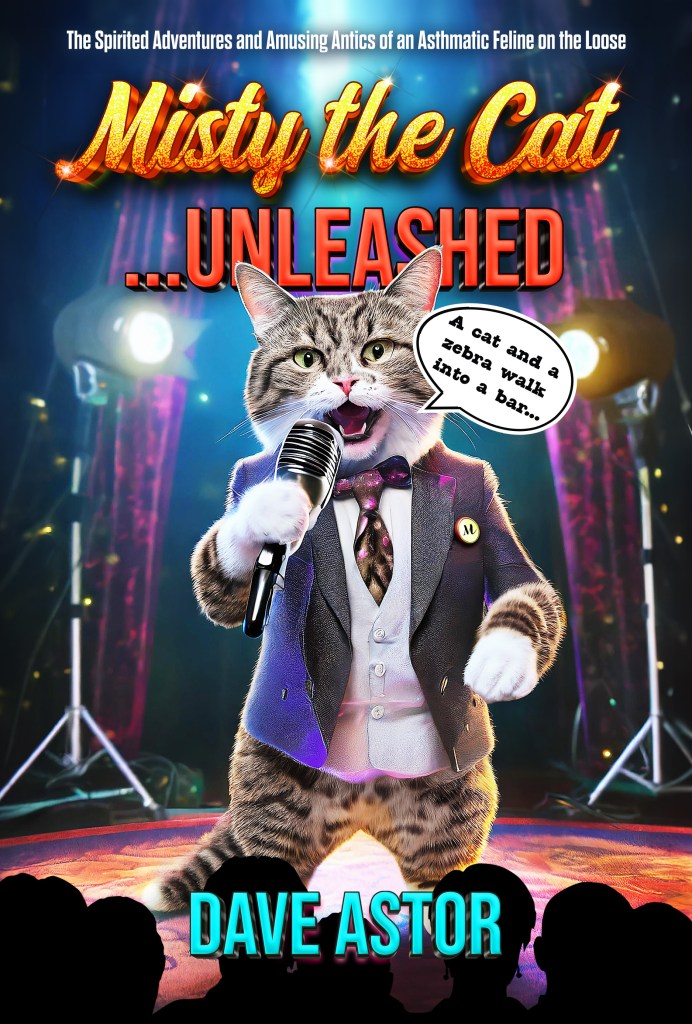
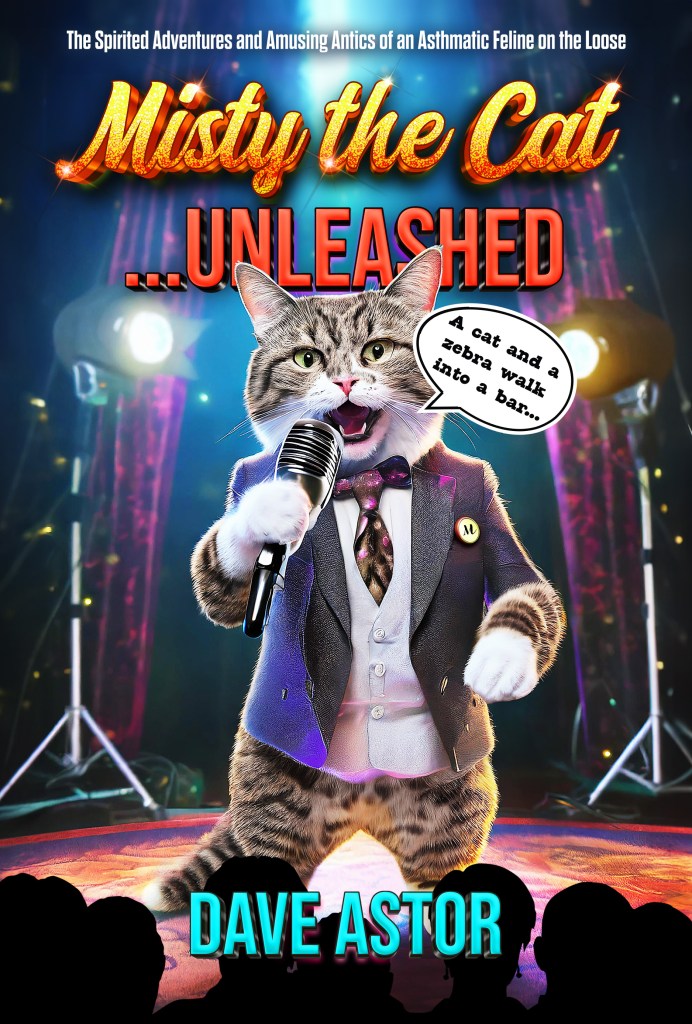
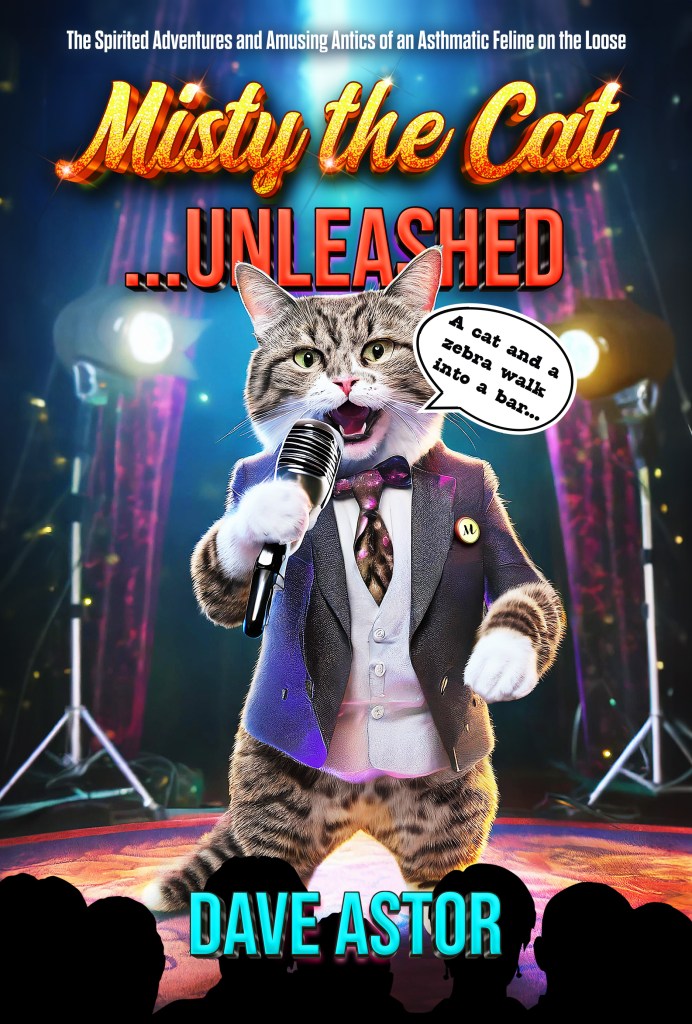
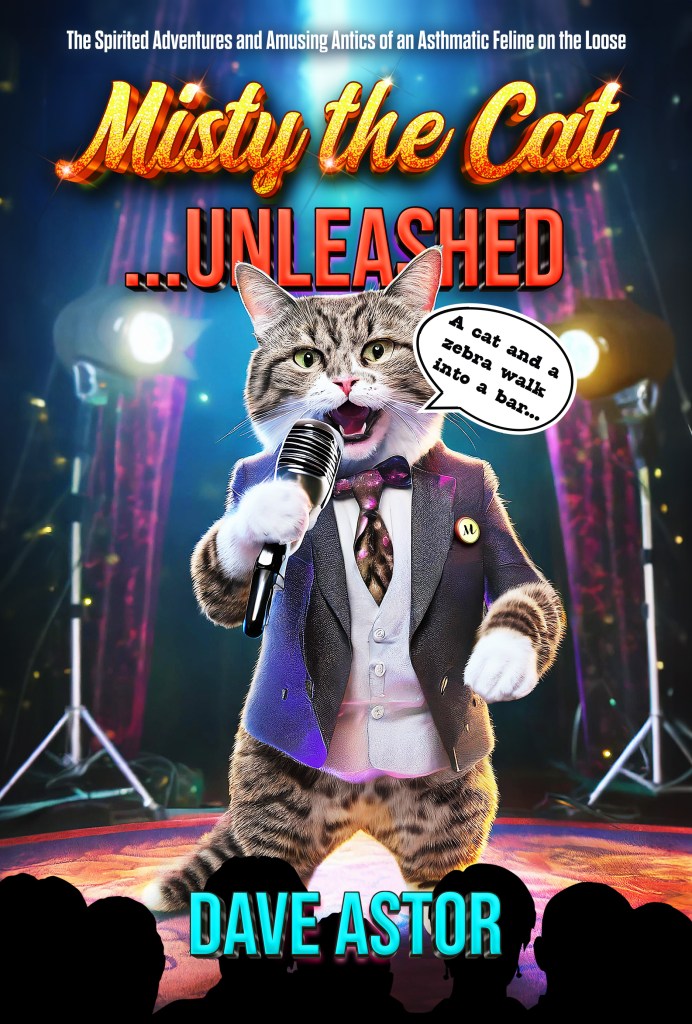
My comedic 2024 book — the part-factual/part-fictional/not-a-children’s-work Misty the Cat…Unleashed — is described and can be purchased on Amazon in paperback or on Kindle. It’s feline-narrated! (And Misty says Amazon reviews are welcome. 🙂 )

This 90-second promo video for my book features a talking cat: 🙂
In addition to this weekly blog, I write the 2003-started/award-winning “Montclairvoyant” topical-humor column every Thursday for Montclair Local. The latest piece — featuring a pre-Halloween theme — is here.