 I don’t think I’ve ever published a blog post on my birthday before, so I’ll “celebrate” by listing some novelists I love or like and how old they are. Why? Because it’s easier to make a list than to write a regular blog post of the kind I’ll resume next week. 🙂
Anyway, here goes — with a great or very good book by each author included:
Alison Lurie, born September 3, 1926 (93 years old), Foreign Affairs.
Cormac McCarthy, July 20, 1933 (86), Blood Meridian.
Wole Soyinka, July 13, 1934 (85), The Interpreters.
Mario Vargas Llosa, March 28, 1936 (84), Aunt Julia and the Scriptwriter.
A.S. Byatt, August 24, 1936 (83), Possession.
Lois Lowry, March 20, 1937 (83), The Giver.
Margaret Drabble, June 5, 1939 (80), The Witch of Exmoor.
Margaret Atwood, November 18, 1939 (80), The Handmaid’s Tale.
J.M.G. Le Clezio, April 13, 1940 (79), Desert.
Anne Tyler, October 25, 1941 (78), The Accidental Tourist.
John Irving, March 2, 1942 (78), The Cider House Rules.
Isabel Allende, August 2, 1942 (77), The House of the Spirits.
Martin Cruz Smith, November 3, 1942 (77), Gorky Park.
Peter Straub, March 2, 1943 (77), Ghost Story.
Janet Evanovich, April 22, 1943 (76), One for the Money.
Michael Ondaatje, September 12, 1943 (76), The English Patient.
Marilynne Robinson, November 26, 1943 (76), Housekeeping.
Alice Walker, February 9, 1944 (76), The Color Purple.
Fannie Flagg, September 21, 1944 (75), Fried Green Tomatoes at the Whistle Stop Cafe.
Rita Mae Brown, November 28, 1944 (75), Rubyfruit Jungle.
Stephen King, September 21, 1947 (72), From a Buick 8.
Richard Russo, July 15, 1949 (70), Empire Falls.
Julia Alvarez, March 27, 1950 (70), In the Time of the Butterflies.
Laura Esquivel, September 30, 1950 (69), Like Water for Chocolate.
Terry McMillan, October 18, 1951 (68), Waiting to Exhale.
Walter Mosley, January 12, 1952 (68), Devil in a Blue Dress.
Amy Tan, February 19, 1952 (68), The Joy Luck Club.
Philippa Gregory, January 9, 1954 (66), Earthly Joys.
Lee Child, October 29, 1954 (65), 61 Hours.
John Grisham, February 8, 1955 (65), The Client.
Barbara Kingsolver, April 8, 1955 (64), The Poisonwood Bible.
Colm Toibin, May 30, 1955 (64), Brooklyn.
Lisa Scottoline, July 1, 1955 (64), The Vendetta Defense.
Geraldine Brooks, September 14, 1955 (64), March.
Peter Hoeg, May 17, 1957 (62), Smilla’s Sense of Snow.
Lionel Shriver, May 18, 1957 (62), So Much for That.
Louise Penny, July 1, 1958 (61), How the Light Gets in.
Jonathan Franzen, August 17, 1959 (60), The Corrections.
Neil Gaiman, November 10, 1960 (59), American Gods.
Arundhati Roy, November 24, 1961 (58), The God of Small Things.
Suzanne Collins, August 10, 1962 (57), The Hunger Games.
Michael Chabon, May 24, 1963 (56), The Amazing Adventures of Kavalier & Clay.
Donna Tartt, December 23, 1963 (56), The Goldfinch.
J.K. Rowling, July 31, 1965 (54), Harry Potter and the Sorcerer’s Stone.
Liane Moriarty, November 15, 1966 (53), Big Little Lies.
Jhumpa Lahiri, July 11, 1967 (52), The Lowland.
Lisa Genova, November 22, 1970 (49), Still Alice.
Zadie Smith, October 25, 1975 (44), White Teeth.
John Green, August 24, 1977 (42), The Fault in Our Stars.
Chimamanda Ngozi Adichie, September 15, 1977 (42), Half of a Yellow Sun.
Fredrik Backman, June 2, 1981 (38), A Man Called Ove.
Kate Quinn, November 30, 1981 (38), The Huntress.
Eleanor Catton, September 24, 1985 (34), The Luminaries.
Some favorite living authors you’d like to mention who I didn’t list?
My literary-trivia book is described and can be purchased here: Fascinating Facts About Famous Fiction Authors and the Greatest Novels of All Time.
In addition to this weekly blog, I write the award-winning “Montclairvoyant” topical-humor column for Baristanet.com. The latest piece — which gives local plots to novels that my town’s residents could read during the coronavirus pandemic — is here.
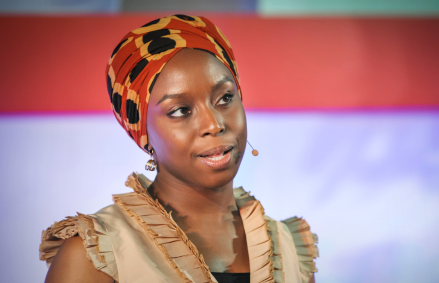 “War is hell,” but it can also be almost an abstraction. Unless you’re directly affected, it might not seem quite as horrible as it actually is or as senseless as it usually is. Novels and other kinds of fiction can help.
 With the coronavirus wreaking havoc throughout the world — and American “leader” Donald Trump predictably responding to that pandemic in the most incompetent, empathy-lacking, and self-serving way imaginable — it would be understandable if book lovers would want to read only escapist fiction for a while. But if you’re a glutton for punishment, there are some very compelling novels out there with pandemic themes — many pessimistic about the situation and the reaction to it, others a bit more optimistic.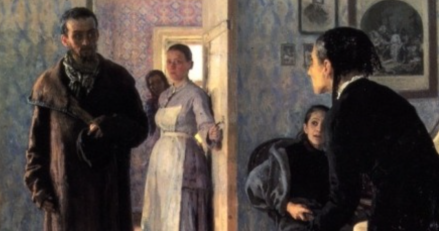
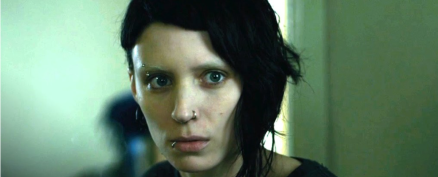 I’ve blogged about fiction written by
 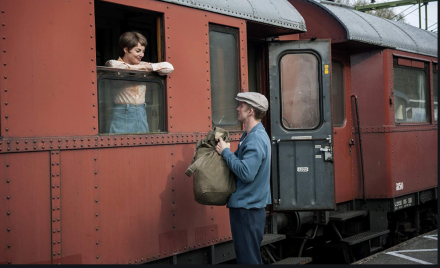 Have you ever read a novel that’s mostly low-key, subtle, understated, and even seemingly simple yet is compelling or charming or funny or emotionally wrenching or all of the above? Sure you have, and I have, too.
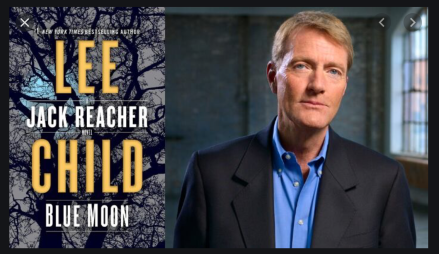 After reading Lee Child’s latest Jack Reacher novel last week, I thought about how page-turning that series is and how it reflects our times. Heck, there’s an amazing/harrowing “fake news” reference near the end of that recent book, which chronicles Reacher’s battle against rival mobs that ruthlessly control a city.
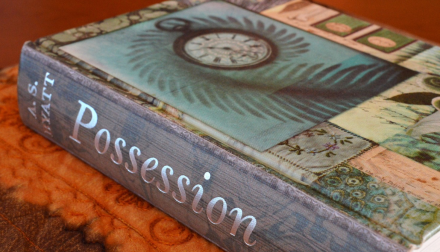 It’s anniversary time again! With a month-plus of 2020 “in the books,” I’d like to mention some of my favorite (not necessarily the best) novels that were published in 1970, 1920, 1870, and various other years ending in that big ol’ round number of zero. And then you can tell me some of your favorites.
 Back in 2013, when I was writing about literature for The Huffington Post, I did a piece about female-written novels that star male characters and male-written novels that star female characters. I’d like to expand on that today by discussing novels with other author/character dichotomies: those by writers who create protagonists of another race, ethnicity, sexual orientation, religion, etc.
