 Last week’s post featuring author videos received a nice response, so I thought I’d do a second column spotlighting some other authors. As before, I made sure all the clips were short — and again started with living writers and concluded with deceased ones.
Fannie Flagg, whose warmly compelling novels include Fried Green Tomatoes at the Whistle Stop Cafe, discusses topics such as how she got her pen name:
Rita Mae Brown, who first rose to literary fame with her great lesbian-themed classic Rubyfruit Jungle, talks about her mystery series co-starring human and animal detectives:
Terry McMillan focuses on how she writes her novels (Waiting to Exhale, etc.) and the unhealthiness of staying angry:
Khaled Hosseini, author of books such as The Kite Runner, recalls his transition from physician to novelist and discusses how refugees make the U.S. a better place. Hosseini himself was a refugee, from Afghanistan:
Kazuo Ishiguro, the Nobel Prize-winning writer of novels such as The Remains of the Day, talks about how restrictive it is for authors to be pigeon-holed by genre:
Walter Mosley — author of the Easy Rawlins mysteries and more — discusses reading as a kid, classic writers, and the often solitary/unglamorous life of authors:
Moving on to authors who are no longer with us…
Brief footage of Harper Lee, before she became very reclusive, at the 1962 premiere of the great movie based on her even greater novel To Kill a Mockingbird:
Iconic science-fiction writer Octavia E. Butler (Kindred, The Parable of the Sower, etc.) discusses how watching a bad movie inspired her to start writing, how the future is not always easily predictable, and more:
W. Somerset Maugham, who penned Of Human Bondage and other classics, answers several questions during a 1950 shipboard interview — including one about the impossibility of writing “the perfect novel”:
Ray Bradbury is quite engaging as he references The Martian Chronicles and more. He even reads a poem! (Thanks to Brian Bess for alerting me to this clip.)
Sue Grafton, author of the “Alphabet Mysteries” series, hilariously riffs about murderous thoughts:
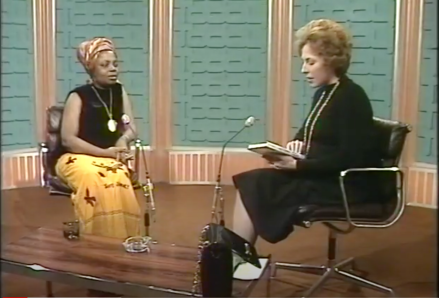
Nigerian-born author Buchi Emecheta discusses living in England, her novel Second Class Citizen, and juggling parenthood and writing. (She’s in the screen shot atop this blog post, on the left.)
H.G. Wells — one of the most famous sci-fi authors to put words to paper (The Time Machine, etc.), discusses economics in his distinctive high-pitched voice:
Brief footage of Doctor Zhivago author Boris Pasternak:
Any author videos you’d like to mention?
My literary-trivia book is described and can be purchased here: Fascinating Facts About Famous Fiction Authors and the Greatest Novels of All Time.
In addition to this weekly blog, I write the award-winning “Montclairvoyant” topical-humor column for Baristanet.com. The latest piece — a comedic look at what families might do during a pandemic summer with many pools and camps closed — is here.
 Avid fiction readers aren’t seeing any authors live during the pandemic, but we can watch clips of them on YouTube. Here are some short videos, with the first group featuring some great living writers followed by several clips showing famous novelists who are no longer with us. Most speak as skillfully as they write, though you can’t tell in the silent, pre-1910 footage of Mark Twain and Leo Tolstoy that ends this post.
 When it comes to depicting relationships, great novelists are not machines. That means the relationships — whether good, bad, unrequited, potential, etc. — are sometimes believable and sometimes not as much.
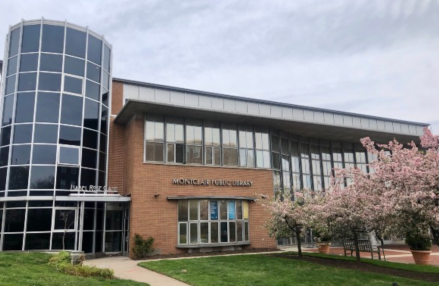 With libraries shuttered during the pandemic, fictional characters in those book-filled buildings are bored enough to be doing some interesting things the public is not seeing. I’m going to give you some examples, based on reports I received from private investigators Kinsey Millhone (of Sue Grafton’s “alphabet mysteries”) and Easy Rawlins (of the Walter Mosley novels that often have a color in their titles). In return for the inside info from those sleuths, I purchased their co-authored thriller D Is For Devil in a Blue Dress.
 With life changing so much during the current pandemic, reading can obviously change, too. The content of what we read, of course, but also our reading routines. I’m going to describe what has been different for me, and then ask what has been different for you. If your reading life has not changed during the coronavirus crisis, well, that’s okay! 🙂
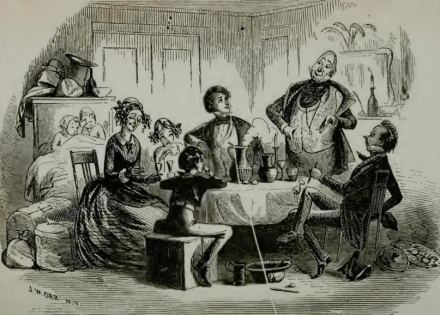 One great thing about reading novels is enjoying some very eccentric characters. You might only find them once in a while, but they’re worth the wait.
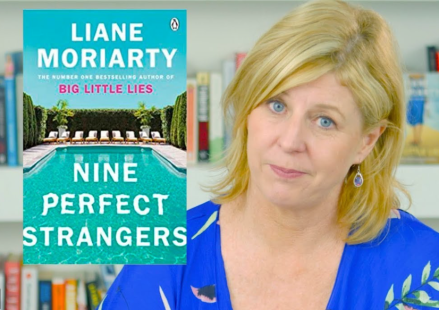 Some novels FOAC. Some don’t.
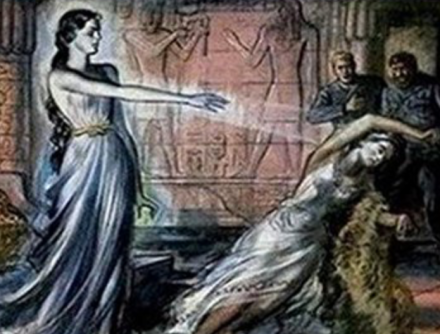 Every decade has its share of memorable novels. Today I’m going to focus on the 1880s.
 I don’t think I’ve ever published a blog post on my birthday before, so I’ll “celebrate” by listing some novelists I love or like and how old they are. Why? Because it’s easier to make a list than to write a regular blog post of the kind I’ll resume next week. 🙂
