
Barbara Taylor Bradford. (Credit: Bradford Enterprises.)
As I’ve mentioned here and there in recent months, I’ve been mixing my more-serious novel reading with a larger percentage of mass-audience and/or escapist fiction these days as I seek diversion from the distressing words and actions of America’s repulsive Trump regime. But of course those categories of literature are not always mostly upbeat.
Take Barbara Taylor Bradford, who was known for best-selling novels starring impressive, plucky women. Those characters are inspiring, yes, but some of them go through some really depressing things. I just read Bradford’s Everything to Gain, and while I enjoyed rooting for its protagonist Mallory Keswick, what happens to her family would not help the mood of any reader appalled at the latest Trump-related news.
Meanwhile, I continued this year to read many novels by Elin Hilderbrand. She is known for what have been called summer “beach reads” — most of them set on the beautiful Massachusetts island of Nantucket — but Hilderbrand is actually a much more complex and nuanced author than that. So, while I first tried her novels with escapist intent on my part, I’ve seen plenty of illness, death, and other sad developments in those books. But plenty of lighter content and entertainment, too, and I always eagerly went back for more even as I don’t get 100% relief from Trump and what he says and supports.
Detective fiction, to which I devoted a separate blog post earlier this month, can also make one temporarily forget the real world — one reason why I’ve read quite a few books in that genre this year. Then again, any novel with crime as a major element can make a reader not only sadly think about the victims but also think about one of America’s biggest criminals, who happens to currently live in the White House rather than in a jail cell where he belongs.
It can also be a refreshing interlude to read very funny fiction. The Pickwick Papers, anyone? But even that Charles Dickens book and most other comedic novels by various authors have some downbeat sections amid the humor.
One of these days I’m going to give a third reread to L.M. Montgomery’s Anne of Green Gables. That iconic novel always brings a smile to my face, yet it contains some fraught moments and a heartbreaking death.
All this makes me wonder if I’ve ever read a completely upbeat novel. Not sure that even exists, and, if it did, I suppose such a book would lack adequate drama. But it would give readers a complete mental break. 🙂
Any thoughts on this post, and on novels that might be relevant to its theme?
Misty the cat says: “Pumpkins but no spice? I turn my back.”
My comedic 2024 book — the part-factual/part-fictional/not-a-children’s-work Misty the Cat…Unleashed — is described and can be purchased on Amazon in paperback or on Kindle. It’s feline-narrated! (And Misty says Amazon reviews are welcome. 🙂 )

This 90-second promo video for the book features a talking cat: 🙂
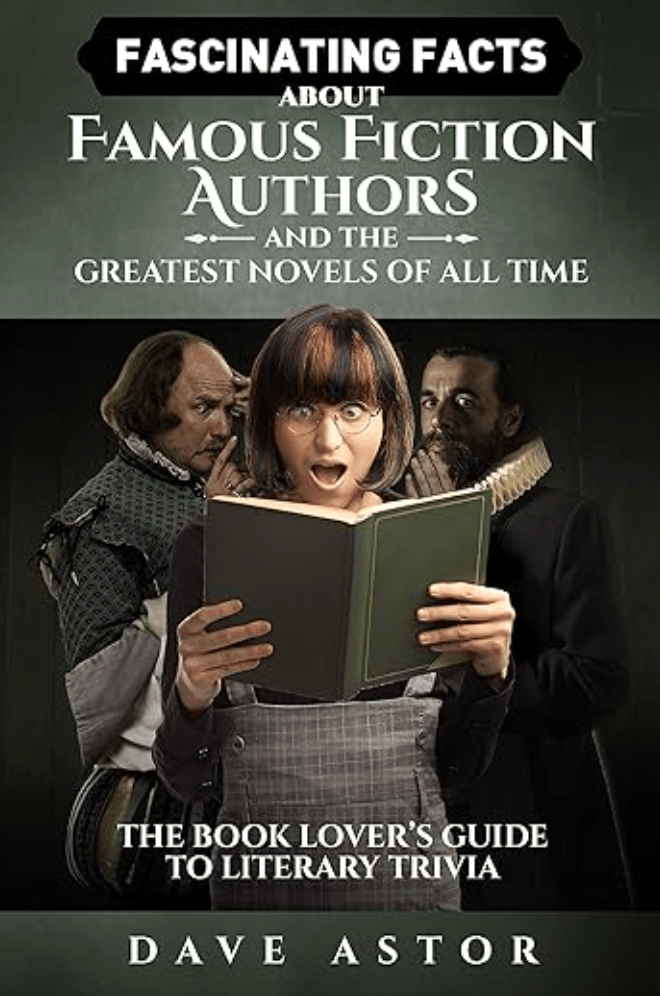
I’m also the author of a 2017 literary-trivia book…
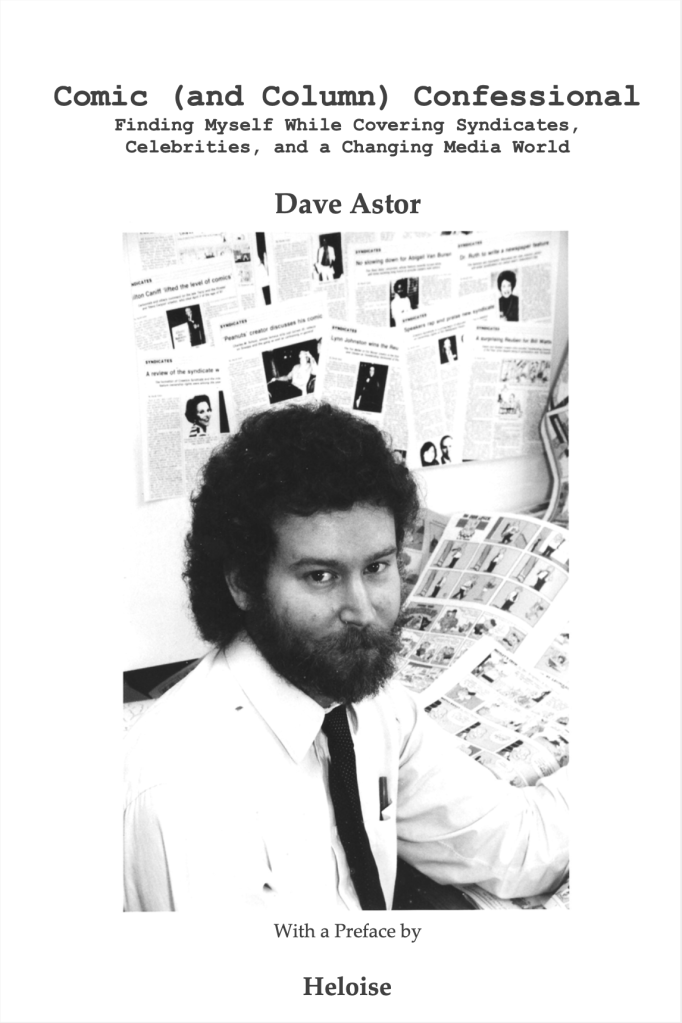
…and a 2012 memoir that focuses on cartooning and more, and includes many encounters with celebrities.
In addition to this weekly blog, I write the 2003-started/award-winning “Montclairvoyant” topical-humor column every Thursday for Montclair Local. The latest piece — about topics such as a local Charlie Kirk flag controversy and a local bookstore canceling the appearance of a Palestinian-American children’s book author — is here.

 Dave Astor on Literature