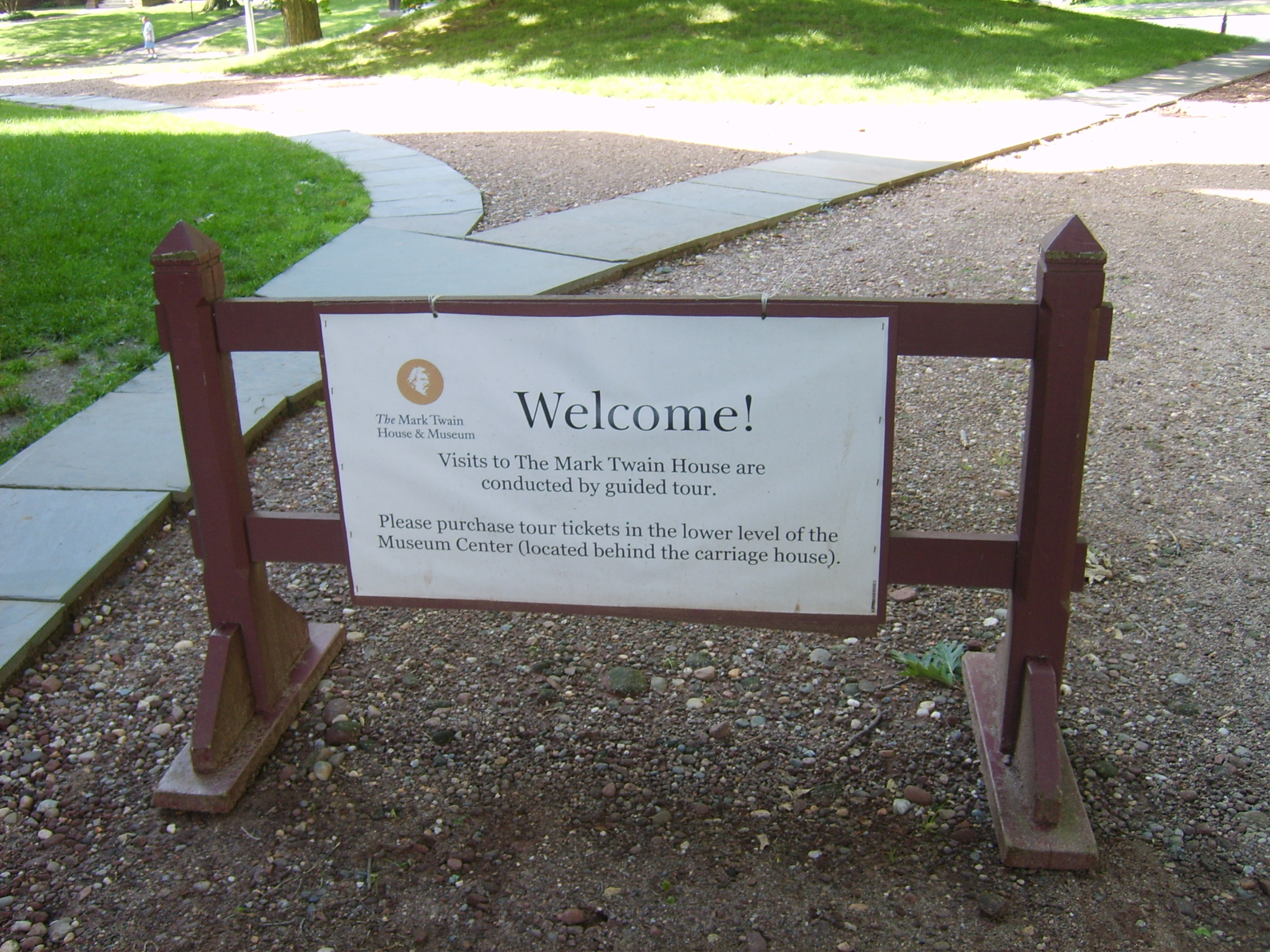
At the Mark Twain House & Museum in Hartford, Connecticut. (2013 photo by me.)
In the Northern Hemisphere, today is the first day of summer – the season when many people travel. And that traveling can be literature-related in certain ways. I’ll discuss some of my experiences, and then ask about yours.
In my post on another topic last week, I mentioned the Pantheon in Paris and Westminster Abbey in London, both of which contain the tombs of famous authors and/or “memorials” honoring them. These writers include, among others, Chaucer and Charles Dickens in Westminster and Alexandre Dumas, Victor Hugo, Voltaire, and Emile Zola in the Pantheon. Sobering, unforgettable visits for fiction lovers.
Speaking of Zola and Dumas, I was in the south of France in 2007 accompanying my French professor wife Laurel to a Zola conference she was speaking at in Aix-en-Provence. Another speaker was Zola’s great-granddaughter, Martine Le Blond-Zola.
During that trip, Laurel and I also visited Marseille – from where we took a boat to the Chateau d’If island prison immortalized in Dumas’ novel The Count of Monte Cristo. Dumas used a jail cell there as the model for the one in which his Edmond Dantes character would be wrongly incarcerated for years.
On an earlier European trip, I visited the London house where Dickens lived from 1837 to 1839 – during which time he finished The Pickwick Papers and wrote Oliver Twist and Nicholas Nickleby.
Also while in London back then, I went to the Madame Tussauds wax museum – where the figures I most remember were of the three Bronte sisters (Charlotte, Emily, and Anne) sitting together.
Back in the USA, I’ve visited literature-related sites such as the Herman Melville “Arrowhead” house and museum in Pittsfield, Massachusetts (where the author lived from 1850 to 1863 and wrote works such as Moby-Dick) and the Mark Twain House & Museum in Hartford, Connecticut (where the author lived from 1874 to 1891 and penned novels such as Tom Sawyer and Huckleberry Finn).
In addition, I toured the Kurt Vonnegut Museum and Library in Indianapolis while attending a conference in that city.
And I’ve traveled to other conferences and gatherings in which speakers included novelists Tom Clancy, Lisa Scottoline, John Updike, Tom Wolfe, and others. (I didn’t go to see those writers per se; they happened to be among the speakers.)
Getting a literary experience while visiting somewhere can be more indirect. For instance, when I spent several days in St. Petersburg many years ago I didn’t see anything specific about Fyodor Dostoevsky but thought about Crime and Punishment’s setting as I walked around the Russian city. And I once stayed in a Terre Haute, Indiana, hotel where there was a lobby display about famous local Theodore Dreiser of Sister Carrie and An American Tragedy novels renown.
I have the vague recollection that I wrote about this topic years ago, but couldn’t locate that possible post in an online search. I’ll add that frequent commenter here Michele indirectly gave me the idea for today’s post when she mentioned a recent New York Times article about literary travel; that story (below) took a different approach than I did.
Any personal literature-related travel experiences you’d like to share?
Misty the cat says: “So THIS is where Anne Tyler wrote her 1995 novel ‘Ladder of Years’!”
My comedic 2024 book — the part-factual/part-fictional/not-a-children’s-work Misty the Cat…Unleashed — is described and can be purchased on Amazon in paperback or on Kindle. It’s feline-narrated! (And Amazon reviews are welcome. 🙂 )
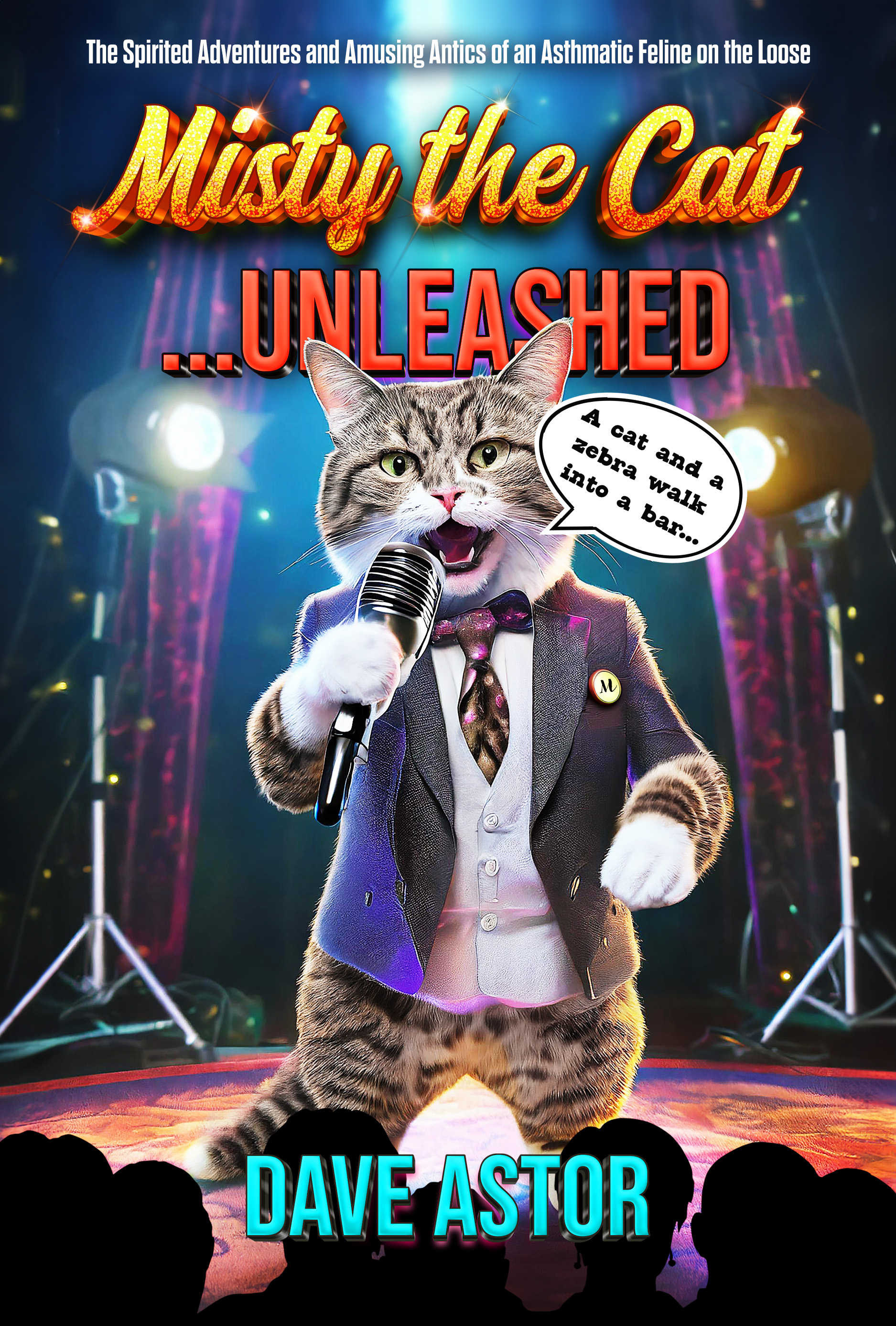
This 90-second promo video for the book features a talking cat: 🙂
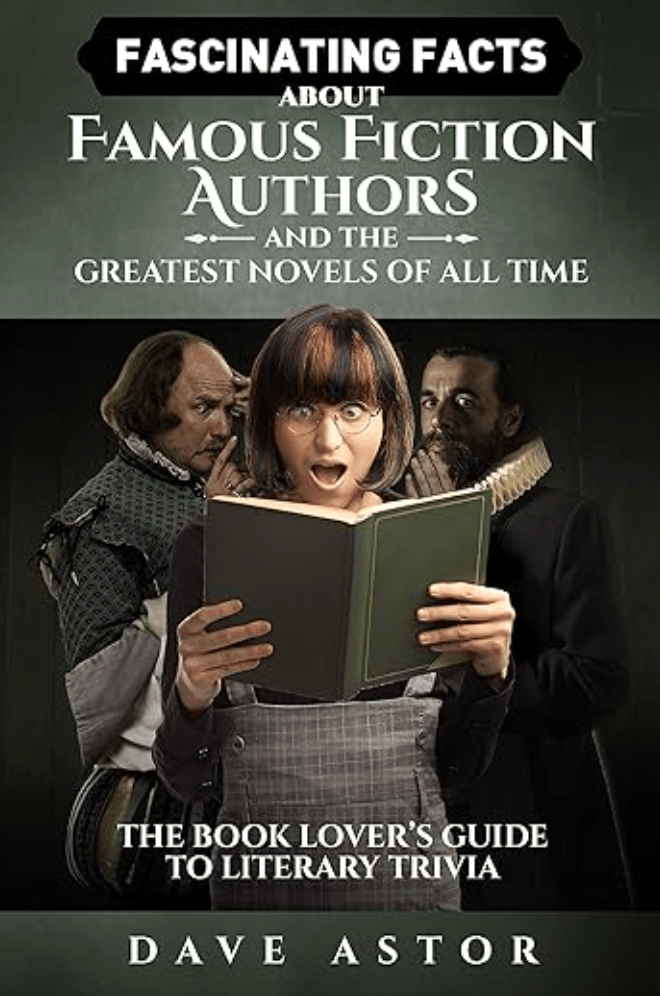
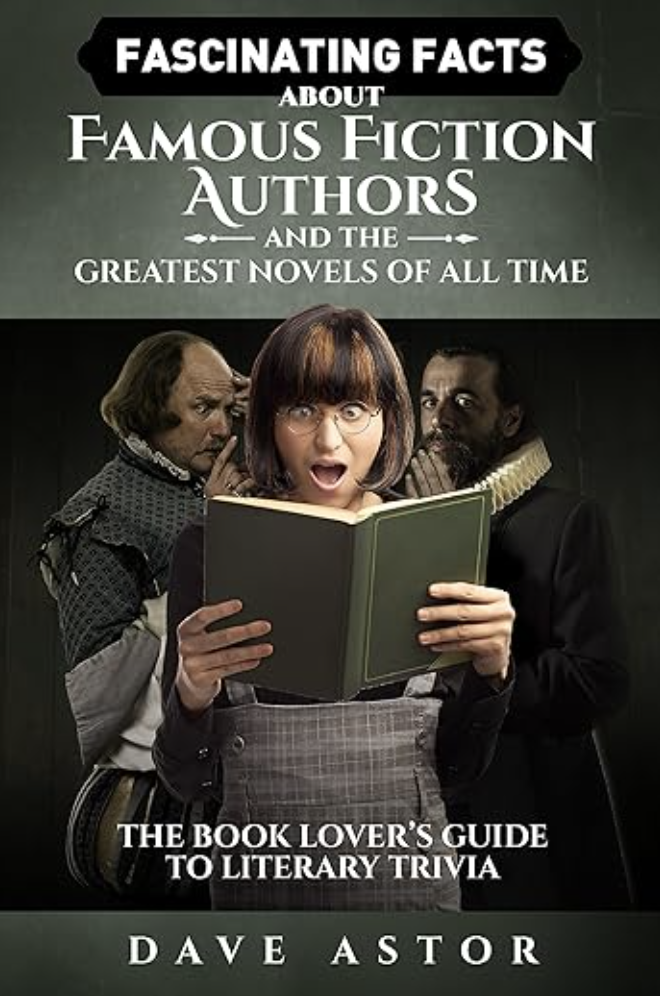
I’m also the author of a 2017 literary-trivia book…
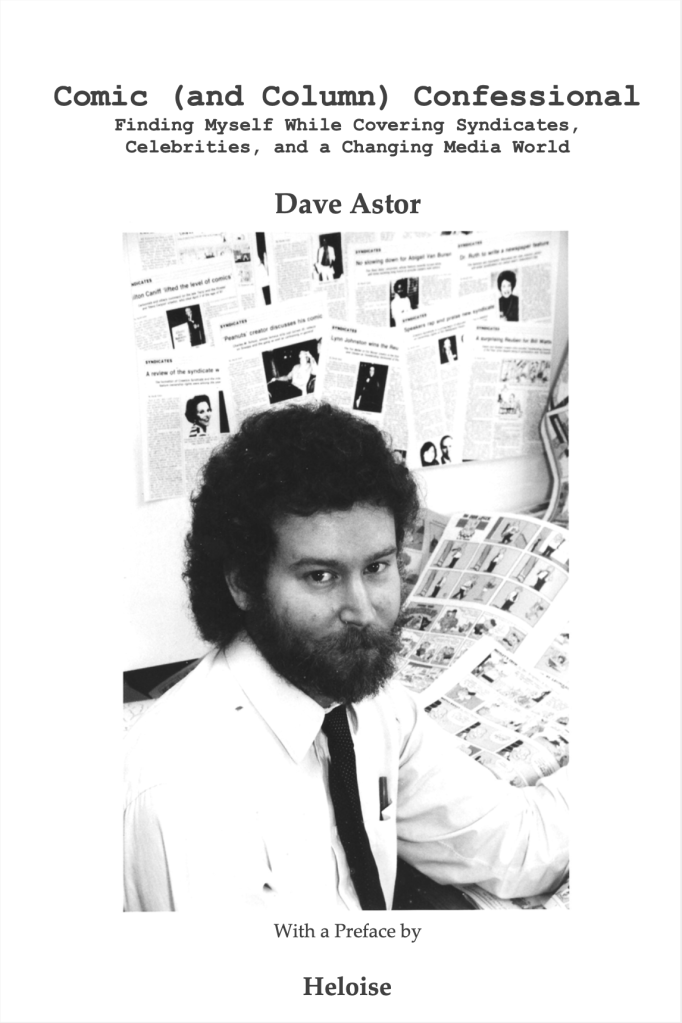
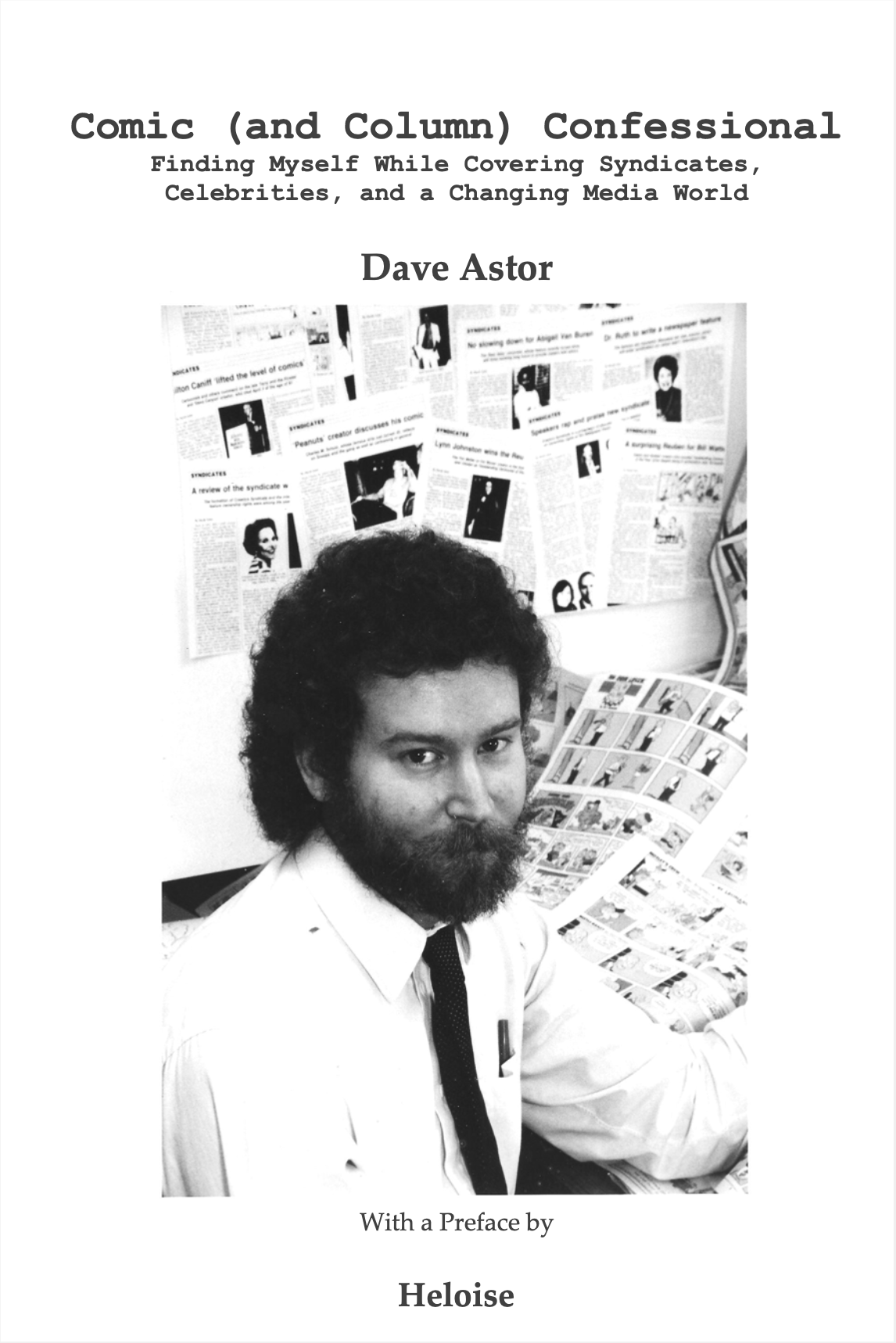
…and a 2012 memoir that focuses on cartooning and more, including many encounters with celebrities.
In addition to this weekly blog, I write the 2003-started/award-winning “Montclairvoyant” topical-humor column every Thursday for Montclair Local. The latest piece — which contains great library news and laments the long delay of a much-needed forensic audit of my town’s deficit-ridden school district — is here.