Incompetent R Them

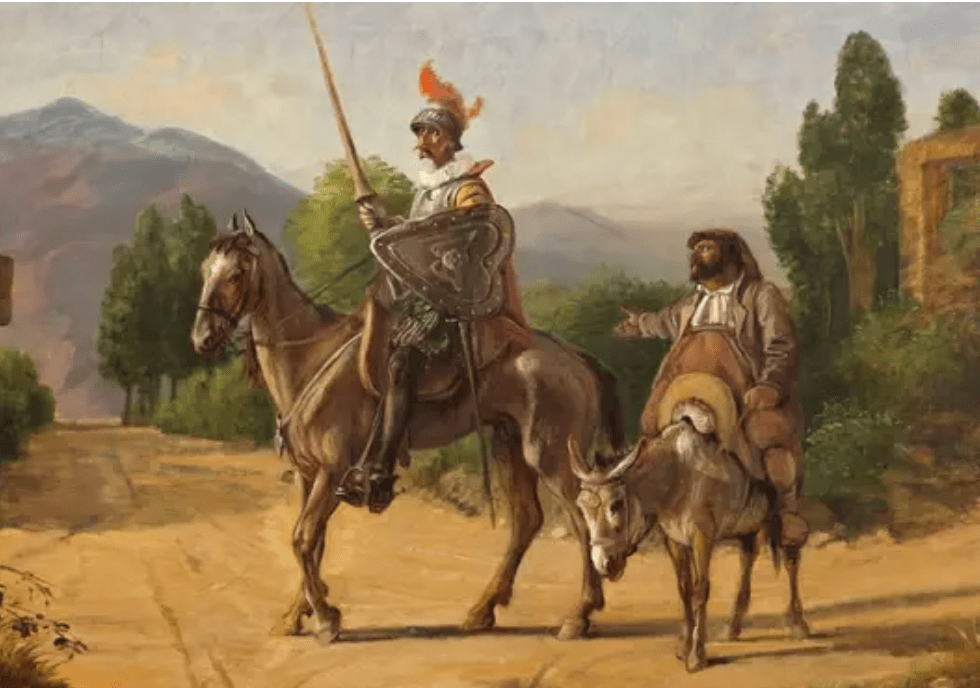
Don Quixote leads the way in this image and the blog post below.

I started sorting through my family’s 2025 tax paperwork yesterday, which reminded me that a tax-preparation company we used for the first time last year was rather incompetent. (Needless to say, we’ll be trying a different company this month.) I was also reminded of characters in novels who are incompetent or bumbling — with some of them sympathetic and some of them less so.

Before I continue with today’s theme, I wanted to mention that a far-from-inept podcaster/blogger — the mega-talented Rebecca Budd, who many of you know via WordPress — interviewed me about how reading books can be helpful and comforting in these very difficult times. Thank you, Rebecca, for the great questions and wonderful conversation! Which can be listened to here:

Anyway, the first inept character who came to mind was the clueless and deluded but kind of charming Don Quixote in Miguel de Cervantes’ early-1600s classic. Quixote IS quite skilled at attacking windmills he mistakes for enemies. πŸ™‚

Not as sympathetic is the buffoonish Professor Gilderoy Lockhart in J.K. Rowling’s Harry Potter and the Chamber of Secrets. Also inept, at the start of the seven-book Potter series, is Hogwarts student Neville Longbottom, but his character arc eventually has him become more self-assured and even heroic.

An inept/adept mix can also be simultaneous — as with the bounty hunter Stephanie Plum who is both bumbling and skilled in Janet Evanovich’s series of novels.

Then there’s Ignatius J. Reilly, who could be categorized as a fool in John Kennedy Toole’s A Confederacy of Dunces. But he has some smarts, too, and is funny as hell.

The combination of ineptness and proficiency manifests itself in a different way in Daniel Keyes’ Flowers for Algernon, in which Charlie Gordon goes from being a low-IQ to high-IQ individual via an experimental surgical procedure.

A poignant character with almost no life skills is “The Poor Fool,” a child of Wang Lung and O-Lan in Pearl S. Buck’s The Good Earth. The girl, who isn’t named in the novel, has a mental handicap probably caused by being a baby the year her family was starving. Yes, some characters sadly have no control over how they turn out.

Back in 2019, I wrote a post about bad bosses in novels, and some of them were pretty incompetent — including Captain Queeg in Herman Wouk’s The Caine Mutiny.

Most of us know some incompetent people in real life, so that type is certainly familiar when encountered in literature. Even welcome in a way, because we’re relieved that these people are fictional rather than real. πŸ™‚

Thoughts about, and examples of, today’s topic?

Misty the cat says: “That car either disappeared into the garage or into the space-time continuum.”

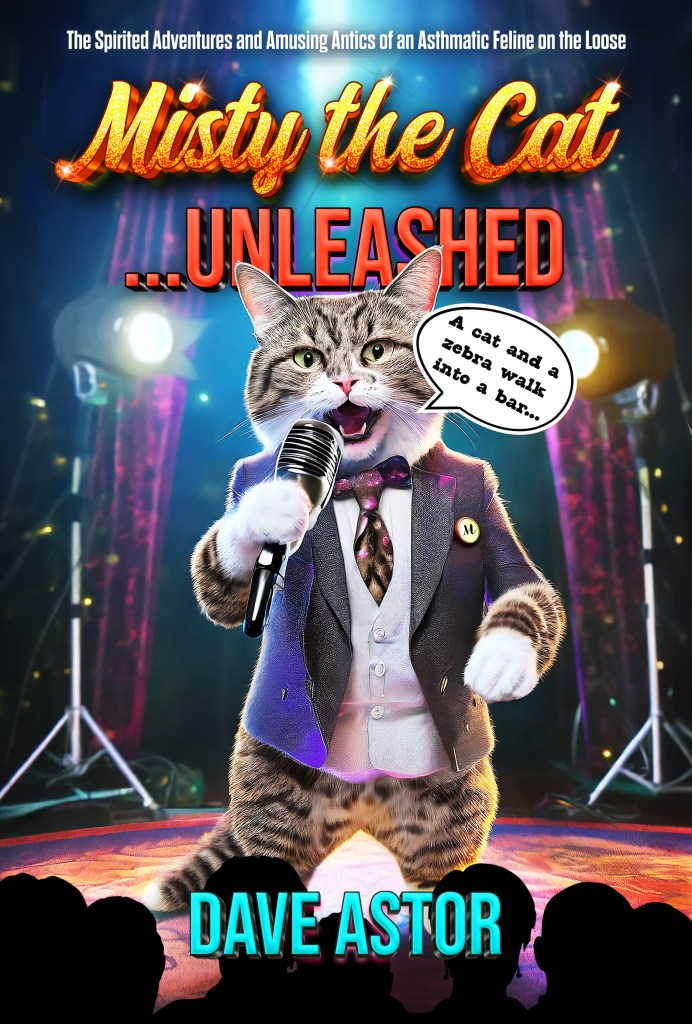
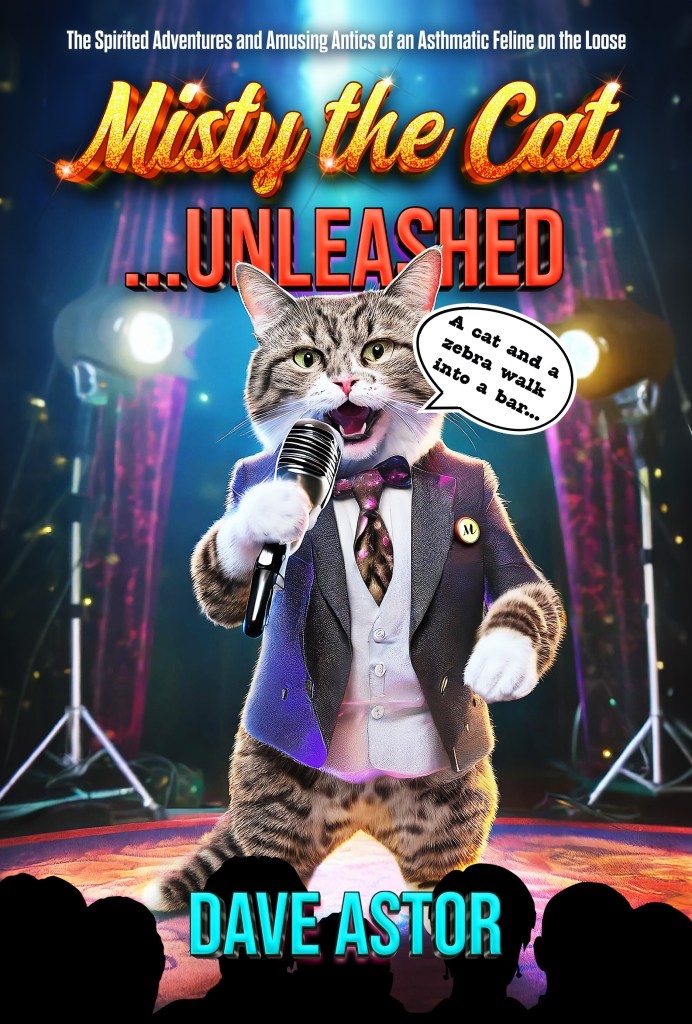
My comedic 2024 book — the part-factual/part-fictional/not-a-children’s-work Misty the Cat…Unleashed — is described and can be purchased on Amazon in paperback or on Kindle. It’s feline-narrated! (And Amazon reviews are welcome. πŸ™‚ )

This 90-second promo video for the book features a talking cat: πŸ™‚

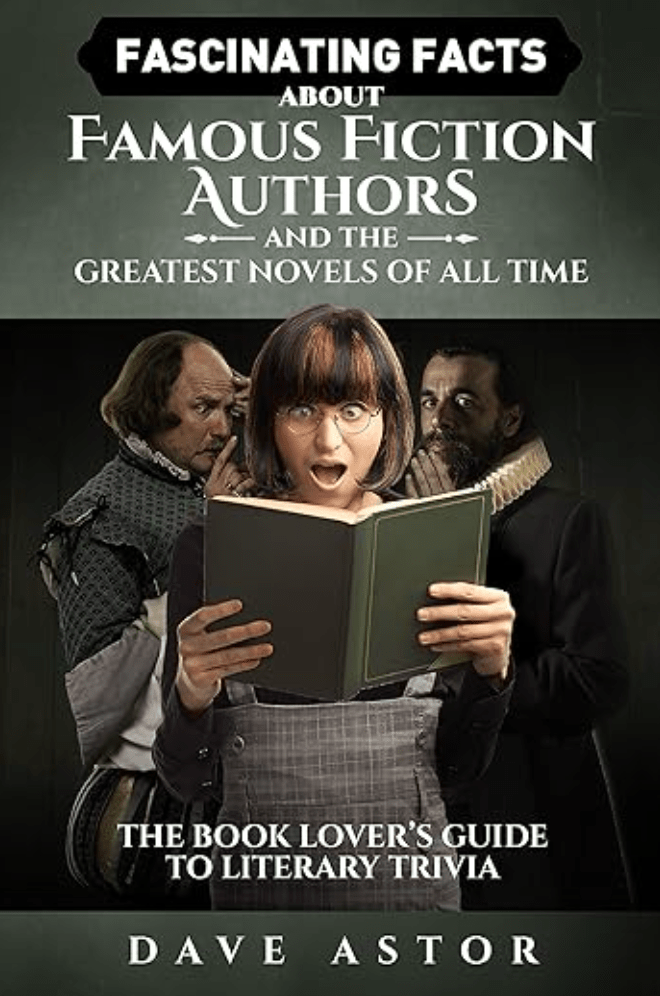
I’m also the author of a literary-trivia book

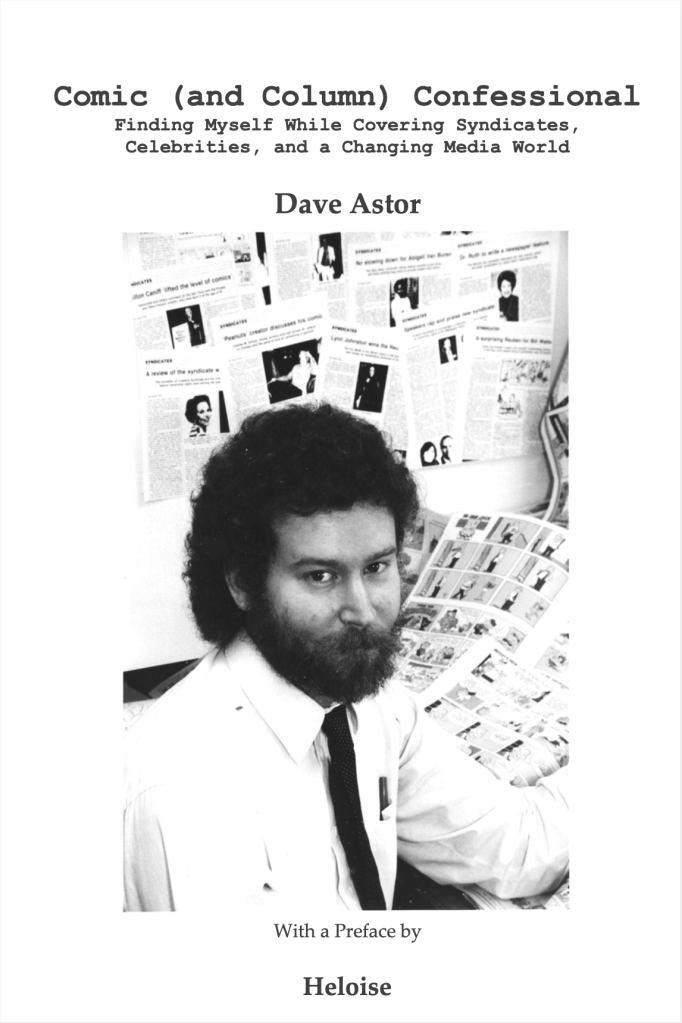
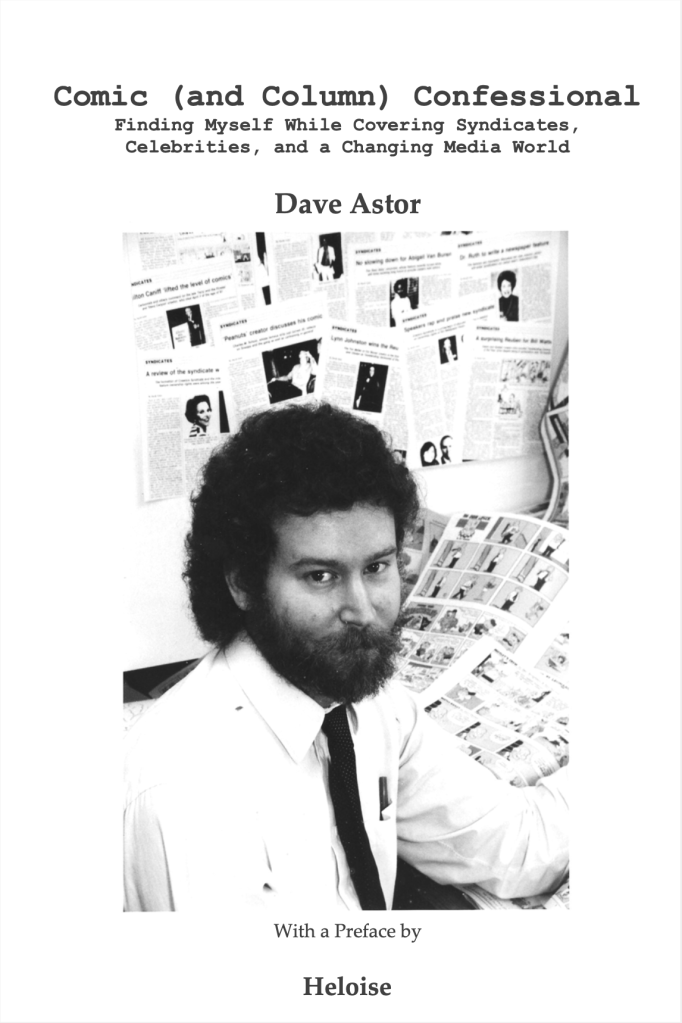
…and a memoir that focuses on cartooning and more, including many encounters with celebrities.
In addition to this weekly blog, I write the 2003-started/award-winning “Montclairvoyant” topical-humor column every Thursday for Montclair Local. The latest piece — about Black History Month and a closed fire station — is here.

The Books of Sleuth

It’s been a while since I wrote a post focusing on crime novels, so let’s get fictionally felonious again! Today, I’m going to discuss some of my favorite detectives/investigators in literature.

Their exploits can be compelling and satisfying for various reasons, including the wish-fulfillment aspect of seeing criminals get their comeuppance — though not always, and even those caught or killed can wreak a lot of havoc before their illegal work is done. Then there’s the appeal of intricate plots, trying to guess the culprits, seeing how fictional sleuths solve cases, enjoying the interesting and at-times weird personality traits of the detectives and criminals, etc.

Fictional sleuths — some professional, some amateur — are on my mind after having read four of Tarquin Hall’s India-set mysteries the past few weeks. They star private investigator Vish Puri — a brilliant, incorruptible, overeating, occasionally comedic, unfortunately a bit sexist character who solves various quirky cases. Just how quirky is telegraphed by the titles of some of Hall’s books, including The Case of the Man Who Died Laughing (2010) and The Case of the Deadly Butter Chicken (2012).

Yes, sleuths are often in multiple novels — including J.K. Rowling’s superb crime series starring Cormoran Strike and Robin Ellacott. Those two characters are brave, brainy, charismatic investigators who carry some serious physical or psychological baggage and, while work partners, are secretly in love with each other. It’s saying something that I find that 2013-launched series — written under the pen name Robert Galbraith — almost as compelling as Rowling’s earlier Harry Potter books.

Also excellent are Walter Mosley’s novels starring another expert investigator: Easy Rawlins, an African-American World War II veteran who lives in Los Angeles. The series began with the 1990-published Devil in a Blue Dress, and now has 16 installments set from the 1940s to 1960s.

Absorbing, too, are Louise Penny’s atmospheric Canada-set novels featuring inspector Armand Gamache.

And there are Val McDermid’s great books starring cold case detective Karen Pirie that I won’t get into today because I’ve recently written about them in other contexts.

Some other contemporary authors have created characters who are not detectives per se but do plenty of incisive sleuthing to solve crimes. Among them are bounty hunter Stephanie Plum in Janet Evanovich’s mysteries, attorney Mickey Haller in Michael Connelly’s books, and the roaming Jack Reacher in the novels by Lee Child (with recent titles co-written by Andrew Child).

Then of course there are past authors who created detectives — many quite iconic. Arthur Conan Doyle’s Sherlock Holmes (in novels and short stories), Edgar Allan Poe’s C. Auguste Dupin (in short stories), Agatha Christie’s Hercule Poirot and Miss Marple (of course!), Wilkie Collins’ Sgt. Richard Cuff (of The Moonstone), Umberto Eco’s William of Baskerville (in The Name of the Rose), Sue Grafton’s Kinsey Millhone (of alphabet mysteries fame), Dorothy L. Sayers’ Peter Wimsey/Harriet Vane duo, Raymond Chandler’s Philip Marlowe, Dashiell Hammett’s Sam Spade, P.D. James’ Adam Dalgliesh, etc.

And, in books penned by multiple authors over the years…Nancy Drew!

Comments about this post? Fictional sleuths you’ve liked?

Misty the cat says: “The leaves turned after I installed steering wheels on them.”

My comedic 2024 book — the part-factual/part-fictional/not-a-children’s-work Misty the Cat…Unleashed — is described and can be purchased on Amazon in paperback or on Kindle. It’s feline-narrated! (And Misty says Amazon reviews are welcome. πŸ™‚ )

This 90-second promo video for the book features a talking cat: πŸ™‚

I’m also the author of a 2017 literary-trivia book

…and a 2012 memoir that focuses on cartooning and more.

In addition to this weekly blog, I write the 2003-started/award-winning “Montclairvoyant” topical-humor column every Thursday for Montclair Local. The latest piece — about the start of school and more — is here.