All of March, Not ‘Middlemarch’

March is my birthday month, so I thought I’d list and discuss famous March-born authors I’ve read at least one book by.

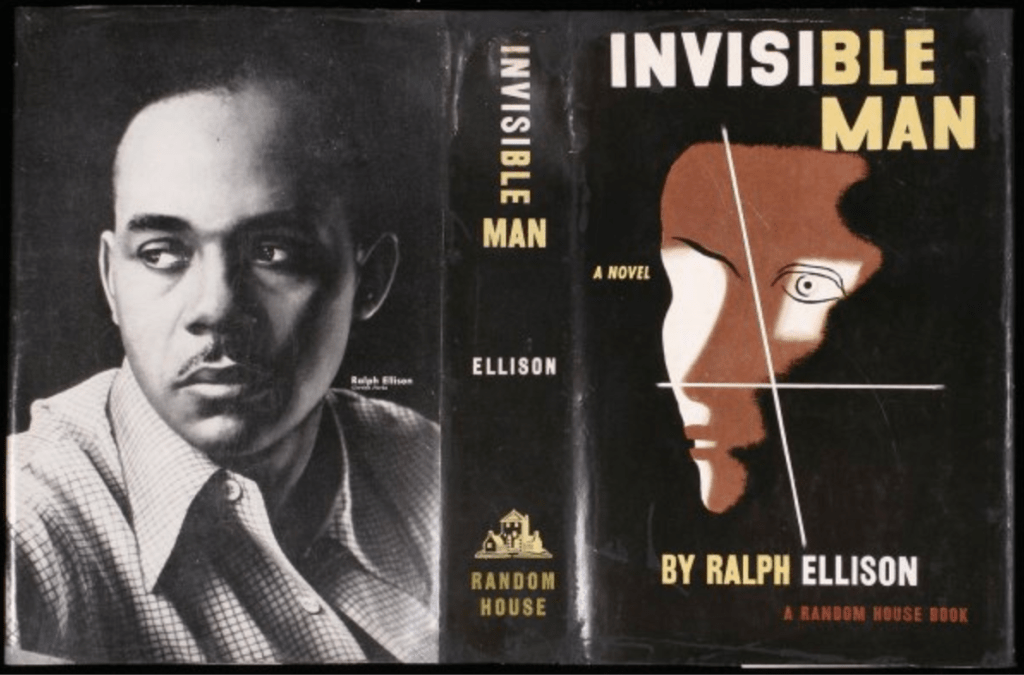
March 1: Ralph Ellison (1913-1994). He of course wrote Invisible Man, which says more about racism and other aspects of United States life than most other novels have ever done.

March 2: John Irving (1942-). I’ve read four of his novels, with The Cider House Rules my favorite. He’s really skilled at combining the quirky and the profound, with social commentary also a big part of the mix.

March 2: Peter Straub (1943-2022). His intricate Ghost Story was quite good but could have been somewhat shorter.

March 4: Khaled Hosseini (1965-). His debut novel The Kite Runner is very compelling, although one loses a lot of sympathy for protagonist Amir after his nasty act of betrayal.

March 6: Gabriel Garcia Marquez (1927-2014). I’ve read five of his novels — One Hundred Years of Solitude is obviously his best — and he was masterful at mixing magic realism, political elements, pathos, romance, and more.

March 8: Jeffrey Eugenides (1960-). His Middlesex novel memorably depicts an intersex character while also having plenty to say about family dynamics, the immigrant experience, etc.

March 11: Douglas Adams (1952-2001). His The Hitchhiker’s Guide to the Galaxy is an enjoyable read, though I think somewhat overrated.

March 12: Jack Kerouac (1922-1969). I also think On the Road is overrated, but it does say a lot about wanderlust, The Beat Generation, and the culture of its time.

March 13: Viet Thanh Nguyen (1971-). His novel The Sympathizer and its sequel The Committed — both starring an unnamed part-Vietnamese spy — offer an impressive page-turning amalgam of war commentary, multiculturalism, humor, and more.

March 13: Tad Williams (1957-). His Tailchaser’s Song is an epic fantasy novel starring…cats.

March 18: John Updike (1932-2009). The only novel of his I’ve read is Rabbit, Run, and, while I admired the writing, I was not a big fan of the book’s brew of white-male angst and misogyny.

March 19: Philip Roth (1933-2018). This author can also be annoying amid the great writing chops, but the neurotic Portnoy’s Complaint is funny as hell.

March 20: Lois Lowry (1937-). Her young-adult dystopian novel The Giver is quite good, and its sequels aren’t bad, either.

March 20: Louis Sachar (1954-). His eccentric Holes is one of the better YA novels I’ve read, including its feminist and antiracist aspects.

March 22: Louis L’Amour (1908-1988). He’s best known for western novels, but his Soviet Union-set Last of the Breed is pretty exciting, too.

March 22: James Patterson (1947-). Tried just one of his novels; wasn’t a fan. Also not a fan of his “factory” approach of using a team of co-authors to churn out book after book.

March 23: Julia Glass (1956-). I’ve read her very good Three Junes, which, as the title implies, has an interesting/interrelated three-part format.

March 25: Flannery O’Connor (1925-1964). She’s best-known for chilling short stories such as “A Good Man Is Hard to Find,” but also wrote the intriguing novel Wise Blood.

March 27: Julia Alvarez (1950-). Her novel In the Time of the Butterflies is a gripping piece of historical fiction about sisters bravely opposing the former Dominican Republic dictatorship.

March 28: Russell Banks (1940-2023). I’ve only read his Rule of the Bone, a gritty look at characters living in the underbelly of the U.S. and Jamaica.

March 28: Mario Vargas Llosa (1936-2025): His offbeat Aunt Julia and the Scriptwriter definitely held my interest.

March 31: Nikolai Gogol (1809-1852). His novel Dead Souls is an eye-opener, and his short story “The Overcoat” is a classic tale that influenced great Russian writers later in the 19th century. (Some sources say Gogol was born on April 1.)

March 31: Marge Piercy (1936-). Her Woman on the Edge of Time is an original combination of social justice and science fiction writing.

March 31: Judith Rossner (1935-2005). Her Looking for Mr. Goodbar was quite a sensation in its 1970s time.

Notable March-born writers I’ve read who are known for work other than novels include children’s book author Dr. Seuss, playwright Tennessee Williams, and poets Robert Frost and Elizabeth Barrett Browning, among others.

Any thoughts on this post, or examples of other March-born writers you’ve read?

As he runs in the direction of NYC, Misty asks: “How can cats live in ‘the city that never sleeps’?”

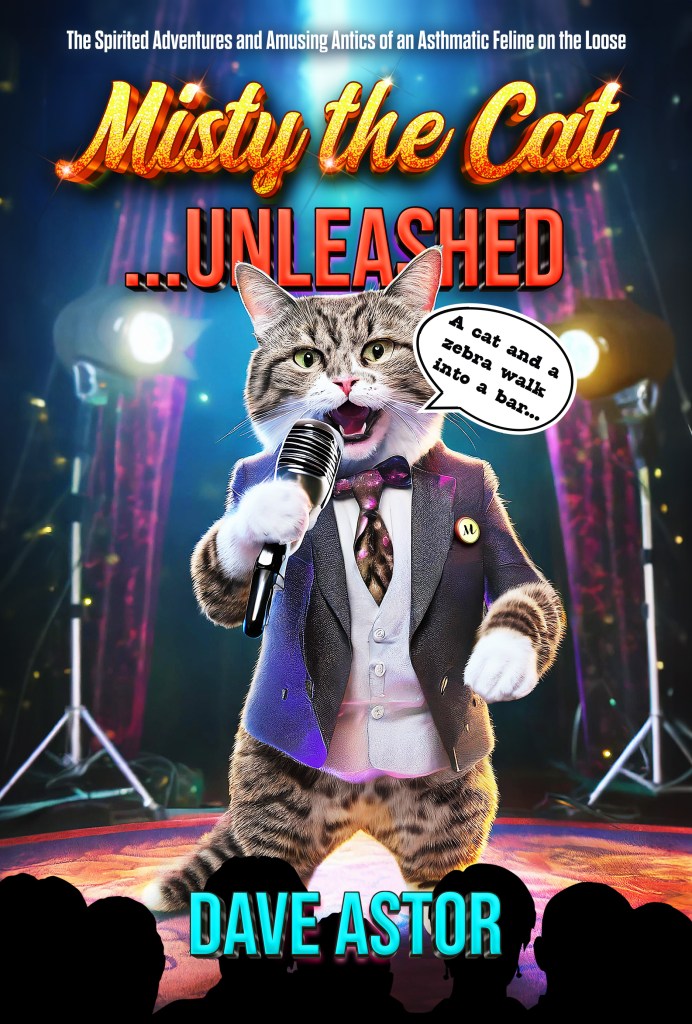
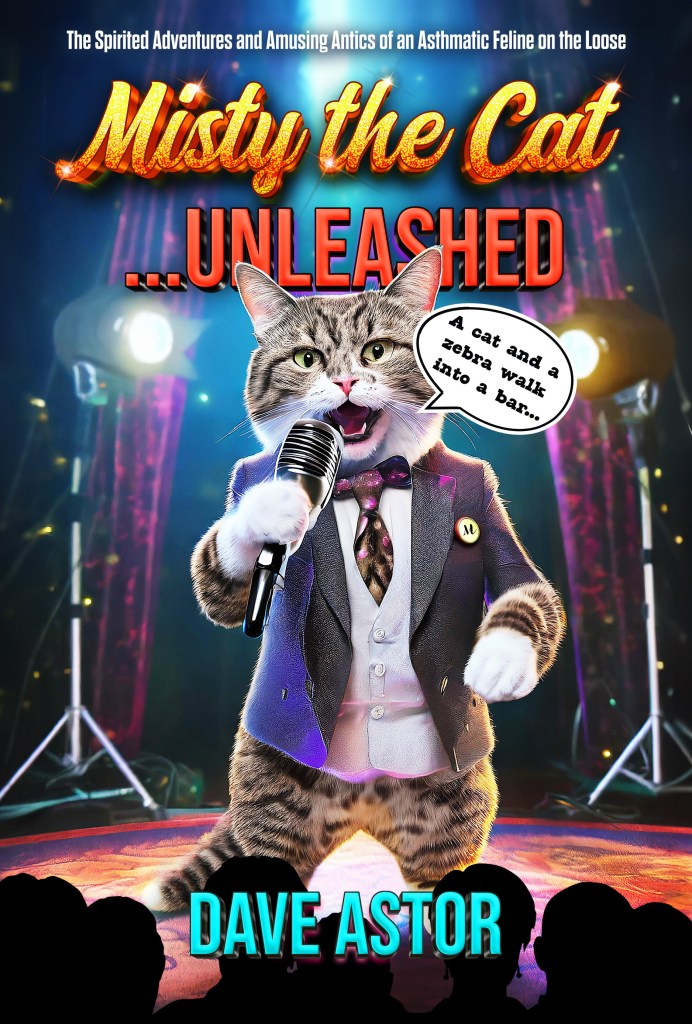
My comedic 2024 book — the part-factual/part-fictional/not-a-children’s-work Misty the Cat…Unleashed — is described and can be purchased on Amazon in paperback or on Kindle. It’s feline-narrated! (And Amazon reviews are welcome. πŸ™‚ )

This 90-second promo video for the book features a talking cat: πŸ™‚

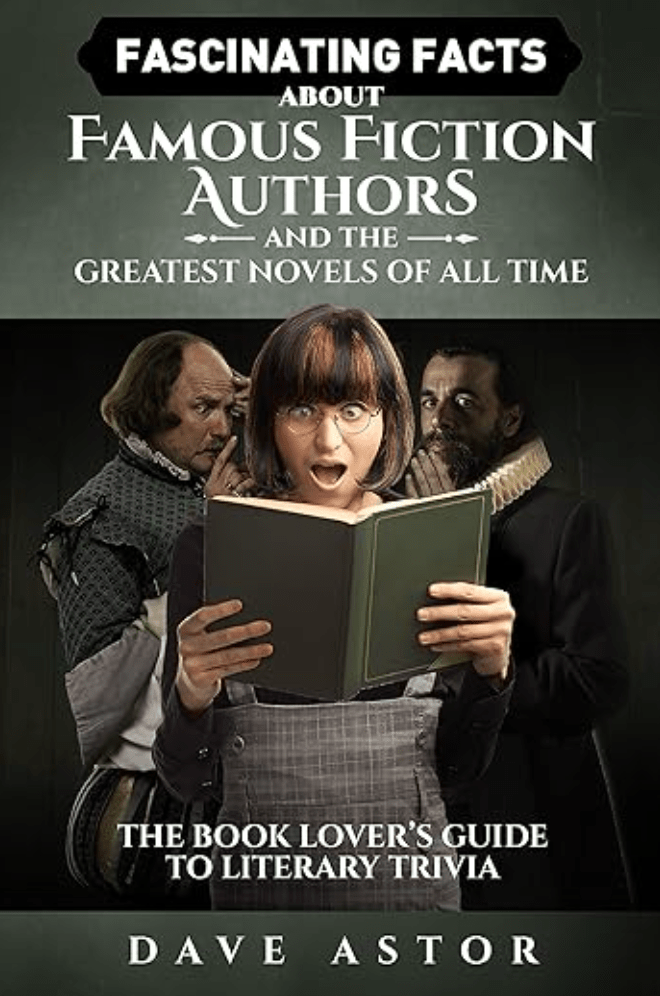
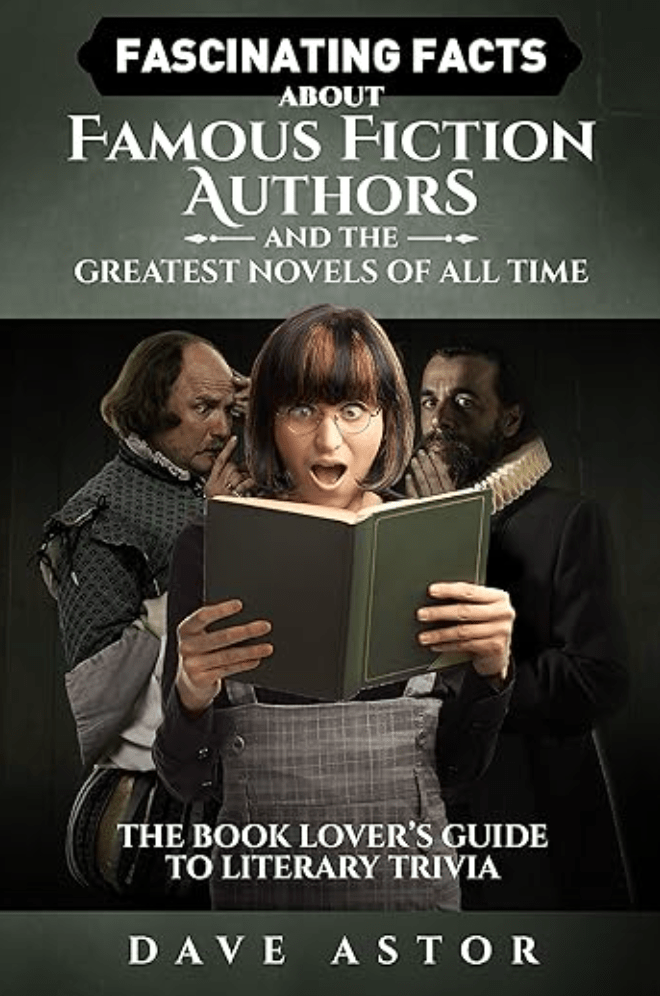
I’m also the author of a 2017 literary-trivia book

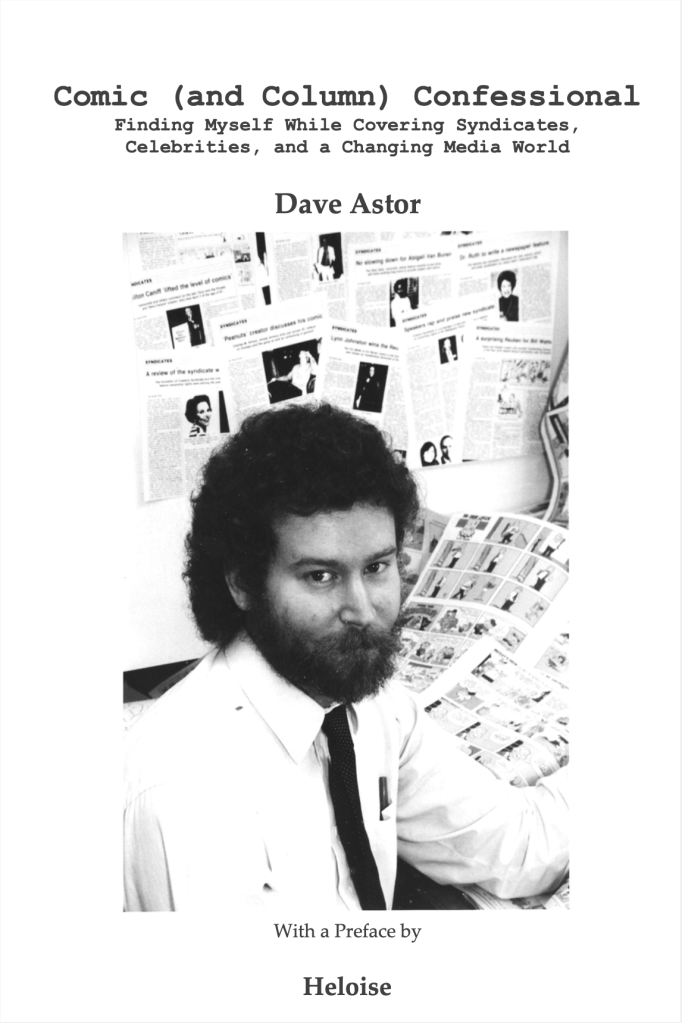
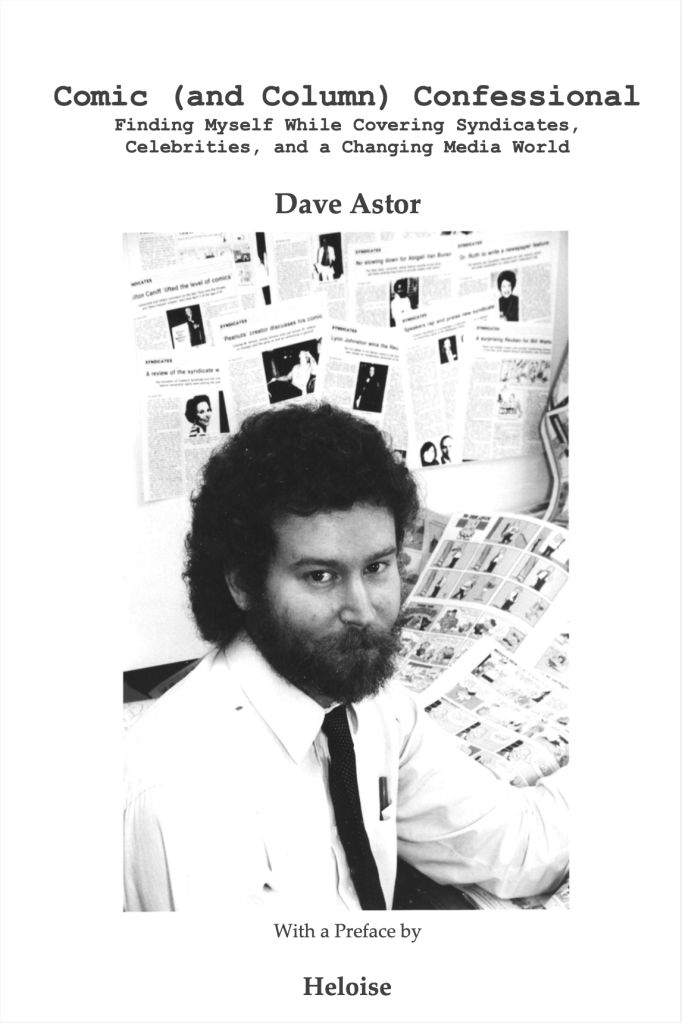
…and a 2012 memoir that focuses on cartooning and more, including many encounters with celebrities.
In addition to this weekly blog, I write the 2003-started/award-winning “Montclairvoyant” topical-humor column every Thursday for Montclair Local. The latest piece — containing commentary on a big snowstorm and all kinds of controversial news in my town — is here.
They Seconded the Notion of Not Using Their First Language

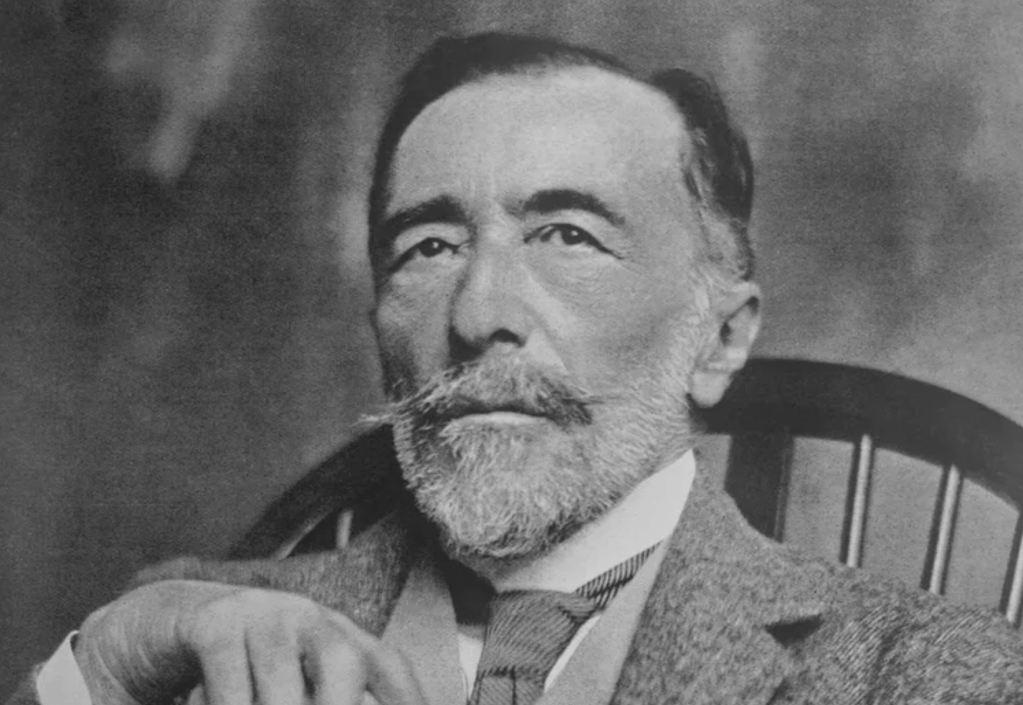
Joseph Conrad (Bettmann/Getty Images).

It’s hard enough to write books. But writing them without using your first language? Impressive!

I was thinking about that last week while reading The Secret Agent by Joseph Conrad, who spoke his native Polish as well as French from childhood but wrote his fiction in English — a language he didn’t learn until he was in his 20s. Still, Conrad’s English writing was quite elegant and far from simple in works that also included such books as Heart of Darkness (which helped inspire the movie Apocalypse Now) and Lord Jim.

The Russian-born Vladimir Nabokov actually wrote his first nine novels in Russian before turning to English — the language of his most famous work, Lolita. But Nabokov’s dexterity in English was especially exceptional in his later novel Pale Fire.

Jhumpa Lahiri, the British-American daughter of immigrants from India, wrote her Pulitzer Prize-winning Interpreter of Maladies short-story collection and her novels The Namesake and The Lowland in English. Then she went on to learn Italian, and authored a novel in that language titled Dove mi trovo (later self-translated into English as Whereabouts).

Afghanistan-born Khaled Hosseini, a teen when his family immigrated to the U.S., was a native Farsi speaker who wrote The Kite Runner and his other novels in English.

Kazuo Ishiguro was a native Japanese speaker whose family moved to England when he was five. The Nobel Prize in literature recipient wrote The Remains of the Day and his other subtle novels in English.

Chinua Achebe of Things Fall Apart fame was a native speaker of Igbo in Nigeria who wrote primarily in English.

Canadian-born Yann Martel, best known for authoring the novel Life of Pi, was a native French speaker who would go on to write in English.

Like Conrad, Jerzy Kosinski was born in Poland but gained fame as a writer in English — with his best-known work the novel Being There.

Anyway, that’s a small sampling — and one that mostly includes authors who became English wordsmiths. Any further examples of this topic, including authors who ended up writing in non-English languages? Any other thoughts on this topic?

Misty the cat says: “I must eat after a claw-trimming shrank my weight from 17 pounds to one ounce.”

My comedic 2024 book — the part-factual/part-fictional/not-a-children’s-work Misty the Cat…Unleashed — is described and can be purchased on Amazon in paperback or on Kindle. It’s feline-narrated! (And Amazon reviews are welcome. πŸ™‚ )

This 90-second promo video for the book features a talking cat: πŸ™‚

I’m also the author of a 2017 literary-trivia book

…and a 2012 memoir focusing on cartooning and more that includes many encounters with celebrities.

In addition to this weekly blog, I write the 2003-started/award-winning “Montclairvoyant” topical-humor column every Thursday for Montclair Local. The latest piece — about a local “No Kings” rally, the reopening of a vintage movie theater, and more — is here.

Authors Who Lived in More Than One Country

I recently finished Vladimir Nabokov’s Pale Fire, and, after musing about how clever that novel is, I read a Wikipedia biography of the author.

It turned out that Nabokov wrote his first nine novels in Russian before switching to English — after which he authored his two most famous books: the controversial Lolita and the aforementioned Pale Fire, which consists of a poem followed by an extended, often-hilarious analysis that’s less about the poem than about the weird analyzer (who may or may not be a king who escaped to the U.S.).

Nabokov’s life got me thinking about other authors who lived in more than one country, and what effect that had on their work. Obviously, writers with multinational backgrounds might be compassionate or bitter about leaving one’s place of origin, more cosmopolitan, more knowledgeable about the world, more attuned to the pros and cons of various countries and political systems, more aware that human emotions anywhere tend to be alike rather than different, and so on.

The brilliant Nabokov was born in Russia and then lived in Germany before emigrating to America. Ending up in the U.S. is the template for many authors, and I’ll mention some of them first. But there are also a number of U.S.-born writers who went abroad, as well as serial-country authors who never lived in the fifty states. I’ll discuss some of those authors second and third. Meanwhile, I’ll mention here that Nabokov later left the U.S. for Switzerland.

German novelist Erich Maria Remarque also ended up in Switzerland, but lived a number of years in America after getting on the hate list of the vile Nazi regime. His last novel — Shadows in Paradise — is set in the U.S., but doesn’t measure up to his masterpieces such as the antiwar All Quiet on the Western Front, Arch of Triumph, and The Night in Lisbon.

There’s also Khaled Hosseini, whose riveting novel The Kite Runner was obviously inspired in part by his move from Afghanistan to America (with an in-between stay in France). English writer Aldous Huxley of Brave New World fame spent much of his life living in “The New World” (California, to be exact). Nigerian author Chinua Achebe (Things Fall Apart) resided a number of years in the U.S., too.

American-born authors living overseas for long periods? Two prime examples are Henry James (England) and Edith Wharton (France). Then there’s James Fenimore Cooper (in Europe from 1826 to 1833) and Nathaniel Hawthorne (in Europe from 1853 to 1860, when he strayed from his fiction’s usual New England settings to place The Marble Faun in Italy). Also, authors Richard Wright and James Baldwin went to France, partly to escape America’s virulent racism. Willa Cather lived in the U.S., but spent many summers at the only house she ever owned — in Canada (the setting of her little known but superb historical novel Shadows on the Rock). Another American author, Mary McCarthy, spent a lot of time in a second home in Paris.

Multinational authors with little or no time in the U.S. include, among others, Gabriel Garcia Marquez (Colombia, Venezuela, Spain, Mexico); Fanny Burney (England, France, England); Polish writer Joseph Conrad (who ended up in England); Kazuo Ishiguro (whose family moved from Japan to England when he was five); Russian writer Ivan Turgenev (who spent significant time in Germany and France); and Emile Zola (who left France for England to avoid jail after his brave role in debunking the anti-Semitic framing of Capt. Alfred Dreyfus).

Who are some of your favorite authors with lives lived in two or more countries? Why is this an advantage to a writer? Any disadvantages? (The box for submitting comments is below already-posted comments, but your new comment will appear at the top of the comments area — unless you’re replying to someone else’s comment.)

A note: After today, I will not post a new piece for perhaps three weeks or so for the usual summer reasons, but will pick up the pace starting in mid-August!

For three years of my Huffington Post literature blog, click here.

I’ve also written more than 50% of a literature-related book. But I’m still selling my part-funny Comic (and Column) Confessional memoir that recalls 25 years of covering/meeting cartoonists such as Charles Schulz (“Peanuts”) and Bill Watterson (“Calvin and Hobbes”), columnists such as Ann Landers and “Dear Abby,” and other notables such as Hillary Clinton, Coretta Scott King, and various authors. The memoir also talks about the malpractice death of my first daughter, my remarriage, and life in New York City and Montclair, N.J. — where I write the award-winning weekly “Montclairvoyant” humor column for The Montclair Times. I can be contacted at dastor@earthlink.net to buy a discounted, inscribed copy of the book, which has a preface by “Hints” columnist Heloise and back-cover blurbs by “The Far Side” cartoonist Gary Larson, among others.