First-Class Males in Fiction

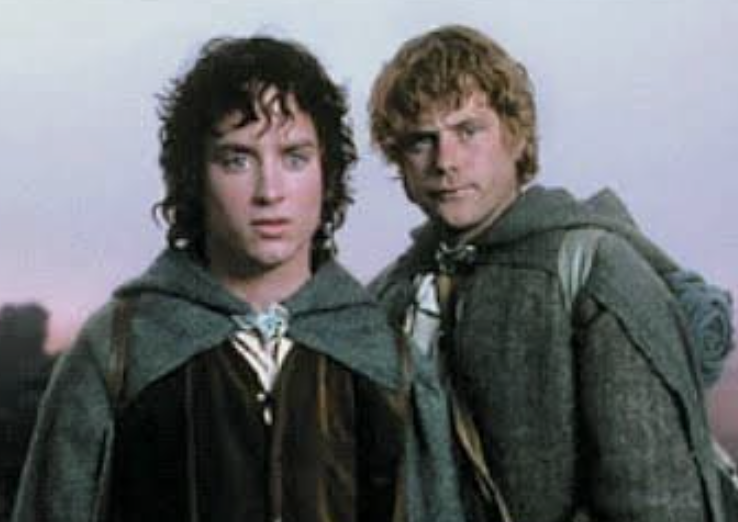
Elijah Wood as Frodo and Sean Astin as Sam in The Lord of the Rings movie trilogy (2001, 2002, 2003).

Last week, I wrote about fictional female characters who are brave, strong-willed, etc. This week, I’ll do the same for fictional male characters – whether their courage is physical, mental, and/or moral.

One such inspiring guy is Sydney Carton of Charles Dickens’ A Tale of Two Cities. In that 1859 novel, Carton is a less-than-admirable man who wants to do better – which moves him to make an almost unfathomably heroic sacrifice during the French Revolution.

Ten years later, R.D. Blackmore’s 1869 novel Lorna Doone co-starred John Ridd, who does all kinds of courageous things after falling in love with the title character. Romance can be an incentive that way. 🙂

Staying with 19th-century literature, Walter Scott’s Rob Roy (1817) features a title character partly based on real-life outlaw Rob Roy MacGregor – who has been called “the Scottish Robin Hood.”

Moving to the 20th century, we of course have various heroic males in J.R.R. Tolkien’s The Lord of the Rings trilogy (1954-1955) – including the hobbits Frodo Baggins and Samwise Gamgee. Impressive when physically small-of-stature beings are valiant against larger foes.

A lesser-known novel is Louis L’Amour’s Last of the Breed (1986) starring Native-American military pilot Joe Mack as he makes a daring on-foot escape from capture in the vast Siberian wilderness.  

A much-better-known novel is Harper Lee’s To Kill a Mockingbird (1960), in which Alabama attorney Atticus Finch bravely defends an innocent Black man in the racist 1930s American South.

Moving to 21st-century fiction, African-American attorney Malcolm Bannister is incredibly clever and resourceful after being wrongly charged and jailed in John Grisham’s 2012 novel The Racketeer.

Count Alexander Rostov of Amor Towles’ A Gentleman in Moscow (2016) is stoic and quietly courageous while serving a lifetime sentence of house arrest in a hotel.

Private investigator Cormoran Strike of J.K. Rowling’s series of eight (so far) crime novels published between 2013 and 2025 is far from timid as he pursues wrongdoers while dealing with the painful partial loss of a leg from when he was deployed in Afghanistan. 

Straddling the 20th and 21st centuries:

Walter Mosley’s private investigator Ezekiel “Easy” Rawlins, star of the ongoing series that began with Devil in a Blue Dress in 1990, is quite gutsy in a low-key way. 

Lee Child’s roving Jack Reacher character, who was first introduced to readers in 1997, is fearless as he deals with various bad guys in 30 (and counting) novels.

Your thoughts about, and examples of, this theme?

In our dimly lit garage, Misty the cat says: “Here’s where Joseph Conrad wrote ‘Heart of Darkness.'”

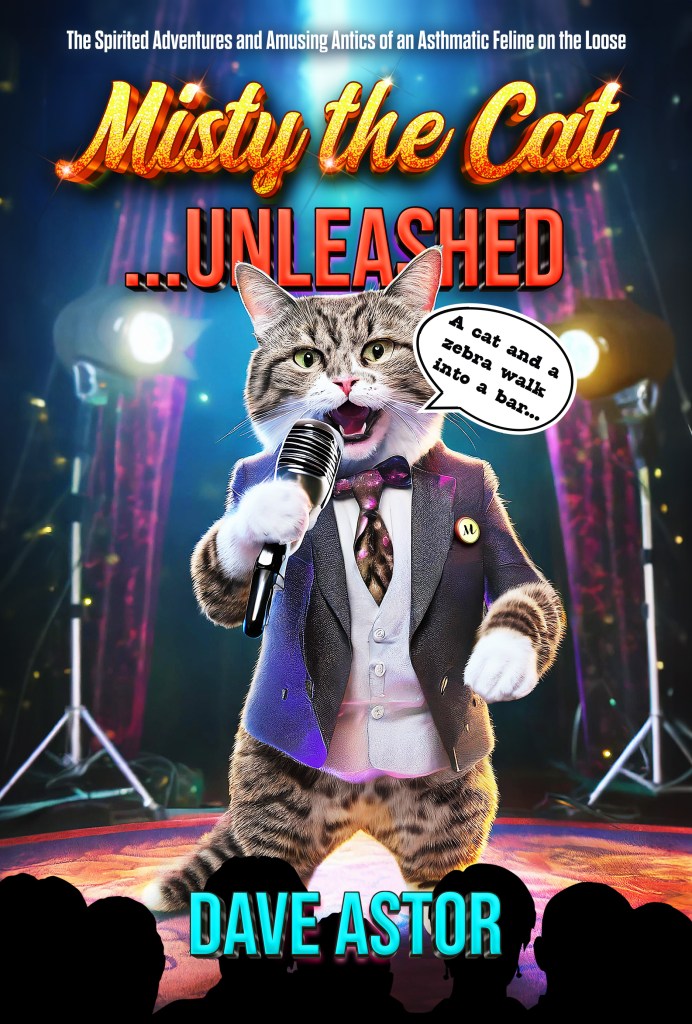
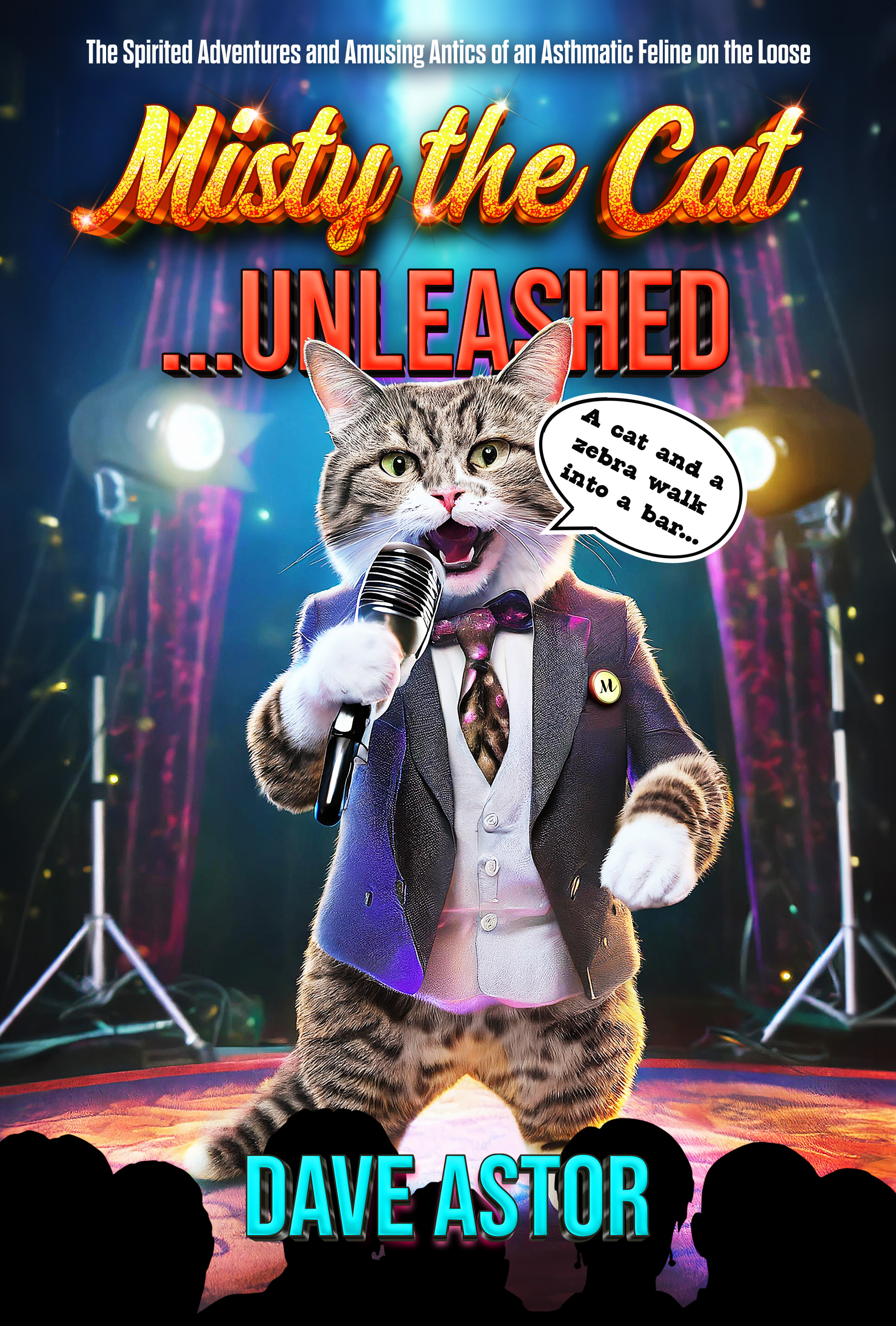
My comedic 2024 book — the part-factual/part-fictional/not-a-children’s-work Misty the Cat…Unleashed — is described and can be purchased on Amazon in paperback or on Kindle. It’s feline-narrated! (And Amazon reviews are welcome. 🙂 )
This 90-second promo video for the book features a talking cat: 🙂

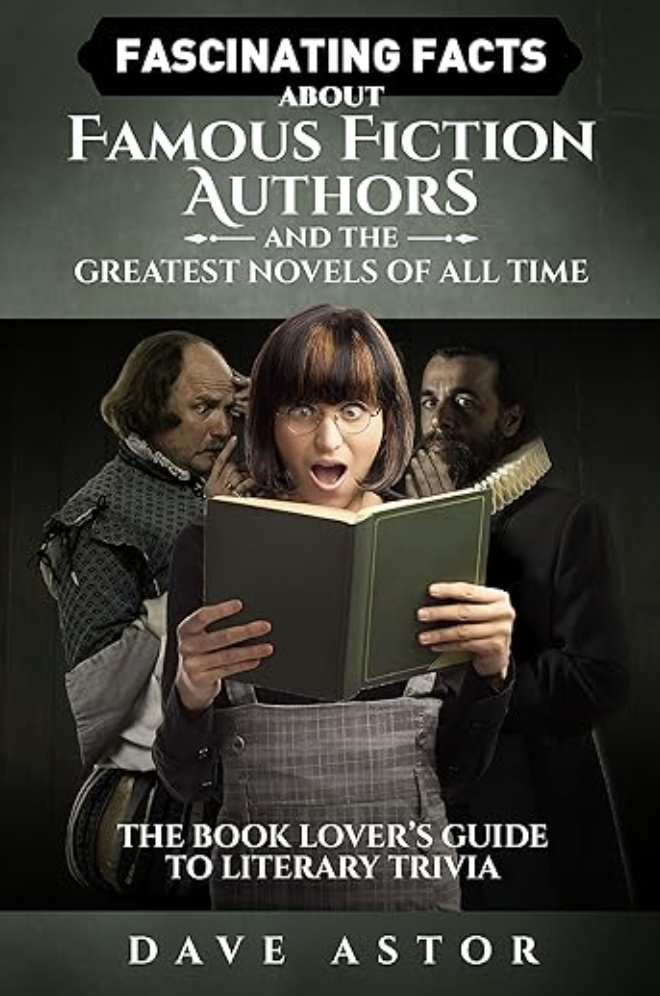
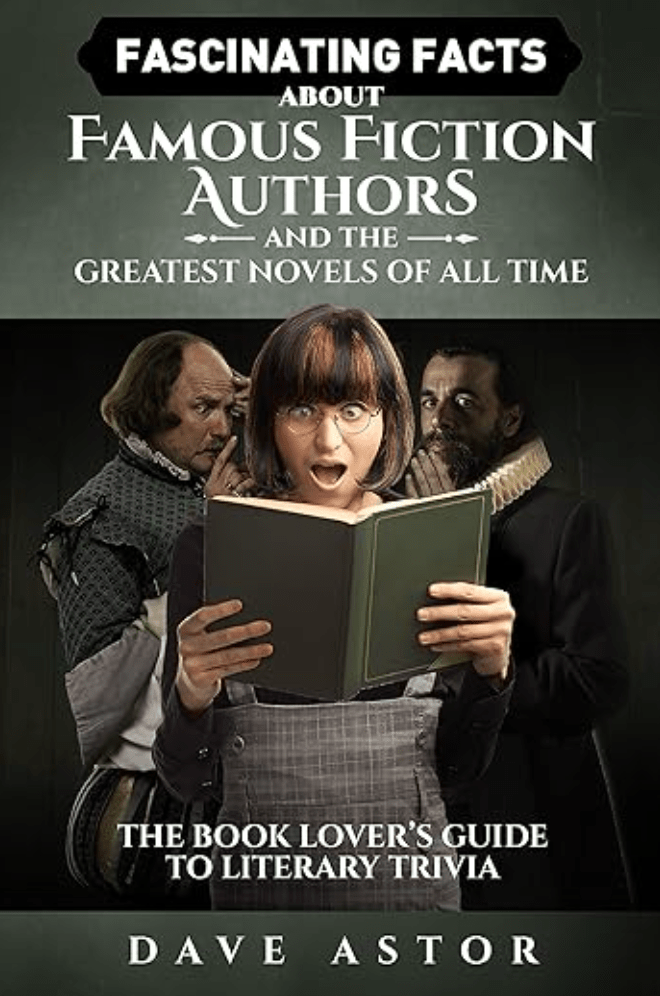
I’m also the author of a 2017 literary-trivia book

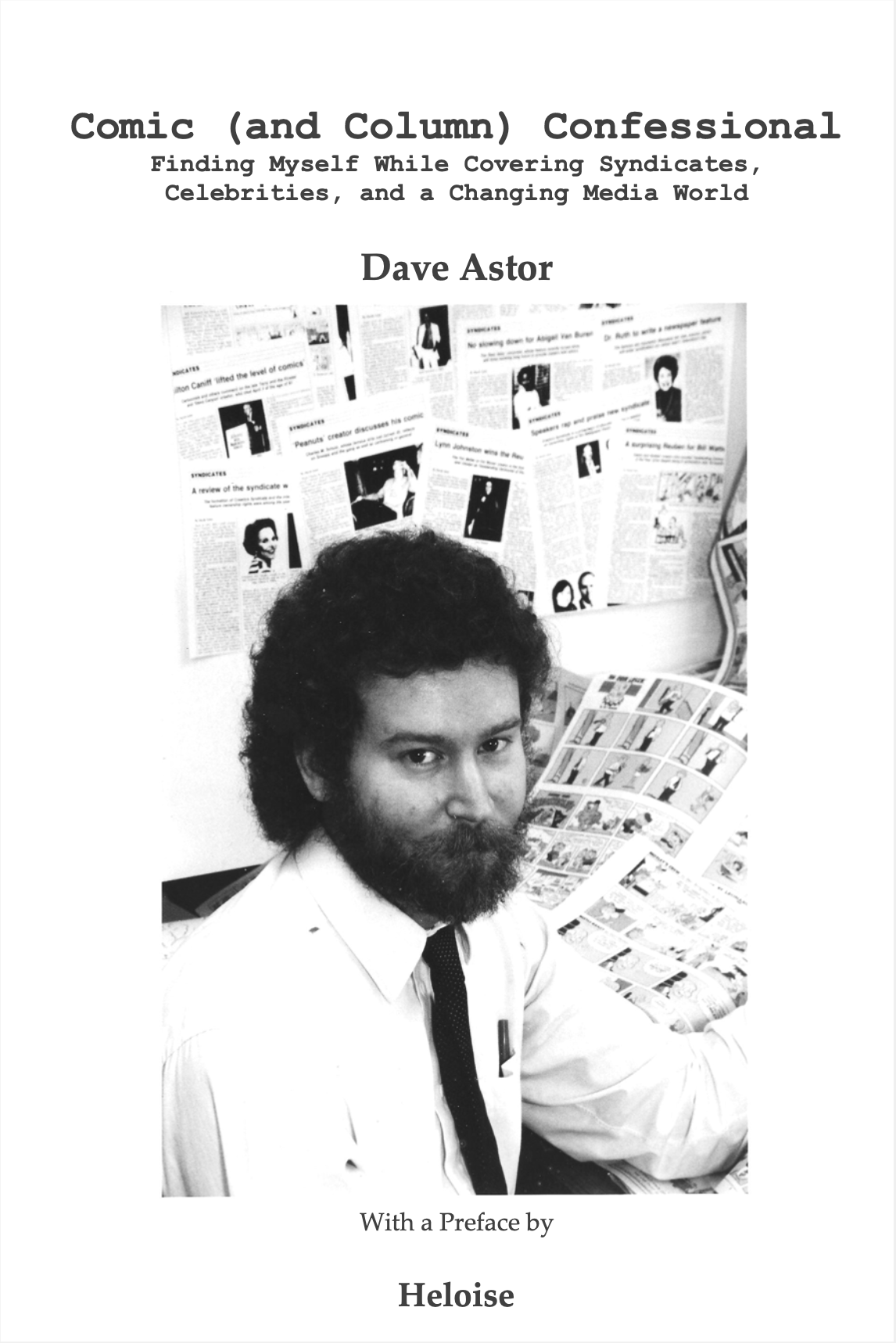
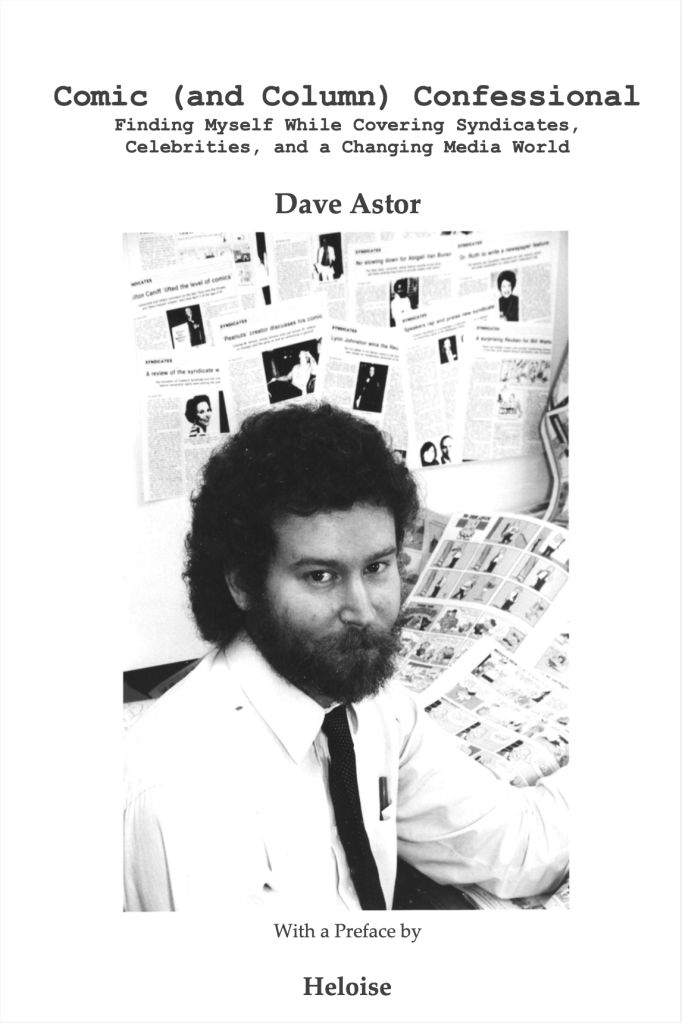
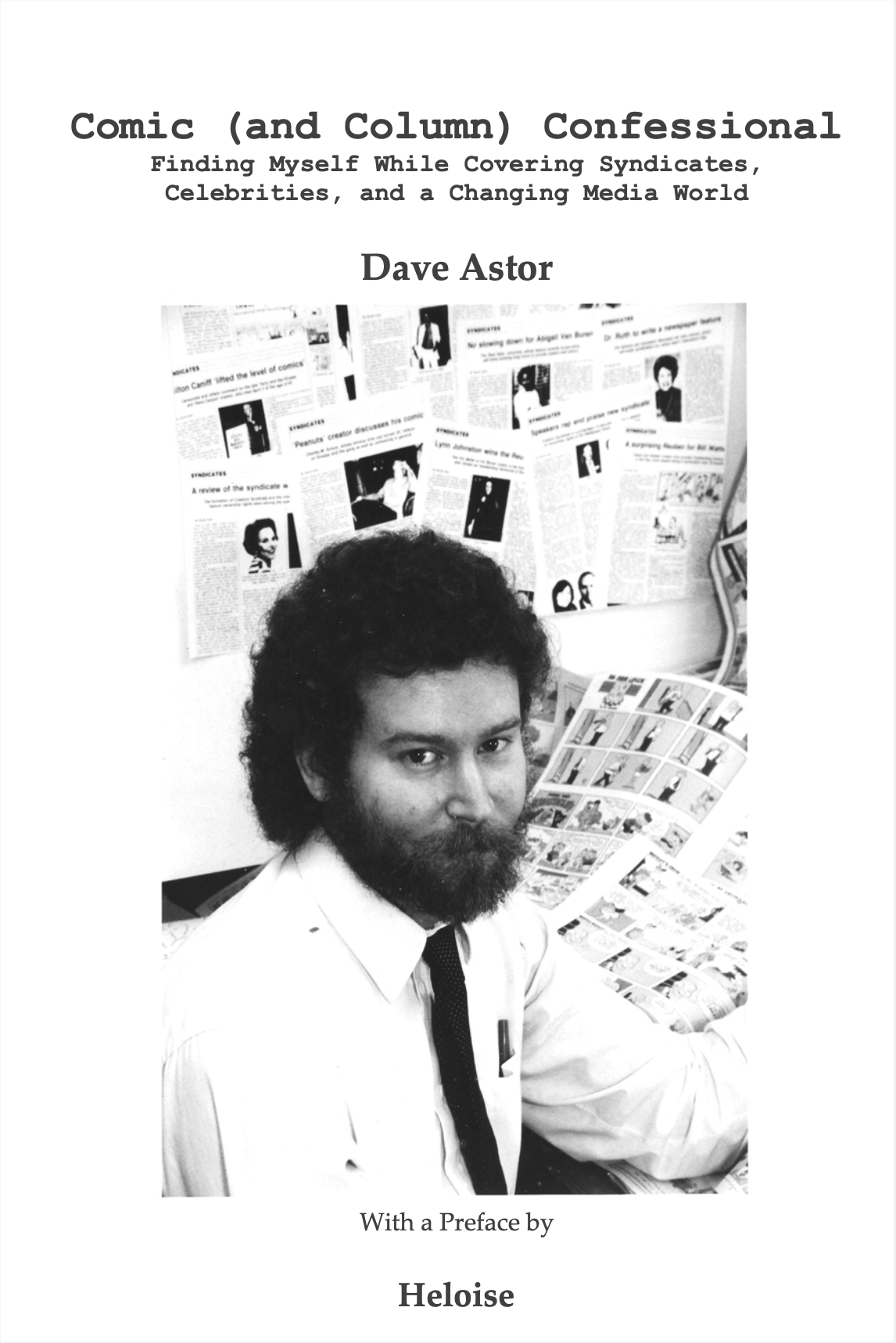
…and a 2012 memoir that focuses on cartooning and more, including many encounters with celebrities.
In addition to this weekly blog, I write the 2003-started/award-winning “Montclairvoyant” topical-humor column every Thursday for Montclair Local. The latest piece – about high housing costs, the end of free tuition, and a failed candidacy — is here.
Remote Isn’t Just What Turns On Your TV

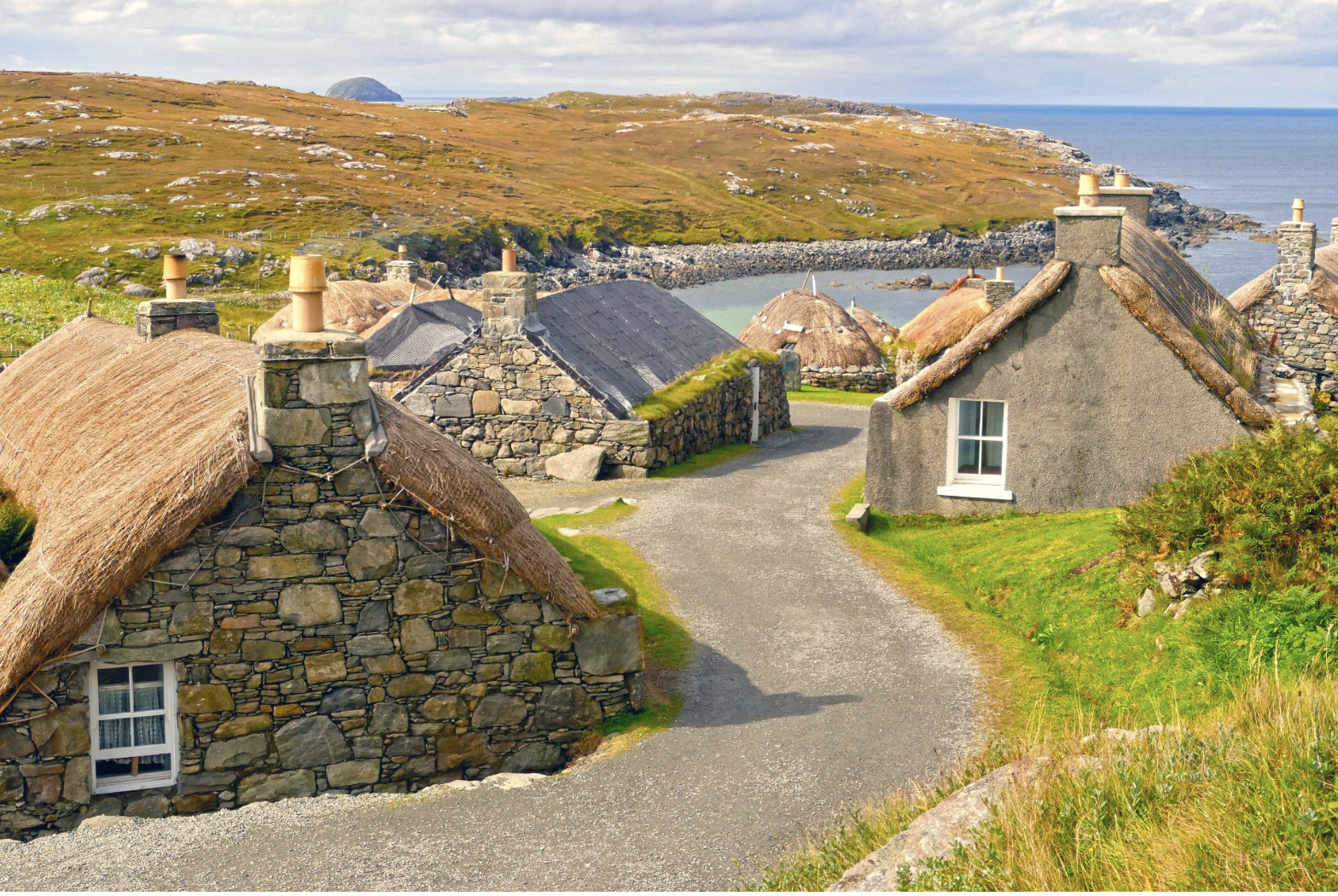
The Isle of Lewis (© Manel Vinuesa).

Novels with remote settings can be highly populated with elements fascinating to readers. Challenging weather. Lonely characters. Intense interactions between a relatively small number of people. Heightened danger because of the remoteness. And more.

The Blackhouse and its first sequel The Lewis Man, two riveting Peter May novels I read this month, mostly unfold on the isolated Isle of Lewis off Scotland. This setting gives the books lots of atmosphere amid murders and interesting (at times pathological) relationships between various three-dimensional characters.

I also recently read Frenchman’s Creek by Daphne du Maurier, who uses a remote setting as a backdrop to an intriguing love affair between a dissatisfied upper-class woman and a charismatic pirate.

Pirates have ships, of course, and many novels with remote settings unfold on boats, islands, or other isolated places near water. Among the examples I’ve read are Daniel Defoe’s Robinson Crusoe (obviously), Edgar Allan Poe’s The Narrative of Arthur Gordon Pym of Nantucket (which chronicles a surreal journey to the South Pole), Herman Melville’s Typee (whose escapee sailor protagonist enjoys Polynesian island life), and Alexandre Dumas’ The Count of Monte Cristo (a key part of which is set on a prison island off Marseille).

Also: Aldous Huxley’s Island (as utopian as that author’s Brave New World is dystopian), Agatha Christie’s And Then There Were None (murders on an island), Yann Martel’s Life of Pi (boy and tiger overboard), Martin Cruz Smith’s Polar Star (the ship-set first sequel to Gorky Park), M.L. Stedman’s The Light Between Oceans (about the troubled life of a married couple on an island off Australia), and Peter Hoeg’s Smilla’s Sense of Snow (partly set on an island off Greenland).

Other remote locales in fiction can be mostly on land — including Canada’s Yukon wilderness in Jack London’s The Call of the Wild, the Alaskan wilderness in Kristin Hannah’s The Great Alone, the New York State wilderness in James Fenimore Cooper’s The Deerslayer, the Siberian wilderness in Louis L’Amour’s Last of the Breed, and the African desert in J.M.G. Le Clezio’s Desert and Paul Bowles’ The Sheltering Sky.

There’s also the bleak end-of-the-world landscape in the concluding pages of H.G. Wells’ The Time Machine, and of course lonely settings in many sci-fi novels — such as Andy Weir’s The Martian and Arthur C. Clarke’s 2001: A Space Odyssey.

Your thoughts on this topic (which I also covered, in a partly different way, seven years ago) — including your favorite fiction with remote locales?

Misty the cat says: “My back legs and gasoline prices are both up.”

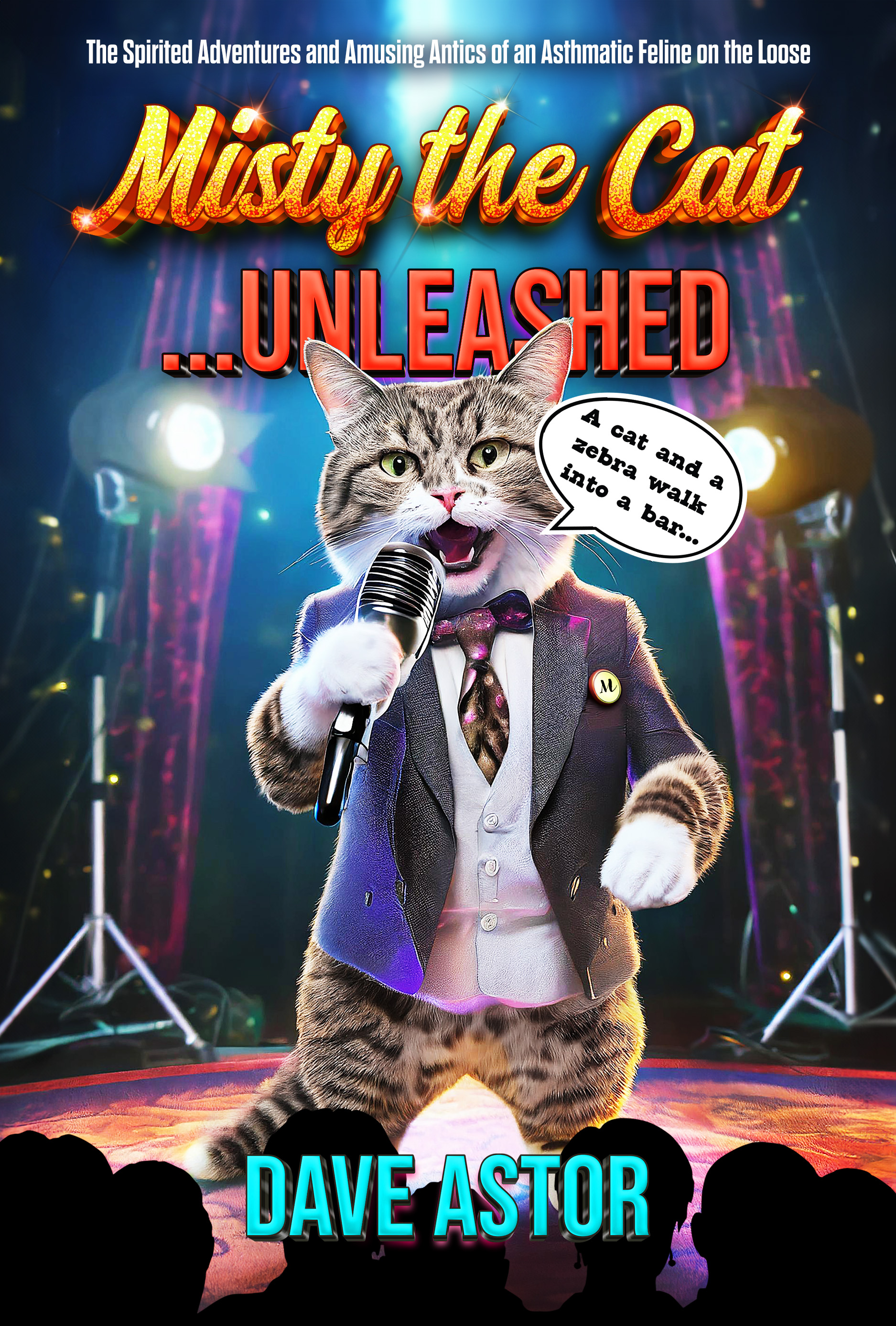
My comedic 2024 book — the part-factual/part-fictional/not-a-children’s-work Misty the Cat…Unleashed — is described and can be purchased on Amazon in paperback or on Kindle. It’s feline-narrated! (And Amazon reviews are welcome. 🙂 )

This 90-second promo video for the book features a talking cat: 🙂

I’m also the author of a 2017 literary-trivia book

…and a 2012 memoir that focuses on cartooning and more, including many encounters with celebrities.

In addition to this weekly blog, I write the 2003-started/award-winning “Montclairvoyant” topical-humor column every Thursday for Montclair Local. The latest piece — which discusses a welcome downzoning decision in my town — is here.

All of March, Not ‘Middlemarch’

March is my birthday month, so I thought I’d list and discuss famous March-born authors I’ve read at least one book by.

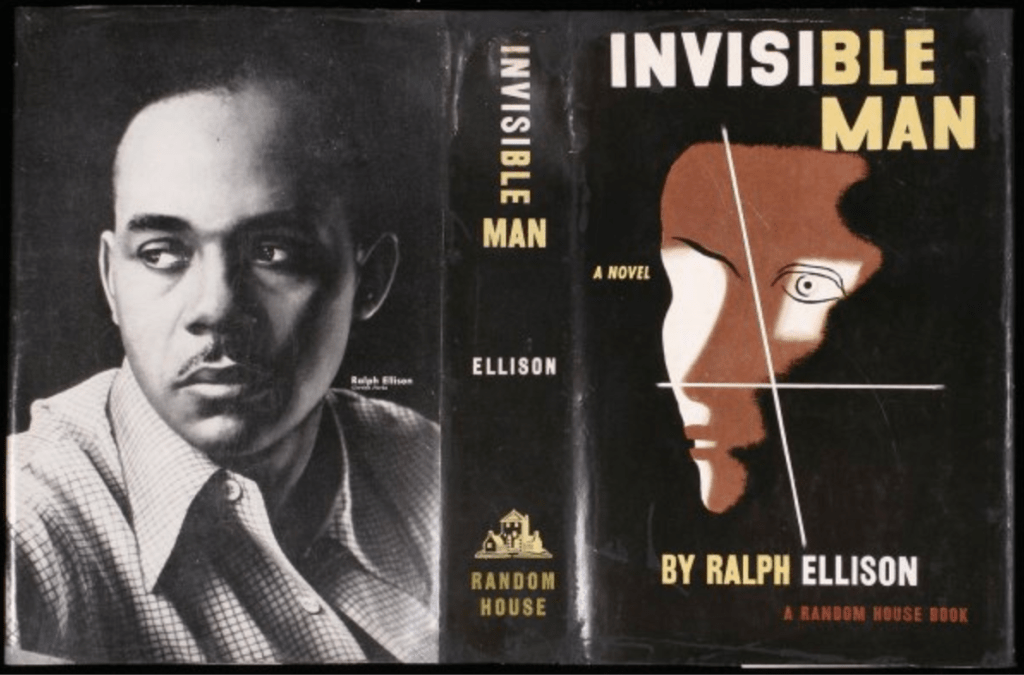
March 1: Ralph Ellison (1913-1994). He of course wrote Invisible Man, which says more about racism and other aspects of United States life than most other novels have ever done.

March 2: John Irving (1942-). I’ve read four of his novels, with The Cider House Rules my favorite. He’s really skilled at combining the quirky and the profound, with social commentary also a big part of the mix.

March 2: Peter Straub (1943-2022). His intricate Ghost Story was quite good but could have been somewhat shorter.

March 4: Khaled Hosseini (1965-). His debut novel The Kite Runner is very compelling, although one loses a lot of sympathy for protagonist Amir after his nasty act of betrayal.

March 6: Gabriel Garcia Marquez (1927-2014). I’ve read five of his novels — One Hundred Years of Solitude is obviously his best — and he was masterful at mixing magic realism, political elements, pathos, romance, and more.

March 8: Jeffrey Eugenides (1960-). His Middlesex novel memorably depicts an intersex character while also having plenty to say about family dynamics, the immigrant experience, etc.

March 11: Douglas Adams (1952-2001). His The Hitchhiker’s Guide to the Galaxy is an enjoyable read, though I think somewhat overrated.

March 12: Jack Kerouac (1922-1969). I also think On the Road is overrated, but it does say a lot about wanderlust, The Beat Generation, and the culture of its time.

March 13: Viet Thanh Nguyen (1971-). His novel The Sympathizer and its sequel The Committed — both starring an unnamed part-Vietnamese spy — offer an impressive page-turning amalgam of war commentary, multiculturalism, humor, and more.

March 13: Tad Williams (1957-). His Tailchaser’s Song is an epic fantasy novel starring…cats.

March 18: John Updike (1932-2009). The only novel of his I’ve read is Rabbit, Run, and, while I admired the writing, I was not a big fan of the book’s brew of white-male angst and misogyny.

March 19: Philip Roth (1933-2018). This author can also be annoying amid the great writing chops, but the neurotic Portnoy’s Complaint is funny as hell.

March 20: Lois Lowry (1937-). Her young-adult dystopian novel The Giver is quite good, and its sequels aren’t bad, either.

March 20: Louis Sachar (1954-). His eccentric Holes is one of the better YA novels I’ve read, including its feminist and antiracist aspects.

March 22: Louis L’Amour (1908-1988). He’s best known for western novels, but his Soviet Union-set Last of the Breed is pretty exciting, too.

March 22: James Patterson (1947-). Tried just one of his novels; wasn’t a fan. Also not a fan of his “factory” approach of using a team of co-authors to churn out book after book.

March 23: Julia Glass (1956-). I’ve read her very good Three Junes, which, as the title implies, has an interesting/interrelated three-part format.

March 25: Flannery O’Connor (1925-1964). She’s best-known for chilling short stories such as “A Good Man Is Hard to Find,” but also wrote the intriguing novel Wise Blood.

March 27: Julia Alvarez (1950-). Her novel In the Time of the Butterflies is a gripping piece of historical fiction about sisters bravely opposing the former Dominican Republic dictatorship.

March 28: Russell Banks (1940-2023). I’ve only read his Rule of the Bone, a gritty look at characters living in the underbelly of the U.S. and Jamaica.

March 28: Mario Vargas Llosa (1936-2025): His offbeat Aunt Julia and the Scriptwriter definitely held my interest.

March 31: Nikolai Gogol (1809-1852). His novel Dead Souls is an eye-opener, and his short story “The Overcoat” is a classic tale that influenced great Russian writers later in the 19th century. (Some sources say Gogol was born on April 1.)

March 31: Marge Piercy (1936-). Her Woman on the Edge of Time is an original combination of social justice and science fiction writing.

March 31: Judith Rossner (1935-2005). Her Looking for Mr. Goodbar was quite a sensation in its 1970s time.

Notable March-born writers I’ve read who are known for work other than novels include children’s book author Dr. Seuss, playwright Tennessee Williams, and poets Robert Frost and Elizabeth Barrett Browning, among others.

Any thoughts on this post, or examples of other March-born writers you’ve read?

As he runs in the direction of NYC, Misty asks: “How can cats live in ‘the city that never sleeps’?”

My comedic 2024 book — the part-factual/part-fictional/not-a-children’s-work Misty the Cat…Unleashed — is described and can be purchased on Amazon in paperback or on Kindle. It’s feline-narrated! (And Amazon reviews are welcome. 🙂 )

This 90-second promo video for the book features a talking cat: 🙂

I’m also the author of a 2017 literary-trivia book

…and a 2012 memoir that focuses on cartooning and more, including many encounters with celebrities.

In addition to this weekly blog, I write the 2003-started/award-winning “Montclairvoyant” topical-humor column every Thursday for Montclair Local. The latest piece — containing commentary on a big snowstorm and all kinds of controversial news in my town — is here.