From Antigua to Anniversaries (of Notable Novels)

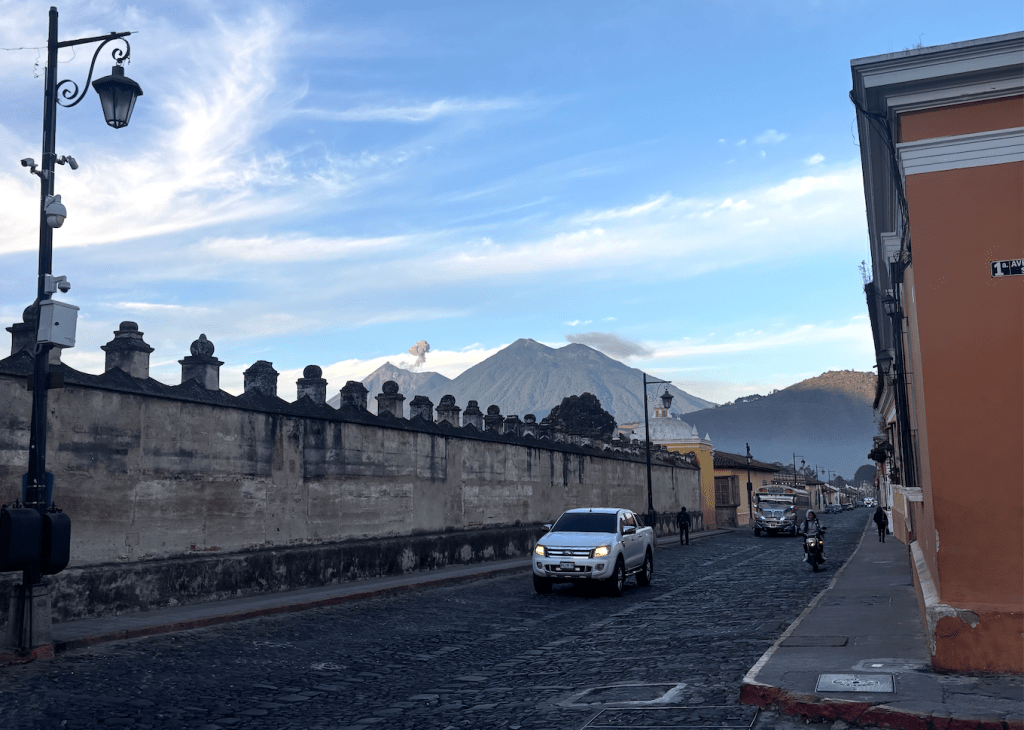
A street in Antigua, Guatemala, that has nothing to do with the topic of this literature post. πŸ™‚ (Photo by me on January 8.)

Glad to be back! I missed writing a post last week because of a trip I took with my wife Laurel and younger daughter Maria to Guatemala, where Maria was born. A memorable visit that included stops in Guatemala City, Tikal, Antigua, Panajachel, and Guatemala City again.

Today, as I do every January, I’m going to mention well-known novels — many of which I’ve read, some of which I haven’t — reaching major round-number anniversaries. So, in 2026, novels published in 2001 are turning 25, 1976-released books are turning 50, 1926 novels are turning 100, etc.

The first 2001 novel that came to mind was Richard Russo’s riveting Pulitzer Prize winner Empire Falls, set in a Maine blue-collar town.

Released that year, too, was Jonathan Franzen’s The Corrections, about a couple and their three adult children. I liked it better than the author’s much-touted Freedom, though that 2010 novel was pretty good as well.

Also, Yann Martell’s Life of Pi, which features a boy stranded on a boat with a tiger after a shipwreck; Sue Monk Kidd’s The Secret Life of Bees, which has a lot to say about female relationships as well as racism; Ann Patchett’s Bel Canto, a riveting look at a mass-hostage situation; Amy Tan’s The Bonesetter’s Daughter, about a Chinese-American woman and her immigrant mother; Ian McEwan’s Atonement, which I found both compelling and annoying; John Grisham’s semi-autobiographical A Painted House; Neil Gaiman’s fantasy tour de force American Gods; and Jasper Fforde’s clever The Eyre Affair.

Kristin Hannah’s peak as an author was yet to arrive, but her somewhat-early-in-career 2001 novel Summer Island was quite absorbing as it focused on a fraught mother-daughter relationship and rapprochement.

In the series realm, Diana Gabaldon’s fifth Outlander novel (The Fiery Cross) and Lee Child’s fifth Jack Reacher novel (Echo Burning) came out 25 years ago.

The year 2001 also saw the publication of Carlos Ruiz Zafon’s The Shadow of the Wind and Dennis Lehane’s Mystic River, neither of which I’ve read.

In 1976, the most famous release was Alex Haley’s Roots, which was of course the multi-generational American slavery saga about Kunta Kinte and his descendants.

There was also Margaret Atwood’s third novel Lady Oracle, about a woman with multiple identities; and Marge Piercy’s Woman on the Edge of Time, a sci-fi-ish work whose lower-income protagonist is unjustly committed to a psychiatric institution.

Notable 1976 books I haven’t read include Anne Rice’s debut novel Interview with the Vampire and Judith Guest’s made-into-a-memorable-movie Ordinary People.

Exactly a century ago — 1926 — saw the appearance of Ernest Hemingway’s The Sun Also Rises, which I thought was good not great.

An underrated classic that year was L.M. Montgomery’s The Blue Castle, about a young woman who gets very bad news that turns out to be very good news.

There was also Colette’s The Last of Cheri, the sequel to the 1920 Cheri novel about the relationship between a younger man and older woman; and My Mortal Enemy, one of Willa Cather’s lesser works.

Well-known 1926 novels I haven’t read include Agatha Christie’s The Murder of Roger Ackroyd and Upton Sinclair’s Oil!

Published 150 years ago, in 1876: Mark Twain’s iconic The Adventures of Tom Sawyer, about a rascally boy and his friend Huckleberry Finn.

That year also saw the release of Daniel Deronda, George Eliot’s final novel and one of her best. Its title character, who discovers he’s Jewish, interacts with some very memorable people.

In addition, there was Thomas Hardy’s not-famous-but-interesting The Hand of Ethelberta.

Two 1826 highlights were Mary Shelley’s apocalyptic, late-21st-century-set The Last Man and James Fenimore Cooper’s The Last of the Mohicans that unfolds in 1757 during the French and Indian War. Two novels with “Last” in the title that lasted.

And in 1726, 300 years ago, Jonathan Swift’s iconic Gulliver’s Travels was published!

Any thoughts on the novels I discussed? Any other titles you’d like to mention from those anniversary years? (I’m sure I missed some.)

Misty the cat says: “Tofu falling from the sky was not on my 2026 bingo card.”

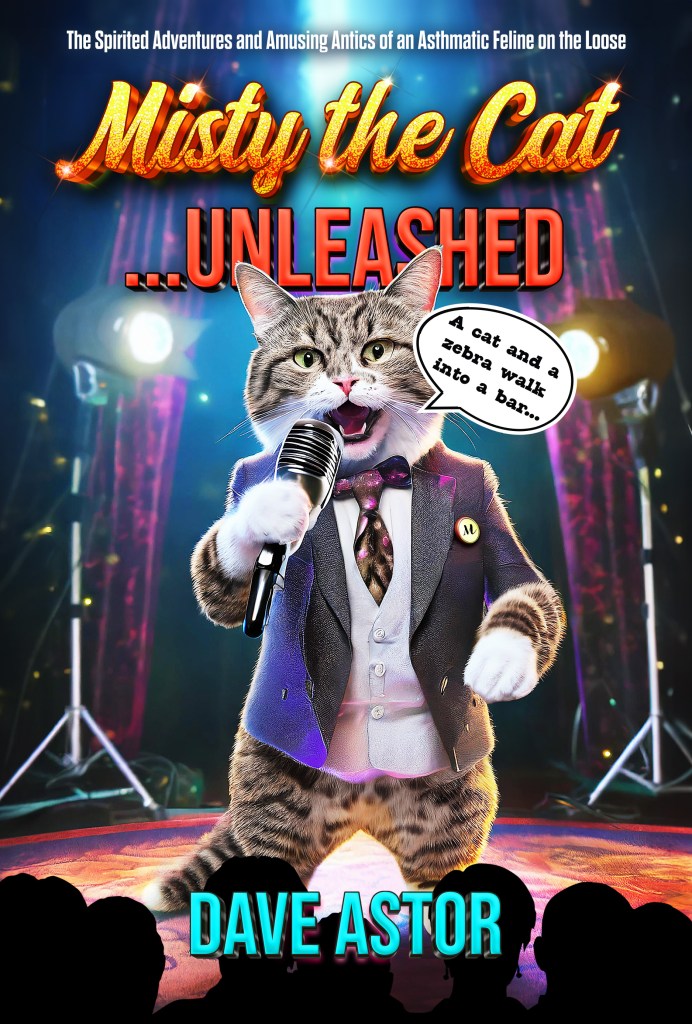
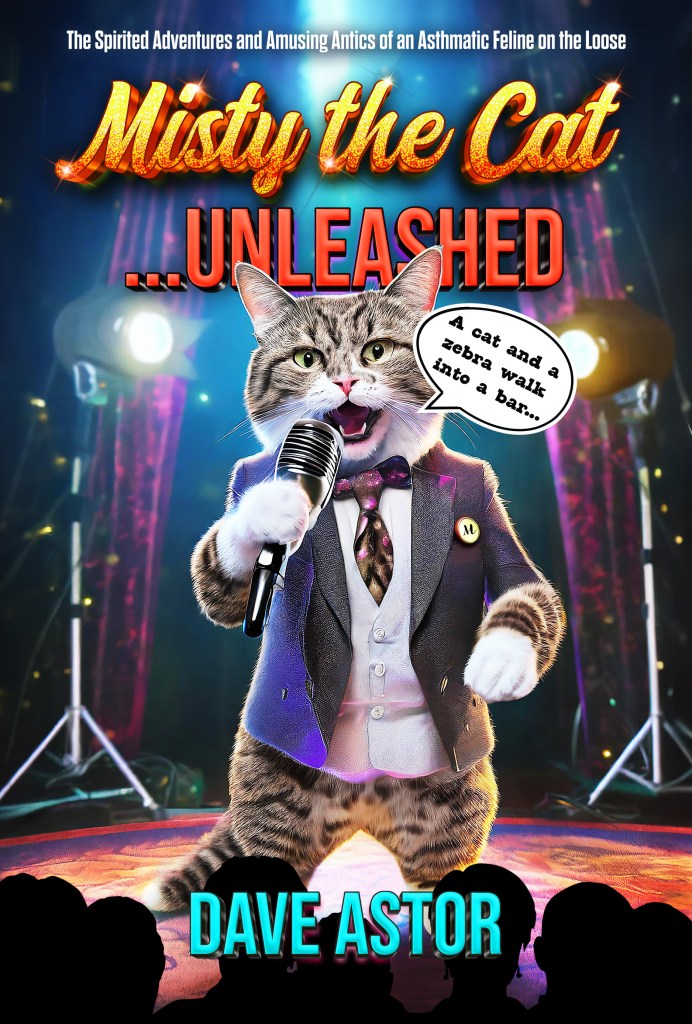
My comedic 2024 book — the part-factual/part-fictional/not-a-children’s-work Misty the Cat…Unleashed — is described and can be purchased on Amazon in paperback or on Kindle. It’s feline-narrated! (And Amazon reviews are welcome. πŸ™‚ )

This 90-second promo video for the book features a talking cat: πŸ™‚

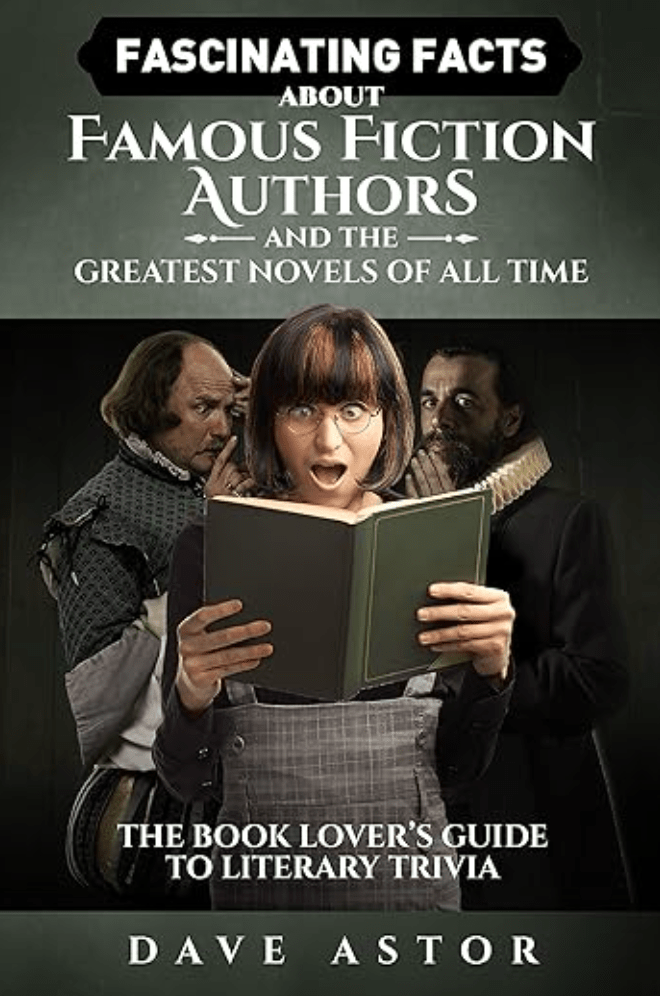
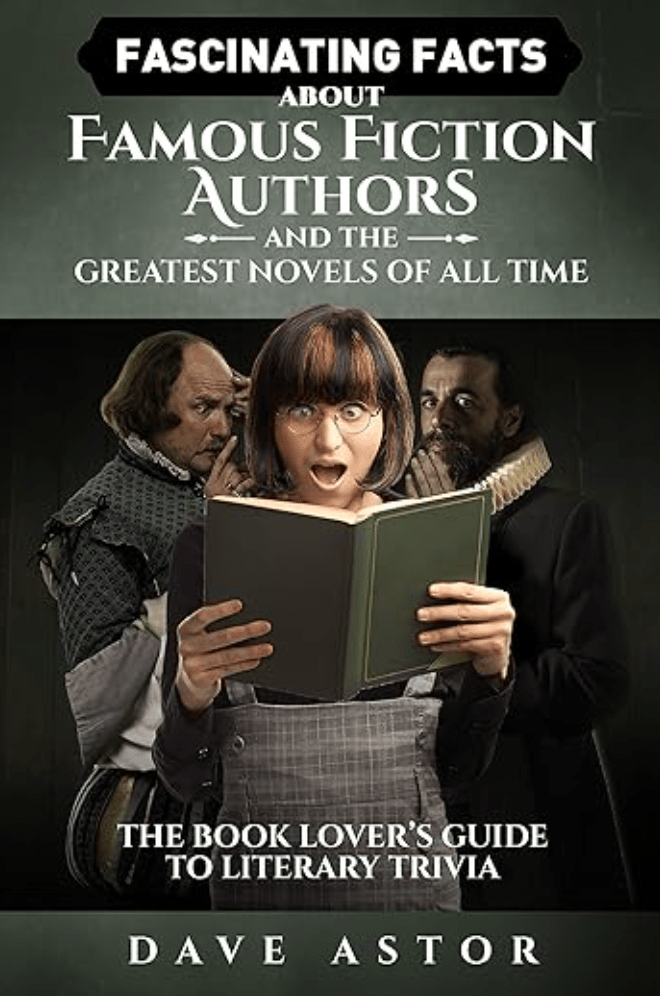
I’m also the author of a 2017 literary-trivia book

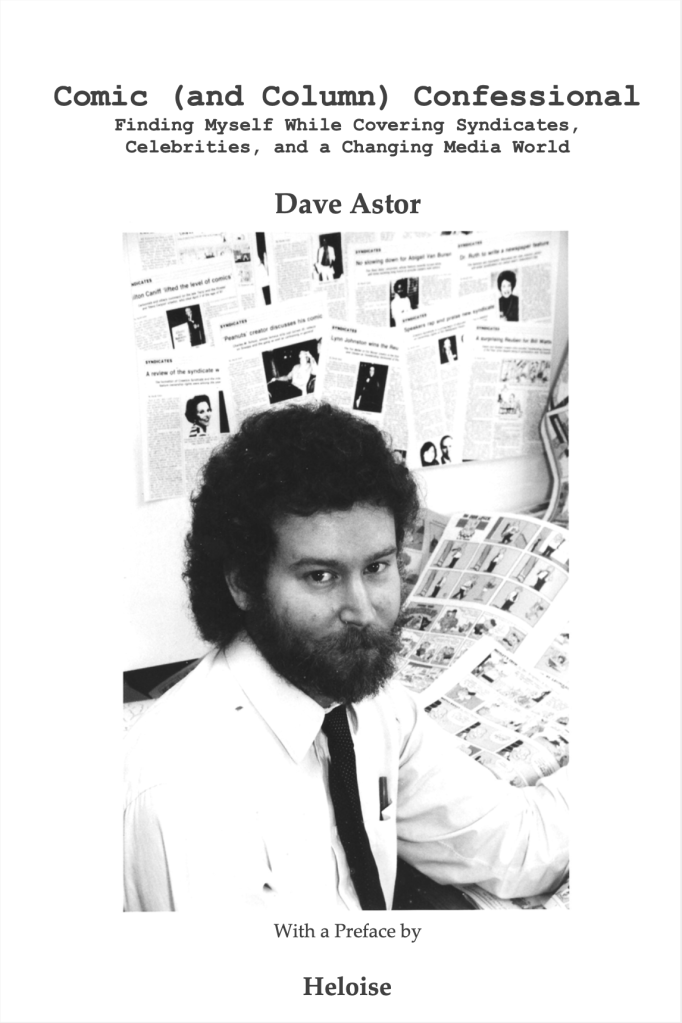
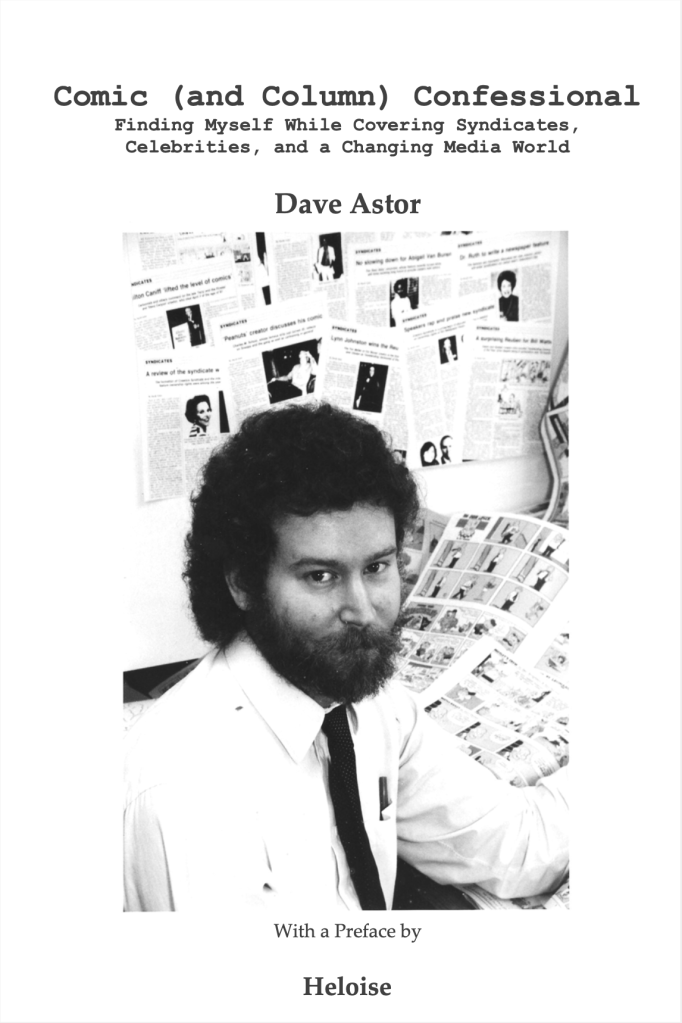
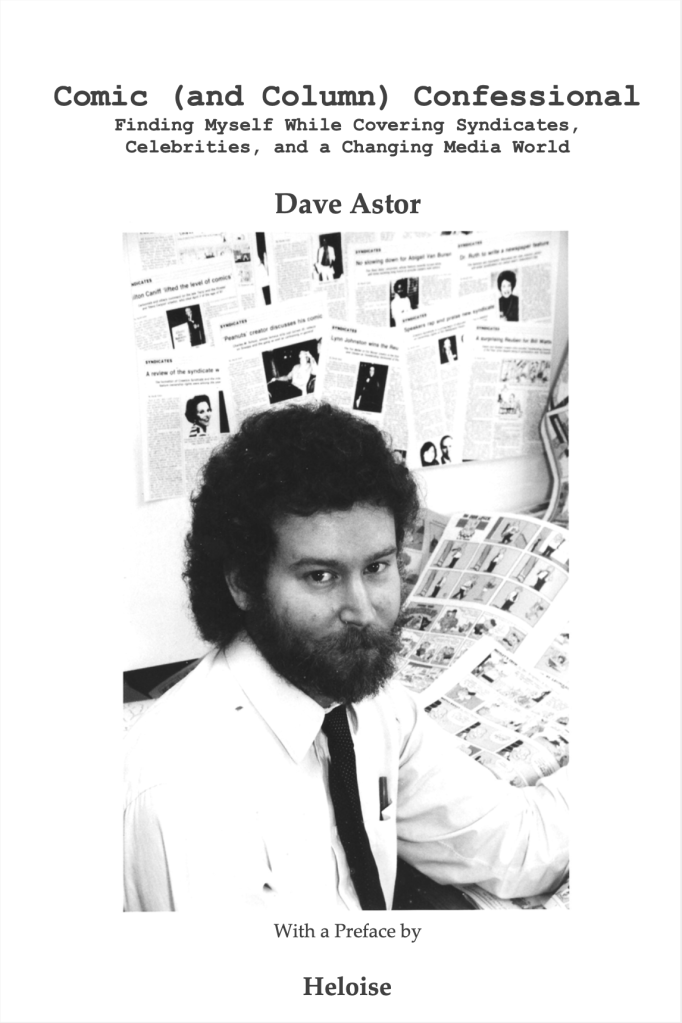
…and a 2012 memoir that focuses on cartooning and more, including many encounters with celebrities.
In addition to this weekly blog, I write the 2003-started/award-winning “Montclairvoyant” topical-humor column every Thursday for Montclair Local. The latest piece — about two meetings, a local anti-ICE protest, and more — is here.

A Semi-Comprehensive Look at Semi-Autobiographical Novels

In early 2016, I wrote about semi-autobiographical novels. Now that nearly 10 years have passed, I suppose it would be semi-okay to write about those books again — mentioning semi-autobiographical novels I’ve read since then or had read before then but didn’t mention in that previous post. So, with this semi-decent first paragraph nearly done, here goes:

As I wrote in ’16, semi-autobiographical novels “can be the best of both worlds for authors and their readers. That mix of memoir and fiction takes facts and embellishes them and/or dramatizes them and/or smooths them into more coherent form. A partly autobiographical approach also allows authors to potentially pen very heartfelt books — after all, they lived the emotions — and perhaps provides those writers with some mental therapy, too.” I also wrote that a semi-autobiographical novel is often, but of course not always, a debut novel — at least partly because that kind of book might be easier to write; the author can use aspects of her or his own past.

Back here in late 2025, I just read The Cat’s Table by Michael Ondaatje, whose 2011 coming-of-age novel was inspired to an extent by the author’s life and a ship voyage he took as a boy from his native Sri Lanka to rejoin his mother in England after his parents had separated several years earlier. A boy named…hmm…Michael. The Cat’s Table is another compelling book by The English Patient author, who went on to live in Canada.

Another semi-autobiographical/coming-of-age novel (those two things often go together) is Betty Smith’s 1943 bestseller A Tree Grows in Brooklyn — about a brainy girl (Francie) growing up in an impoverished urban family.

Then there’s Little Women by Louisa May Alcott, who loosely based her classic 1868-69 novel on herself and her three sisters.

A few decades earlier, Mary Shelley’s apocalyptic 1826 novel The Last Man featured three principal characters based on herself, her late husband Percy Bysshe Shelley, and their friend and fellow writer Lord Byron.

Aldous Huxley also used famous people as models for characters in his 1928 novel Point Counter Point — including himself, Nancy Cunard, D.H. Lawrence, and Katherine Mansfield.

The characters in Harper Lee’s To Kill a Mockingbird (1960) are somewhat modeled on the author’s father (attorney Atticus Finch in the novel), herself (Scout in the book) and Lee’s childhood friend Truman Capote (fictionally named Dill).

Kurt Vonnegut’s horrific World War II experiences were fuel for his sci-fi-infused 1969 novel Slaughterhouse-Five, and Jack Kerouac’s travel experiences provided fodder for his On the Road (1957).

Some of the semi-autobiographical novels mentioned in my 2016 post include James Baldwin’s Go Tell It on the Mountain, Ray Bradbury’s Dandelion Wine, Charlotte Bronte’s Villette, Rita Mae Brown’s Rubyfruit Jungle, Charles Bukowski’s Hollywood, Willa Cather’s My Antonia, Colette’s The Vagabond, Charles Dickens’ David Copperfield, E.L. Doctorow’s World’s Fair, Fyodor Dostoevsky’s The House of the Dead, George Eliot’s The Mill on the Floss, Nathaniel Hawthorne’s The Blithedale Romance, Zora Neale Hurston’s Their Eyes Were Watching God, Jack London’s Martin Eden, W. Somerset Maugham’s Of Human Bondage, Herman Melville’s Typee, L.M. Montgomery’s Emily trilogy, Sylvia Plath’s The Bell Jar, Erich Maria Remarque’s All Quiet on the Western Front, John Steinbeck’s East of Eden, and Amy Tan’s The Joy Luck Club.

Your thoughts about, and examples of, this topic?

Misty the cat says: β€œWhen Christmas-tree lights reflect off the window, it’s a pane in the grass.”

My comedic 2024 book — the part-factual/part-fictional/not-a-children’s-work Misty the Cat…Unleashed — is described and can be purchased on Amazon in paperback or on Kindle. It’s feline-narrated! (And Amazon reviews are welcome. πŸ™‚ )

This 90-second promo video for the book features a talking cat: πŸ™‚

I’m also the author of a 2017 literary-trivia book

…and a 2012 memoir that focuses on cartooning and more, including many encounters with celebrities.

In addition to this weekly blog, I write the 2003-started/award-winning “Montclairvoyant” topical-humor column every Thursday for Montclair Local. The latest piece — which contains a tale of two meetings — is here.

Self-Therapy By Book

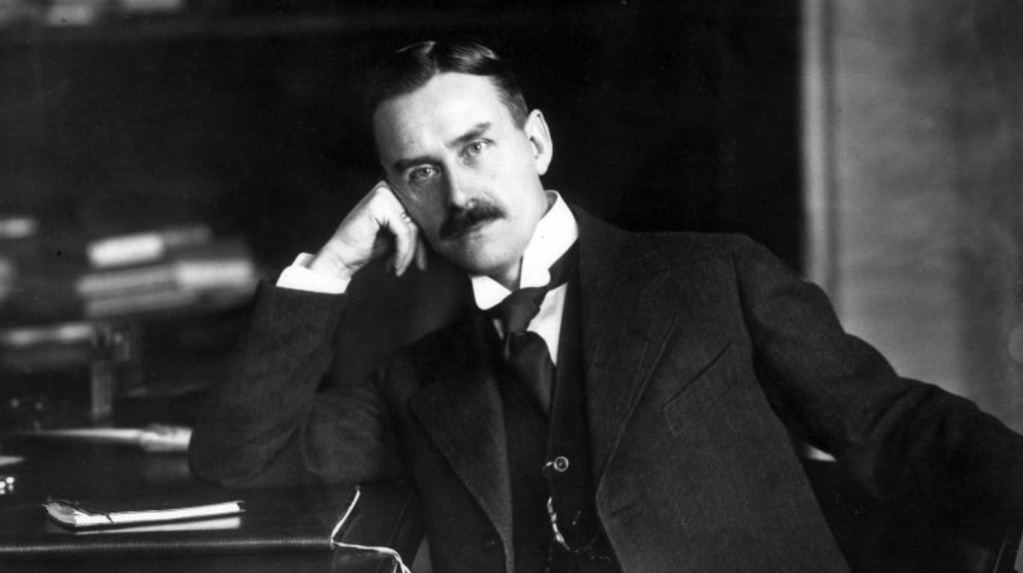
Thomas Mann (Picture Alliance/Ullstein Bild)

Sometimes, novels are semi-autobiographical confessionals and/or expressions of authors’ repressed thoughts and/or a way for them to “work out issues” and/or a way of reckoning with their past and/or an exercise in wish-fulfillment, etc. Sort of self-therapy by book.

I thought about this when recently reading Thomas Mann’s novellas Tonio Kroger (1903) and especially Death in Venice (1912), and seeing that there was a whole lot of male longing for other males by the protagonists. Sure enough, a little online exploring showed that Mann — the father of six with wife Katia — was sexually attracted to men, though there’s no conclusive evidence he acted on that during a more homophobic time. But he sure made his feelings known in some of his writing, as when middle-aged Death in Venice protagonist Gustav von Aschenbach (a famous author…hmm) becomes obsessed with a teen boy he finds very good-looking.

Several years later, in 1918, Willa Cather wrote perhaps her best novel: My Antonia. In it, male protagonist Jim Burden holds Antonia in such high regard that he might well be a stand-in for Cather, who was probably gay. Meaning she could have narrator Jim (i.e. Willa) express some feelings the author might have found more difficult to express if that character were a woman.

While sexual orientation isn’t a subtext (as far as I know) in Mary Shelley’s apocalyptic 1826 novel The Last Man, the author did base the male protagonist Lionel Verney on herself despite the different gender and modeled two other characters — Adrian and Lord Raymond — on her late husband Percy Bysshe Shelley and their late friend Lord Byron, respectively. So, Mary was kind of remembering and analyzing her relationships/interactions with the two famous poets.

Charlotte Bronte’s Villette (1853) also has a semi-autobiographical element: characters Lucy Snowe and Paul Emanuel are partly based on Charlotte and the real-life Constantin Heger, who Charlotte fell in love with (?) while enrolled in the Belgian boarding school run by Heger and his wife Zoe. And the downbeat tone of some of Villette was shaped to a degree by the 1848 and 1849 deaths-before-their-time of Charlotte’s younger novelist sisters Emily and Anne.

The Brontes’ contemporary Charles Dickens used a number of his novels to indirectly work through the childhood trauma that would help shape his social conscience. The future author’s father was sent to a debtors’ prison, and 12-year-old Charles had to leave school to work in a miserable factory to help support his family. Echoes of that can be found in the impoverished young characters Dickens created in David Copperfield (1850), Oliver Twist (1838), The Old Curiosity Shop (1841), and other works.

Amid the compulsive plot of his 1940 novel Native Son, Richard Wright wrestled with such matters as racism (which he experienced plenty of as a Black person) and his complicated feelings about the Communist Party USA (which he joined but later broke from).

Some authors who served in the military and were perhaps wounded in action indirectly worked through that trauma in war novels they would later write. Erich Maria Remarque — in books such as 1929’s All Quiet on the Western Front — is one prominent example of that.

Also, authors’ unrequited “crushes” in real life can provide rather intense fodder for novels, as was the case with Mann in his aforementioned Death in Venice and with Goethe in his The Sorrows of Young Werther (1774).

Thoughts about and examples of this topic?

Misty the cat says: “Halley’s Comet won’t be back until 2061, so you may not see it in this video.”

My comedic 2024 book — the part-factual/part-fictional/not-a-children’s-work Misty the Cat…Unleashed — is described and can be purchased on Amazon in paperback or on Kindle. It’s feline-narrated! (And Misty says Amazon reviews are welcome. πŸ™‚ )

This 90-second promo video for my book features a talking cat: πŸ™‚

I’m also the author of a 2017 literary-trivia book

…and a 2012 memoir that focuses on cartooning and more.

In addition to this weekly blog, I write the 2003-started/award-winning “Montclairvoyant” topical-humor column every Thursday for Montclair Local. The latest piece — a time-warped look at a long-closed movie theater that might open again — is here.