1930s Novels Remind Us of Today

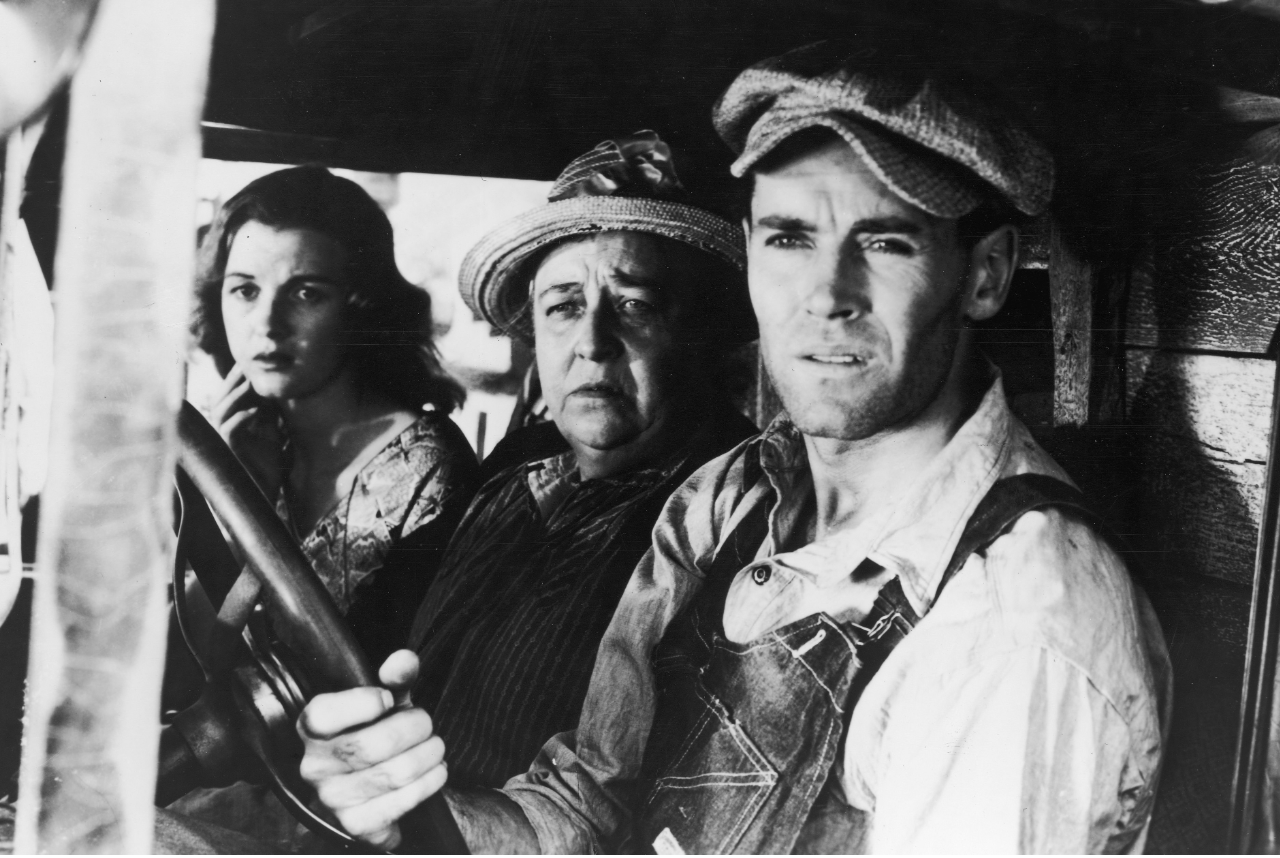
From The Grapes of Wrath movie. (20th Century Fox/Getty Images.)

After mentioning Daphne du Maurier’s great 1938 novel Rebecca in last week’s post about Gothic fiction, I thought of other books from that decade and how those years were a significant time in literature as well as quite relevant to the 2020s. After all, both decades had/have war, a rise in authoritarianism, major economic problems, and more.

So, I’m going to discuss a number of novels I’ve read, and a few I haven’t, that were published in the 1930s.

One that immediately came to mind is John Steinbeck’s 1939 classic The Grapes of Wrath, which focused on the Joad family but also took a wider look at the impact of The Great Depression bedeviling the U.S (and most of the world) that decade.

Steinbeck also wrote other notable 1930s novels — including Tortilla Flat (1935), In Dubious Battle (1936), and Of Mice and Men (1937) — that reflected social conditions. In Dubious Battle focused on a strike, fitting for a decade when labor flexed its muscles.

It Can’t Happen Here (1935) is a dystopian Sinclair Lewis novel imagining the rise of fascism in the U.S. — making it almost a primer for current dictator wannabe Donald Trump. (Although Trump is notoriously known for not reading books.)

War? Two of Erich Maria Remarque’s lesser-known novels: The Road Back (1931) and Three Comrades (1936) — have World War I elements. (The Road Back was a sequel of sorts to Remarque’s 1929-published All Quiet on the Western Front.) The American Civil War is a backdrop to Margaret Mitchell’s Gone with the Wind (1936). And Dalton Trumbo’s Johnny Got His Gun (1939) makes a powerful antiwar statement.

The 1930s were also significant writing years for William Faulkner: As I Lay Dying (1930), about a family and its journey to bury their matriarch; Light in August (1932), whose characters include a multiracial (?) drifter; and other works.

Then there was the 1934 publication of F. Scott Fitzgerald’s perhaps second-best novel, the semi-autobiographical Tender Is the Night.

Three years later, Zora Neale Hurston’s Their Eyes Were Watching God (1937) featured the memorable experiences of protagonist Janie Crawford.

That decade’s other notable book releases included — to name just a few — Mildred Benson’s The Secret of the Old Clock (1930), the first Nancy Drew mystery; Dashiell Hammett’s The Maltese Falcon (1930), featuring private investigator Sam Spade; Dorothy L. Sayers’ Strong Poison (1930), with mystery writer Harriet Vane and Lord Peter Wimsey; Pearl S. Buck’s China-set classic The Good Earth (1931); Aldous Huxley’s dystopian classic Brave New World (1932); and Erskine Caldwell’s Tobacco Road (1932).

Also: James Hilton’s Lost Horizon (1933), set in a mythical paradise; Daphne du Maurier’s Jamaica Inn (1936), which was also mentioned in last week’s blog post about Gothic fiction; Ernest Hemingway’s To Have and Have Not (1937), starring a fishing captain; J.R.R. Tolkien’s The Hobbit (1937), the fantasy novel that became the prequel to the 1950s-published The Lord of the Rings trilogy; Marjorie Kinnan Rawlings’ The Yearling (1938), about a boy and his fawn; Agatha Christie’s mystery And Then There Were None (1939); and Raymond Chandler’s The Big Sleep (1939), starring sleuth Philip Marlowe.

While writing this, I remembered that I had done a 2023 piece focusing on novels published in 1937. But the other years in that decade were not included in that post. 🙂

My list of 1930s novels is of course incomplete. Your favorites from that decade, whether mentioned by me or not?

Misty the cat says: “I own all this land, but where did I put the deed?”

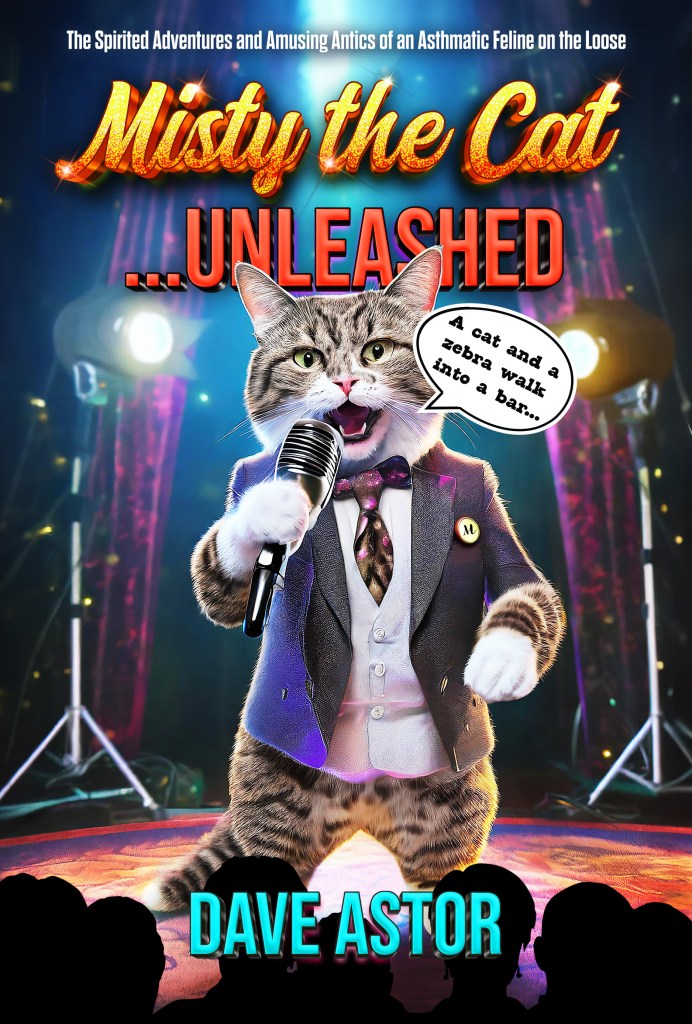
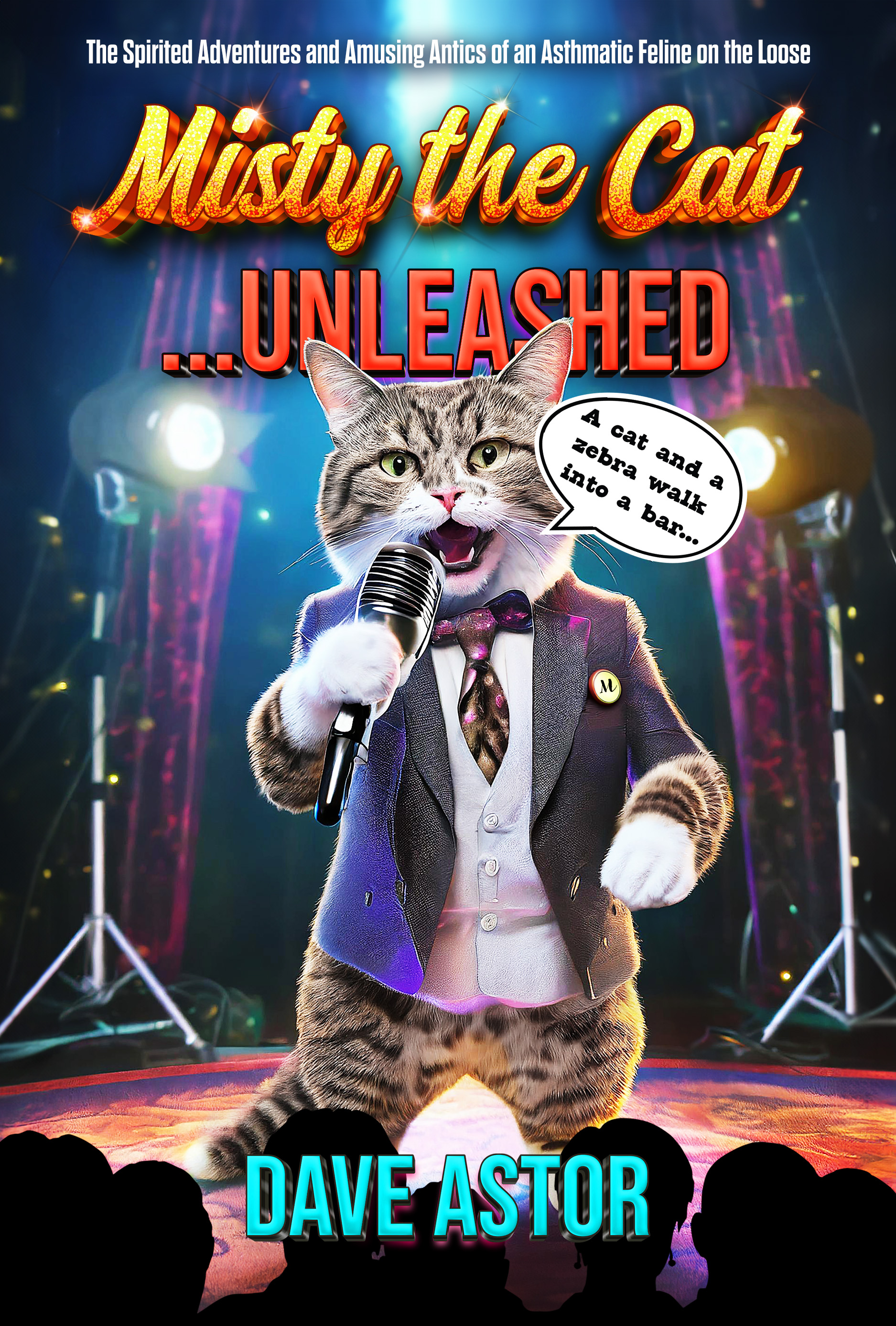
My comedic 2024 book — the part-factual/part-fictional/not-a-children’s-work Misty the Cat…Unleashed — is described and can be purchased on Amazon in paperback or on Kindle. It’s feline-narrated! (And Amazon reviews are welcome. 🙂 )
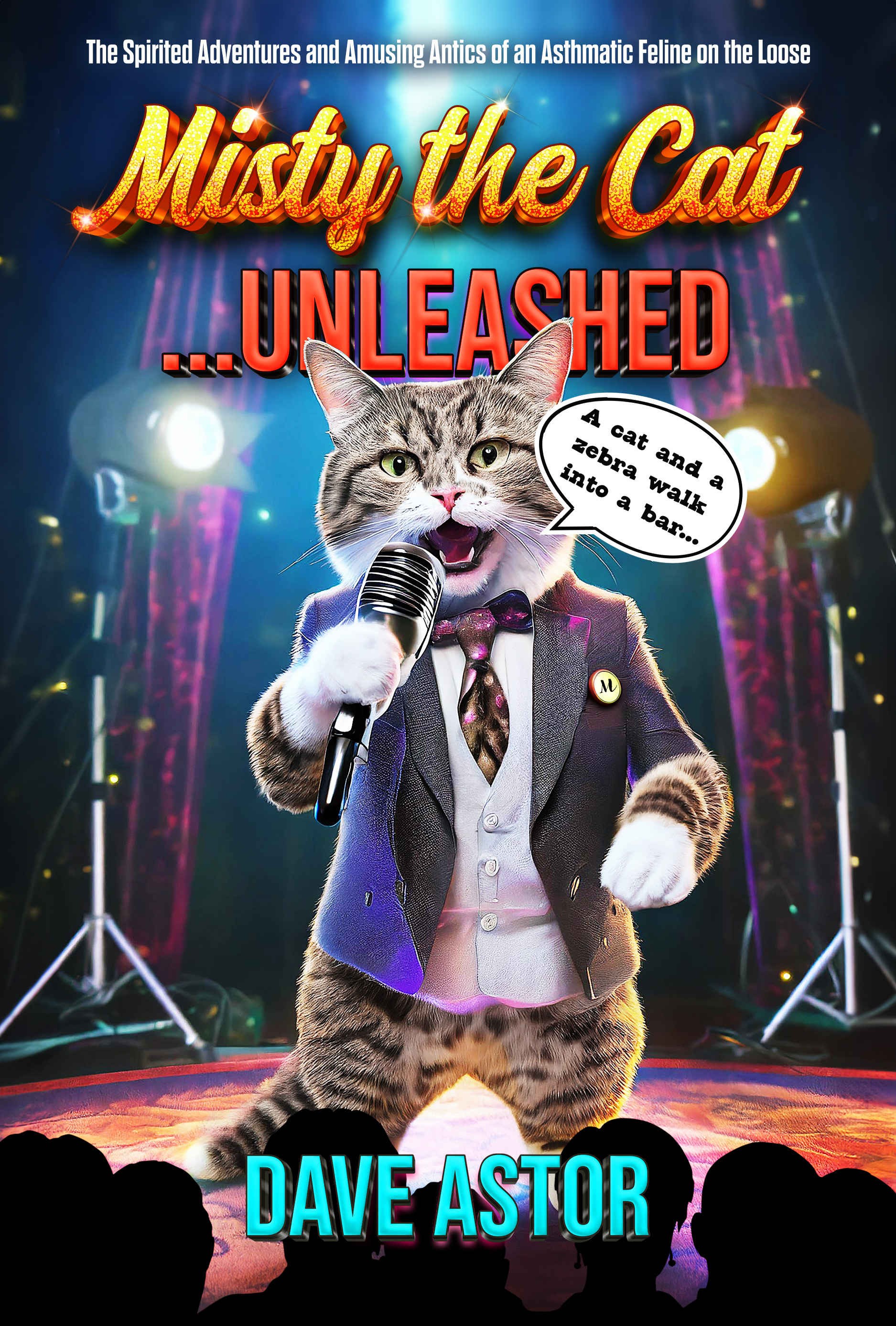
This 90-second promo video for the book features a talking cat: 🙂

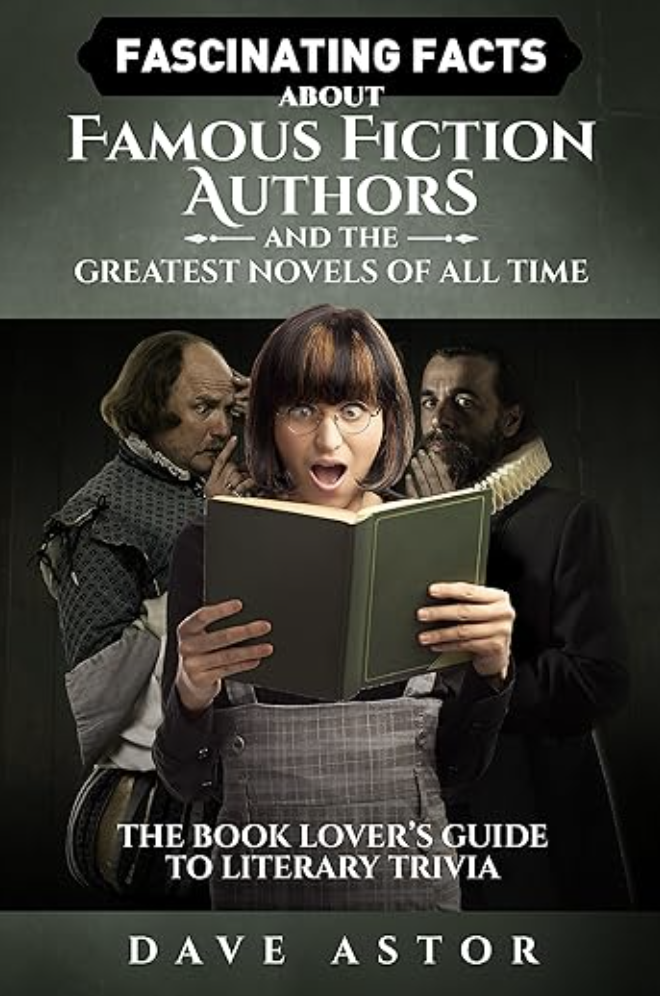
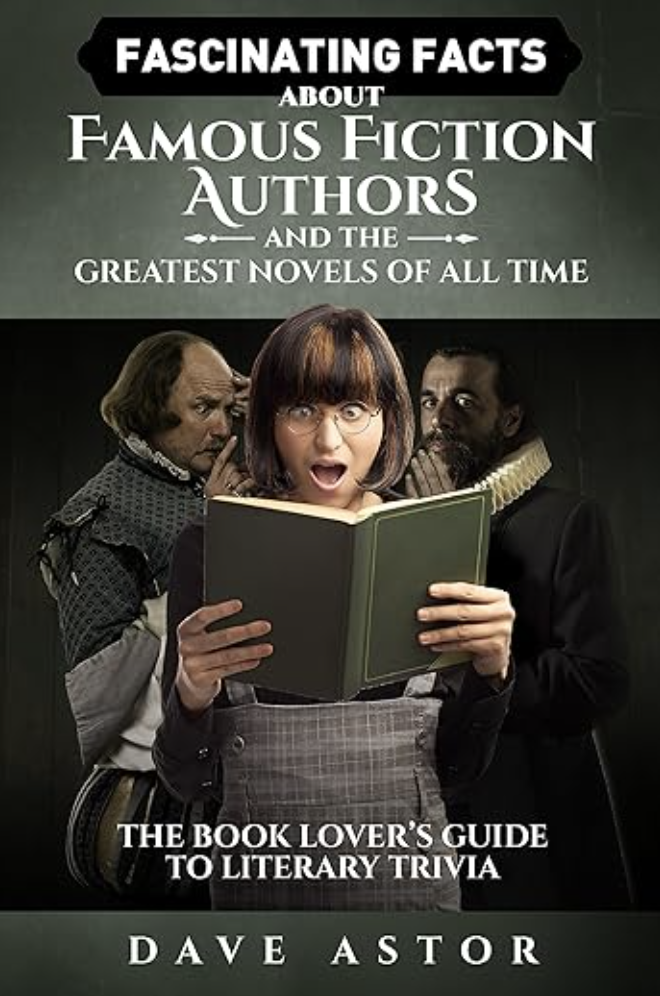
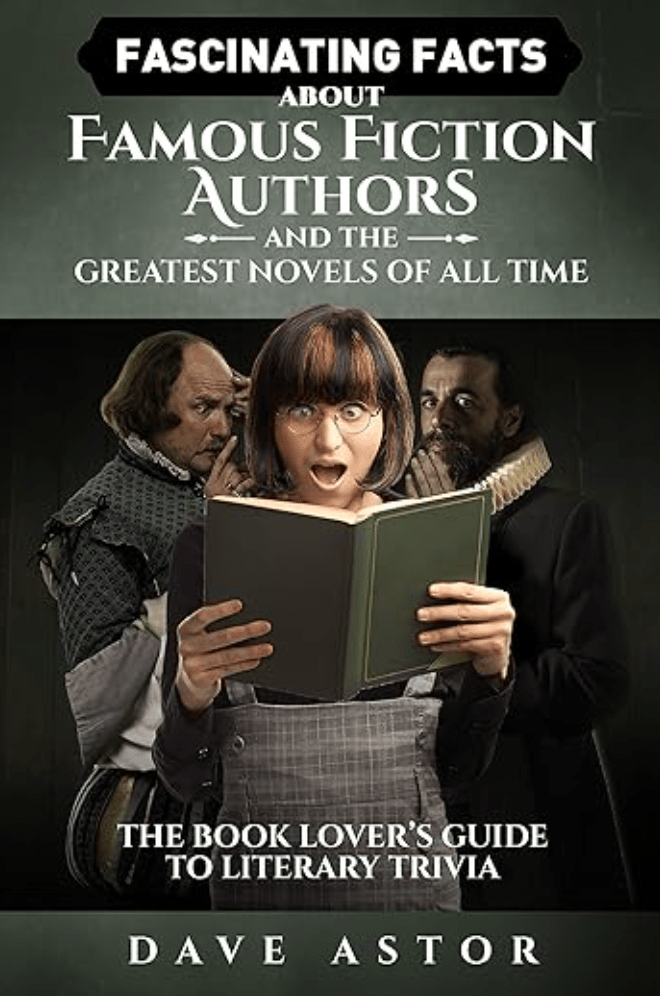
I’m also the author of a 2017 literary-trivia book

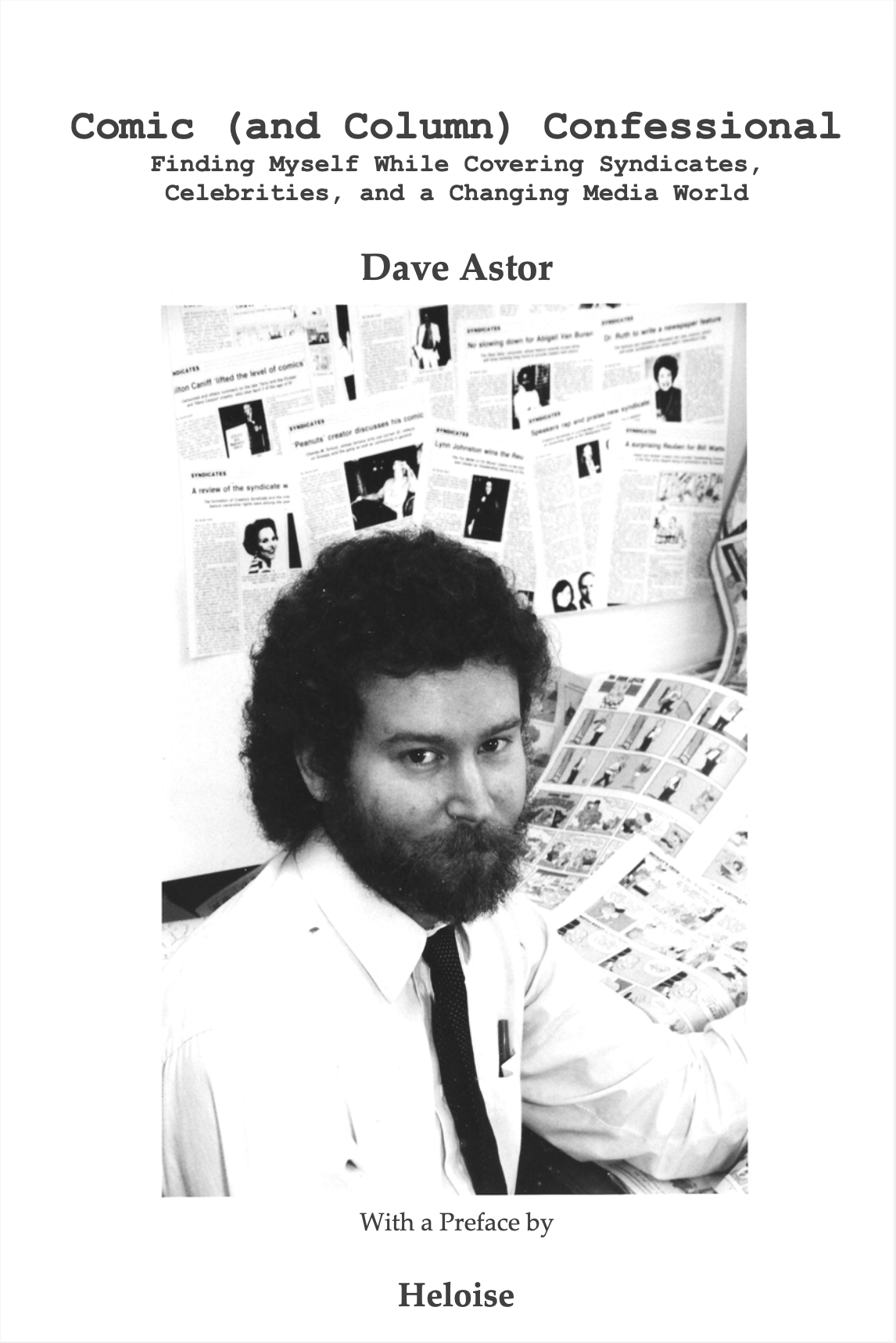
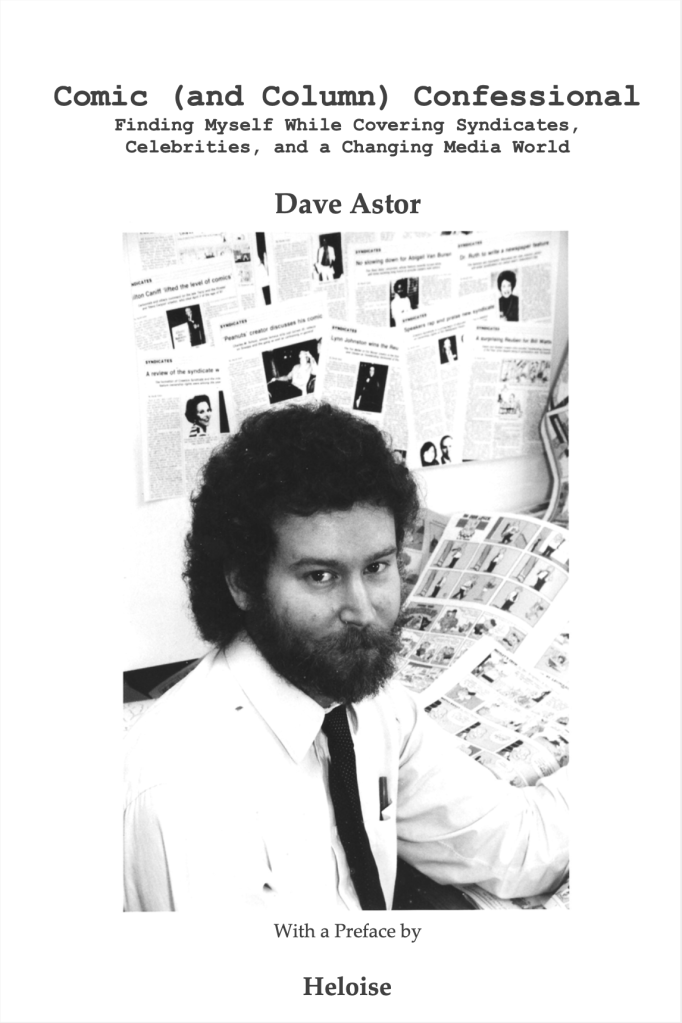
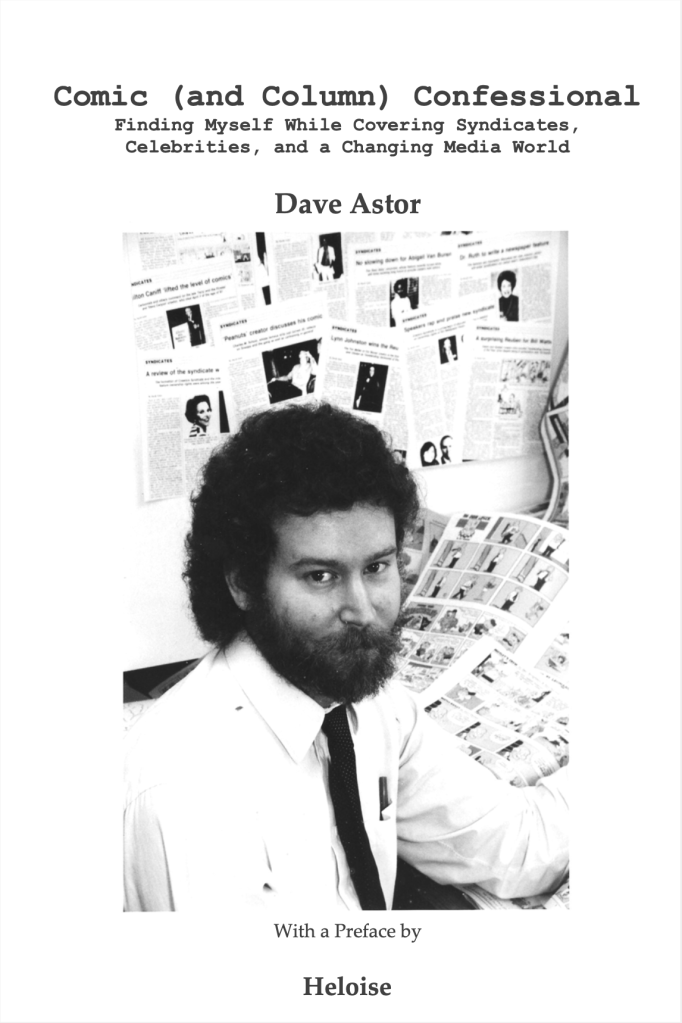
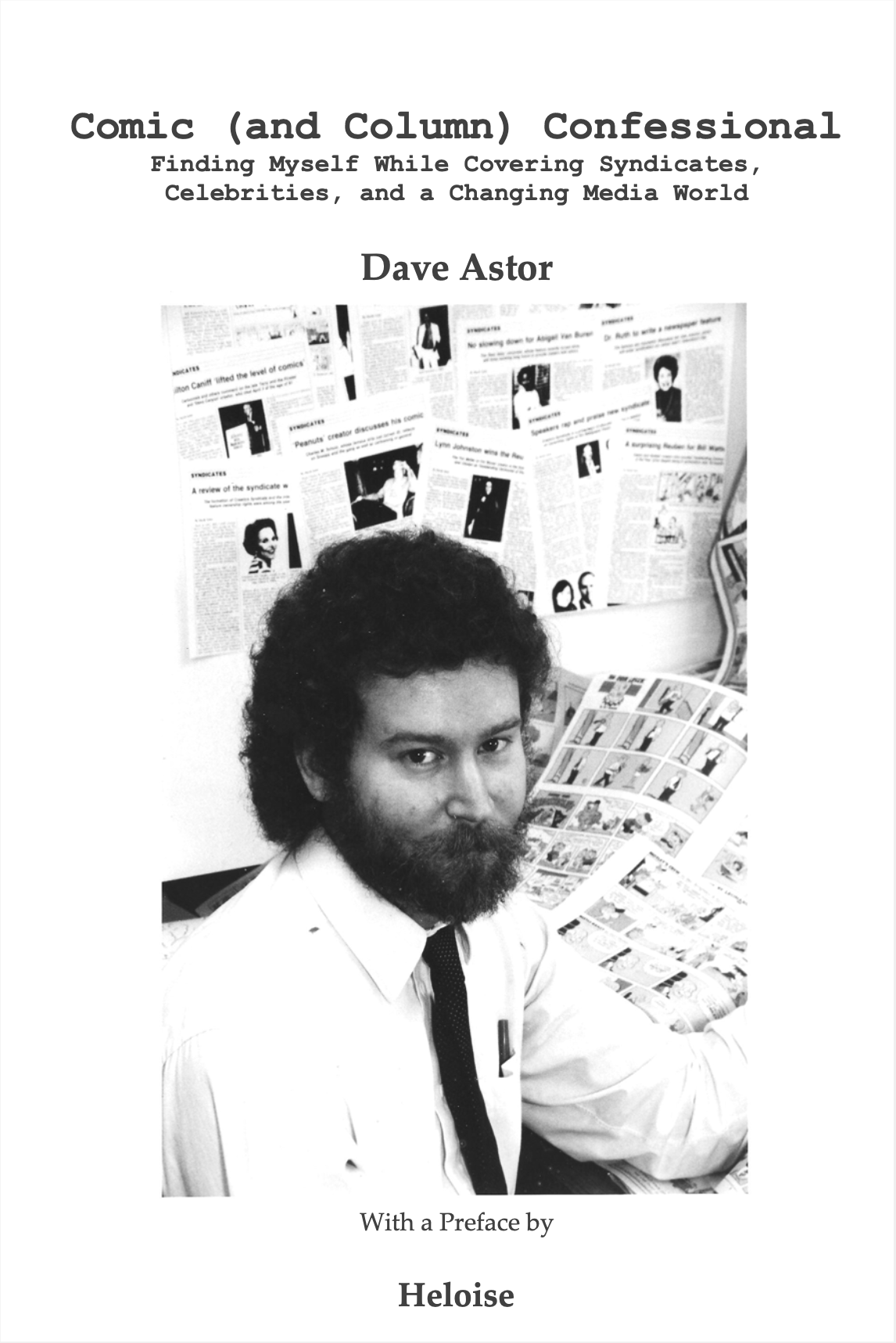
…and a 2012 memoir that focuses on cartooning and more, including many encounters with celebrities.
In addition to this weekly blog, I write the 2003-started/award-winning “Montclairvoyant” topical-humor column every Thursday for Montclair Local. The latest piece — which has a literature theme connected to local news in my town — is here.
Characters from Classic Novels Take to Social Media

The mature and measured U.S. president.

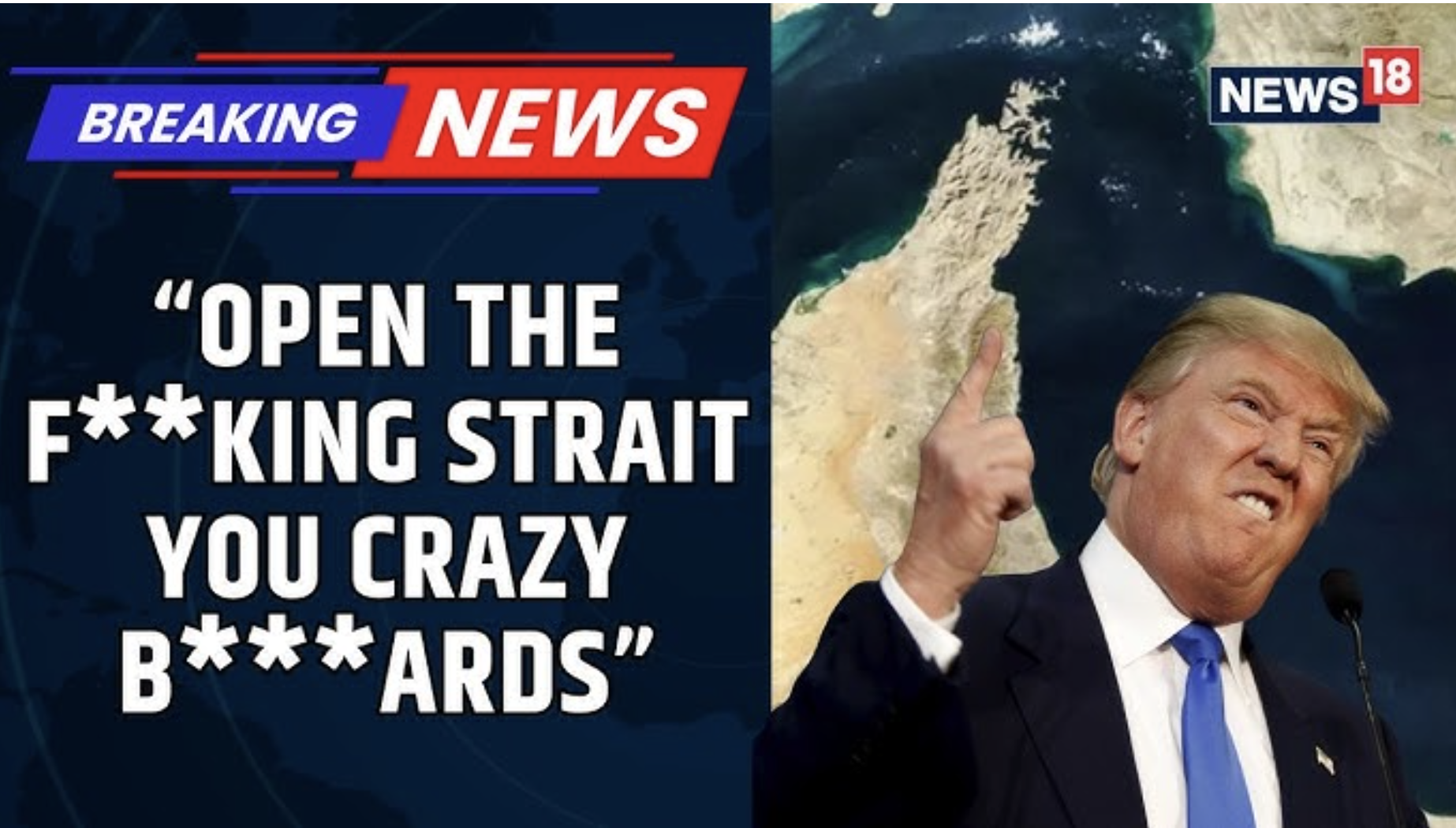
Donald Trump constantly posts unhinged messages on his social media platform Truth Social (aka Lie Social). Threatening genocide against Iran, showing an image of himself as Jesus Christ, denouncing Pope Leo XIV for wanting peace in the world, cursing at people who don’t “bend the knee” to him, etc. So, I’d like to offer more respectable — and more enjoyable — social media content: posts by various characters from classic literature. (With fictional comments responding to those fictional posts.) The characters inhabit novels published long before the existence of Facebook, X, Bluesky, Instagram, and other platforms, but they still managed to make their online thoughts known.

Jane Eyre: “Here’s a photo I took tonight of a tree that got split by lightning just after R asked me to marry him. Cool!”

Rochelle from Rochester: “Jane, not sure that’s cool; the severed tree could symbolize a coming rupture in your relationship.”

Jane: “As Freud might say after he’s eventually born, sometimes a tree is just a tree.”

Thornfield Hall & Oates: “Charlotte Bronte, please weigh in here.”

Charlotte: “I’ll try, but the WiFi in Haworth Parsonage is spotty.”

Rodion Raskolnikov: “I heard that the popular co-hosts of the I’ve Had It podcast are ‘killing it.’ That means I have something in common with them.”

St. Petersburger King: “You actually murdered people; podcasters Jennifer Welch and Angie ‘Pumps’ Sullivan did not.”

Raskolnikov: “I had my reasons for doing the Crime that might lead to Punishment, but at least I didn’t bomb a girls’ school like the Trump regime did in Iran.”

Sonya Semyonovna Marmeladova: “Fyodor Dostoevsky, could you extract Raskolnikov from his time warp? And give me a shorter name while you’re at it.”

Dostoevsky: “I’m busy deciding on a first name for the repulsive dad in my novel The Brothers Karamazov. Let’s see…Biff? No. Chuck? No. Rocky? No. Fyodor? Yes!”

Paul Baumer: “I’m told it’s All Quiet on the Western Front, but the occasional new western novel and occasional new western movie means that genre is not totally quiet. Plus I’m not sure if I’m fighting in World War I or The Great War.”

Wiser than the Kaiser: “Actually, they’re the same conflict. When The Great War happened, no one knew there’d be a World War II that would retrospectively lead to The Great War being renamed World War I.”

Paul: “I did not live to see World War II, or to even read the World War Z zombie apocalypse novel by Max Brooks, son of Mel Brooks and Anne Bancroft. Young Frankenstein was The Graduate, right?

Archie Triumph: “Erich Maria Remarque, could you rein in your protagonist?”

Erich: “I married Charlie Chaplin’s former wife, actress Paulette Goddard, so get off my case.”

Queequeg: “I’d post a video of The Great White Whale, but Apple has yet to develop a harpoon with a phone camera.”

Mel from Melville: “Given that you’re in a novel with lots of gravitas, shouldn’t the Moby-Dick whale have the more-formal name of Moby-Richard?”

Queequeg: “Call me, Ishmael, if my harpoon ever gets a smartphone.”

This Billy Budd’s for You: “Herman Melville, tell Captain Ahab to start monitoring his crew’s social media content.”

Herman Melville: “Herman Munster has the same initials as me.”

Edmond Dantes: “Given that it’s tax season, what is The Count of Monte Cristo’s count — according to his accountant?”

Chateau d’ifs, ands, or buts: “Depends on whether you, Edmond/Count, declared Abbe Faria a dependent.”

Edmond: “Actually, I was more a dependent of Faria’s than he was of me in the Chateau d’if island prison.”

Rhea Venge: “Alexandre Dumas, could you have The Three Musketeers stick a sword in this blog post? It’s done.”

Note: My next post might publish on Monday, April 27, rather than Sunday, April 26.

Misty the cat says: “The novel ‘All the Light We Cannot See’ seems to have missed that lamp.”

My comedic 2024 book — the part-factual/part-fictional/not-a-children’s-work Misty the Cat…Unleashed — is described and can be purchased on Amazon in paperback or on Kindle. It’s feline-narrated! (And Amazon reviews are welcome. 🙂 )

This 90-second promo video for the book features a talking cat: 🙂

I’m also the author of a 2017 literary-trivia book

…and a 2012 memoir that focuses on cartooning and more, including many encounters with celebrities.

In addition to this weekly blog, I write the 2003-started/award-winning “Montclairvoyant” topical-humor column every Thursday for Montclair Local. The latest piece — about topics such as steeply rising health-insurance costs hurting my town’s municipal budget — is here.

A Semi-Comprehensive Look at Semi-Autobiographical Novels

In early 2016, I wrote about semi-autobiographical novels. Now that nearly 10 years have passed, I suppose it would be semi-okay to write about those books again — mentioning semi-autobiographical novels I’ve read since then or had read before then but didn’t mention in that previous post. So, with this semi-decent first paragraph nearly done, here goes:

As I wrote in ’16, semi-autobiographical novels “can be the best of both worlds for authors and their readers. That mix of memoir and fiction takes facts and embellishes them and/or dramatizes them and/or smooths them into more coherent form. A partly autobiographical approach also allows authors to potentially pen very heartfelt books — after all, they lived the emotions — and perhaps provides those writers with some mental therapy, too.” I also wrote that a semi-autobiographical novel is often, but of course not always, a debut novel — at least partly because that kind of book might be easier to write; the author can use aspects of her or his own past.

Back here in late 2025, I just read The Cat’s Table by Michael Ondaatje, whose 2011 coming-of-age novel was inspired to an extent by the author’s life and a ship voyage he took as a boy from his native Sri Lanka to rejoin his mother in England after his parents had separated several years earlier. A boy named…hmm…Michael. The Cat’s Table is another compelling book by The English Patient author, who went on to live in Canada.

Another semi-autobiographical/coming-of-age novel (those two things often go together) is Betty Smith’s 1943 bestseller A Tree Grows in Brooklyn — about a brainy girl (Francie) growing up in an impoverished urban family.

Then there’s Little Women by Louisa May Alcott, who loosely based her classic 1868-69 novel on herself and her three sisters.

A few decades earlier, Mary Shelley’s apocalyptic 1826 novel The Last Man featured three principal characters based on herself, her late husband Percy Bysshe Shelley, and their friend and fellow writer Lord Byron.

Aldous Huxley also used famous people as models for characters in his 1928 novel Point Counter Point — including himself, Nancy Cunard, D.H. Lawrence, and Katherine Mansfield.

The characters in Harper Lee’s To Kill a Mockingbird (1960) are somewhat modeled on the author’s father (attorney Atticus Finch in the novel), herself (Scout in the book) and Lee’s childhood friend Truman Capote (fictionally named Dill).

Kurt Vonnegut’s horrific World War II experiences were fuel for his sci-fi-infused 1969 novel Slaughterhouse-Five, and Jack Kerouac’s travel experiences provided fodder for his On the Road (1957).

Some of the semi-autobiographical novels mentioned in my 2016 post include James Baldwin’s Go Tell It on the Mountain, Ray Bradbury’s Dandelion Wine, Charlotte Bronte’s Villette, Rita Mae Brown’s Rubyfruit Jungle, Charles Bukowski’s Hollywood, Willa Cather’s My Antonia, Colette’s The Vagabond, Charles Dickens’ David Copperfield, E.L. Doctorow’s World’s Fair, Fyodor Dostoevsky’s The House of the Dead, George Eliot’s The Mill on the Floss, Nathaniel Hawthorne’s The Blithedale Romance, Zora Neale Hurston’s Their Eyes Were Watching God, Jack London’s Martin Eden, W. Somerset Maugham’s Of Human Bondage, Herman Melville’s Typee, L.M. Montgomery’s Emily trilogy, Sylvia Plath’s The Bell Jar, Erich Maria Remarque’s All Quiet on the Western Front, John Steinbeck’s East of Eden, and Amy Tan’s The Joy Luck Club.

Your thoughts about, and examples of, this topic?

Misty the cat says: “When Christmas-tree lights reflect off the window, it’s a pane in the grass.”

My comedic 2024 book — the part-factual/part-fictional/not-a-children’s-work Misty the Cat…Unleashed — is described and can be purchased on Amazon in paperback or on Kindle. It’s feline-narrated! (And Amazon reviews are welcome. 🙂 )

This 90-second promo video for the book features a talking cat: 🙂

I’m also the author of a 2017 literary-trivia book

…and a 2012 memoir that focuses on cartooning and more, including many encounters with celebrities.

In addition to this weekly blog, I write the 2003-started/award-winning “Montclairvoyant” topical-humor column every Thursday for Montclair Local. The latest piece — which contains a tale of two meetings — is here.

Self-Therapy By Book

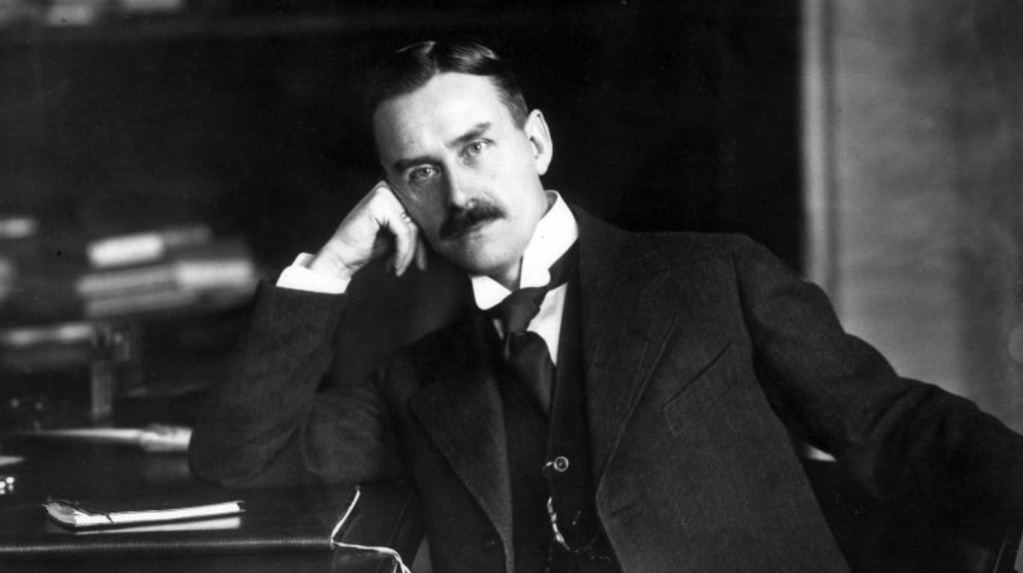
Thomas Mann (Picture Alliance/Ullstein Bild)

Sometimes, novels are semi-autobiographical confessionals and/or expressions of authors’ repressed thoughts and/or a way for them to “work out issues” and/or a way of reckoning with their past and/or an exercise in wish-fulfillment, etc. Sort of self-therapy by book.

I thought about this when recently reading Thomas Mann’s novellas Tonio Kroger (1903) and especially Death in Venice (1912), and seeing that there was a whole lot of male longing for other males by the protagonists. Sure enough, a little online exploring showed that Mann — the father of six with wife Katia — was sexually attracted to men, though there’s no conclusive evidence he acted on that during a more homophobic time. But he sure made his feelings known in some of his writing, as when middle-aged Death in Venice protagonist Gustav von Aschenbach (a famous author…hmm) becomes obsessed with a teen boy he finds very good-looking.

Several years later, in 1918, Willa Cather wrote perhaps her best novel: My Antonia. In it, male protagonist Jim Burden holds Antonia in such high regard that he might well be a stand-in for Cather, who was probably gay. Meaning she could have narrator Jim (i.e. Willa) express some feelings the author might have found more difficult to express if that character were a woman.

While sexual orientation isn’t a subtext (as far as I know) in Mary Shelley’s apocalyptic 1826 novel The Last Man, the author did base the male protagonist Lionel Verney on herself despite the different gender and modeled two other characters — Adrian and Lord Raymond — on her late husband Percy Bysshe Shelley and their late friend Lord Byron, respectively. So, Mary was kind of remembering and analyzing her relationships/interactions with the two famous poets.

Charlotte Bronte’s Villette (1853) also has a semi-autobiographical element: characters Lucy Snowe and Paul Emanuel are partly based on Charlotte and the real-life Constantin Heger, who Charlotte fell in love with (?) while enrolled in the Belgian boarding school run by Heger and his wife Zoe. And the downbeat tone of some of Villette was shaped to a degree by the 1848 and 1849 deaths-before-their-time of Charlotte’s younger novelist sisters Emily and Anne.

The Brontes’ contemporary Charles Dickens used a number of his novels to indirectly work through the childhood trauma that would help shape his social conscience. The future author’s father was sent to a debtors’ prison, and 12-year-old Charles had to leave school to work in a miserable factory to help support his family. Echoes of that can be found in the impoverished young characters Dickens created in David Copperfield (1850), Oliver Twist (1838), The Old Curiosity Shop (1841), and other works.

Amid the compulsive plot of his 1940 novel Native Son, Richard Wright wrestled with such matters as racism (which he experienced plenty of as a Black person) and his complicated feelings about the Communist Party USA (which he joined but later broke from).

Some authors who served in the military and were perhaps wounded in action indirectly worked through that trauma in war novels they would later write. Erich Maria Remarque — in books such as 1929’s All Quiet on the Western Front — is one prominent example of that.

Also, authors’ unrequited “crushes” in real life can provide rather intense fodder for novels, as was the case with Mann in his aforementioned Death in Venice and with Goethe in his The Sorrows of Young Werther (1774).

Thoughts about and examples of this topic?

Misty the cat says: “Halley’s Comet won’t be back until 2061, so you may not see it in this video.”

My comedic 2024 book — the part-factual/part-fictional/not-a-children’s-work Misty the Cat…Unleashed — is described and can be purchased on Amazon in paperback or on Kindle. It’s feline-narrated! (And Misty says Amazon reviews are welcome. 🙂 )

This 90-second promo video for my book features a talking cat: 🙂

I’m also the author of a 2017 literary-trivia book

…and a 2012 memoir that focuses on cartooning and more.

In addition to this weekly blog, I write the 2003-started/award-winning “Montclairvoyant” topical-humor column every Thursday for Montclair Local. The latest piece — a time-warped look at a long-closed movie theater that might open again — is here.