Reimagination Actualization

Four years ago, I blogged about fiction that uses previous fiction as a jumping-off point — and perhaps reimagines well-known characters. This post is sort of a sequel to that post, taking a somewhat different angle and including several novels I’ve read since 2021.

In general, I’m not a huge fan of fiction that’s heavily inspired by a famous work; I’d rather writers be more original than that. Still, there have been some excellent novels that offer insights into the previous work and might be great in their own right.

My latest encounter with this reimagining phenomenon was Queen Macbeth, Val McDermid’s 2024 novella that takes a fascinating approach to characters in Shakespeare’s iconic Macbeth play. The book is excellent, giving Lady Macbeth a more positive (and more historically accurate) persona as a compelling plot unfolds in two different timelines.

McDermid’s book reminded me a bit of Margaret Atwood’s 2005 novella The Penelopiad (mentioned in my 2021 post) that gives Penelope a bigger and more feminist role than she had in Homer’s ancient Odyssey poem.

There’s also Demon Copperhead, Barbara Kingsolver’s 2022 tour de force that gives Charles Dickens’ 1850 classic David Copperfield a modern spin in America’s Appalachian region during the opioid epidemic.

Kristin Hannah’s gripping 2021 novel The Four Winds was obviously inspired by John Steinbeck’s The Grapes of Wrath (1939), but it’s still plenty original and differs in featuring a female protagonist. (The title character in Demon Copperhead is male.)

Zadie Smith has described the structure/focus of her novel On Beauty (2005) as an homage to E.M. Forster’s Howards End (1910).

In her also-published-in-2005 novel March, Geraldine Brooks takes the father from Louisa May Alcott’s 1868-released Little Women and gives him his own story.

I haven’t read it yet, but Percival Everett’s acclaimed James (2024) reimagines Mark Twain’s Adventures of Huckleberry Finn (1884) from the perspective of the escaped slave Jim.

In my 2021 post, I mentioned the 1966 novel Wide Sargasso Sea, in which Jean Rhys gives three-dimensionality to the “madwoman in the attic” of Charlotte Bronte’s novel Jane Eyre; Rhys’ creation is in effect a prequel to Bronte’s 1847 book. I also discussed the novel (by Gregory Maguire) and the play Wicked, which sympathetically portray the Wicked Witch from L. Frank Baum’s The Wonderful Wizard of Oz novel (1900) and The Wizard of Oz movie (1939).

Mentioned as well in that post were Isabel Allende’s 2005 novel Zorro, Jasper Fforde’s 2001 novel The Eyre Affair, and Seth Grahame-Smith’s 2009 Jane Austen parody Pride and Prejudice and Zombies — the last of which I haven’t felt the “Persuasion” to read.

Comments about, and examples of, this theme?

Misty the cat says: “My right turn has nothing to do with politics.”

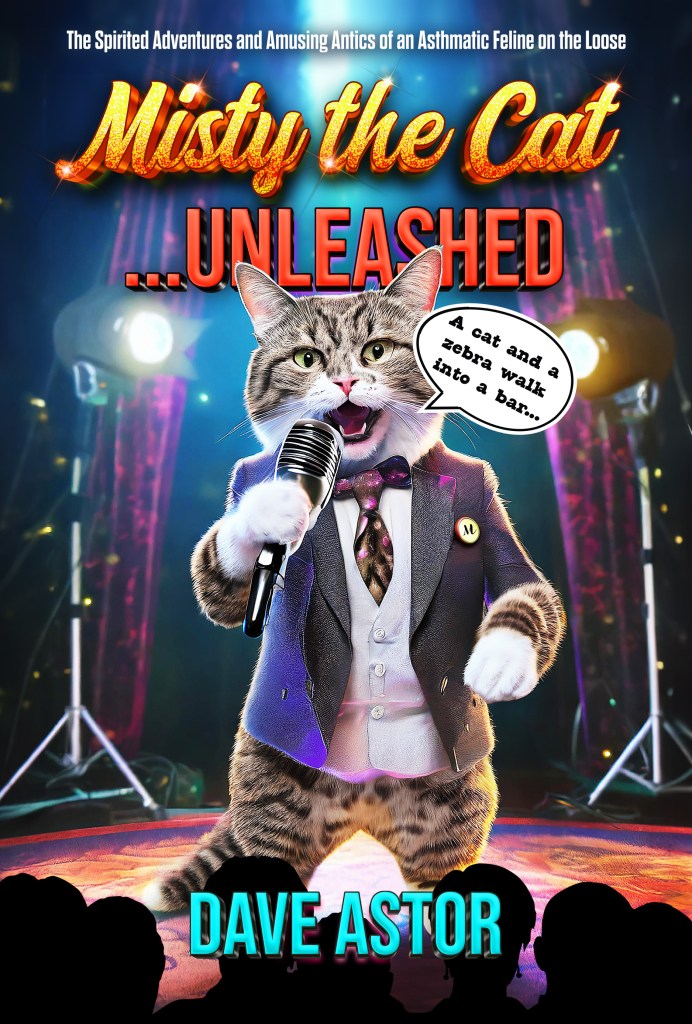
My comedic 2024 book — the part-factual/part-fictional/not-a-children’s-work Misty the Cat…Unleashed — is described and can be purchased on Amazon in paperback or on Kindle. It’s feline-narrated! (And Misty says Amazon reviews are welcome. 🙂 )
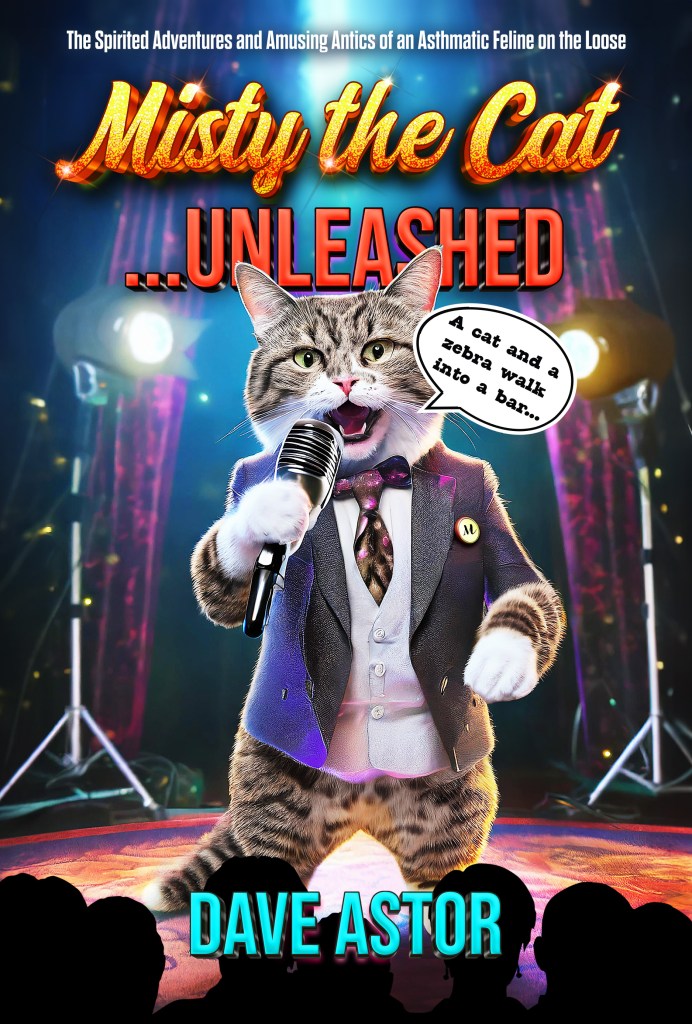
This 90-second promo video for the book features a talking cat: 🙂

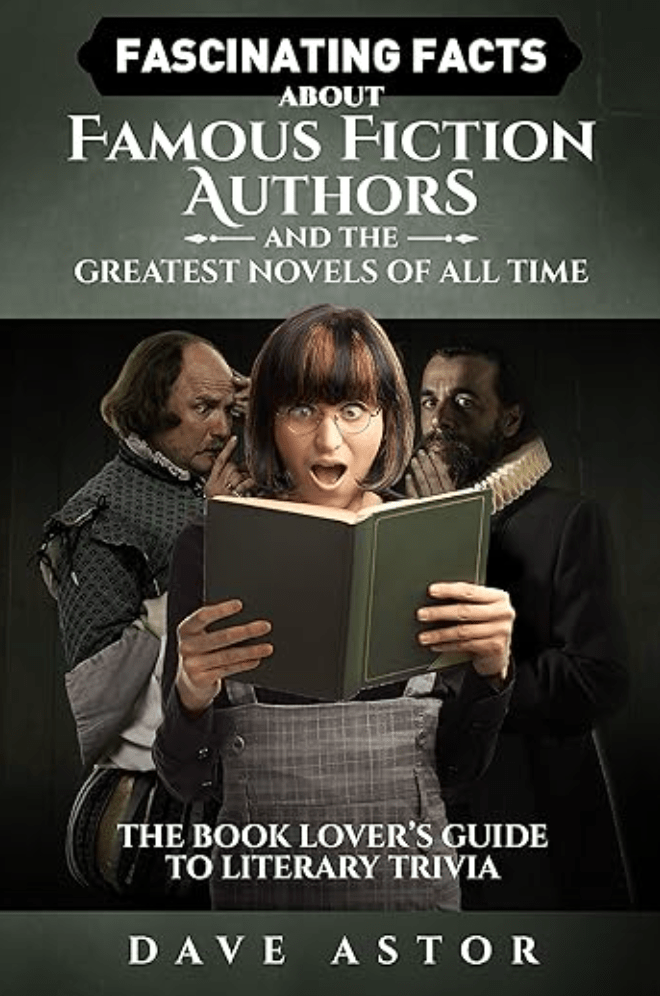
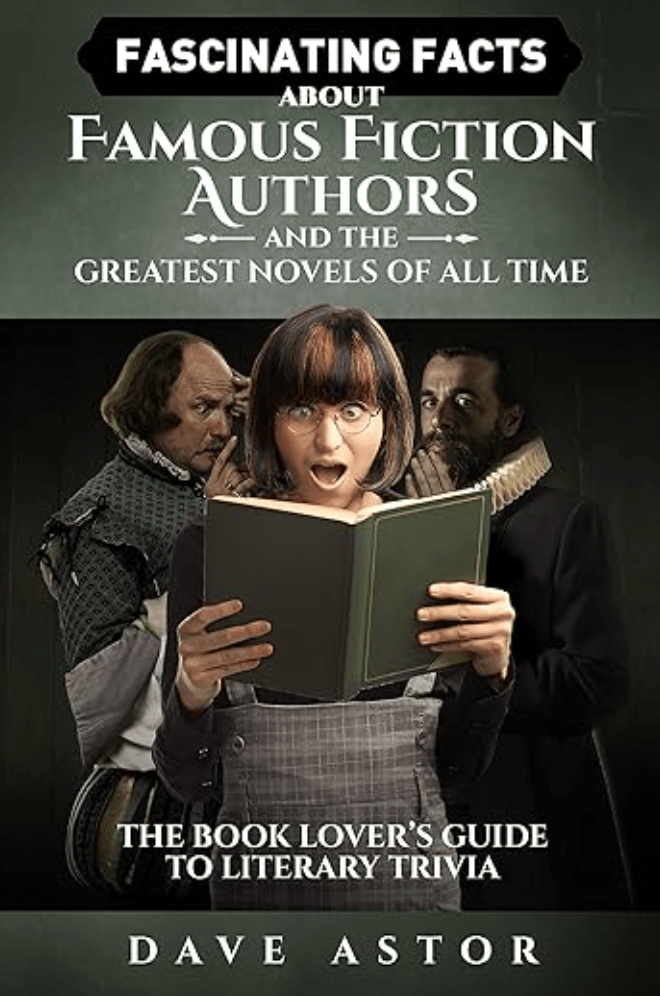
I’m also the author of a 2017 literary-trivia book

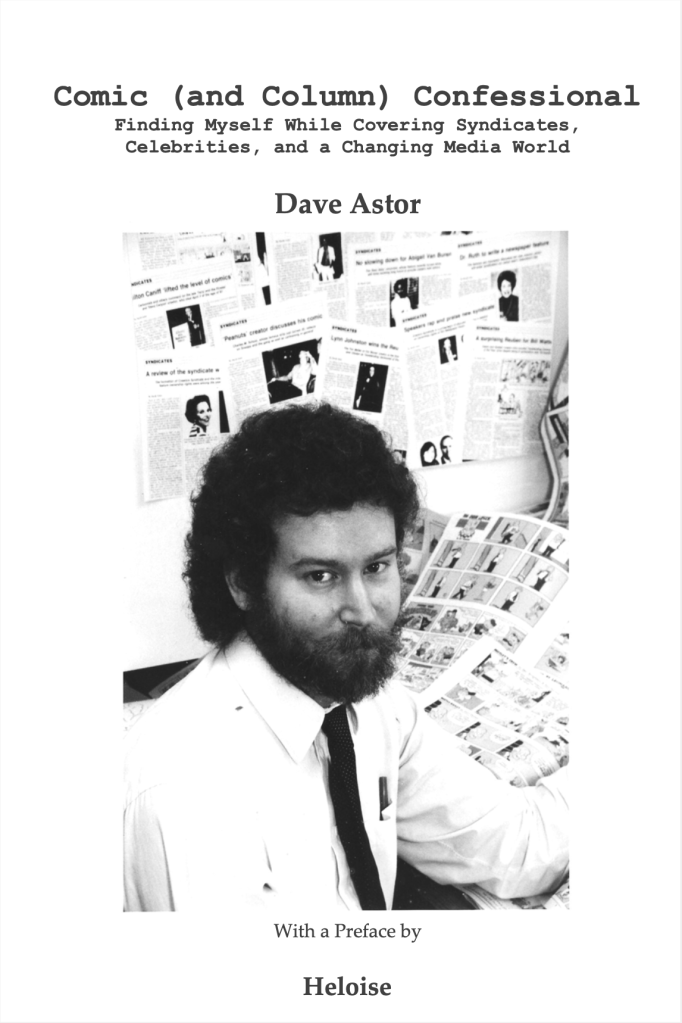
…and a 2012 memoir that focuses on cartooning and more.

In addition to this weekly blog, I write the 2003-started/award-winning “Montclairvoyant” topical-humor column every Thursday for Montclair Local. The latest piece — about a badly maintained lower-income apartment building, a change in venue for a senior center, and more — is here.
Restrictions Need Not Cause Conniptions

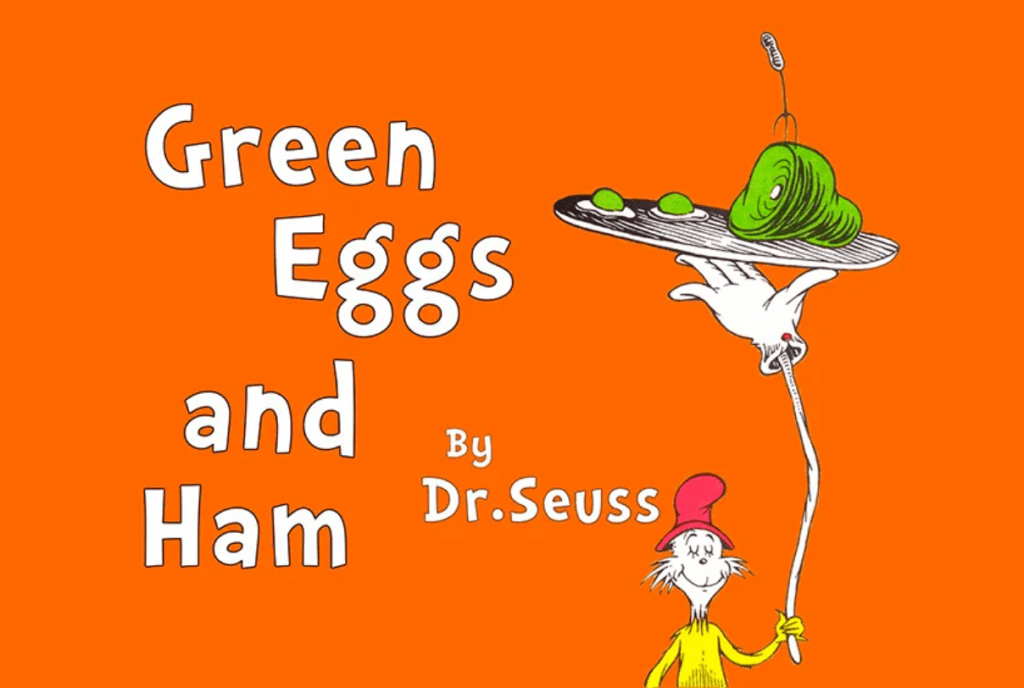
Credit: Random House

Authors dealing with restrictions can find their literary creativity stifled or stimulated. This post will discuss several examples of the latter.

Some fiction fans know the story behind the iconic Green Eggs and Ham. Dr. Seuss was challenged to do a children’s book containing a maximum of 50 different words (albeit all of which could be used more than once). The author struggled with that parameter, but eventually created what has been an enduring bestseller since 1960.

Moving to adult novels, Margaret Atwood was asked to write a book retelling a classic myth of her choosing — so the Canadian author obviously had a limitation on subject matter. She decided to do a feminist take on Homer’s Odyssey, focusing on Odysseus’ wife Penelope and other women. The result was 2005’s The Penelopiad. Not one of Atwood’s most compelling novels, but worth reading.

Another way of working within a framework is writing a novel in verse. Such was the case with Eugene Onegin (1833) by Russian author Alexander Pushkin, whose titular protagonist is a young, selfish, arrogant dandy. While one wouldn’t expect an all-poetry work to be as gripping as a more traditional prose novel, Eugene Onegin holds one’s interest and then some.

Russian-turned-American author Vladimir Nabokov also gave himself a challenge with Pale Fire (1962), which contains a lengthy poem along with prose. A brilliant novel, but not exactly a warm novel — despite having fire in its title. 🙂

Then there are novels written in countries ruled by dictatorial regimes, meaning that if the authors want to satirize said regimes they need to be indirect and allegorical to try avoid possible prison or death. One example is The Master and Margarita, a rollicking novel that Mikhail Bulgakov wrote between 1928 and 1940 in the Stalin-led Soviet Union.

There are also the creative restrictions involved with co-authoring a novel, because it’s not “the baby” of just the usual solo writer. Among such books is 1873’s The Gilded Age by Charles Dudley Warner and Mark Twain. Each man mostly wrote separate chapters, though they reportedly jointly penned a few. The result was an awkward fit; one could tell that the satirical chapters were Twain’s, although Warner’s serious/more-conventional sections weren’t bad.

Finally, I recently read Past Lying (2023), the seventh installment of Scottish author Val McDermid’s series starring cold-case detective Karen Pirie. McDermid imposed restrictions of a sort on herself by setting the novel during 2020’s Covid lockdown, which gave Pirie and her police colleagues quite a logistical challenge investigating a twisty case of murder committed by a crime author. But McDermid pulled it off; I think Past Lying is the best of the Pirie series.

Any comments about, and/or examples of, this topic?

Many thanks to “The Introverted Bookworm” — talented blogger/author Ada Jenkins — for the wonderful review of my 2017 literary-trivia book she posted this past Tuesday, May 27. Very, very appreciated! 🙂

Misty the cat says: “Every cat needs a vacation home.”

My comedic 2024 book — the part-factual/part-fictional/not-a-children’s-work Misty the Cat…Unleashed — is described and can be purchased on Amazon in paperback or on Kindle. It’s feline-narrated! (And Misty says Amazon reviews are welcome. 🙂 )

This 90-second promo video for my book features a talking cat: 🙂

I’m also the author of the aforementioned 2017 literary-trivia book

…and a 2012 memoir that focuses on cartooning and more.

In addition to this weekly blog, I write the 2003-started/award-winning “Montclairvoyant” topical-humor column every Thursday for Montclair Local. The latest piece — about Memorial Day, a local food pantry, and more — is here.