The Return of the Educators

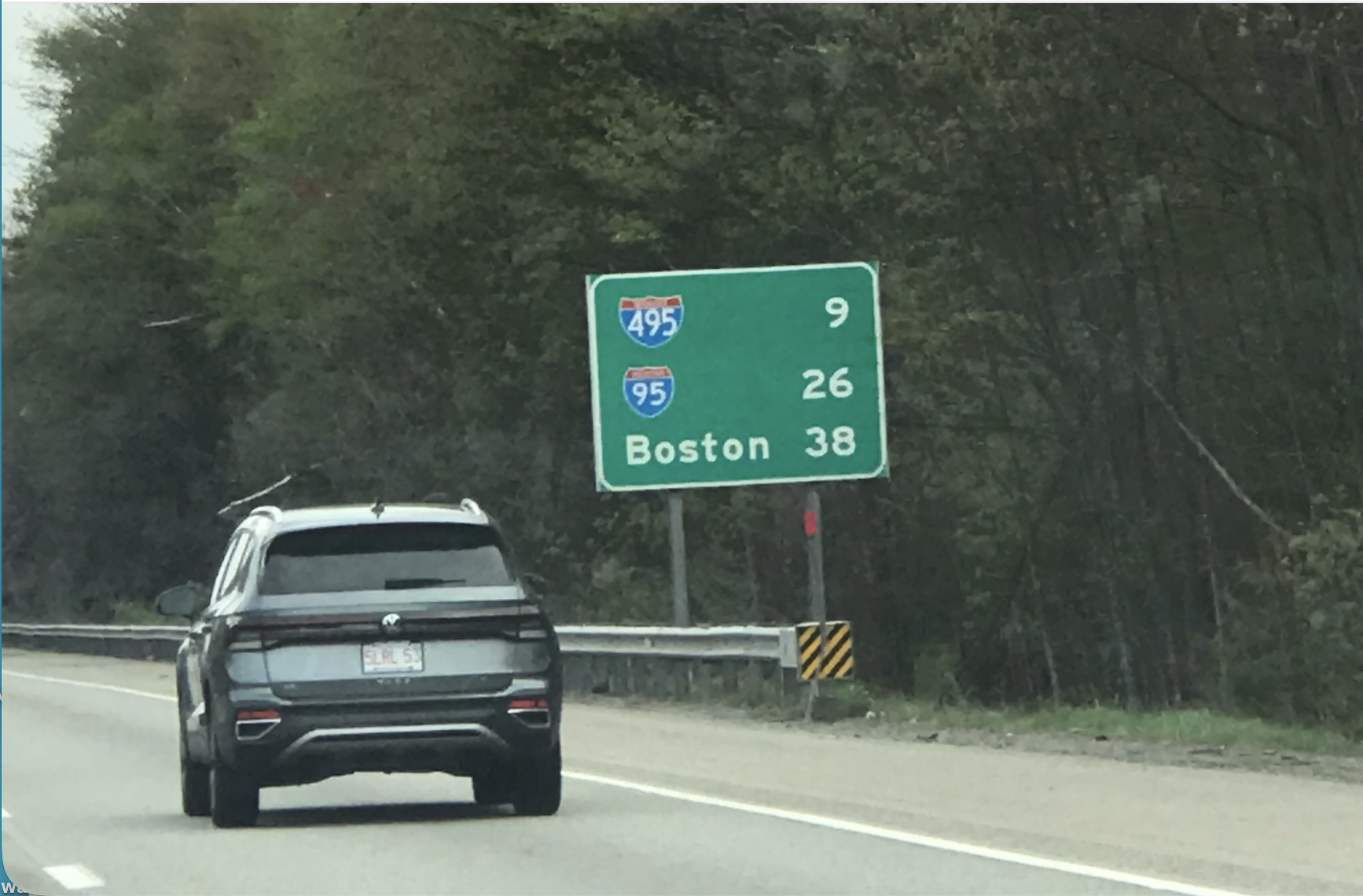
On the way to Boston this past Friday, May 8, from New Jersey. (Photo by me.) Unsurprisingly, we were behind a car with Massachusetts plates…I think.

My wife Laurel and I were in Boston the past couple days picking up our younger daughter Maria from her first year of college, meaning I didn’t have a lot of time to write. Because of that, I figured I’d rerun a post…and it seemed appropriate to have that literature piece be about educators — whether professors or teachers of younger students. But I’ve done several posts over the years featuring fictional (and actual) educators, so I decided to reference all of them.

In 2023, I discussed real-life authors who also are or were professors.

“And why not?,” I wrote back then. “Teaching uses different creative muscles, is a source of additional income (not all well-known novelists are rich), gets authors away from their solitary writing desks into some semblance of the real world, enables them to help budding writers, gives them insight into what young people are thinking, etc. Perhaps their teaching also indirectly infuses their own writing, or even directly if a book they pen has an academic setting. On the other hand, teaching time does take away from writing time.”

I added, “In some cases, dual-duty authors were professors who later became novelists. But perhaps in more cases, they first gained some renown as novelists — after which universities came a-calling.”

The living and deceased authors/professors I named in that 2023 post included Jhumpa Lahiri (Barnard College); Toni Morrison (Princeton University, Rutgers University, etc.); Joyce Carol Oates (Princeton, University of California, Berkeley); Jeffrey Eugenides (Princeton, New York University); Zadie Smith (also NYU); Viet Thanh Nguyen (University of Southern California); Junot Diaz (Massachusetts Institute of Technology); Kent Haruf (Nebraska Wesleyan University); Vladimir Nabokov (Wellesley College, Cornell University); and J.R.R. Tolkien (University of Oxford).

In 2021, 2015, and 2012 posts (the earliest one for The Huffington Post two years before this blog’s 2014 launch), I discussed fictional educators. Many who are as smart, hardworking, and compassionate as some of our favorite real-life teachers we might fondly recall when reading about fictional ones.

Literature’s memorable educators include — among others — Anne Shirley in Anne of Avonlea, the first sequel to L.M. Montgomery’s Anne of Green Gables; Charles Chipping of James Hilton’s Goodbye, Mr. Chips; Ricky Braithwaite of E.R. Braithwaite’s autobiographical novel To Sir, With Love; Dan Needham of John Irving’s A Prayer for Owen Meany; and Jane Eyre, briefly a teacher in Charlotte Bronte’s novel after that character spent a longer time as a teacher of another sort: being a governess.

Children’s fiction also has some great teachers — with one I mentioned in a previous post being Ms. Frizzle of The Magic School Bus books written by Joanna Cole and illustrated by Bruce Degen.

Of course, not all teachers are terrific and/or admirable. In past posts I cited the bumbling Gilderoy Lockhart of J.K. Rowling’s Harry Potter series; the charismatic but fascist-leaning title character in Muriel Spark’s The Prime of Miss Jean Brodie; the means-well-but-overwhelmed Ida Ramundo of Elsa Morante’s novel History; and the comedic-but-a-bit-irresponsible Aimee Lanthenay of Colette’s Claudine at School.

When previously naming fictional professors, I noted that a number of them are quirky — which obviously can make for interesting reading. I added: “There can be drama in their interactions with students, in their competitive relationships with fellow profs, in their sometimes-fraught encounters with university administrators, in their quests for tenure, and in the whole publish-or-perish thing. All that makes up for the fact they are (usually) not the heroic, adventurous sorts who can make readers turn pages faster than tuition payments drain a bank account.”

Among literature’s other fictional profs are Howard Belsey and Monty Kipps of Zadie Smith’s On Beauty; Gauri Mitra of Jhumpa Lahiri’s The Lowland; William Stoner of John Williams’ Stoner; Virginia “Vinnie” Miner and Fred Turner of Alison Lurie’s Foreign Affairs; Tony Fremont (a woman) of Margaret Atwood’s The Robber Bride; Humphrey Clark of Margaret Drabble’s The Sea Lady; Grady Tripp of Michael Chabon’s Wonder Boys; and Godfrey St. Peter of Willa Cather’s The Professor’s House.

I asked this before in previous posts on this topic, but you’re welcome to again name some of your favorite fictional educators.

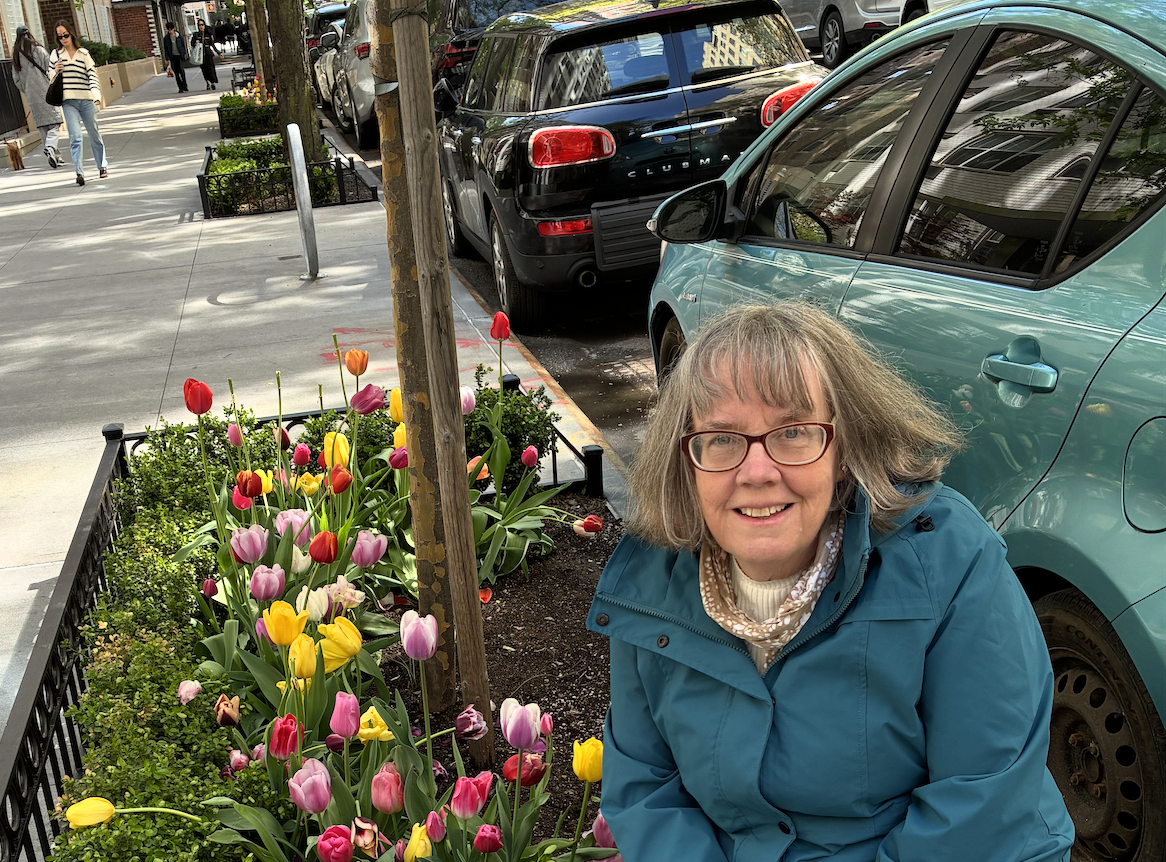
Happy Mother’s Day to my wife Laurel, who is…a professor. 🙂 This photo of her was taken last month in New York City.
Misty the cat says: “My teen human is home from college, so I sleep extra in celebration.”

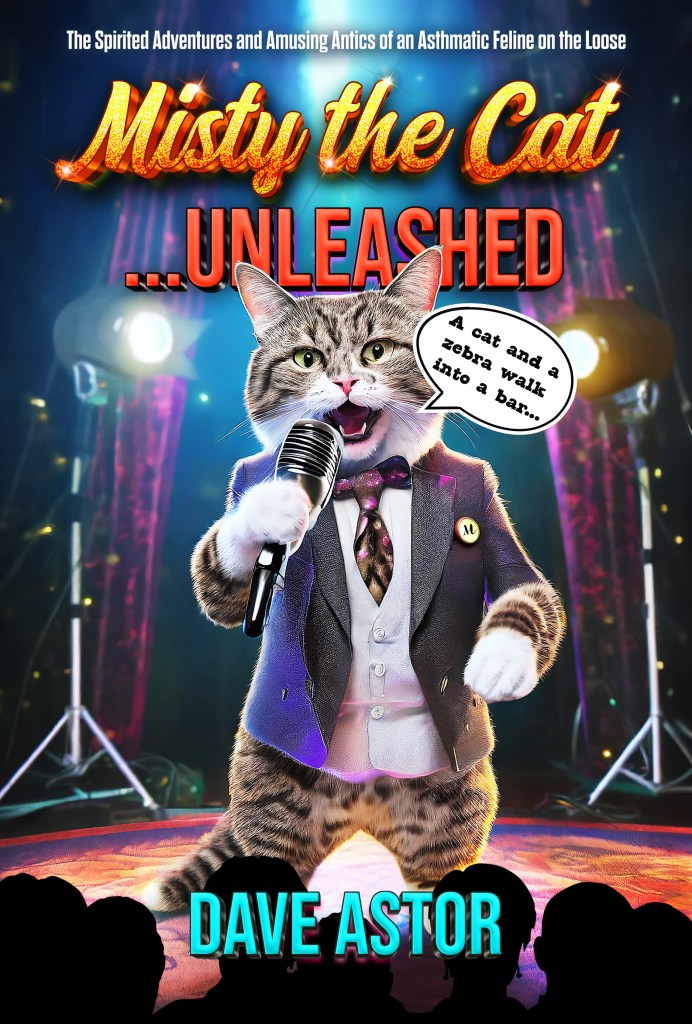
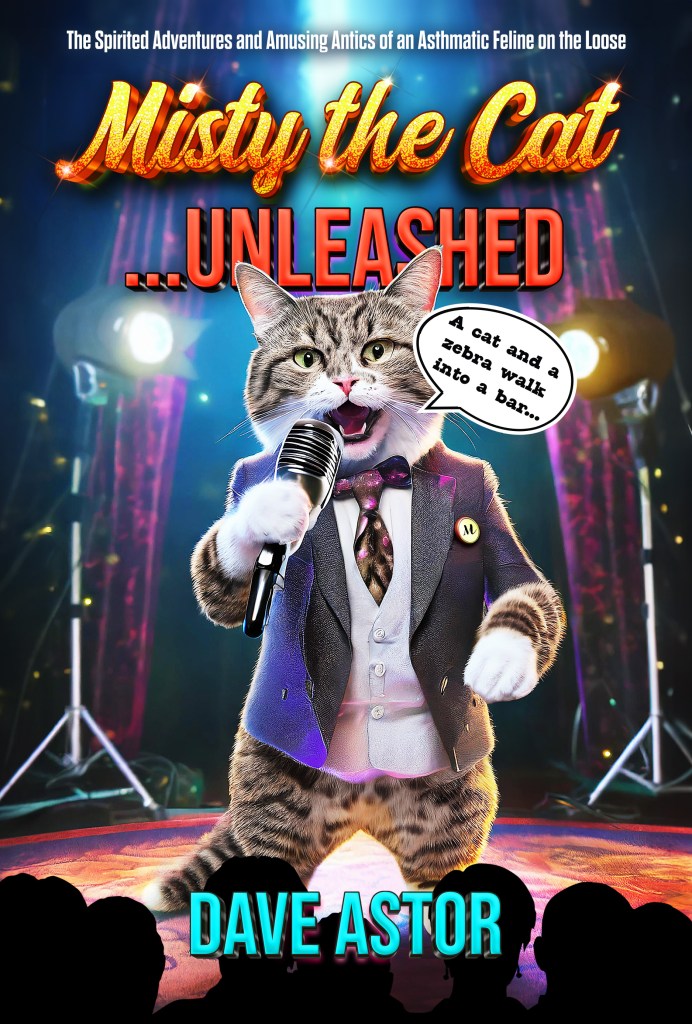
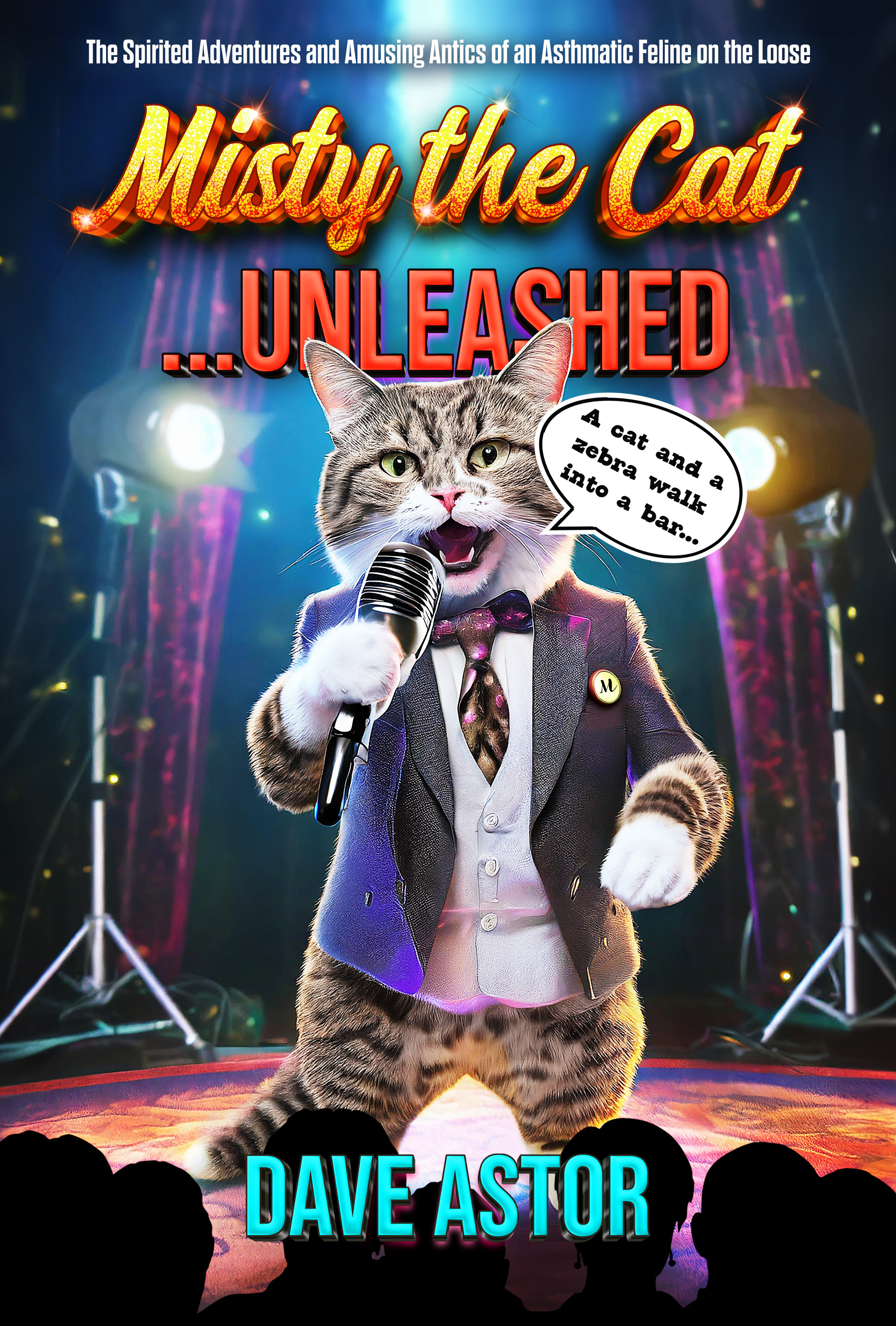
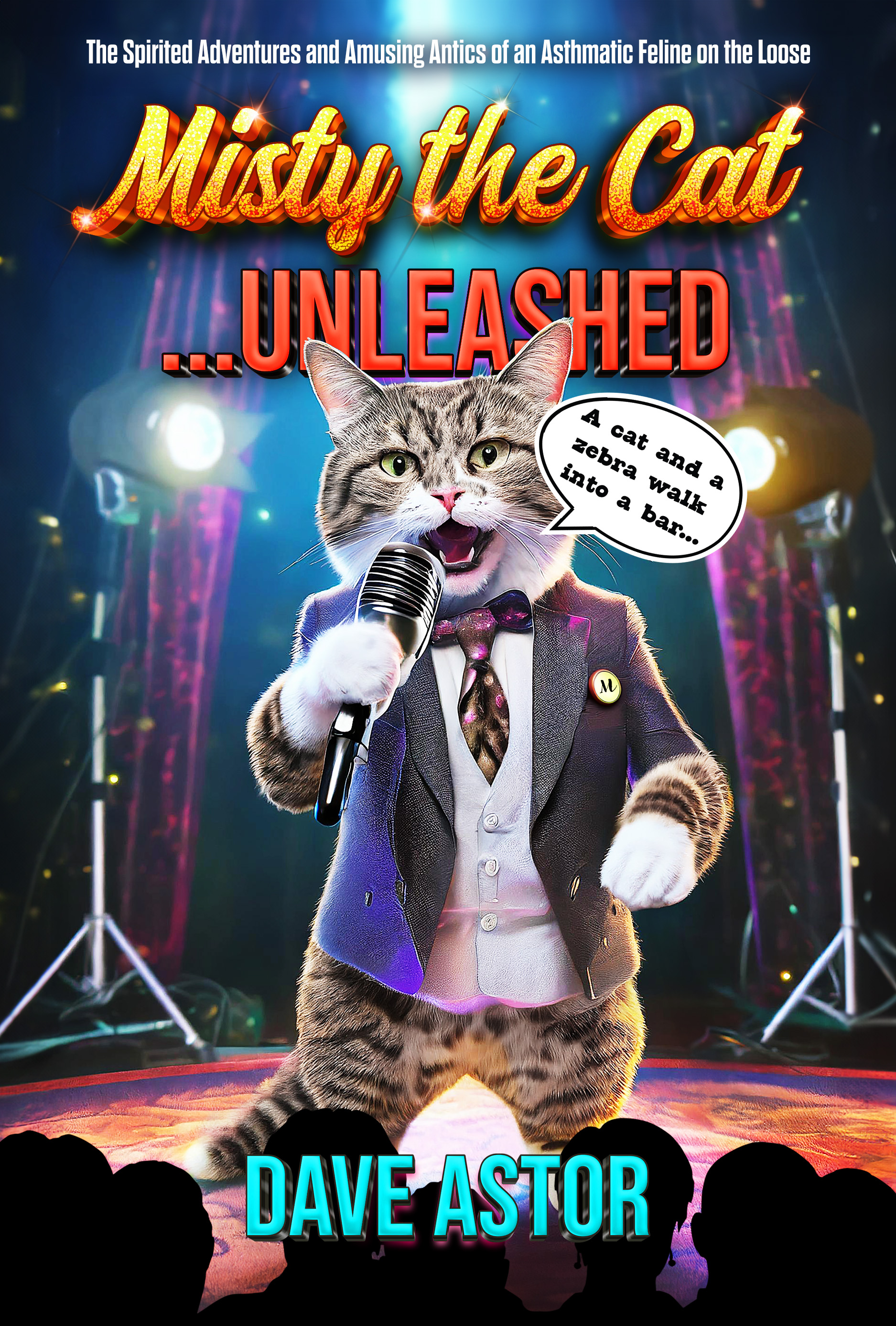
My comedic 2024 book — the part-factual/part-fictional/not-a-children’s-work Misty the Cat…Unleashed — is described and can be purchased on Amazon in paperback or on Kindle. It’s feline-narrated! (And Amazon reviews are welcome. 🙂 )
This 90-second promo video for the book features a talking cat: 🙂

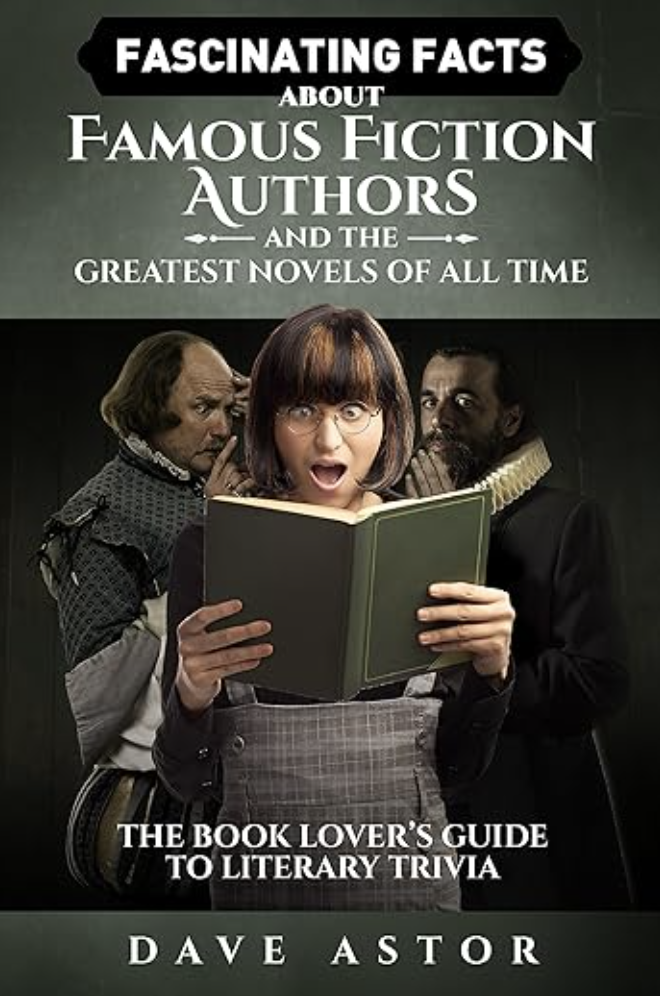
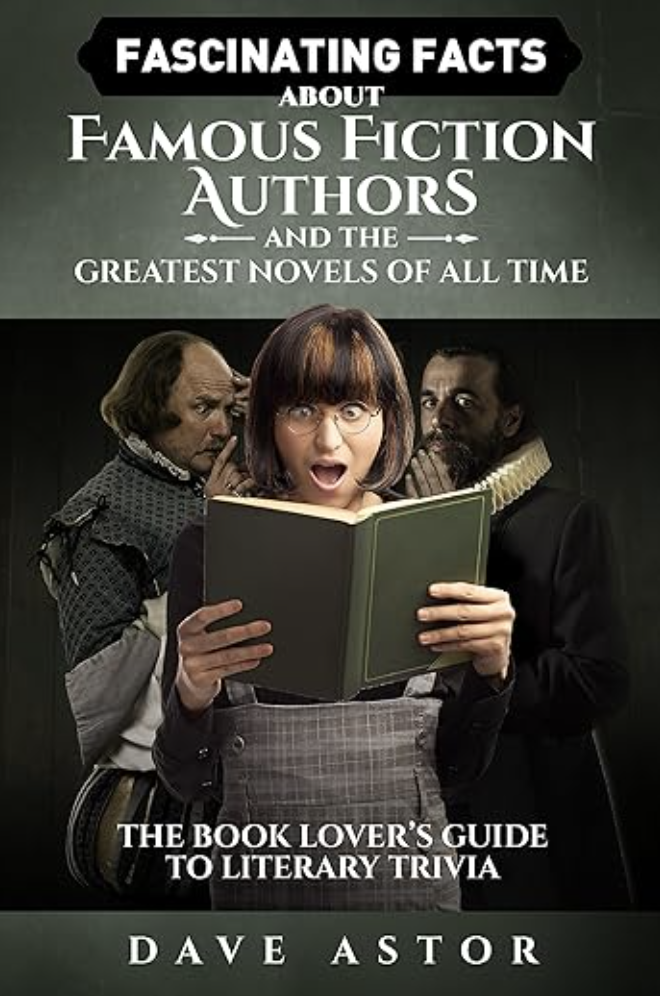
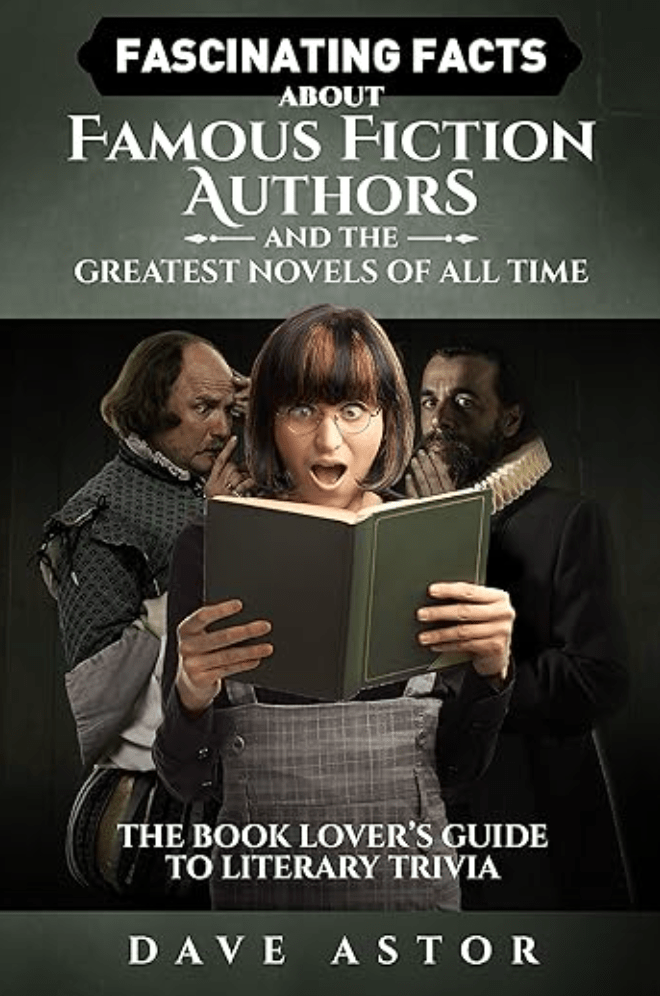
I’m also the author of a 2017 literary-trivia book

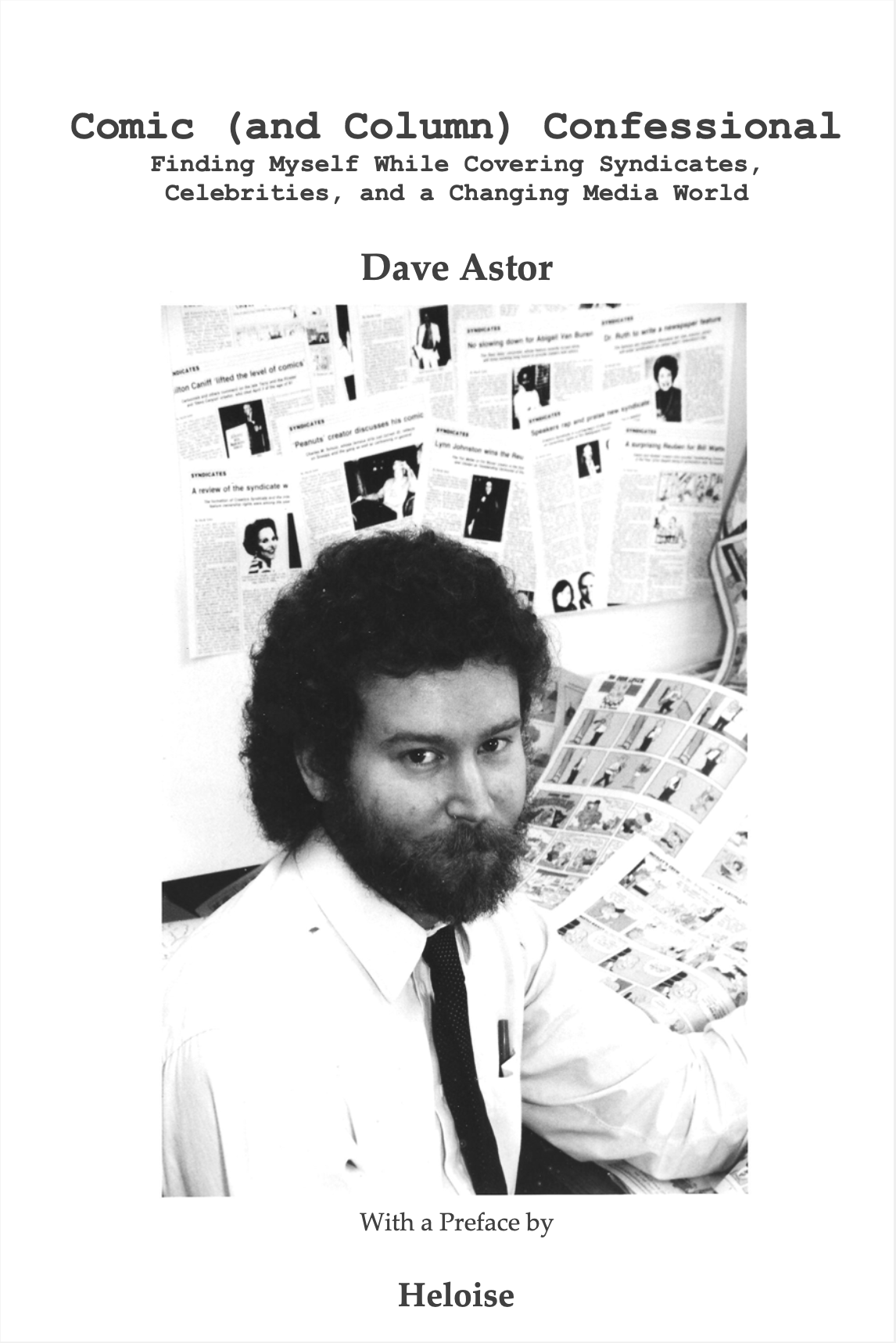
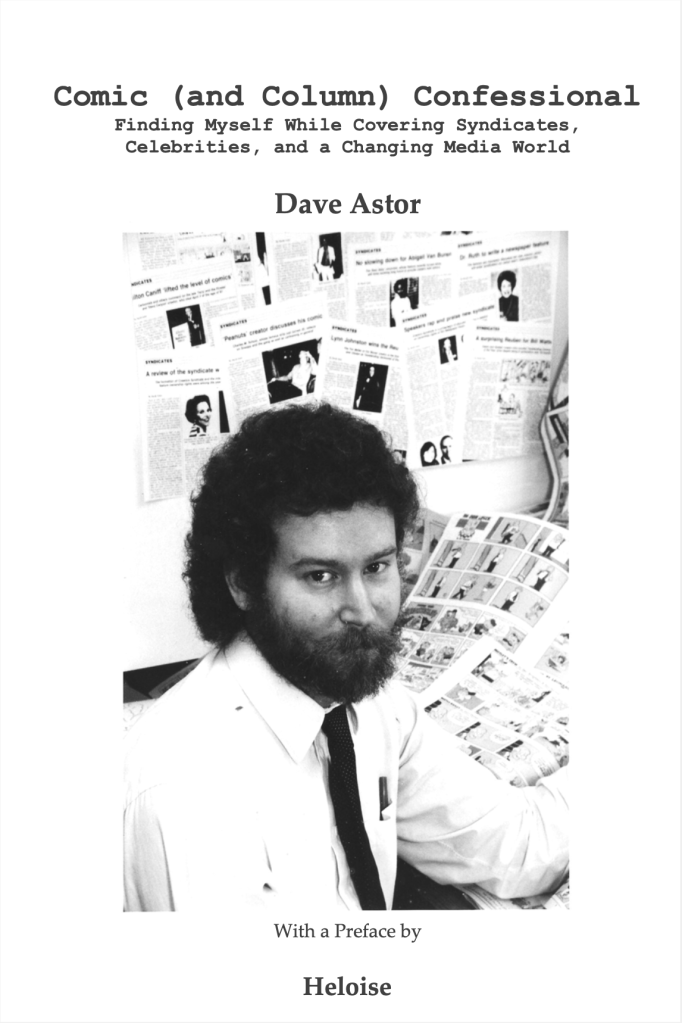
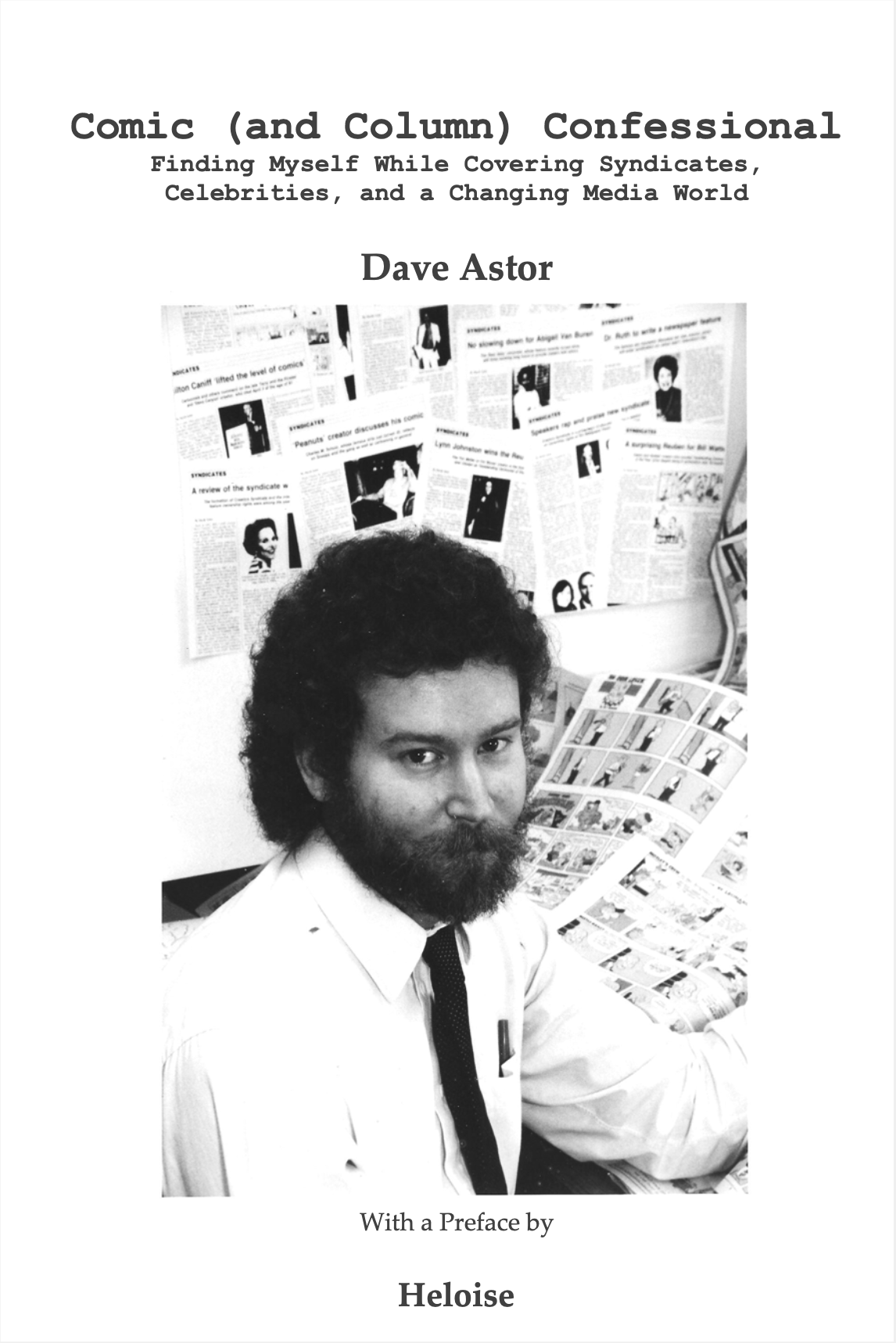
…and a 2012 memoir that focuses on cartooning and more, including many encounters with celebrities.
In addition to this weekly blog, I write the 2003-started/award-winning “Montclairvoyant” topical-humor column every Thursday for Montclair Local. The latest piece — which discusses my town’s grim school budget and more — is here.
Lit With Wit That Might Side-Split

On March 8, I marked International Women’s Day with a post about memorable women characters in fiction. On March 15, I marked The Ides of March (when Julius Caesar was killed) with a post about memorable murders in fiction. So, what holiday can I mark today? I did an online search, and discovered that March 22 is National Goof Off Day! Meaning I could write a post about some of the funnier novels I’ve read.

But a search showed I wrote a post like that back in this blog’s first year: 2014. Hmm…guess I’ll rerun that piece today (many of you had yet to become readers here 12 years ago). Then, I’ll add some humorous or part-humorous novels I’ve read since 2014 — or read before that but forgot to mention in my previous Obama-era post.

Here’s the 2014 piece, with a new first paragraph and some other editing:

Some novels are quite funny, in a satirical or just plain silly way. They include books that range from mostly comedic to those that are serious and/or dramatic and/or poignant but contain one or more hilarious scenes — such as Ishmael and Queequeg, pre-ship voyage, in the inn bedroom in Herman Melville’s Moby-Dick.

For instance, there’s Charles Dickens’ laugh-out-loud first novel: The Posthumous Papers of the Pickwick Club, which features the fabulously funny Sam Weller. That book launched Dickens into a popularity stratosphere he never left — even as his increasingly ambitious novels were never quite that humorous again. Was Bleak House a jest-fest? Don’t think so.

Colette had a similar career arc, entering the novel-writing realm with the sidesplitting Claudine at School before moving on to weightier (yet still engaging) works. The title character in Colette’s late-career Gigi wouldn’t last a minute in a battle of witticisms with the rambunctious Claudine.

Speaking of first novels, the seriocomic Harry Potter and the Sorcerer’s Stone has more laughs per square page than any of the six subsequent novels in J.K. Rowling’s series.

Also hilarious is Philip Roth’s Portnoy’s Complaint, in which the “thing” that hits an incandescent bulb is not a light-dazzled moth.

Then there’s Jeeves in the Offing, or almost any other P.G. Wodehouse novel or story starring the brilliant British valet and his rather clueless “master” Bertie Wooster. Wodehouse could make a shopping list funny.

In a very different milieu, novels don’t get much more amusing (or ribald) than Erskine Caldwell’s Tobacco Road and God’s Little Acre. Delightful “southern humor” can also be found in Charles Portis’ Norwood and The Dog of the South, Rita Mae Brown’s Rubyfruit Jungle novel and Sneaky Pie Brown mysteries, and Fannie Flagg’s Fried Green Tomatoes at the Whistle Stop Cafe. Mixed with the laughs in those books are serious themes such as poverty, racism, sexism, and homophobia.

Academia can also be a great source of humor and satire, as evidenced by novels such as Zadie Smith’s On Beauty, Richard Russo’s Straight Man, and Adam Langer’s Ellington Boulevard.

Returning to older novels, we see Mark Twain mixing strong antiwar satire with goofy humor in A Connecticut Yankee in King Arthur’s Court, Henry Fielding even naming a character “Lady Booby” (for her personality) in his uproarious Joseph Andrews, and Miguel de Cervantes being much funnier than one expects in Don Quixote.

More hilarity? Valancy Stirling dramatically parts with her oppressively conventional mother and other relations in L.M. Montgomery’s moving/inspiring The Blue Castle, but the conversations the newly confident Valancy has with her family are as funny as the funniest sitcom.

Italo Calvino is very droll in his short-story-collection-as-novella Marcovaldo. John Steinbeck, so earnest in The Grapes of Wrath and East of Eden, will crack you up in Tortilla Flat, Cannery Row, and Sweet Thursday. And you don’t need an explanation from me about how dizzyingly comedic are Lewis Carroll’s Alice’s Adventures in Wonderland and Through the Looking Glass.

Now, as I write in 2026, here are some funny or part-funny (in certain cases darkly so) novels I’ve read since the above 2014 post — or read before that but didn’t mention back then. A number of those books of course have many serious moments, too. Alphabetical by author:

Margaret Atwood’s Oryx and Crake, Jane Austen’s Northanger Abbey, Fredrik Backman’s A Man Called Ove, Charles Bukowski’s Hollywood, Mikhail Bulgakov’s The Master and Margarita, Frances Burney’s Evelina, Charles Dickinson’s The Widows’ Adventure, Stanley Elkin’s The Rabbi of Lud, Helen Fielding’s Bridget Jones’s Diary, Jaroslav Hasek’s The Good Soldier Svejk, Joseph Heller’s Catch-22, Elin Hilderbrand’s The Hotel Nantucket, Jonas Jonasson’s The 100-Year-Old Man Who Climbed Out the Window and Disappeared, Bel Kaufman’s Up the Down Staircase, Steve Martin’s The Pleasure of My Company, Terry McMillan’s How Stella Got Her Groove Back, Viet Thanh Nguyen’s The Sympathizer, Terry Pratchett’s Small Gods, Maria Semple’s Where’d You Go, Bernadette, (Ms.) Lionel Shriver’s So Much for That, Zadie Smith’s White Teeth, Jonathan Swift’s Gulliver’s Travels, J.R.R. Tolkien’s The Hobbit, John Kennedy Toole’s A Confederacy of Dunces, Voltaire’s Candide, and Kurt Vonnegut’s Slaughterhouse-Five, to name a few.

And while Fyodor Dostoevsky’s The Brothers Karamazov is mostly dead serious, it does have one uproarious scene.

Novels you consider very funny — overall or in part?

Misty the cat says: “Odd that one of those cars looks like a dumpster.”

My comedic 2024 book — the part-factual/part-fictional/not-a-children’s-work Misty the Cat…Unleashed — is described and can be purchased on Amazon in paperback or on Kindle. It’s feline-narrated! (And Amazon reviews are welcome. 🙂 )

This 90-second promo video for the book features a talking cat: 🙂

I’m also the author of a 2017 literary-trivia book

…and a 2012 memoir that focuses on cartooning and more, including many encounters with celebrities.

In addition to this weekly blog, I write the 2003-started/award-winning “Montclairvoyant” topical-humor column every Thursday for Montclair Local. The latest piece — about a close school budget vote, a delayed decision on a huge redevelopment project, a student anti-ICE march, and more; all threaded with a weird Tom Hanks movie theme 🙂 — is here.

Observe the Learning Curve

Sometimes, authors dazzle with their debut novels. Mary Shelley and Frankenstein. Emily Bronte and Wuthering Heights. Carson McCullers and The Heart Is a Lonely Hunter. Ralph Ellison and Invisible Man. Arundhati Roy and The God of Small Things. Zadie Smith and White Teeth. Etc.

But more frequently there’s somewhat of a learning curve for authors, which is totally natural — and totally the topic of this post.

I came to this topic via the work of Stephenie Meyer, three of whose novels I recently read in reverse order: first The Chemist (2016), then The Host (2008), and then Twilight (2005). Twilight was of course Meyer’s mega-bestselling debut featuring a teen human and teen vampire who fall in love. An interesting take on the vampire genre that held my interest even as it was too often written in a pedestrian way. Published three years later, The Host turned out to be a fascinating sci-fi story — and more skillfully crafted. Finally, The Chemist thriller about a hunted female ex-government agent was full of superb prose and dialogue. Meyer’s wordsmithing arc was impressive.

It all reminded me a bit of J.K. Rowling’s progression. The first Harry Potter novel was compelling and tons of fun as the author did her world-building, even as the writing itself was not super-scintillating. But Rowling’s prose and dialogue got better and better as her next six wizard-realm books emerged, and continued in that direction with the skillfully written The Casual Vacancy and the riveting crime series starring private investigators Cormoran Strike and Robin Ellacott.

Both Rowling and Meyer can be rather long and wordy in their more recent offerings, but I’m here for it.

Going much further back in time, I liked the feminist idea of Jack London’s early novel A Daughter of the Snows, but the dialogue was laughable and the prose clunky. One year later, London’s pitch-perfect The Call of the Wild was released. I don’t know what writing elixir the author imbibed during those 12 months, but I want it. 🙂

F. Scott Fitzgerald’s college-set debut novel This Side of Paradise is quite uneven, only hinting at the greatness of The Great Gatsby published just five years later.

John Steinbeck’s debut novel Cup of Gold was an okay, rather conventional pirate novel before much of his later fiction became light years better — including, of course, his masterpiece The Grapes of Wrath.

Willa Cather’s first two novels — Alexander’s Bridge and O Pioneers! — exhibited some authorial growing pains before they were followed by her absorbing The Song of the Lark and then the masterful My Antonia.

Dan Brown’s early-career novel The Da Vinci Code was VERY popular and quite ingenious in its way but even more awkwardly written than Stephenie Meyer’s Twilight. I never read Brown again, but I assume his writing improved?

Any comments about, or examples of, this theme?

Misty the cat asks: “How am I supposed to shovel this stuff without opposable thumbs?”

My comedic 2024 book — the part-factual/part-fictional/not-a-children’s-work Misty the Cat…Unleashed — is described and can be purchased on Amazon in paperback or on Kindle. It’s feline-narrated! (And Amazon reviews are welcome. 🙂 )

This 90-second promo video for the book features a talking cat: 🙂

I’m also the author of a 2017 literary-trivia book

…and a 2012 memoir that focuses on cartooning and more, including many encounters with celebrities.

In addition to this weekly blog, I write the 2003-started/award-winning “Montclairvoyant” topical-humor column every Thursday for Montclair Local. The latest piece — which has “no appeal” appeal — is here.

Reimagination Actualization

Four years ago, I blogged about fiction that uses previous fiction as a jumping-off point — and perhaps reimagines well-known characters. This post is sort of a sequel to that post, taking a somewhat different angle and including several novels I’ve read since 2021.

In general, I’m not a huge fan of fiction that’s heavily inspired by a famous work; I’d rather writers be more original than that. Still, there have been some excellent novels that offer insights into the previous work and might be great in their own right.

My latest encounter with this reimagining phenomenon was Queen Macbeth, Val McDermid’s 2024 novella that takes a fascinating approach to characters in Shakespeare’s iconic Macbeth play. The book is excellent, giving Lady Macbeth a more positive (and more historically accurate) persona as a compelling plot unfolds in two different timelines.

McDermid’s book reminded me a bit of Margaret Atwood’s 2005 novella The Penelopiad (mentioned in my 2021 post) that gives Penelope a bigger and more feminist role than she had in Homer’s ancient Odyssey poem.

There’s also Demon Copperhead, Barbara Kingsolver’s 2022 tour de force that gives Charles Dickens’ 1850 classic David Copperfield a modern spin in America’s Appalachian region during the opioid epidemic.

Kristin Hannah’s gripping 2021 novel The Four Winds was obviously inspired by John Steinbeck’s The Grapes of Wrath (1939), but it’s still plenty original and differs in featuring a female protagonist. (The title character in Demon Copperhead is male.)

Zadie Smith has described the structure/focus of her novel On Beauty (2005) as an homage to E.M. Forster’s Howards End (1910).

In her also-published-in-2005 novel March, Geraldine Brooks takes the father from Louisa May Alcott’s 1868-released Little Women and gives him his own story.

I haven’t read it yet, but Percival Everett’s acclaimed James (2024) reimagines Mark Twain’s Adventures of Huckleberry Finn (1884) from the perspective of the escaped slave Jim.

In my 2021 post, I mentioned the 1966 novel Wide Sargasso Sea, in which Jean Rhys gives three-dimensionality to the “madwoman in the attic” of Charlotte Bronte’s novel Jane Eyre; Rhys’ creation is in effect a prequel to Bronte’s 1847 book. I also discussed the novel (by Gregory Maguire) and the play Wicked, which sympathetically portray the Wicked Witch from L. Frank Baum’s The Wonderful Wizard of Oz novel (1900) and The Wizard of Oz movie (1939).

Mentioned as well in that post were Isabel Allende’s 2005 novel Zorro, Jasper Fforde’s 2001 novel The Eyre Affair, and Seth Grahame-Smith’s 2009 Jane Austen parody Pride and Prejudice and Zombies — the last of which I haven’t felt the “Persuasion” to read.

Comments about, and examples of, this theme?

Misty the cat says: “My right turn has nothing to do with politics.”

My comedic 2024 book — the part-factual/part-fictional/not-a-children’s-work Misty the Cat…Unleashed — is described and can be purchased on Amazon in paperback or on Kindle. It’s feline-narrated! (And Misty says Amazon reviews are welcome. 🙂 )

This 90-second promo video for the book features a talking cat: 🙂

I’m also the author of a 2017 literary-trivia book

…and a 2012 memoir that focuses on cartooning and more.

In addition to this weekly blog, I write the 2003-started/award-winning “Montclairvoyant” topical-humor column every Thursday for Montclair Local. The latest piece — about a badly maintained lower-income apartment building, a change in venue for a senior center, and more — is here.

When Good Novels Are Good Enough

You absolutely love an author and then read a novel by her or him that’s good but not great. A problem? Not for me.

It’s unreasonable to expect a masterpiece every time — though some writers (George Eliot is one) have produced A+ novels many times in each of their careers. I’m just grateful that my favorite authors, dead or living, came up with multiple books I really liked even if I didn’t fall head over heels for every title. Heck, books that are good often have at least some great moments.

I thought about this while reading the last three novels I borrowed from the library. First up was Stephen King’s The Girl Who Loved Tom Gordon, whose nine-year-old protagonist gets lost in the Maine woods. Trisha’s struggle for survival is at times gripping and at times tedious for the reader, with the less riveting portions partly caused by the fact that Trisha can talk to nobody but herself. The book is ultimately worth reading, but it doesn’t have the wallop of King novels such as Carrie, The Dead Zone, Misery, From a Buick 8, and a number of others.

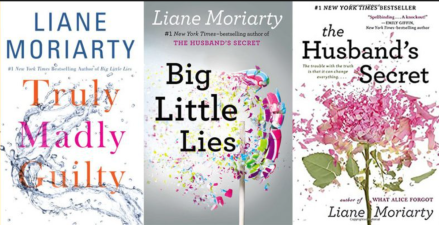
Then came Liane Moriarty’s Truly Madly Guilty — which has the author’s signature elements of all-too-human characters, deep insight into female friendships, many psychological nuances, lots of humor and pathos, and more. But the novel is more a B+ than an A+, and its focus on a fateful barbecue seems less consequential than the storylines in Moriarty works such as the masterful Big Little Lies and powerful The Husband’s Secret. Yet I’m glad I read Truly Madly Guilty. Heck, what happened at that barbecue is rather consequential.

The third novel was Zadie Smith’s The Auto-Graph Man, which has the author’s dead-on depictions of ethnic similarities and differences as well as many hilarious moments (I think Smith might be the funniest living author). But her novels On Beauty and especially White Teeth are far superior works.

Donna Tartt? I’d rank her tour de force The Goldfinch one of the very best novels of the 21st century. Memorable characters, a terrific plot concerning the painting that gives the book its title, well-handled settings ranging from New York City to Las Vegas to Amsterdam, and a completely satisfying conclusion. Tartt’s first two novels — The Secret History and The Little Friend — are quite good, but have flaws such as being too long for their subject matter and less-accomplished conclusions.

Among past authors, there are so many who offer readers immense enjoyment with novels that are not fantastic but are still plenty good. I’ll list some of those “lesser” works and then put a sampling of the authors’ masterpieces in parentheses.

There’s Jane Austen’s Northanger Abbey (Persuasion, Pride and Prejudice); Alexandre Dumas’ Georges (The Count of Monte Cristo); Charlotte Bronte’s Villette (Jane Eyre); Anne Bronte’s Agnes Grey (The Tenant of Wildfell Hall); Fyodor Dostoyevsky’s The House of the Dead (Crime and Punishment, The Brothers Karamazov); Thomas Hardy’s The Hand of Ethelberta (Jude the Obscure); Edith Wharton’s The Custom of the Country (The House of Mirth, The Age of Innocence); Willa Cather’s The Song of the Lark (My Antonia); John Steinbeck’s The Winter of Our Discontent (The Grapes of Wrath, East of Eden); Gabriel Garcia Marquez’s Love in the Time of Cholera (One Hundred Years of Solitude); Octavia E. Butler’s Parable of the Sower (Kindred); and so on!

Some novels you like by favorite authors that are not those authors’ masterpieces?

My 2017 literary-trivia book is described and can be purchased here: Fascinating Facts About Famous Fiction Authors and the Greatest Novels of All Time.

In addition to this weekly blog, I write the award-winning “Montclairvoyant” topical-humor column for Baristanet.com. The latest weekly piece — which discusses a battling Board of Education and a congressional candidate unfortunately disinvited from my town’s high school — is here.