They Seconded the Notion of Not Using Their First Language

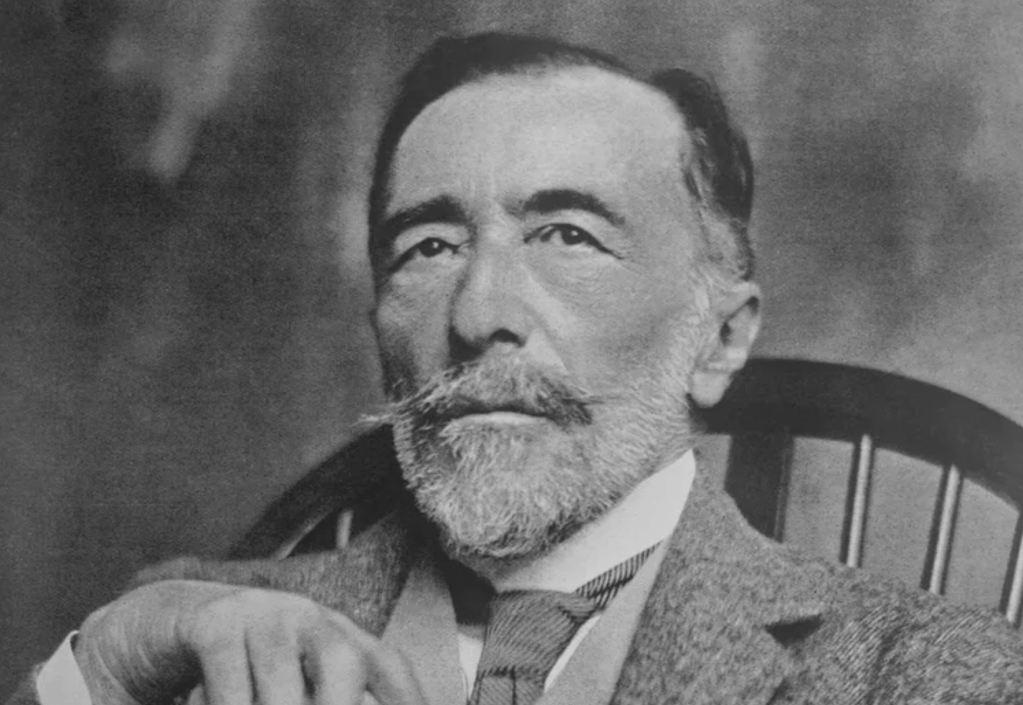
Joseph Conrad (Bettmann/Getty Images).

It’s hard enough to write books. But writing them without using your first language? Impressive!

I was thinking about that last week while reading The Secret Agent by Joseph Conrad, who spoke his native Polish as well as French from childhood but wrote his fiction in English — a language he didn’t learn until he was in his 20s. Still, Conrad’s English writing was quite elegant and far from simple in works that also included such books as Heart of Darkness (which helped inspire the movie Apocalypse Now) and Lord Jim.

The Russian-born Vladimir Nabokov actually wrote his first nine novels in Russian before turning to English — the language of his most famous work, Lolita. But Nabokov’s dexterity in English was especially exceptional in his later novel Pale Fire.

Jhumpa Lahiri, the British-American daughter of immigrants from India, wrote her Pulitzer Prize-winning Interpreter of Maladies short-story collection and her novels The Namesake and The Lowland in English. Then she went on to learn Italian, and authored a novel in that language titled Dove mi trovo (later self-translated into English as Whereabouts).

Afghanistan-born Khaled Hosseini, a teen when his family immigrated to the U.S., was a native Farsi speaker who wrote The Kite Runner and his other novels in English.

Kazuo Ishiguro was a native Japanese speaker whose family moved to England when he was five. The Nobel Prize in literature recipient wrote The Remains of the Day and his other subtle novels in English.

Chinua Achebe of Things Fall Apart fame was a native speaker of Igbo in Nigeria who wrote primarily in English.

Canadian-born Yann Martel, best known for authoring the novel Life of Pi, was a native French speaker who would go on to write in English.

Like Conrad, Jerzy Kosinski was born in Poland but gained fame as a writer in English — with his best-known work the novel Being There.

Anyway, that’s a small sampling — and one that mostly includes authors who became English wordsmiths. Any further examples of this topic, including authors who ended up writing in non-English languages? Any other thoughts on this topic?

Misty the cat says: “I must eat after a claw-trimming shrank my weight from 17 pounds to one ounce.”

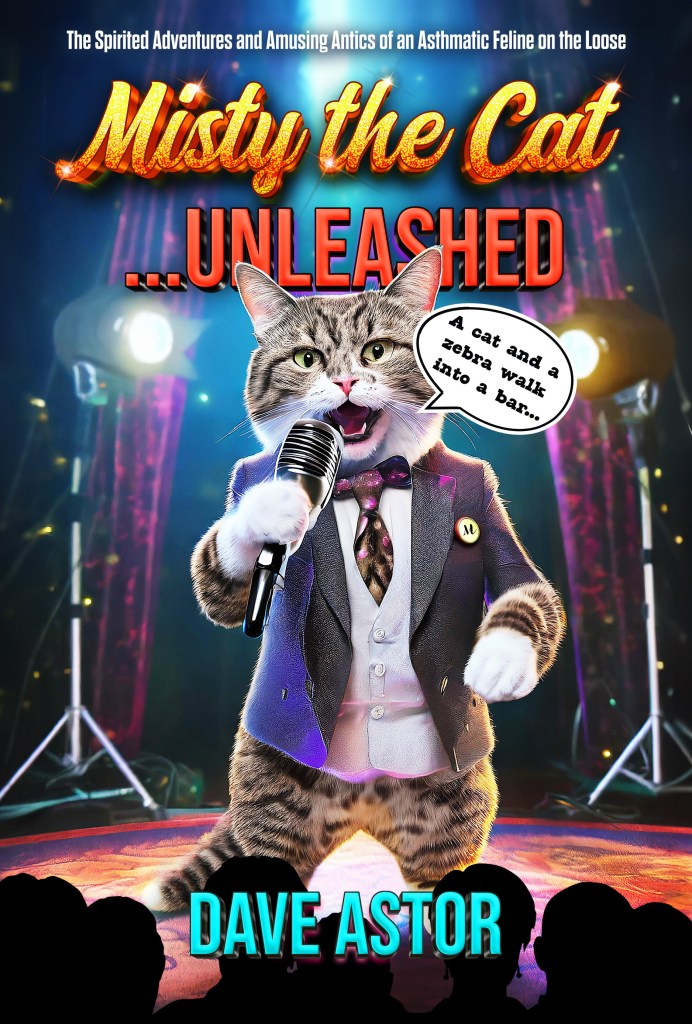
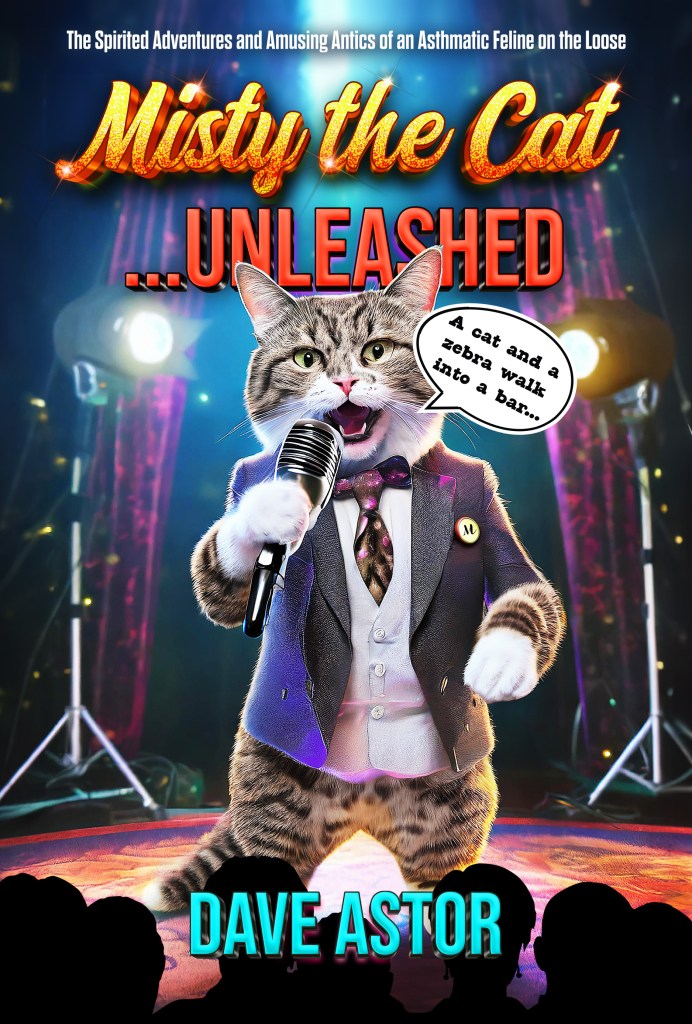
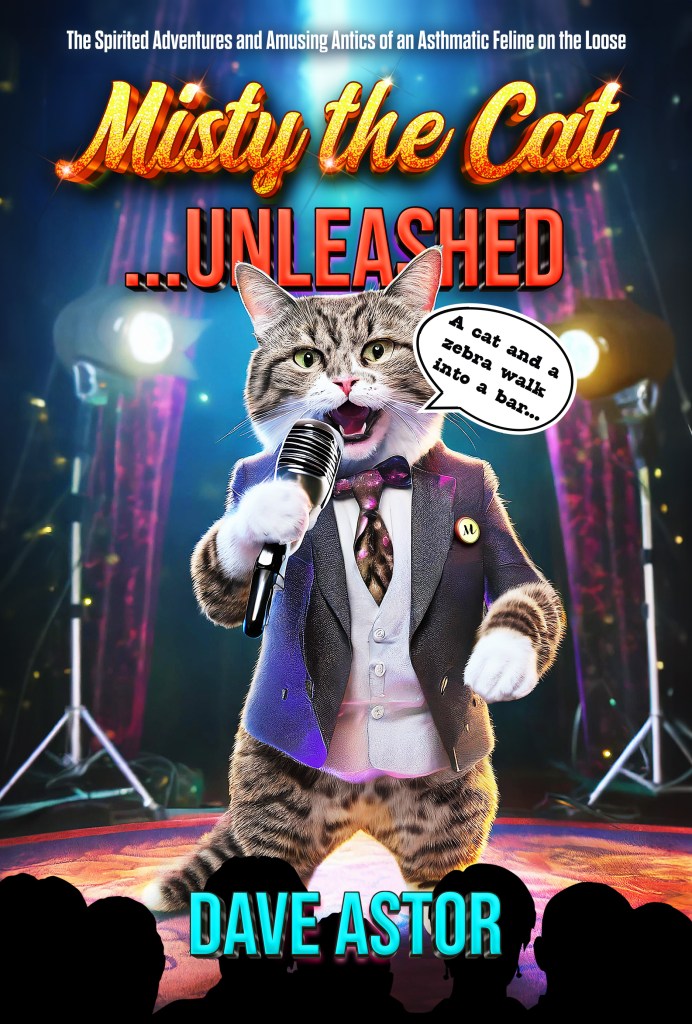
My comedic 2024 book — the part-factual/part-fictional/not-a-children’s-work Misty the Cat…Unleashed — is described and can be purchased on Amazon in paperback or on Kindle. It’s feline-narrated! (And Amazon reviews are welcome. 🙂 )
This 90-second promo video for the book features a talking cat: 🙂

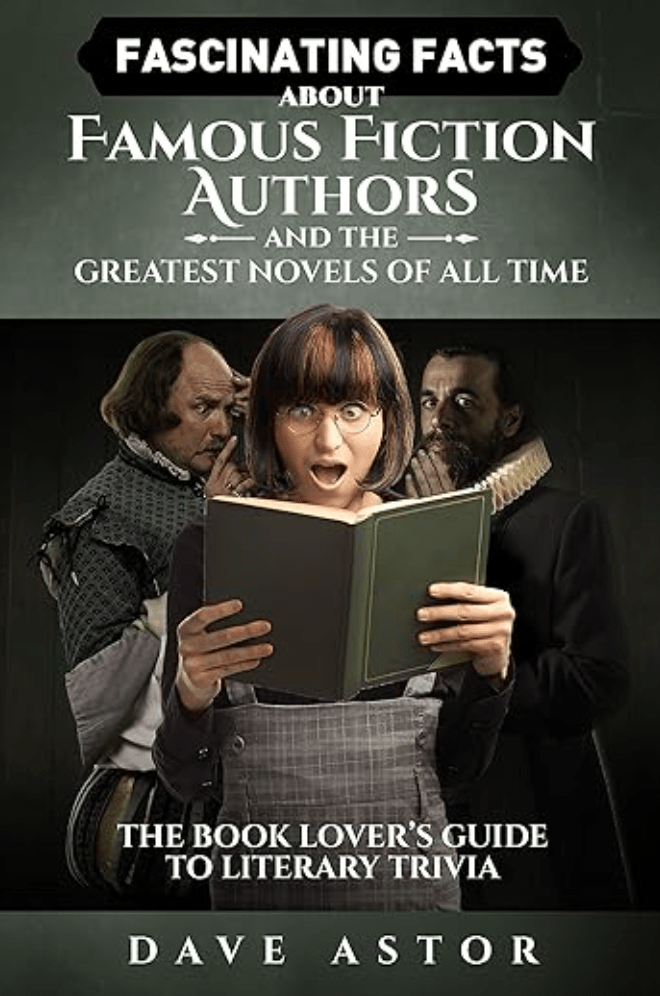
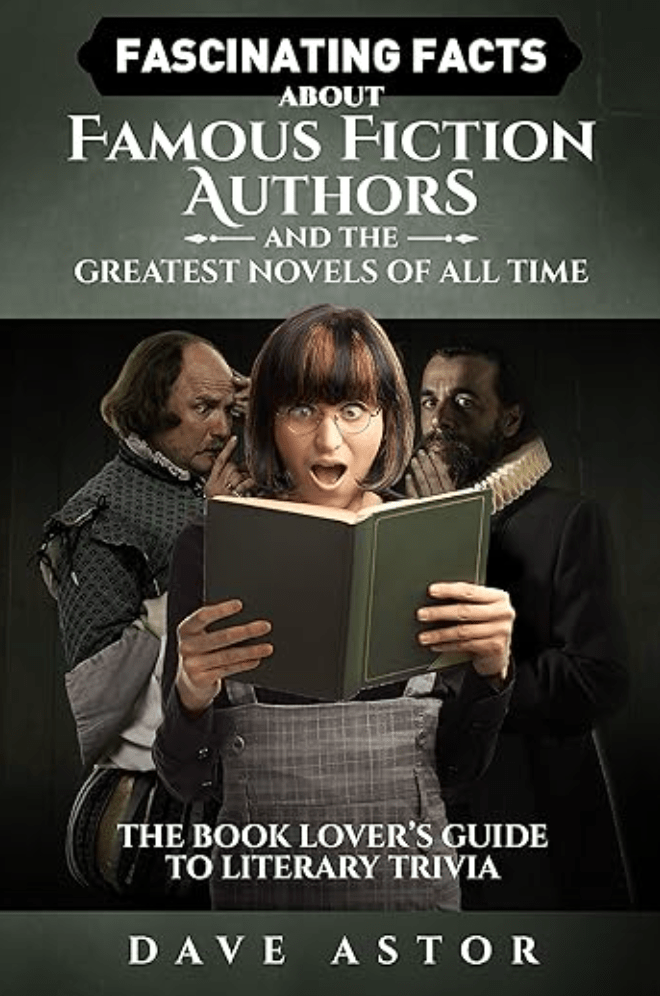
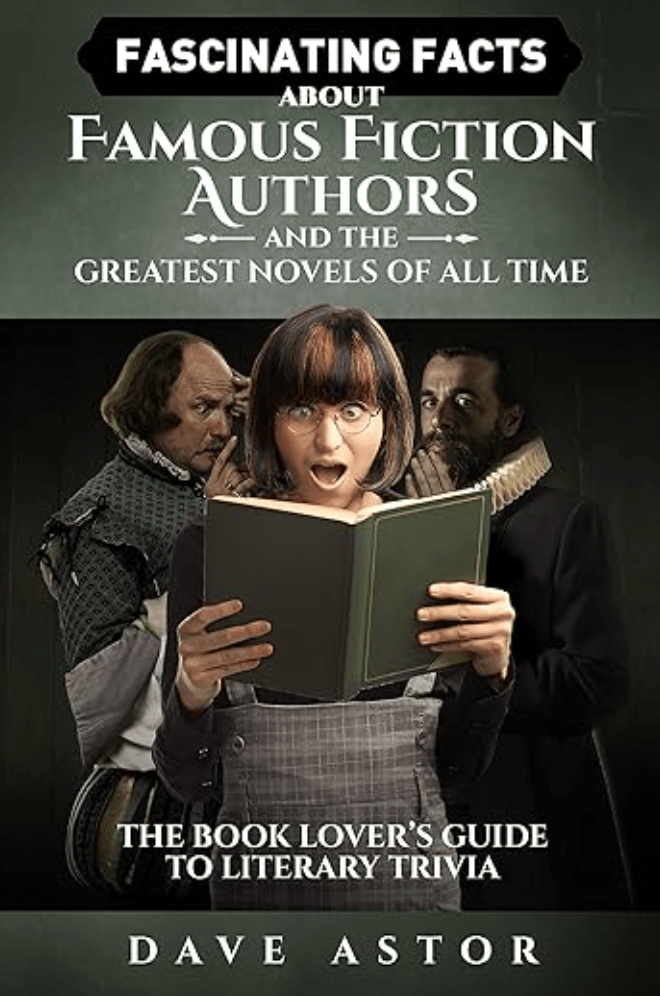
I’m also the author of a 2017 literary-trivia book

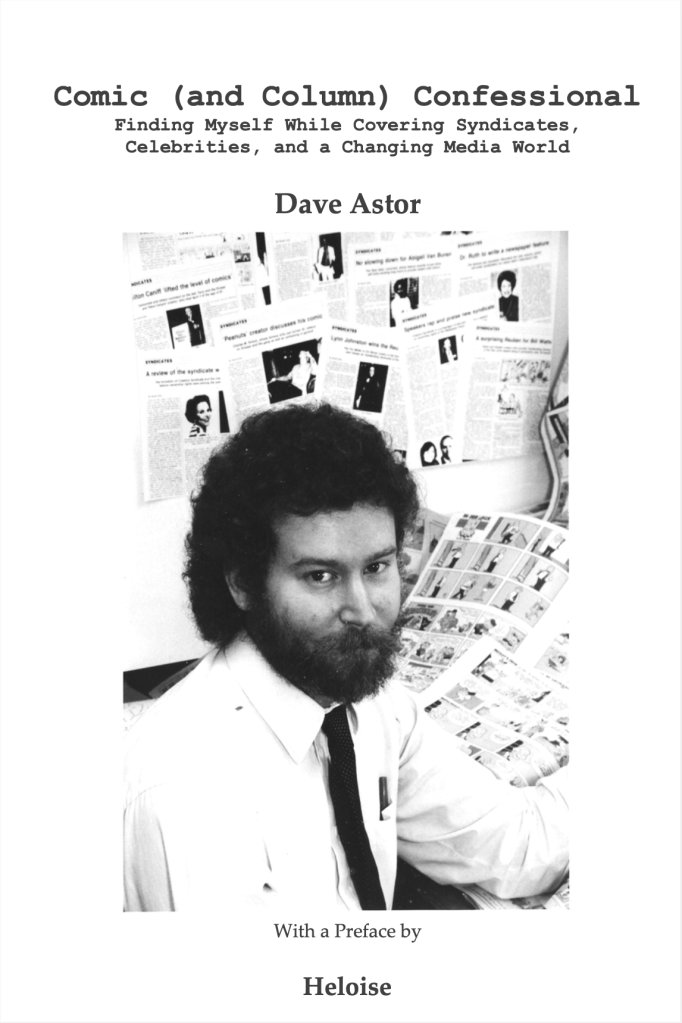
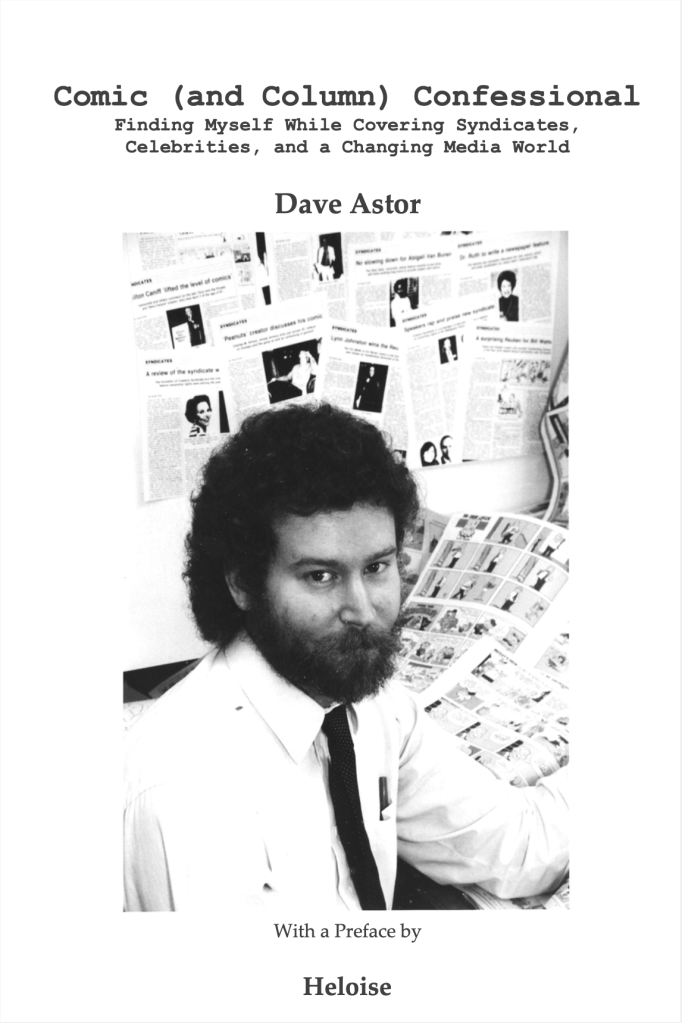
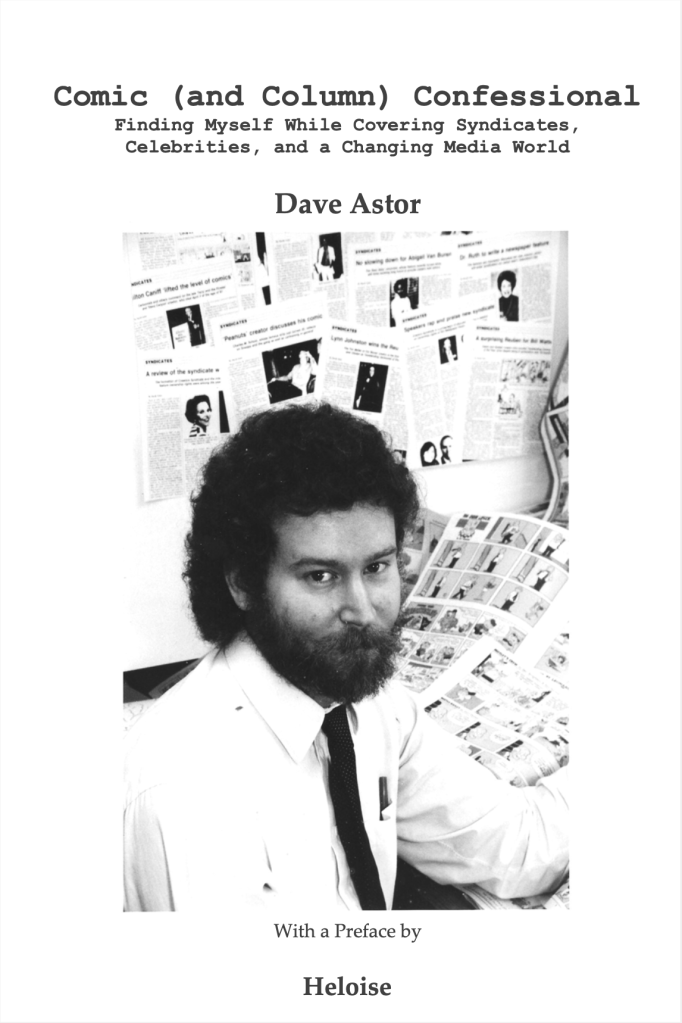
…and a 2012 memoir focusing on cartooning and more that includes many encounters with celebrities.

In addition to this weekly blog, I write the 2003-started/award-winning “Montclairvoyant” topical-humor column every Thursday for Montclair Local. The latest piece — about a local “No Kings” rally, the reopening of a vintage movie theater, and more — is here.

Restrictions Need Not Cause Conniptions

Credit: Random House

Authors dealing with restrictions can find their literary creativity stifled or stimulated. This post will discuss several examples of the latter.

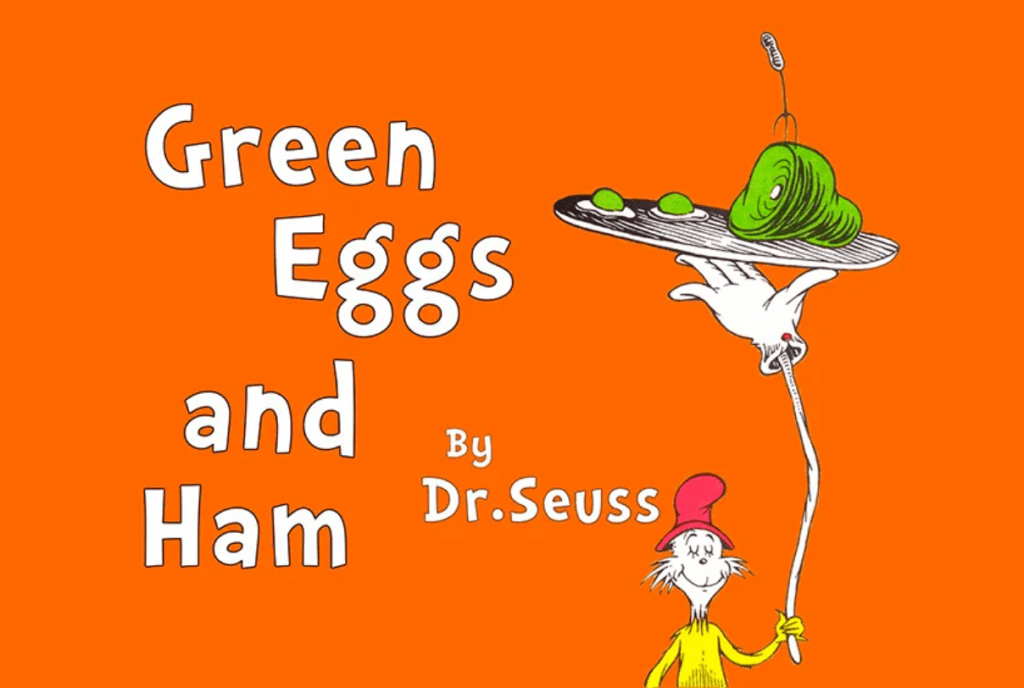
Some fiction fans know the story behind the iconic Green Eggs and Ham. Dr. Seuss was challenged to do a children’s book containing a maximum of 50 different words (albeit all of which could be used more than once). The author struggled with that parameter, but eventually created what has been an enduring bestseller since 1960.

Moving to adult novels, Margaret Atwood was asked to write a book retelling a classic myth of her choosing — so the Canadian author obviously had a limitation on subject matter. She decided to do a feminist take on Homer’s Odyssey, focusing on Odysseus’ wife Penelope and other women. The result was 2005’s The Penelopiad. Not one of Atwood’s most compelling novels, but worth reading.

Another way of working within a framework is writing a novel in verse. Such was the case with Eugene Onegin (1833) by Russian author Alexander Pushkin, whose titular protagonist is a young, selfish, arrogant dandy. While one wouldn’t expect an all-poetry work to be as gripping as a more traditional prose novel, Eugene Onegin holds one’s interest and then some.

Russian-turned-American author Vladimir Nabokov also gave himself a challenge with Pale Fire (1962), which contains a lengthy poem along with prose. A brilliant novel, but not exactly a warm novel — despite having fire in its title. 🙂

Then there are novels written in countries ruled by dictatorial regimes, meaning that if the authors want to satirize said regimes they need to be indirect and allegorical to try avoid possible prison or death. One example is The Master and Margarita, a rollicking novel that Mikhail Bulgakov wrote between 1928 and 1940 in the Stalin-led Soviet Union.

There are also the creative restrictions involved with co-authoring a novel, because it’s not “the baby” of just the usual solo writer. Among such books is 1873’s The Gilded Age by Charles Dudley Warner and Mark Twain. Each man mostly wrote separate chapters, though they reportedly jointly penned a few. The result was an awkward fit; one could tell that the satirical chapters were Twain’s, although Warner’s serious/more-conventional sections weren’t bad.

Finally, I recently read Past Lying (2023), the seventh installment of Scottish author Val McDermid’s series starring cold-case detective Karen Pirie. McDermid imposed restrictions of a sort on herself by setting the novel during 2020’s Covid lockdown, which gave Pirie and her police colleagues quite a logistical challenge investigating a twisty case of murder committed by a crime author. But McDermid pulled it off; I think Past Lying is the best of the Pirie series.

Any comments about, and/or examples of, this topic?

Many thanks to “The Introverted Bookworm” — talented blogger/author Ada Jenkins — for the wonderful review of my 2017 literary-trivia book she posted this past Tuesday, May 27. Very, very appreciated! 🙂

Misty the cat says: “Every cat needs a vacation home.”

My comedic 2024 book — the part-factual/part-fictional/not-a-children’s-work Misty the Cat…Unleashed — is described and can be purchased on Amazon in paperback or on Kindle. It’s feline-narrated! (And Misty says Amazon reviews are welcome. 🙂 )

This 90-second promo video for my book features a talking cat: 🙂

I’m also the author of the aforementioned 2017 literary-trivia book

…and a 2012 memoir that focuses on cartooning and more.

In addition to this weekly blog, I write the 2003-started/award-winning “Montclairvoyant” topical-humor column every Thursday for Montclair Local. The latest piece — about Memorial Day, a local food pantry, and more — is here.

Authors Who Lived in More Than One Country

I recently finished Vladimir Nabokov’s Pale Fire, and, after musing about how clever that novel is, I read a Wikipedia biography of the author.

It turned out that Nabokov wrote his first nine novels in Russian before switching to English — after which he authored his two most famous books: the controversial Lolita and the aforementioned Pale Fire, which consists of a poem followed by an extended, often-hilarious analysis that’s less about the poem than about the weird analyzer (who may or may not be a king who escaped to the U.S.).

Nabokov’s life got me thinking about other authors who lived in more than one country, and what effect that had on their work. Obviously, writers with multinational backgrounds might be compassionate or bitter about leaving one’s place of origin, more cosmopolitan, more knowledgeable about the world, more attuned to the pros and cons of various countries and political systems, more aware that human emotions anywhere tend to be alike rather than different, and so on.

The brilliant Nabokov was born in Russia and then lived in Germany before emigrating to America. Ending up in the U.S. is the template for many authors, and I’ll mention some of them first. But there are also a number of U.S.-born writers who went abroad, as well as serial-country authors who never lived in the fifty states. I’ll discuss some of those authors second and third. Meanwhile, I’ll mention here that Nabokov later left the U.S. for Switzerland.

German novelist Erich Maria Remarque also ended up in Switzerland, but lived a number of years in America after getting on the hate list of the vile Nazi regime. His last novel — Shadows in Paradise — is set in the U.S., but doesn’t measure up to his masterpieces such as the antiwar All Quiet on the Western Front, Arch of Triumph, and The Night in Lisbon.

There’s also Khaled Hosseini, whose riveting novel The Kite Runner was obviously inspired in part by his move from Afghanistan to America (with an in-between stay in France). English writer Aldous Huxley of Brave New World fame spent much of his life living in “The New World” (California, to be exact). Nigerian author Chinua Achebe (Things Fall Apart) resided a number of years in the U.S., too.

American-born authors living overseas for long periods? Two prime examples are Henry James (England) and Edith Wharton (France). Then there’s James Fenimore Cooper (in Europe from 1826 to 1833) and Nathaniel Hawthorne (in Europe from 1853 to 1860, when he strayed from his fiction’s usual New England settings to place The Marble Faun in Italy). Also, authors Richard Wright and James Baldwin went to France, partly to escape America’s virulent racism. Willa Cather lived in the U.S., but spent many summers at the only house she ever owned — in Canada (the setting of her little known but superb historical novel Shadows on the Rock). Another American author, Mary McCarthy, spent a lot of time in a second home in Paris.

Multinational authors with little or no time in the U.S. include, among others, Gabriel Garcia Marquez (Colombia, Venezuela, Spain, Mexico); Fanny Burney (England, France, England); Polish writer Joseph Conrad (who ended up in England); Kazuo Ishiguro (whose family moved from Japan to England when he was five); Russian writer Ivan Turgenev (who spent significant time in Germany and France); and Emile Zola (who left France for England to avoid jail after his brave role in debunking the anti-Semitic framing of Capt. Alfred Dreyfus).

Who are some of your favorite authors with lives lived in two or more countries? Why is this an advantage to a writer? Any disadvantages? (The box for submitting comments is below already-posted comments, but your new comment will appear at the top of the comments area — unless you’re replying to someone else’s comment.)

A note: After today, I will not post a new piece for perhaps three weeks or so for the usual summer reasons, but will pick up the pace starting in mid-August!

For three years of my Huffington Post literature blog, click here.

I’ve also written more than 50% of a literature-related book. But I’m still selling my part-funny Comic (and Column) Confessional memoir that recalls 25 years of covering/meeting cartoonists such as Charles Schulz (“Peanuts”) and Bill Watterson (“Calvin and Hobbes”), columnists such as Ann Landers and “Dear Abby,” and other notables such as Hillary Clinton, Coretta Scott King, and various authors. The memoir also talks about the malpractice death of my first daughter, my remarriage, and life in New York City and Montclair, N.J. — where I write the award-winning weekly “Montclairvoyant” humor column for The Montclair Times. I can be contacted at dastor@earthlink.net to buy a discounted, inscribed copy of the book, which has a preface by “Hints” columnist Heloise and back-cover blurbs by “The Far Side” cartoonist Gary Larson, among others.