They Seconded the Notion of Not Using Their First Language

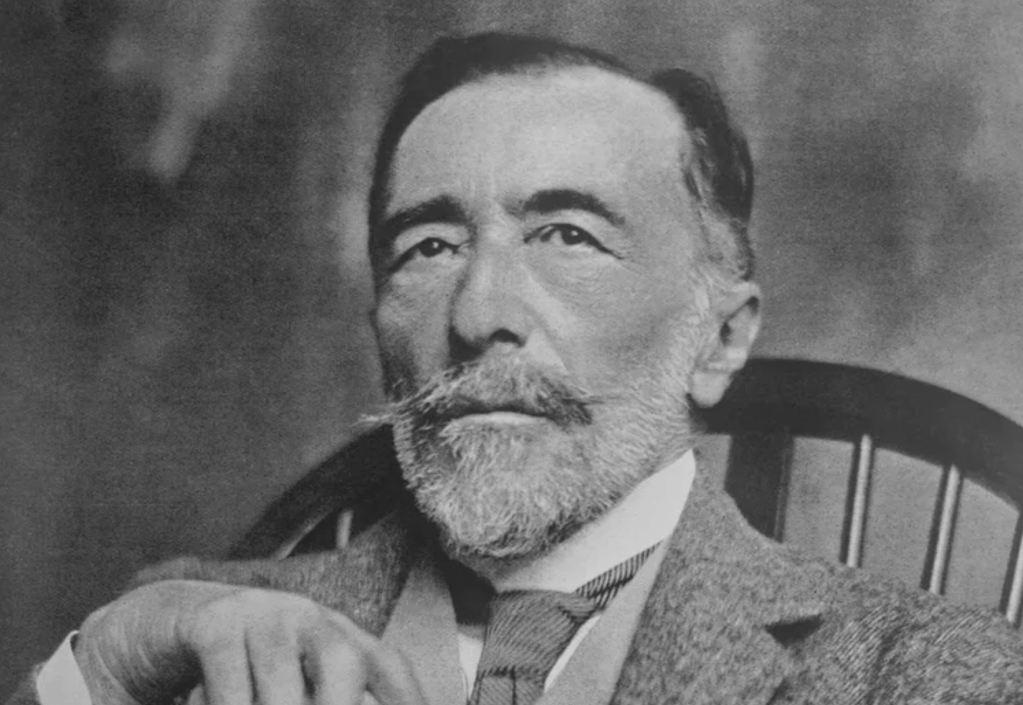
Joseph Conrad (Bettmann/Getty Images).

It’s hard enough to write books. But writing them without using your first language? Impressive!

I was thinking about that last week while reading The Secret Agent by Joseph Conrad, who spoke his native Polish as well as French from childhood but wrote his fiction in English — a language he didn’t learn until he was in his 20s. Still, Conrad’s English writing was quite elegant and far from simple in works that also included such books as Heart of Darkness (which helped inspire the movie Apocalypse Now) and Lord Jim.

The Russian-born Vladimir Nabokov actually wrote his first nine novels in Russian before turning to English — the language of his most famous work, Lolita. But Nabokov’s dexterity in English was especially exceptional in his later novel Pale Fire.

Jhumpa Lahiri, the British-American daughter of immigrants from India, wrote her Pulitzer Prize-winning Interpreter of Maladies short-story collection and her novels The Namesake and The Lowland in English. Then she went on to learn Italian, and authored a novel in that language titled Dove mi trovo (later self-translated into English as Whereabouts).

Afghanistan-born Khaled Hosseini, a teen when his family immigrated to the U.S., was a native Farsi speaker who wrote The Kite Runner and his other novels in English.

Kazuo Ishiguro was a native Japanese speaker whose family moved to England when he was five. The Nobel Prize in literature recipient wrote The Remains of the Day and his other subtle novels in English.

Chinua Achebe of Things Fall Apart fame was a native speaker of Igbo in Nigeria who wrote primarily in English.

Canadian-born Yann Martel, best known for authoring the novel Life of Pi, was a native French speaker who would go on to write in English.

Like Conrad, Jerzy Kosinski was born in Poland but gained fame as a writer in English — with his best-known work the novel Being There.

Anyway, that’s a small sampling — and one that mostly includes authors who became English wordsmiths. Any further examples of this topic, including authors who ended up writing in non-English languages? Any other thoughts on this topic?

Misty the cat says: “I must eat after a claw-trimming shrank my weight from 17 pounds to one ounce.”

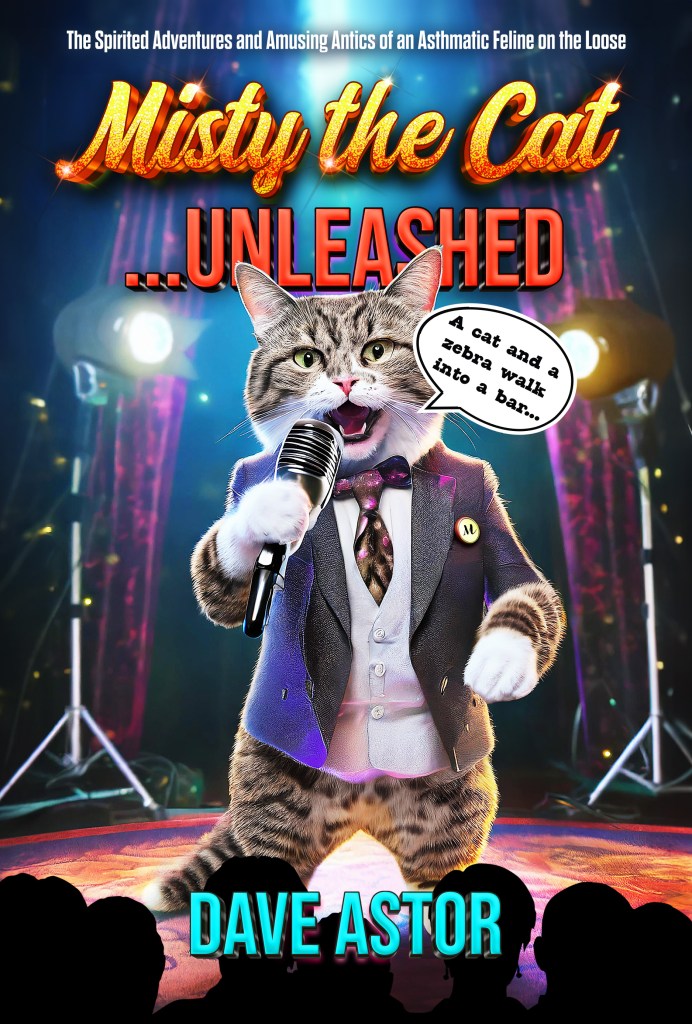
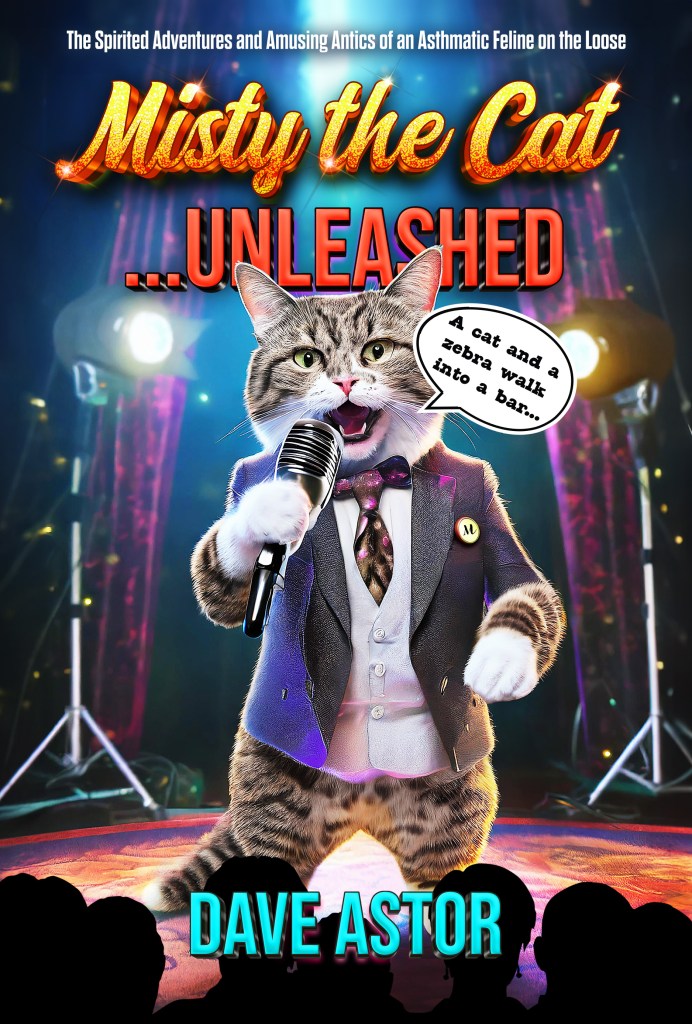
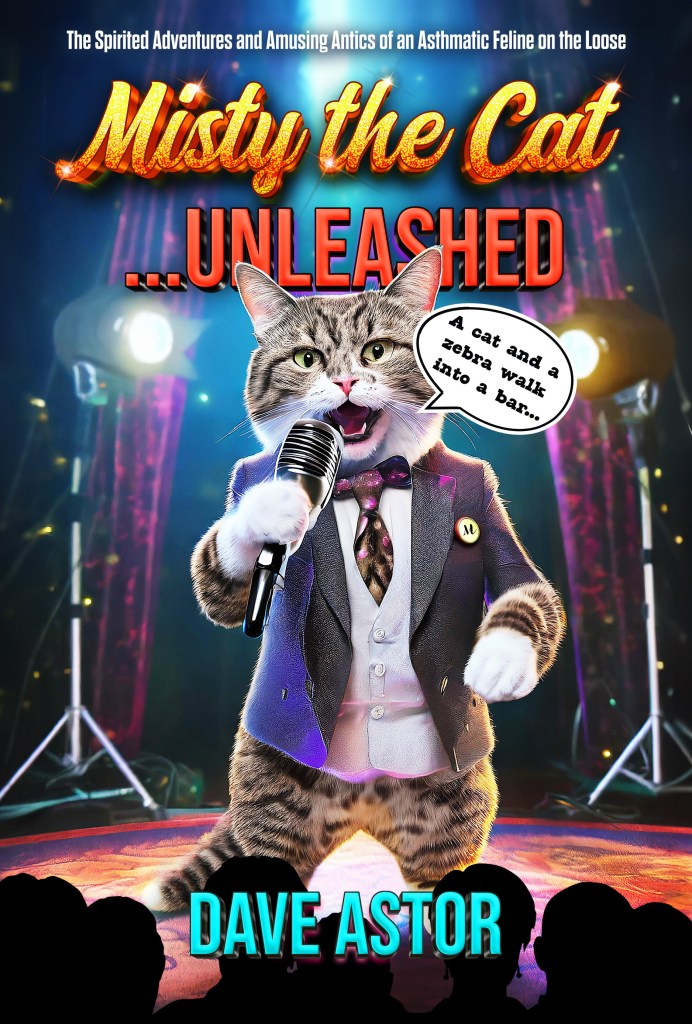
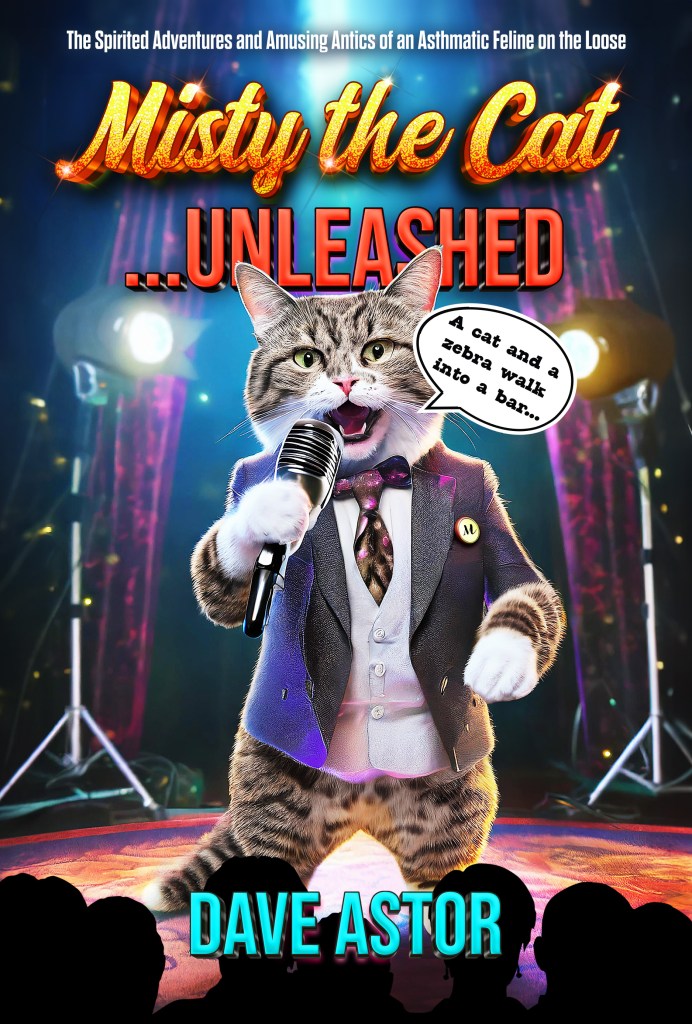
My comedic 2024 book — the part-factual/part-fictional/not-a-children’s-work Misty the Cat…Unleashed — is described and can be purchased on Amazon in paperback or on Kindle. It’s feline-narrated! (And Amazon reviews are welcome. 🙂 )
This 90-second promo video for the book features a talking cat: 🙂

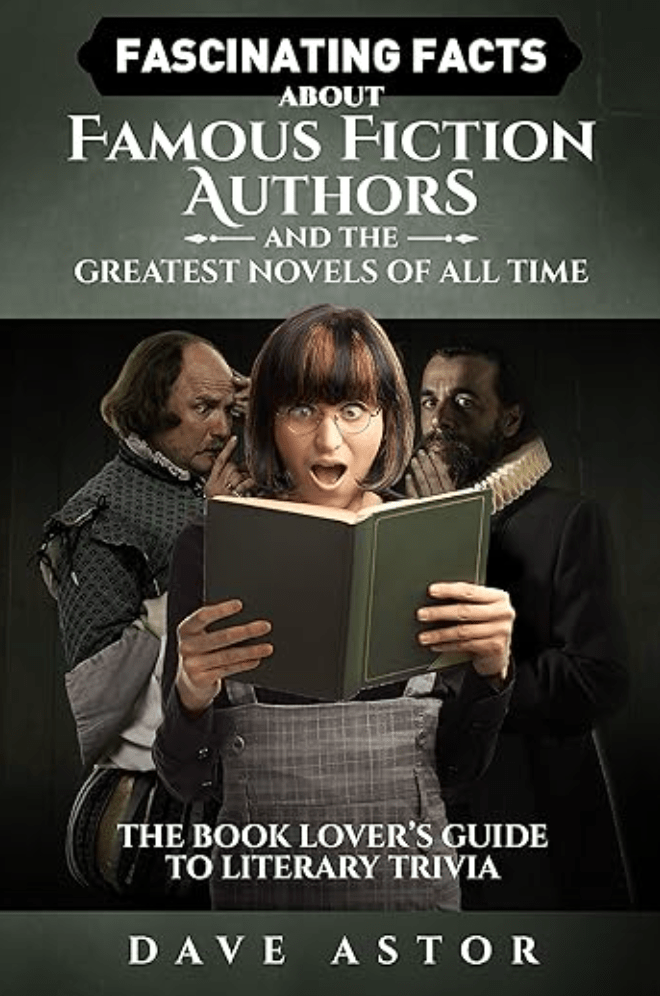
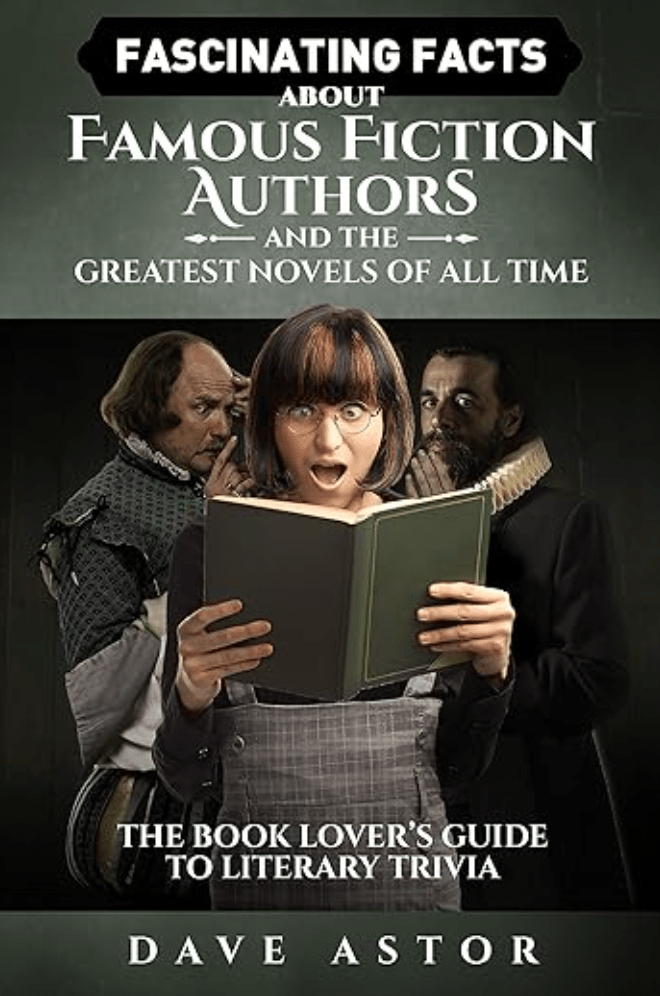
I’m also the author of a 2017 literary-trivia book

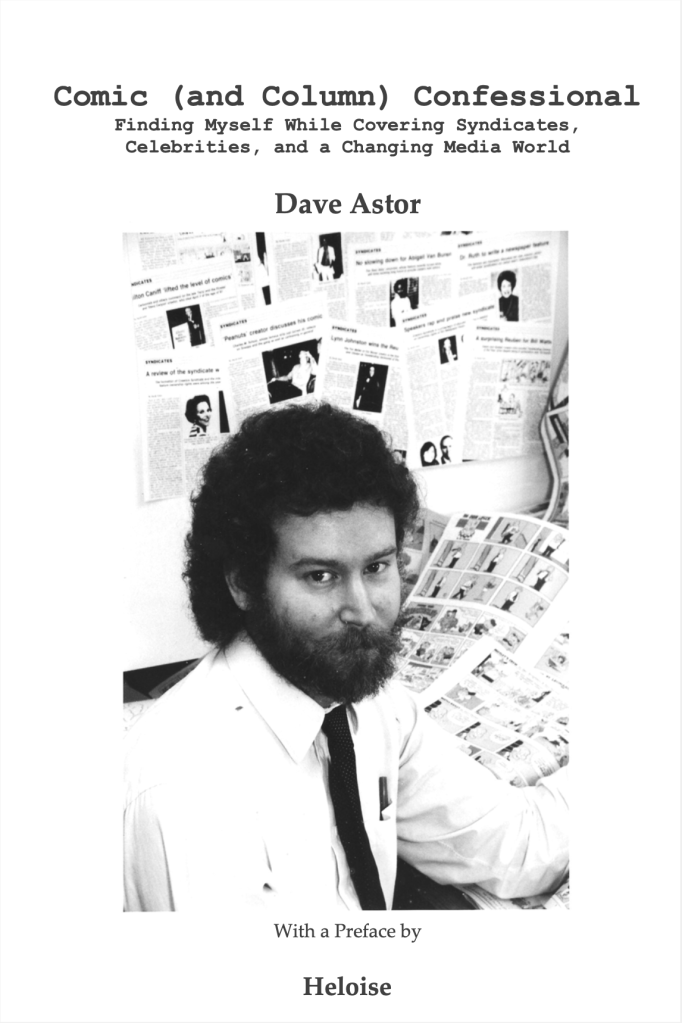
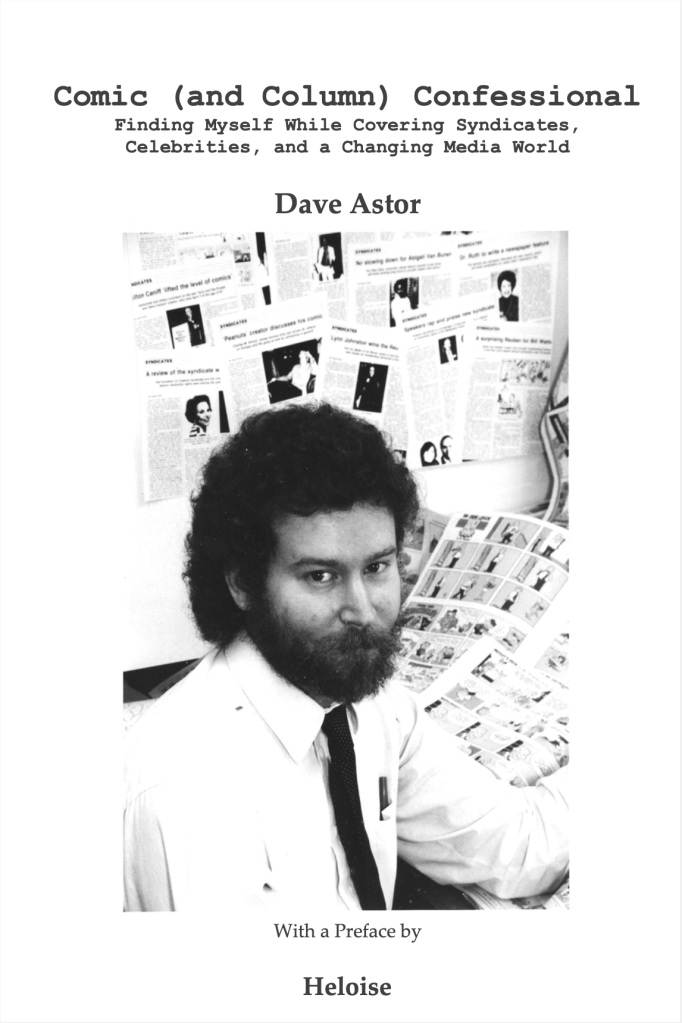
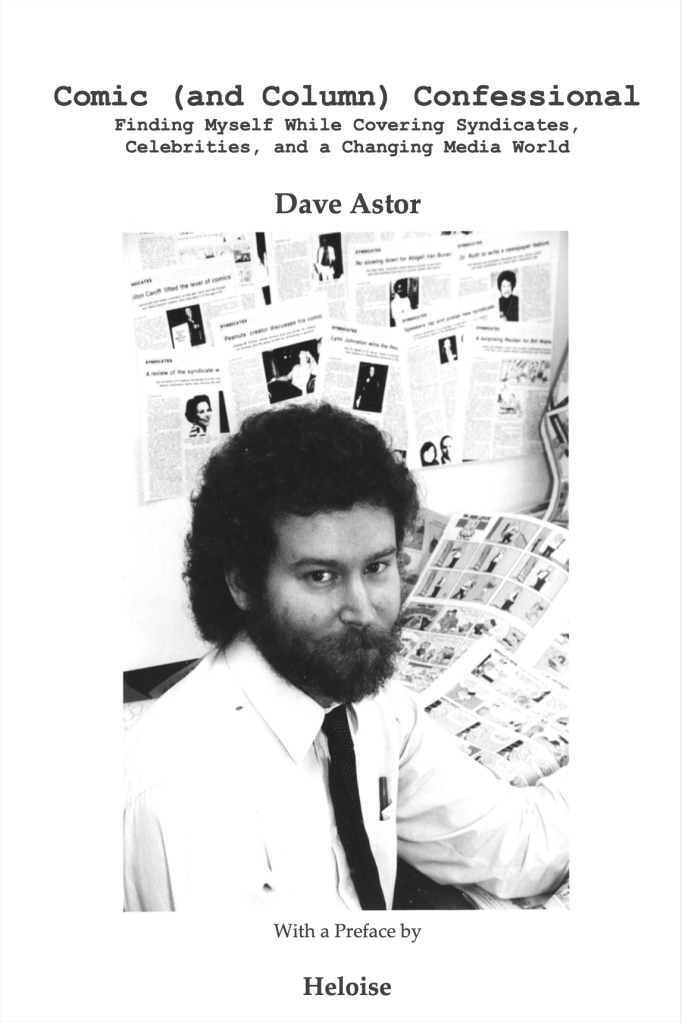
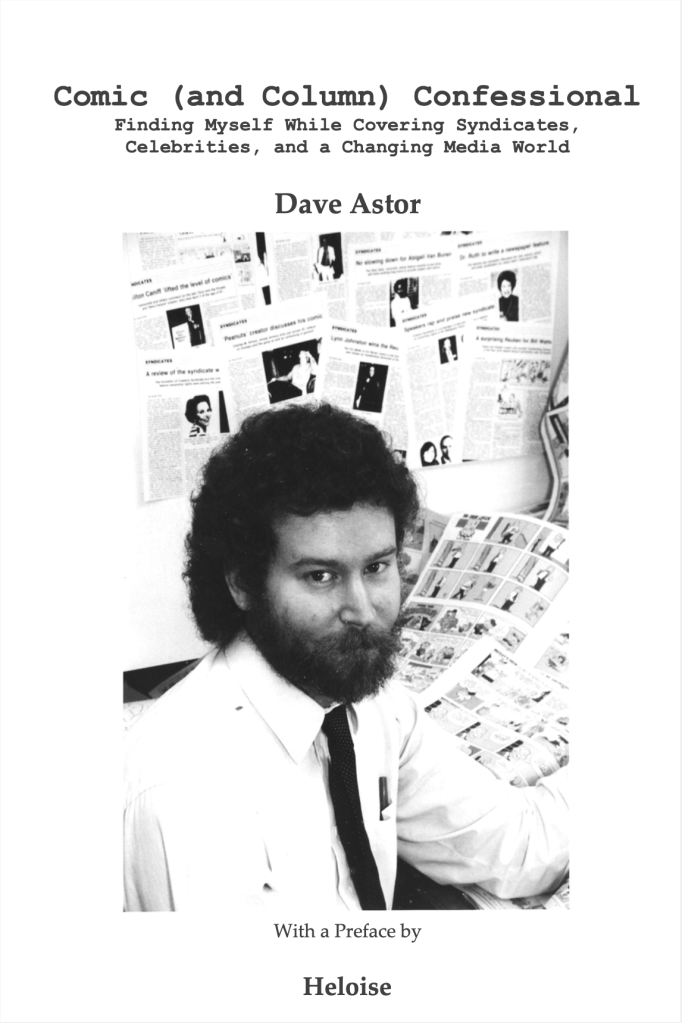
…and a 2012 memoir focusing on cartooning and more that includes many encounters with celebrities.
In addition to this weekly blog, I write the 2003-started/award-winning “Montclairvoyant” topical-humor column every Thursday for Montclair Local. The latest piece — about a local “No Kings” rally, the reopening of a vintage movie theater, and more — is here.

Novelists Have the Facility to Depict Nobility

Yesterday, a massive total of nearly seven million people attended the 2,700-plus “No Kings” rallies in the United States and abroad to protest Trump’s fascist/authoritarian regime as that Republican administration ignores Congress, enriches itself, cracks down on peaceful dissent, arrests innocent people of color, invades American cities for no good reason, meddles in other countries’ affairs, starts or supports wrongful military actions around the world, etc. Which, as a literature blogger, reminded me of kings and other royalty in fiction — including historical fiction.

Of course, some royalty can be partly benevolent, but in many cases all that power heightens a ruler’s nasty instincts, makes a corrupt person even more corrupt, and increases the entitlement of the already entitled. Also, being a member of royalty doesn’t exactly involve the merit system.

I’ve never deliberately sought out novels containing royal characters, much preferring to read about the lives of “everyday” people. But privileged aristocrats have popped up here and there in my reading.

For instance, when long ago working through many a great book by Mark Twain, I polished off The Prince and the Pauper (two boys changing places) and A Connecticut Yankee in King Arthur’s Court (in which a certain king appears).

Another 19th-century novel, Alexandre Dumas’ 17th-century-set The Three Musketeers, includes King Louis XIII and Queen Anne as secondary characters.

In Charles Dickens’ A Tale of Two Cities, King Louis XVI and King George III are referenced.

Some novels written in the 20th and 21st centuries also include royal characters. Hilary Mantel’s Wolf Hall has Henry VIII and other monarchical personages, Josephine Tey’s The Daughter of Time harkens back to King Richard III, Robert Graves’ I, Claudius features the Roman emperor of the book’s title, J.R.R. Tolkien’s The Lord of the Rings has the would-be king Aragorn, and Philippa Gregory’s Earthly Joys has the Duke of Buckingham.

There’s also William Goldman’s The Princess Bride, Meg Cabot’s The Princess Diaries, Antoine de Saint-Exupery’s The Little Prince, Lewis Carroll’s Alice’s Adventures in Wonderland and its Queen of Hearts, C.S. Lewis’ The Chronicles of Narnia and its King Tirian, Diana Gabaldon’s Outlander and its King Louis XV appearance, Margaret Landon’s Anna and the King of Siam that inspired The King and I musical, and so on.

Of course there’s royalty, too, in various Shakespeare plays and in other stage creations such as Eugene O’Neill’s The Emperor Jones, Lin-Manuel Miranda’s Hamilton (King George III), etc.

I’m sure I’ve only touched the surface here. Any additional examples of, or thoughts about, this topic?

Misty the cat asks: “What’s the new White House ballroom doing here?”

My comedic 2024 book — the part-factual/part-fictional/not-a-children’s-work Misty the Cat…Unleashed — is described and can be purchased on Amazon in paperback or on Kindle. It’s feline-narrated! (And Amazon reviews are welcome. 🙂 )

This 90-second promo video for the book features a talking cat: 🙂

I’m also the author of a 2017 literary-trivia book

…and a 2012 memoir that focuses on cartooning and more, and includes many encounters with celebrities.

In addition to this weekly blog, I write the 2003-started/award-winning “Montclairvoyant” topical-humor column every Thursday for Montclair Local. The latest piece — about wondering how to vote in a controversial local tax referendum that will be held this December because of a huge school district deficit — is here.

When There’s No ‘Rush’ Between Novels

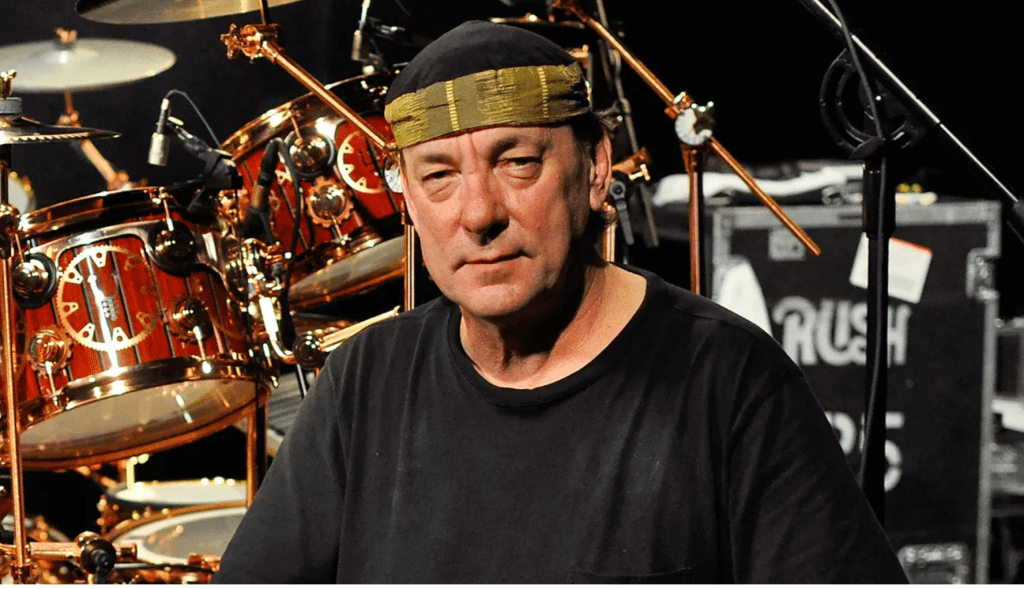
Clockwise from top left, Rush bandmates Geddy Lee and Alex Lifeson (photo credit: Rush), new Rush drummer Anika Nilles (Richard Ecclestone/Redferns), and the late Neil Peart (Clayton Call/Getty Images).

Last week, the band Rush announced it would go on a concert tour again in 2026 for the first time in 11 years. (Stick with me here; this will eventually be a literature post. 🙂 )

A lot has happened since 2015 with one of my favorite bands. Rush stopped touring mostly because the Canadian group’s legendary drummer/lyricist Neil Peart needed to end the physical and mental strain of more than four decades of hard-slamming, intricate percussion work. His bandmates — vocalist/bassist/keyboardist Geddy Lee and guitarist Alex Lifeson, the friends from childhood who co-created the music paired with Peart’s words — decided not to continue the Rock and Roll Hall of Fame band without their close pal and went on to do other things. That included Lifeson playing in another band (Envy of None) and Lee writing a best-selling memoir and a coffee-table book focusing on bass guitars.

Peart himself was a prolific nonfiction-book author whose Rush lyrics included many literary references; see below for a 2020 post of mine about that. Sadly, “The Professor” (as Peart was known) died that year of brain cancer. It definitely looked like Rush was done — until last week’s news.

The grand conclusion to all this? Brilliant drummer Anika Nilles of Germany was chosen by Lee and Lifeson to sit in Peart’s spot behind the kit — with the permission of Peart’s widow and daughter.

Anyway, this is a long intro to a literature theme Rush’s announcement made me think of — authors going a long time before writing a novel again. (I’ve previously done variations on this theme, including instances of a long gap between a famous novel and its sequel.)

The first author that came to mind was Herman Melville, whose last published novel in his lifetime came out in 1857 despite him not dying until 1891. Poor sales, negative reaction from critics, and other factors put a halt to a decade-plus of very prolific book writing, though Melville in his non-novel years did do some poetry in addition to his customs inspector job. Still, Melville started the novel Billy Budd a few years before his death — and it became a success when published posthumously in 1924 and republished in a more complete 1962 edition.

Melville’s friend Nathaniel Hawthorne’s first novel, 1828’s Fanshawe, didn’t sell well and the author turned to short stories and other things for a long 22 years before The Scarlet Letter arrived in 1850. That became an instant classic, and several other novels followed fairly quickly.

Then there’s Marilynne Robinson, whose debut novel Homecoming came out in 1980 — followed by a 24-year gap before her second novel Gilead was published. Why? Robinson turned to nonfiction writing and to teaching. The author released novels more often after 2004.

Arundhati Roy also wrote an acclaimed debut novel — 1997’s The God of Small Things — before two decades went by until her second novel, 2017’s The Ministry of Utmost Happiness. Like Robinson, Roy wrote nonfiction in between and was also involved in plenty of political activism in India.

Of course, some novelists come out with a new title only once in a while because they’re slower writers and/or write ambitious books that take a lot of time. That’s the case, for instance, with Donna Tartt — whose only three novels were published in 1992, 2002, and 2013; now 12 years and counting until a possible fourth. A similar trajectory for Jeffrey Eugenides — only three novels, in 1993, 2002, and 2011, with other years taken up by plenty of short stories as well as teaching.

To reference the title of one of Rush’s most famous songs, there can be a long gap between time in the “Limelight,” and inspiration doesn’t always arrive like clockwork. (Clockwork Angels was Rush’s last studio album.)

Your thoughts on, and/or any examples of, this topic?

Misty the cat says: “As Robert Frost wrote, ‘Good fences make good YouTube videos.'”

My comedic 2024 book — the part-factual/part-fictional/not-a-children’s-work Misty the Cat…Unleashed — is described and can be purchased on Amazon in paperback or on Kindle. It’s feline-narrated! (And Amazon reviews are welcome. 🙂 )

This 90-second promo video for the book features a talking cat: 🙂

I’m also the author of a 2017 literary-trivia book

…as well as a 2012 memoir that focuses on cartooning and more, and includes many encounters with celebrities.

In addition to this weekly blog, I write the 2003-started/award-winning “Montclairvoyant” topical-humor column every Thursday for Montclair Local. The latest piece — about a new councilor and a deficit referendum decision — is here.

Formidable Fiction Is ‘Furmidable’ to a Feline

I, Misty the cat, might be the first kitty to write a blog post while asleep. (Photo by my human Dave.)

Last week, Dave blogged about the appeal of escapist fiction as a diversion from the dire 2025 political climate faced by people, cats, and blue-footed booby birds who migrated from red-footed states. This week, as I, Misty the cat, do the every-two-month feline takeover of Dave’s blog, I’ll discuss a few of the many challenging novels I’ve read amid the escapist stuff, if only to keep up my paw strength as I swatted those weighty books off the table.

Currently, Dave and I are in the middle of Orfeo by Richard Powers, who later wrote the acclaimed environmental tree saga The Overstory — a novel not about me hovering over a short story. Orfeo is a book featuring a rather complex musical motif as well as sudden swings between the present and past, yet it’s still quite readable in its way. How did I, Misty the cat, learn a word like “motif”? In The Idiot’s Guide to Pretentious Vocabulary.

Some other challenging novels? James Joyce’s Ulysses comes to mind, but I haven’t read it because of my lack of interest in American Civil War general Ulysses S. Grant. There’s also Marcel Proust’s many-volume In Search of Lost Time, of which I managed to finish the initial Swann’s Way book. Here’s what I discovered: gorgeous language, kind of a slog to get through, and a swan and blue-footed booby will both eat a madeleine if it’s slathered in A1 steak sauce.

Plenty of food for thought (but no madeleine) in Toni Morrison’s Beloved, set after the American Civil War in which the aforementioned Grant waged battle against alliterative author names like James Joyce. I also liked Morrison’s The Bluest Eye, even though my cat eyes are green. Everything is not all about me! 99.9% about me? Sure, but not 100%.

Then there’s late-career Henry James. Those novels contain plenty of long and convoluted sentences, but, yes, Long and Convoluted would make a great name for a rock band. Dave and my feline self did enjoy James’ late-career novel The Ambassadors, which was about the Ambassador cars from India and the United States meeting cute before asking James to write The Turn of the Ignition. Or maybe that novel was about an American’s trip to Paris to try to bring back a young man to the family business. The Family Business would be a so-so name for a rock band.

An early-career novel by Eleanor Catton, published when the author was still in her 20s, is also quite ambitious. That would be The Luminaries, which combined a plot about the 1860s New Zealand gold rush with an astrological motif. (I’m a Sagittarius cat.) There’s that fancy word “motif” again, which I was moved to reuse after reading The Idiot’s Guide to Repeating One’s Self in a Blog Post.

I liked Virginia Woolf’s Mrs. Dalloway a lot despite it not being the easiest of reads. The whole book unfolds in a day, which makes me wonder if it’s a multigenerational saga unfolding across several centuries. Let me think about that.

There’s also Leo Tolstoy’s War and Peace, about the yin and yang of my relationship with the chipmunk I often see during my daily leashed walks. Given its tiny size, the chipmunk only reads one-page novels, and gets its musical fix solely by watching NPR “Tiny Desk Concerts” — including excellent ones featuring Taylor Swift and Chappell Roan. It’s a small world after all…

Speaking of Russian novels, Fyodor Dostoevsky’s tome The Brothers Karamazov is a challenge, too, with many chapters that are wonderful and some chapters that sort of drag. But when it’s good it’s GOOD. The Sisters Karamazov didn’t leave as much of an impression on my feline self because that book doesn’t exist. The Second-Cousins-Once-Removed Karamazov? A real banger. Which reminds me to bang on my food bowl because it feels like I haven’t been served my chow since the 19th century in Russia. It’s been almost five minutes!

Gabriel Garcia Marquez’s sweeping One Hundred Years of Solitude echoed my angst when I was once forced to endure One Hundred Nanoseconds of Solitude. Fortunately, I also read The Idiot’s Guide to Being Alone for Under a Minute.

Dave told me he twice tried William Faulkner’s The Sound and the Fury but couldn’t get past the first few chapters, unlike that author’s more readable Light in August and As I Lay Dying. I tried The Sound and the Fury myself, and went into a reading coma. Or maybe it was a food coma “as I lay digesting” too many cat treats.

Comments will be answered by Dave as I read The Idiot’s Guide to Recovering from Digesting Too Many Cat Treats.

I, Misty the cat, say: “I see the ghost, but where’s Mrs. Muir?”

Dave and I’s comedic 2024 book — the part-factual/part-fictional/not-a-children’s-work Misty the Cat…Unleashed — is described and can be purchased on Amazon in paperback or on Kindle. It’s feline-narrated! (And Amazon reviews are welcome. 🙂 )

This 90-second promo video for the book features a talking cat: 🙂

Dave is also the author of a 2017 literary-trivia book

…and a 2012 memoir that focuses on cartooning and more, and includes many encounters with celebrities.

In addition to this weekly blog, Dave writes the 2003-started/award-winning “Montclairvoyant” topical-humor column every Thursday for Montclair Local. The latest piece — about a huge school budget deficit that grew even larger — is here.