Characters from Classic Novels Take to Social Media

The mature and measured U.S. president.

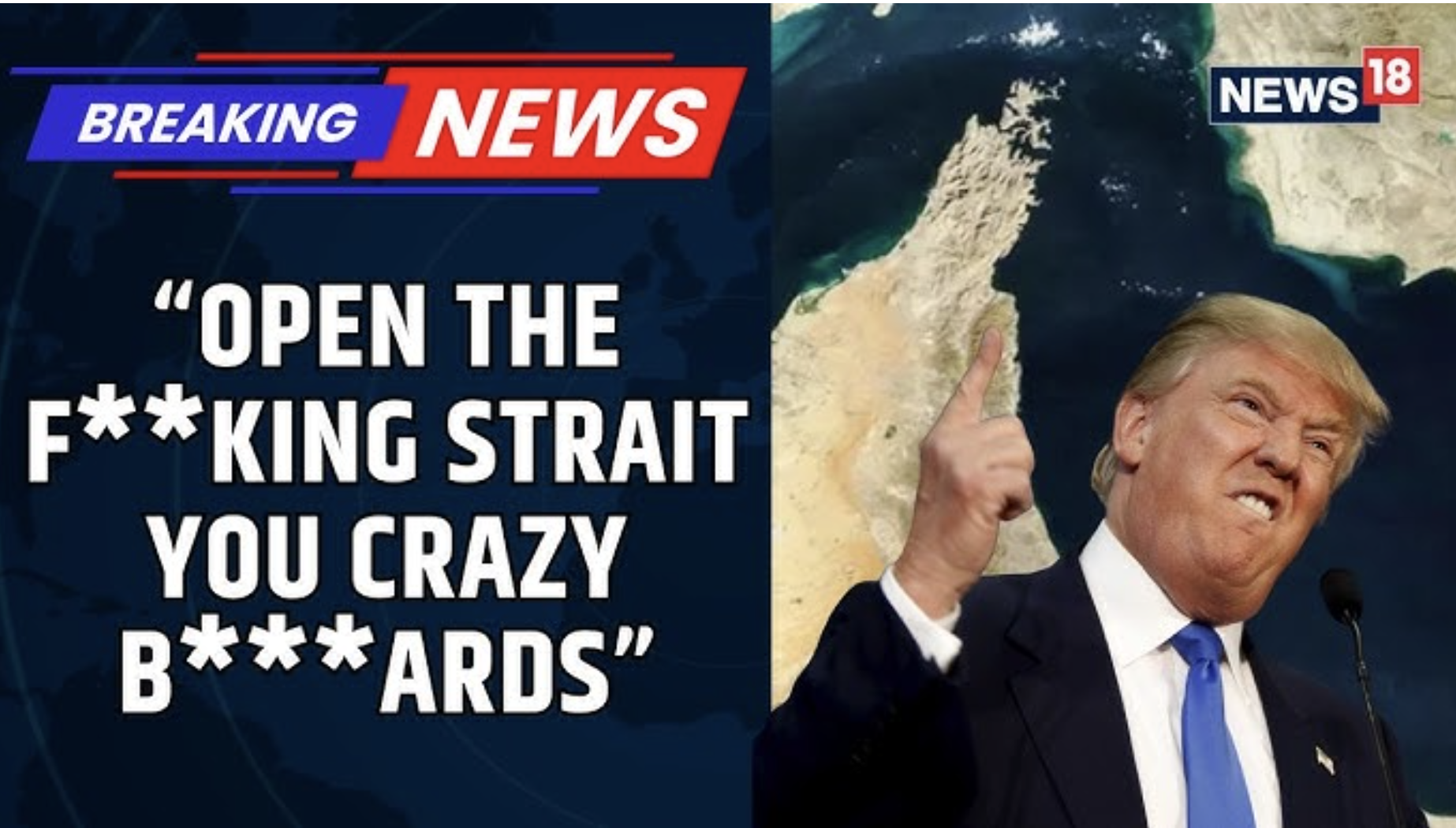
Donald Trump constantly posts unhinged messages on his social media platform Truth Social (aka Lie Social). Threatening genocide against Iran, showing an image of himself as Jesus Christ, denouncing Pope Leo XIV for wanting peace in the world, cursing at people who don’t “bend the knee” to him, etc. So, I’d like to offer more respectable — and more enjoyable — social media content: posts by various characters from classic literature. (With fictional comments responding to those fictional posts.) The characters inhabit novels published long before the existence of Facebook, X, Bluesky, Instagram, and other platforms, but they still managed to make their online thoughts known.

Jane Eyre: “Here’s a photo I took tonight of a tree that got split by lightning just after R asked me to marry him. Cool!”

Rochelle from Rochester: “Jane, not sure that’s cool; the severed tree could symbolize a coming rupture in your relationship.”

Jane: “As Freud might say after he’s eventually born, sometimes a tree is just a tree.”

Thornfield Hall & Oates: “Charlotte Bronte, please weigh in here.”

Charlotte: “I’ll try, but the WiFi in Haworth Parsonage is spotty.”

Rodion Raskolnikov: “I heard that the popular co-hosts of the I’ve Had It podcast are ‘killing it.’ That means I have something in common with them.”

St. Petersburger King: “You actually murdered people; podcasters Jennifer Welch and Angie ‘Pumps’ Sullivan did not.”

Raskolnikov: “I had my reasons for doing the Crime that might lead to Punishment, but at least I didn’t bomb a girls’ school like the Trump regime did in Iran.”

Sonya Semyonovna Marmeladova: “Fyodor Dostoevsky, could you extract Raskolnikov from his time warp? And give me a shorter name while you’re at it.”

Dostoevsky: “I’m busy deciding on a first name for the repulsive dad in my novel The Brothers Karamazov. Let’s see…Biff? No. Chuck? No. Rocky? No. Fyodor? Yes!”

Paul Baumer: “I’m told it’s All Quiet on the Western Front, but the occasional new western novel and occasional new western movie means that genre is not totally quiet. Plus I’m not sure if I’m fighting in World War I or The Great War.”

Wiser than the Kaiser: “Actually, they’re the same conflict. When The Great War happened, no one knew there’d be a World War II that would retrospectively lead to The Great War being renamed World War I.”

Paul: “I did not live to see World War II, or to even read the World War Z zombie apocalypse novel by Max Brooks, son of Mel Brooks and Anne Bancroft. Young Frankenstein was The Graduate, right?

Archie Triumph: “Erich Maria Remarque, could you rein in your protagonist?”

Erich: “I married Charlie Chaplin’s former wife, actress Paulette Goddard, so get off my case.”

Queequeg: “I’d post a video of The Great White Whale, but Apple has yet to develop a harpoon with a phone camera.”

Mel from Melville: “Given that you’re in a novel with lots of gravitas, shouldn’t the Moby-Dick whale have the more-formal name of Moby-Richard?”

Queequeg: “Call me, Ishmael, if my harpoon ever gets a smartphone.”

This Billy Budd’s for You: “Herman Melville, tell Captain Ahab to start monitoring his crew’s social media content.”

Herman Melville: “Herman Munster has the same initials as me.”

Edmond Dantes: “Given that it’s tax season, what is The Count of Monte Cristo’s count — according to his accountant?”

Chateau d’ifs, ands, or buts: “Depends on whether you, Edmond/Count, declared Abbe Faria a dependent.”

Edmond: “Actually, I was more a dependent of Faria’s than he was of me in the Chateau d’if island prison.”

Rhea Venge: “Alexandre Dumas, could you have The Three Musketeers stick a sword in this blog post? It’s done.”

Note: My next post might publish on Monday, April 27, rather than Sunday, April 26.

Misty the cat says: “The novel ‘All the Light We Cannot See’ seems to have missed that lamp.”

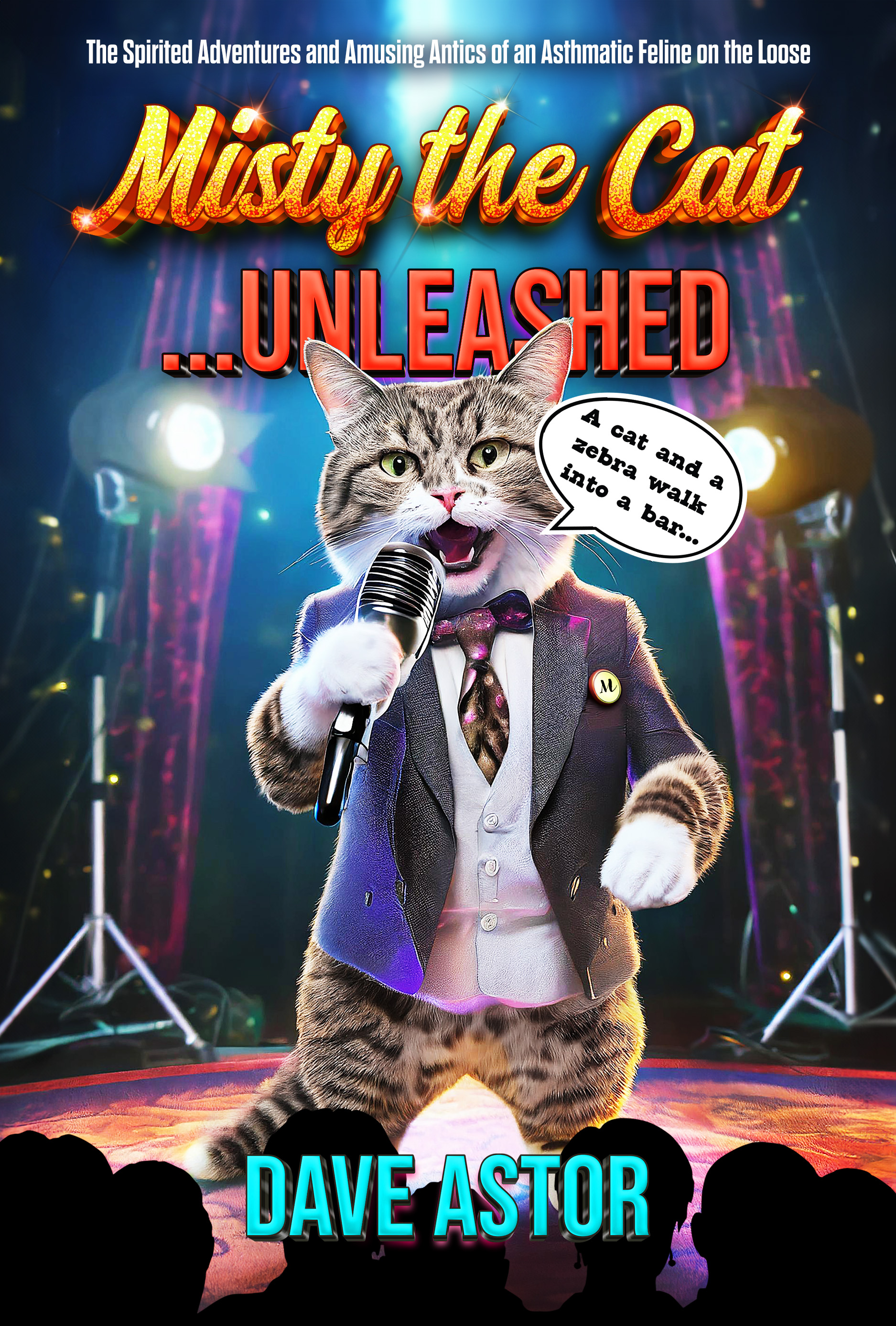
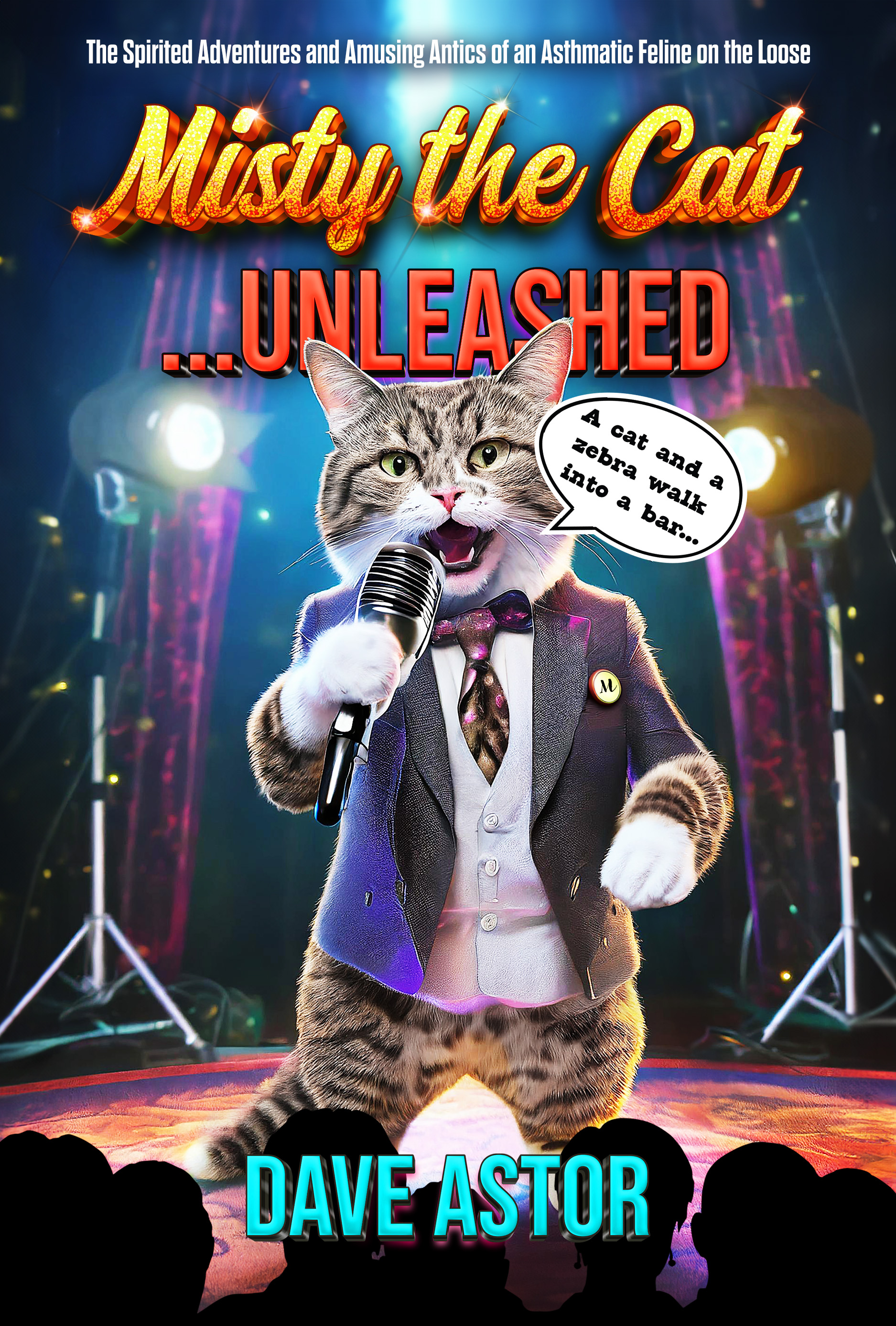
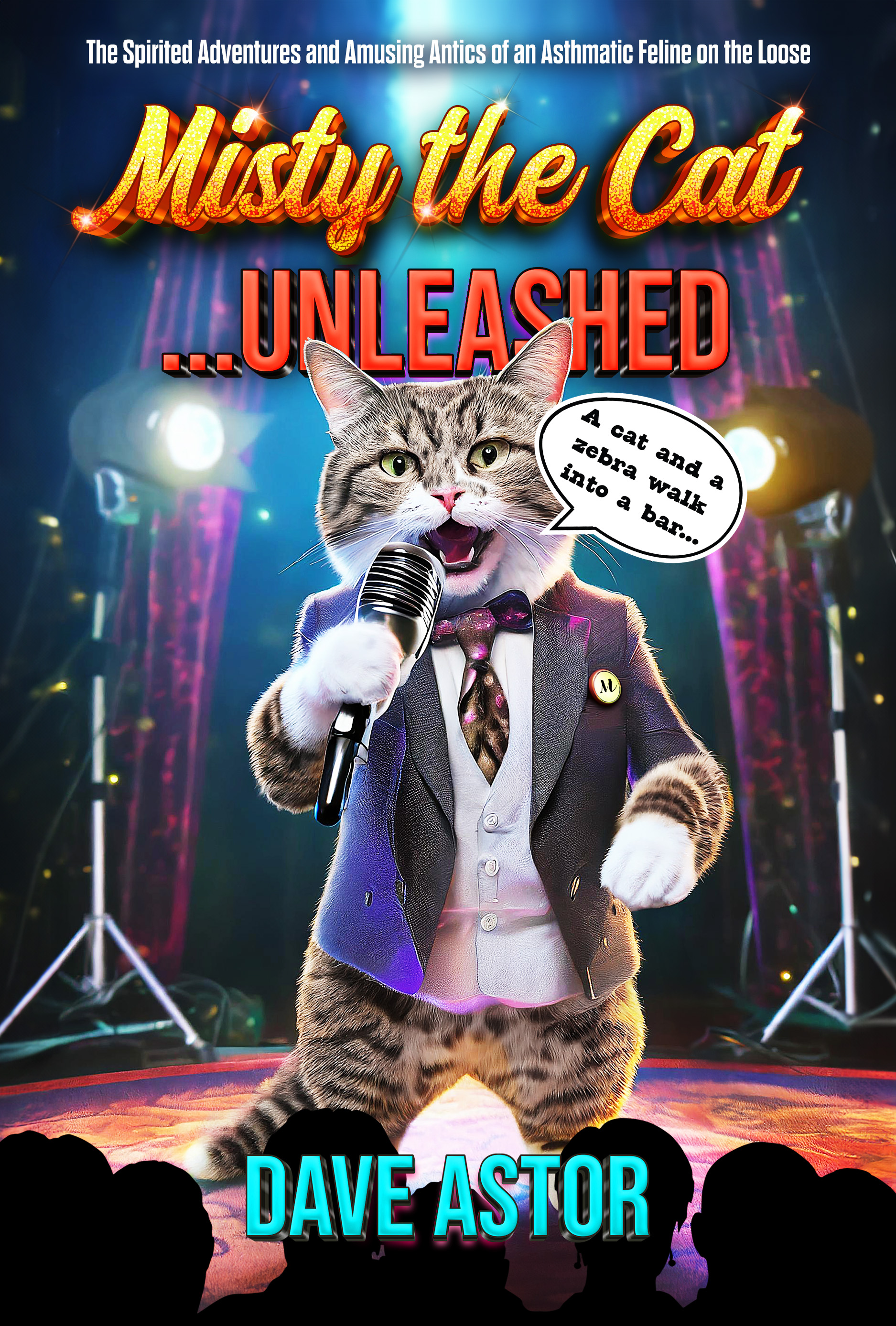
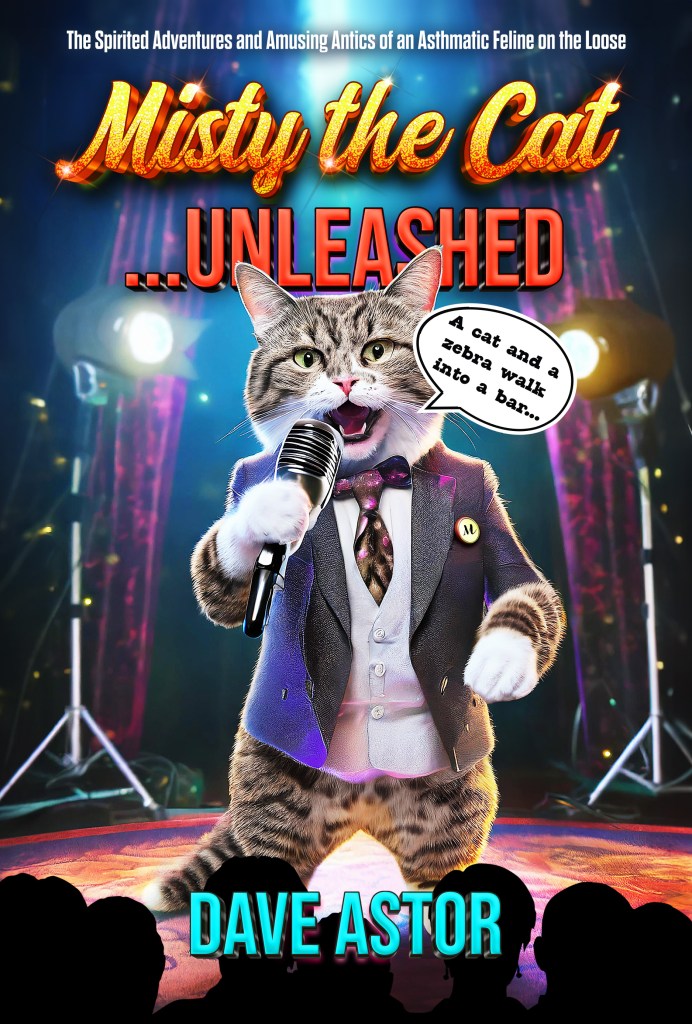
My comedic 2024 book — the part-factual/part-fictional/not-a-children’s-work Misty the Cat…Unleashed — is described and can be purchased on Amazon in paperback or on Kindle. It’s feline-narrated! (And Amazon reviews are welcome. 🙂 )
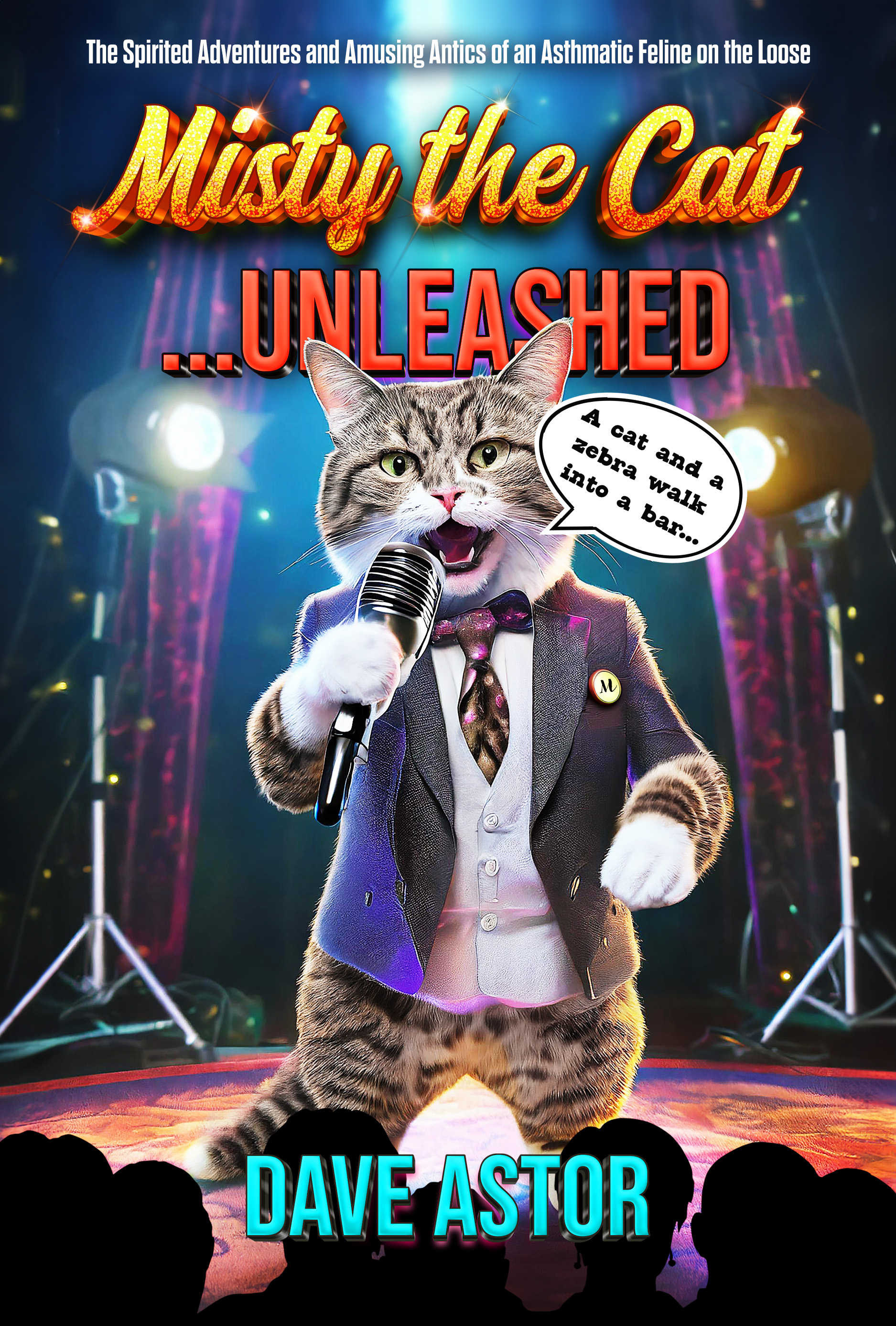
This 90-second promo video for the book features a talking cat: 🙂

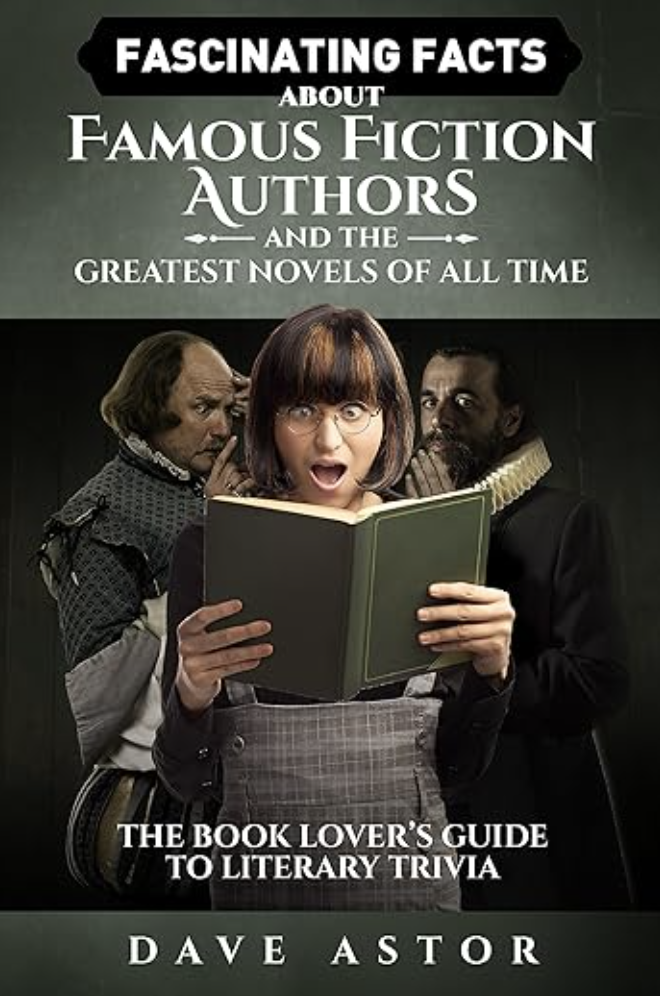
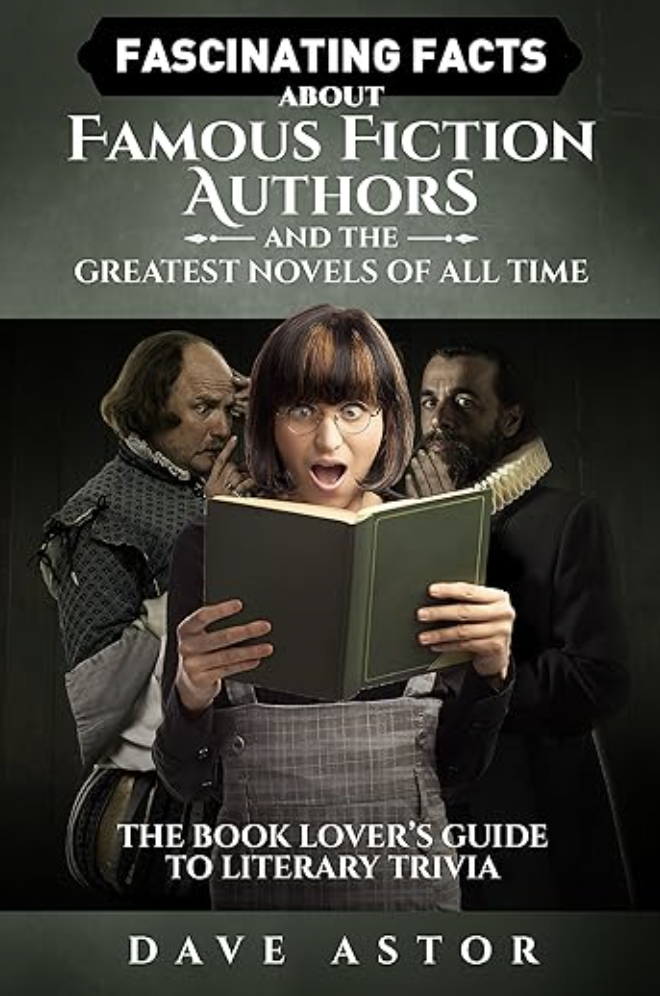
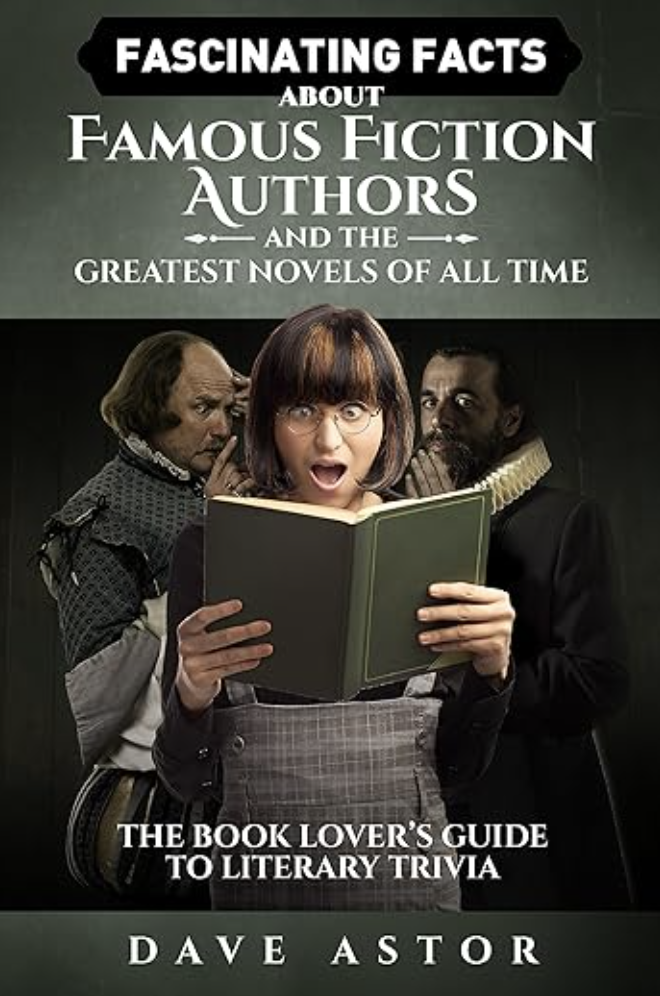
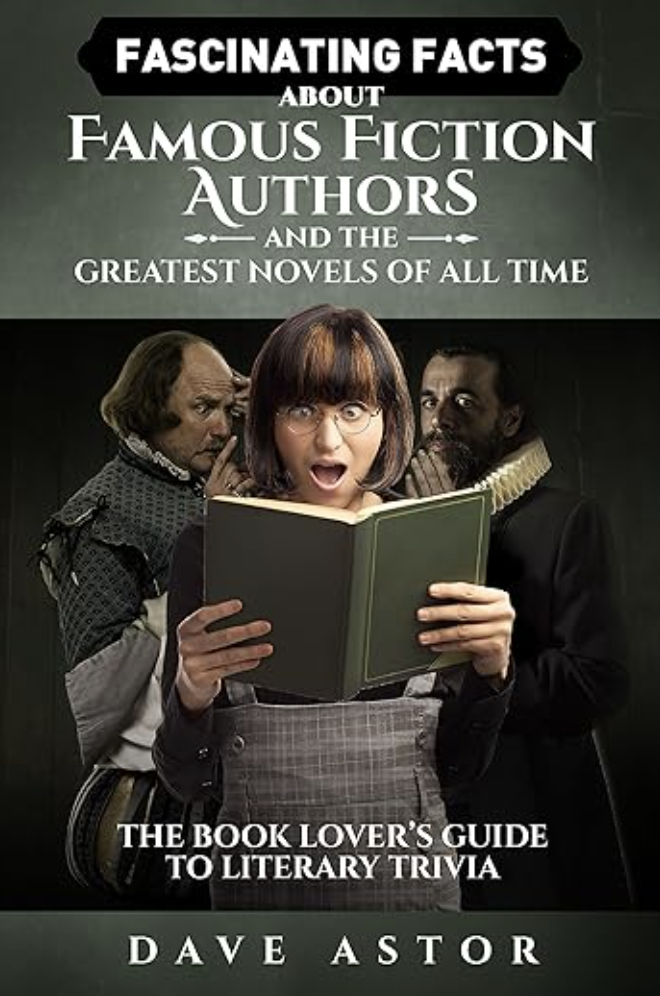
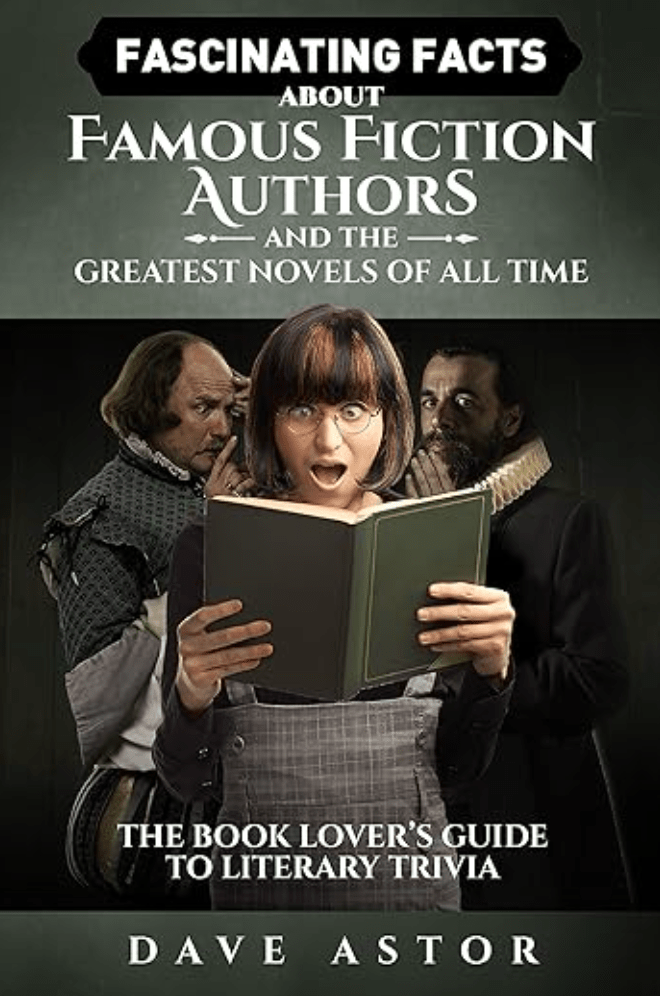
I’m also the author of a 2017 literary-trivia book

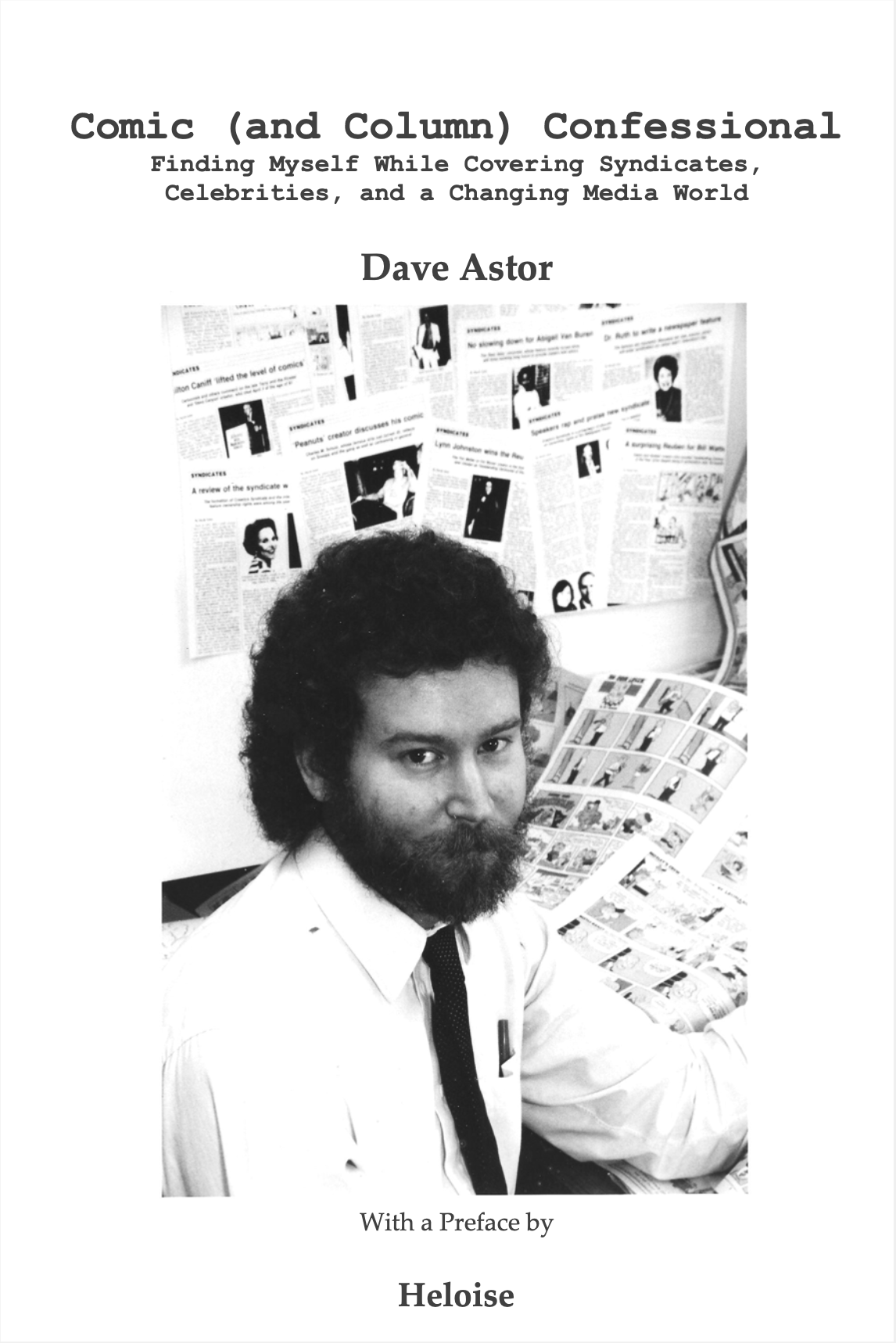
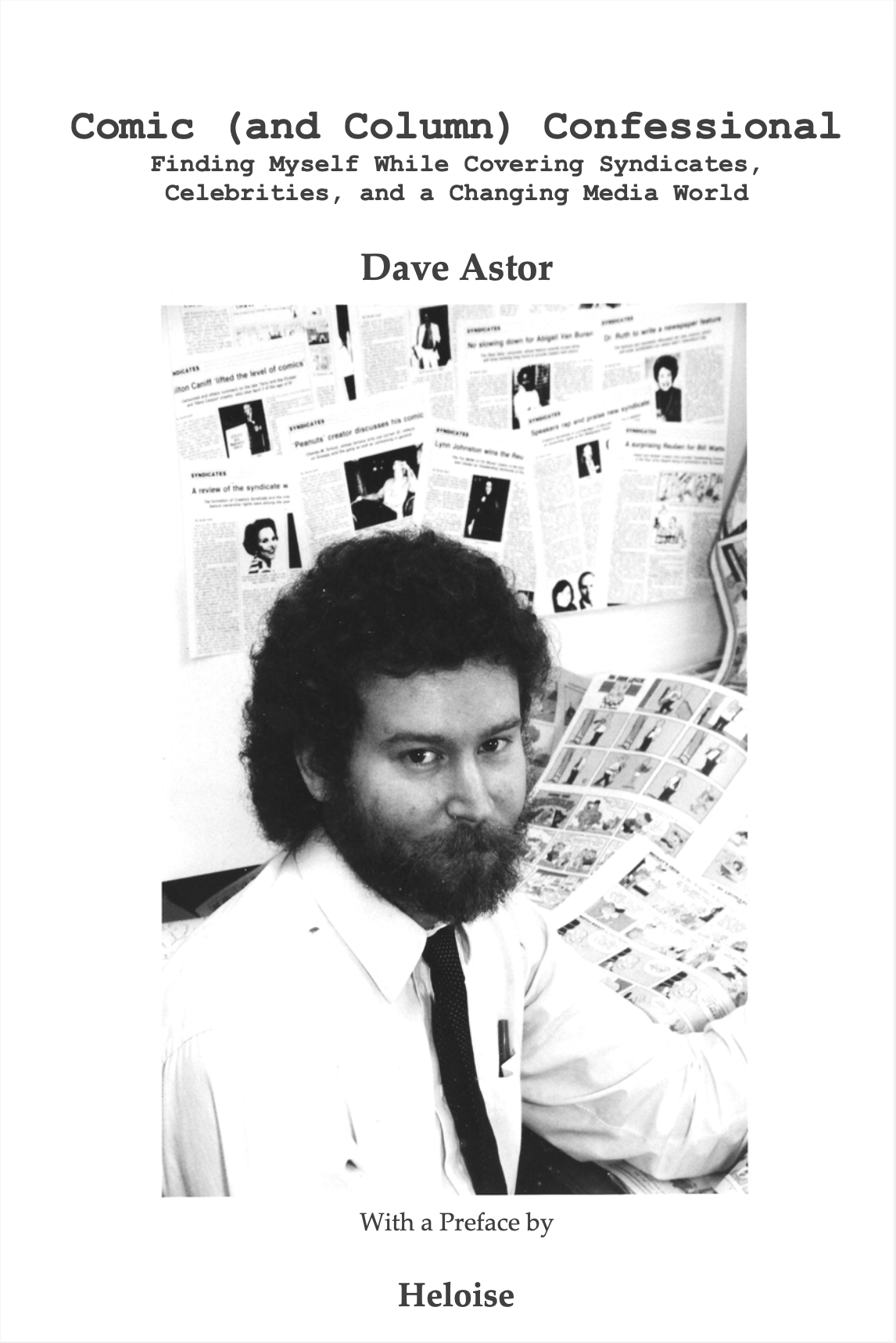
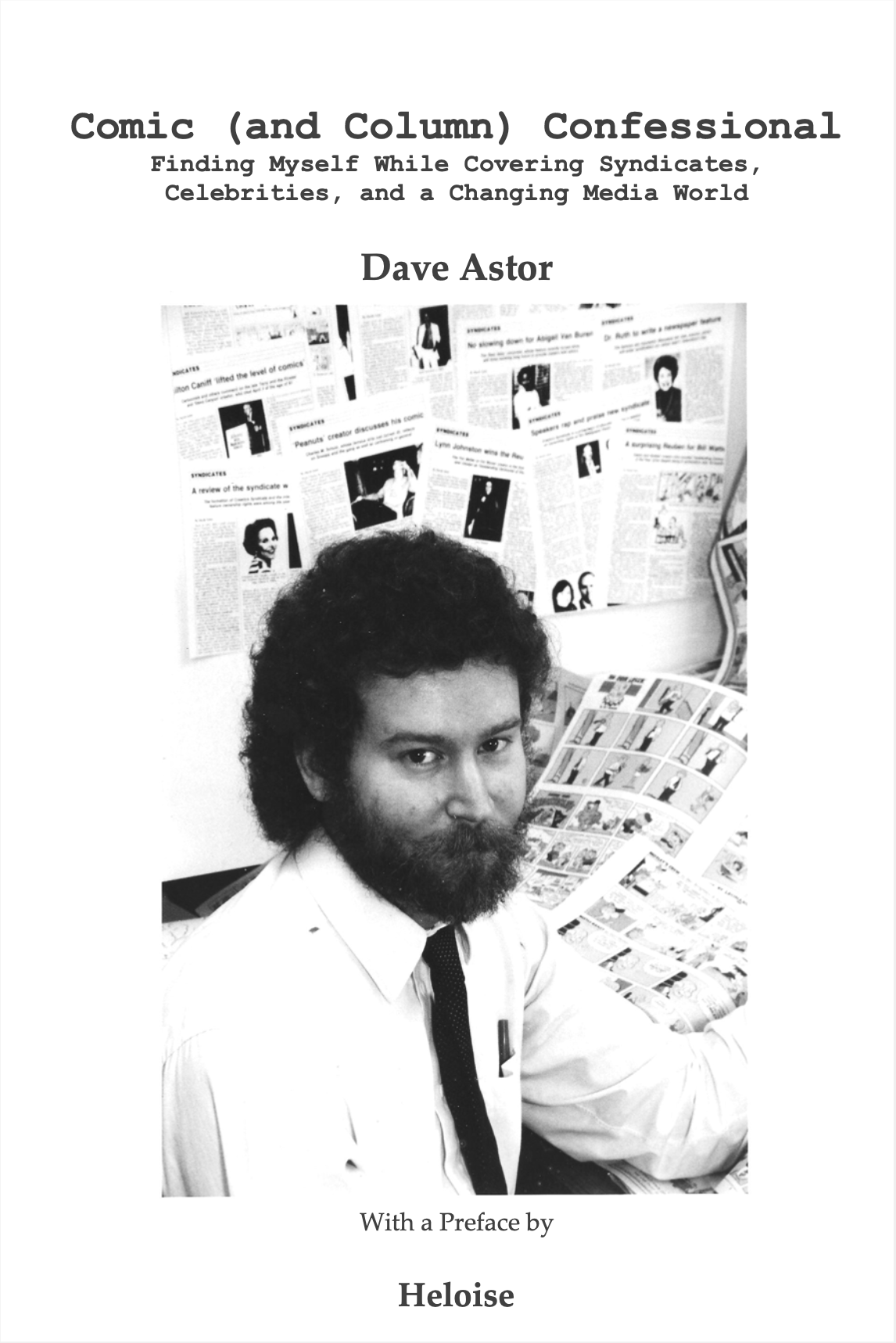
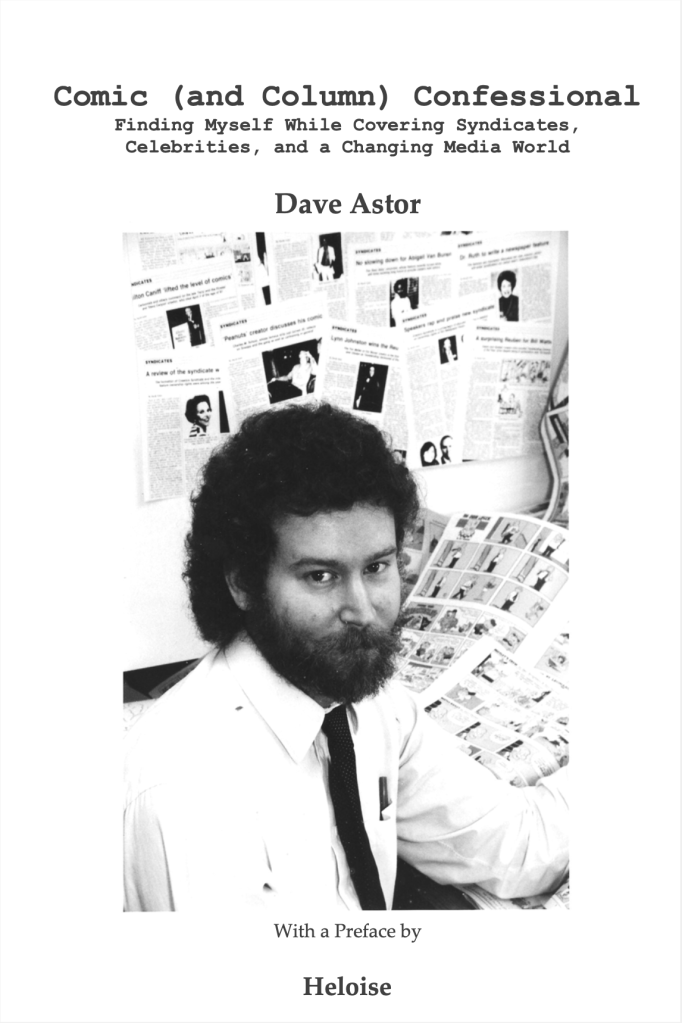
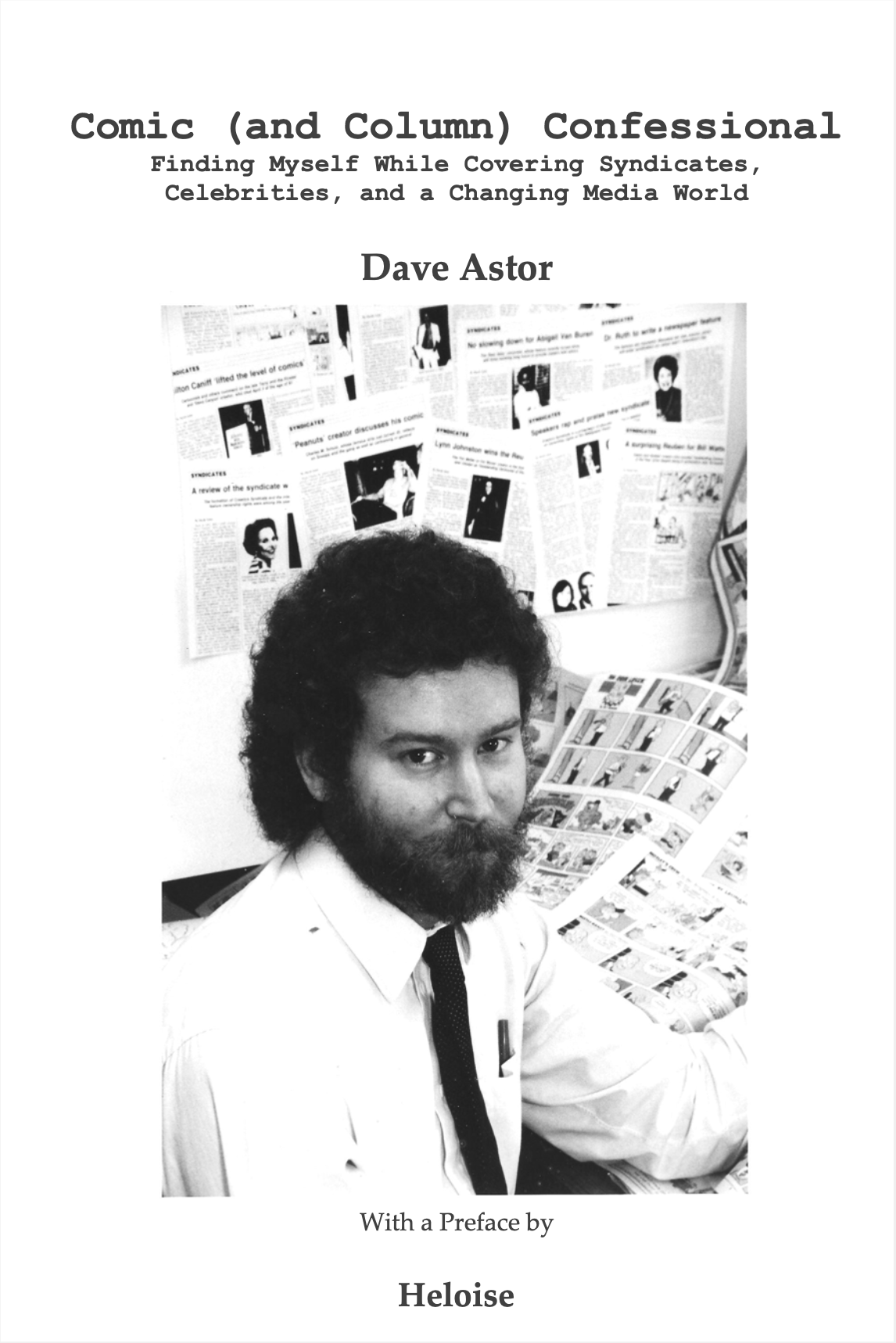
…and a 2012 memoir that focuses on cartooning and more, including many encounters with celebrities.
In addition to this weekly blog, I write the 2003-started/award-winning “Montclairvoyant” topical-humor column every Thursday for Montclair Local. The latest piece — about topics such as steeply rising health-insurance costs hurting my town’s municipal budget — is here.

Murder They Wrote

Today is “The Ides of March,” the March 15 date on which Roman dictator Julius Caesar was assassinated in the year 44 BC. So, I’m going do a word salad rather than a Caesar salad discussing some memorable murders in literature — while trying to avoid too many spoilers in the specific details.

Murders are of course awful, even as they’re sometimes almost merited for righteous revenge reasons. Whatever the motives behind them, they can be a key plot device and make for painfully dramatic reading.

One novel’s title that literally telegraphs a killing is Chronicle of a Death Foretold by Gabriel Garcia Marquez. Written in a journalistic reconstruction fashion, the book is far from the author’s best work but still interesting.

Also quite interesting is Albert Camus’ The Stranger and its puzzling murder by the novel’s detached protagonist.

The brutal double-killing early in the iconic Crime and Punishment is…iconic. Then we spend the rest of Fyodor Dostoevsky’s psychological novel observing Rodion Raskolnikov’s angst, his attempts to justify his action, his worry about capture, and more.

Other novels with multiple murders? We’ve read a few — including Agatha Christie’s classic And Then They Were None and its many dispatched characters. They deserve some punishment, but do they deserve dying? Murders, of course, are a staple of mysteries, detective fiction, and thrillers.

Totally innocent is Black teen Donte Drumm, who’s wrongly accused of killing a white high school girl in John Grisham’s The Confession. Will that murder by someone else lead to another murder — the execution of Drumm — by racist authorities?

Which reminds me of the unjust killings by law enforcement of characters in novels such as Angie Thomas’ The Hate U Give (another Black teen is the victim) and John Steinbeck’s The Grapes of Wrath (a white man is the victim).

Retaliatory killings? We see righteous ones in Alexandre Dumas’ The Count of Monte Cristo, Erich Maria Remarque’s Arch of Triumph, and Percival Everett’s James — the last book a reimagining of Mark Twain’s Adventures of Huckleberry Finn. Speaking of Twain, he wrote about the execution of a real-life heroine in Personal Recollections of Joan of Arc — a novel in the historical-fiction genre also inhabited by Margaret Atwood’s Alias Grace and its double-murder.

If we include genocide in this discussion, various grim novels come to mind — including Holocaust ones such as William Styron’s Sophie’s Choice and Herman Wouk’s War and Remembrance.

In the short-story realm, there many murder-in-the-mix tales to choose from: “The Lottery” by Shirley Jackson, “A Good Man Is Hard to Find” by Flannery O’Connor, “A Jury of Her Peers” by Susan Glaspell, “The Tell-Tale Heart” and “The Cask of Amontillado” by Edgar Allan Poe, etc., etc.

Your thoughts about, and examples of, this topic?

I will probably be offline much of tomorrow (Monday, March 16) while in New York City but will reply to comments after I return. 🙂

Misty the cat asks: “Is it necessary for my building to have a steering wheel?”

My comedic 2024 book — the part-factual/part-fictional/not-a-children’s-work Misty the Cat…Unleashed — is described and can be purchased on Amazon in paperback or on Kindle. It’s feline-narrated! (And Amazon reviews are welcome. 🙂 )

This 90-second promo video for the book features a talking cat: 🙂

I’m also the author of a 2017 literary-trivia book

…and a 2012 memoir that focuses on cartooning and more, including many encounters with celebrities.

In addition to this weekly blog, I write the 2003-started/award-winning “Montclairvoyant” topical-humor column every Thursday for Montclair Local. The latest piece — with my thoughts about unofficial voting results on a school deficit matter roiling my town — is here.

Novelists Have the Facility to Depict Nobility

Yesterday, a massive total of nearly seven million people attended the 2,700-plus “No Kings” rallies in the United States and abroad to protest Trump’s fascist/authoritarian regime as that Republican administration ignores Congress, enriches itself, cracks down on peaceful dissent, arrests innocent people of color, invades American cities for no good reason, meddles in other countries’ affairs, starts or supports wrongful military actions around the world, etc. Which, as a literature blogger, reminded me of kings and other royalty in fiction — including historical fiction.

Of course, some royalty can be partly benevolent, but in many cases all that power heightens a ruler’s nasty instincts, makes a corrupt person even more corrupt, and increases the entitlement of the already entitled. Also, being a member of royalty doesn’t exactly involve the merit system.

I’ve never deliberately sought out novels containing royal characters, much preferring to read about the lives of “everyday” people. But privileged aristocrats have popped up here and there in my reading.

For instance, when long ago working through many a great book by Mark Twain, I polished off The Prince and the Pauper (two boys changing places) and A Connecticut Yankee in King Arthur’s Court (in which a certain king appears).

Another 19th-century novel, Alexandre Dumas’ 17th-century-set The Three Musketeers, includes King Louis XIII and Queen Anne as secondary characters.

In Charles Dickens’ A Tale of Two Cities, King Louis XVI and King George III are referenced.

Some novels written in the 20th and 21st centuries also include royal characters. Hilary Mantel’s Wolf Hall has Henry VIII and other monarchical personages, Josephine Tey’s The Daughter of Time harkens back to King Richard III, Robert Graves’ I, Claudius features the Roman emperor of the book’s title, J.R.R. Tolkien’s The Lord of the Rings has the would-be king Aragorn, and Philippa Gregory’s Earthly Joys has the Duke of Buckingham.

There’s also William Goldman’s The Princess Bride, Meg Cabot’s The Princess Diaries, Antoine de Saint-Exupery’s The Little Prince, Lewis Carroll’s Alice’s Adventures in Wonderland and its Queen of Hearts, C.S. Lewis’ The Chronicles of Narnia and its King Tirian, Diana Gabaldon’s Outlander and its King Louis XV appearance, Margaret Landon’s Anna and the King of Siam that inspired The King and I musical, and so on.

Of course there’s royalty, too, in various Shakespeare plays and in other stage creations such as Eugene O’Neill’s The Emperor Jones, Lin-Manuel Miranda’s Hamilton (King George III), etc.

I’m sure I’ve only touched the surface here. Any additional examples of, or thoughts about, this topic?

Misty the cat asks: “What’s the new White House ballroom doing here?”

My comedic 2024 book — the part-factual/part-fictional/not-a-children’s-work Misty the Cat…Unleashed — is described and can be purchased on Amazon in paperback or on Kindle. It’s feline-narrated! (And Amazon reviews are welcome. 🙂 )

This 90-second promo video for the book features a talking cat: 🙂

I’m also the author of a 2017 literary-trivia book

…and a 2012 memoir that focuses on cartooning and more, and includes many encounters with celebrities.

In addition to this weekly blog, I write the 2003-started/award-winning “Montclairvoyant” topical-humor column every Thursday for Montclair Local. The latest piece — about wondering how to vote in a controversial local tax referendum that will be held this December because of a huge school district deficit — is here.

They’re Serious about Series and Standalone Novels

Some authors are good at two or more things: novels and short stories, fiction and nonfiction, literary fiction and mass-audience fiction, etc. For this post, I’ll add to that by focusing on authors who are good at series as well as standalone novels. It certainly requires some different writing muscles to wrap up things in one book vs. extending things across multiple books.

This topic occurred to me last week as I read Val McDermid’s A Place of Execution, a superb standalone novel with a concluding twist that will knock your socks off. My previous experience with McDermid was with her series fiction, including the books starring “cold case” detective Karen Pirie.

I followed A Place of Execution with Martin Cruz Smith’s Independence Square — his 10th in the series starring Russian investigator Arkady Renko that began with Gorky Park. (Independence Square was okay; not as good as the earlier Renko books.) Smith has also written standalone novels such as Rose.

Sometimes, authors toggle throughout their careers between standalone books and series — as has been the case with Smith and McDermid as well as authors such as Walter Mosley with his Easy Rawlins books and much more. Other times, authors start with standalone novels before hitting on a hit series and focusing on that — as did Sue Grafton, who wrote two standalones before launching her popular Alphabet Mysteries (25 in all; she reached the letter “Y” before she died).

J.K. Rowling has also written many more series novels than standalone ones: seven Harry Potter books, then The Casual Vacancy one-off, then seven Cormoran Strike/Robin Ellacott crime novels (so far).

L.M. Montgomery followed her classic Anne of Green Gables with seven sequels over the years, during which time she also penned the Emily trilogy and standalones such as The Blue Castle.

Stephen King is known mostly for standalone novels, with a sprinkling of sequels and trilogies, but has also written many books in The Dark Tower series.

Some long-ago authors also toggled. For instance, James Fenimore Cooper wrote the five “Leatherstocking” novels (including The Last of the Mohicans) as well as various standalone books. Alexandre Dumas did both as well — many standalones (most famously The Count of Monte Cristo) as well as The Three Musketeers and its five sequels (sometimes published as fewer sequels when certain books were combined into one edition).

Your thoughts about and examples of this topic?

Misty the cat says: “My fitness tracker better record backward steps.”

My comedic 2024 book — the part-factual/part-fictional/not-a-children’s-work Misty the Cat…Unleashed — is described and can be purchased on Amazon in paperback or on Kindle. It’s feline-narrated! (And Misty says Amazon reviews are welcome. 🙂 )

This 90-second promo video for my book features a talking cat: 🙂

I’m also the author of a 2017 literary-trivia book

…and a 2012 memoir that focuses on cartooning and more.

In addition to this weekly blog, I write the 2003-started/award-winning “Montclairvoyant” topical-humor column every Thursday for Montclair Local. The latest piece — about a lot of school news during a non-school time — is here.