‘The Good Earth’ and Not-So-Good Movie Casting

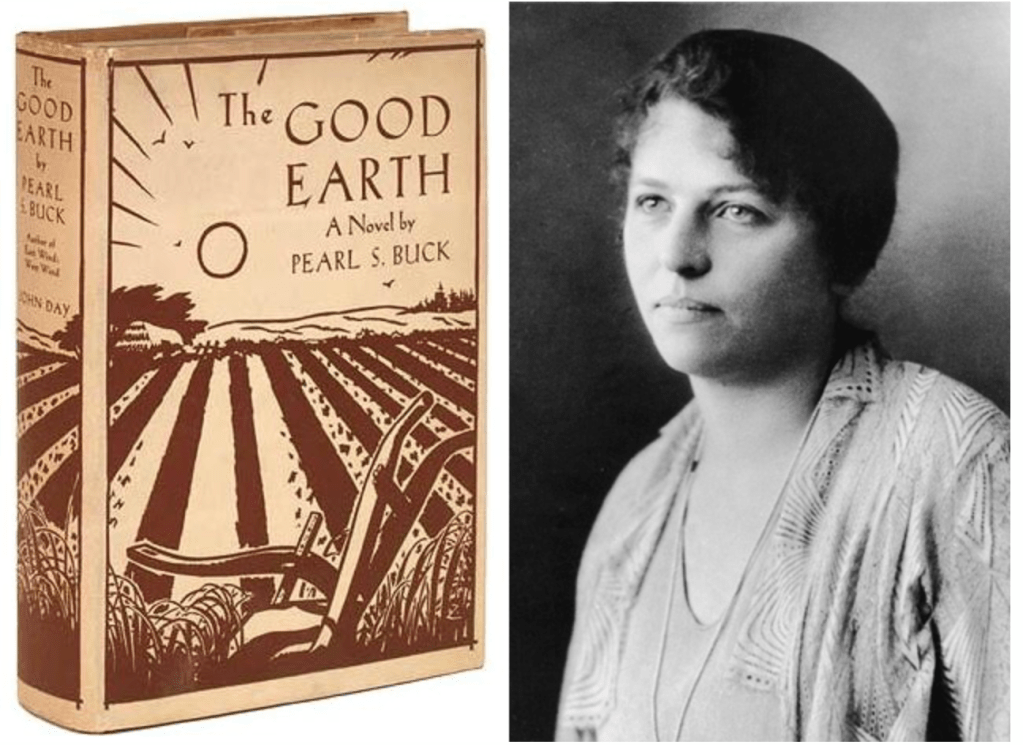
I reread Pearl S. Buck’s novel The Good Earth this month, and was again impressed with how compelling that 1931 classic is. Buck’s depiction of the relationship between Chinese peasant farming couple Wang Lung (hardworking/ambitious) and O-Lan (hardworking/stoic) was something to behold — as was Wang’s eventual, disappointing lack of respect for that marriage as he became more “successful” in life.

Normally I’d consider watching the movie version of a novel, but I’ll take a pass on this one. That’s because The Good Earth film of 1937 stars two white performers — Paul Muni and Luise Rainer — as Wang and O-Lan despite Buck wanting Chinese or Chinese-American performers. (Some lesser roles in the movie went to people of Asian descent.) Of course, Buck was not of Asian descent herself, but did spend many years of her childhood and adulthood in China.

Hollywood’s racist/catering-to-what-much-of-the-public-supposedly-wanted “whitewashing” of characters of color was not unusual back in the day, even as the practice continued here and there in more-recent decades.

For instance, 1994’s The House of the Spirits movie based on Isabel Allende’s terrific 1982 novel of the same name was justly criticized for having non-Hispanic actresses and actors in most of the major roles. Great performers — Meryl Streep, Glenn Close, Jeremy Irons, Winona Ryder, Vanessa Redgrave, etc. — but not the right ethnicity for the parts.

Miscasting also happened when white actor Alec Guinness played Indian character Professor Narayan Godbole in the 1984 film based on E.M. Forster’s 1924 novel A Passage to India.

In 1997, white actor Casper Van Dien was Johnny Rico in a film based on Robert A. Heinlein’s 1959 sci-fi novel Starship Troopers. In the book, the character was Juan “Johnny” Rico, of Filipino descent.

Also, Mexican-American attorney Mickey Haller from Michael Connelly’s 2005 novel The Lincoln Lawyer and its sequels was played in a 2011 movie by white actor Matthew McConaughey. This was rectified in a later TV series starring Manuel Garcia-Rulfo.

In addition, the 2003 film based on Philip Roth’s 2000 novel The Human Stain starred Anglo actor Anthony Hopkins as Professor Coleman Silk, an African American who “passes” as white.

The white Mickey Rooney played an Asian supporting character in the 1961 movie version of Truman Capote’s 1958 novella Breakfast at Tiffany’s.

Returning to the 1930s, white actor Sam Jaffe got the part of the ancient Asian “High Lama” in the Lost Horizon film (1937) based on James Hilton’s mesmerizing 1933 novel of the same name.

The King and I film (1956) based on Margaret Landon’s novel Anna and the King of Siam (1944) starred Yul Brynner, a white actor, as Asian royalty.

William Shakespeare’s character Othello has been played in movie versions by white actors such as Orson Welles (1951) and Laurence Olivier (1965). A shame that renowned African-American actor/singer/activist Paul Robeson — who memorably portrayed Othello on the stage multiple times — wasn’t invited to do a movie version. (Robeson died on January 23, 1976 — 50 years ago as of this past Friday.)

Of course, there have been some instances in recent decades where performers of color have portrayed fictional or real-life white people — including Black actor Morgan Freeman as Red in the 1994 film The Shawshank Redemption based on a Stephen King story, and Black actress Noma Dumezweni as the adult Hermione Granger in the play Harry Potter and the Cursed Child inspired by J.K. Rowling’s Harry Potter novels. This kind of casting also happened in Lin-Manuel Miranda’s blockbuster musical Hamilton and in a production of Arthur Miller’s Death of a Salesman I saw in my town about 15 years ago. I have no problem with these infrequent occurrences; I see them as compensation of sorts for white performers historically getting most of the best roles.

Your thoughts about, and examples of, this topic?

An added, somewhat-related comment: In the United States, “law enforcement” has a vile history of murdering people of color who are either innocent or committed minor infractions. Yesterday, the Trump regime’s Gestapo-like federal agent thugs added to their crimes against innocent non-white Americans by murdering a second innocent white Minnesotan this month — both of whom (Renee Nicole Good and ICU nurse Alex Pretti) tragically found themselves in the “role” of people of color victimized by out-of-control “policing.” If there is any justice, Trump as well as his sociopathic administration appointees and masked “law enforcement” goons will all end up in prison someday.

Misty the cat says: “I will only go out in the snow today if someone gifts me their Nobel Prize.”

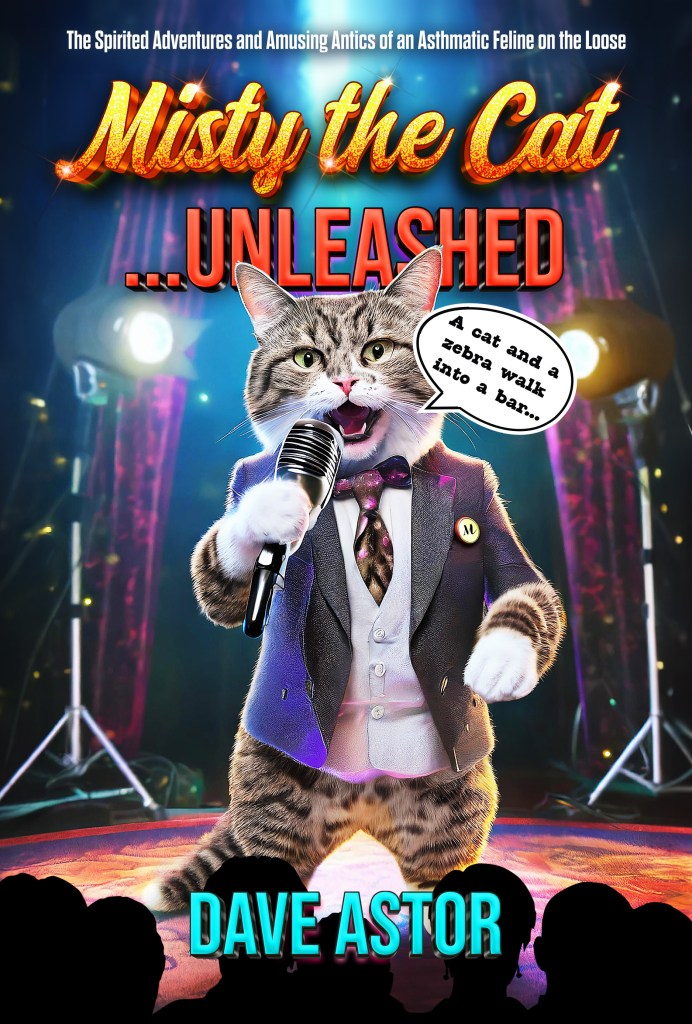
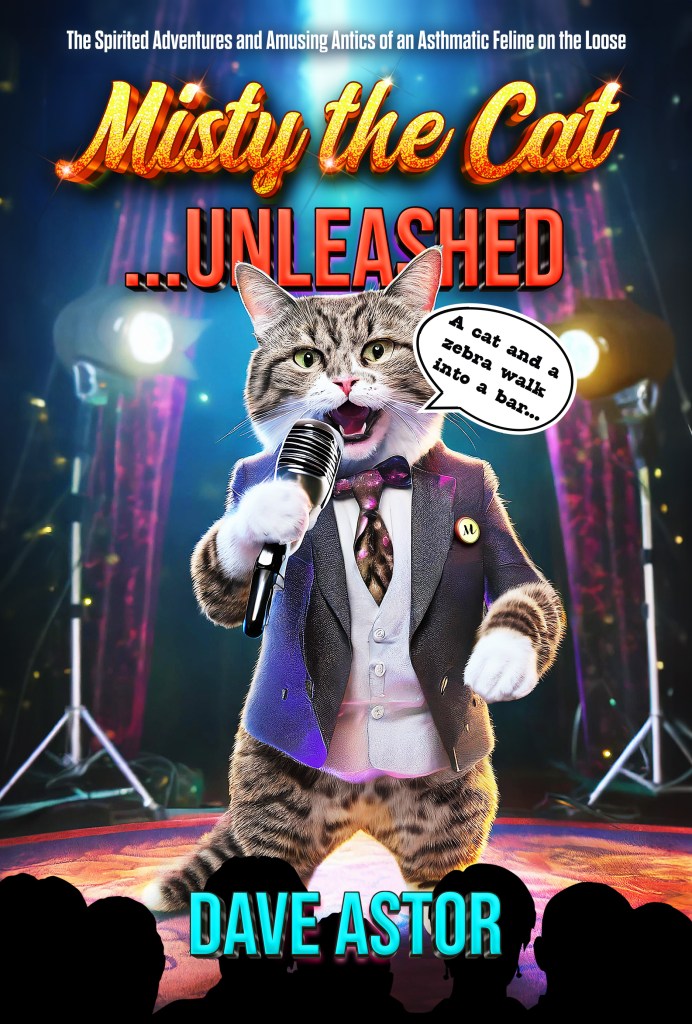
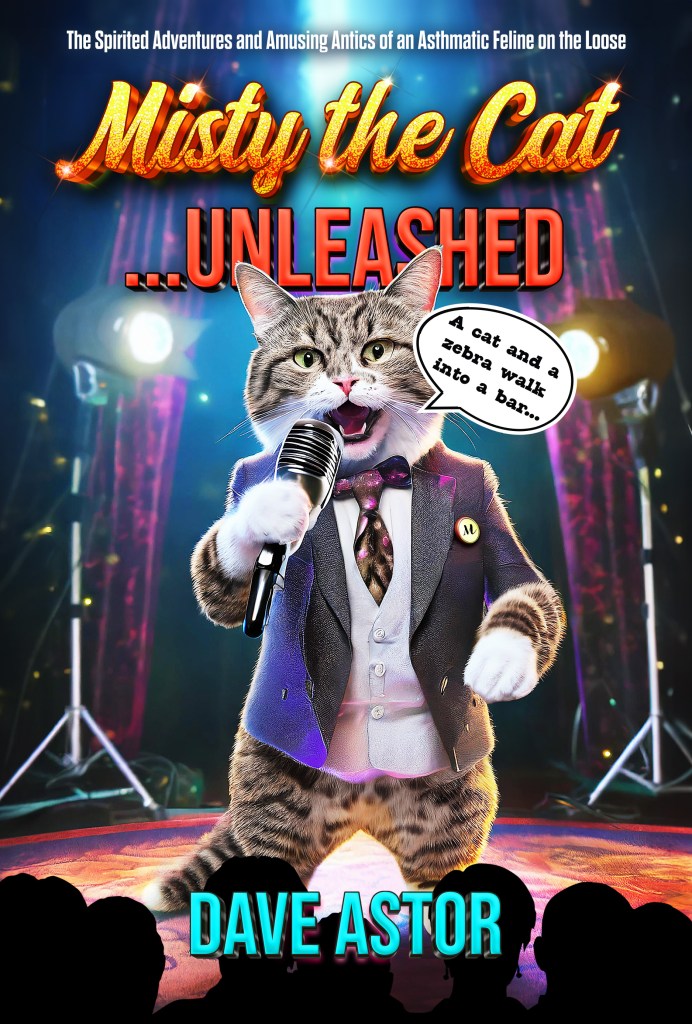
My comedic 2024 book — the part-factual/part-fictional/not-a-children’s-work Misty the Cat…Unleashed — is described and can be purchased on Amazon in paperback or on Kindle. It’s feline-narrated! (And Amazon reviews are welcome. πŸ™‚ )

This 90-second promo video for the book features a talking cat: πŸ™‚

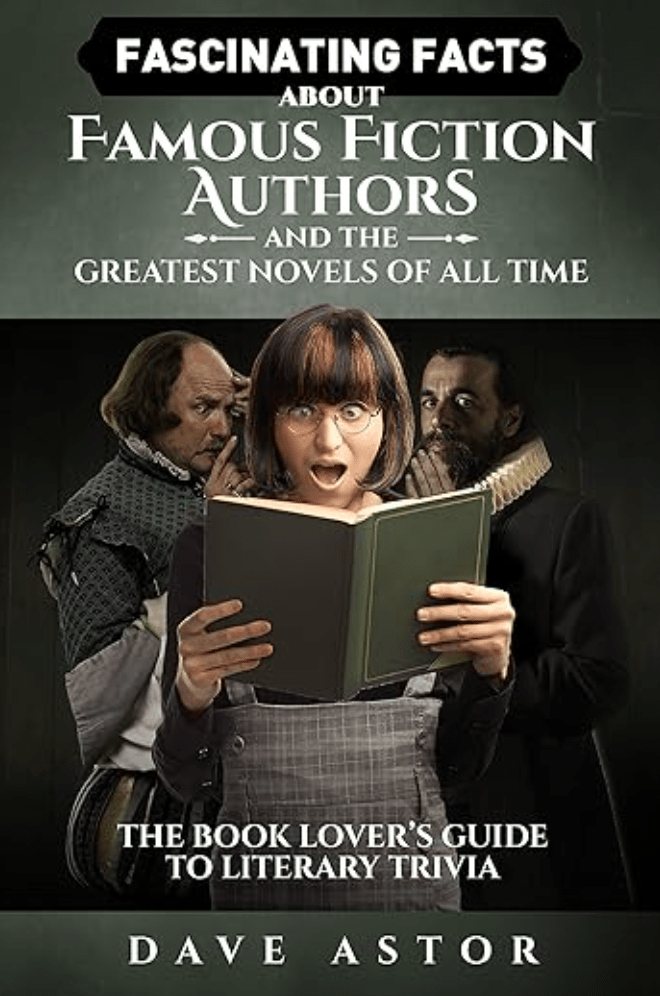
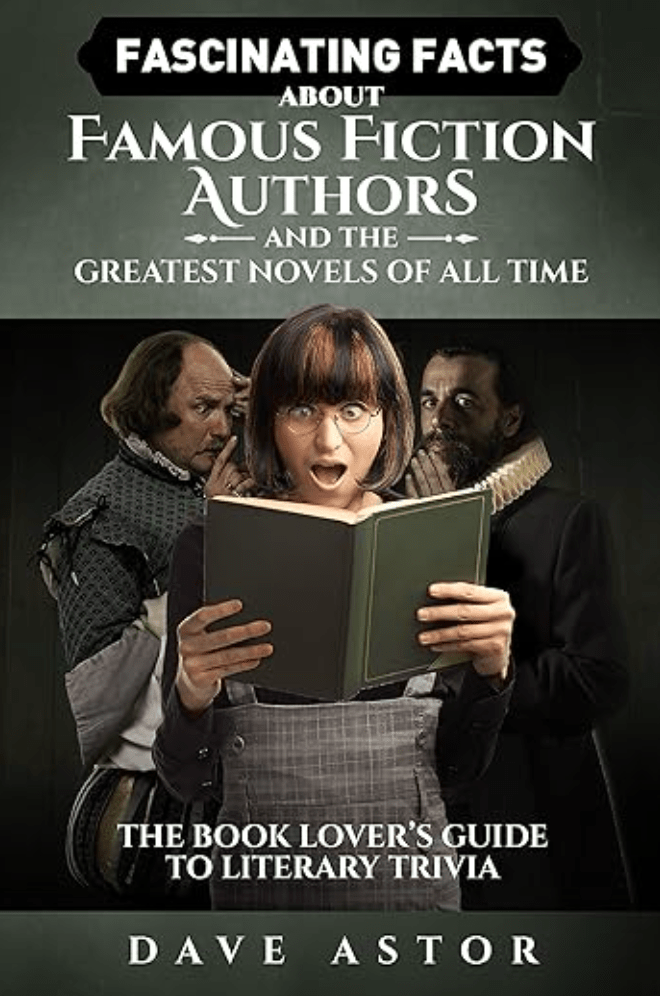
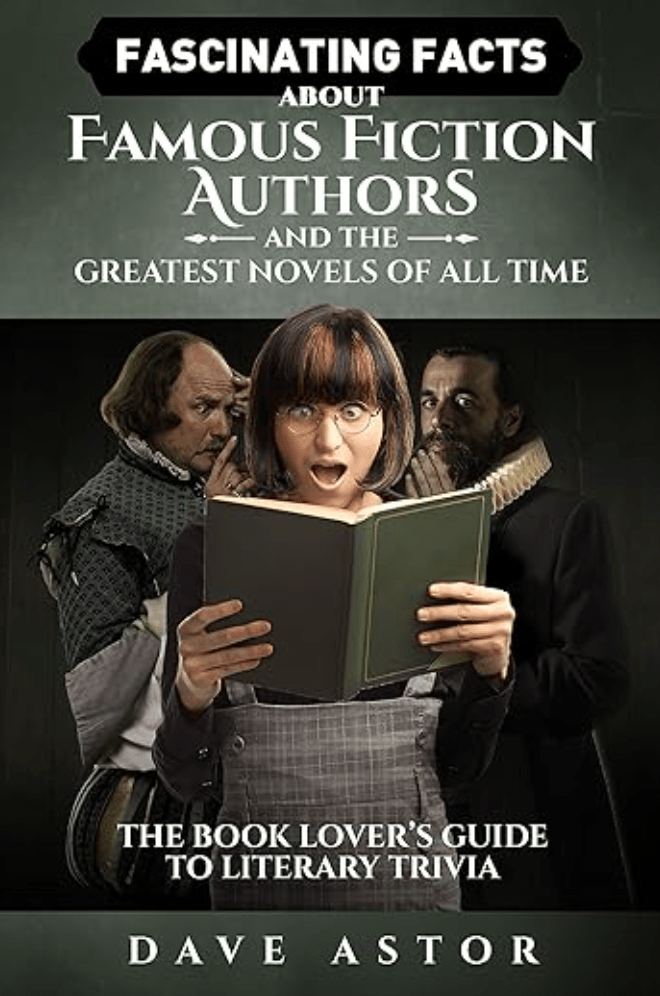
I’m also the author of a 2017 literary-trivia book

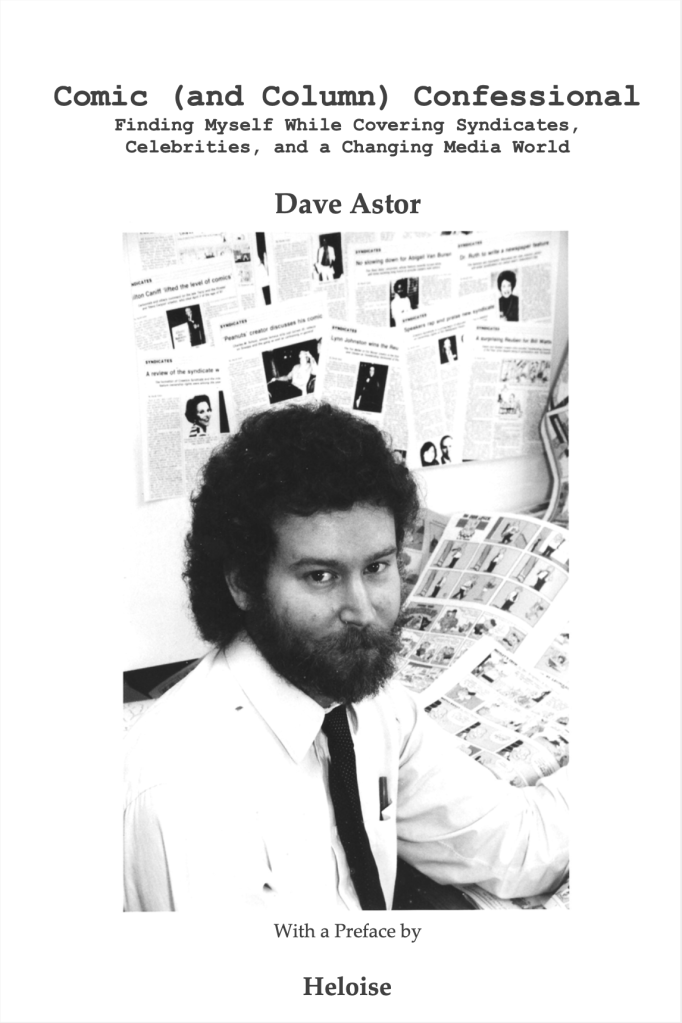
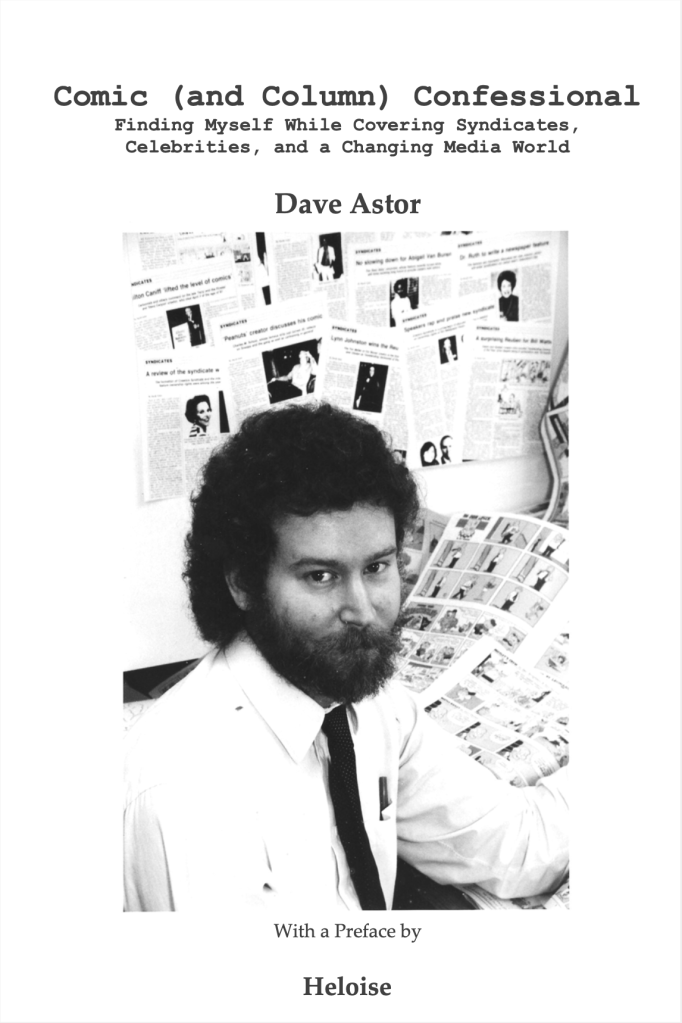
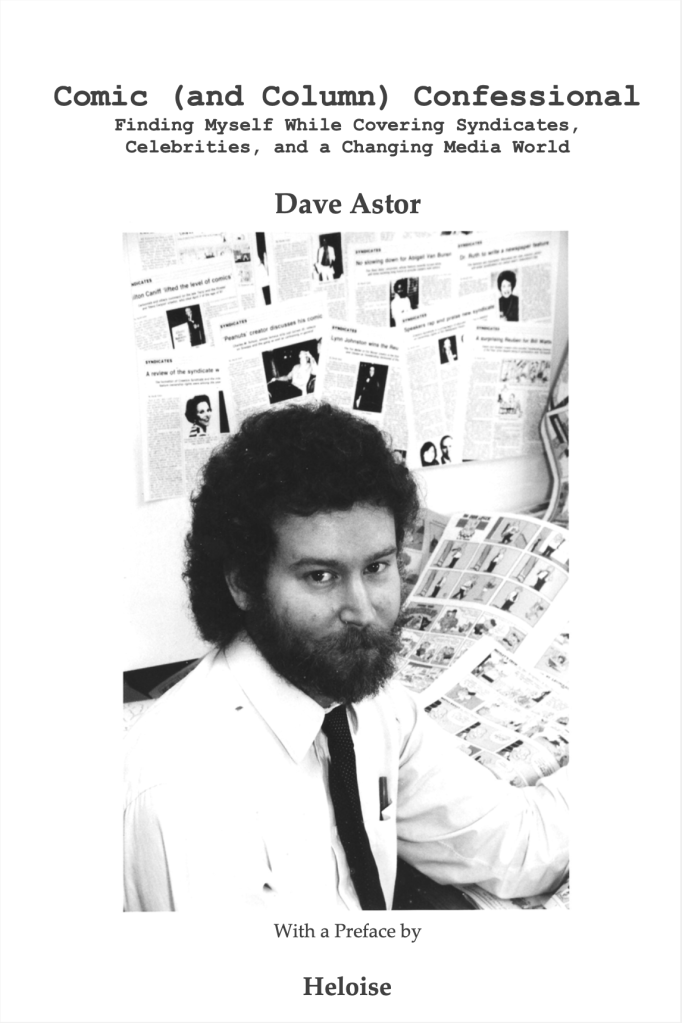
…and a 2012 memoir that focuses on cartooning and more, including many encounters with celebrities.
In addition to this weekly blog, I write the 2003-started/award-winning “Montclairvoyant” topical-humor column every Thursday for Montclair Local. The latest piece — about an upcoming special congressional election and more — is here.
From Antigua to Anniversaries (of Notable Novels)

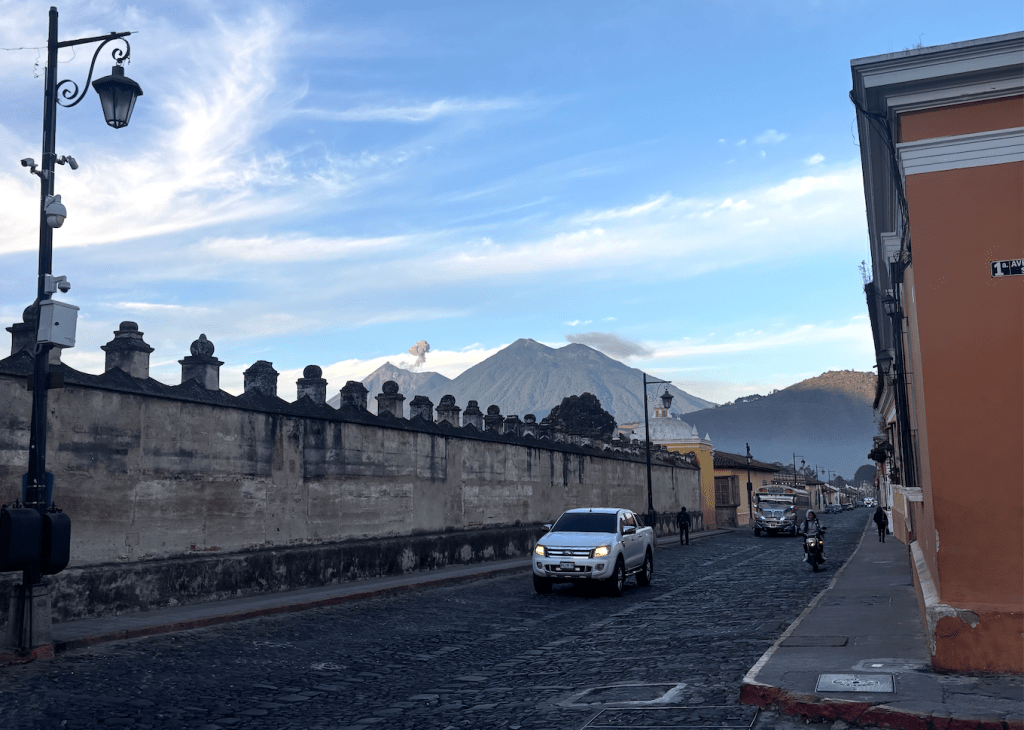
A street in Antigua, Guatemala, that has nothing to do with the topic of this literature post. πŸ™‚ (Photo by me on January 8.)

Glad to be back! I missed writing a post last week because of a trip I took with my wife Laurel and younger daughter Maria to Guatemala, where Maria was born. A memorable visit that included stops in Guatemala City, Tikal, Antigua, Panajachel, and Guatemala City again.

Today, as I do every January, I’m going to mention well-known novels — many of which I’ve read, some of which I haven’t — reaching major round-number anniversaries. So, in 2026, novels published in 2001 are turning 25, 1976-released books are turning 50, 1926 novels are turning 100, etc.

The first 2001 novel that came to mind was Richard Russo’s riveting Pulitzer Prize winner Empire Falls, set in a Maine blue-collar town.

Released that year, too, was Jonathan Franzen’s The Corrections, about a couple and their three adult children. I liked it better than the author’s much-touted Freedom, though that 2010 novel was pretty good as well.

Also, Yann Martell’s Life of Pi, which features a boy stranded on a boat with a tiger after a shipwreck; Sue Monk Kidd’s The Secret Life of Bees, which has a lot to say about female relationships as well as racism; Ann Patchett’s Bel Canto, a riveting look at a mass-hostage situation; Amy Tan’s The Bonesetter’s Daughter, about a Chinese-American woman and her immigrant mother; Ian McEwan’s Atonement, which I found both compelling and annoying; John Grisham’s semi-autobiographical A Painted House; Neil Gaiman’s fantasy tour de force American Gods; and Jasper Fforde’s clever The Eyre Affair.

Kristin Hannah’s peak as an author was yet to arrive, but her somewhat-early-in-career 2001 novel Summer Island was quite absorbing as it focused on a fraught mother-daughter relationship and rapprochement.

In the series realm, Diana Gabaldon’s fifth Outlander novel (The Fiery Cross) and Lee Child’s fifth Jack Reacher novel (Echo Burning) came out 25 years ago.

The year 2001 also saw the publication of Carlos Ruiz Zafon’s The Shadow of the Wind and Dennis Lehane’s Mystic River, neither of which I’ve read.

In 1976, the most famous release was Alex Haley’s Roots, which was of course the multi-generational American slavery saga about Kunta Kinte and his descendants.

There was also Margaret Atwood’s third novel Lady Oracle, about a woman with multiple identities; and Marge Piercy’s Woman on the Edge of Time, a sci-fi-ish work whose lower-income protagonist is unjustly committed to a psychiatric institution.

Notable 1976 books I haven’t read include Anne Rice’s debut novel Interview with the Vampire and Judith Guest’s made-into-a-memorable-movie Ordinary People.

Exactly a century ago — 1926 — saw the appearance of Ernest Hemingway’s The Sun Also Rises, which I thought was good not great.

An underrated classic that year was L.M. Montgomery’s The Blue Castle, about a young woman who gets very bad news that turns out to be very good news.

There was also Colette’s The Last of Cheri, the sequel to the 1920 Cheri novel about the relationship between a younger man and older woman; and My Mortal Enemy, one of Willa Cather’s lesser works.

Well-known 1926 novels I haven’t read include Agatha Christie’s The Murder of Roger Ackroyd and Upton Sinclair’s Oil!

Published 150 years ago, in 1876: Mark Twain’s iconic The Adventures of Tom Sawyer, about a rascally boy and his friend Huckleberry Finn.

That year also saw the release of Daniel Deronda, George Eliot’s final novel and one of her best. Its title character, who discovers he’s Jewish, interacts with some very memorable people.

In addition, there was Thomas Hardy’s not-famous-but-interesting The Hand of Ethelberta.

Two 1826 highlights were Mary Shelley’s apocalyptic, late-21st-century-set The Last Man and James Fenimore Cooper’s The Last of the Mohicans that unfolds in 1757 during the French and Indian War. Two novels with “Last” in the title that lasted.

And in 1726, 300 years ago, Jonathan Swift’s iconic Gulliver’s Travels was published!

Any thoughts on the novels I discussed? Any other titles you’d like to mention from those anniversary years? (I’m sure I missed some.)

Misty the cat says: “Tofu falling from the sky was not on my 2026 bingo card.”

My comedic 2024 book — the part-factual/part-fictional/not-a-children’s-work Misty the Cat…Unleashed — is described and can be purchased on Amazon in paperback or on Kindle. It’s feline-narrated! (And Amazon reviews are welcome. πŸ™‚ )

This 90-second promo video for the book features a talking cat: πŸ™‚

I’m also the author of a 2017 literary-trivia book

…and a 2012 memoir that focuses on cartooning and more, including many encounters with celebrities.

In addition to this weekly blog, I write the 2003-started/award-winning “Montclairvoyant” topical-humor column every Thursday for Montclair Local. The latest piece — about two meetings, a local anti-ICE protest, and more — is here.

A Good Year in the Blogosphere, But Lots of Bots?

As you can see in the above screen shot from the “backstage” area of WordPress, my blog’s traffic rose quite a bit in 2025 over 2024. A big chunk of that was a sudden spike in engagement from China, which apparently also happened to many other WP bloggers and might in large part be due to bot activity. But my blog did see legit viewing increases in my native U.S. and other countries, so thank you to all who read my posts and commented last year! I continue to love the conversations!

My 2025 posts that received the most comments:

1. “Scotland Is a Land of Notable Authors,” February 23, 147 comments.

2. “Reading Dystopian Fiction During a Real-Life Dystopia,” June 15, 146 comments.

3. “Memorable Book Titles,” November 30, 145 comments.

4. “Fictional People Are Getting Deported, Too,” August 31, 135 comments.

5. “Spies in Literature,” September 14, 130 comments.

6. “The Ardor Order of Jane Austen,” February 2, 129 comments.

7. “We Were All Kids in the Beginning, Except for Benjamin Button,” March 16, 127 comments.

8. “Is There Reader Zest for Lists of Best?,” April 6, 126 comments.

9. “The Philosophy Club of Characters and Authors,” April 27, 123 comments.

10. “An Array of Admirable Activists,” July 6, 122 comments.

11. “Paying Deference to Novelistic Self-Reference,” March 23, 121 comments.

12. (tie) “Briefly Rome-ing Through Italian Literature,” May 18, 118 comments.

12. (tie) “News and Mood Can Change Reading Choices,” February 16, 118 comments.

12. (tie) “Immigration in Lit Amid the Latest Nativist Snit,” January 26, 118 comments.

15. “Feline Post Includes Mentions of Jane Austen and The Host,” December 7, 116 comments.

Starting tomorrow, I will be off the Internet for some or much of this week and the early part of the following week, so I might reply to comments more slowly than usual or not be able to reply at all. Also, I won’t be publishing a new piece next Sunday, January 11 — which will unfortunately end my streak of not missing a weekly post since 2018. 😦 I expect to be back with a regular post on Sunday, January 18, after which I’ll reply to comments in the usual way. πŸ™‚

Misty the cat says: “As you can see, I leave my cat bed for a few seconds each winter.”

My comedic 2024 book — the part-factual/part-fictional/not-a-children’s-work Misty the Cat…Unleashed — is described and can be purchased on Amazon in paperback or on Kindle. It’s feline-narrated! (And Amazon reviews are welcome. πŸ™‚ )

This 90-second promo video for the book features a talking cat: πŸ™‚

I’m also the author of a 2017 literary-trivia book

…and a 2012 memoir that focuses on cartooning and more, including many encounters with celebrities.

In addition to this weekly blog, I write the 2003-started/award-winning “Montclairvoyant” topical-humor column every Thursday for Montclair Local. The latest piece — which has a wintry theme — is here.