The Return of the Educators

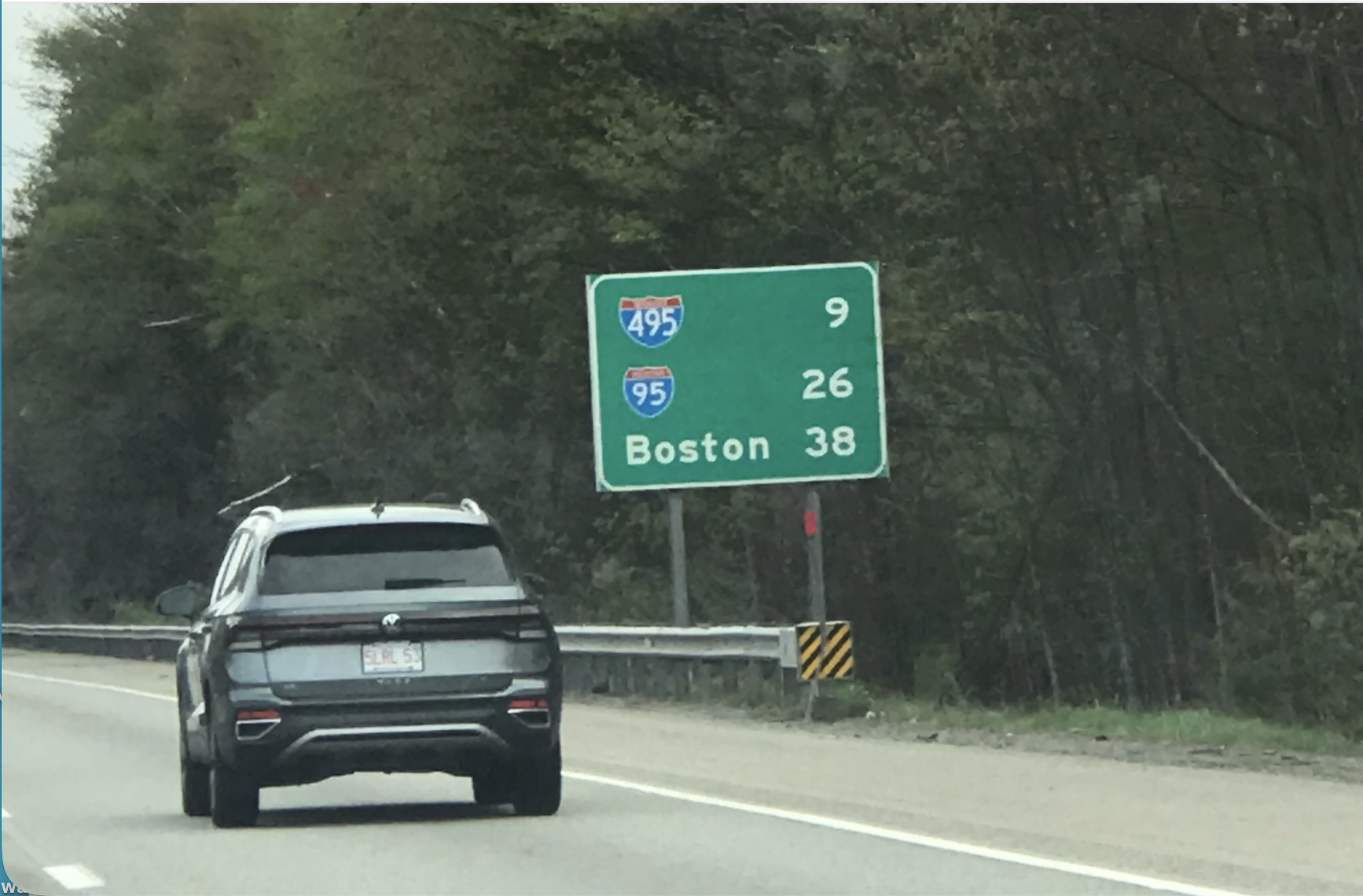
On the way to Boston this past Friday, May 8, from New Jersey. (Photo by me.) Unsurprisingly, we were behind a car with Massachusetts plates…I think.

My wife Laurel and I were in Boston the past couple days picking up our younger daughter Maria from her first year of college, meaning I didn’t have a lot of time to write. Because of that, I figured I’d rerun a post…and it seemed appropriate to have that literature piece be about educators — whether professors or teachers of younger students. But I’ve done several posts over the years featuring fictional (and actual) educators, so I decided to reference all of them.

In 2023, I discussed real-life authors who also are or were professors.

“And why not?,” I wrote back then. “Teaching uses different creative muscles, is a source of additional income (not all well-known novelists are rich), gets authors away from their solitary writing desks into some semblance of the real world, enables them to help budding writers, gives them insight into what young people are thinking, etc. Perhaps their teaching also indirectly infuses their own writing, or even directly if a book they pen has an academic setting. On the other hand, teaching time does take away from writing time.”

I added, “In some cases, dual-duty authors were professors who later became novelists. But perhaps in more cases, they first gained some renown as novelists — after which universities came a-calling.”

The living and deceased authors/professors I named in that 2023 post included Jhumpa Lahiri (Barnard College); Toni Morrison (Princeton University, Rutgers University, etc.); Joyce Carol Oates (Princeton, University of California, Berkeley); Jeffrey Eugenides (Princeton, New York University); Zadie Smith (also NYU); Viet Thanh Nguyen (University of Southern California); Junot Diaz (Massachusetts Institute of Technology); Kent Haruf (Nebraska Wesleyan University); Vladimir Nabokov (Wellesley College, Cornell University); and J.R.R. Tolkien (University of Oxford).

In 2021, 2015, and 2012 posts (the earliest one for The Huffington Post two years before this blog’s 2014 launch), I discussed fictional educators. Many who are as smart, hardworking, and compassionate as some of our favorite real-life teachers we might fondly recall when reading about fictional ones.

Literature’s memorable educators include — among others — Anne Shirley in Anne of Avonlea, the first sequel to L.M. Montgomery’s Anne of Green Gables; Charles Chipping of James Hilton’s Goodbye, Mr. Chips; Ricky Braithwaite of E.R. Braithwaite’s autobiographical novel To Sir, With Love; Dan Needham of John Irving’s A Prayer for Owen Meany; and Jane Eyre, briefly a teacher in Charlotte Bronte’s novel after that character spent a longer time as a teacher of another sort: being a governess.

Children’s fiction also has some great teachers — with one I mentioned in a previous post being Ms. Frizzle of The Magic School Bus books written by Joanna Cole and illustrated by Bruce Degen.

Of course, not all teachers are terrific and/or admirable. In past posts I cited the bumbling Gilderoy Lockhart of J.K. Rowling’s Harry Potter series; the charismatic but fascist-leaning title character in Muriel Spark’s The Prime of Miss Jean Brodie; the means-well-but-overwhelmed Ida Ramundo of Elsa Morante’s novel History; and the comedic-but-a-bit-irresponsible Aimee Lanthenay of Colette’s Claudine at School.

When previously naming fictional professors, I noted that a number of them are quirky — which obviously can make for interesting reading. I added: “There can be drama in their interactions with students, in their competitive relationships with fellow profs, in their sometimes-fraught encounters with university administrators, in their quests for tenure, and in the whole publish-or-perish thing. All that makes up for the fact they are (usually) not the heroic, adventurous sorts who can make readers turn pages faster than tuition payments drain a bank account.”

Among literature’s other fictional profs are Howard Belsey and Monty Kipps of Zadie Smith’s On Beauty; Gauri Mitra of Jhumpa Lahiri’s The Lowland; William Stoner of John Williams’ Stoner; Virginia “Vinnie” Miner and Fred Turner of Alison Lurie’s Foreign Affairs; Tony Fremont (a woman) of Margaret Atwood’s The Robber Bride; Humphrey Clark of Margaret Drabble’s The Sea Lady; Grady Tripp of Michael Chabon’s Wonder Boys; and Godfrey St. Peter of Willa Cather’s The Professor’s House.

I asked this before in previous posts on this topic, but you’re welcome to again name some of your favorite fictional educators.

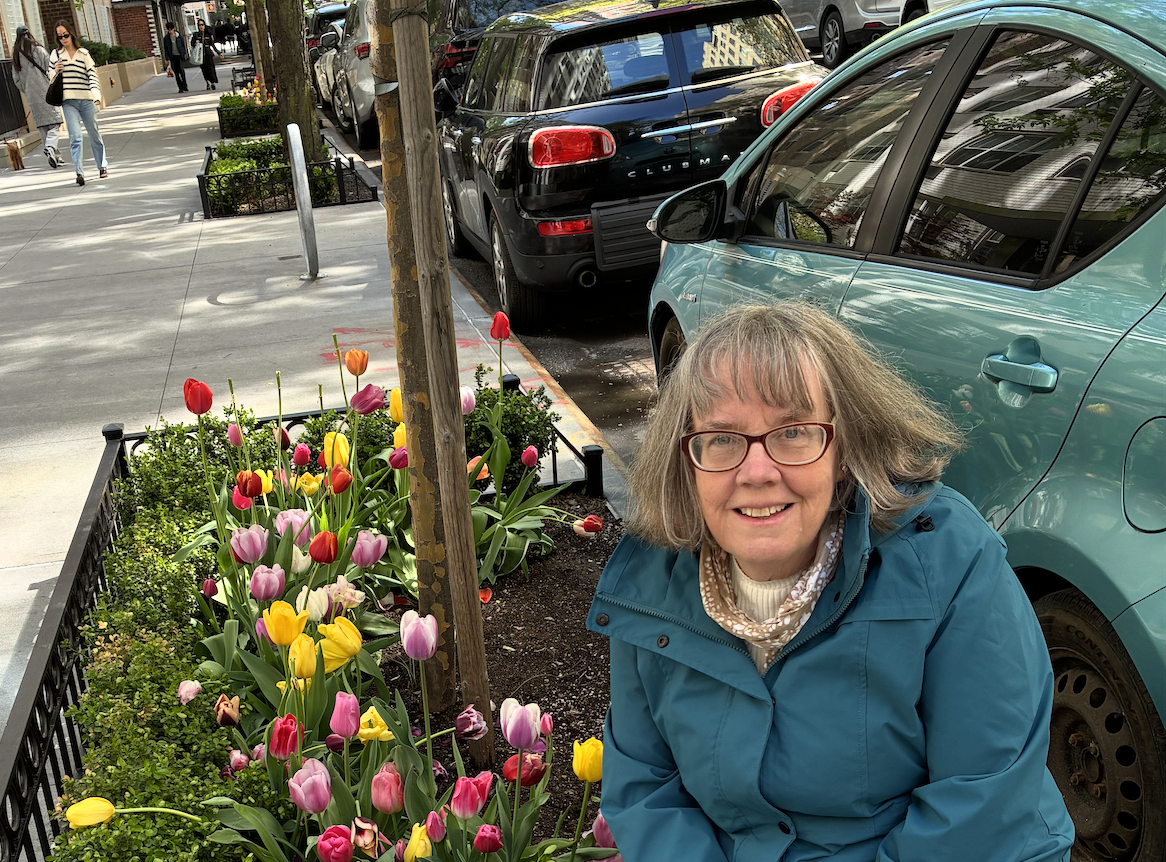
Happy Mother’s Day to my wife Laurel, who is…a professor. 🙂 This photo of her was taken last month in New York City.
Misty the cat says: “My teen human is home from college, so I sleep extra in celebration.”

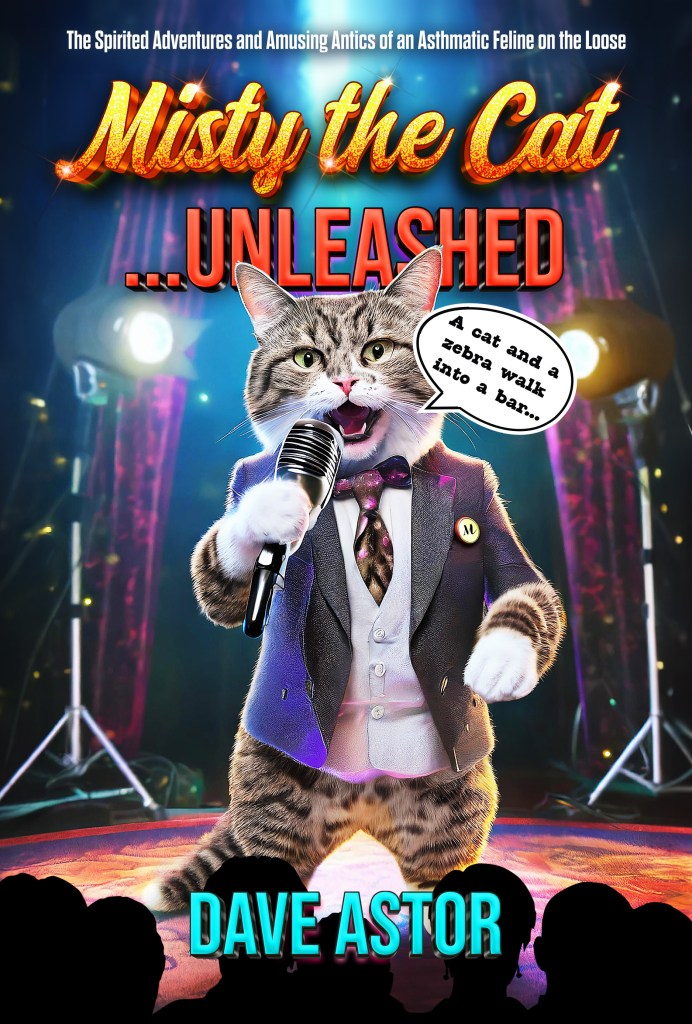
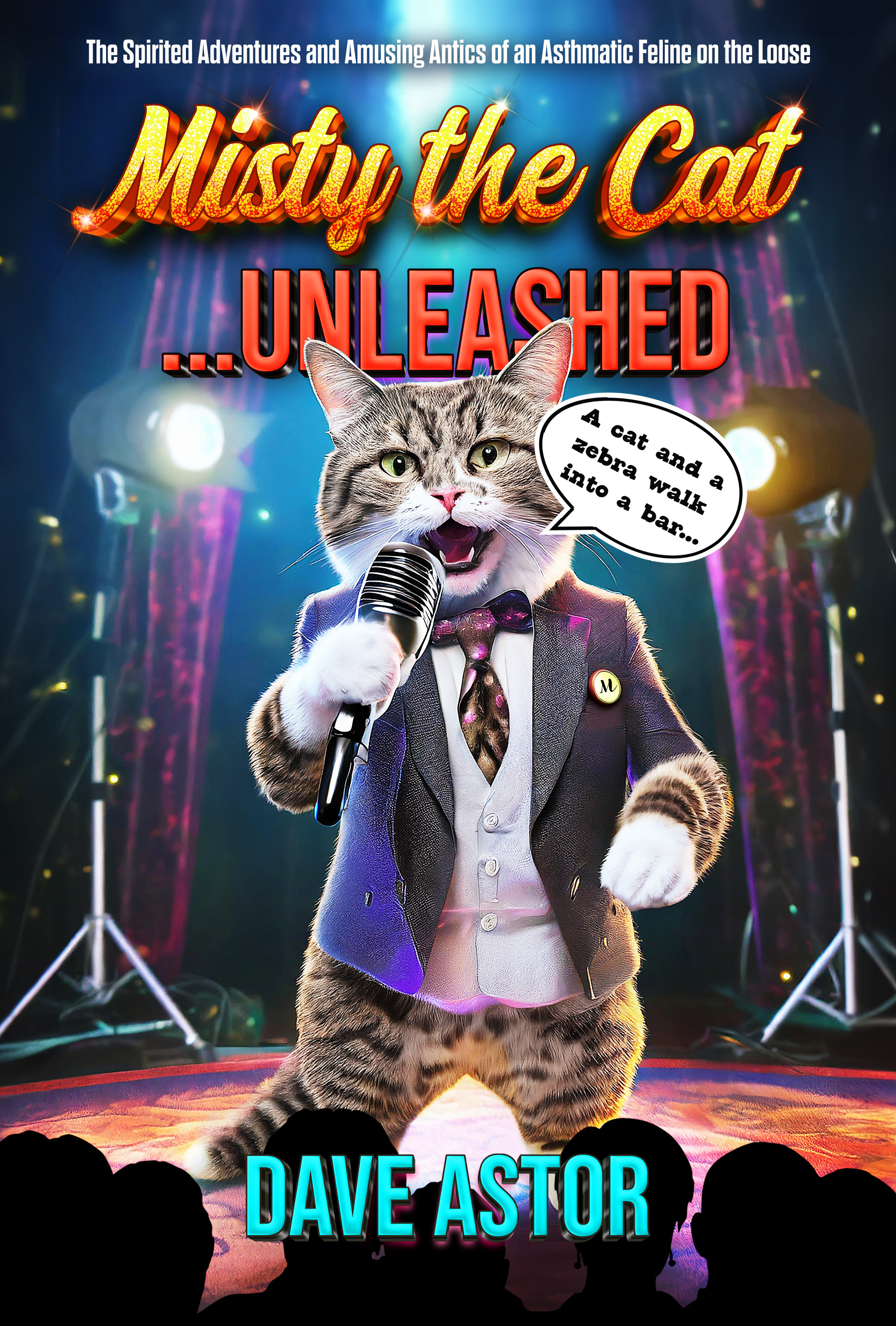
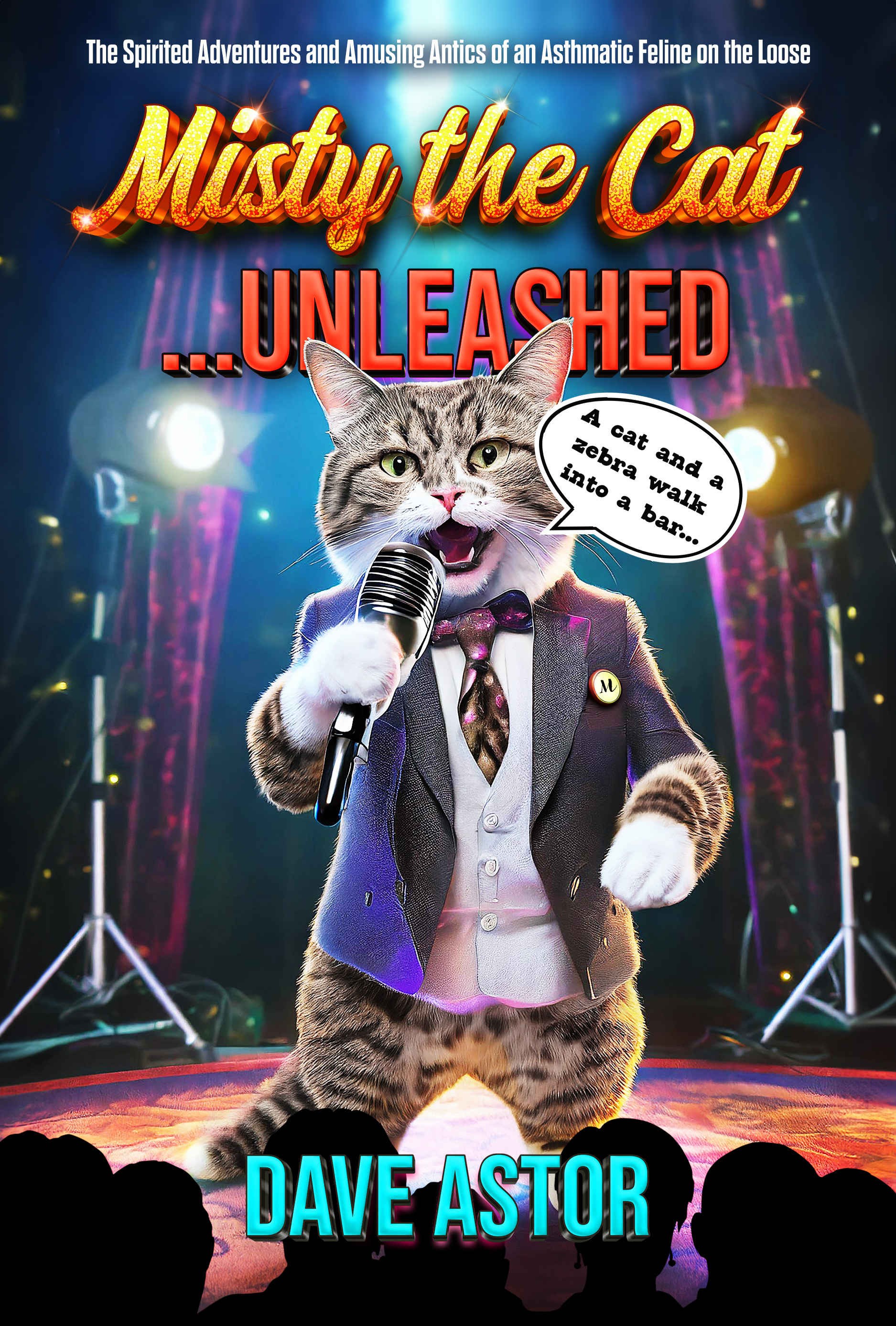
My comedic 2024 book — the part-factual/part-fictional/not-a-children’s-work Misty the Cat…Unleashed — is described and can be purchased on Amazon in paperback or on Kindle. It’s feline-narrated! (And Amazon reviews are welcome. 🙂 )
This 90-second promo video for the book features a talking cat: 🙂

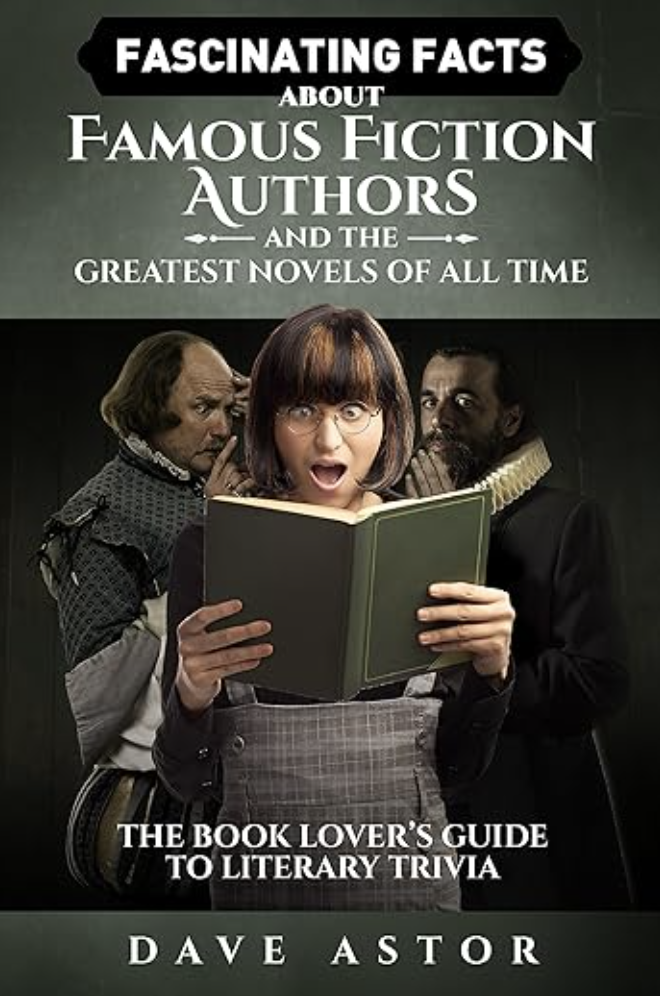
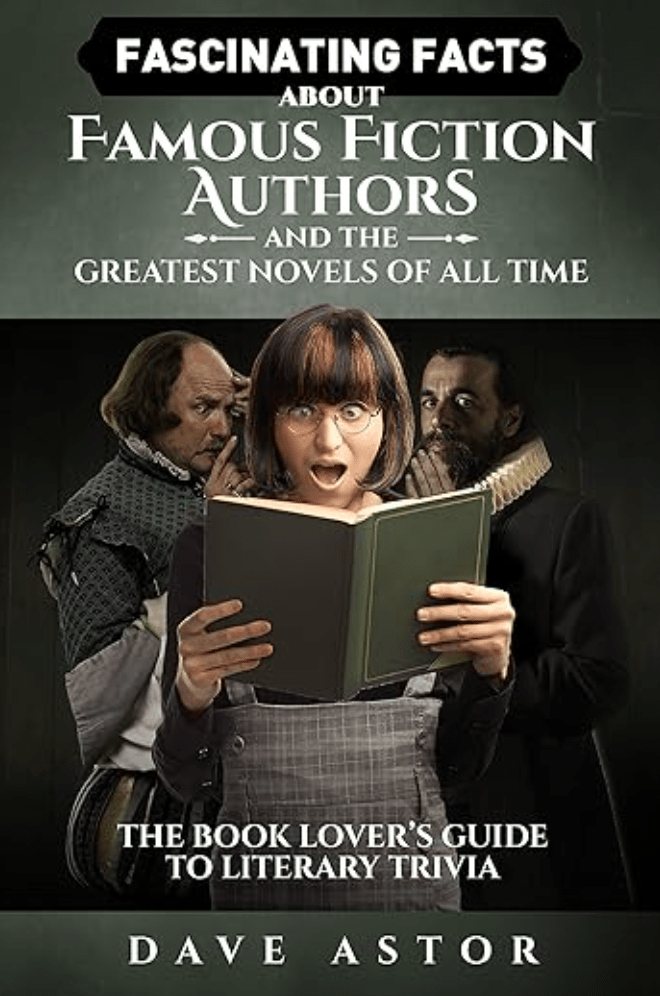
I’m also the author of a 2017 literary-trivia book

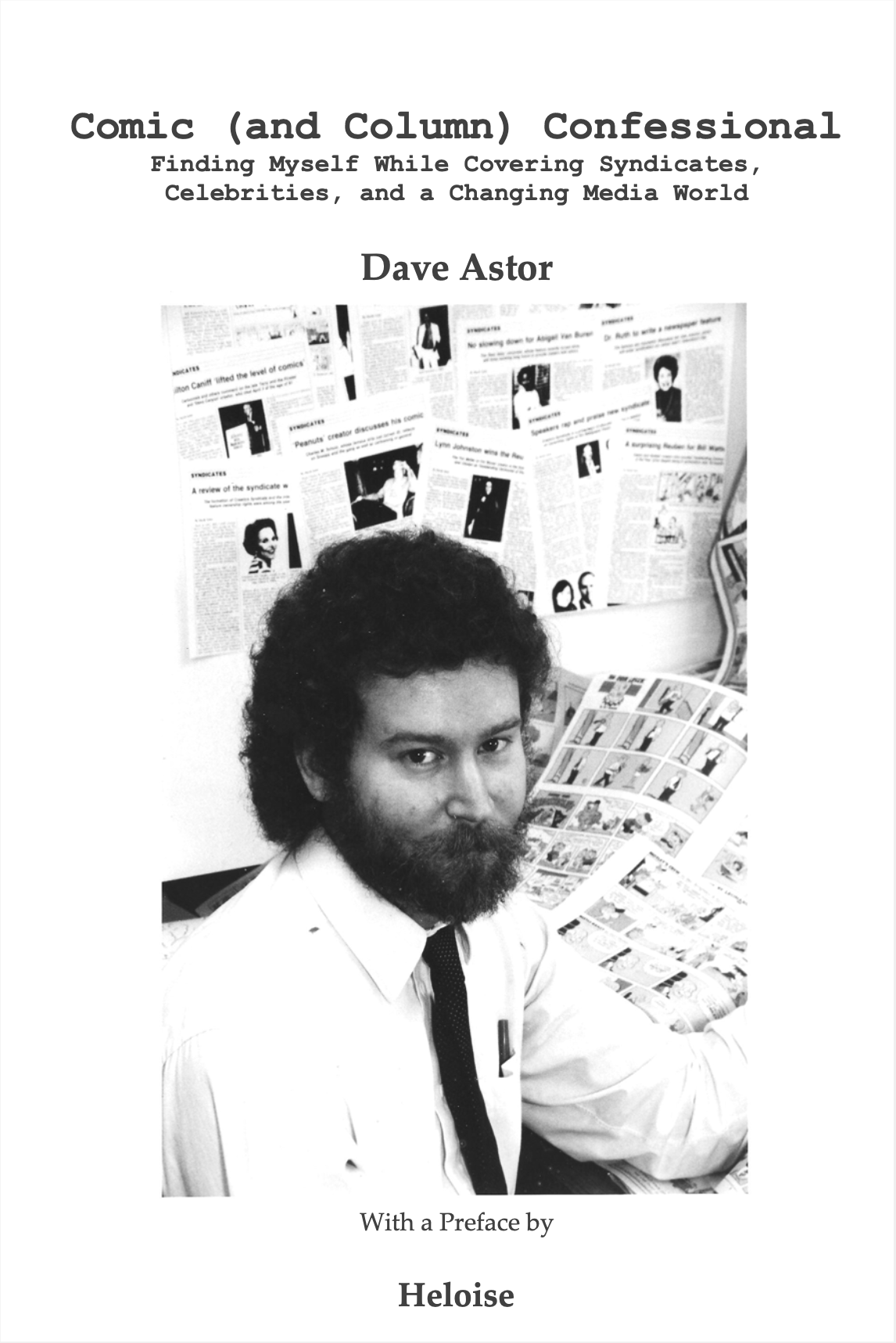
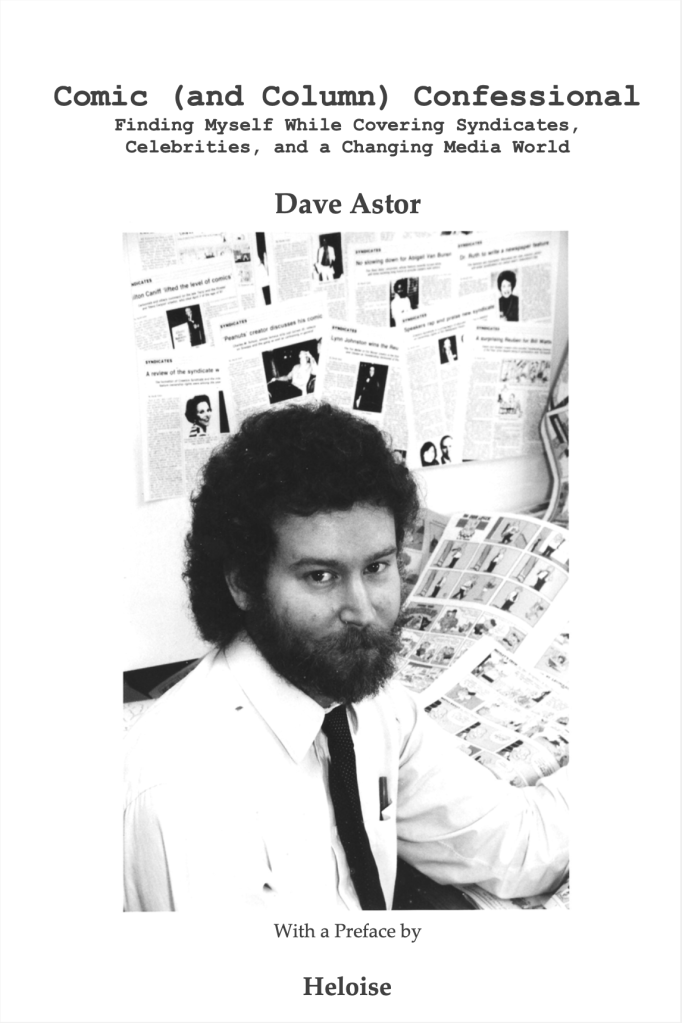
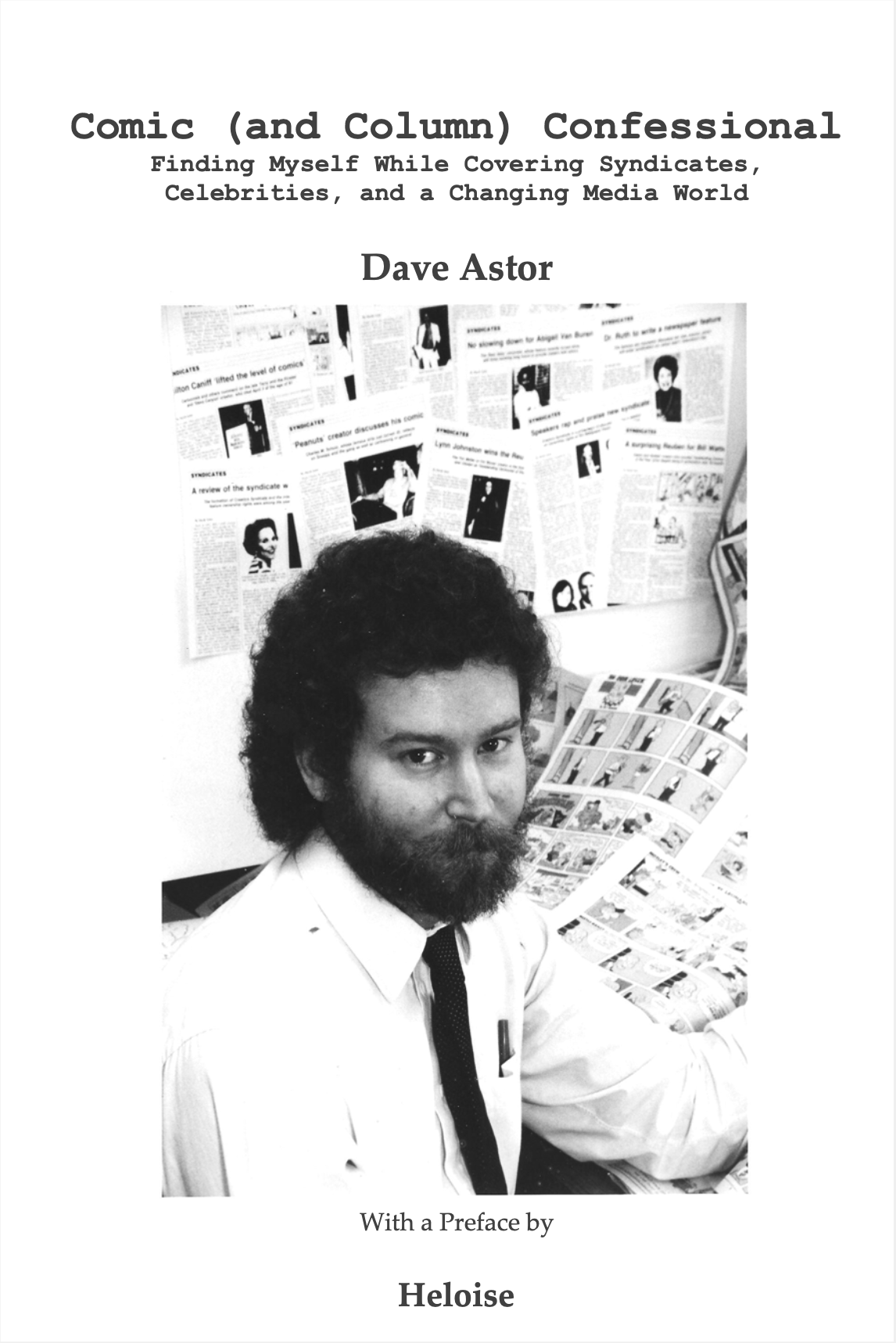
…and a 2012 memoir that focuses on cartooning and more, including many encounters with celebrities.
In addition to this weekly blog, I write the 2003-started/award-winning “Montclairvoyant” topical-humor column every Thursday for Montclair Local. The latest piece — which discusses my town’s grim school budget and more — is here.
1930s Novels Remind Us of Today

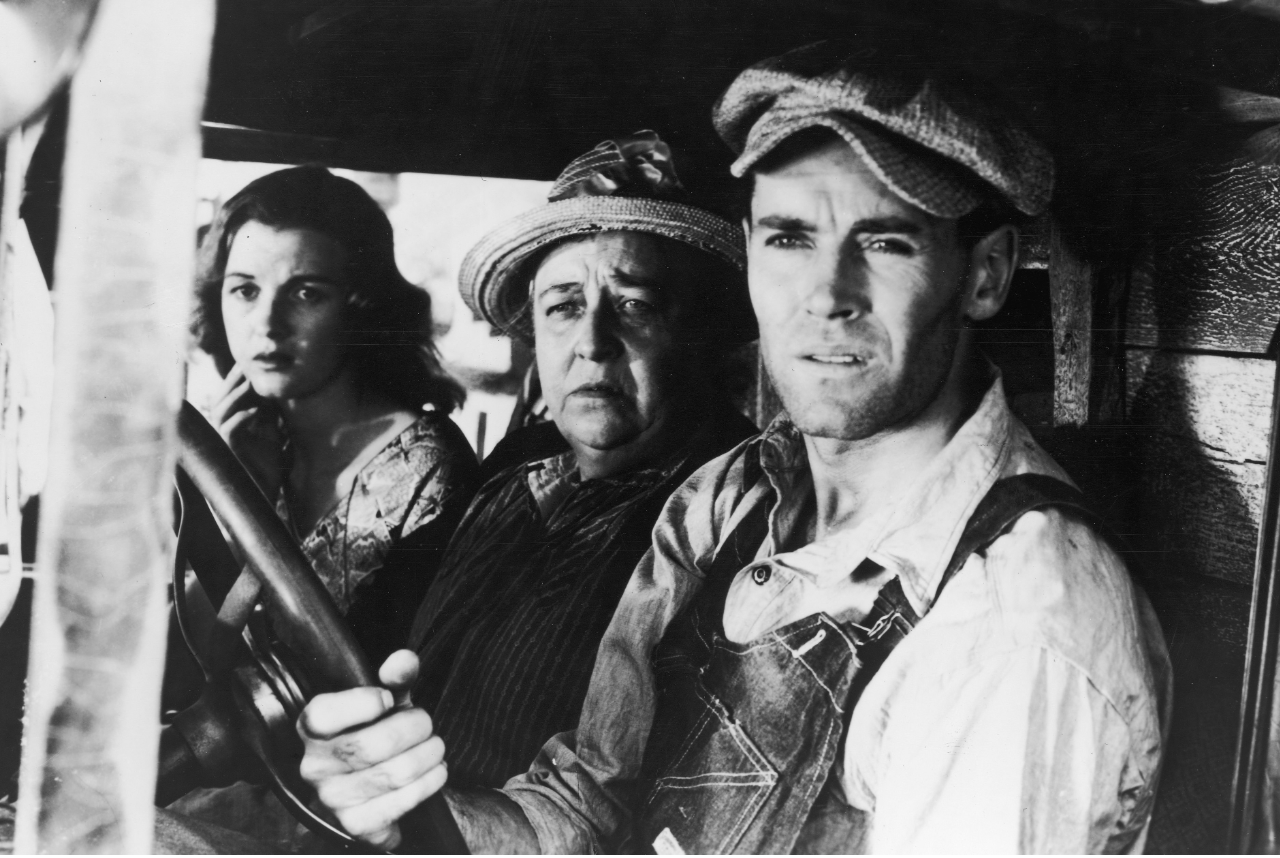
From The Grapes of Wrath movie. (20th Century Fox/Getty Images.)

After mentioning Daphne du Maurier’s great 1938 novel Rebecca in last week’s post about Gothic fiction, I thought of other books from that decade and how those years were a significant time in literature as well as quite relevant to the 2020s. After all, both decades had/have war, a rise in authoritarianism, major economic problems, and more.

So, I’m going to discuss a number of novels I’ve read, and a few I haven’t, that were published in the 1930s.

One that immediately came to mind is John Steinbeck’s 1939 classic The Grapes of Wrath, which focused on the Joad family but also took a wider look at the impact of The Great Depression bedeviling the U.S (and most of the world) that decade.

Steinbeck also wrote other notable 1930s novels — including Tortilla Flat (1935), In Dubious Battle (1936), and Of Mice and Men (1937) — that reflected social conditions. In Dubious Battle focused on a strike, fitting for a decade when labor flexed its muscles.

It Can’t Happen Here (1935) is a dystopian Sinclair Lewis novel imagining the rise of fascism in the U.S. — making it almost a primer for current dictator wannabe Donald Trump. (Although Trump is notoriously known for not reading books.)

War? Two of Erich Maria Remarque’s lesser-known novels: The Road Back (1931) and Three Comrades (1936) — have World War I elements. (The Road Back was a sequel of sorts to Remarque’s 1929-published All Quiet on the Western Front.) The American Civil War is a backdrop to Margaret Mitchell’s Gone with the Wind (1936). And Dalton Trumbo’s Johnny Got His Gun (1939) makes a powerful antiwar statement.

The 1930s were also significant writing years for William Faulkner: As I Lay Dying (1930), about a family and its journey to bury their matriarch; Light in August (1932), whose characters include a multiracial (?) drifter; and other works.

Then there was the 1934 publication of F. Scott Fitzgerald’s perhaps second-best novel, the semi-autobiographical Tender Is the Night.

Three years later, Zora Neale Hurston’s Their Eyes Were Watching God (1937) featured the memorable experiences of protagonist Janie Crawford.

That decade’s other notable book releases included — to name just a few — Mildred Benson’s The Secret of the Old Clock (1930), the first Nancy Drew mystery; Dashiell Hammett’s The Maltese Falcon (1930), featuring private investigator Sam Spade; Dorothy L. Sayers’ Strong Poison (1930), with mystery writer Harriet Vane and Lord Peter Wimsey; Pearl S. Buck’s China-set classic The Good Earth (1931); Aldous Huxley’s dystopian classic Brave New World (1932); and Erskine Caldwell’s Tobacco Road (1932).

Also: James Hilton’s Lost Horizon (1933), set in a mythical paradise; Daphne du Maurier’s Jamaica Inn (1936), which was also mentioned in last week’s blog post about Gothic fiction; Ernest Hemingway’s To Have and Have Not (1937), starring a fishing captain; J.R.R. Tolkien’s The Hobbit (1937), the fantasy novel that became the prequel to the 1950s-published The Lord of the Rings trilogy; Marjorie Kinnan Rawlings’ The Yearling (1938), about a boy and his fawn; Agatha Christie’s mystery And Then There Were None (1939); and Raymond Chandler’s The Big Sleep (1939), starring sleuth Philip Marlowe.

While writing this, I remembered that I had done a 2023 piece focusing on novels published in 1937. But the other years in that decade were not included in that post. 🙂

My list of 1930s novels is of course incomplete. Your favorites from that decade, whether mentioned by me or not?

Misty the cat says: “I own all this land, but where did I put the deed?”

My comedic 2024 book — the part-factual/part-fictional/not-a-children’s-work Misty the Cat…Unleashed — is described and can be purchased on Amazon in paperback or on Kindle. It’s feline-narrated! (And Amazon reviews are welcome. 🙂 )

This 90-second promo video for the book features a talking cat: 🙂

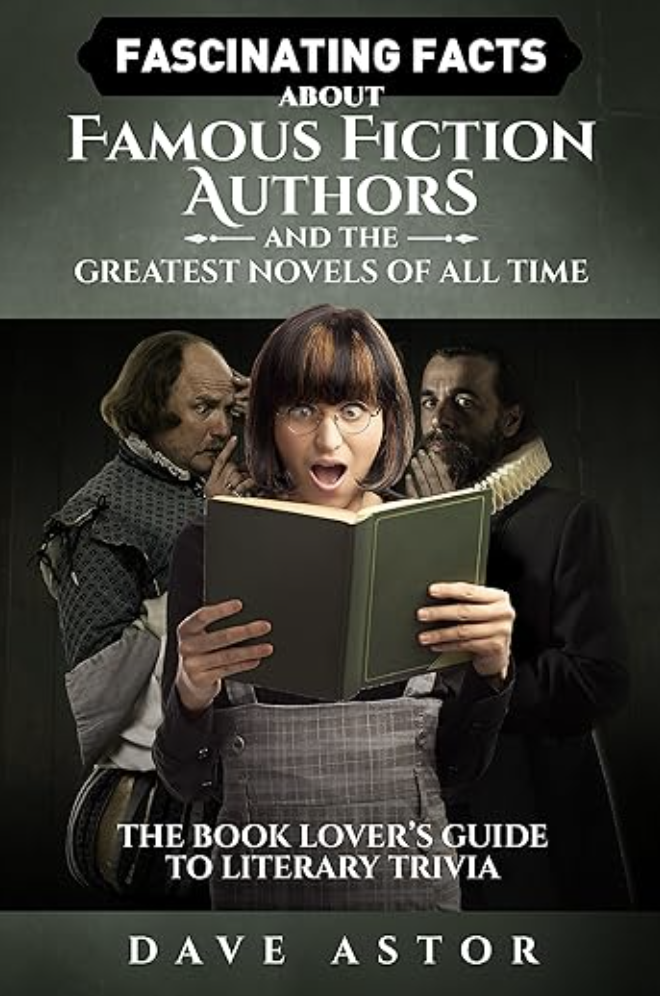
I’m also the author of a 2017 literary-trivia book

…and a 2012 memoir that focuses on cartooning and more, including many encounters with celebrities.

In addition to this weekly blog, I write the 2003-started/award-winning “Montclairvoyant” topical-humor column every Thursday for Montclair Local. The latest piece — which has a literature theme connected to local news in my town — is here.

‘The Good Earth’ and Not-So-Good Movie Casting

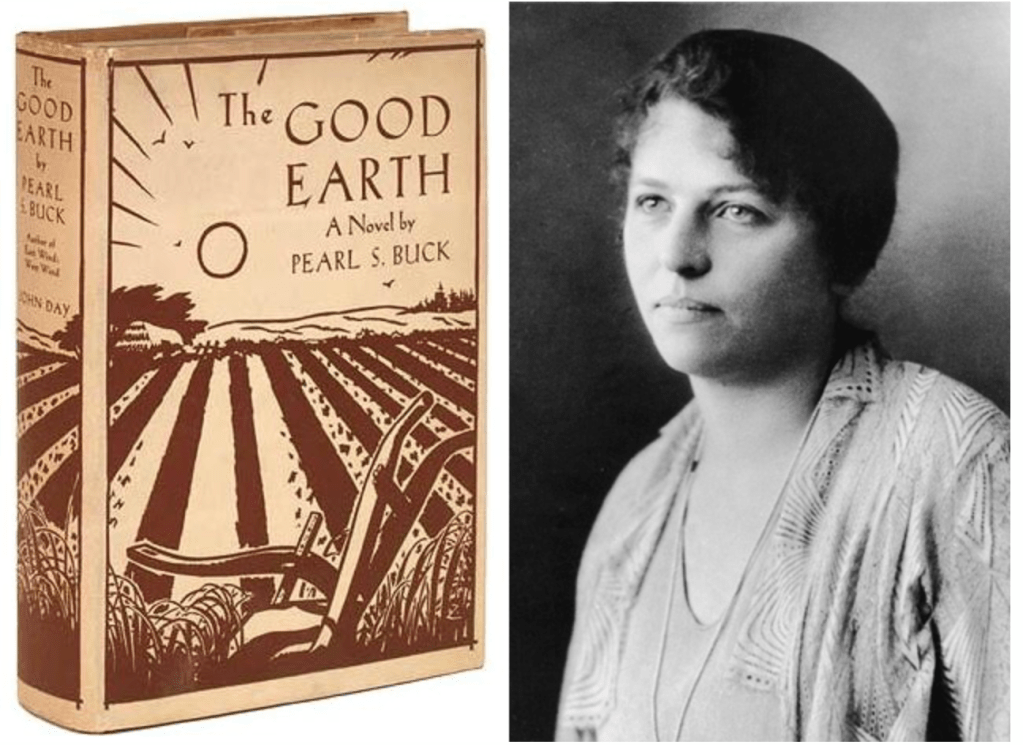
I reread Pearl S. Buck’s novel The Good Earth this month, and was again impressed with how compelling that 1931 classic is. Buck’s depiction of the relationship between Chinese peasant farming couple Wang Lung (hardworking/ambitious) and O-Lan (hardworking/stoic) was something to behold — as was Wang’s eventual, disappointing lack of respect for that marriage as he became more “successful” in life.

Normally I’d consider watching the movie version of a novel, but I’ll take a pass on this one. That’s because The Good Earth film of 1937 stars two white performers — Paul Muni and Luise Rainer — as Wang and O-Lan despite Buck wanting Chinese or Chinese-American performers. (Some lesser roles in the movie went to people of Asian descent.) Of course, Buck was not of Asian descent herself, but did spend many years of her childhood and adulthood in China.

Hollywood’s racist/catering-to-what-much-of-the-public-supposedly-wanted “whitewashing” of characters of color was not unusual back in the day, even as the practice continued here and there in more-recent decades.

For instance, 1994’s The House of the Spirits movie based on Isabel Allende’s terrific 1982 novel of the same name was justly criticized for having non-Hispanic actresses and actors in most of the major roles. Great performers — Meryl Streep, Glenn Close, Jeremy Irons, Winona Ryder, Vanessa Redgrave, etc. — but not the right ethnicity for the parts.

Miscasting also happened when white actor Alec Guinness played Indian character Professor Narayan Godbole in the 1984 film based on E.M. Forster’s 1924 novel A Passage to India.

In 1997, white actor Casper Van Dien was Johnny Rico in a film based on Robert A. Heinlein’s 1959 sci-fi novel Starship Troopers. In the book, the character was Juan “Johnny” Rico, of Filipino descent.

Also, Mexican-American attorney Mickey Haller from Michael Connelly’s 2005 novel The Lincoln Lawyer and its sequels was played in a 2011 movie by white actor Matthew McConaughey. This was rectified in a later TV series starring Manuel Garcia-Rulfo.

In addition, the 2003 film based on Philip Roth’s 2000 novel The Human Stain starred Anglo actor Anthony Hopkins as Professor Coleman Silk, an African American who “passes” as white.

The white Mickey Rooney played an Asian supporting character in the 1961 movie version of Truman Capote’s 1958 novella Breakfast at Tiffany’s.

Returning to the 1930s, white actor Sam Jaffe got the part of the ancient Asian “High Lama” in the Lost Horizon film (1937) based on James Hilton’s mesmerizing 1933 novel of the same name.

The King and I film (1956) based on Margaret Landon’s novel Anna and the King of Siam (1944) starred Yul Brynner, a white actor, as Asian royalty.

William Shakespeare’s character Othello has been played in movie versions by white actors such as Orson Welles (1951) and Laurence Olivier (1965). A shame that renowned African-American actor/singer/activist Paul Robeson — who memorably portrayed Othello on the stage multiple times — wasn’t invited to do a movie version. (Robeson died on January 23, 1976 — 50 years ago as of this past Friday.)

Of course, there have been some instances in recent decades where performers of color have portrayed fictional or real-life white people — including Black actor Morgan Freeman as Red in the 1994 film The Shawshank Redemption based on a Stephen King story, and Black actress Noma Dumezweni as the adult Hermione Granger in the play Harry Potter and the Cursed Child inspired by J.K. Rowling’s Harry Potter novels. This kind of casting also happened in Lin-Manuel Miranda’s blockbuster musical Hamilton and in a production of Arthur Miller’s Death of a Salesman I saw in my town about 15 years ago. I have no problem with these infrequent occurrences; I see them as compensation of sorts for white performers historically getting most of the best roles.

Your thoughts about, and examples of, this topic?

An added, somewhat-related comment: In the United States, “law enforcement” has a vile history of murdering people of color who are either innocent or committed minor infractions. Yesterday, the Trump regime’s Gestapo-like federal agent thugs added to their crimes against innocent non-white Americans by murdering a second innocent white Minnesotan this month — both of whom (Renee Nicole Good and ICU nurse Alex Pretti) tragically found themselves in the “role” of people of color victimized by out-of-control “policing.” If there is any justice, Trump as well as his sociopathic administration appointees and masked “law enforcement” goons will all end up in prison someday.

Misty the cat says: “I will only go out in the snow today if someone gifts me their Nobel Prize.”

My comedic 2024 book — the part-factual/part-fictional/not-a-children’s-work Misty the Cat…Unleashed — is described and can be purchased on Amazon in paperback or on Kindle. It’s feline-narrated! (And Amazon reviews are welcome. 🙂 )

This 90-second promo video for the book features a talking cat: 🙂

I’m also the author of a 2017 literary-trivia book

…and a 2012 memoir that focuses on cartooning and more, including many encounters with celebrities.

In addition to this weekly blog, I write the 2003-started/award-winning “Montclairvoyant” topical-humor column every Thursday for Montclair Local. The latest piece — about an upcoming special congressional election and more — is here.

Optimistic Fiction Can Be Optimal

Election Day on November 4 brought some good news during a very dark year for American politics. Various progressive and centrist candidates decisively won state and local races that were in part votes against the cruel, far-right Trump regime — providing some hope for people who want kinder and gentler government.

The highlight for me was the resounding victory of Zohran Mamdani over Andrew Cuomo for mayor of New York City, where I used to live and work — and just 12 miles east of my current apartment in New Jersey. Mamdani ran a masterful campaign focusing on affordability, enabling the 34-year-old Democrat/democratic socialist to become NYC’s youngest mayor in over a century and its first Muslim mayor when he’s sworn in on January 1. Cuomo — who ran as an independent after losing the Democratic primary to Mamdani in June — is a mean-spirited, Trump-like figure (even endorsed by the Republican president!) who resigned in disgrace as New York governor in 2021 after being credibly accused of sexual misconduct by 13 women, after causing many deaths by allowing nursing homes to readmit hospital patients with Covid, etc.

Being in a good mood, I thought I’d write a post about novels that are utopian — or at least contain a lot of hope, feature extraordinarily nice characters, etc. I’ve written before about dystopian novels, so it’s a pleasure to go the opposite route today. 🙂

One utopian novel I thought of is Edward Bellamy’s Looking Backward (1888), in which Boston-based protagonist Julian West travels forward in time from 1887 to 2000 and finds that society is doing pretty well in a democratic socialist sort of way. (Reminded me a bit of the Star Trek franchise’s often sunny view of the future.) We get the added bonus in Looking Backward of the debit card being invented by the author — who, incidentally, was a cousin of “Pledge of Allegiance” writer Francis Bellamy.

I also thought of Island (1962), Aldous Huxley’s final novel. As utopian as the author’s Brave New World was dystopian, Island features a cynical journalist who lands on an…island…and finds himself observing a very appealing society. Not one of Huxley’s best novels, but it was interesting to get a feel-good story from him.

There’s also Lost Horizon, James Hilton’s 1933 novel about a visit to an idyllic place called Shangri-La. The part-utopian tale is mesmerizing.

Both utopian and cautionary is Nathaniel Hawthorne’s A Blithedale Romance (1852), set in a commune that’s not as wonderful as it ideally could be. In fact, the semi-autobiographical novel kind of satirizes would-be utopian life.

Not-utopian novels that are mostly upbeat and/or heartwarming are semi-utopian in a way, as can be books that offer happy endings after the protagonist faces challenges. I’m looking at you, L.M. Montgomery; her novel The Blue Castle (1926) and its Valancy Stirling star are real mood-lifters. There are of course many other nice, kind characters — such as Tiny Tim of Charles Dickens’ A Christmas Carol (1843) — with positive outlooks on life even if life, in some cases, has dealt them a bad hand.

The novel I read most recently, The Chemist (2016) by Stephenie Meyer of Twilight fame, is a page-turning thriller that focuses on the tough, brainy, loner, brave-but-often-insecure female title character who goes by different names. As this small-in-physical-stature former government agent tries to fend off multiple murder attempts, she meets a teacher (Daniel) who is about as sweet and amiable as it gets.

Thoughts about and/or examples of this theme?

My next post will appear either later than usual on Sunday, November 16, or on Monday the 17th.

Misty the cat says: “As leaves turn brown, it’s either autumn or Snickers bars have a new look.”

My comedic 2024 book — the part-factual/part-fictional/not-a-children’s-work Misty the Cat…Unleashed — is described and can be purchased on Amazon in paperback or on Kindle. It’s feline-narrated! (And Amazon reviews are welcome. 🙂 )

This 90-second promo video for the book features a talking cat: 🙂

I’m also the author of a 2017 literary-trivia book

…and a 2012 memoir that focuses on cartooning and more, including many encounters with celebrities.

In addition to this weekly blog, I write the 2003-started/award-winning “Montclairvoyant” topical-humor column every Thursday for Montclair Local. The latest piece — commenting on election results in my town, New Jersey, and New York City — is here.