Fictional Characters Inspired by Real-Life People

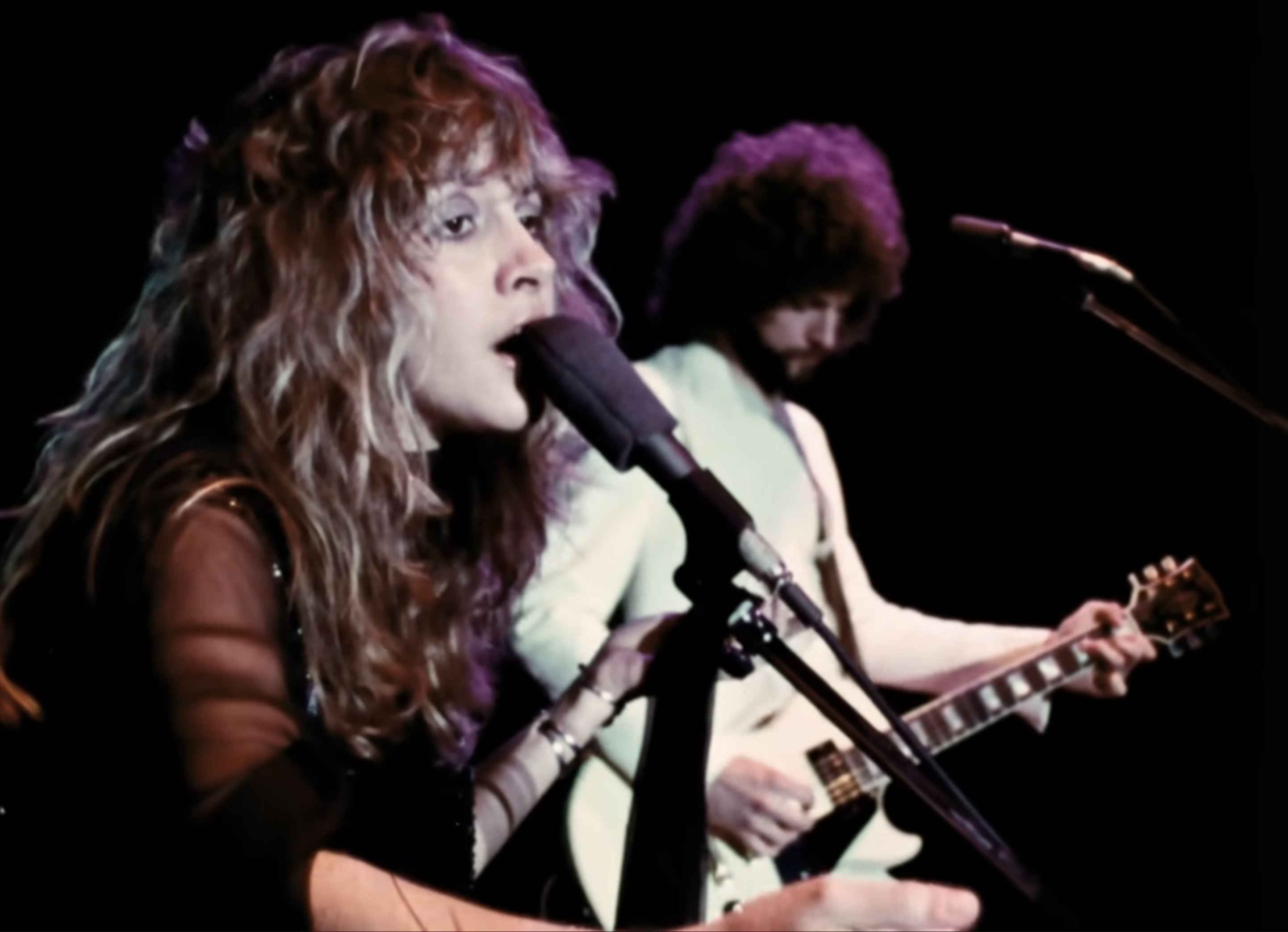
Fleetwood Mac’s Stevie Nicks (left) and bandmate Lindsey Buckingham in the official video for the Nicks-written 1977 song “Dreams.” (Screenshot by me.)

Fiction is of course not always totally fiction. One example of that is when authors create characters inspired by real-life people, even if those fictional characters are often different in significant ways. 

This approach can certainly be compelling for readers as they look for the similarities and differences between the created people and the actual people – and wait to see where authors take these hybrid humans. Also, authors are helped by having a factual template for creating fictional characters.
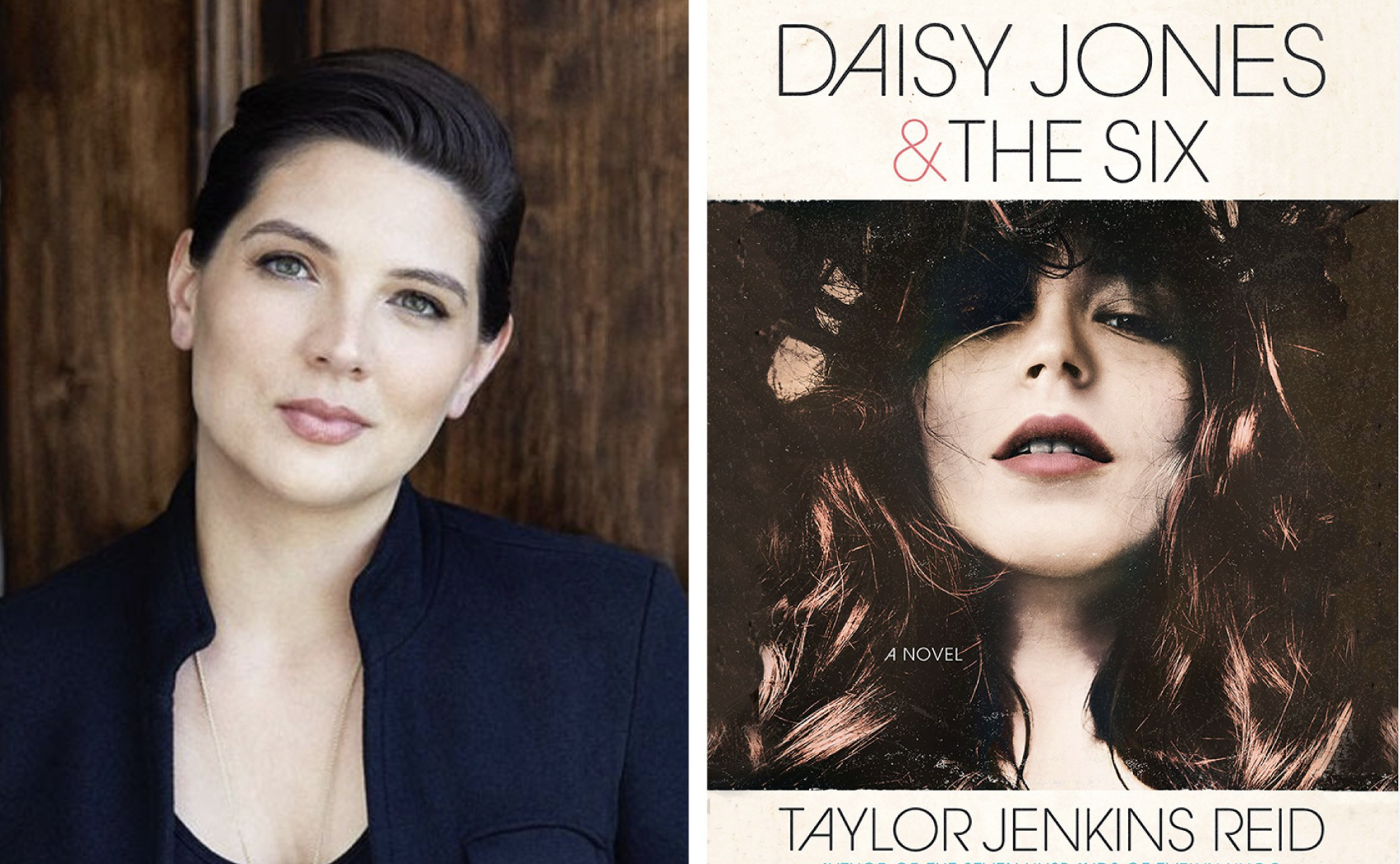
Taylor Jenkins Reid (above) took that approach in her 2019 novel Daisy Jones & The Six, which I read last week, about a fictional mega-popular 1970s band inspired by the real-life Fleetwood Mac. Daisy has some similarities to Stevie Nicks, an FM singer-songwriter, while Six member Billy Dunne has aspects of Lindsey Buckingham, another FM singer-songwriter as well as the band’s guitarist.

But there are differences. For instance, Nicks and Buckingham were real-life romantic partners before their breakup, while Daisy and Billy’s relationship has a different dynamic. Also, Daisy and Billy co-write a number of songs amid their love-hate feelings for each other, while Nicks and Buckingham each mostly composed their songs solo.

Another Six member is keyboardist Karen Sirko, loosely based on late Fleetwood Mac keyboardist/singer/songwriter Christine McVie. But, again, various differences between the two. 

A much different novel, All the King’s Men (1946) by Robert Penn Warren, stars a charismatic populist governor — Willie Stark – who begins as an idealist but ends up corrupt. Stark was clearly inspired by real-life Louisiana politician Huey Long.

F. Scott’s Fitzgerald’s 1925 classic The Great Gatsby includes several characters modeled on real-life people. Daisy Buchanan was inspired by socialite/heiress Ginevra King – a longtime romantic obsession of the author. And fictional Daisy’s fictional golfer friend Jordan Baker was based on Ginevra’s golfer friend Edith Cummings.

Three years later, Aldous Huxley’s 1928 novel Point Counter Point included the character of Mark Rampion as a D.H. Lawrence type.

In Harper Lee’s To Kill a Mockingbird (1960), Atticus Finch was inspired by the author’s attorney father Amasa Lee. And the young Scout Finch’s friend Dill Harris was based on Harper Lee’s childhood pal Truman Capote, the future author.

Looking to real-life people for novelistic inspiration of course predates 1900.

The title character in Bram Stoker’s 1897 novel Dracula was partly inspired by 15th-century Romanian prince Vlad the Impaler.

In Mary Shelley’s 1826 novel The Last Man, there are characters based on Percy Bysshe Shelley (the author’s late husband by that time) and Lord Byron.

Of course, authors often create characters who are like themselves – as was the semi-autobiographical case with the aforementioned Scout Finch (Harper Lee as a kid), The Last Man’s Lionel Verney (Mary Shelley gender-switched), My Antonia’s Jim Burden (Willa Cather also gender-switched), The Mill on the Floss’ Maggie Tulliver (based on George Eliot), Little Women’s Jo March (based on Louisa May Alcott), David Copperfield‘s title character (whose name flips Charles Dickens’ initials), Martin Eden‘s title character (whose initials spell “me” for author Jack London), etc.

Comments about, and examples of, this theme?

Misty the cat says: “Two more foundations and we’ll have Isaac Asimov’s ‘Foundation Trilogy.'”

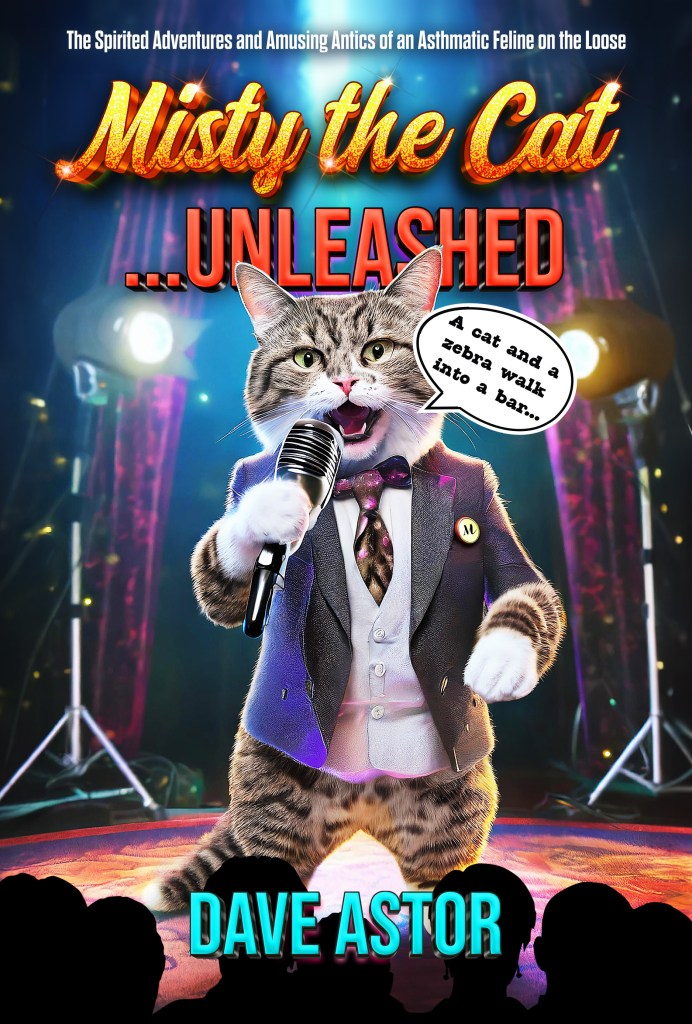
My comedic 2024 book — the part-factual/part-fictional/not-a-children’s-work Misty the Cat…Unleashed — is described and can be purchased on Amazon in paperback or on Kindle. It’s feline-narrated! (And Amazon reviews are welcome. 🙂 )
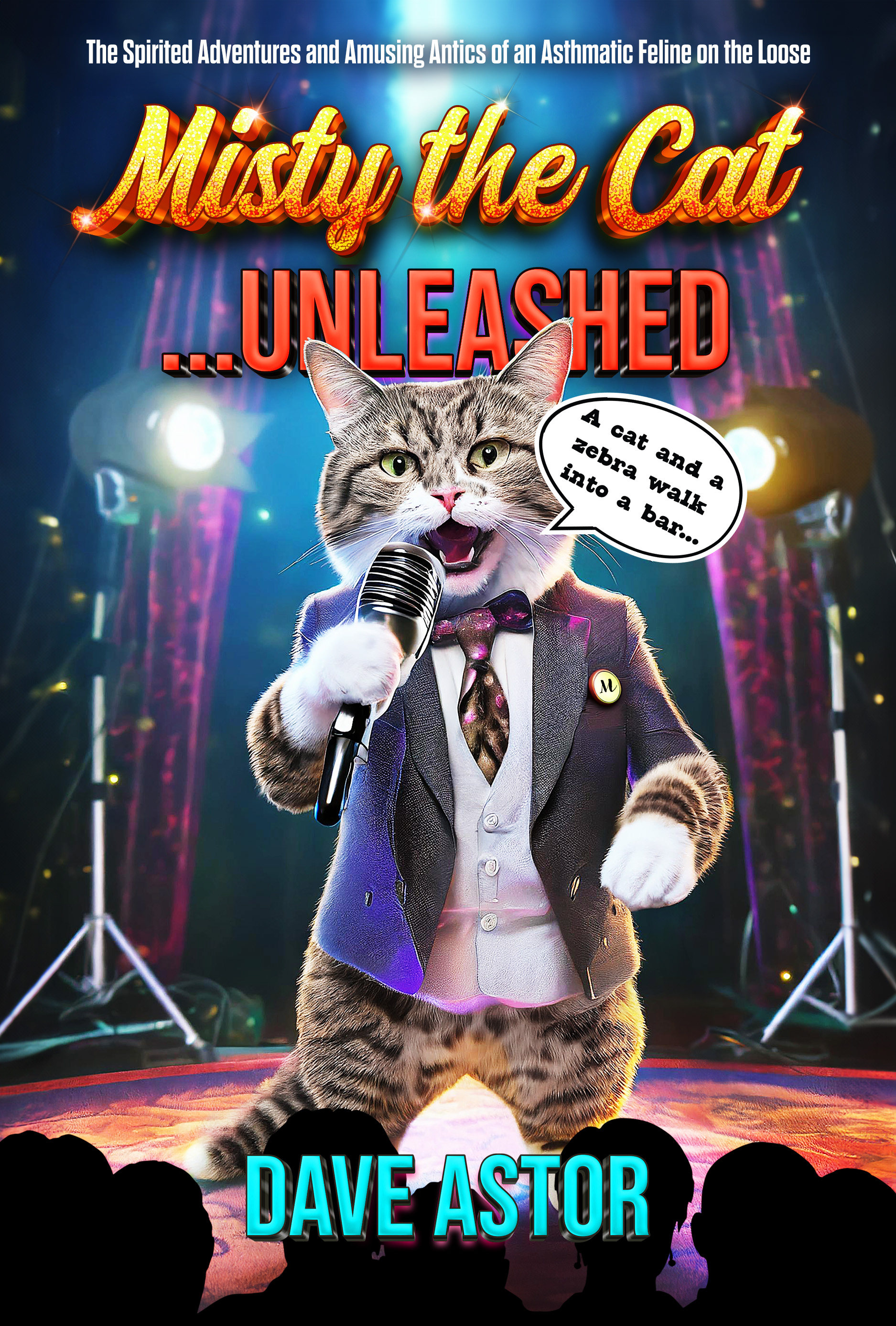
This 90-second promo video for the book features a talking cat: 🙂

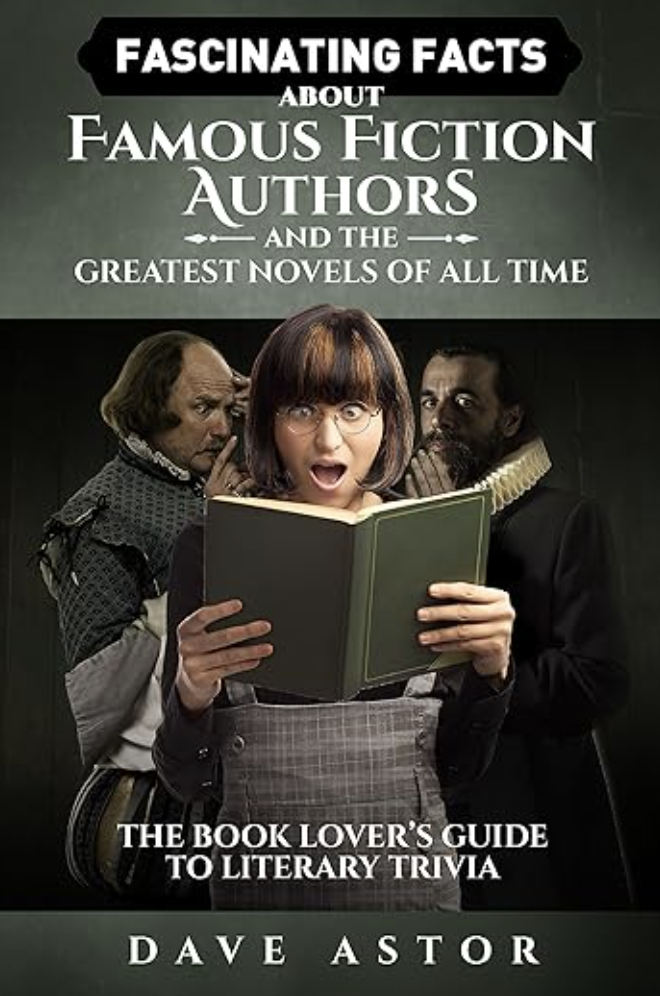
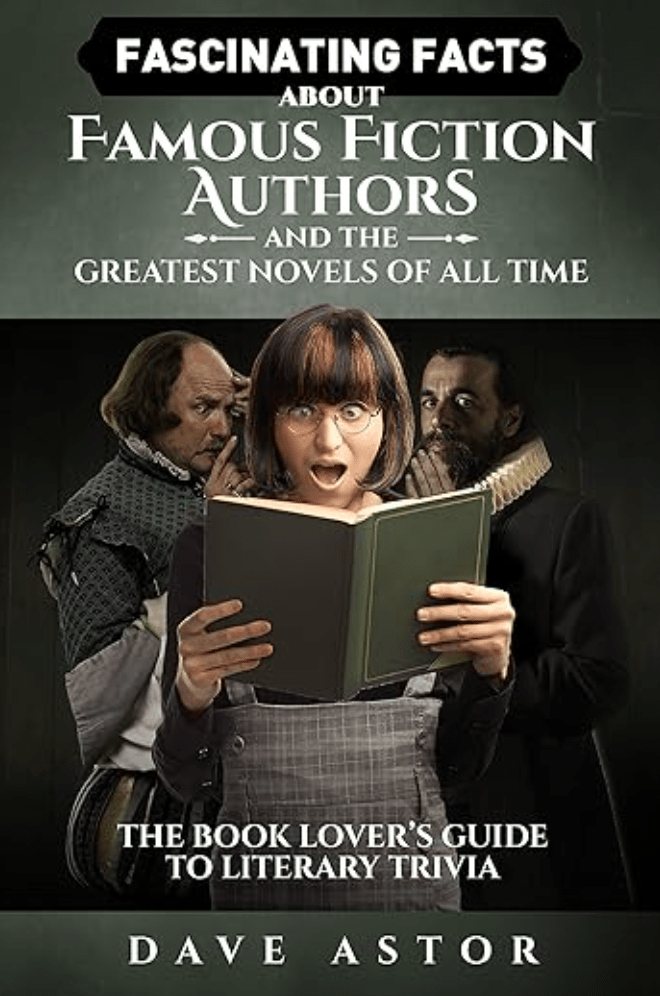
I’m also the author of a 2017 literary-trivia book

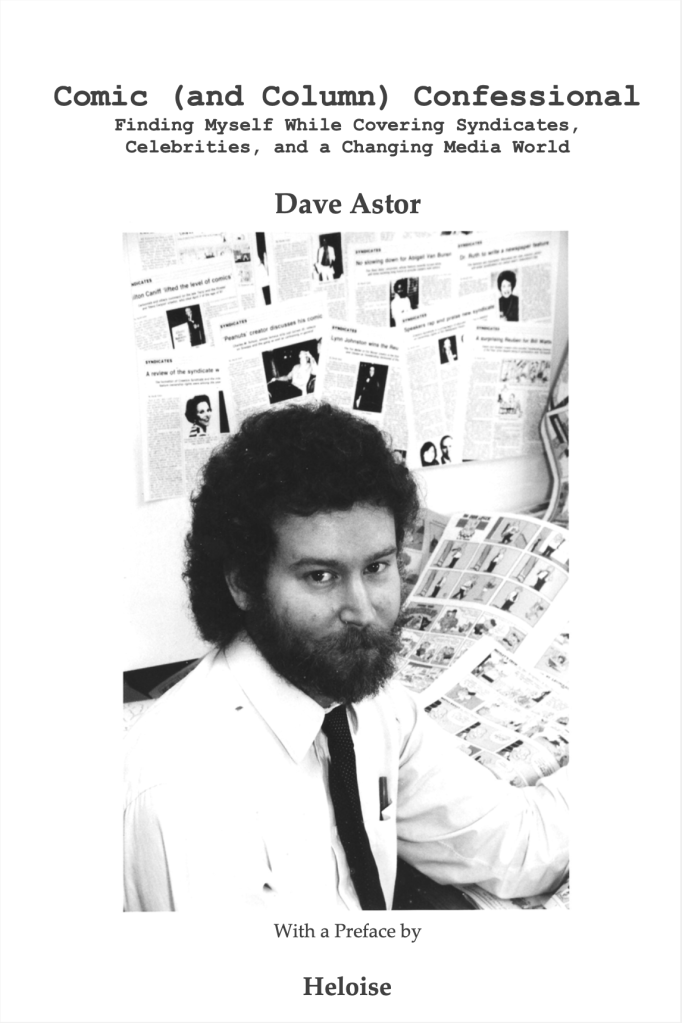
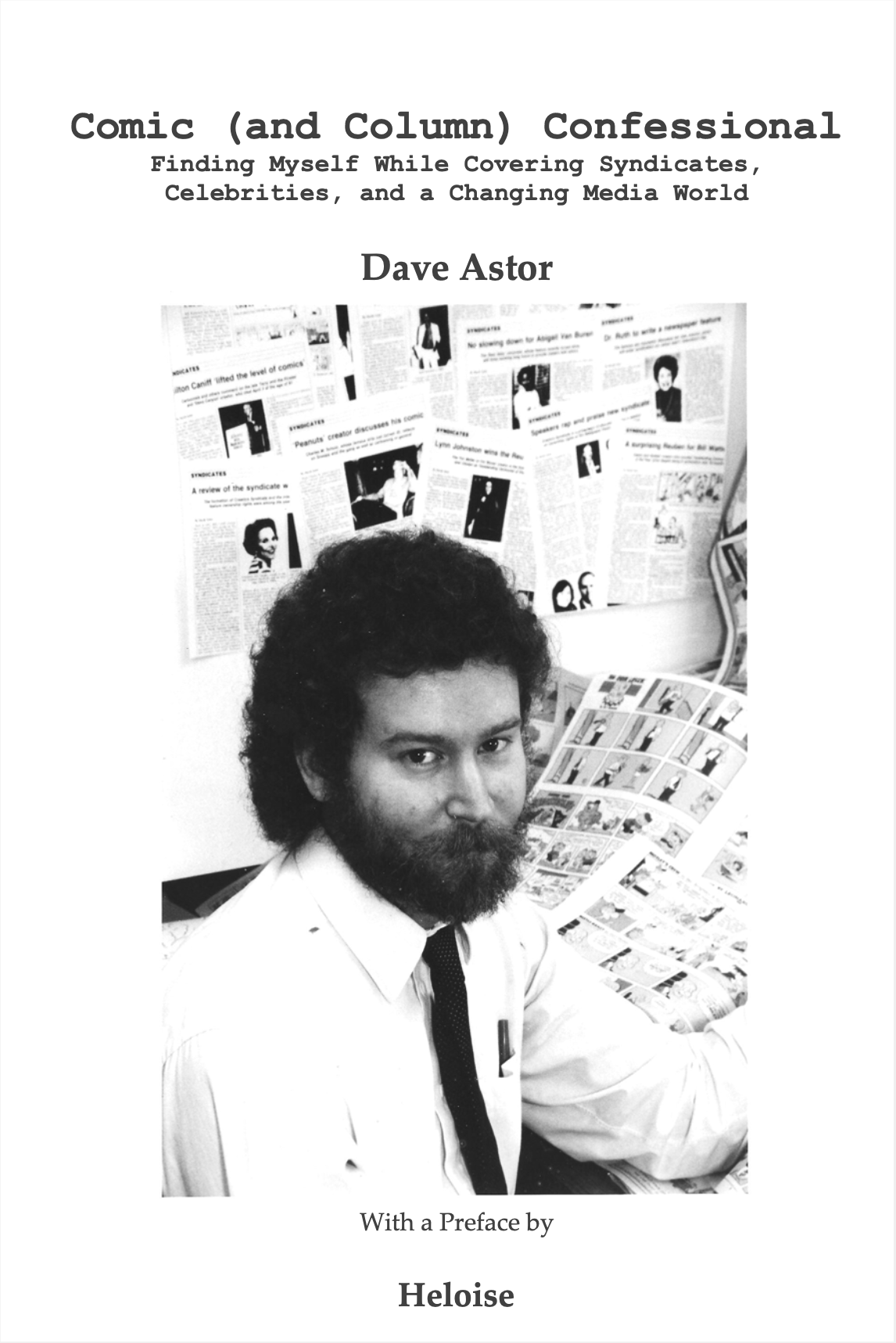
…and a 2012 memoir that focuses on cartooning and more, including many encounters with celebrities.
In addition to this weekly blog, I write the 2003-started/award-winning “Montclairvoyant” topical-humor column every Thursday for Montclair Local. The latest piece – about my town’s welcome pulling of $91.1 million from a bank supporting cruel privately run immigrant detention centers — is here.
‘The Good Earth’ and Not-So-Good Movie Casting

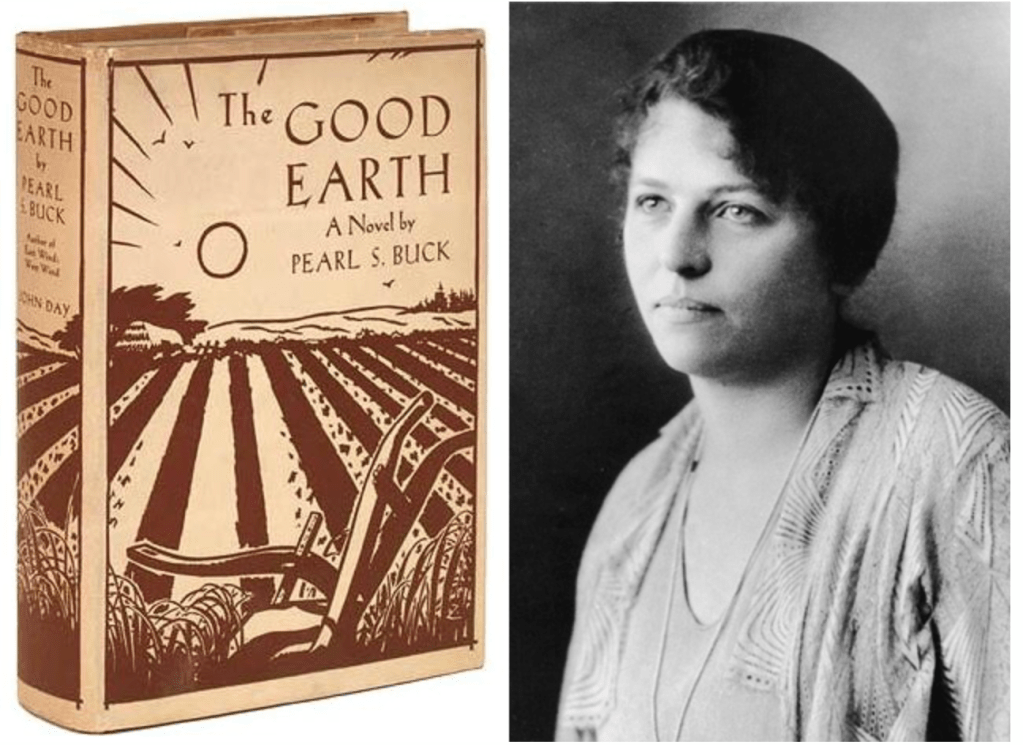
I reread Pearl S. Buck’s novel The Good Earth this month, and was again impressed with how compelling that 1931 classic is. Buck’s depiction of the relationship between Chinese peasant farming couple Wang Lung (hardworking/ambitious) and O-Lan (hardworking/stoic) was something to behold — as was Wang’s eventual, disappointing lack of respect for that marriage as he became more “successful” in life.

Normally I’d consider watching the movie version of a novel, but I’ll take a pass on this one. That’s because The Good Earth film of 1937 stars two white performers — Paul Muni and Luise Rainer — as Wang and O-Lan despite Buck wanting Chinese or Chinese-American performers. (Some lesser roles in the movie went to people of Asian descent.) Of course, Buck was not of Asian descent herself, but did spend many years of her childhood and adulthood in China.

Hollywood’s racist/catering-to-what-much-of-the-public-supposedly-wanted “whitewashing” of characters of color was not unusual back in the day, even as the practice continued here and there in more-recent decades.

For instance, 1994’s The House of the Spirits movie based on Isabel Allende’s terrific 1982 novel of the same name was justly criticized for having non-Hispanic actresses and actors in most of the major roles. Great performers — Meryl Streep, Glenn Close, Jeremy Irons, Winona Ryder, Vanessa Redgrave, etc. — but not the right ethnicity for the parts.

Miscasting also happened when white actor Alec Guinness played Indian character Professor Narayan Godbole in the 1984 film based on E.M. Forster’s 1924 novel A Passage to India.

In 1997, white actor Casper Van Dien was Johnny Rico in a film based on Robert A. Heinlein’s 1959 sci-fi novel Starship Troopers. In the book, the character was Juan “Johnny” Rico, of Filipino descent.

Also, Mexican-American attorney Mickey Haller from Michael Connelly’s 2005 novel The Lincoln Lawyer and its sequels was played in a 2011 movie by white actor Matthew McConaughey. This was rectified in a later TV series starring Manuel Garcia-Rulfo.

In addition, the 2003 film based on Philip Roth’s 2000 novel The Human Stain starred Anglo actor Anthony Hopkins as Professor Coleman Silk, an African American who “passes” as white.

The white Mickey Rooney played an Asian supporting character in the 1961 movie version of Truman Capote’s 1958 novella Breakfast at Tiffany’s.

Returning to the 1930s, white actor Sam Jaffe got the part of the ancient Asian “High Lama” in the Lost Horizon film (1937) based on James Hilton’s mesmerizing 1933 novel of the same name.

The King and I film (1956) based on Margaret Landon’s novel Anna and the King of Siam (1944) starred Yul Brynner, a white actor, as Asian royalty.

William Shakespeare’s character Othello has been played in movie versions by white actors such as Orson Welles (1951) and Laurence Olivier (1965). A shame that renowned African-American actor/singer/activist Paul Robeson — who memorably portrayed Othello on the stage multiple times — wasn’t invited to do a movie version. (Robeson died on January 23, 1976 — 50 years ago as of this past Friday.)

Of course, there have been some instances in recent decades where performers of color have portrayed fictional or real-life white people — including Black actor Morgan Freeman as Red in the 1994 film The Shawshank Redemption based on a Stephen King story, and Black actress Noma Dumezweni as the adult Hermione Granger in the play Harry Potter and the Cursed Child inspired by J.K. Rowling’s Harry Potter novels. This kind of casting also happened in Lin-Manuel Miranda’s blockbuster musical Hamilton and in a production of Arthur Miller’s Death of a Salesman I saw in my town about 15 years ago. I have no problem with these infrequent occurrences; I see them as compensation of sorts for white performers historically getting most of the best roles.

Your thoughts about, and examples of, this topic?

An added, somewhat-related comment: In the United States, “law enforcement” has a vile history of murdering people of color who are either innocent or committed minor infractions. Yesterday, the Trump regime’s Gestapo-like federal agent thugs added to their crimes against innocent non-white Americans by murdering a second innocent white Minnesotan this month — both of whom (Renee Nicole Good and ICU nurse Alex Pretti) tragically found themselves in the “role” of people of color victimized by out-of-control “policing.” If there is any justice, Trump as well as his sociopathic administration appointees and masked “law enforcement” goons will all end up in prison someday.

Misty the cat says: “I will only go out in the snow today if someone gifts me their Nobel Prize.”

My comedic 2024 book — the part-factual/part-fictional/not-a-children’s-work Misty the Cat…Unleashed — is described and can be purchased on Amazon in paperback or on Kindle. It’s feline-narrated! (And Amazon reviews are welcome. 🙂 )

This 90-second promo video for the book features a talking cat: 🙂

I’m also the author of a 2017 literary-trivia book

…and a 2012 memoir that focuses on cartooning and more, including many encounters with celebrities.

In addition to this weekly blog, I write the 2003-started/award-winning “Montclairvoyant” topical-humor column every Thursday for Montclair Local. The latest piece — about an upcoming special congressional election and more — is here.