
When one looks at U.S. politics these days, one can’t help but think of the 1940s. Joe Biden, the centrist President-elect, was born in 1942. His far-right Republican opponent Donald Trump (who makes Lord Voldemort seem like a choir boy) arrived in 1946. Another far-right Republican, Senate Majority Leader Mitch McConnell, was born in 1942. Another centrist Democrat, House Speaker Nancy Pelosi, was born in 1940. And 1941 was the birth year of progressive Bernie Sanders, the runner-up to Biden in the Democratic primaries. Yes, the U.S. has some older leaders.
Anyway, you probably know where this is heading: I’m going to discuss the 1940s as another memorable decade for novels — mentioning only ones I’ve read until the next-to-last paragraph. The content in many of those books was of course affected by World War II and its aftermath, with anti-Nazi themes unsurprisingly part of the mix.
The decade began with a bang as three 20th-century classics were published in 1940. The trio: Native Son by Richard Wright (pictured above), who took a searing look at how racism shaped the lives and perspectives of his African-American and white characters; The Heart Is a Lonely Hunter, the amazing debut novel written when Carson McCullers was in her early 20s; and For Whom the Bell Tolls, the gripping novel set against the backdrop of the Spanish Civil War. (It’s my favorite book by Ernest Hemingway, who I have mixed feelings about.) Graham Greene’s 1940 The Power and the Glory, which focuses on a not-very-priestly priest, gets an honorable mention.
In 1941, F. Scott Fitzgerald’s unfinished The Last Tycoon was posthumously published. This compelling Hollywood novel would have been quite something if completed.
The year 1942 saw Albert Camus’ memorable/existential The Stranger and John Steinbeck’s The Moon Is Down, the latter about a Northern European town occupied by the Nazis (though the Nazis aren’t named per se). A rare Steinbeck novel set outside California and the U.S.
Nineteen forty-three? I got nothing. 🙂
Two of the most interesting novels of 1944 were written by authors who were older, but not quite as old as the politicians mentioned in this blog post’s first paragraph. One book was The Razor’s Edge — among W. Somerset Maugham’s top works despite the author being 70 — about a World War I veteran trying to find some meaning in life. The other was Gigi, published when Colette was 71. A rather frothy, lightweight novella that doesn’t measure up to Colette’s many deeper works, but her most famous book.
In 1945, Erich Maria Remarque came out with one of his very best novels: Arch of Triumph, about a German surgeon in Paris who had fled the Nazis, and his tempestuous romance while in the French city. There was also Animal Farm, George Orwell’s renowned allegorical look at authoritarianism; and Cannery Row, John Steinbeck’s expert blend of social commentary and humor.
Robert Penn Warren’s All the King’s Men was probably the most important 1946 novel with its take on American politics, corruption, and more.
Albert Camus appeared again in 1947 with The Plague, his riveting novel about a disease-devastated Algerian city. That year also saw the publication of James Michener’s debut novel Tales of the South Pacific, which consists of interrelated stories set during World War II. It of course inspired the musical South Pacific, but the book is more substantial.
A highlight of 1948 was Alan Paton’s Cry, the Beloved Country — set in apartheid South Africa.
The most famous 1949 book was indisputably George Orwell’s iconic dystopian novel Nineteen Eighty-Four. That year also saw the release of Paul Bowles’ The Sheltering Sky, about an American couple who don’t fare well in North Africa.
Among the well-known ’40s novels I haven’t read are James M. Cain’s Mildred Pierce (1941), Betty Smith’s A Tree Grows in Brooklyn (1943), Ayn Rand’s The Fountainhead (1943), John Hersey’s A Bell for Adano (1944), Astrid Lindgren’s Pippi Longstocking (1945), Malcolm Lowry’s Under the Volcano (1947), and Norman Mailer’s The Naked and the Dead (1948).
Your favorite novels from that decade?
My literary-trivia book is described and can be purchased here: Fascinating Facts About Famous Fiction Authors and the Greatest Novels of All Time.
In addition to this weekly blog, I write the 2003-started/award-winning “Montclairvoyant” topical-humor column for Baristanet.com. The latest piece — about the election and more — is here.






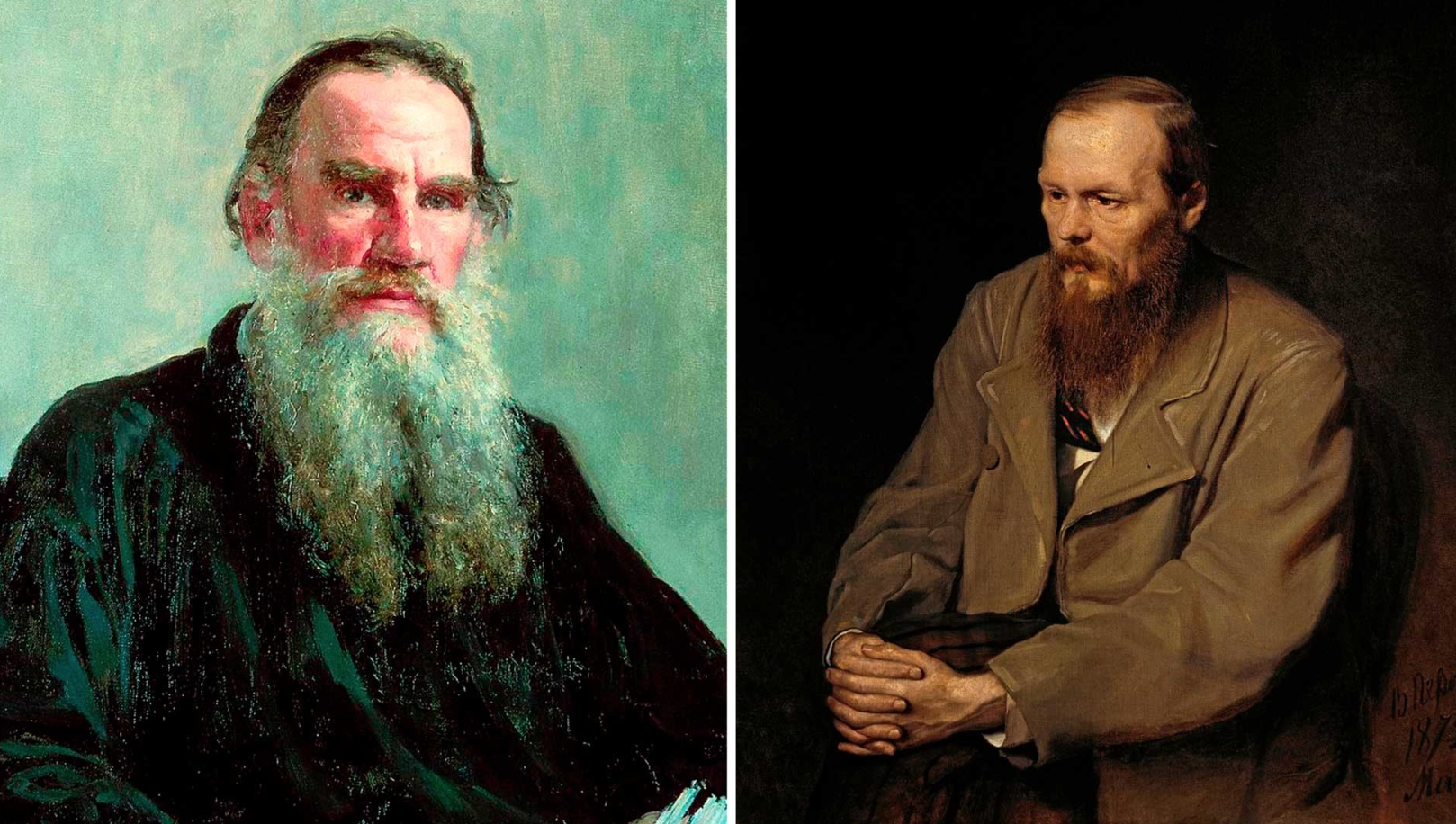
 Many well-known authors were almost exact contemporaries of other well-known authors. In some cases, that was just a meaningless coincidence. In other cases, they had some things in common.
 Dave Astor on Literature