Favorite Novels From the Previous Decade

Empire FallsLast week, I listed my favorite novels published between 2010 and 2019. This week, I’ll go back a decade to rank my favorite novels with 2000-to-2009 releases. Don’t worry, there’ll be no list of 1990s fiction in next week’s post… 🙂

As was the case with my previous post, I’ll mention my favorite novels rather than necessarily the best ones. We all differ on what’s best, just as some people think Trump’s The Art of the Deal is the worst book of all time while others think it’s ABSOLUTELY the worst book of all time.

Here are my favorites (and I’ll ask for yours at the end of this post):

25. American Gods (2001), Neil Gaiman: Very original fantasy work about (surprise!) deities in the United States. Interesting, quite varied deities.

24. March (2007), Geraldine Brooks: Intense novel about the harrowing Civil War experiences of the father in Louisa May Alcott’s classic Little Women.

23. Still Alice (2007), Lisa Genova: Heartbreaking story of a Harvard professor’s descent into early-onset Alzheimer’s. Skillfully told from Alice’s point of view.

22. The Time Traveler’s Wife (2003), Audrey Niffenegger: Quirky, moving novel about time travel (duh!) and how that effects a Chicago-based couple when only the guy is doing the (involuntary) traveling.

21. A Redbird Christmas (2004), Fannie Flagg: Touching tale of a dying (?) man who moves from wintry Chicago (that city again!) to a small town in Alabama.

20. Ellington Boulevard (2008), Adam Langer: A New York City-set comedic novel that says a lot about gentrification and more.

19. The Namesake (2003), Jhumpa Lahiri: The author gravitated from a Pulitzer Prize-winning story collection to novel-writing with this absorbing work about a Bengali immigrant couple and their Americanized son.

18. The Lovely Bones (2002), Alice Sebold: Haunting novel about a murdered girl (who remains “alive” in a kind of limbo), her grief-stricken family, and the frustrating search for the killer.

17. The Road (2006), Cormac McCarthy: Gripping post-apocalyptic novel from a prose master. A departure for McCarthy, who set a number of his previous novels in the past.

16. From a Buick 8 (2002), Stephen King: It “stars” a spooky automobile that’s a portal to another world, but the book is more subtle and moving than many of King’s novels.

15. The Brief Wondrous Life of Oscar Wao (2007), Junot Diaz: A novel — set in New Jersey and the Dominican Republic — that’s a potent mix of politics and pop culture. Amazing footnotes, too. (Yes, footnotes in a fiction book.)

14. Middlesex (2002), Jeffrey Eugenides: Ambitious novel that’s primarily about its gender-confused protagonist but is also an immigrant story.

13. The Amazing Adventures of Kavalier & Clay (2000), Michael Chabon: It’s about two cartoonists sort of based on Superman’s co-creators, but there’s a lot more sweep to the novel than that storyline implies.

12. The Kite Runner (2003), Khaled Hosseini: Very dramatic tale that takes readers from Afghanistan to the U.S. and back to Afghanistan — where a grisly Taliban encounter occurs.

11. Winter Solstice (2000), Rosamunde Pilcher: The final novel of any author’s long career rarely gets this good. Heartwarming story of a former London stage actress who moves to a small English village and what happens after that.

10. The Lacuna (2009), Barbara Kingsolver: A gay part-Mexican/part-American man works for iconic artists Frida Kahlo and Diego Rivera, is later victimized during the McCarthy era, and more.

9. Oryx and Crake (2003), Margaret Atwood: As clever as dystopian fiction can get. Funny and apocalyptically harrowing.

8. The Blind Assassin (2000), Margaret Atwood: Emotionally wrenching story of two sisters that includes a big surprise and a novel within a novel.

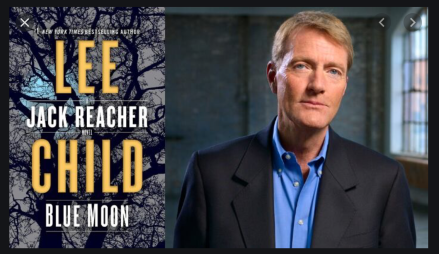
7. The 2000s decade’s many Jack Reacher novels by Lee Child, with my favorite being Bad Luck and Trouble (2007): In that can’t-stop-reading-it book, loner Jack reunites with his old team of elite military investigators.

6. The Corrections (2001), Jonathan Franzen: Compelling depiction of a dysfunctional family coupled with scathing social satire and excellent (if occasionally over-the-top) writing.

5. Prodigal Summer (2000), Barbara Kingsolver: Several seemingly separate storylines eventually converge in an extremely satisfying way.

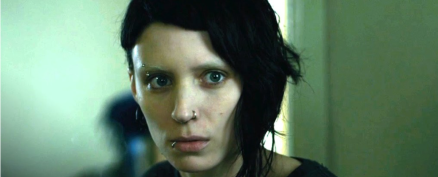
4. The Millennium Trilogy — The Girl With the Dragon Tattoo (2005), The Girl Who Played With Fire (2006), and The Girl Who Kicked the Hornets’ Nest (2007), Stieg Larsson: An as-page-turning-as-it-gets chronicle of abuse, murder, corporate corruption, and more that co-stars a journalist and the brilliant/angry/highly original character of computer hacker Lisbeth Salander.

3. White Teeth (2000), Zadie Smith: A potent combination of laugh-out-loud hilarity, serious social commentary, and a memorable multicultural cast of characters in London.

2. Empire Falls (2001), Richard Russo: A pitch-perfect novel set in a small Maine town. The characters are unforgettable, and the action is low-key (but never boring) until things get VERY dramatic.

1. The fourth-through-seventh books of J.K. Rowling’s Harry Potter series — Harry Potter and the Goblet of Fire (2000), Harry Potter and the Order of the Phoenix (2003), Harry Potter and the Half-Blood Prince (2005), and Harry Potter and the Deathly Hallows (2007): The wildly popular series that deserved every iota of its popularity. As its readers know, the wizard-world books got longer and more complex in the 2000s but never became less than exciting, funny, and poignant.

Your favorite novels published between 2000 and 2009?

My literary-trivia book is described and can be purchased here: Fascinating Facts About Famous Fiction Authors and the Greatest Novels of All Time.

In addition to this weekly blog, I write the award-winning “Montclairvoyant” topical-humor column for Baristanet.com. The latest weekly piece — which discusses a heated Board of Education meeting (during which delayed teacher raises were criticized) and climate-strike protests in my town — is here.

My Favorite Novels of the 2010s

The GoldfinchAs visitors to this blog know, I often write about novels that date back decades or centuries. But I also read some recent fiction, and thought I’d list my favorite novels published since 2010 — some literary, others mass-audience-oriented. Not necessarily the best novels of the past nine years (that’s so subjective anyway) but my personal favorites. Then I’ll ask for yours!

Here they are, in reverse order from my 12th to 1st picks:

12. Three Stations (2010), Martin Cruz Smith: The seventh of the mostly Russia-set Arkady Renko novels that started with 1981’s Gorky Park isn’t the best of the series, but it might be the most poignant. The book begins with the horrifying scenario of a baby stolen, after which investigator Renko investigates — with some important help.

11. Everybody’s Fool (2016), Richard Russo: This sequel isn’t as good as the 1993-published Nobody’s Fool, but is still pretty darn good. The funny, unambitious, not-so-healthy, basically good-hearted Sully is a great character creation.

10. The All-Girl Filling Station’s Last Reunion (2013), Fannie Flagg: The author once again finds the perfect balance between sentimentality and tough-minded storytelling in this tale that flashes back to women pilots of World War II.

9. Flight Behavior (2012), Barbara Kingsolver: A vivid combination of a cry against climate change and a chronicle of a brainy rural woman’s efforts to improve her life.

8. The Lowland (2013), Jhumpa Lahiri: The author skillfully mixes politics with dysfunctional but at times inspiring family dynamics. A revolutionary dies, his brother marries the deceased’s pregnant wife, that marriage takes an unusual turn, etc.

7. The Luminaries (2013), Eleanor Catton: A novel set during the 1860s New Zealand gold rush that’s a bit too long but impressive and innovative. Catton was only in her 20s when she wrote it!

6. Freedom (2010), Jonathan Franzen: An overhyped novel, but still a compelling and sweeping view of the U.S. via its well-drawn characters and its takes on marriage, war, the environment, and more.

5. 61 Hours (2010), Lee Child: I could name several of Child’s page-turning Jack Reacher novels from our current decade, but this one is my favorite. Roaming, justice-supporting loner Reacher travels to snowy South Dakota, and mayhem ensues.

4. Cormoran Strike series — The Cuckoo’s Calling and three subsequent novels (2013, 2014, 2015, 2018), J.K. Rowling writing as “Robert Galbraith”: Private sleuth Strike and his assistant-promoted-to-investigative-partner Robin Ellacott are VERY charismatic characters who bravely and smartly solve murders while dealing with complicated private lives and feelings for each other.

3. So Much for That (2010), Lionel Shriver: Her book is both a brilliant screed against the problematic U.S. health-care system and a story of several memorable characters — topped off with one of the best endings I’ve read in recent years.

2. The Goldfinch (2013), Donna Tartt: The current movie version didn’t get great reviews, but the long novel is riveting. After a museum explosion kills his mother and others, 13-year-old Theo Decker dazedly leaves with the famous painting “The Goldfinch” — and a fascinating life unfolds into his adult years. (The above photo shows Theo and his mom just before the explosion.)

1. Big Little Lies (2014), Liane Moriarty: This superbly written novel, which spawned the popular TV series, focuses on three unforgettable suburban women whose children attend the same Australian school — and the abusive bank executive married to one of the women. Dead serious, yet with plenty of humor.

Hmm…2010 and 2013 were especially nice years for novels I liked! 🙂 And while some people feel modern literature isn’t as appealing as various long-ago classics, there were some pretty darn good novels published during the past nine years. Your favorites from this decade?

My literary-trivia book is described and can be purchased here: Fascinating Facts About Famous Fiction Authors and the Greatest Novels of All Time.

In addition to this weekly blog, I write the award-winning “Montclairvoyant” topical-humor column for Baristanet.com. The latest weekly piece — which includes discussion of climate-strike protests in my town — is here.

Important Novels With 2019 Anniversaries

Margaret Atwoods in the 1960sWhile there are still a few months left in 2019, I thought I’d write a post about this year’s round-number anniversaries of some major novels I’ve read.

A number of significant works of fiction came out 50 years ago, in 1969, with one of the most prominent Kurt Vonnegut’s searing/darkly humorous anti-war novel Slaughterhouse-Five.

That half-century-ago year also saw the appearance of Margaret Atwood’s debut novel — The Edible Woman, a good-not-great book that kicked off Atwood’s amazing prose-fiction run that would include The Handmaid’s Tale; and the release of Daphne du Maurier’s gripping time-travel work The House on the Strand, the next-to-last novel of a long/distinguished career perhaps best known for Rebecca.

Atwood (pictured above during the 1960s) is of course still in the thick of the literary discussion in 2019 with the September 10 release of The Testaments, her blockbuster sequel to The Handmaid’s Tale.

Other memorable ’69 works included Philip Roth’s hilarious/scathing Portnoy’s Complaint, Ursula K. Le Guin’s classic sci-fi novel The Left Hand of Darkness, and Mario Puzo’s mass-audience smash The Godfather. There was also Maya Angelou’s iconic memoir I Know Why the Caged Bird Sings, which almost reads like a novel.

Going back a century, to 1919, readers were introduced to Sherwood Anderson’s Winesburg, Ohio — a pioneer in the mini-genre of novels consisting of interrelated short stories. Also released that year was one of W. Somerset Maugham’s best works — The Moon and Sixpence, about an intense stockbroker-turned-painter who was somewhat modeled on Paul Gauguin. And then there was Free Air, the last NOT-well-known novel Sinclair Lewis would write before going on an impressive run starting with Main Street in 1920.

The century-and-a-half-ago year of 1869 saw the publication of Leo Tolstoy’s immortal War and Peace as well as Fyodor Dostoevsky’s perhaps-third-best novel The Idiot. Honorable mention goes to Mark Twain’s hysterically funny nonfiction travel saga The Innocents Abroad — more entertaining than most novels.

Two centuries ago, in 1819? Not an extraordinary 12 months for novels when they were just starting to gain wider popularity as a genre, but that year did see the release of books such as Sir Walter Scott’s feverish The Bride of Lammermoor.

I’ll end by mentioning several 25th- and 75th-anniversary books.

Among 1994’s most notable releases were Julia Alvarez’s heartbreaking historical novel In the Time of the Butterflies, which tells the story of four sisters (three martyred) living under the brutal Dominican Republic dictatorship of Rafael Trujillo; and Louis de Bernières’ Captain Corelli’s Mandolin, an emotionally riveting work set on a Greek Island during World War II.

And 1944 saw the publication of another memorable WWII novel, John Hersey’s A Bell for Adano; the aforementioned Maugham’s last great creation, The Razor’s Edge, set soon after World War I; and Colette’s Gigi, that author’s most famous work but hardly her best.

Your thoughts on the books I discussed? Any other novels you’d like to mention from 1994, 1969, 1944, 1919, 1869, or 1819?

My literary-trivia book is described and can be purchased here: Fascinating Facts About Famous Fiction Authors and the Greatest Novels of All Time.

In addition to this weekly blog, I write the award-winning “Montclairvoyant” topical-humor column for Baristanet.com. The latest weekly piece — which comments on a county meeting that featured heated audience discussion about a controversial immigrant jail — is here.

A Child’s Perspective Can Be Effective

ScoutAs an adult who reads fiction, it’s interesting to occasionally encounter a novel in which the goings-on are viewed from a child character’s perspective.

That approach can bring readers’ memories back to their own younger years, and inspire analysis of whether the author successfully captured the kid perspective or instead created a character who sounds like a mini-adult.

Child narrators in fiction convey the process of learning about life, sound innocent or not so innocent, and don’t understand certain things or are precocious enough to understand more than might be expected. Also, some fictional kids THINK they don’t understand certain things but understand more than they realize — or might not grasp certain things yet telegraph that lack of grasp in a way that helps the readers to understand those things.

It’s not easy for adult novelists to narrate from a child’s perspective. The writers can’t be TOO knowing, and might have to navigate the difficult process of yanking themselves back to the mindset of their own childhood as fodder for taking a younger approach in a book. In fact, some novels told from a child’s perspective feature adult characters looking back and telling the stories from the vantage points of their kid selves.

When successfully created, child narrators can be memorable/poignant protagonists, can grab the sympathy of readers, and more.

Among the examples of this kind of novel is Jamaica Kincaid’s Annie John, which I read last week. It’s a coming-of-age story, set on Antigua in the Caribbean, starring a brainy girl who’s at first rather innocent and then becomes more calculating and angry. From Annie’s perspective, we learn a lot about her, her friends and classmates, her love-hate relationship with her parents, and Antiguan life in general.

One of the most famous novels featuring a kid’s-eye view is Harper Lee’s To Kill a Mockingbird. Scout Finch takes the reader through a journey that includes how she views her upstanding lawyer father Atticus and learning about the harsh realities of the world — most notably the virulent racism in 1930s Alabama. (Photo is of Scout and Atticus in the To Kill a Mockingbird movie.)

Some novels told from a child’s perspective take the young protagonists up to the start of adulthood or even well into adulthood, but have many early chapters chronicling the kid years. That’s certainly the case with Ms. Kincaid’s book (which ends with Annie leaving Antigua for a job in England at age 17) and with the stars of the English novels David Copperfield and Jane Eyre.

Charles Dickens’ semi-autobiographical classic chronicles David Copperfield’s mixed bag of a childhood, his school experiences, and eventually his two marriages — with many vivid supporting players (including Mr. Micawber) along the way.

Jane Eyre’s child perspective in the early chapters of Charlotte Brontë’s novel is fascinating as she recounts her difficulties living in the household of her cruel aunt and then her time in a harsh school for orphans. The young Jane is often unhappy, yet displays plenty of mental strength and a kind of fierce confidence that helps her as she grows from girl to woman.

There are also novels that unfold via a third-person/omniscient/adult narrator yet feature child or teen protagonists so memorable that it almost seems like the books are told from their perspectives. L.M. Montgomery’s Anne of Green Gables and James Baldwin’s Go Tell it on the Mountain are among the notable examples.

Your favorite novels told from a child’s point of view?

My literary-trivia book is described and can be purchased here: Fascinating Facts About Famous Fiction Authors and the Greatest Novels of All Time.

In addition to this weekly blog, I write the award-winning “Montclairvoyant” topical-humor column for Baristanet.com. The latest weekly piece — about back to school and more — is here.

Characters Who Hate Each Other

Celeste and PerryLast week’s post focused on characters who miss each other. This week, the focus will be on those who HATE each other.

The hate might be full-blown or have some nuance, be mutual or mostly one-sided, be never-ending or come and go. It can feature jealousy, fury over harm done, or other elements. But it’s almost always visceral, and visceral can make for riveting reading.

There’s of course plenty of hate in the good vs. evil world of J.K. Rowling’s Harry Potter series — with the prime example being Harry vs. Voldemort. This is a case where Voldemort is guilty of starting all the hate, forcing Harry to respond.

In the non-wizard realm, there’s much venom from the manipulative Zenia — who makes life hellish for three women (Tony, Charis, and Roz) who thought Zenia was their friend in Margaret Atwood’s The Robber Bride. The trio eventually react to her hate with their own disdain.

Among the cast of Zadie Smith’s On Beauty are two professors — Howard Belsey and Monty Kipps. Howard dislikes the more successful Monty from a place of professional jealousy, and things get thoroughly unpleasant.

Hate can obviously lead to some justified revenge. In the 19th-century back story of Louis Sachar’s young-adult novel Holes, for instance, white teacher Kate and African-American onion seller Sam fall in love, and local racists subsequently murder Sam. The furious Kate kills one of those involved in the murder (a white sheriff), and becomes a justice-dispensing outlaw.

Speaking of rotten law-enforcement people, the title character in Stephen King’s Rose Madder understandably hates and fears her abusive police-officer husband Norman. After Rose escapes the marriage, a magical painting she discovers helps her after Norman finds and tries to kill Rose.

And speaking of domestic abuse, Celeste loathes and fears her violent rich banker husband Perry — who puts on a good front to the rest of the world — in Liane Moriarty’s Big Little Lies. (The two characters are pictured above this post in the HBO version of the novel.)

And speaking of stone-cold racist characters hated by those whose lives he has made miserable, there’s Bob Ewell in Harper Lee’s To Kill a Mockingbird.

Upton Sinclair’s The Jungle features the beleaguered working-class couple Jurgis and Ona Rutkus, who have many reasons to hate Ona’s factory boss Phil Connor. Connor, like other employers in the novel, treats his laborers horribly — and is also sexually abusing Ona.

Sibling dislike can be intense, and there’s plenty of that between half-brothers Hank and the more intellectual/physically weaker Leland in Ken Kesey’s Sometimes a Great Notion. Things come to a head when Leland returns to Oregon after years on the East Coast.

There’s also a more intellectual/physically weaker motif in Jack London’s The Sea-Wolf, in which muscled brute Captain Wolf Larsen picks up the brainy/”soft” Humphrey van Weyden from a sinking ferry and forces him to stay on his ship. Things do become more equal as Humphrey gains strength and courage, and the strong dislike between him and Wolf is a key driver of the book’s climax.

Your favorite novels with characters who hate each other?

My literary-trivia book is described and can be purchased here: Fascinating Facts About Famous Fiction Authors and the Greatest Novels of All Time.

In addition to this weekly blog, I write the award-winning “Montclairvoyant” topical-humor column for Baristanet.com. The latest weekly piece — about a ghoulish Republican plan for a pro-gun mural to counter an anti-gun-violence mural in my town 😦 — is here.

The Pain of Being Apart

SounderI was away last week, and greatly missed my cat Misty. Which reminded me that reading about fictional characters who miss a living animal or a living person can be a very poignant thing. Hopefully followed by a happy reunion, but not always.

For instance, there’s the unnamed African-American boy in William H. Armstrong’s novel Sounder who deeply misses his dog after it’s cruelly shot while chasing a white sheriff’s deputy following the arrest of the boy’s father. The gravely injured Sounder disappears, and might be dead or alive. Some happiness but mostly sadness ensues in the book, which was made into an excellent 1972 movie (photo above).

Speaking of injured canines, struggling alcoholic farmer Link Ferris finds one by the side of the road in Albert Payson Terhune’s His Dog. Turns out to be a thoroughbred collie that had fallen off a vehicle, and the lonely Link keeps him after no one responds to his attempt to find the owners. Link and Chum (as he names the dog) develop an intensely strong bond, and Chum inspires Link to stop drinking and become successful. Eventually, the dog’s original owners come back into the picture, and the separation melancholy is overwhelming for Link and Chum. Then…

Moving on to missed humans, there’s one time period in J.K. Rowling’s four-books-so-far Cormoran Strike series where Cormoran and his investigative partner Robin Ellacott have a falling out. They miss each other professionally and, given the friendship and romantic tension between the two, personally as well.

Definitely missing each other romantically are Arkady Renko and Irina Asanova, who part ways at the end of Martin Cruz Smith’s novel Gorky Park — leaving readers to wonder if, when, and how they might reunite in one of the sequels.

Of course, war-themed novels often have characters who miss each other while one of them is in the military far way. For instance, Herman Wouk’s World War II novel The Caine Mutiny features the apart-for-years Navy man Willie Keith and his singer girlfriend May Wynn. L.M. Montgomery’s World War I novel Rilla of Ingleside has Canadian soldier Walter (son of the adult Anne of Anne of Green Gables) being intensely missed by his family — including his sister Rilla. And in Charles Frazier’s Civil War novel Cold Mountain, Ada Monroe and wounded Confederate Army deserter W.P. Inman greatly miss each other as Inman walks for months trying to return home.

Sometimes the one who’s off fighting dies.

Also set during WWII is Erich Maria Remarque’s The Night in Lisbon, in which a refugee from Nazi Germany relates the dramatic story of he and his wife Helen — their heartbreaking separation, their reunion, and the relationship’s ultimate fate.

Your favorite novels in which a character is much missed?

Oh, Misty was well taken care of by someone we had visit our apartment three times a day. 🙂

My literary-trivia book is described and can be purchased here: Fascinating Facts About Famous Fiction Authors and the Greatest Novels of All Time.

In addition to this weekly blog, I write the award-winning “Montclairvoyant” topical-humor column for Baristanet.com. The latest weekly piece — about a controversial hotel and an anti-gun-violence mural — is here.

Toni Morrison and Other Excellent Female Novelists of Color

Toni MorrisonI was starting to read Alice Walker’s novel The Temple of My Familiar the morning of August 6 when I learned that literary great Toni Morrison had died the day before. So it seemed time to write a long-overdue piece about female authors of color.

Of course the women I’m about to mention are AUTHORS — one word, stop. But being female and not being white informs much of their fiction. Their writing expresses anger over racism and sexism, illustrates the evils of those isms, depicts coping mechanisms for women and people of color, and also includes all kinds of other personal, social, political, and non-political elements.

Not much I can say about Toni Morrison (pictured above) that hasn’t already been said. Nobel Prize winner, Pulitzer Prize recipient, professor, book editor, and more. I’ve read only two of her novels — Beloved and Sula — but found her writing about the black experience in the U.S. and other topics to be brilliant, evocative, harrowing, and highly original. Song of Solomon is prominent on my to-read list.

The Temple of My Familiar is my second Alice Walker novel — after the ultra-memorable The Color Purple, of course — and it’s an absorbing/heartbreaking book with magic-realism elements and fascinating characters from different places and times. Haven’t finished it yet.

Perhaps my favorite living female author of color is the biracial Zadie Smith — whose London-set debut novel White Teeth is at times hilarious, at times dead-serious, always multicultural, and published when Smith was only in her mid-20s. Two books later came the set-in-U.S.-academia On Beauty, also a winner.

Another stunning debut novel was The God of Small Things by Indian author Arundhati Roy. A heartbreaking book with many socioeconomic and political overtones.

Then there’s American author of Indian descent Jhumpa Lahiri, whose excellent novels The Namesake and The Lowland look at the immigrant experience and more.

I’ve also enjoyed reading Terry McMillan, whose work is somewhat lighter than the other authors I’ve mentioned but still compelling. Waiting to Exhale, How Stella Got Her Groove Back

Some additional deceased authors of color who shouldn’t be missed include Zora Neale Hurston and her masterful Their Eyes Were Watching God, which chronicles a black woman, her three marriages, and more; science-fiction writer Octavia E. Butler, known for novels such as the searing time-travel work Kindred and the apocalyptic Parable of the Sower; the Nigerian-born Buchi Emecheta, perhaps most famous for her gripping semi-autobiographical novel Second Class Citizen; and Maya Angelou, who wasn’t a novelist per se but whose autobiographies (including I Know Why the Caged Bird Sings) read like novels.

Sort of/sort of not “eligible” for this post is the great French novelist Colette (Gigi, The Vagabond, etc.), who had some black Caribbean ancestry.

I’ve obviously left out many authors. Your favorite women-of-color writers and your favorite works by them that I mentioned or didn’t mention?

I’ll be skipping an August 18 post next Sunday because of a vacation week. Back on August 25!

My literary-trivia book is described and can be purchased here: Fascinating Facts About Famous Fiction Authors and the Greatest Novels of All Time.

In addition to this weekly blog, I write the award-winning “Montclairvoyant” topical-humor column for Baristanet.com. The latest weekly piece — written by my cat 🙂 — is here.

Sex in Literature Wasn’t Invented a Half Century Ago

Marjorie MorningstarMany novels of the past 50 years or so, including literary ones, have been fairly candid in their references to sexual matters. That’s the case with parts of John Irving’s In One Person, Zadie Smith’s On Beauty, Jonathan Franzen’s The Corrections, Alice Walker’s The Color Purple, Erica Jong’s Fear of Flying, Rita Mae Brown’s Rubyfruit Jungle, Philip Roth’s Portnoy’s Complaint, Jacqueline Susann’s Valley of the Dolls, and numerous other fiction books. (Fifty Shades of Grey? Haven’t read it.)

But while sexual references were often more coded and subtle in pre-1960s fiction, things could still get relatively frank at times. I was reminded of that last week while reading Marjorie Morningstar, which was published in 1955 and mostly set in the 1930s. (Poster of the movie version above.) There’s plenty of G-rated “necking” in Herman Wouk’s novel, but also adultery, sex with no plans to get married, flashes of naked skin, and more — even as much of the novel has non-romantic things on its mind (show biz, ambition, conformity vs. rebellion, class divisions, obsessive parenting, Jewish culture, the rise of Nazi Germany, etc.). An excellent novel, though the plot turn at the very end was disappointing.

Going further back in time, we have Henry Miller’s sex-heavy Tropic of Cancer (1934), which was banned in the U.S. for many years; Erskine Caldwell’s God’s Little Acre (1933), which contains scenes explicit enough for its time to get the author taken to court and the book banned in some cities; D.H. Lawrence’s Sons and Lovers (1913), which was graphic enough to have about 10% of its content edited out before publication — even as some remaining scenes were still pretty risqué for their day; Emile Zola’s Nana (1880), with its blunt depiction of the life of its prostitute protagonist; Herman Melville’s Pierre (1852), which focuses on a possibly incestuous relationship; and Honoré de Balzac’s The Magic Skin (1831), which includes an orgy scene.

Long before that, there’s plenty of amorousness in novels such as Henry Fielding’s Joseph Andrews (1742) — with characters like the revealingly named Lady Booby.

What are your favorite pre-1960s novels that were more sexually frank than you might have expected? And some of the more candid ’60s and post-’60s fiction you’ve liked?

My literary-trivia book is described and can be purchased here: Fascinating Facts About Famous Fiction Authors and the Greatest Novels of All Time.

In addition to this weekly blog, I write the award-winning “Montclairvoyant” topical-humor column for Baristanet.com. The latest weekly piece — about yet another oversized building coming to my town — is here.

When Bad Things Happen to Good Characters

Mueller for blog postWe’ve all heard the phrases “No good deed goes unpunished,” “When bad things happen to good people,” and “Only the good die young.” So it goes in literature, as it goes in real life. Likable, ethical, admirable characters often have negative things happen to them.

In some cases, this is followed by a happy ending — as we witness the goes-through-trials-and-tribulations-before-life-gets-better scenario. In other cases, life does not improve for the unlucky characters. Either situation can make for compelling, depressing reading as most of us intensely relate to wronged protagonists we like.

I thought about today’s topic last week while upstanding, straight-shooting, known-for-his-integrity Robert Mueller testified before the U.S. Congress about his two-year investigation of the corrupt Trump and his corrupt administration — and was treated badly at the hearings by Republicans despite Mueller being a lifelong Republican appointed by Republicans. The reason for this disgraceful treatment, of course, was that the GOP was trying to protect Trump. Many Republicans know how guilty Trump is, but they’ve made a devil’s bargain to look the other way in order to get tax cuts for the rich, far-right judges, rigged elections, etc.

Adding to the sorry situation is the fact that Mueller is so boring and “by the book” that it makes it easier for Republicans — including despicable Attorney General William Barr, who “spun” Mueller’s damning special-counsel report into something much more positive about Trump than it was — to take advantage.

There are countless novels with exemplary beleaguered protagonists, so I’ll name just a few — starting with some 19th-century books.

The good-guy title character in George Eliot’s Silas Marner is framed for a crime he didn’t commit, after which the immoral perpetrator marries Marner’s fiancee. Silas then moves in despair to another part of England, and it isn’t long before most of the money he’s earned as a reclusive weaver is stolen. But this short (for Eliot) novel unexpectedly turns happy in a very moving way.

There’s also a negative-to-positive story arc in Jane Austen’s Persuasion. As a young woman, Anne Elliot breaks her engagement with Frederick Wentworth after immense pressure from several family members. Wentworth is nice, smart, and ambitious, but Anne’s snobby relatives feel the young Navy man doesn’t have the wealth and connections to marry into the Elliot family. Yet, as always in Austen novels, true love wins out — though not before various challenges.

Then there are novels in which at least some beloved, harshly treated protagonists don’t ever find happiness. Very sad, but perhaps more realistic.

It’s no surprise that several people meet terrible fates in the anti-slavery classic Uncle Tom’s Cabin. That’s of course the case with Harriet Beecher Stowe’s title character: the almost-angelic Tom, especially after he is purchased by the horribly evil slave owner Simon Legree. (BTW, Tom is not the stereotype he was later twisted into by some.) And Tom’s also-almost-angelic friend, the white girl Eva, dies way too young.

Another downer classic is Herman Melville’s Moby-Dick, in which most Pequod crew members die after Captain Ahab takes his whale obsession to its logical (or illogical) conclusion. Those doomed sailors could have said “Call me fish meal…”

A couple of the many later novels with sympathetic characters who don’t catch a break?

One would be Elsa Morante’s gripping World War II-set History, which is a great read despite being almost unrelentingly downbeat. The timid Ida is raped by a Nazi soldier, and lives in constant fear that her part-Jewish ancestry could doom her in fascist Italy. Her two very-different-but-each-charismatic sons ultimately don’t fare well, either.

Another is John Steinbeck’s The Grapes of Wrath — which, while containing a few hopeful notes, sees many members of the impoverished, mostly likable Joad family battered by events before, during, and after their epic 1930s relocation ride to California.

Your favorite novels that fit this topic?

My literary-trivia book is described and can be purchased here: Fascinating Facts About Famous Fiction Authors and the Greatest Novels of All Time.

In addition to this weekly blog, I write the award-winning “Montclairvoyant” topical-humor column for Baristanet.com. The latest weekly piece — about developers insincerely responding to a welcome lawsuit — is here.

Nostalgia Isn’t What It Used to Be, or Maybe It Is

carThere’s bad nostalgia, such as Donald Trump’s delusional belief that the United States was once great (perhaps for a good number of affluent white males but often not for other demographics). And there’s more positive nostalgia, which will be the subject of today’s blog post. More positive nostalgia in literature, that is.

One prime example is Goodbye, Mr. Chips, in which James Hilton tells the story of English schoolteacher Mr. Chipping. The novel, like many books with a nostalgic bent, is not without bad times and tragedy — but the overall feeling is warm, especially in the description of how Mr. Chips’ brief marriage helped make him a more tolerant and less conventional person and educator.

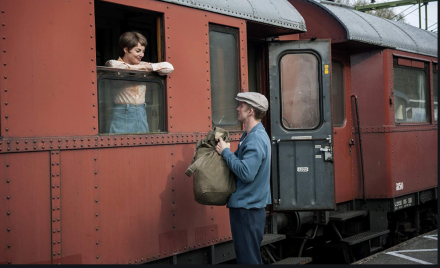
Fannie Flagg’s World War II-themed The All-Girl Filling Station’s Last Reunion (see image above) has various nostalgic elements — including the story being told from a vantage point decades after the 1940s and the remembrance of how women briefly had more prominent work roles during WWII — including operating a gas station without men and flying important missions as WASPs (Women Airfare Service Pilots). Also, as the title indicates, some of the novel’s aged characters meet one final time.

Ray Bradbury’s semi-autobiographical 1957 novel Dandelion Wine looks at a boy’s small-town Illinois childhood through the lens of a 1928 summer. That childhood is in some ways idyllic, but there are enough painful and mysterious things going on to keep the book from getting too sentimental.

Given how many people live in suburbs and cities these days, novels set in small towns or on farms or in the wilderness can almost seem automatically nostalgic — even if the books are not anywhere close to 100% happy. Examples include L.M. Montgomery’s Anne of Green Gables, Mark Twain’s The Adventures of Tom Sawyer, Louisa May Alcott’s Little Women, George Eliot’s Adam Bede, and Elizabeth Gaskell’s Cranford, among many others.

Novels that time-travel into the past can also provide plenty of nostalgia. The past is far from perfect, but things at least were or seemed slower-paced/less frantic/more technologically “analog.” Jack Finney’s Time and Again and Daphne du Maurier’s The House on the Strand would be two examples.

Prequel novels also can be at least partly nostalgic by their very nature. For instance, at different points after his first Jack Reacher book was published, Lee Child wrote three Reacher novels set when Jack is younger than in that first book. Due to the usual Reacher-realm violence, The Enemy and The Affair and Night School are not very wistful, but they feel partly nostalgic because we’re seeing Jack in his earlier years — during which time he had his first romantic encounter and so on. (First love can be quite nostalgic.)

Last but not least, In Search of Lost Time is steeped in nostalgia — often of a melancholy nature. The very title of Marcel Proust’s opus, which I’ve only read part of, conveys a longing for the past.

Novels you consider very or somewhat nostalgic?

My literary-trivia book is described and can be purchased here: Fascinating Facts About Famous Fiction Authors and the Greatest Novels of All Time.

In addition to this weekly blog, I write the award-winning “Montclairvoyant” topical-humor column for Baristanet.com. The latest weekly piece — about a controversial schools superintendent resigning — is here.