Lit With Wit That Might Side-Split

On March 8, I marked International Women’s Day with a post about memorable women characters in fiction. On March 15, I marked The Ides of March (when Julius Caesar was killed) with a post about memorable murders in fiction. So, what holiday can I mark today? I did an online search, and discovered that March 22 is National Goof Off Day! Meaning I could write a post about some of the funnier novels I’ve read.

But a search showed I wrote a post like that back in this blog’s first year: 2014. Hmm…guess I’ll rerun that piece today (many of you had yet to become readers here 12 years ago). Then, I’ll add some humorous or part-humorous novels I’ve read since 2014 — or read before that but forgot to mention in my previous Obama-era post.

Here’s the 2014 piece, with a new first paragraph and some other editing:

Some novels are quite funny, in a satirical or just plain silly way. They include books that range from mostly comedic to those that are serious and/or dramatic and/or poignant but contain one or more hilarious scenes — such as Ishmael and Queequeg, pre-ship voyage, in the inn bedroom in Herman Melville’s Moby-Dick.

For instance, there’s Charles Dickens’ laugh-out-loud first novel: The Posthumous Papers of the Pickwick Club, which features the fabulously funny Sam Weller. That book launched Dickens into a popularity stratosphere he never left — even as his increasingly ambitious novels were never quite that humorous again. Was Bleak House a jest-fest? Don’t think so.

Colette had a similar career arc, entering the novel-writing realm with the sidesplitting Claudine at School before moving on to weightier (yet still engaging) works. The title character in Colette’s late-career Gigi wouldn’t last a minute in a battle of witticisms with the rambunctious Claudine.

Speaking of first novels, the seriocomic Harry Potter and the Sorcerer’s Stone has more laughs per square page than any of the six subsequent novels in J.K. Rowling’s series.

Also hilarious is Philip Roth’s Portnoy’s Complaint, in which the “thing” that hits an incandescent bulb is not a light-dazzled moth.

Then there’s Jeeves in the Offing, or almost any other P.G. Wodehouse novel or story starring the brilliant British valet and his rather clueless “master” Bertie Wooster. Wodehouse could make a shopping list funny.

In a very different milieu, novels don’t get much more amusing (or ribald) than Erskine Caldwell’s Tobacco Road and God’s Little Acre. Delightful “southern humor” can also be found in Charles Portis’ Norwood and The Dog of the South, Rita Mae Brown’s Rubyfruit Jungle novel and Sneaky Pie Brown mysteries, and Fannie Flagg’s Fried Green Tomatoes at the Whistle Stop Cafe. Mixed with the laughs in those books are serious themes such as poverty, racism, sexism, and homophobia.

Academia can also be a great source of humor and satire, as evidenced by novels such as Zadie Smith’s On Beauty, Richard Russo’s Straight Man, and Adam Langer’s Ellington Boulevard.

Returning to older novels, we see Mark Twain mixing strong antiwar satire with goofy humor in A Connecticut Yankee in King Arthur’s Court, Henry Fielding even naming a character “Lady Booby” (for her personality) in his uproarious Joseph Andrews, and Miguel de Cervantes being much funnier than one expects in Don Quixote.

More hilarity? Valancy Stirling dramatically parts with her oppressively conventional mother and other relations in L.M. Montgomery’s moving/inspiring The Blue Castle, but the conversations the newly confident Valancy has with her family are as funny as the funniest sitcom.

Italo Calvino is very droll in his short-story-collection-as-novella Marcovaldo. John Steinbeck, so earnest in The Grapes of Wrath and East of Eden, will crack you up in Tortilla Flat, Cannery Row, and Sweet Thursday. And you don’t need an explanation from me about how dizzyingly comedic are Lewis Carroll’s Alice’s Adventures in Wonderland and Through the Looking Glass.

Now, as I write in 2026, here are some funny or part-funny (in certain cases darkly so) novels I’ve read since the above 2014 post — or read before that but didn’t mention back then. A number of those books of course have many serious moments, too. Alphabetical by author:

Margaret Atwood’s Oryx and Crake, Jane Austen’s Northanger Abbey, Fredrik Backman’s A Man Called Ove, Charles Bukowski’s Hollywood, Mikhail Bulgakov’s The Master and Margarita, Frances Burney’s Evelina, Charles Dickinson’s The Widows’ Adventure, Stanley Elkin’s The Rabbi of Lud, Helen Fielding’s Bridget Jones’s Diary, Jaroslav Hasek’s The Good Soldier Svejk, Joseph Heller’s Catch-22, Elin Hilderbrand’s The Hotel Nantucket, Jonas Jonasson’s The 100-Year-Old Man Who Climbed Out the Window and Disappeared, Bel Kaufman’s Up the Down Staircase, Steve Martin’s The Pleasure of My Company, Terry McMillan’s How Stella Got Her Groove Back, Viet Thanh Nguyen’s The Sympathizer, Terry Pratchett’s Small Gods, Maria Semple’s Where’d You Go, Bernadette, (Ms.) Lionel Shriver’s So Much for That, Zadie Smith’s White Teeth, Jonathan Swift’s Gulliver’s Travels, J.R.R. Tolkien’s The Hobbit, John Kennedy Toole’s A Confederacy of Dunces, Voltaire’s Candide, and Kurt Vonnegut’s Slaughterhouse-Five, to name a few.

And while Fyodor Dostoevsky’s The Brothers Karamazov is mostly dead serious, it does have one uproarious scene.

Novels you consider very funny — overall or in part?

Misty the cat says: “Odd that one of those cars looks like a dumpster.”

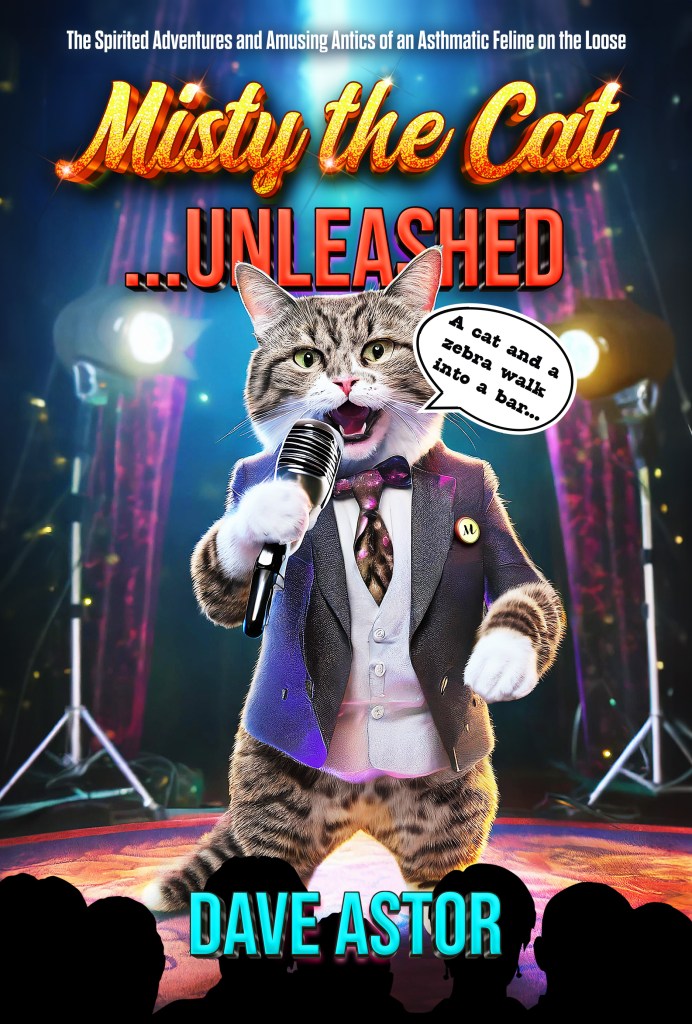
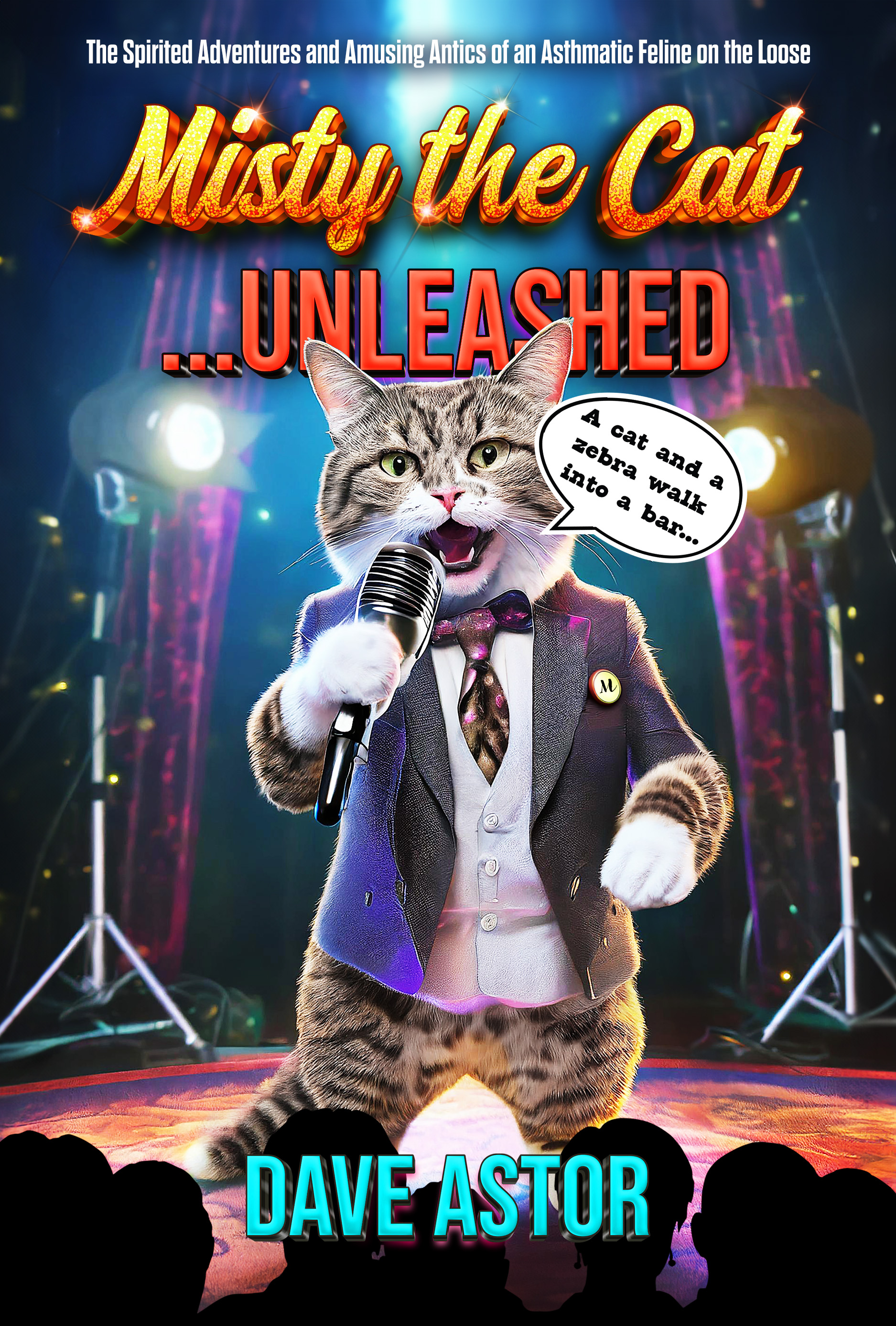
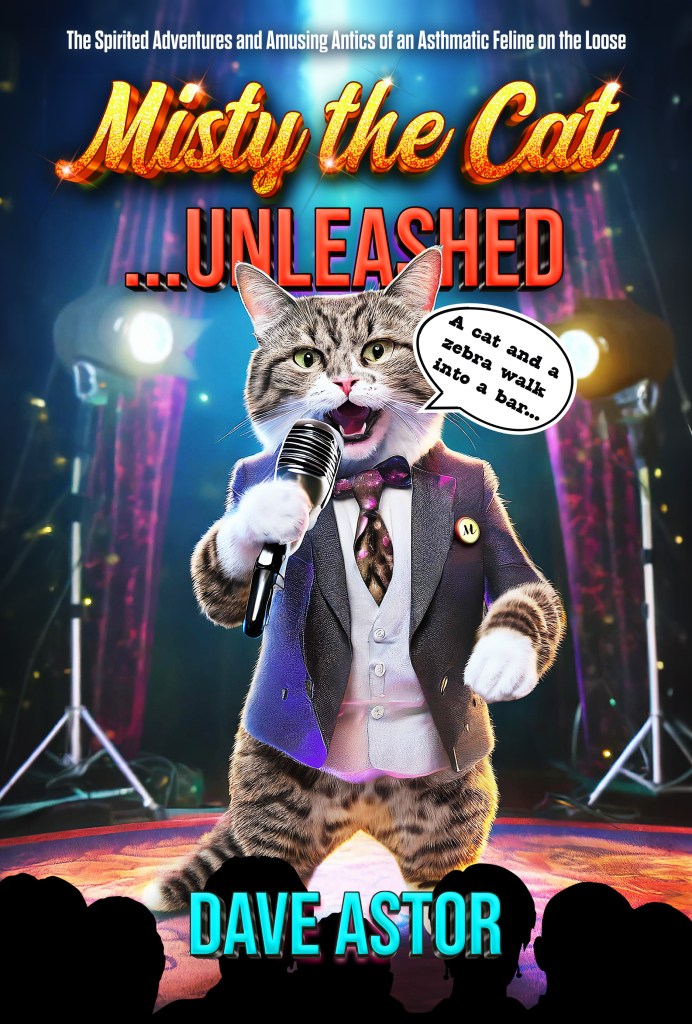
My comedic 2024 book — the part-factual/part-fictional/not-a-children’s-work Misty the Cat…Unleashed — is described and can be purchased on Amazon in paperback or on Kindle. It’s feline-narrated! (And Amazon reviews are welcome. 🙂 )
This 90-second promo video for the book features a talking cat: 🙂

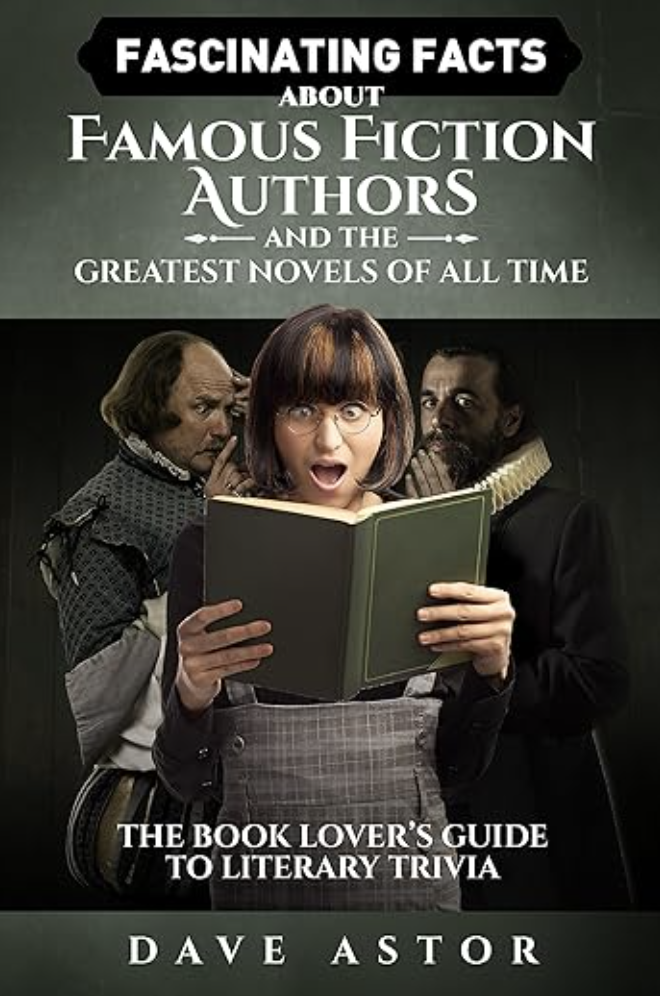
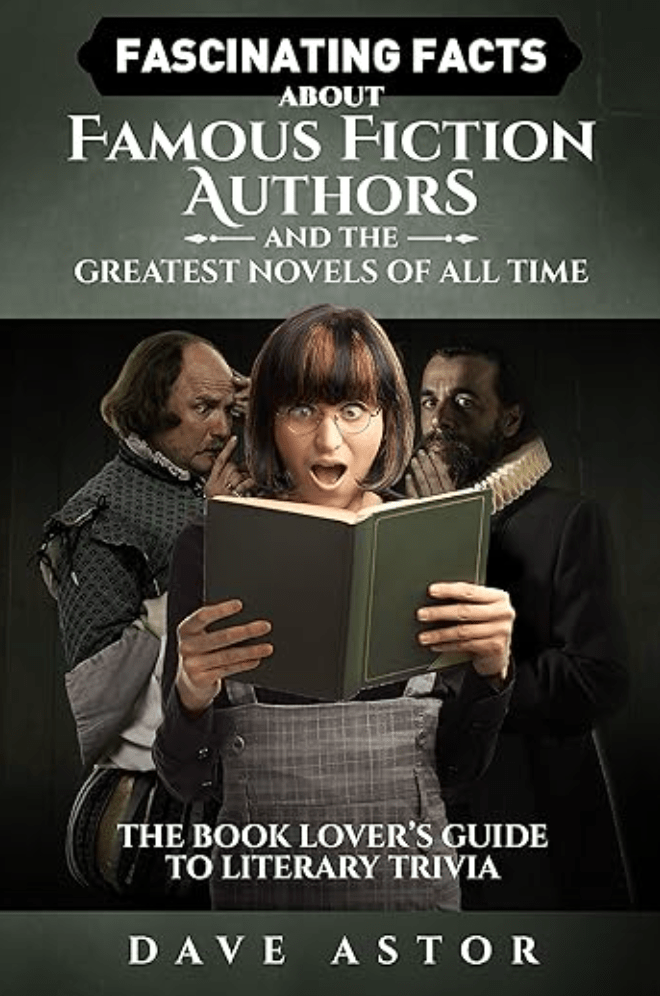
I’m also the author of a 2017 literary-trivia book

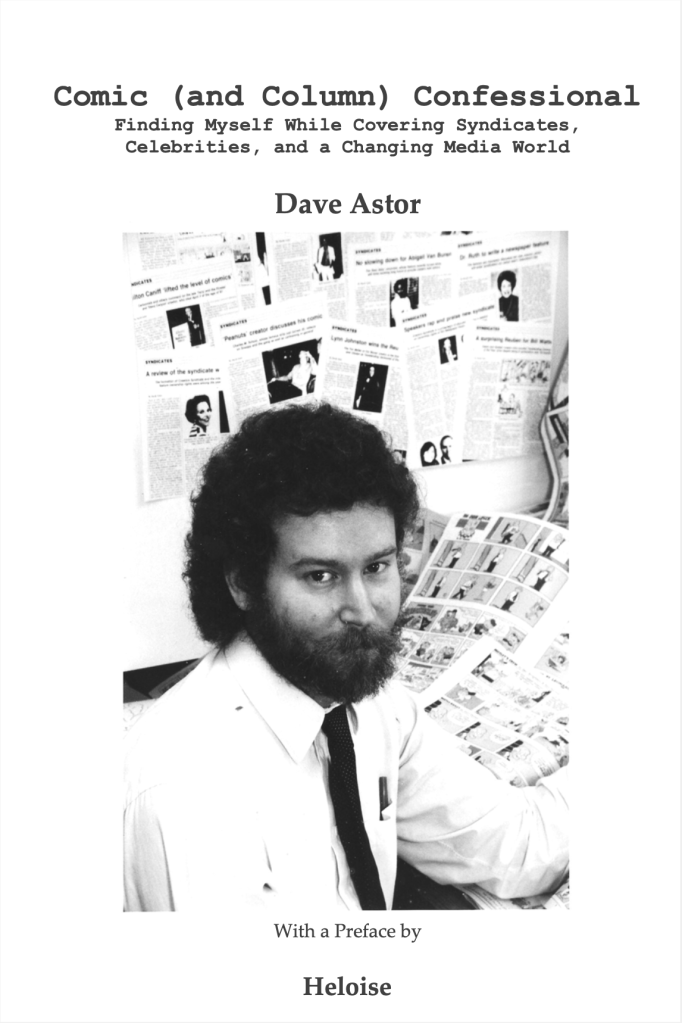
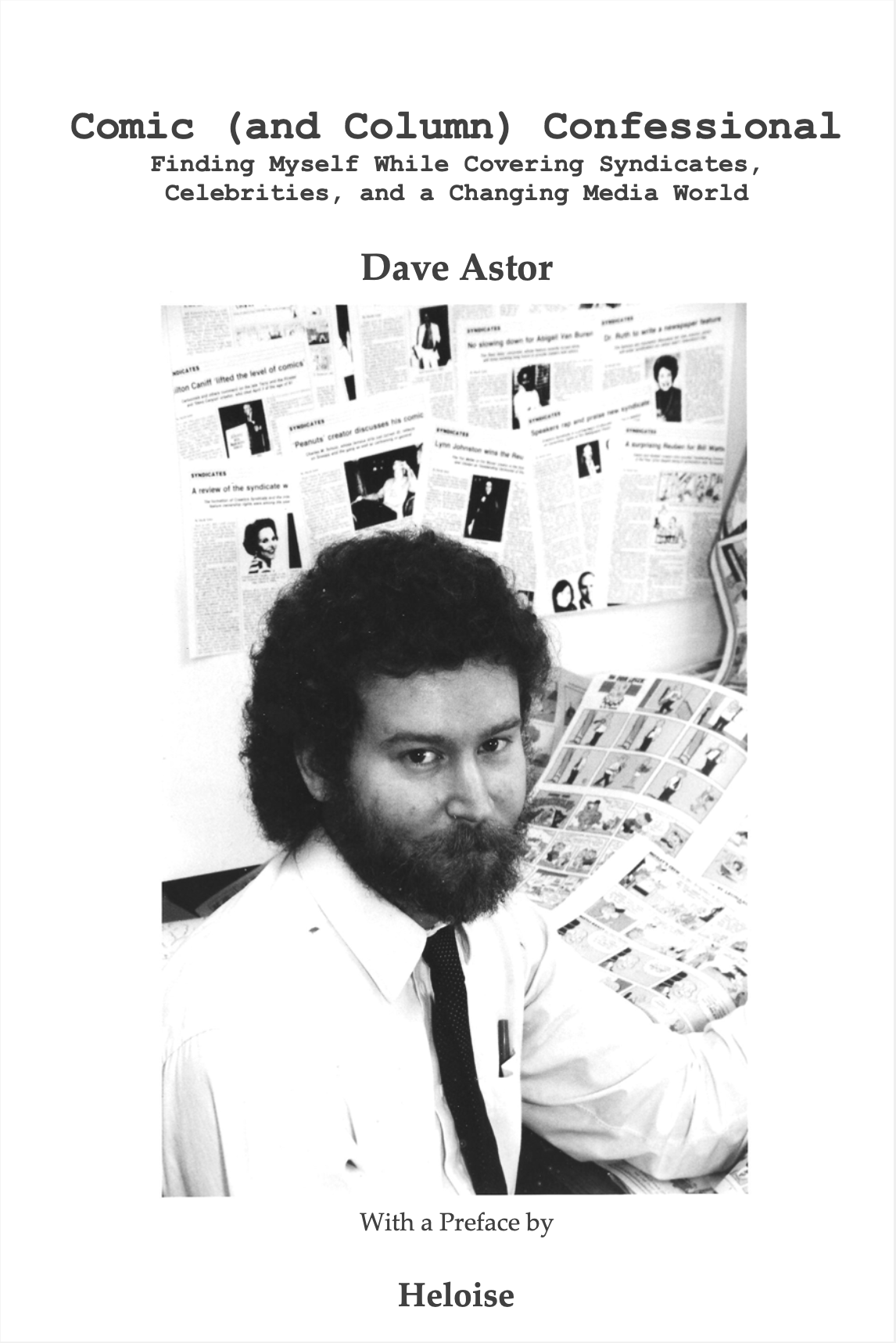
…and a 2012 memoir that focuses on cartooning and more, including many encounters with celebrities.
In addition to this weekly blog, I write the 2003-started/award-winning “Montclairvoyant” topical-humor column every Thursday for Montclair Local. The latest piece — about a close school budget vote, a delayed decision on a huge redevelopment project, a student anti-ICE march, and more; all threaded with a weird Tom Hanks movie theme 🙂 — is here.
When Authors Insert Hurt

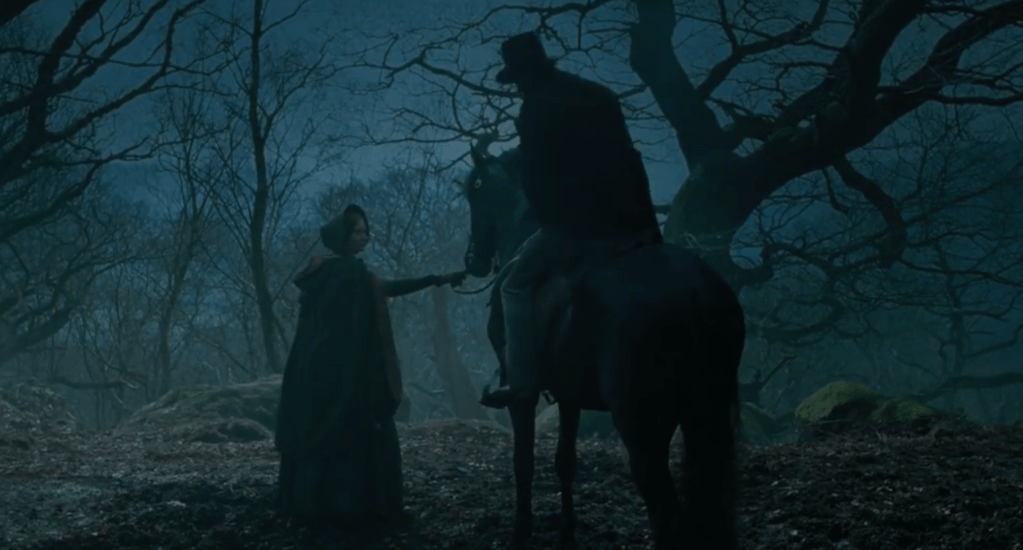
My screen grab from the 2011 Jane Eyre movie shows the injured Rochester just after he struggles back onto his horse.

As I recover from a broken toe, I’ve thought about injuries in literature — many of them more serious than a broken toe. What first came to mind was Annie Proulx’s short story “Broketoe Mountain.” 🙂 Or was that “Brokeback Mountain”? 🤔

Injuries in fiction (whether accidental or deliberately caused by a malicious person) are often more than incidental elements in story lines. They can help shape a plot, offer insight into how stoic and resilient the injured character might or might not be, give a hurt character more time to do other things and think about things, etc.

Now I’ll offer a few examples, some of which I’ve mentioned in past posts.

There are two significant injuries in Charlotte Bronte’s Jane Eyre. Fairly early in the 1847 novel, Edward Rochester’s spooked horse stumbles when its rider first encounters new governess Jane, throwing him to the ground and badly spraining his ankle. Jane’s immediate reaction to this incident shows her skill as well as calmness under pressure, and Rochester being homebound during his subsequent recuperation gives him and Jane a chance to get to know each other — which leads to subsequent dramatic events. I’ll refrain from discussing the book’s second set of injuries to avoid a spoiler for anyone who has yet to read Bronte’s iconic British novel.

Across “the pond” four years later, American author Herman Melville’s Moby-Dick was published. In the novel’s back story, Captain Ahab had part of his leg chomped off by the white whale of the title, and his obsessive pursuit of revenge against the massive sea creature is what drives the 1851 book’s plot.

In the much-more-recent Demon Copperhead (2022), the very-challenged-by-life title character of Barbara Kingsolver’s modern-day take on Charles Dickens’ David Copperfield (1850) suffers a severe knee injury while playing high school football — which becomes a big factor in his spiraling into the opioid addiction also afflicting many of his fellow residents of America’s Appalachian region.

U.S. soldier Joe Bonham of Dalton Trumbo’s Johnny Got His Gun (1939) is horrifically/permanently injured by an exploding artillery shell during World War I, and his bitter thoughts in the time after that make for a devastating anti-war argument.

In Scottish author Josephine Tey’s 1951 novel The Daughter of Time, 20th-century police inspector Alan Grant is confined to a hospital bed with a severely broken leg. That enforced inactivity gives him the time and the avoid-boredom desperation to investigate the alleged 15th-century crimes of King Richard III.

Near the start of Edith Wharton’s Ethan Frome, we see that the title character had been badly injured at some point. The 1911 novel goes on to heartbreakingly explain the love story leading to that.

When 20th-century Claire first meets 18th-century Jamie in Diana Gabaldon’s first Outlander book (1991), the Scottish warrior’s shoulder is dislocated. The time-traveling Claire, a nurse who later becomes a physician, expertly snaps the stoic Jamie’s shoulder back into place — illustrating the advances of modern medicine while getting the epic Claire/Jamie relationship started on the basis of mutual respect.

Parts of limbs are lost — in various tragic scenarios — in novels such as Octavia Butler’s Kindred (1979), Alex Haley’s Roots (1976), Stephen King’s Misery (1987), and J.K. Rowling’s seven (so far) Cormoran Strike/Robin Ellacott crime books published between 2013 and 2023. Those grievous injuries are all very relevant to the respective plots and shaping of the affected characters.

Physical injuries caused by domestic violence are a way for authors to convey how awful this violence is — with what happens in Kristin Hannah’s The Great Alone (2018) just one of countless examples. And of course there’s also the psychological trauma inflicted by domestic abusers.

Two more book mentions:

I recently read Val McDermid’s Still Life (2020), the sixth installment of the excellent series starring brilliant, dogged cold-case detective Karen Pirie. In this installment, her nice/loyal/not-super-bright-but-learning assistant investigator Jason Murray is injured by a criminal suspect and ends up trapped in a locked basement.

And my own fiction/fact hybrid, Misty the Cat…Unleashed, includes some pages about my teen daughter Maria tearing her ACL in 2022 and getting reconstructive surgery because of a gymnastics accident. While the 2024 book was published before all the ramifications of this mishap would unfold, the tear/operation/rehab changed the course of Maria’s life: which sport she would switch to (crew), which university she would enter this fall because of getting recruited for that sport (Boston University), and which career path she would choose (the health-care field). Major injuries can do that.

Any comments about, and/or examples of, this topic?

Misty the cat says in 2020: “This is not your typical municipal library.”

My comedic 2024 book — the part-factual/part-fictional/not-a-children’s-work Misty the Cat…Unleashed — is described and can be purchased on Amazon in paperback or on Kindle. It’s feline-narrated! (And Misty says Amazon reviews are welcome. 🙂 )

This 90-second promo video for my book features a talking cat: 🙂

I’m also the author of a 2017 literary-trivia book

…and a 2012 memoir that focuses on cartooning and more.

In addition to this weekly blog, I write the 2003-started/award-winning “Montclairvoyant” topical-humor column every Thursday for Montclair Local. The latest piece — about too many topics to list 🙂 — is here.

Paying Deference to Novelistic Self-Reference

Was W. Somerset Maugham relaxing after appearing in his own book? Maybe. 🙂

Our attention is definitely captured when authors directly or indirectly refer to themselves and their own books in their novels.

This can give readers an additional sense of a writer’s personality, and provide other extra elements to a book — including humor. On the possibly negative side, “self-insertion” can puncture fiction’s illusory world and remind readers that there’s an authorial presence pulling the strings.

The example of “self-insertion” I noticed most recently was when Elin Hilderbrand had one of her fictional characters in The Five-Star Weekend buy a Hilderbrand novel while in a Nantucket bookstore. Some delightful authorial self-mocking was part of the scene as another character tried to ply the Hilderbrand-interested character with more “serious” literature.

In Miguel de Cervantes’ Don Quixote novel, the title character has Cervantes’ debut book in his library. Also, another character in the classic 17th-century work says he’s a friend of Cervantes.

Then there’s John Steinbeck’s East of Eden, which was partly inspired by the author’s own family history. So it’s not a total surprise when Steinbeck himself pops up for a brief cameo in the novel.

W. Somerset Maugham put somewhat more of his actual self in his latter-career novel The Razor’s Edge when his searching-for-meaning-in-life protagonist — the fictional Larry Darnell — has a deep discussion about spirituality and more in a Paris cafe with…Maugham. (Of Human Bondage, the Maugham novel considered that author’s masterpiece, is actually more semi-autobiographical than The Razor’s Edge.)

And Emile Zola put a LOT of himself in his novel The Masterpiece; the book’s fictional author Pierre Sandoz is clearly based on Zola himself, who had a long real-life friendship with painter Paul Cezanne. The Masterpiece‘s protagonist — painter Claude Lantier — is partly based on Cezanne as well as Claude Monet and Edouard Manet.

In Kurt Vonnegut’s Slaughterhouse-Five, the narrator character is obviously Vonnegut himself. There are even these lines: “That was I. That was me. That was the author of this book.”

Herman Melville did a self-reference variation by having the title character in Pierre write a book that appalled its would-be publisher. This plot twist was a way for Melville to vent about the poor critical and commercial reception for Moby-Dick, released the previous year. Pierre — which, like Moby-Dick, was ahead of its time in various ways — would also sell badly, and cause lots of controversy with its implied-incest element.

Of course, as several early commenters rightly note below, most novelists put something of themselves in the books they write — even if subconsciously. My post mostly focused on when writers do this in a pretty overt way. 🙂

Your thoughts on, and examples of, this topic?

Misty the cat says: “I’m on the windswept moors of ‘Wuthering Heights.'”

My comedic 2024 book — the part-factual/part-fictional/not-a-children’s-work Misty the Cat…Unleashed — is described and can be purchased on Amazon in paperback or on Kindle. It’s feline-narrated! (And Misty says Amazon reviews are welcome. 🙂 )

This 90-second promo video for my book features a talking cat: 🙂

I’m also the author of a 2017 literary-trivia book

…and a 2012 memoir that focuses on cartooning and more.


In addition to this weekly blog, I write the 2003-started/award-winning “Montclairvoyant” topical-humor column every Thursday for Montclair Local. The latest piece — about past-due school district bills, a township manager payout, diminished mass transit, and more — is here.