1930s Novels Remind Us of Today

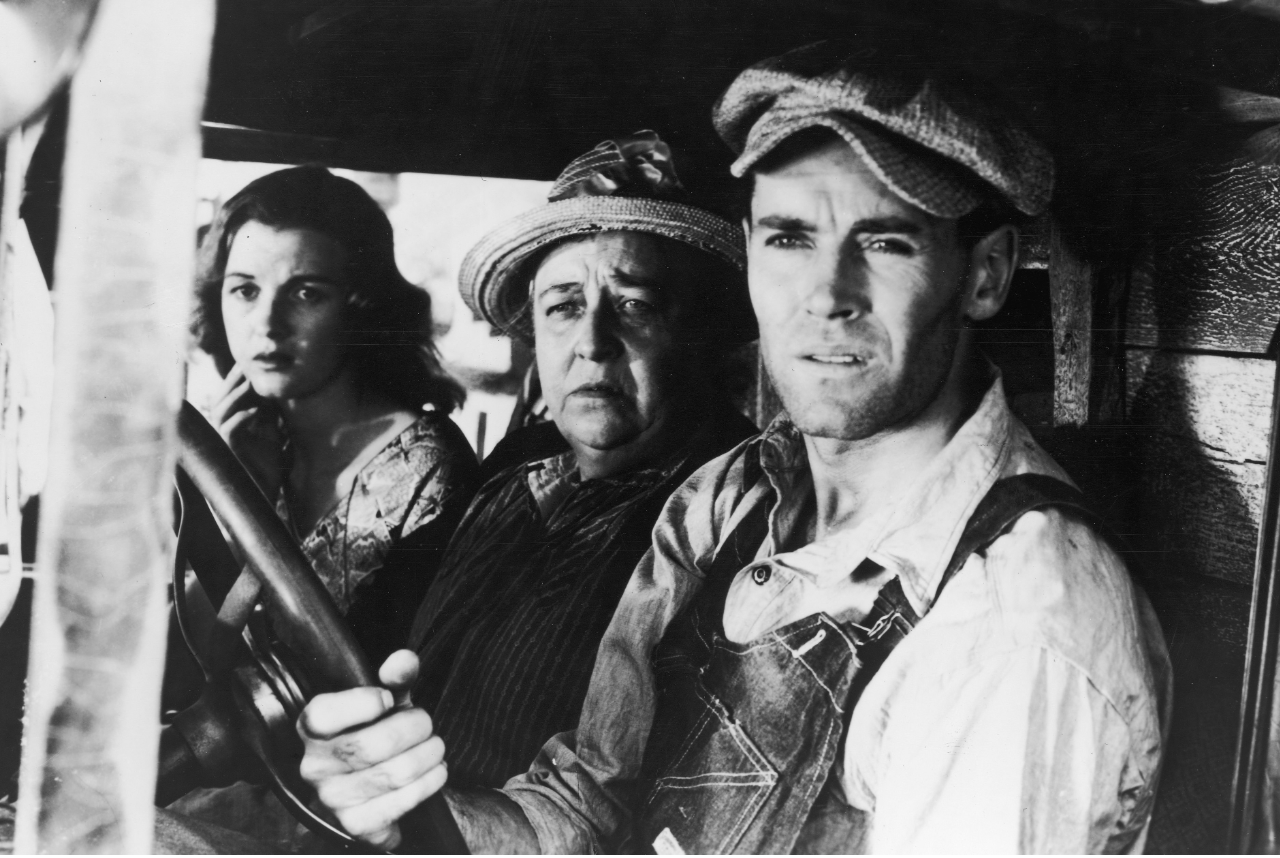
From The Grapes of Wrath movie. (20th Century Fox/Getty Images.)

After mentioning Daphne du Maurier’s great 1938 novel Rebecca in last week’s post about Gothic fiction, I thought of other books from that decade and how those years were a significant time in literature as well as quite relevant to the 2020s. After all, both decades had/have war, a rise in authoritarianism, major economic problems, and more.

So, I’m going to discuss a number of novels I’ve read, and a few I haven’t, that were published in the 1930s.

One that immediately came to mind is John Steinbeck’s 1939 classic The Grapes of Wrath, which focused on the Joad family but also took a wider look at the impact of The Great Depression bedeviling the U.S (and most of the world) that decade.

Steinbeck also wrote other notable 1930s novels — including Tortilla Flat (1935), In Dubious Battle (1936), and Of Mice and Men (1937) — that reflected social conditions. In Dubious Battle focused on a strike, fitting for a decade when labor flexed its muscles.

It Can’t Happen Here (1935) is a dystopian Sinclair Lewis novel imagining the rise of fascism in the U.S. — making it almost a primer for current dictator wannabe Donald Trump. (Although Trump is notoriously known for not reading books.)

War? Two of Erich Maria Remarque’s lesser-known novels: The Road Back (1931) and Three Comrades (1936) — have World War I elements. (The Road Back was a sequel of sorts to Remarque’s 1929-published All Quiet on the Western Front.) The American Civil War is a backdrop to Margaret Mitchell’s Gone with the Wind (1936). And Dalton Trumbo’s Johnny Got His Gun (1939) makes a powerful antiwar statement.

The 1930s were also significant writing years for William Faulkner: As I Lay Dying (1930), about a family and its journey to bury their matriarch; Light in August (1932), whose characters include a multiracial (?) drifter; and other works.

Then there was the 1934 publication of F. Scott Fitzgerald’s perhaps second-best novel, the semi-autobiographical Tender Is the Night.

Three years later, Zora Neale Hurston’s Their Eyes Were Watching God (1937) featured the memorable experiences of protagonist Janie Crawford.

That decade’s other notable book releases included — to name just a few — Mildred Benson’s The Secret of the Old Clock (1930), the first Nancy Drew mystery; Dashiell Hammett’s The Maltese Falcon (1930), featuring private investigator Sam Spade; Dorothy L. Sayers’ Strong Poison (1930), with mystery writer Harriet Vane and Lord Peter Wimsey; Pearl S. Buck’s China-set classic The Good Earth (1931); Aldous Huxley’s dystopian classic Brave New World (1932); and Erskine Caldwell’s Tobacco Road (1932).

Also: James Hilton’s Lost Horizon (1933), set in a mythical paradise; Daphne du Maurier’s Jamaica Inn (1936), which was also mentioned in last week’s blog post about Gothic fiction; Ernest Hemingway’s To Have and Have Not (1937), starring a fishing captain; J.R.R. Tolkien’s The Hobbit (1937), the fantasy novel that became the prequel to the 1950s-published The Lord of the Rings trilogy; Marjorie Kinnan Rawlings’ The Yearling (1938), about a boy and his fawn; Agatha Christie’s mystery And Then There Were None (1939); and Raymond Chandler’s The Big Sleep (1939), starring sleuth Philip Marlowe.

While writing this, I remembered that I had done a 2023 piece focusing on novels published in 1937. But the other years in that decade were not included in that post. 🙂

My list of 1930s novels is of course incomplete. Your favorites from that decade, whether mentioned by me or not?

Misty the cat says: “I own all this land, but where did I put the deed?”

My comedic 2024 book — the part-factual/part-fictional/not-a-children’s-work Misty the Cat…Unleashed — is described and can be purchased on Amazon in paperback or on Kindle. It’s feline-narrated! (And Amazon reviews are welcome. 🙂 )
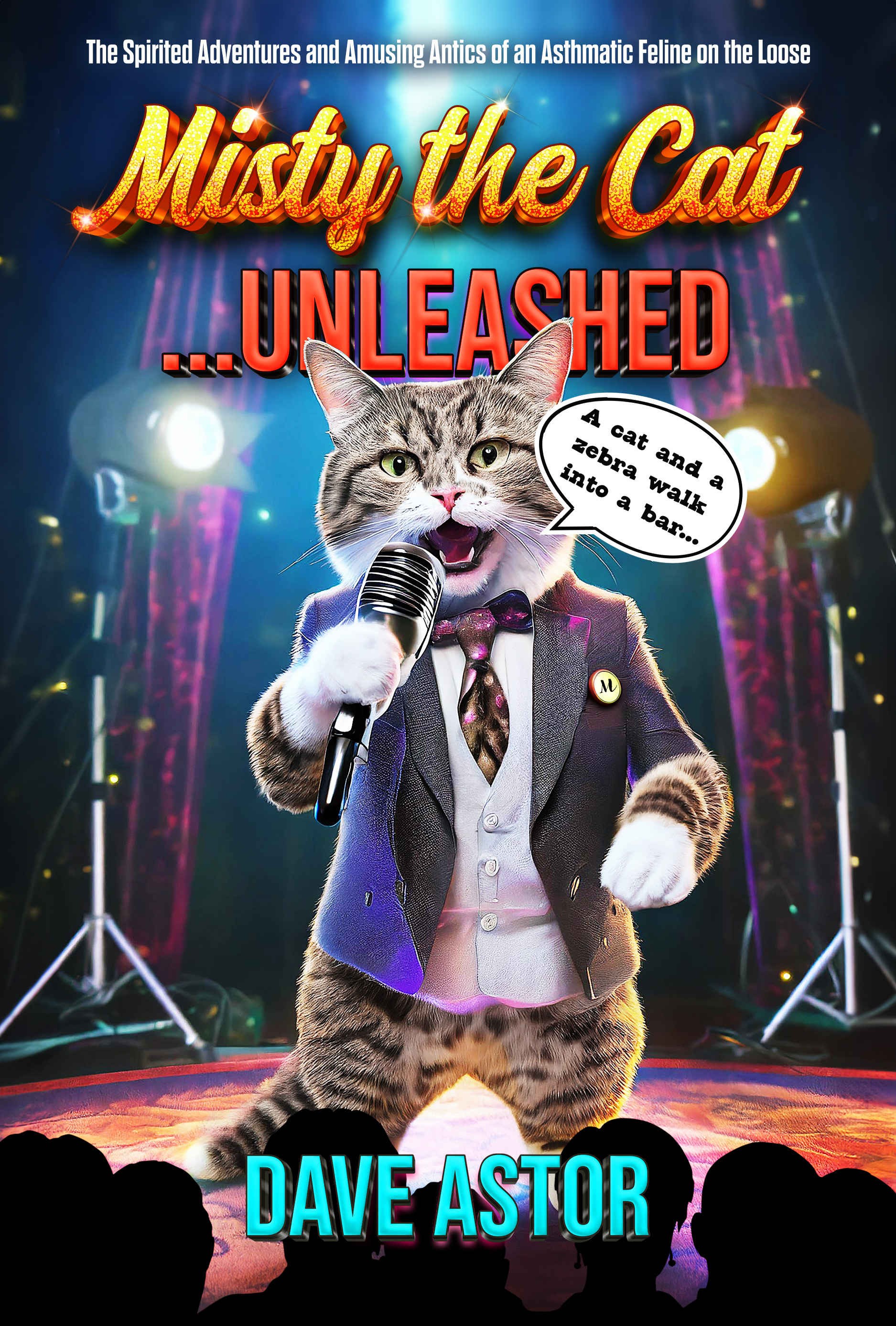
This 90-second promo video for the book features a talking cat: 🙂

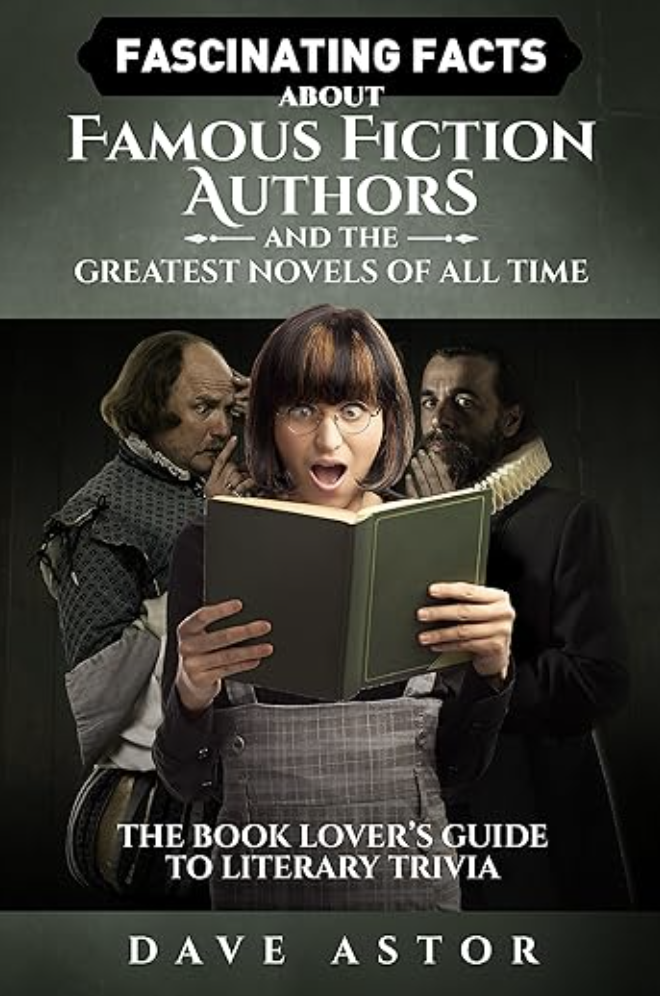
I’m also the author of a 2017 literary-trivia book

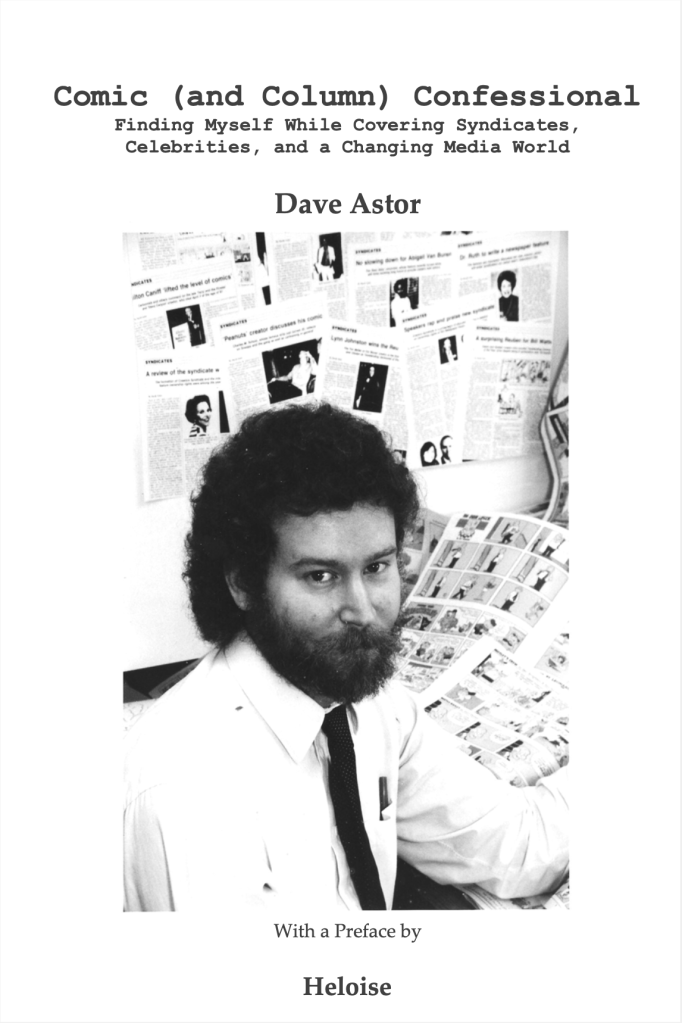
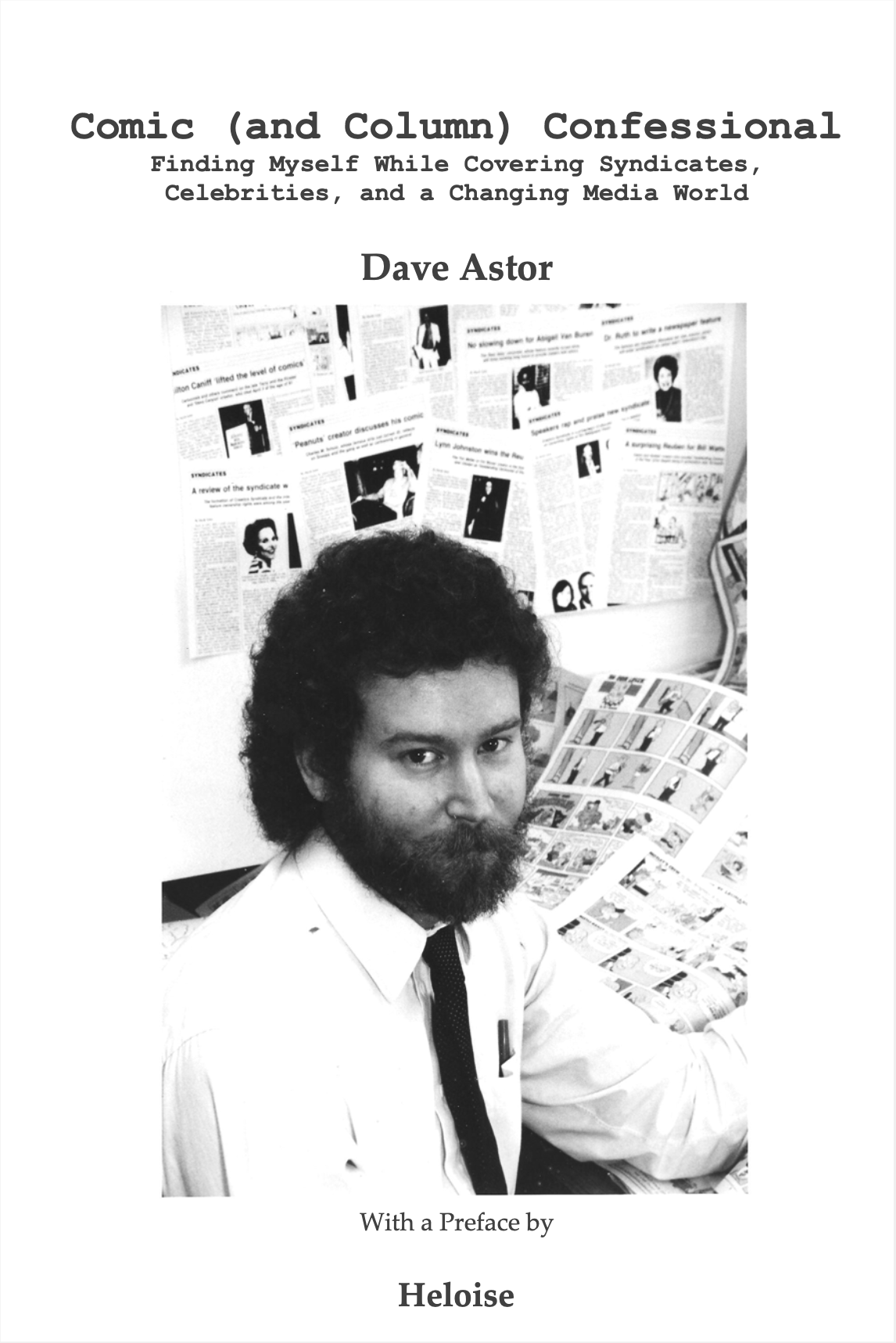
…and a 2012 memoir that focuses on cartooning and more, including many encounters with celebrities.
In addition to this weekly blog, I write the 2003-started/award-winning “Montclairvoyant” topical-humor column every Thursday for Montclair Local. The latest piece — which has a literature theme connected to local news in my town — is here.
When Authors Insert Hurt

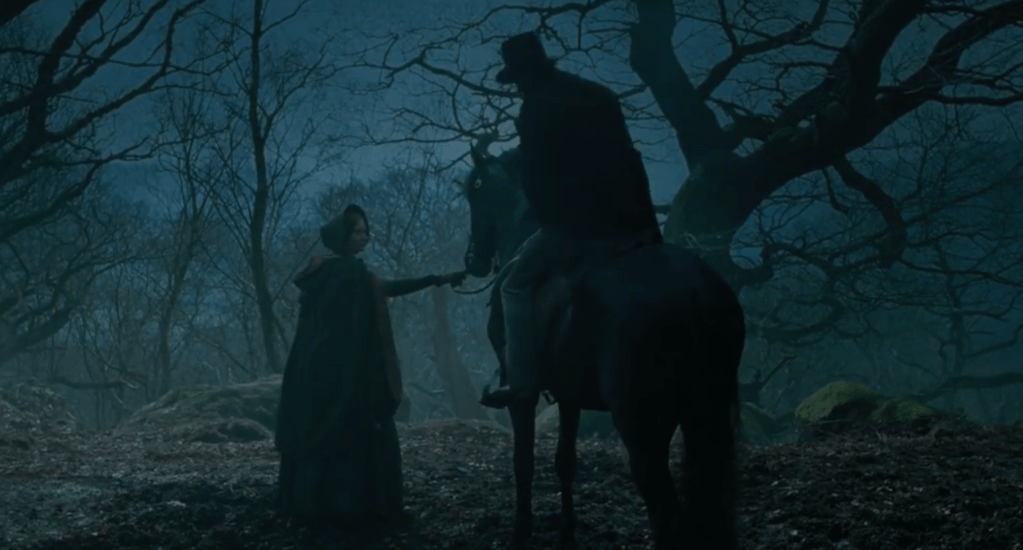
My screen grab from the 2011 Jane Eyre movie shows the injured Rochester just after he struggles back onto his horse.

As I recover from a broken toe, I’ve thought about injuries in literature — many of them more serious than a broken toe. What first came to mind was Annie Proulx’s short story “Broketoe Mountain.” 🙂 Or was that “Brokeback Mountain”? 🤔

Injuries in fiction (whether accidental or deliberately caused by a malicious person) are often more than incidental elements in story lines. They can help shape a plot, offer insight into how stoic and resilient the injured character might or might not be, give a hurt character more time to do other things and think about things, etc.

Now I’ll offer a few examples, some of which I’ve mentioned in past posts.

There are two significant injuries in Charlotte Bronte’s Jane Eyre. Fairly early in the 1847 novel, Edward Rochester’s spooked horse stumbles when its rider first encounters new governess Jane, throwing him to the ground and badly spraining his ankle. Jane’s immediate reaction to this incident shows her skill as well as calmness under pressure, and Rochester being homebound during his subsequent recuperation gives him and Jane a chance to get to know each other — which leads to subsequent dramatic events. I’ll refrain from discussing the book’s second set of injuries to avoid a spoiler for anyone who has yet to read Bronte’s iconic British novel.

Across “the pond” four years later, American author Herman Melville’s Moby-Dick was published. In the novel’s back story, Captain Ahab had part of his leg chomped off by the white whale of the title, and his obsessive pursuit of revenge against the massive sea creature is what drives the 1851 book’s plot.

In the much-more-recent Demon Copperhead (2022), the very-challenged-by-life title character of Barbara Kingsolver’s modern-day take on Charles Dickens’ David Copperfield (1850) suffers a severe knee injury while playing high school football — which becomes a big factor in his spiraling into the opioid addiction also afflicting many of his fellow residents of America’s Appalachian region.

U.S. soldier Joe Bonham of Dalton Trumbo’s Johnny Got His Gun (1939) is horrifically/permanently injured by an exploding artillery shell during World War I, and his bitter thoughts in the time after that make for a devastating anti-war argument.

In Scottish author Josephine Tey’s 1951 novel The Daughter of Time, 20th-century police inspector Alan Grant is confined to a hospital bed with a severely broken leg. That enforced inactivity gives him the time and the avoid-boredom desperation to investigate the alleged 15th-century crimes of King Richard III.

Near the start of Edith Wharton’s Ethan Frome, we see that the title character had been badly injured at some point. The 1911 novel goes on to heartbreakingly explain the love story leading to that.

When 20th-century Claire first meets 18th-century Jamie in Diana Gabaldon’s first Outlander book (1991), the Scottish warrior’s shoulder is dislocated. The time-traveling Claire, a nurse who later becomes a physician, expertly snaps the stoic Jamie’s shoulder back into place — illustrating the advances of modern medicine while getting the epic Claire/Jamie relationship started on the basis of mutual respect.

Parts of limbs are lost — in various tragic scenarios — in novels such as Octavia Butler’s Kindred (1979), Alex Haley’s Roots (1976), Stephen King’s Misery (1987), and J.K. Rowling’s seven (so far) Cormoran Strike/Robin Ellacott crime books published between 2013 and 2023. Those grievous injuries are all very relevant to the respective plots and shaping of the affected characters.

Physical injuries caused by domestic violence are a way for authors to convey how awful this violence is — with what happens in Kristin Hannah’s The Great Alone (2018) just one of countless examples. And of course there’s also the psychological trauma inflicted by domestic abusers.

Two more book mentions:

I recently read Val McDermid’s Still Life (2020), the sixth installment of the excellent series starring brilliant, dogged cold-case detective Karen Pirie. In this installment, her nice/loyal/not-super-bright-but-learning assistant investigator Jason Murray is injured by a criminal suspect and ends up trapped in a locked basement.

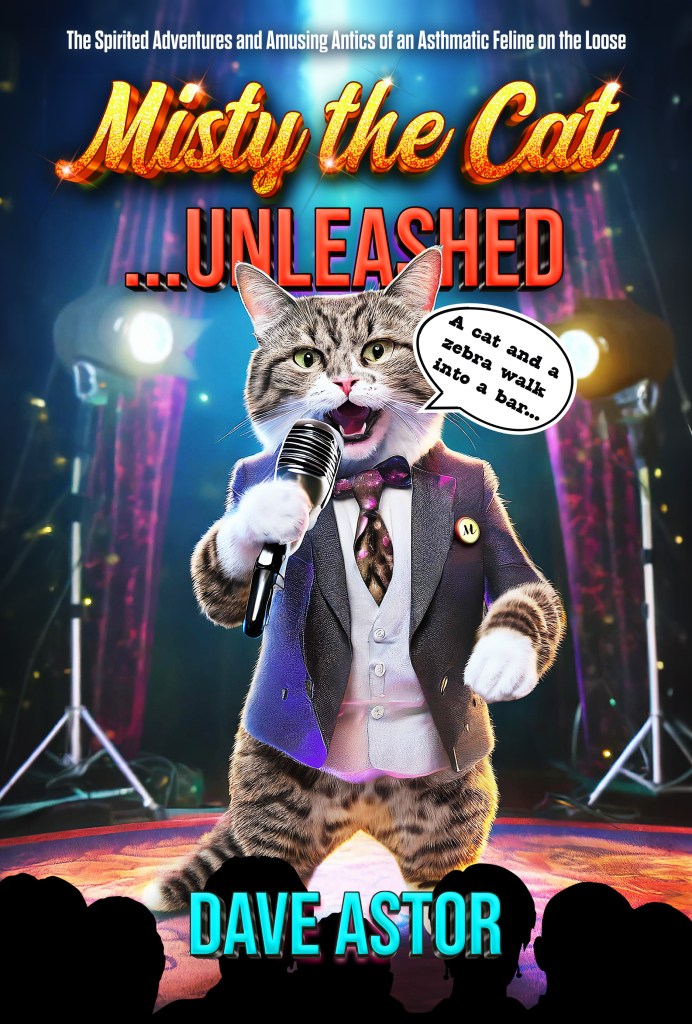
And my own fiction/fact hybrid, Misty the Cat…Unleashed, includes some pages about my teen daughter Maria tearing her ACL in 2022 and getting reconstructive surgery because of a gymnastics accident. While the 2024 book was published before all the ramifications of this mishap would unfold, the tear/operation/rehab changed the course of Maria’s life: which sport she would switch to (crew), which university she would enter this fall because of getting recruited for that sport (Boston University), and which career path she would choose (the health-care field). Major injuries can do that.

Any comments about, and/or examples of, this topic?

Misty the cat says in 2020: “This is not your typical municipal library.”

My comedic 2024 book — the part-factual/part-fictional/not-a-children’s-work Misty the Cat…Unleashed — is described and can be purchased on Amazon in paperback or on Kindle. It’s feline-narrated! (And Misty says Amazon reviews are welcome. 🙂 )

This 90-second promo video for my book features a talking cat: 🙂

I’m also the author of a 2017 literary-trivia book

…and a 2012 memoir that focuses on cartooning and more.

In addition to this weekly blog, I write the 2003-started/award-winning “Montclairvoyant” topical-humor column every Thursday for Montclair Local. The latest piece — about too many topics to list 🙂 — is here.