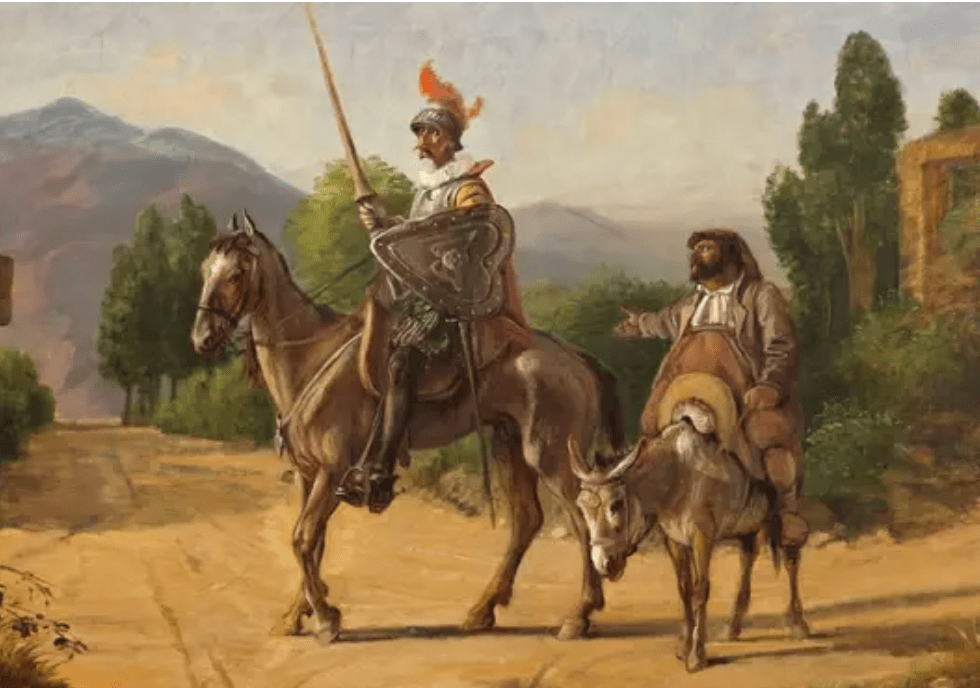
Don Quixote leads the way in this image and the blog post below.
I started sorting through my family’s 2025 tax paperwork yesterday, which reminded me that a tax-preparation company we used for the first time last year was rather incompetent. (Needless to say, we’ll be trying a different company this month.) I was also reminded of characters in novels who are incompetent or bumbling — with some of them sympathetic and some of them less so.
Before I continue with today’s theme, I wanted to mention that a far-from-inept podcaster/blogger — the mega-talented Rebecca Budd, who many of you know via WordPress — interviewed me about how reading books can be helpful and comforting in these very difficult times. Thank you, Rebecca, for the great questions and wonderful conversation! Which can be listened to here:
Anyway, the first inept character who came to mind was the clueless and deluded but kind of charming Don Quixote in Miguel de Cervantes’ early-1600s classic. Quixote IS quite skilled at attacking windmills he mistakes for enemies. 🙂
Not as sympathetic is the buffoonish Professor Gilderoy Lockhart in J.K. Rowling’s Harry Potter and the Chamber of Secrets. Also inept, at the start of the seven-book Potter series, is Hogwarts student Neville Longbottom, but his character arc eventually has him become more self-assured and even heroic.
An inept/adept mix can also be simultaneous — as with the bounty hunter Stephanie Plum who is both bumbling and skilled in Janet Evanovich’s series of novels.
Then there’s Ignatius J. Reilly, who could be categorized as a fool in John Kennedy Toole’s A Confederacy of Dunces. But he has some smarts, too, and is funny as hell.
The combination of ineptness and proficiency manifests itself in a different way in Daniel Keyes’ Flowers for Algernon, in which Charlie Gordon goes from being a low-IQ to high-IQ individual via an experimental surgical procedure.
A poignant character with almost no life skills is “The Poor Fool,” a child of Wang Lung and O-Lan in Pearl S. Buck’s The Good Earth. The girl, who isn’t named in the novel, has a mental handicap probably caused by being a baby the year her family was starving. Yes, some characters sadly have no control over how they turn out.
Back in 2019, I wrote a post about bad bosses in novels, and some of them were pretty incompetent — including Captain Queeg in Herman Wouk’s The Caine Mutiny.
Most of us know some incompetent people in real life, so that type is certainly familiar when encountered in literature. Even welcome in a way, because we’re relieved that these people are fictional rather than real. 🙂
Thoughts about, and examples of, today’s topic?
Misty the cat says: “That car either disappeared into the garage or into the space-time continuum.”
My comedic 2024 book — the part-factual/part-fictional/not-a-children’s-work Misty the Cat…Unleashed — is described and can be purchased on Amazon in paperback or on Kindle. It’s feline-narrated! (And Amazon reviews are welcome. 🙂 )
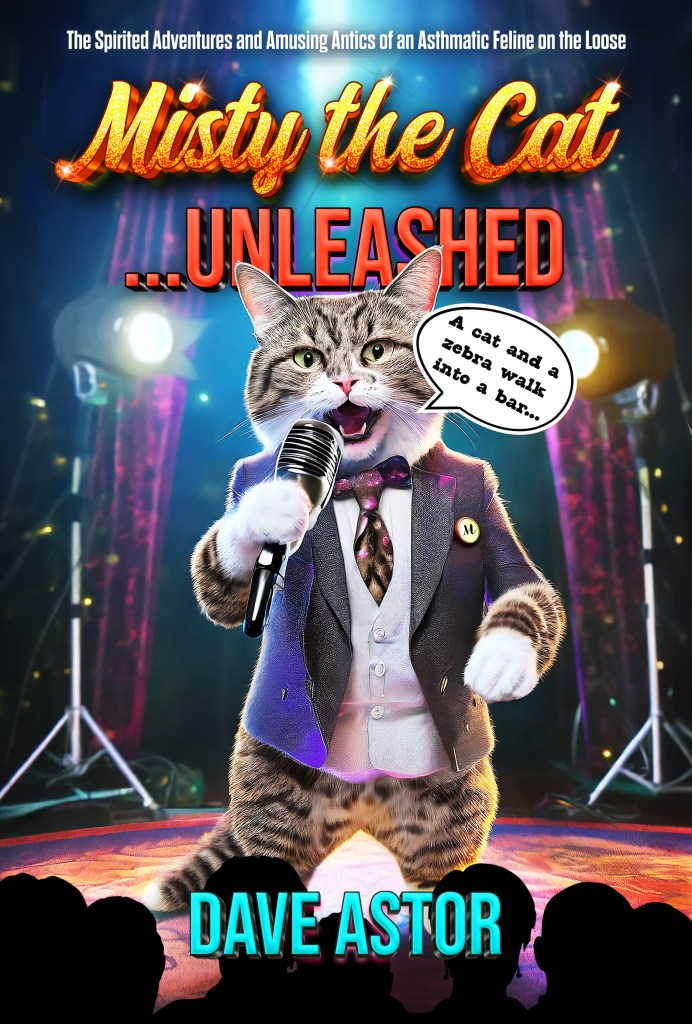
This 90-second promo video for the book features a talking cat: 🙂
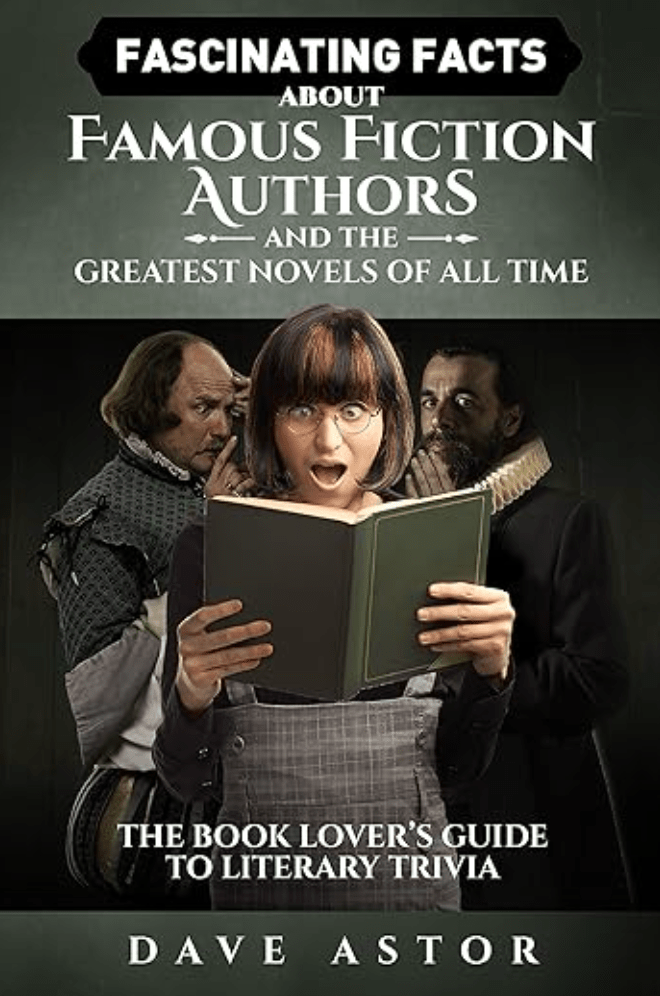
I’m also the author of a literary-trivia book…
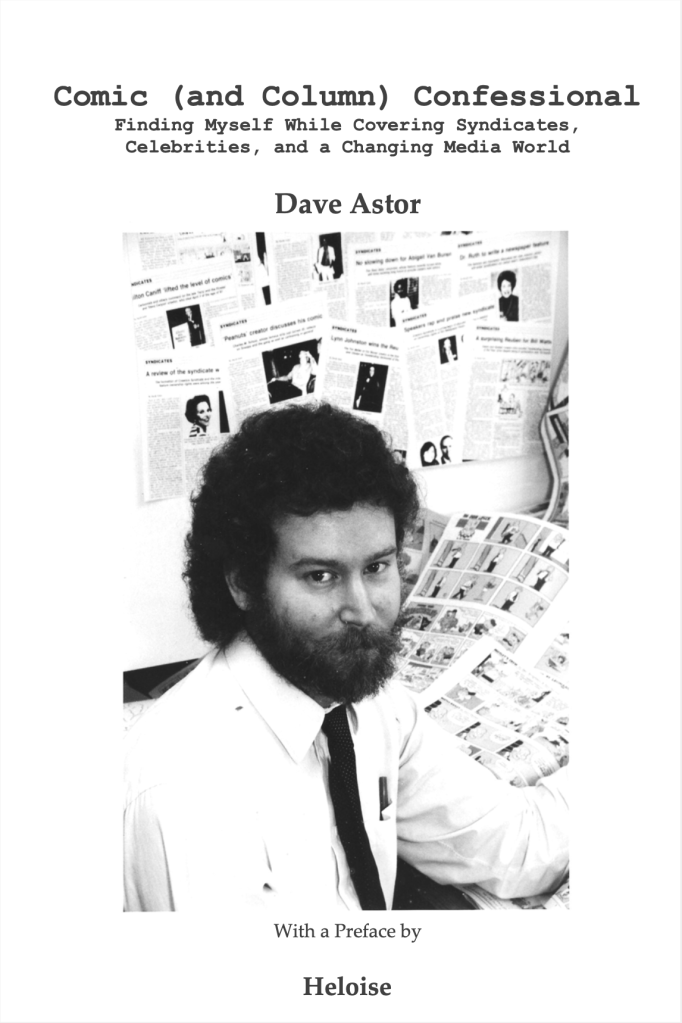
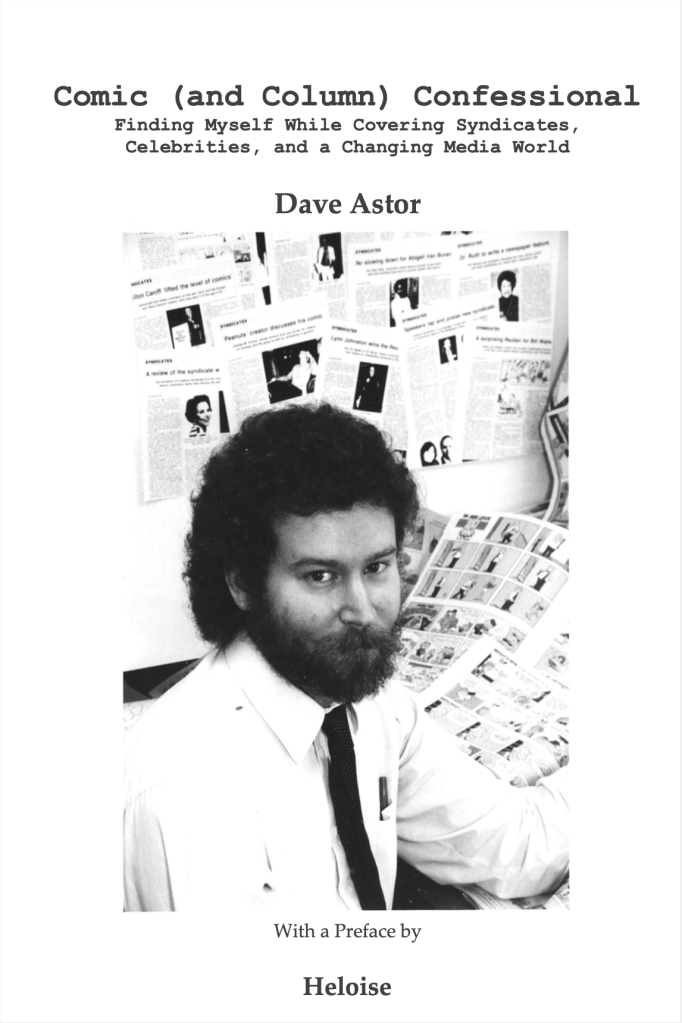
…and a memoir that focuses on cartooning and more, including many encounters with celebrities.
In addition to this weekly blog, I write the 2003-started/award-winning “Montclairvoyant” topical-humor column every Thursday for Montclair Local. The latest piece — about Black History Month and a closed fire station — is here.


 Dave Astor on Literature