More of the Morose

Last week, I wrote about some of literature’s comedic or part-comedic novels. This week, I’ll flip that to discuss some of the saddest novels. Given that I covered this topic in a post eight years ago, I’ll focus on novels I’ve read since then — whether those books were published before or after 2018.

Of course, sad novels are not always 100% bleak; they perhaps contain some happier moments and/or semi-optimistic endings. But they’re downbeat overall.

Kristin Hannah’s excellent fiction can certainly leave a reader shaken. For instance, her 1970s-set novel The Great Alone (2018) is a depressing look at a Vietnam War veteran living in the Alaskan wilderness and how his post-traumatic stress wreaks havoc on himself, his wife, and their teen daughter.

Elin Hilderbrand’s also-excellent fiction is considered somewhat “lighter” than Hannah’s, but she does often wrestle with major personal and societal issues. One of Hilderbrand’s more melancholy novels is 28 Summers (2020), about a cancer-stricken woman who had a longtime one-weekend-a-year affair with her soulmate while she and him lived separate family lives the rest of the time. A superb book amid the sorrow.

In-between the two above novels arrived Colson Whitehead’s partly 1960s-set The Nickel Boys (2019), a heartbreaking look at abuse in a Florida reform school and at racism in general. Whitehead’s earlier The Underground Railroad (2016) — which unfolds in 19th-century slavery times — is another very good novel that will leave readers morose. Both Whitehead books won the Pulitzer Prize for fiction.

Barbara Kingsolver’s later Pulitzer winner Demon Copperhead isn’t all dispiriting, but the scourge of opioid addiction and the poverty depicted in the 2022 novel leave readers dejected even as they’re impressed with the author’s modern reimagining of Charles Dickens’ David Copperfield.

Moving to some older novels I’ve read since 2018, we have Michael Crichton’s 1990 sci-fi thriller Jurassic Park in which the hubris of using DNA to recreate living dinosaurs in the 20th century results in lots of destruction by those out-of-their-element dinos.

Twenty-five years earlier, there was John Edward Williams’ 1965 Stoner novel about a farm-raised boy who becomes an English professor but lives a personal life marked by an unhappy marriage and other disappointments. Again, a really good novel amid the sorrow.

Another 1965 release was James Leo Herlihy’s Midnight Cowboy (better known for the 1969 movie adaptation) about a naive Texan’s odyssey in New York City and the discouraging experiences of he and his down-and-out, ill-fated friend.

In 1957 came Nevil Shute’s On the Beach, about Australians waiting to die from a deadly wave of nuclear war-caused radiation heading their way. Almost any apocalyptic/dystopian novel would be eligible for this post.

Thomas Mann’s Death in Venice (1912) is exquisitely written and set in one of the most beautiful cities on the planet, but the plot is full of unrequited obsession — and then comes the cholera outbreak.

In 1833, Alexander Pushkin’s novel-in-verse Eugene Onegin was published after appearing in serial form between 1825 and 1832. A depressingly brilliant work filled with boredom, arrogance, selfishness, an ill-fated duel, a missed romantic opportunity, and more.

Among the sad novels I mentioned in my 2018 post were Andre Dubus III’s House of Sand and Fog (1999), Arundhati Roy’s The God of Small Things (1997), Toni Morrison’s Beloved (1987), Giuseppe Tomasi di Lampedusa’s The Leopard (1958), Erich Maria Remarque’s Spark of Life (1952), George Orwell’s Nineteen Eighty-Four (1949), Edith Wharton’s The House of Mirth (1905), Thomas Hardy’s Jude the Obscure (1895), Emile Zola’s Germinal (1885), George Eliot’s The Mill on the Floss (1860), Mary Shelley’s The Last Man (1826), and Sir Walter Scott’s The Bride of Lammermoor (1819).

Your thoughts on this post, and examples of sad novels you’ve read?

Misty the cat says: “I was gonna give Dave this tree for his birthday but it’s stuck in the ground.”

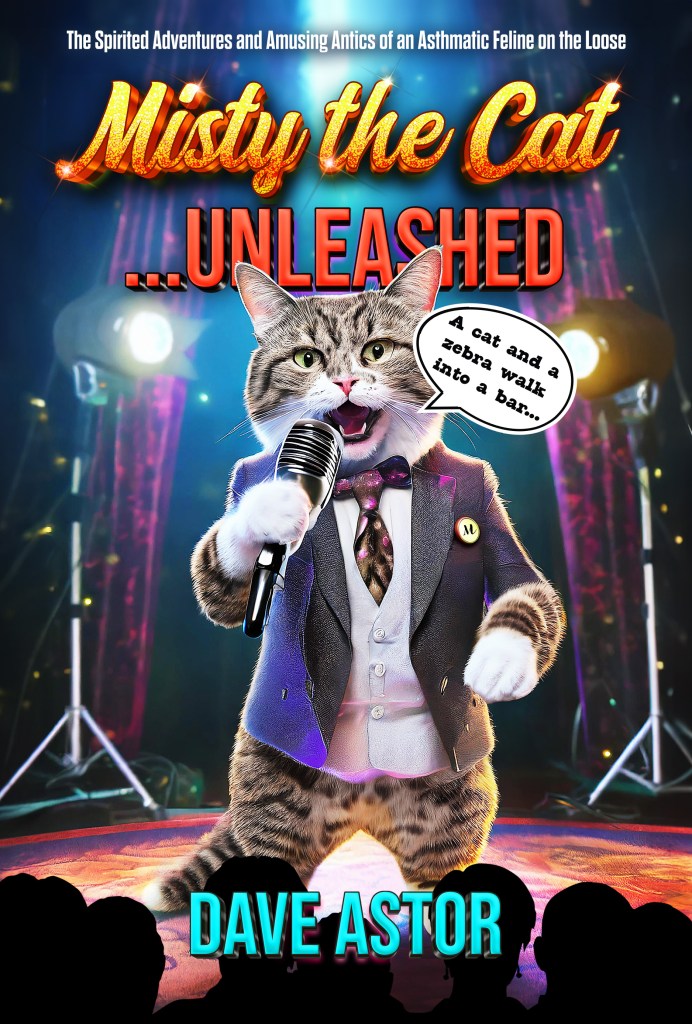
My comedic 2024 book — the part-factual/part-fictional/not-a-children’s-work Misty the Cat…Unleashed — is described and can be purchased on Amazon in paperback or on Kindle. It’s feline-narrated! (And Amazon reviews are welcome. 🙂 )
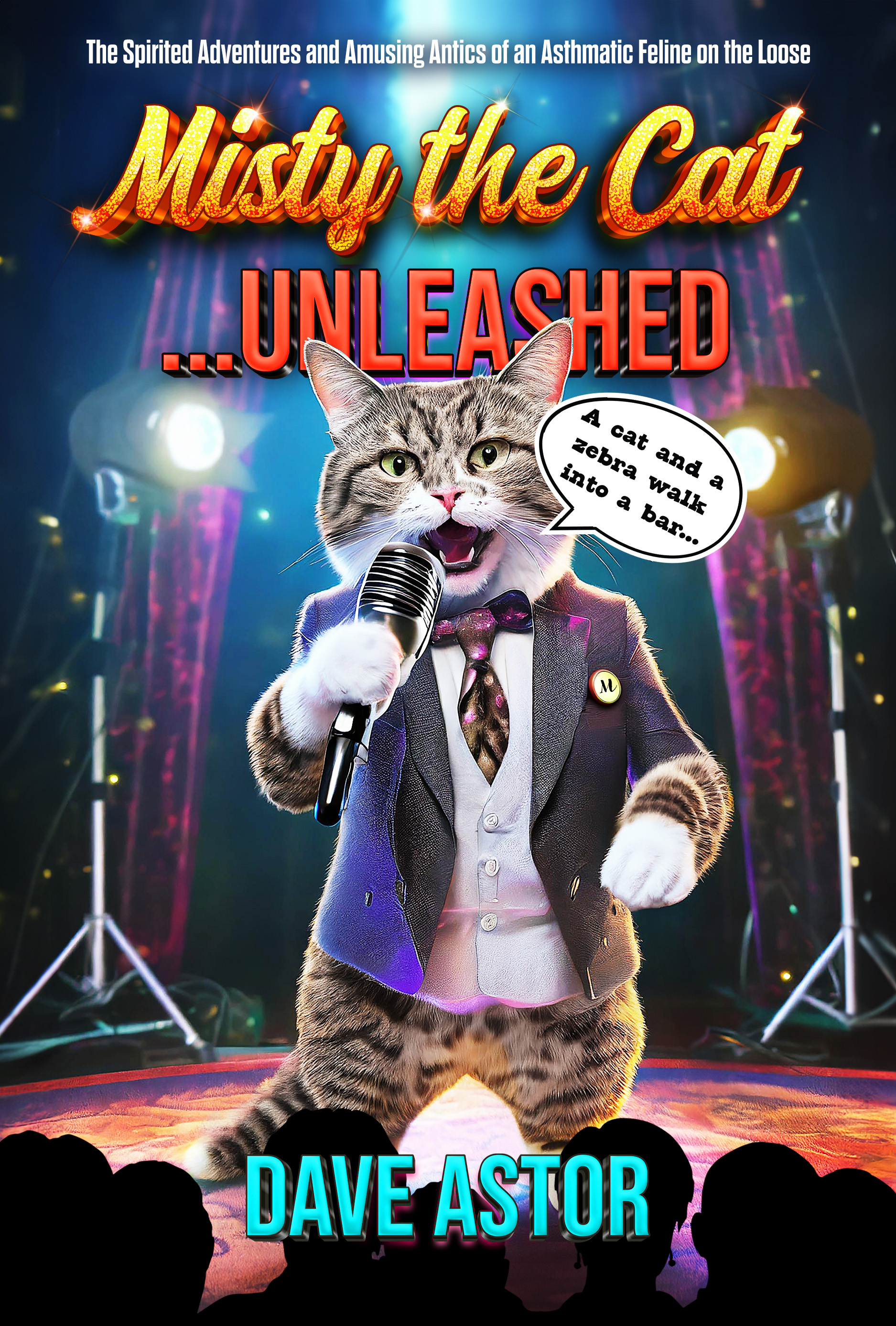
This 90-second promo video for the book features a talking cat: 🙂

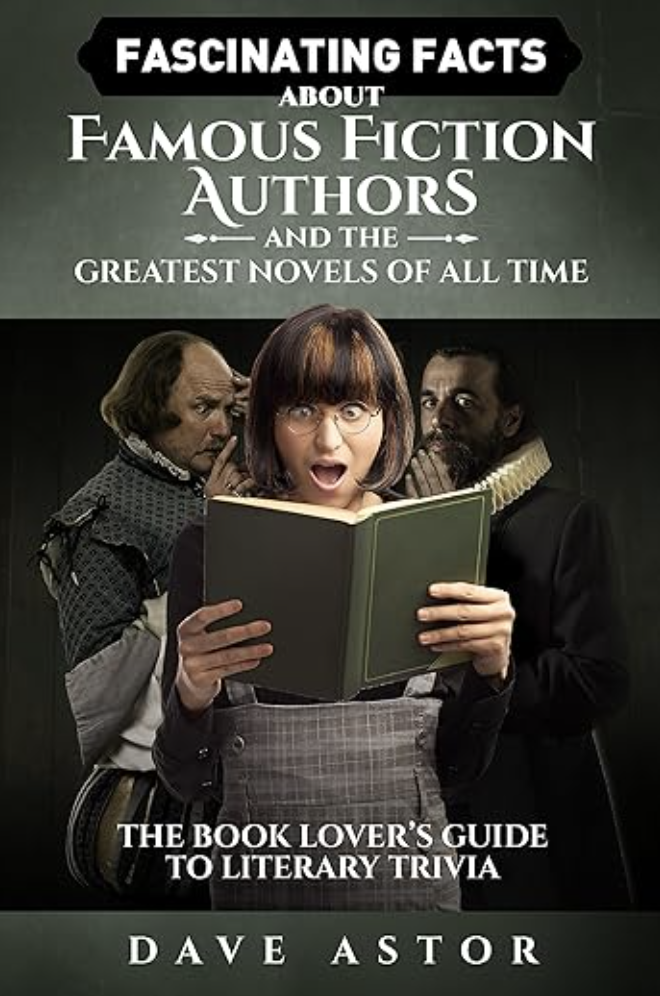
I’m also the author of a 2017 literary-trivia book

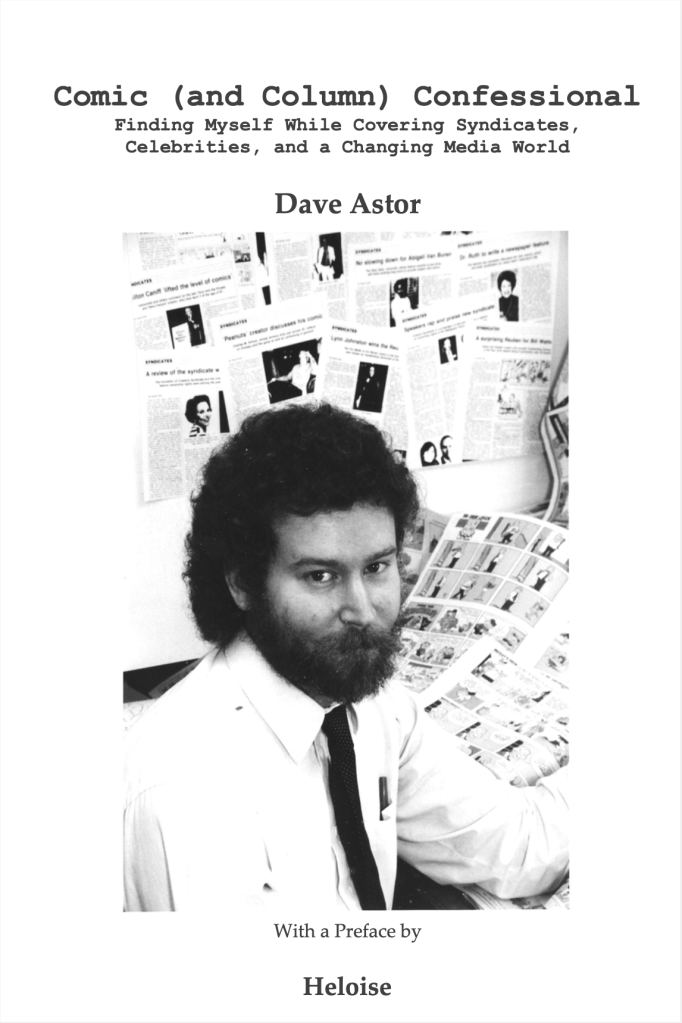
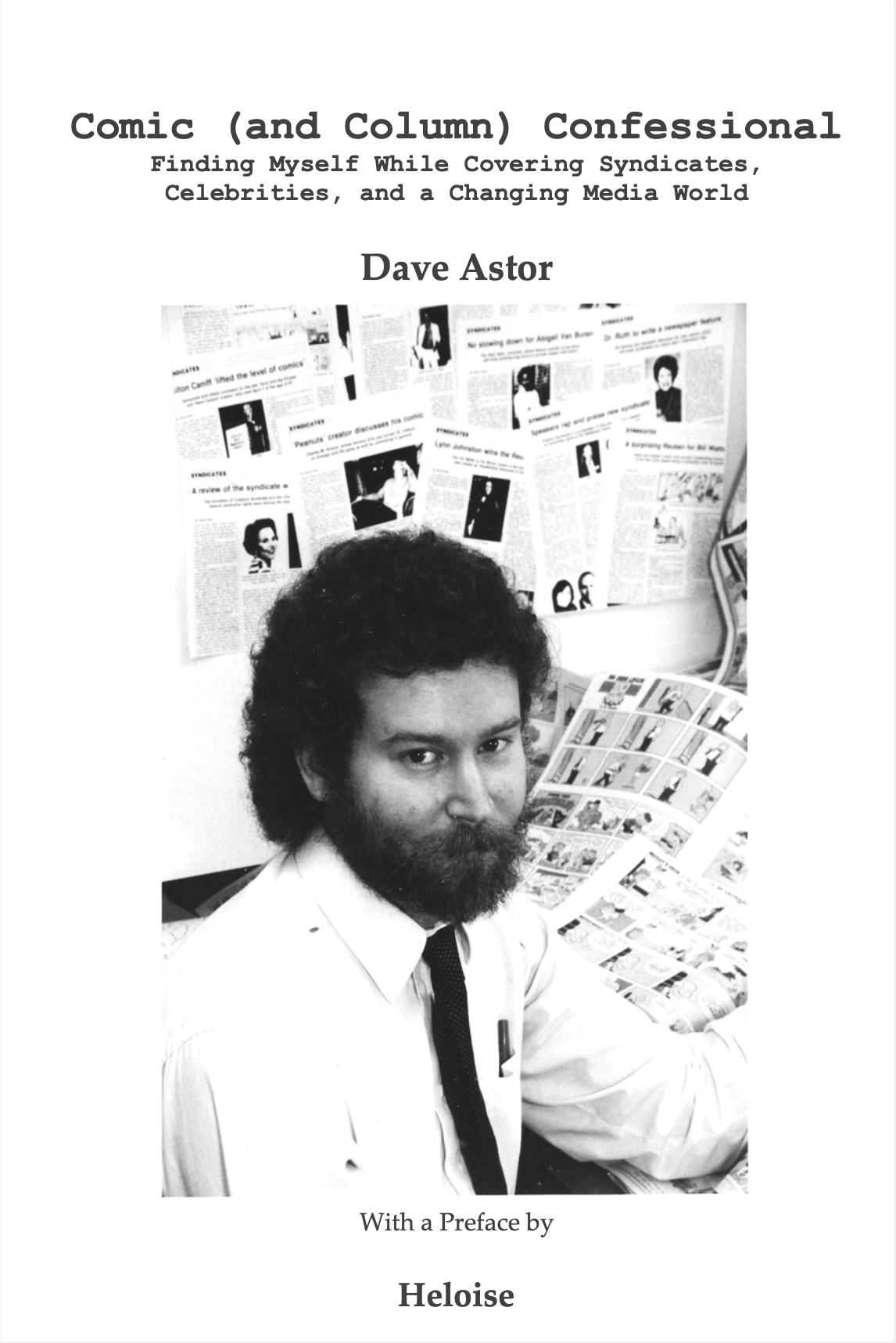
…and a 2012 memoir that focuses on cartooning and more, including many encounters with celebrities.
In addition to this weekly blog, I write the 2003-started/award-winning “Montclairvoyant” topical-humor column every Thursday for Montclair Local. The latest piece — about a VERY close budget referendum and a not-close but controversial development decision — is here.

When Authors Place Their Bet on Debt

A current major issue in my town of Montclair, New Jersey, is a massive school-budget deficit. As I continued to write about that each week in my “Montclairvoyant” topical-humor column, thoughts came to mind about fictional people facing debt and related financial troubles — a situation that provides much dramatic fodder while often evoking sympathy for those money-challenged characters.

Not knowing in advance that it would fit this topic, I happened last week to read a Richard Paul Evans novel called The Walk in which Seattle ad executive Alan Christoffersen loses his home, his car, and most of his other possessions because of huge medical bills for his paralyzed-in-an-accident wife McKale, being cheated by his work partner, and other reasons.

When reading about any character in fiscal peril, we wonder how they will react and what the ultimate outcome for them will be. In Evans’ 2009 novel, a despairing Alan ends up starting a long walk to Key West, Florida…nearly 3,500 miles away!

The pricey and problematic health-care system in the U.S. — the world’s only “developed” country without some form of government-run national insurance for all — also takes a huge financial toll on Shep Knacker when his wife Glynis becomes ill in (Ms.) Lionel Shriver’s compelling part-satirical novel So Much for That (2010).

Moving from the 21st-century United States to 19th-century France, we have Honore de Balzac’s 1837 novel Cesar Birotteau — whose Parisian title character is a successful shop owner and deputy mayor who becomes bankrupt after getting manipulated into property speculation. He spends the rest of the book on a mission to restore his honor by trying to pay off his debt.

A later French novel, Emile Zola’s The Drinking Den (1877), features another initially successful businessperson: Gervaise Macquart, who manages to open her own laundry through very hard work. She is happily married until her husband’s life spirals downward after he falls from a roof. Coupeau’s descent drags the family into poverty and alcoholism.

In-between those books came Gustave Flaubert’s 1857 novel Madame Bovary, in which the adulterous title character gets into serious debt spending on luxuries. When the debt is called in and can’t be paid, Emma Bovary decides to…

Over in 19th-century England, there was Charles Dickens’ also-published-in-1857 novel Little Dorrit — whose title character (first name Amy) was born and grows up in a debtors’ prison where her father William has been incarcerated. Partly inspired by Dickens’ childhood.

Back in France, Guy de Maupassant’s classic 1884 short story “The Necklace” is about a woman who loses a glittery borrowed necklace and goes into years of life-ruining debt after paying for a replacement. The tale has one of the most famous surprise endings in literature.

Authors themselves have of course also experienced money troubles. For instance, Sir Walter Scott in later life tried to frantically write his way out of debt after a banking crisis caused the collapse of a printing business in which the Scottish author had a large financial stake.

Also later in life, Mark Twain filed for bankruptcy after years of investing heavily in a mechanical typesetter that didn’t catch on. He survived financially and paid off debt by giving up his ornate Hartford, Connecticut, mansion and later embarking on a worldwide speaking tour.

Your thoughts about, and examples of, this theme?

Misty the cat says: “I didn’t know my apartment complex was zoned for a car dealership.”

My comedic 2024 book — the part-factual/part-fictional/not-a-children’s-work Misty the Cat…Unleashed — is described and can be purchased on Amazon in paperback or on Kindle. It’s feline-narrated! (And Amazon reviews are welcome. 🙂 )

This 90-second promo video for the book features a talking cat: 🙂

I’m also the author of a 2017 literary-trivia book

…as well as a 2012 memoir that focuses on cartooning and more, and includes many encounters with celebrities.

In addition to this weekly blog, I write the 2003-started/award-winning “Montclairvoyant” topical-humor column every Thursday for Montclair Local. The latest piece — about my local Township Council’s welcome vote to support a proposed state bill to protect immigrants from the Trump regime — is here.

The Bicentennial of a Great Year for Literature

We’re living in the bicentennial anniversary of 1818 — a very consequential 12 months in the early days of the modern novel.

Mary Shelley’s Frankenstein came out that year. One of the most important novels ever written when you think of its impact on science fiction, the horror genre, movies, women writing fiction, and more. Published when Shelley was barely in her 20s, it’s a philosophical, page-turning, poignant work about hubris, human cruelty, the meaning of life, and other weighty issues.

Shelley followed Frankenstein with such books as The Last Man (1826), published when the 1797-born author was in her late 20s. That apocalyptic, set-in-the-future novel was also a pioneering tale — as well as a time capsule thanks to the three main characters being based on Mary, her famous poet husband Percy Bysshe Shelley, and their famous poet friend Lord Byron.

Getting back to 1818, that was also when Jane Austen’s Persuasion and Northanger Abbey were released posthumously.

Persuasion is my favorite Austen novel and stars my favorite Austen heroine (Anne Elliot). It has a lot less cachet than Pride and Prejudice, and somewhat less cachet than Sense and Sensibility, Emma, and Mansfield Park, but I think the lean Persuasion is the brightest gem in Austen’s six-novel canon.

Northanger Abbey is my least favorite Austen work, though that love story and satire of Gothic fiction is still an absorbing read.

Austen, of course, is as popular as ever 200 years after 1818. Actually, much more popular given that she had only modest celebrity and sales success before her 1817 death at age 41.

And 1818 saw the publication of The Heart of Midlothian — Sir Walter Scott’s first novel to star a woman, and the first of his to star a protagonist from the “lower classes.” It compellingly chronicles the Jeanie Deans character’s long trek on foot from Scotland to London to try to clear her sister’s name.

The Heart of Midlothian is my favorite Scott novel, though he also authored a number of other excellent ones — including Ivanhoe, Rob Roy, Old Mortality, and Quentin Durward, to name just four. All were written after the 1771-born Scott turned 40; the first part of his writing career was spent as a very widely read poet. (“Oh what a tangled web we weave/when first we practise to deceive.”)

I’ll end this post by also mentioning two great 1918 novels: Willa Cather’s My Antonia and Booth Tarkington’s The Magnificent Ambersons.

Any thoughts on the work of Mary Shelley, Jane Austen, and/or Sir Walter Scott?

My 2017 literary-trivia book is described and can be purchased here: Fascinating Facts About Famous Fiction Authors and the Greatest Novels of All Time.

In addition to this weekly blog, I write the award-winning “Montclairvoyant” topical-humor column for Baristanet.com. The latest weekly piece — about topics such as school tours and March 14’s national student walkout for better gun control — is here.