More of the Morose

Last week, I wrote about some of literature’s comedic or part-comedic novels. This week, I’ll flip that to discuss some of the saddest novels. Given that I covered this topic in a post eight years ago, I’ll focus on novels I’ve read since then — whether those books were published before or after 2018.

Of course, sad novels are not always 100% bleak; they perhaps contain some happier moments and/or semi-optimistic endings. But they’re downbeat overall.

Kristin Hannah’s excellent fiction can certainly leave a reader shaken. For instance, her 1970s-set novel The Great Alone (2018) is a depressing look at a Vietnam War veteran living in the Alaskan wilderness and how his post-traumatic stress wreaks havoc on himself, his wife, and their teen daughter.

Elin Hilderbrand’s also-excellent fiction is considered somewhat “lighter” than Hannah’s, but she does often wrestle with major personal and societal issues. One of Hilderbrand’s more melancholy novels is 28 Summers (2020), about a cancer-stricken woman who had a longtime one-weekend-a-year affair with her soulmate while she and him lived separate family lives the rest of the time. A superb book amid the sorrow.

In-between the two above novels arrived Colson Whitehead’s partly 1960s-set The Nickel Boys (2019), a heartbreaking look at abuse in a Florida reform school and at racism in general. Whitehead’s earlier The Underground Railroad (2016) — which unfolds in 19th-century slavery times — is another very good novel that will leave readers morose. Both Whitehead books won the Pulitzer Prize for fiction.

Barbara Kingsolver’s later Pulitzer winner Demon Copperhead isn’t all dispiriting, but the scourge of opioid addiction and the poverty depicted in the 2022 novel leave readers dejected even as they’re impressed with the author’s modern reimagining of Charles Dickens’ David Copperfield.

Moving to some older novels I’ve read since 2018, we have Michael Crichton’s 1990 sci-fi thriller Jurassic Park in which the hubris of using DNA to recreate living dinosaurs in the 20th century results in lots of destruction by those out-of-their-element dinos.

Twenty-five years earlier, there was John Edward Williams’ 1965 Stoner novel about a farm-raised boy who becomes an English professor but lives a personal life marked by an unhappy marriage and other disappointments. Again, a really good novel amid the sorrow.

Another 1965 release was James Leo Herlihy’s Midnight Cowboy (better known for the 1969 movie adaptation) about a naive Texan’s odyssey in New York City and the discouraging experiences of he and his down-and-out, ill-fated friend.

In 1957 came Nevil Shute’s On the Beach, about Australians waiting to die from a deadly wave of nuclear war-caused radiation heading their way. Almost any apocalyptic/dystopian novel would be eligible for this post.

Thomas Mann’s Death in Venice (1912) is exquisitely written and set in one of the most beautiful cities on the planet, but the plot is full of unrequited obsession — and then comes the cholera outbreak.

In 1833, Alexander Pushkin’s novel-in-verse Eugene Onegin was published after appearing in serial form between 1825 and 1832. A depressingly brilliant work filled with boredom, arrogance, selfishness, an ill-fated duel, a missed romantic opportunity, and more.

Among the sad novels I mentioned in my 2018 post were Andre Dubus III’s House of Sand and Fog (1999), Arundhati Roy’s The God of Small Things (1997), Toni Morrison’s Beloved (1987), Giuseppe Tomasi di Lampedusa’s The Leopard (1958), Erich Maria Remarque’s Spark of Life (1952), George Orwell’s Nineteen Eighty-Four (1949), Edith Wharton’s The House of Mirth (1905), Thomas Hardy’s Jude the Obscure (1895), Emile Zola’s Germinal (1885), George Eliot’s The Mill on the Floss (1860), Mary Shelley’s The Last Man (1826), and Sir Walter Scott’s The Bride of Lammermoor (1819).

Your thoughts on this post, and examples of sad novels you’ve read?

Misty the cat says: “I was gonna give Dave this tree for his birthday but it’s stuck in the ground.”

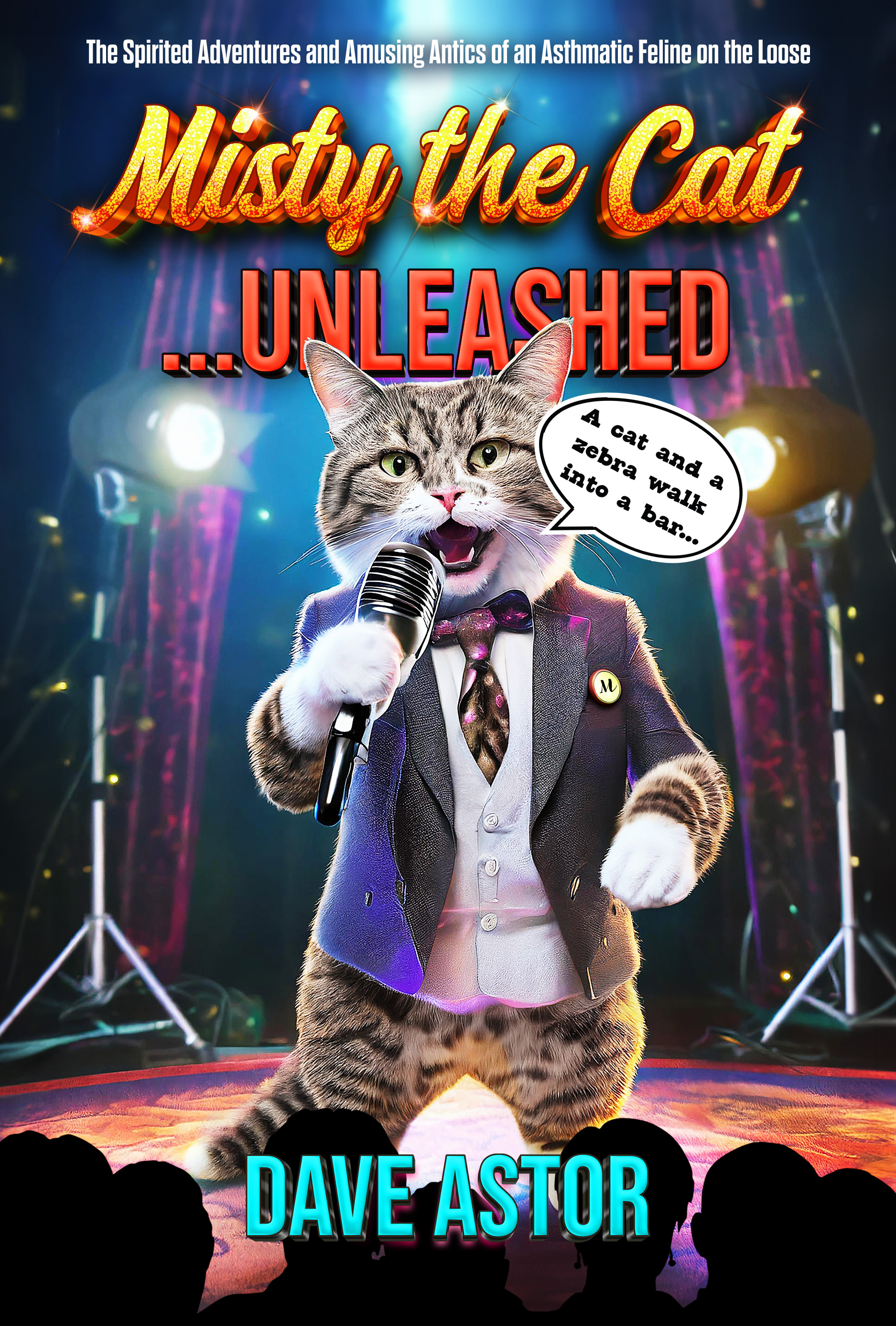
My comedic 2024 book — the part-factual/part-fictional/not-a-children’s-work Misty the Cat…Unleashed — is described and can be purchased on Amazon in paperback or on Kindle. It’s feline-narrated! (And Amazon reviews are welcome. 🙂 )
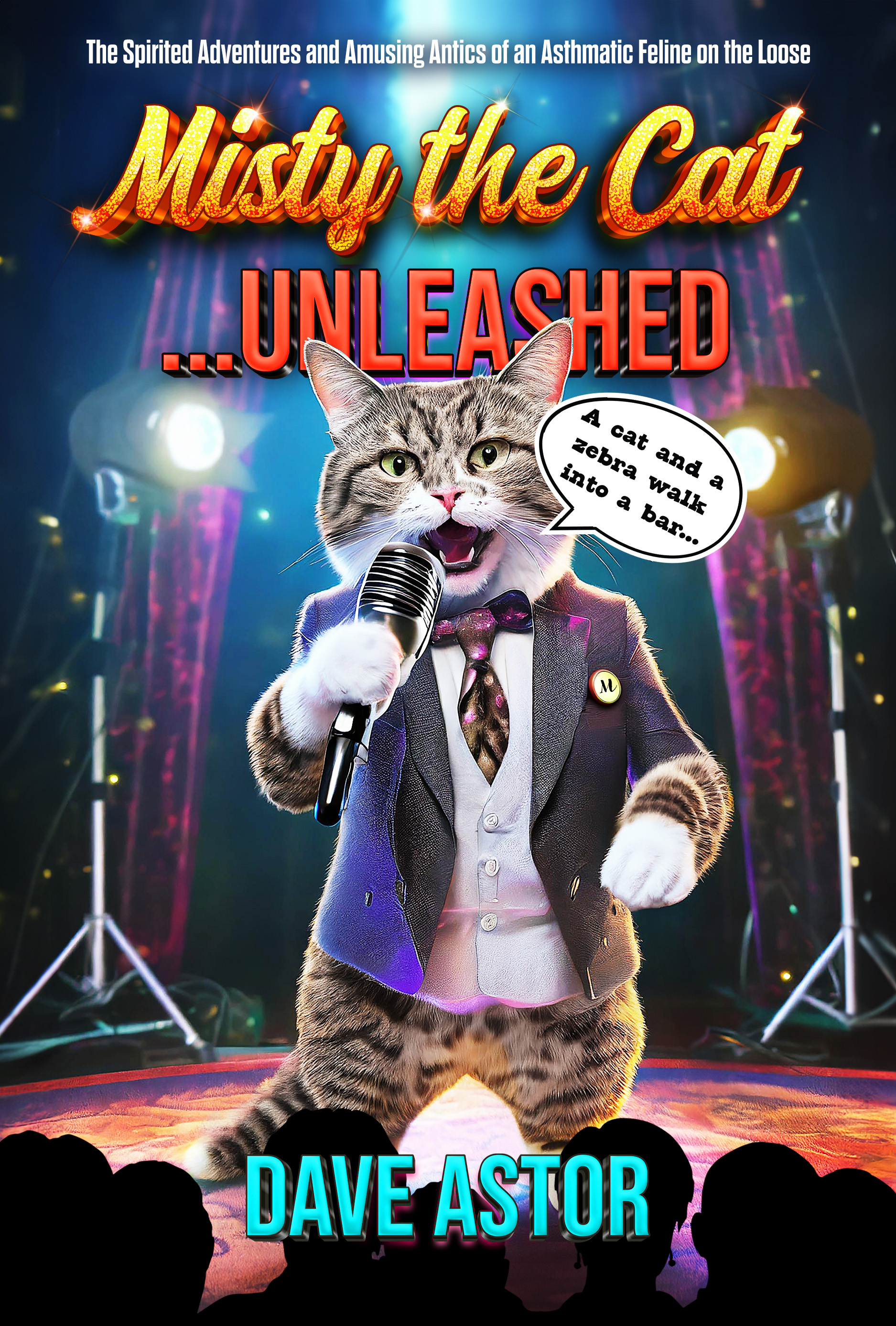
This 90-second promo video for the book features a talking cat: 🙂

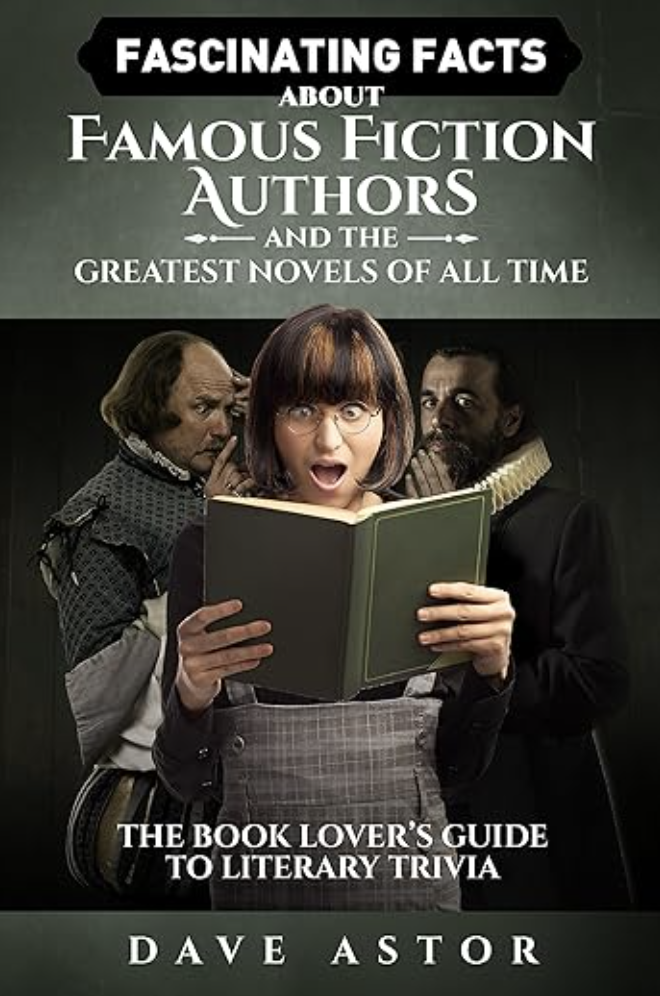
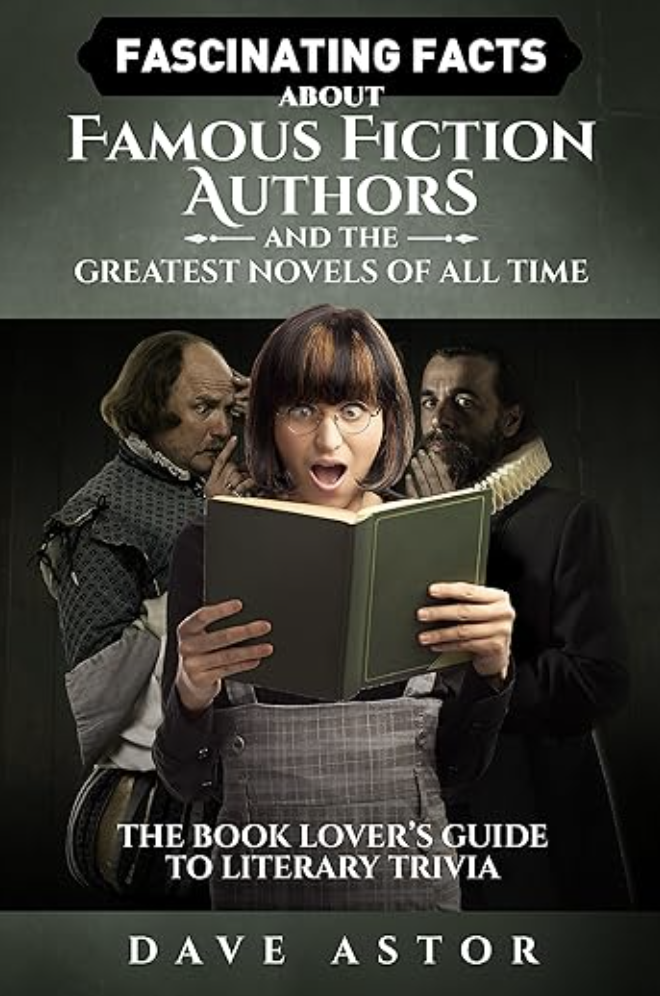
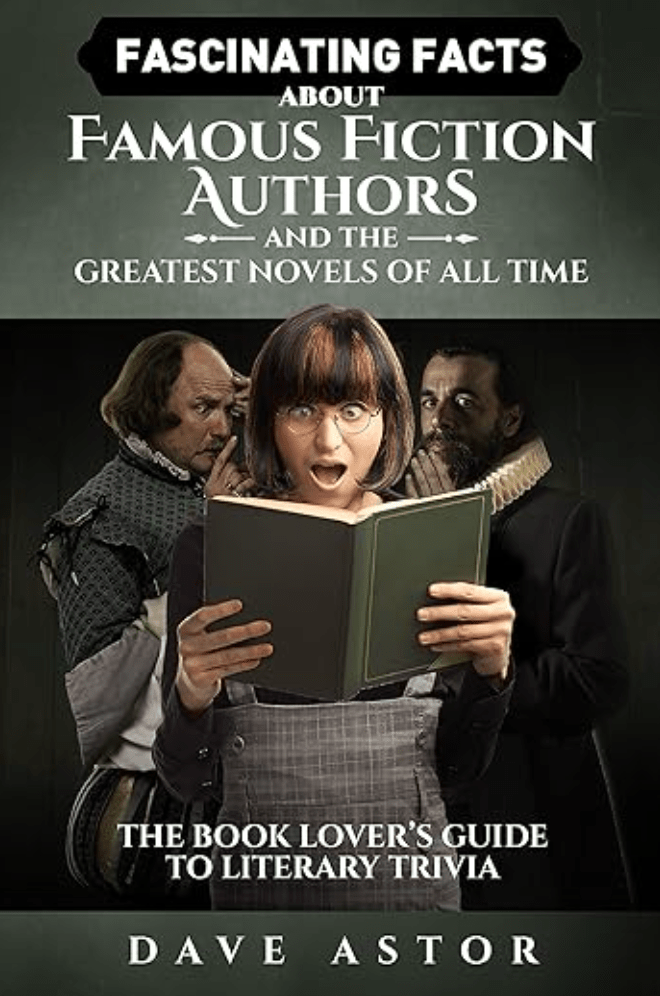
I’m also the author of a 2017 literary-trivia book

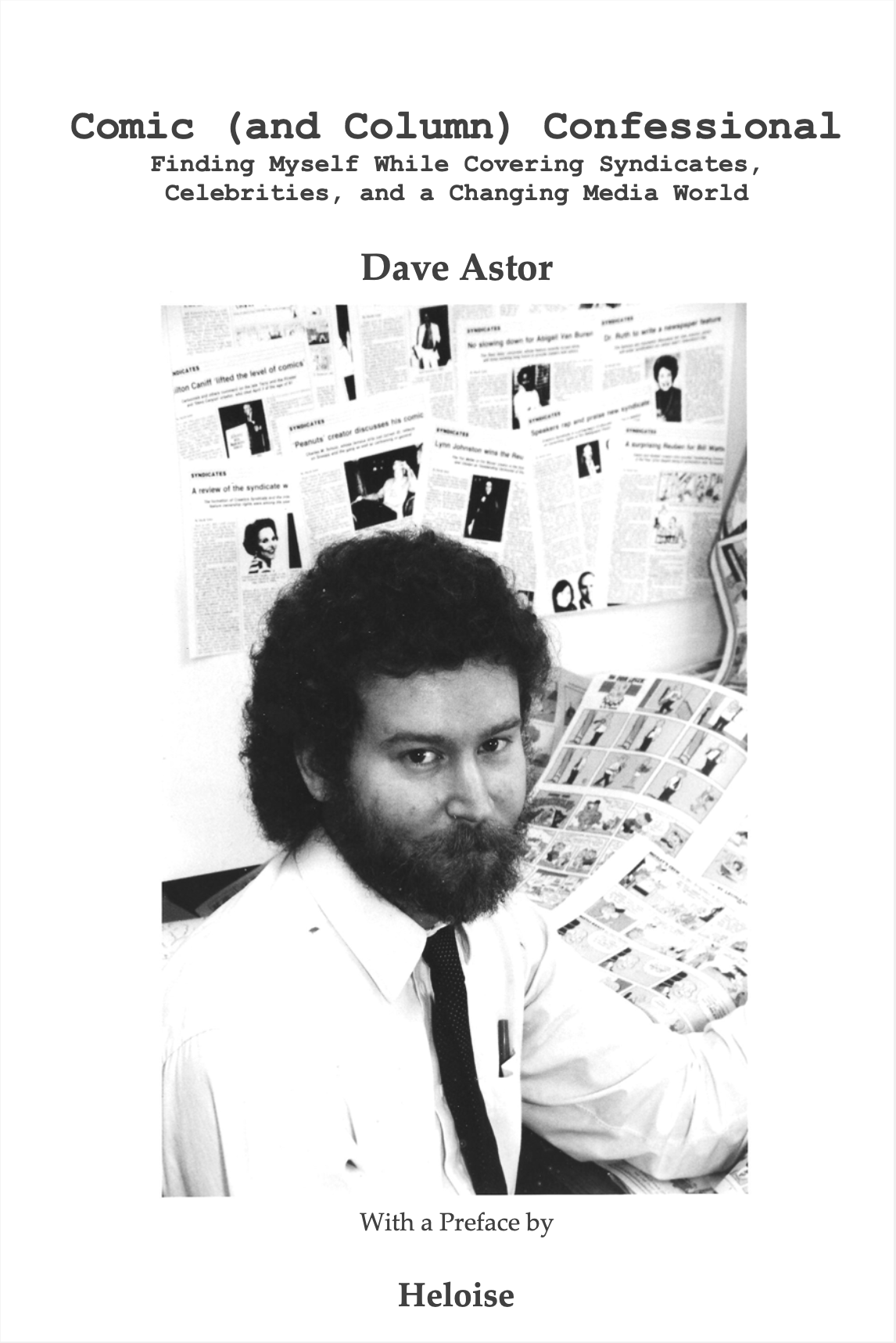
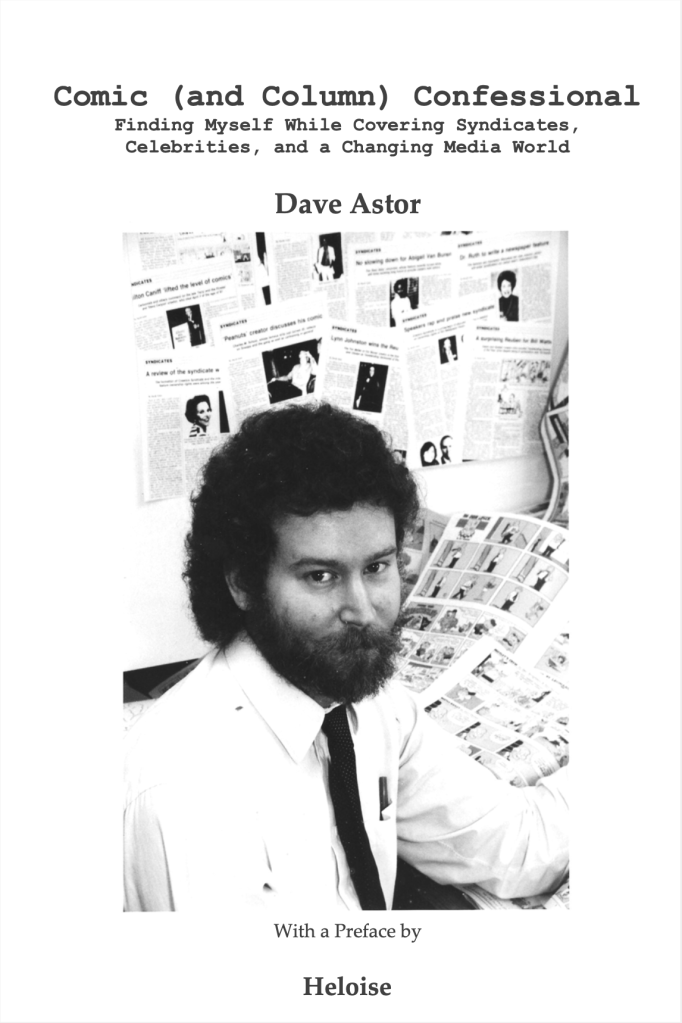
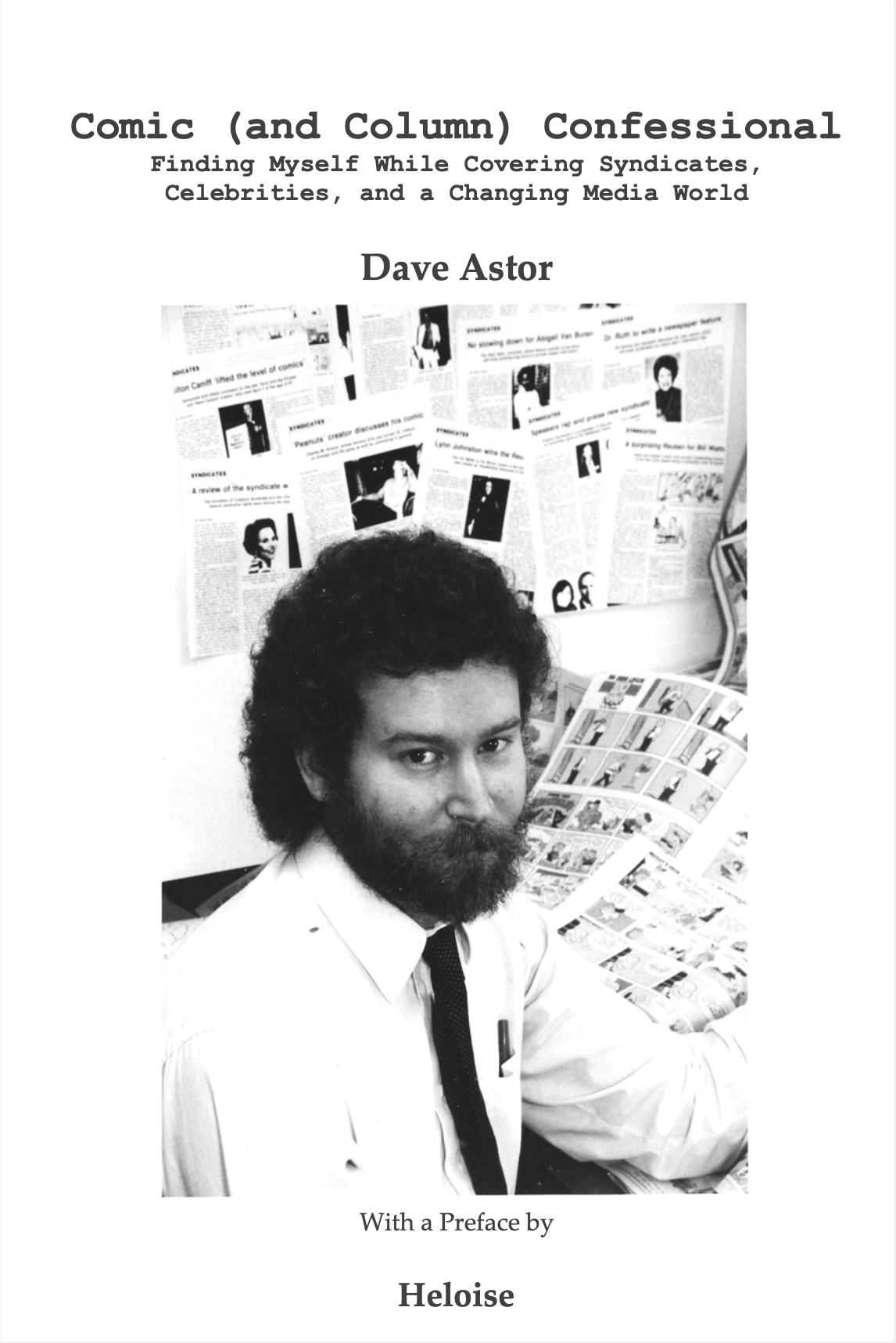
…and a 2012 memoir that focuses on cartooning and more, including many encounters with celebrities.
In addition to this weekly blog, I write the 2003-started/award-winning “Montclairvoyant” topical-humor column every Thursday for Montclair Local. The latest piece — about a VERY close budget referendum and a not-close but controversial development decision — is here.
Favorite Females in Fiction, Recently Read

Today is International Women’s Day. Over the years, I’ve written blog posts from various angles about women in literature. This time, I’ll focus on some of my favorite women characters in novels I’ve read (though were not necessarily published) during the past couple of years.

Because of its title, the first book that came to mind was Kristin Hannah’s terrific 2024 novel The Women focusing on Vietnam War combat nurses. It stars Frances “Frankie” McGrath, a somewhat-naive young woman from an affluent family who’s forced to mature very quickly while treating horrendous battle injuries. Her two war-zone mentors — Barb Johnson and Ethel Flint — are also memorable in secondary roles.

Hannah’s previous novel, 2021’s The Four Winds, also has a stirring woman protagonist in Elsa Wolcott. (Her 1930s-set story is clearly influenced by John Steinbeck’s The Grapes of Wrath.)

Elin Hilderbrand’s novels — nearly 30 of which I read in 2024 and 2025 — are teeming with compelling women characters. Among my favorites are teacher Mallory Blessing of 2020’s bittersweet 28 Summers (inspired by Bernard Slade’s Same Time, Next Year) and the strong-willed Irene Steele who moves from Iowa to the Caribbean after her husband dies mysteriously in Hilderbrand’s Paradise trilogy (2018/2020/2020).

I was also drawn to another teacher: Maggie Jones of Kent Haruf’s Plainsong, an affecting 1999 novel that features interlocking stories.

And to the brave/beleaguered former government agent who goes by various aliases in Stephenie Meyer’s 2016 thriller The Chemist.

And to 1950s mathematician/astronaut Elma York of Mary Robinette Kowal’s 2018 alternative-history novel The Calculating Stars.

And to Wall Street attorney-turned-Appalachia legal aid attorney Samantha Kofer in John Grisham’s Gray Mountain (2014).

In the sleuth genre, three impressive yet very human/relatable women I’ve recently mentioned in other posts include Robin Ellacott of J.K. Rowling’s 2013-launched series, cold-case detective Karen Pirie of Val McDermid’s 2003-launched series, and private investigator Kinsey Millhone of the late Sue Grafton’s 1982-2017 alphabet-mystery series I’m currently working through (now enjoying Q Is for Quarry).

Among my favorite women characters in novels (some classic) that I read years ago include Jane Eyre in Charlotte Bronte’s book of the same name, Helen Huntingdon of Anne Bronte’s The Tenant of Wildfell Hall, Anne Elliot of Jane Austen’s Persuasion, Maggie Tulliver of George Eliot’s The Mill on the Floss, Denise Baudu of Emile Zola’s The Ladies’ Paradise, Marian Halcombe of Wilkie Collins’ The Woman in White, Ethelberta Petherwin in Thomas Hardy’s The Hand of Ethelberta, Edna Pontellier of Kate Chopin’s The Awakening, Anne Shirley of L.M. Montgomery’s Anne of Green Gables, Renee Nere of Colette’s The Vagabond, Pilate Dead of Toni Morrison’s Song of Solomon, Imogene “Idgie” Threadgoode of Fannie Flagg’s Fried Green Tomatoes at the Whistle Stop Cafe, Eliza Sommers of Isabel Allende’s Daughter of Fortune, and Dellarobia Turnbow of Barbara Kingsolver’s Flight Behavior, to name a few. (Actually, Anne Shirley is only 16 at the end of Montgomery’s book.)

Your thoughts about this topic, and your favorite women characters?

Misty the cat says: “Last night, clocks and patches of snow both moved one hour ahead.”

My comedic 2024 book — the part-factual/part-fictional/not-a-children’s-work Misty the Cat…Unleashed — is described and can be purchased on Amazon in paperback or on Kindle. It’s feline-narrated! (And Amazon reviews are welcome. 🙂 )

This 90-second promo video for the book features a talking cat: 🙂

I’m also the author of a 2017 literary-trivia book

…and a 2012 memoir that focuses on cartooning and more, including many encounters with celebrities.

In addition to this weekly blog, I write the 2003-started/award-winning “Montclairvoyant” topical-humor column every Thursday for Montclair Local. The latest piece — which comments on a fraught upcoming school budget vote — is here.

A Kitty Tries to Be Witty

“Perhaps I should wake up and write a blog post,” says Misty. (Photo by Maria.)

I, Misty the cat, guest-blog for Dave every two months. I last did this on April 13 and today is June 8, so that’s…hmm…actually not quite two months. Reminds me of when Dave returned some novels to the library five days before their due date, and the indignant book drop expelled said novels with such force that they traveled back in time and landed on the heads of the three Karamazov brothers. Fortunately, each of the books was under 400 pages.

But Fyodor Dostoevsky’s 824-page The Brothers Karamazov is even longer than my average nap, during which I experience “Dreams” more often than Fleetwood Mac did at their 1977 concerts. And Dostoevsky’s 1880 novel might have been the first volume of an even longer work if the Russian author hadn’t died in early 1881. Perhaps a trilogy of sorts — like Suzanne Collins’ The Hunger Games (about me nudging my cat-food bowl so that each serving lands in the exact center) and J.R.R. Tolkien’s The Lord of the Rings (about my epic quest to be a male feline version of the Ernestine telephone operator played by Lily Tomlin).

I recommend shopping at Pop Culture R Us for all your celebrity-name-dropping needs.

Speaking of decades-ago entertainment, do you remember the 1978 movie Same Time, Next Year about a married woman and a married man who have a multi-year annual affair? That film partly inspired the long-term romance of Mallory Blessing and Jake McCloud in Elin Hilderbrand’s 2020 novel 28 Summers, which I read last week and found to be a wonderful, poignant book. It’s 422 pages in hardcover, which explains why various other 19th-century Russian fictional characters are donning helmets to avoid concussions. Helmets with stickers saying “Please Don’t Name Your Cat Anna Karenina.”

I’ll add that 28 Summers has an alternate-history element, with Jake’s wife Ursula DeGournsey running for President of the United States in 2020. Reminds me that my aforementioned cat-food bowl is shaped sort of like the Oval Office, and even has a tiny edible desk.

Other novels featuring politicians? Stephen King’s The Dead Zone, Robert Penn Warren’s All the King’s Men, J.K. Rowling’s The Casual Vacancy, Fannie Flagg’s Standing in the Rainbow, and Sinclair Lewis’ It Can’t Happen Here, to name a few. When my cat-food bowl was empty for five seconds, you know what I screamed? Yes, I screamed “It can’t happen here!!!”

A century ago, Lewis had quite a run of notable novels: Main Street (1920), Babbitt (1922), Arrowsmith (1925), Elmer Gantry (1927), and Dodsworth (1929). It Can’t Happen Here was published in 1935, eight decades before my 2015 birth year — which means that in 2025 I’m now…furry.

I’m sometimes asked how I, the kitty Misty, consume literature. Smeared with tasty cat food, of course. But, seriously, I read novels in the traditional print-book format rather than via eBook or audiobook. I guess I’m “old school,” like the 1636-founded Harvard University. I expect only a few members of The Class of 1640 to be at Harvard’s 2040 alumni reunion; they’re the ones who reside with cats, who help humans live longer.

Long-lived humans in literature? The over-2,000-year-old Lazarus Long of five Robert Heinlein novels; Ayesha, who also clocks in at about two millennia in H. Rider Haggard’s She; the 250-year-old High Lama of James Hilton’s Lost Horizon; etc. I assume they had well-funded retirement accounts.

One of the oldest of my fellow cats is Garfield, who has starred in Jim Davis’ 1978-founded comic strip for 47 years! Which reminds me that my next guest blog post will appear in 47 years — minus 46 years and 10 months. So, August 2025. That’s also when my teen human Maria is starting college, which means her bedroom will be…mine!

Dave will reply to any comments because I, Misty the cat, am busy consulting with an interior decorator about changes in Maria’s room (where you see me in the photo atop this post). A kitty can’t have enough scratching posts, treat dispensers, and paintings of hairballs playing poker.

Misty the cat says: “That railing’s shadow means 4,378 more days of spring.”

Dave’s comedic 2024 book — the part-factual/part-fictional/not-a-children’s-work Misty the Cat…Unleashed — is described and can be purchased on Amazon in paperback or on Kindle. It’s feline-narrated! (And Misty says Amazon reviews are welcome. 🙂 )

This 90-second promo video for Dave’s book features a talking cat: 🙂

Dave is also the author of a 2017 literary-trivia book

…and a 2012 memoir that focuses on cartooning and more.

In addition to this weekly blog, Dave writes the 2003-started/award-winning “Montclairvoyant” topical-humor column every Thursday for Montclair Local. The latest piece — about New Jersey’s upcoming primary election and much more — is here.