In many cases, the children and grandchildren of the rich and/or famous don’t turn out so well. Growing up in privileged families can leave them spoiled, nasty, entitled, coldhearted, etc. Not always, of course, but often enough.
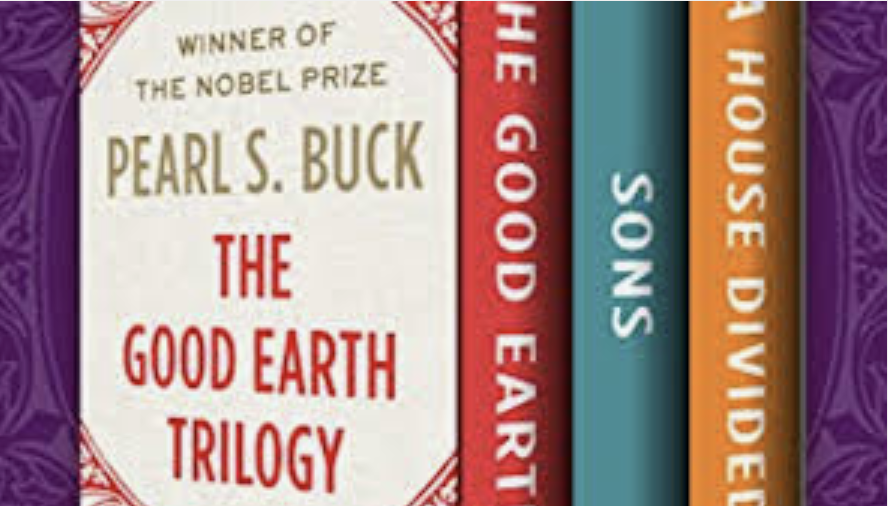
This is also the case in novels — which, as we know, usually mirror real life in some way. My most recently read example involves the title characters in Sons, Pearl S. Buck’s sequel to The Good Earth. In that first China-set book, Wang Lung built himself up from being a poor farmer to a rich landowner via endless toil and strategic smarts. He did exhibit some very problematic behavior in his older age, but overall was more admirable than not.
His three sons in the sequel? Not as admirable. With no worries about money after being among the inheritors of his father’s land, the eldest son becomes fat, lazy, and weak-minded. The more-intelligent second son works hard but is exceptionally greedy and miserly. The ambitious third son becomes a brave but antisocial war lord who forces his son — a gentle soul — into a military life. One wouldn’t want any of that sibling trio on their holiday card list.
Other novels in which the next or next-next generation isn’t so scintillating?
The title character of Alexander Pushkin’s novel-in-verse Eugene Onegin is a son of privilege who becomes a bored and selfish man making some unfortunate decisions.
Vernon and Petunia Dursley (more upper-middle-class than rich in J.K. Rowling’s Harry Potter series) are not-nice human beings who raise an even-worse son, Dudley — who’s petulant, pampered, and beyond spoiled.
Another novel with a depressing descendant is Booth Tarkington’s The Magnificent Ambersons, in which the grandson of the family’s aristocratic patriarch is an arrogant jerk.
Obviously, rich and/or famous parents themselves can be problematic, with their children often following suit but sometimes becoming decent human beings.
In George Eliot’s Silas Marner, for instance, Squire Cass is quite unlikable, and his sons Godfrey and Dunstan are no picnic, either. Things are more mixed in Fyodor Dostoevsky’s The Brothers Karamazov, in which the repulsive dad’s sons include Dmitri (who behaves kind of like his wealthy father), Ivan (an intellectual who’s a relatively decent person), and the compassionate Alexei.
Your thoughts about, and examples of, this topic?
Misty the cat says: “As Robert Frost sort of noted, good Belgian blocks make good neighbors.”
My comedic 2024 book — the part-factual/part-fictional/not-a-children’s-work Misty the Cat…Unleashed — is described and can be purchased on Amazon in paperback or on Kindle. It’s feline-narrated! (And Amazon reviews are welcome. 🙂 )
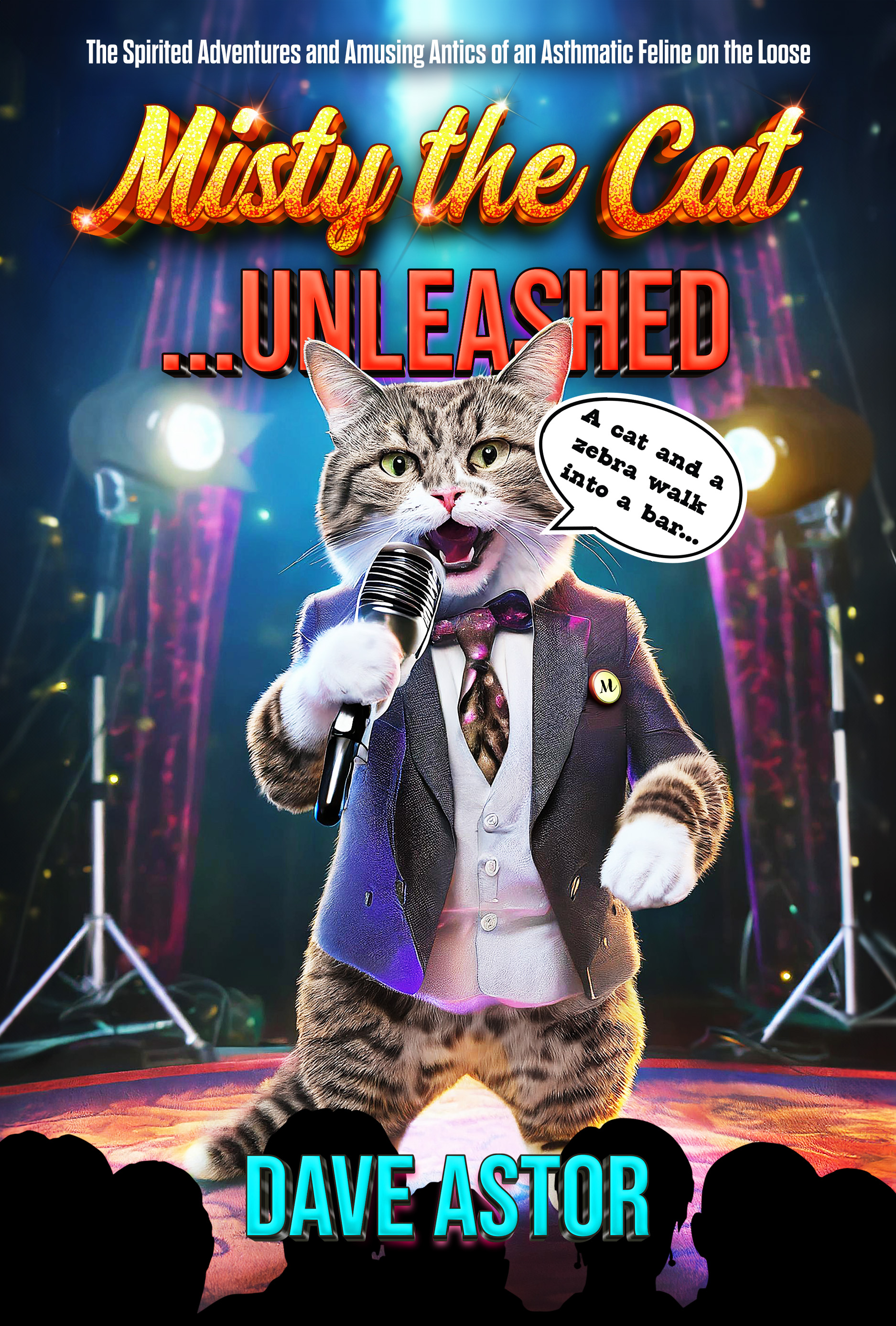
This 90-second promo video for the book features a talking cat: 🙂
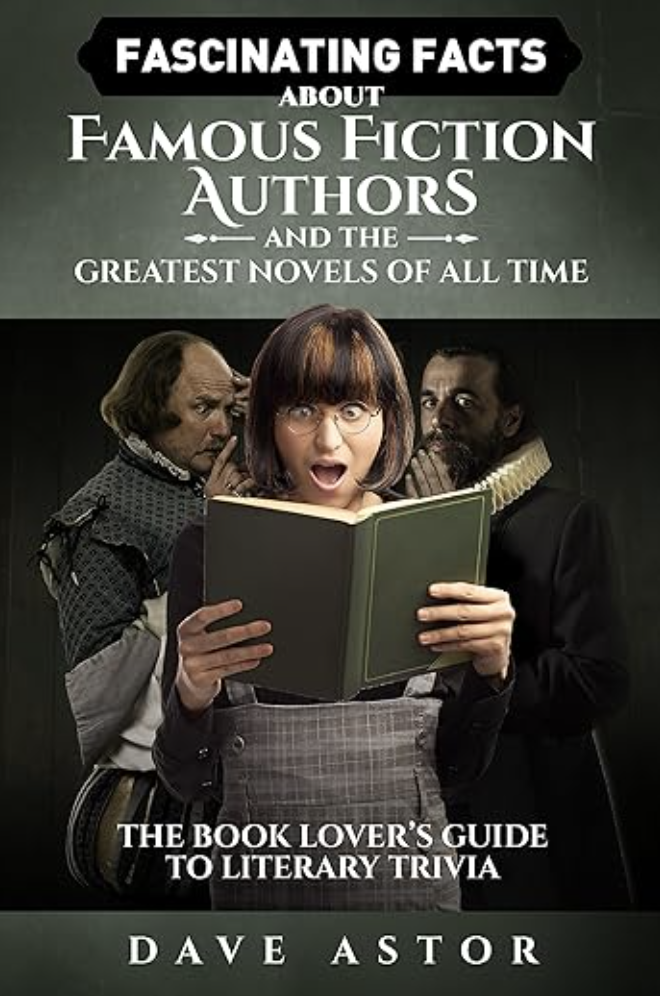
I’m also the author of a 2017 literary-trivia book…
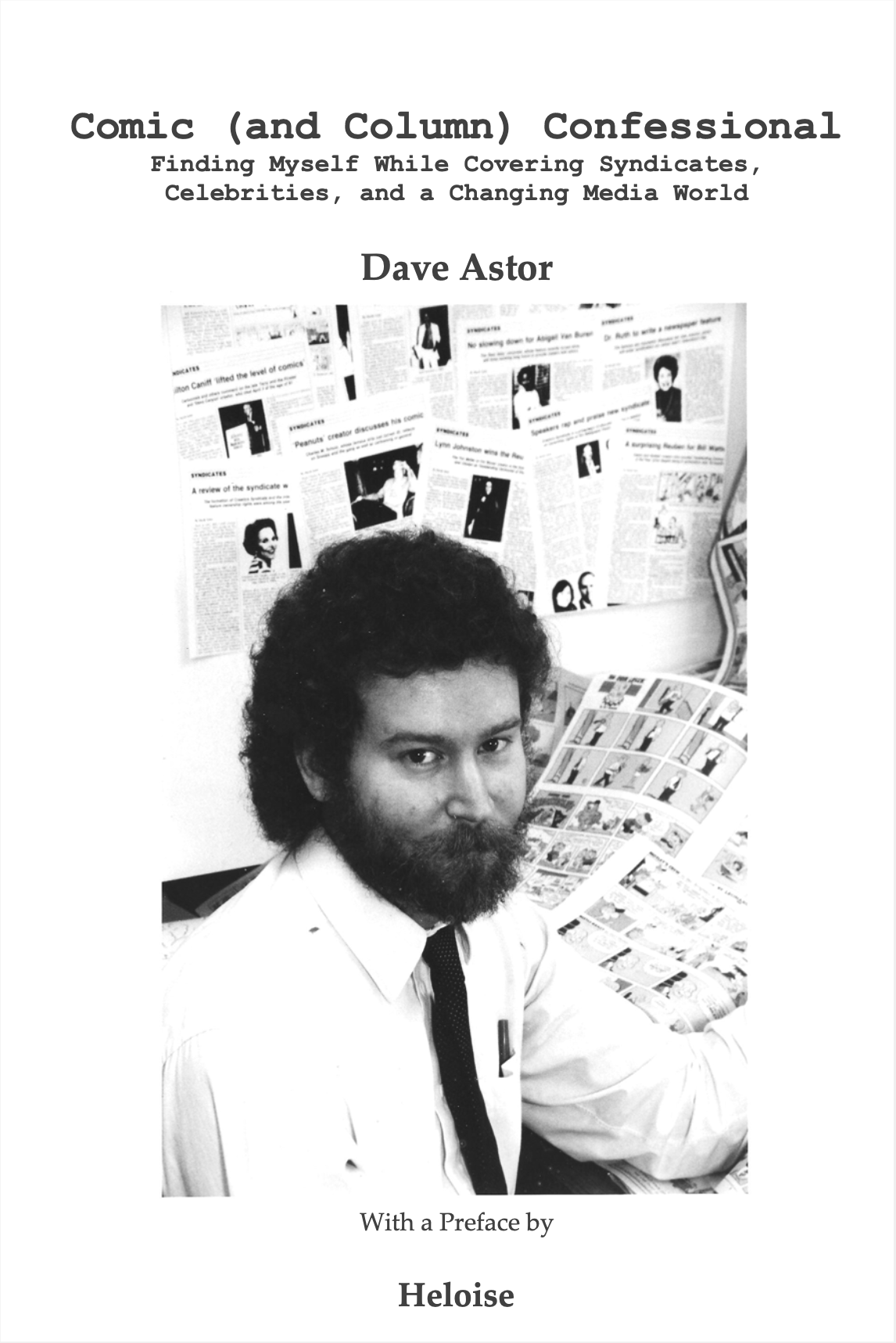
…and a 2012 memoir that focuses on cartooning and more, including many encounters with celebrities.
In addition to this weekly blog, I write the 2003-started/award-winning “Montclairvoyant” topical-humor column every Thursday for Montclair Local. The latest piece — about a lingering snow-dump fiasco, an immigrant-protection vote, an animal-protection vote, and an upcoming election, all with a dose of Hemingway and the band Rush — is here.


Hi Astor – great post! and still laughing with “good Belgian blocks make good neighbors” – lol
LikeLiked by 1 person
Thank you very much, Yvette! 🙂
LikeLike
😊
LikeLiked by 1 person
🙂
LikeLike
Tell telling review and I have to say the thing that comes to mind is the first generation makes it, the second spends it and the 3rd loses it.. Again, not always but there is compelling data to suggest this. Love your trailer for your book❣️
LikeLiked by 1 person
Thank you, Cindy! Yes, not always, but your description of the three-generation trajectory of a rich family has a LOT of truth in it.
Glad you like the trailer! A person I worked with on independently publishing the Misty book did the talking; he has a better voice than I do for that kind of thing. 🙂
LikeLiked by 1 person
Sad but true!
I did! How awesome 😎
LikeLiked by 1 person
Thanks again, Cindy! 🙂
LikeLiked by 1 person
It’s my pleasure, Dave❣️
LikeLiked by 1 person
🙂
LikeLike
I had to think about this. My answer would have been The Good Earth.
I can’t remember if I read the sequel, but I do remember the sons being squanderers of the father’s fortune.
Children of privilege? … Lord of the Flies come to mind. I just don’t recall how privileged the kids were to start.
Thanks Dave!
Now… what about cats of privilege? That is much more intriguing. Just ask Misty!
LikeLiked by 1 person
Thank you, Resa! Yes, “The Good Earth” is about as good an example as it gets of children of privilege not being very admirable. (I’m hoping my local library will have the trilogy’s third book, “A House Divided,” which apparently focuses on the grandchildren of Wang Lung and O-Lan.)
I read “Lord of the Flies” so long ago (in high school, I think) that I can’t remember any details. 🙂
Cats of privilege? 😂 Misty is striving to be a meowligarch; he’s not quite there yet.
LikeLiked by 1 person
I hope they have #3, too!
Perhaps a meowligarchy would be superior to what we have now. 😂😂
LikeLiked by 2 people
Thanks, Resa! 🙂
A meowligarchy would be MUCH better than a human oligarchy. Feline Musk instead of Elon Musk, etc.!
LikeLiked by 2 people
YES! And a mouse in every bowl.
LikeLiked by 1 person
Ha ha! 😂 Hopefully a plant-based “mouse.” 🙂
LikeLiked by 1 person
Hmm.
Yes, well knowing cats I would say the cat would say – it was a mouse they caught by a plant, therefore it is “plant based” 😹
LikeLiked by 1 person
LOL! 😂 Yes, cats are carnivores to the core.
LikeLiked by 1 person
Hi Dave!
A very unusual topic this week! Very fascinating!
It seems that wealth, far from improving character, can be a precursor to obnoxiousness!!!😄
The Pearl S. Buck’s books sound interesting, I may look them up. Actually Dave, all the books mentioned have grabbed my attention.
And finally. Rest assured Dave, this week’s topic has nothing to do with my life! Wealth?! That would be nice!! 😁
A fantastic post!
With all best wishes,
Sharon
LikeLiked by 1 person
Thank you very much, Sharon! “It seems that wealth, far from improving character, can be a precursor to obnoxiousness” — well said, and so true! Not in all cases, but in many cases.
I share your experience with a non-wealthy life. 🙂
LikeLiked by 1 person
You are most welcome, Dave! It was an enjoyable post with plenty of good books to look up.
As for wealth… Maybe we are rich in other ways! Such as compassion, kindness, knowledge. That sort of thing! 😊
Thank you.
Hope your week is going well. 📚
LikeLiked by 1 person
Yes, yes, yes, Sharon! There are different, and better, kinds of “wealth.” 🙂
Hope your week is going well, too!
LikeLiked by 1 person
Thank you, Dave! ☺
LikeLiked by 1 person
🙂
LikeLiked by 1 person
Hi Dave, this is very often the case in real life so it’s natural this theme would infiltrate novels. I see this more often in my daily life though than in my reading material. Double professional parents frequently spoilt their children and give them money instead of time and guidance. A formula for disaster. I’m glad you mentioned Dudley as he is the first character who sprang to my mind. Another character is Chris Hargenson from Carrie. The girl who came up with the plan to shame Carrie.
LikeLiked by 1 person
Thank you, Robbie! Definitely a real-life phenomenon reflected in novels, and I agree that more examples come to mind from actual families than from fictional ones. (Including Robert F. Kennedy Jr. being an awful person with troubling views.) Time and guidance are indeed more important than money in raising a well-adjusted child. Also, I appreciate the Stephen King book mention!
LikeLike
My pleasure, Dave. I can’t think of any other examples at the moment. Most of the books I read seem to have poor folks.
LikeLiked by 1 person
Most of my favorite novels also focus on not-rich people.
LikeLike
I did remember Agatha Christie’s books, Dave. They all featured spoiled wealthy people.
LikeLiked by 1 person
You’re right, Robbie! And Agatha Christie seemed to look down a bit at the “lower classes.” That and her wealthy characters might explain why I like but don’t love that author’s mysteries.
LikeLike
Well, yes. Her books are criticized for that. I enjoy Hercules Poirot.
LikeLiked by 1 person
Poirot is indeed an amazing creation!
LikeLike
👌😊
LikeLiked by 1 person
🙂
LikeLike
In Italian literature, the perfect parallel to this “generational decadence” is Federico De Roberto’s “I Viceré.”
Set in Sicily during the Risorgimento, the novel tells the story of the Uzeda family, all arrogant, greedy, and insensitive. While their ancestors had been powerful leaders, their descendants are “spoiled and petty,” obsessed solely with maintaining power in a changing world around them.
LikeLiked by 1 person
Thank you, Luisa! “I Viceré” sounds like a great example of this topic, for reasons you described VERY well. Also, the term “generational decadence” is excellent!
LikeLiked by 1 person
Thanks a lot for appreciating my reply, dear Dave
LikeLiked by 1 person
You’re very welcome, Luisa! 🙂
LikeLiked by 1 person
Harsh and controlling to the orphaned Jane Eyre, wealthy Mrs Reed indulges her own children, especially John. All three Reed siblings bully and torment Jane. Charlotte Bronte’s pen sketch of John is so cruel !J
‘John Reed was a schoolboy of fourteen years old; four years older than I, for I was but ten: large and stout for his age, with a dingy and unwholesome skin; thick lineaments in a spacious visage, heavy limbs and large extremities. He gorged himself habitually at table, which made him bilious, and gave him a dim and bleared eye and flabby cheeks, ‘
Adult, he gambles, squanders his mother’s money. Then suicide.. When Mrs Reed’s dying, Jane offers free and full forgiveness. Mrs Reed hated her still.
Buxom Georgiana made, probably, the kind of marriage she intended, Skinny and pious Eliza, a Roman Catholic mother superior ? From Charlotte Bronte , that might be more than enough condemnation. (maybe)
From Bronte to Gaskell ? In Wives and Daughters, flighty Cynthia is Hyacinth’s mini-me, perhaps more successfully, dumping scientist Roger Hamley for a lawyer with family money, freeing Roger, based on Gaskell’s cousin, Charles Darwin, to marry Molly, who could appreciate a fine wasps’ nest.
LikeLiked by 1 person
Thank you! Great “Jane Eyre” example, with very telling details provided by you! Mrs. Reed and her problematic children were quite a nasty household. It was an interesting scene when the older, more-confident Jane returned to that household for a visit.
LikeLike
Yes. And, to be fair to Tom Tulluver, he did suffer in the academic education for which he clearly wasn’t cut out. Today we’d see Maggie at the school and Tom doing something more ‘hands-on’, at which I’m sure he’d excel.
LikeLiked by 1 person
An excellent point, Laura!
LikeLiked by 1 person
Thanks, Dave; and that should read ‘Tulliver’, obviously. My bad. 🙂
LikeLiked by 1 person
You’re welcome, Laura!
And “Typo on the Floss” could happen to any of us. 🙂
LikeLiked by 1 person
😂😂😂
LikeLiked by 1 person
🙂
LikeLike
Once more my day has not been my own,, Dave, so here I am late at night doing a fast reply. I haven’t come up with too many examples, but one solid one is from my favourite book of all time, ‘The Mill on the Floss’. I can’t be the only one who loves Philip Wakem (think I’ve spelled that right), the disabled son of the lawyer so hated by Maggie’s father and who loves her nonetheless. If he gets cross with Tom at times it’s due to the latter’s insensitivity. Stephen Guest, on the other hand, has a sense of entitlement through the ceiling, in my view … which of course is prejudiced by my love and sympathy for Maggie. That he eventually get Lucy (as is suggested at the end of the book) is typical of the bad guy not getting what he deserves. Then how about the Bingley sisters in ‘Pride and Prejudice’? Their family is only a generation or two away from a background in trade, hence their snobbery over others they consider inferior on that score – although their brother is not affected in the same way, and it speaks volumes about Darcy’s character that he is close friends with that young man. For other examples I had to move closer to home, to my own ‘An Honourable Institution’, where billionaire’s daughter Cressida is an unpleasant and entitled young woman due to a difficult childhood; she evolves through bitter experience, however, although I won’t say quite what that is. If I think of any more I’ll be back; but now my bed and the inside of my eyelids await. Have a good week, Dave, and thanks for another engaging post. 🙂
LikeLiked by 2 people
Thank you, Laura! I think your examples from “The Mill on the Floss” and “Pride and Prejudice” are excellent! I’ll add that, re George Eliot’s novel, Maggie is certainly a nicer, more “together” person than her brother — which makes his getting the better end of things in a patriarchal society even more unfair. And thanks for your mention/description of your book “An Honourable Institution” — definitely fits with this topic!
Hope you have a good week, too. 🙂
LikeLiked by 1 person
An interesting topic this week with a lot of great mentions! I actually might mention my own book that just released for this topic – Hold On To Tomorrow – as the main character, Jolene, comes from a very privileged background! 🙂 It was an interesting perspective to write, for sure, and the writing of it actually made me rethink some things about my own life and choices. The journey that writing takes us on! 🙂
LikeLiked by 1 person
Thank you, M.B.! Glad you mentioned your “Hold On To Tomorrow” book — and good luck with it as it hits the marketplace! As Dan Antion also mentioned in his comment here, it’s not necessarily easy to create a character from a privileged background when most of us writers are not that privileged. 🙂
LikeLiked by 1 person
Very very true!
LikeLiked by 1 person
🙂
LikeLike
A great topic, as always, Dave. And a very stimulating discussion. I agree wholeheartedly that books are a mirror of our societies, our values, our family structures. What comes to mind is not so much wealth itself, but what it can quietly take away if we’re not careful. The necessity to struggle, to imagine, to create a path forward.
A historical example that always stays with me is Commodus, the son of Marcus Aurelius. His father was shaped by discipline and reflection, while Commodus inherited power without that same formation, and the contrast is striking. It seems that when everything is already provided, there can be less reason to reach outward or inward in the same way. Not always, but often enough to make one pause. A fascinating conversation and one that reaches far beyond literature. It comes to our thoughts, as Marcus Aurelius reminds us “The happiness of your life depends upon the quality of your thoughts.”
LikeLiked by 2 people
Thank you, Rebecca! You focused on the “nub” of the matter of children of privilege; they don’t have to struggle like their parents might have (if those parents didn’t come from wealth themselves) and this can result in something lacking in their children’s personalities.
LikeLiked by 1 person
I think you’ve given us great examples, Dave.
My own thoughts are on how authors know how to portray these children, wayward or otherwise. I only had one childhood friend whose parents were truly wealthy. I visited his house one Saturday, and I was astounded by things like a playroom the size of my parents’ living room and multiple servants showing up to bring us snacks, put away the toys and things I never dreamed happened. I could never write about a wealthy child.
LikeLiked by 3 people
Thank you, Dan! That’s a great angle on this topic: how authors who are usually not wealthy themselves (unless they “hit it big”) can realistically portray rich characters.
Interesting to hear your evocative description of visiting your childhood friend from a wealthy family. Rang a bell with me from when I (from a lower-middle-class family) would visit the homes of upper-middle-class friends. Then, later on as an adult covering cartoonists and columnists for a magazine, I would sometimes visit those creators’ homes to do interviews and such, and some of the wealthier ones had rather posh living spaces.
LikeLiked by 1 person
I can only imagine, Dave. I think I could write an adult wealthy character, but a child??? I wouldn’t know where to begin.
LikeLiked by 1 person
It does seem like it would be harder for a writer to imagine a wealthy kid than a wealthy adult.
LikeLiked by 1 person
It’s been a long time since I read The Brothers Karamazov. Thanks for the reminder and for your post. It seems as if money is both a blessing and a curse to the next generation.
LikeLiked by 2 people
Thank you, Marie! Your comment’s last line is SO true; wealth is definitely a mixed bag for the next generation. As for “The Brothers Karamazov,” the major differences between the three brothers was one of the major fascinations of that novel!
LikeLiked by 1 person
This post made me smile…thinking about a conversation I just had with a client who said one of her children is incredibly soothed by the movie “Mary Poppins”….but in an unlikely way. She said her special needs son adores the affluent, odd parents (George and Winifred Banks? It’s been a while) because he’s stern but has a ‘mushy middle’ and because she’s so flighty and fun. This may sound like a wayward comment in response to your post, Dave, but you did it again. Pulling threads from my head in unlikely ways! Thank you! 😊💝😊
LikeLiked by 4 people
Thank you, Vicki! Always good when a post evokes thoughts that are part-relevant and part-tangential — quite a nice combination. 🙂 Very enjoyable to hear about that reaction to “Mary Poppins” and those characters. 🙂
LikeLiked by 2 people
❤️😉❤️
LikeLiked by 1 person
🙂
LikeLike
Ah interesting, Dave. I have a couple of thoughts, two children’s books. The young Eustace was rather spoiled for most of this book. It was ‘The Voyage of the Dawn Treader’ by C.S. Lewis. Great book! The best of the lot, I would say, although I read it many moons ago. The other one, popped into my head is ‘Charlie and the Chocolate Factory’. Well done lovely Charlie Bucket, but Veruca Salt and Augustus Gloop were beyond the pail! Plus the movie with Johnny Depp was most pleasing.
LikeLiked by 2 people
Thank you, Chris! I appreciate the children’s book angle on this topic! (Somehow, “Charlie and the Chocolate Factory” was never among the many books I read to my daughters. 😲 )
LikeLiked by 2 people
What an intriguing post, Dave! I do quite like reading about awful aristocratic patriarchs and the aristocracy, so The Magnificent Ambersons sounds like a good choice for me!
LikeLiked by 2 people
Thank you, Ada! Reading about aristocratic/rich/entitled characters can definitely be a guilty pleasure — especially when they get their comeuppance. 🙂 Which, sadly, seems to happen more in fiction than in real life. “The Magnificent Ambersons” is an excellent novel, though not exactly upbeat.
LikeLiked by 2 people
Hmm, I can’t think of any books that meet the brief. Coincidentally, I’ve just written a new flash fiction story that includes the following line: “To the dismay of his father [the king], he had grown up a cosseted, willful, and vain young prince.”
LikeLiked by 2 people
Thank you, Liz! Yes, this week’s post is a difficult one to add to. 🙂 But that line from your story fits the bill!
LikeLiked by 2 people
You’re welcome, Dave–and thank you!
LikeLiked by 2 people
You’re welcome, Liz! 🙂
LikeLiked by 2 people
DJT and vile family term nepo baby slang for nepotism ,live off wealth grift, silvers spoons ,children of wealthy not having to really work.
Michele
E & P way back
LikeLiked by 2 people
Thank you, Michele! I certainly thought of the Trump family when writing this post. Trump himself and several of his grifting children and children-in-laws. 😦
LikeLiked by 1 person
You have set a difficult one today Mr Astor….LOL. I need to go away and think!
LikeLiked by 2 people
Thank you, Shehanne! It was difficult for me, too — one of the shorter posts I’ve written. 🙂 And Misty the cat wasn’t in a co-blogging mood this week. 🙂
LikeLiked by 2 people
Oh dear…. what have the staff done now? I thought of the Ambersons but you had them. And I also remembered that the Foxes of Harrow was a family saga thing but I read it so long ago and I don’t have the copy any more so I couldn’t get a glance and interestingly for a book that sold so much at the time, there’s not a proper synopsis to be found online. I was reduced to thinking Mildred Pierce but I have mentioned that book often. But like that she struggles to get where she gets and the daughter upon whom she dotes and lavishes everything throughout the story is an absolute spoiled horror.
LikeLiked by 2 people
Sounds like “Mildred Pierce” is relevant to this topic, Shehanne! Thanks for mentioning it! Re “Foxes of Harrow,” frustrating when one can’t find detailed info online — unusual these days. 🙂
LikeLiked by 2 people
It is so long since I read it I can’t remember enough about it to say if it fits in here.
LikeLiked by 1 person
I know that feeling, Shehanne! 🙂
LikeLiked by 1 person
Yeah alas. I’d had enough of the 2000 books in our last house and I wasn’t flitting that amount, so some hard choices were made.
LikeLiked by 1 person
Culling ain’t easy. 😦
LikeLiked by 1 person
LOl… tell me about it with a man who went behind mah back and took some back But we did not need 10 copies of Tom Sawyer. Already the removal van was full and it was a huge van. And also as it was that flitting went on for hours.
LikeLiked by 1 person
Wow, Shehanne! Some dramatic culling goings-on! Hopefully, the fence was painted a different color in each of those 10 “Tom Sawyer” editions. 🙂
LikeLiked by 1 person
well… if it had not been he exact same book edition… who knows…
LikeLiked by 1 person
If all 10 books were the same “Tom Sawyer” edition, a lot of white paint required. 🙂
LikeLiked by 1 person
they were all the same editions….. Then there were books like ‘Grow your own roses,’ when the Mr has never grown a flower in his life.
LikeLiked by 1 person
Ha! 😂
A possibility for the next New Year’s resolution. 🙂
LikeLiked by 1 person
There was also, ‘Teach Yourself Norwegian.’
LikeLiked by 1 person
😂
I assume it wasn’t subtitled “The Fjord of the Rings”?
LikeLiked by 1 person
Lawsie Mr Astor you is funny!
LikeLiked by 1 person
Thanks! So are you. 🙂
LikeLiked by 1 person
Having worked for several family companies where the sons were spoiled and worthless additions to the companies their fathers built, I can attest to the reality of the stereotype. I can’t think of any books offhand, but I’m sure I must have read some. (K)
LikeLiked by 2 people
Thank you, Kerfe! Sorry you’ve experienced that in the workplace. I have, too — where the next generation(s) in family businesses were pretty pathetic. Not a happy memory.
LikeLiked by 2 people
No, and it’s epeated too often.
LikeLiked by 1 person
Yes, Kerfe, VERY often. 😦
LikeLiked by 2 people
Hi Dave. It’s late here, and although I’ve got a couple of texts in mind I’m falling asleep so will have to come back to you tomorrow on thid. PS. congratulations to your daughter on her rowing achievements; taking part is the most important thing, as in the Olympic spirit, because nobody could win if lots of people didn’t take part. So well done her. Night night for now and catch you tomorrow. 🙂
LikeLiked by 2 people
Thank you, Laura! Will look forward to your comment tomorrow! And I appreciate the kind words about my daughter and her college rowing team. Yes, competing in itself is great — plus the team camaraderie, the time management of juggling a sport and academic work, etc. She had a lot of winning in high school, so there can be a lesson in tougher times.
LikeLiked by 2 people
Hello Dave, I just wanted to thank you for having had the thought of this topic, which seems very important to me, but unfortunately no other novel that copes it comes to my mind! I loved “The Good Earth” when I was young!
LikeLiked by 2 people
Thank you, Martina! Definitely a topic we see in real life, too. 😦 I also had trouble thinking of a lot of fictional examples, which explains why my post this week is on the short side. 🙂 “The Good Earth” IS a great novel.
LikeLiked by 2 people
:):)
LikeLiked by 2 people
🙂
LikeLiked by 1 person
An excellent topic for our times. I’ve read Pearl S. Buck’s “The Good Earth,” but missed the sequel “Sons.” No similar fictional character comes to mind, though the fictional stories we tell are filled with the mischief and cruelty of such privileged miscreants.
LikeLiked by 2 people
Thank you, Rosaliene! “…privileged miscreants” — a great way to describe some people, real and fictional. “Sons” is actually pretty good; maybe about 75% as compelling as the very compelling “The Good Earth.”
LikeLiked by 2 people
Thanks for the recommendation of “Sons.” ❤
LikeLiked by 2 people
You’re very welcome, Rosaliene! 🙂
LikeLiked by 2 people
Kind of hard-pressed for an apposite comment, especially considering that, in real life, I much prefer my children’s over their mother’s character and general attitude towards society. That aside, A House Full of Daughters by Juliet Stevenson (I mentioned it in a comment to another post) does seem to do justice to the theme, portraying generations of daughters who, if not always worse than their mothers, broadly failed to be better than them.
LikeLiked by 2 people
Thank you, Dingenom! Certainly some children (in real life and in novels) are more appealing and admirable than their parents; Huck Finn, a kid with both a conscience and a problematic father, is one fictional character who comes to mind. And I appreciate the “A House Full of Daughters” example!
LikeLiked by 2 people