
Soon after Trump took office in 2017, I wrote a post changing the plots of famous novels to make them about the despicable new U.S. president (aka Liar-in-Chief, Racist-in-Chief, Misogynist-in-Chief…). Today, as Election Day nears on November 3, I’ll do something similar — using titles of some of the novels I’ve read since 2017. I’ll go backwards chronologically, starting with books I’ve finished most recently.
Fredrik Backman’s My Grandmother Asked Me to Tell You She’s Sorry: for voting for Trump in 2016.
Jess Walter’s The Financial Lives of the Poets: in which the Trump family recites “Roses are red/money is green/our corruption and greed/are worse than obscene.”
Wilkie Collins’ No Name: about the impossibility of deciphering Trump’s scrawl of a signature.
Gail Honeyman’s Eleanor Oliphant Is Completely Fine: because she moved to Canada after Trump was elected.
Angie Thomas’ The Hate U Give: Trump never stops giving it. Who says he isn’t philanthropic?
Chimamanda Ngozi Adichie’s Americanah: America hopefully says “nah” to a second Trump term.
Carolyn Keene’s The Secret of the Old Clock: Nancy Drew investigates why the clock in Trump’s White House is turned back 60 years rather than 60 minutes every November.
Diana Gabaldon’s The Fiery Cross: Non-reader Trump was eager to start this Outlander novel before realizing it didn’t glorify the white-supremacist, cross-burning Ku Klux Klan.
Martin Cruz Smith’s The Siberian Dilemma: which asks whether Trump adores Russian autocrat Vladimir Putin or ADORES Russian autocrat Vladimir Putin.
Liane Moriarty’s Nine Perfect Strangers: if Trump steals a second term and makes all nine Supreme Court justices far-right-wingers, this novel would be renamed Nine Perfect Strangers to Decency.
H. Rider Haggard’s She: the story of a woman almost unimaginably evil. About time there was a novelization of Ivanka Trump’s life.
Lee Child’s Blue Moon: Jack Reacher hopes enough Americans are “good to go” vote “blue” to defeat Trump.
Kate Quinn’s The Alice Network: would’ve been about Fox News if the book were titled The Malice Network.
Isabel Allende’s Daughter of Fortune: what — a second novelization of Ivanka’s life?
Lisa Genova’s Left Neglected: shows Trump and other non-liberal U.S. politicians doing their anti-progressive thing.
John Grisham’s The Racketeer: an alternate history of Trump being a criminal-minded tennis player rather than a criminal-minded golfer.
Sherman Alexie’s Reservation Blues: about Trump and his fellow Republicans suppressing the vote on Native-American land, among other places.
Rosamunde Pilcher’s The Shell Seekers: Trump and his fellow Republicans do everything they can to seek the continued support of Shell and other oil companies.
James Houston’s The White Dawn: Trump likes it that color any time of the day.
Richard Russo’s Nobody’s Fool: anyone who sees through swamp increaser Trump’s fake promise to “drain the swamp.”
Janet Evanovich’s Two for the Dough: a Trump-Mitch McConnell buddy book.
Ivan Turgenev’s A House of Gentlefolk: not about any home in which Trump ever lived.
Michael Ondaatje’s The English Patient: ironically titled novel about Brits (among other populations) being impatient with Trump’s pathologies.
Ray Bradbury’s Something Wicked This Way Comes: people watching Trump approach a podium.
Flannery O’Connor’s Wise Blood: what Trump would desperately need if he got a transfusion.
Fannie Flagg’s The Whole Town’s Talking: it sounds like that when Trump never shuts up.
John Green’s The Fault in Our Stars: when those stars are the Trump family.
Octavia E. Butler’s Parable of the Sower: much better than the Trump saga Parable of the Sewer.
Donna Tartt’s The Secret History: about Trump cheating on his taxes for decades. Actually, not a secret.
Sue Grafton’s D Is for Deadbeat: about Donald (Trump) stiffing creditors, contractors, towns where he’s made political appearances, etc.
Walter Mosley’s A Red Death: what will hopefully happen to the red-state-oriented Republican Party that has cynically and spinelessly enabled Trump.
Any novels you’d like to “Trump-ify”?
(Thanks to jhNY for recommending The Financial Lives of the Poets — a novel funny and topical enough to partly make up for its unlikable male protagonist. Also, thanks to Mary Kay Fleming for recommending A Man Called Ove author Fredrik Backman, whose My Grandmother Asked Me to Tell You She’s Sorry is a quirky novel about a loner girl, her unusual grandmother, and their sharing of a fantasy world.)
My literary-trivia book is described and can be purchased here: Fascinating Facts About Famous Fiction Authors and the Greatest Novels of All Time.
In addition to this weekly blog, I write the 2003-started, award-winning “Montclairvoyant” topical-humor column for Baristanet.com. The latest piece — about a planned return to in-person schooling in my town and a reprieve for a group trying to kill needed local rent control — is here.


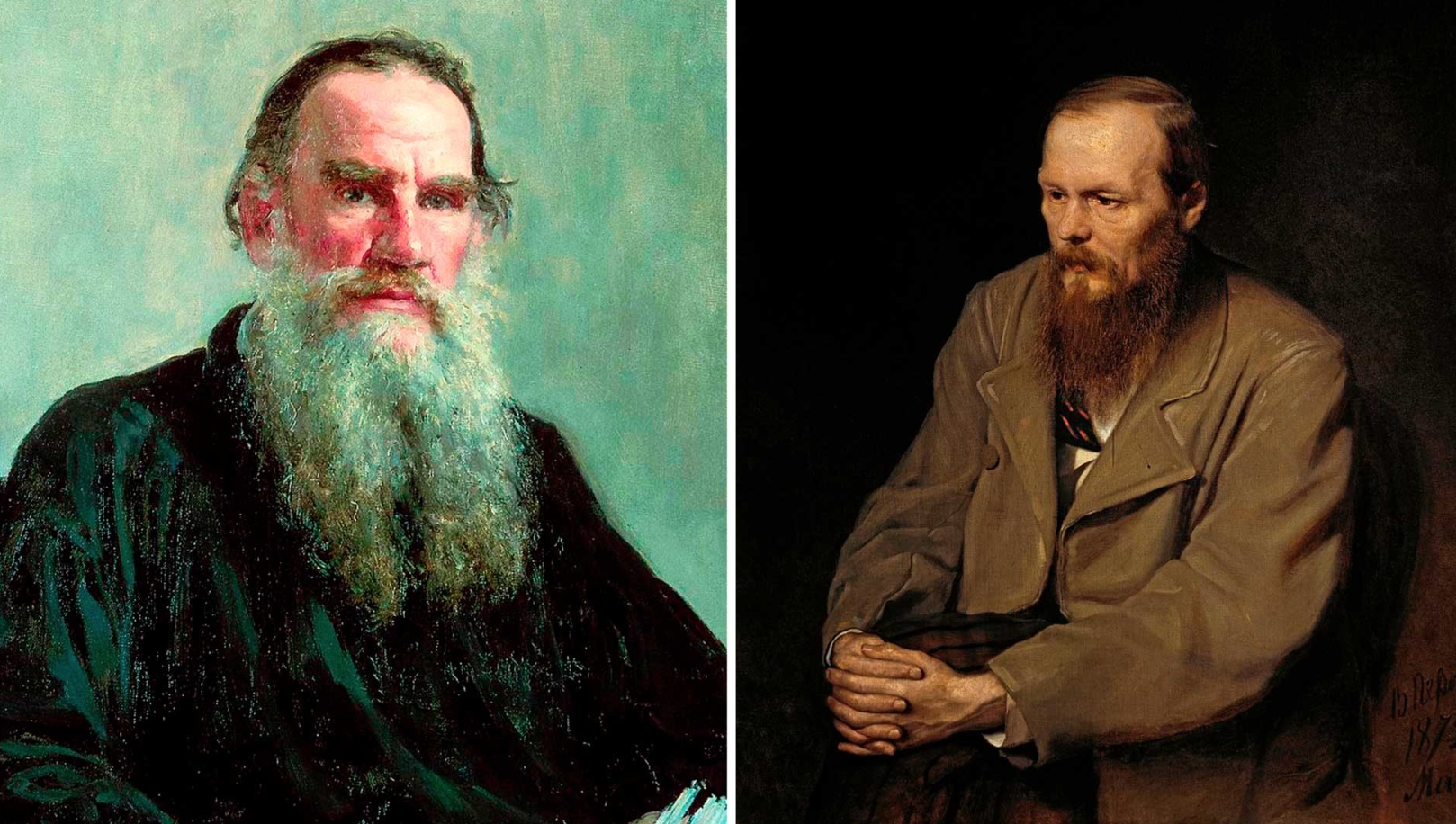
 Many well-known authors were almost exact contemporaries of other well-known authors. In some cases, that was just a meaningless coincidence. In other cases, they had some things in common.
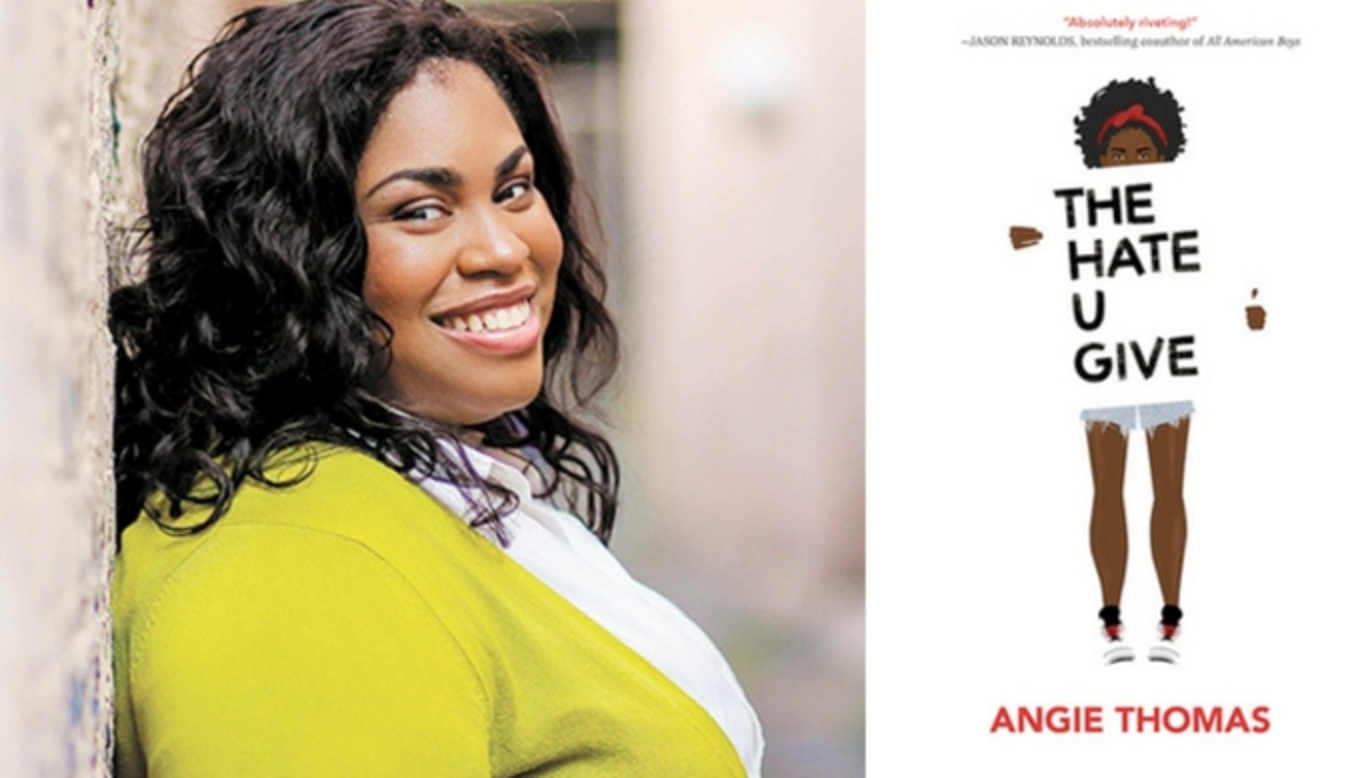 Have you ever read a novel you really like, but at the same time found it painful to read? Such is the case with The Hate U Give.
