Novels with a Sunshine State of Mind

A Delray Beach retirement community in 2018. (Photo by me.)

Florida! Beaches. Palm trees. Retired senior citizens. Disney World. Miami Vice. Kennedy Space Center/Cape Canaveral. Many nationally known pro and college teams in football and other sports. A once-blue but now-red state led by far-right/mean-spirited Governor Ron DeSantis. The home state of far-right/mean-spirited President Donald Trump, a New York native.

“The Sunshine State” has personal elements for me, too. After she retired, my New York-born/later-New Jersey-based mother lived in Delray Beach from the early 1990s to her death in 2018. My wife has extended family in Florida, where I also have friends. I covered conferences in Orlando, Sarasota, and Boca Raton when I was a magazine writer.

As you might expect, I’m also going to discuss Florida’s various literary connections. It’s one of the places where Ernest Hemingway lived — in Key West. The state is associated as well with novelists Zora Neale Hurston and Marjorie Kinnan Rawlings, columnists/authors Dave Barry and Carl Hiaasen, and other wordsmiths. And it’s the state where “The Wizarding World of Harry Potter” is located — a theme park inspired, of course, by the blockbuster J.K. Rowling series.

I didn’t plan this, but the last two novels I read were set a little or mostly in Florida. First there was James Leo Herlihy’s Midnight Cowboy (known more for the iconic movie), a riveting book about a down-and-out Texas hustler in New York City who ends up taking a fraught bus ride to Miami. Then I proceeded to James Michener’s Recessional, which takes a poignant and very absorbing look at a senior facility near Tampa. It was Michener’s final novel — published when he was 87 — so the author really “lived” the subject matter.

Other novels with partial or mainly Florida settings? Referencing authors already mentioned in this post, there was Zora Neale Hurston’s compelling classic Their Eyes Were Watching God starring a memorable independent woman, Marjorie Kinnan Rawling’s Pulitzer Prize-winning The Yearling featuring a boy and his fawn, and Ernest Hemingway’s fishing-boat saga To Have and Have Not.

I’ve read the columns of Dave Barry and Carl Hiaasen, and met and written about both men, but have not tried any of their books.

But I have read Rita Mae Brown’s Rubyfruit Jungle, in which the lesbian protagonist leaves Florida for more-tolerant New York City; Colson Whitehead’s The Nickel Boys, much of which is set at a problematic reform school in Florida; Joy Fielding’s Cul-de-sac, a page-turner about the families living on one suburban Florida street; John Grisham’s thriller Camino Island, in which manuscripts of F. Scott Fitzgerald play a prominent role; and Peter Straub’s Ghost Story, which — not surprisingly for a novel partly set in Florida — prominently features senior citizens in its cast.

Thoughts about and/or examples of this theme?

Misty the cat says: 🎵 “There’s something happening here/what it is ain’t exactly clear.” 🎵

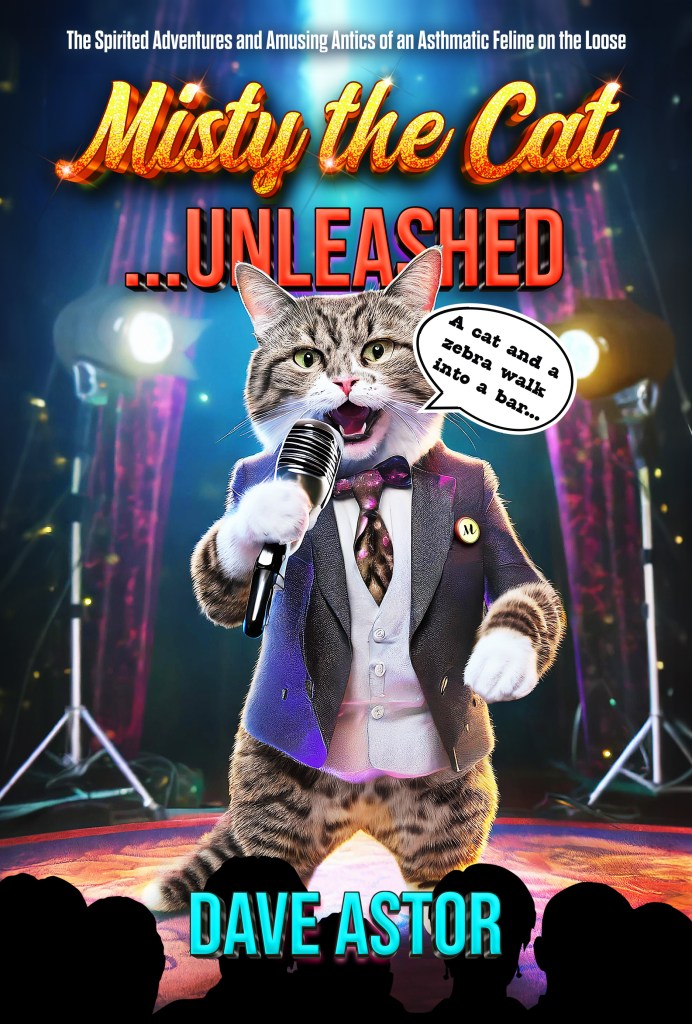
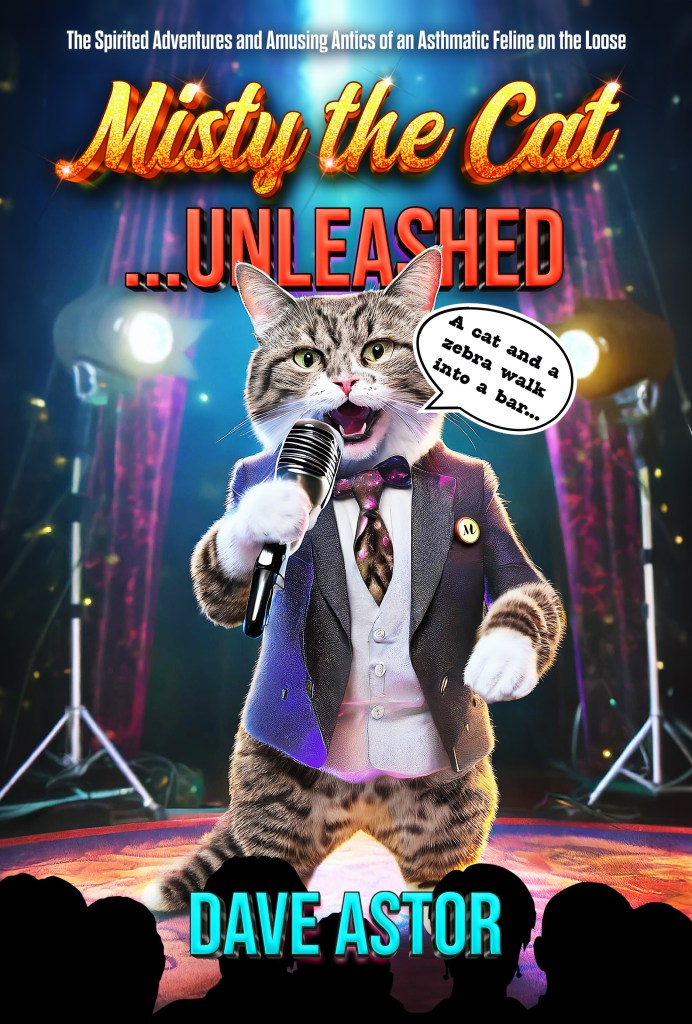
My comedic 2024 book — the part-factual/part-fictional/not-a-children’s-work Misty the Cat…Unleashed — is described and can be purchased on Amazon in paperback or on Kindle. It’s feline-narrated! (And Amazon reviews are welcome. 🙂 )
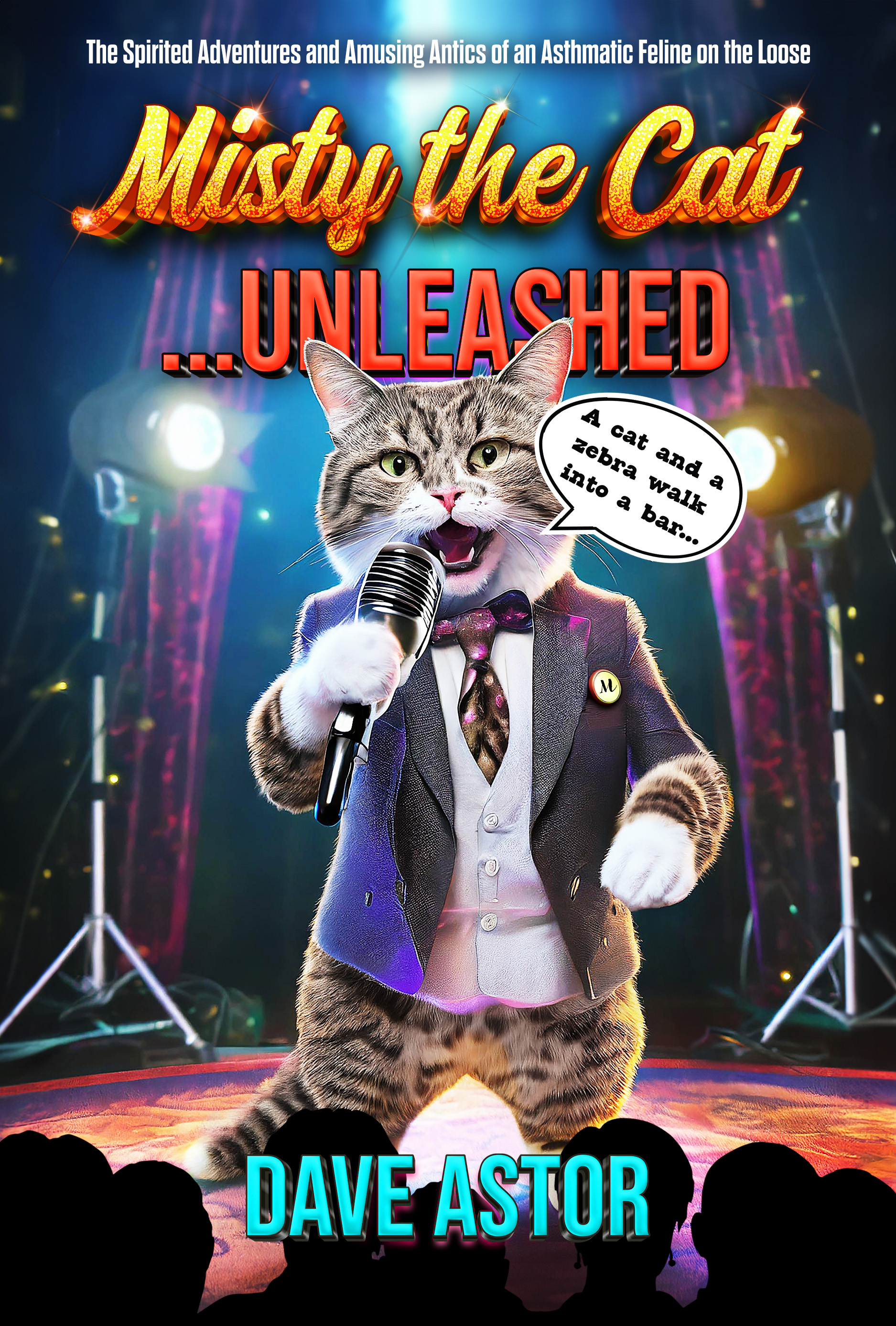
This 90-second promo video for the book features a talking cat: 🙂

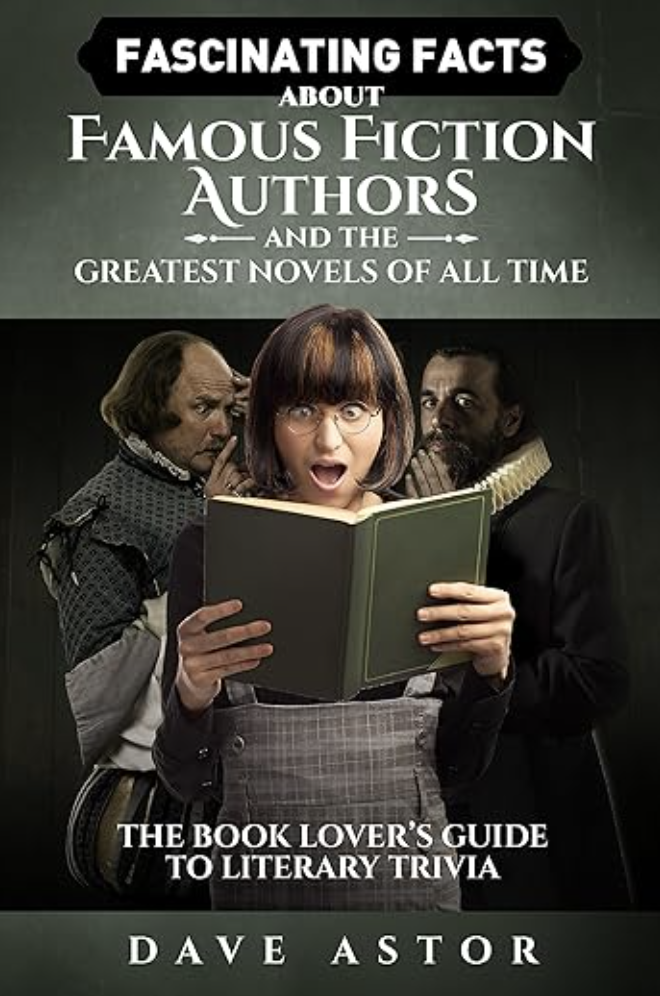
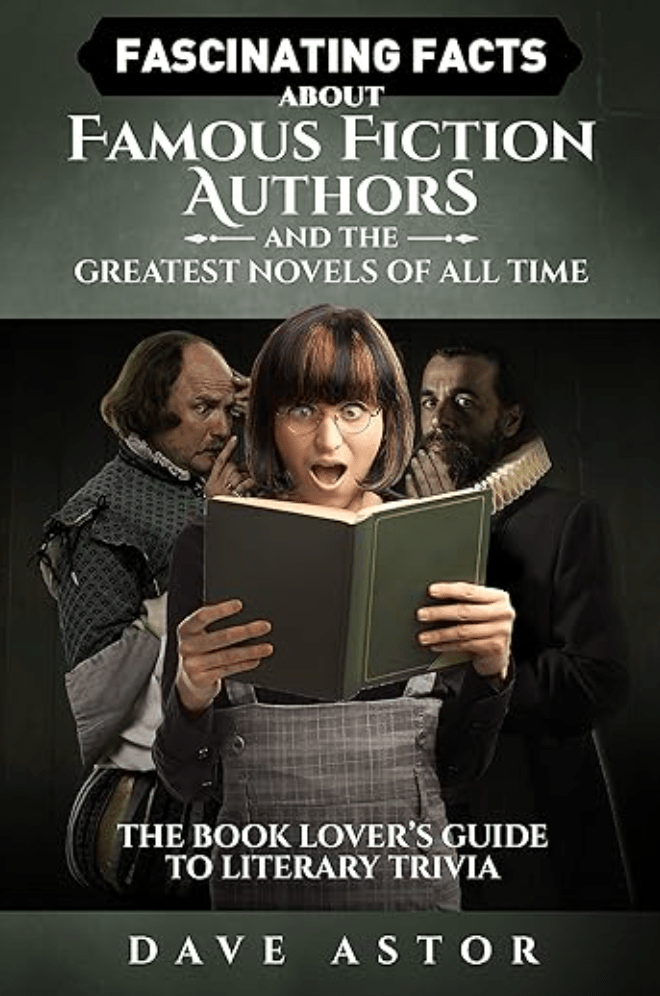
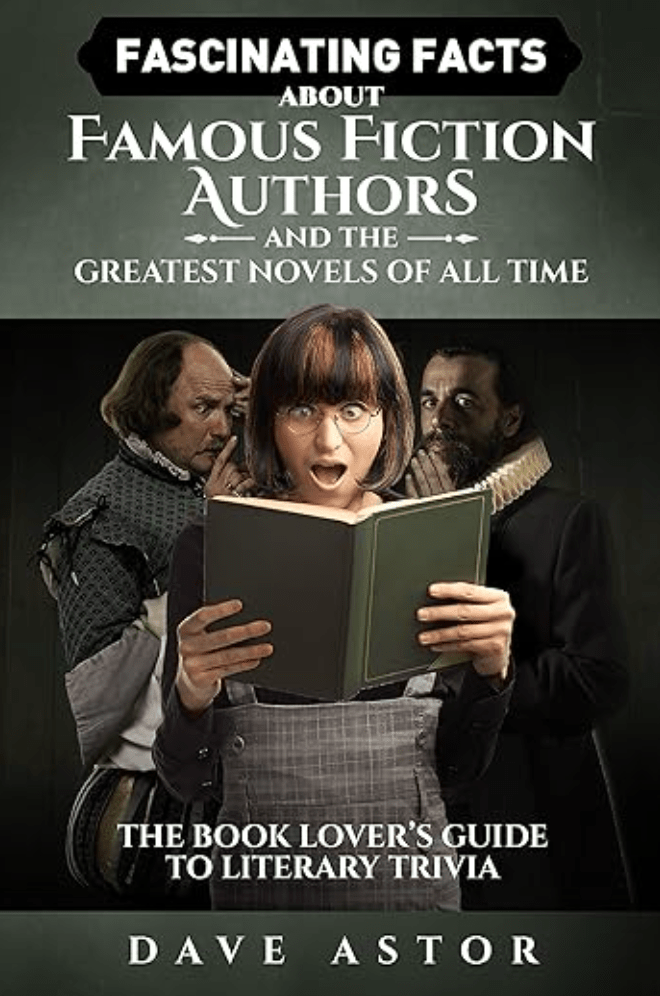
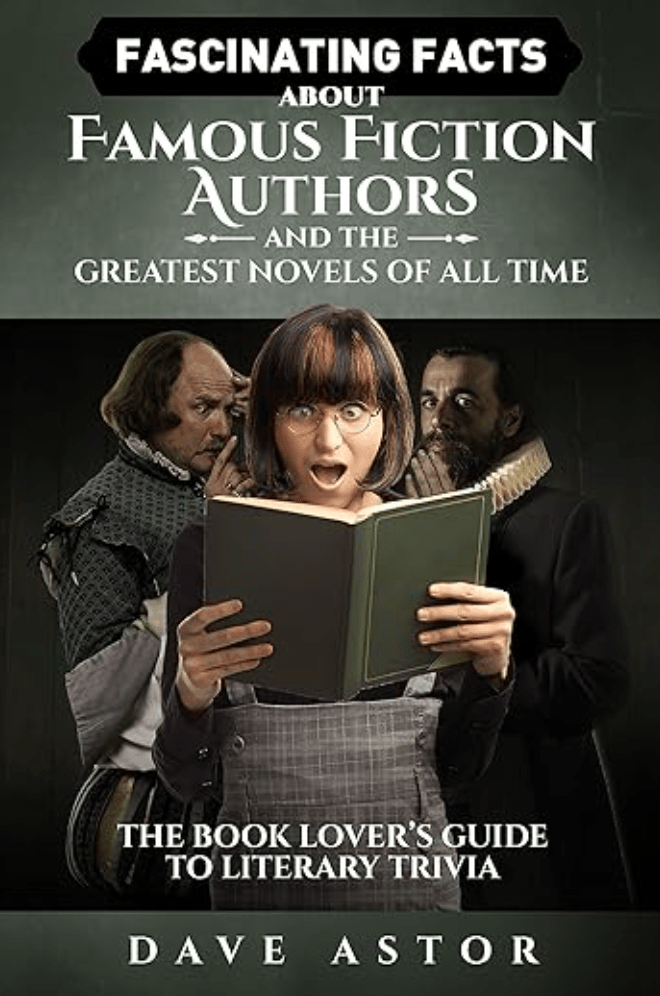
I’m also the author of a 2017 literary-trivia book

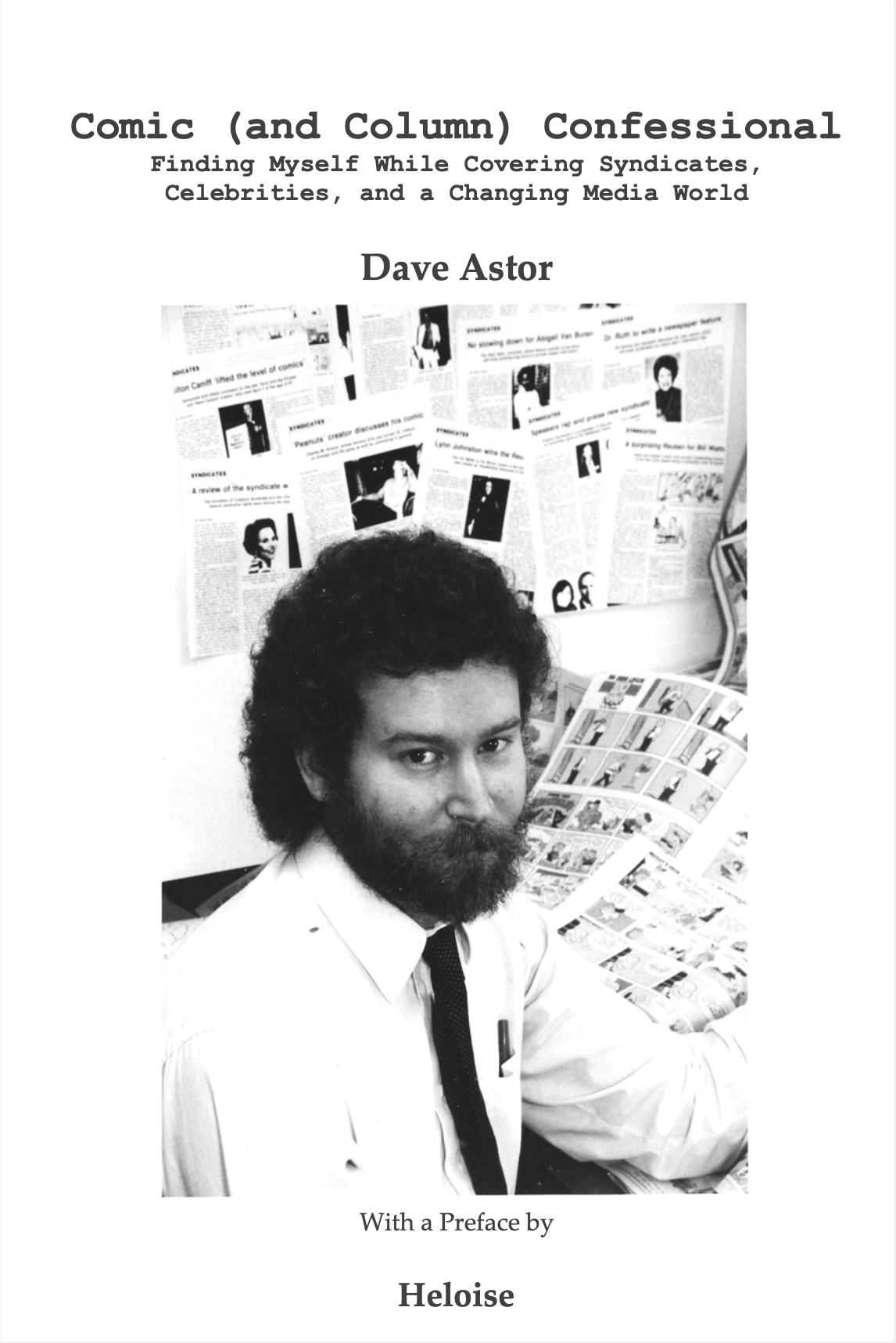
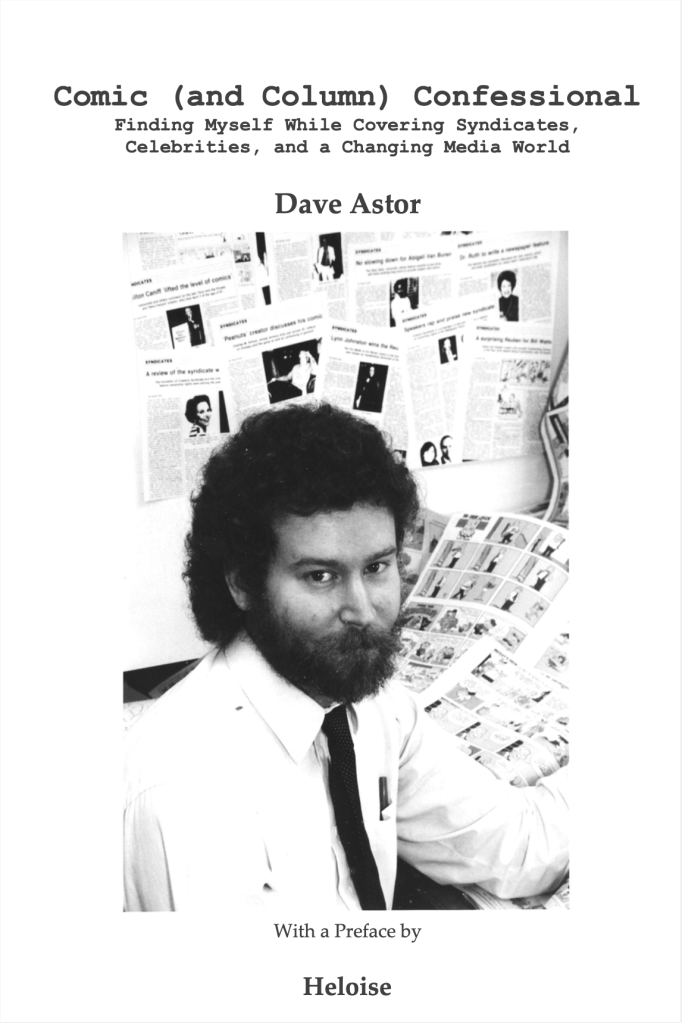
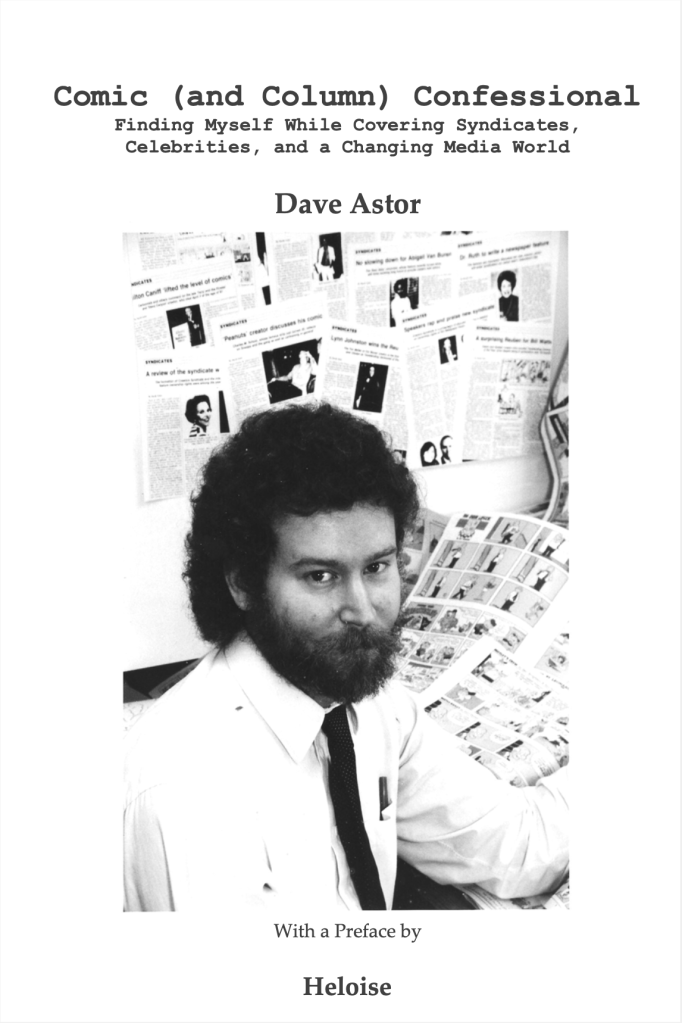
…and a 2012 memoir that focuses on cartooning and more, with many encounters with celebrities.

In addition to this weekly blog, I write the 2003-started/award-winning “Montclairvoyant” topical-humor column every Thursday for Montclair Local. The latest piece — about awful massive layoffs in my school district, upcoming elections, and more — is here.

A Cat Named Misty Writes a Post That’s Twisty

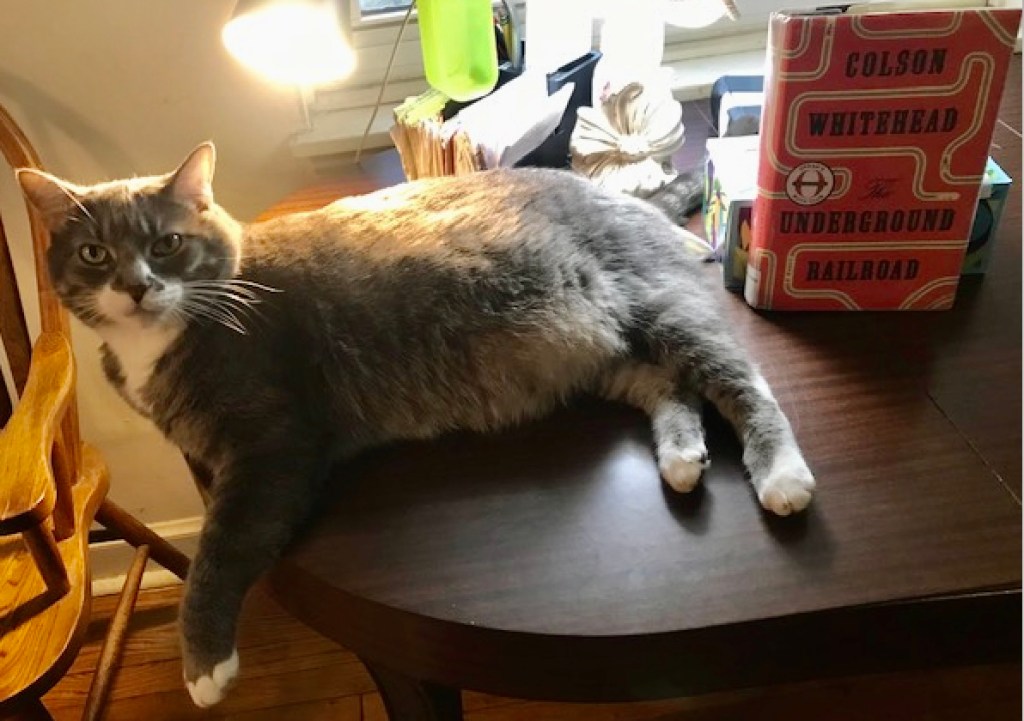
Misty aboveground with The Underground Railroad. (Photo by Dave.)

I, Misty the cat, guest-blog for Dave every two months or so. I last did that on February 9 — after which March winds brought April winds that knocked me from a standing position onto my side. Hence the above photo.

Anyway, as I embody “suburban sprawl” I’m contemplating the just-finished The Underground Railroad. Ouch…a searing novel set during 19th-century slavery times in the U.S. — which now consists of 50 states, only seven of which have cats as governors. One thing Colson Whitehead’s book made me realize is that felines are not as hung up on color as many white humans were and are. Heck, whether a cat is gray or black or orange or another hue, I glare at each one equally if they bother me during my daily leashed walks. After all, I’m the mayor of my apartment complex, though I don’t remember being elected. Maybe it was a coup.

The novel Dave and I read before The Underground Railroad was another installment of Val McDermid’s excellent series starring cold-case detective Karen Pirie, who Dave emulates by bringing home cold cases of cat food every winter. The Pirie novel was Broken Ground — a title that intrigued me because I also broke ground when I vigorously scratched in the dirt, searching for the paperwork certifying my mayoral election win.

Next in my near-future reading queue are the first novels I’ll be trying by Alexander McCall Smith, who makes me also want a multi-part name — perhaps Misty McKitty Bloggerslogger, which would sure beat being known as the title character in Wilkie Colllins’ novel No Name. Anyway, both soon-to-be-read-by-me McCall Smith books — 44 Scotland Street and The Sunday Philosophy Club — kick off respective series, and the latter title has already inspired me not to be philosophical Monday through Saturday. I also want to read another McCall Smith series opener — The No. 1 Ladies’ Detective Agency — but it’s not currently in my local library. As a cat lacking opposable thumbs, I couldn’t have grabbed hold of it anyway.

I do like strolling library aisles on my four paws, and have noticed that novels are shelved alphabetically by author. How Jane Austen shelved her own books — alphabetically or otherwise — in my town’s 1955-built library I have no idea; she passed away in 1817. Maybe she had Charles Dickens do it for her. Or the shelver might have been Dickens’ friend, the aforementioned Wilkie Collins, who also wrote the early detective novel The Moonstone. Dogs howl at its cover.

Dickens was born in 1812, so his and Austen’s lives overlapped for five years — giving them enough time to collaborate on the novel Sense and Nicholas Nickleby. Epic, albeit lacking in Sensibility.

Another writing pair is Vicki Myron and Bret Witter, who co-authored the heartwarming nonfiction book Dewey: The Small-Town Library Cat Who Touched the World. The library my fellow feline Dewey inhabited was in Iowa, one of the 43 states without a feline governor. Iowa has 75% vowels, though.

Returning to discussion of The Underground Railroad, that 2016 novel published a year after my 2015 birth still strongly resonates in 2025 given that the U.S. has a president (Donald Trump), a “co-president” (Elon Musk), and a vice president (JD Vance) so racist they renamed the late Amy Winehouse’s “Back to Black” album “Back to White.” Trump then exempted it from high tariffs.

Dave will respond to comments because I, Misty the cat, will be busy swatting high tariffs off the kitchen counter. They then become lower tariffs.

Misty the cat says: “I’m doing the annual Flower Walk to raise money for the annual Flower Walk.”

I and Dave’s comedic 2024 book — the part-factual/part-fictional/not-a-children’s-work Misty the Cat…Unleashed — is described and can be purchased on Amazon in paperback or on Kindle. It’s narrated by me, Misty! (And I say Amazon reviews are welcome. 🙂 )

This 90-second promo video for my and Dave’s book features a talking cat (sort of me, Misty): 🙂

Dave is also the author of a 2017 literary-trivia book

…and a 2012 memoir that focuses on cartooning and more.

In addition to this weekly blog, Dave writes the 2003-started/award-winning “Montclairvoyant” topical-humor column every Thursday for Montclair Local. The latest piece — about another lawsuit, a large local anti-Trump/Musk rally, and more — is here.

Anti-‘Woke’ Folk Should Do a Literary Soak

Colson Whitehead photo by Chris Close/Doubleday.

The Trump Administration’s countless nasty actions during its first six weeks include a crusade against DEI (Diversity/Equity/Inclusion) in the United States — a crusade that once again shows that Donald and company are white supremacists. They’re also sexist, anti-LGBTQ+, uncaring about people with disabilities, etc.

Their wrongheadedness has meant, among other things, firings of many federal employees who are not white males and crackdowns on merit-based multicultural hiring. Buttressing everything is the Trump Administration’s racist view that Caucasian men are the most competent people for any job — a view proven false time and time again, including when one looks at Trump’s grossly unqualified white male picks for Cabinet posts and other high positions.

Some on the anti-DEI bandwagon acknowledge that racism, misogyny, and homophobia once existed but contend that they’re now things of the past. Yes, things have gotten better, but true equality is still a distant goal. Also, there has of course been much recent backsliding into intolerance “thanks” to Trump, many of his fellow Republicans, some Democrats, and others.

One way people can see the very problematic nature of an anti-DEI attitude is to read novels. Many fictional works spotlight talented characters who are not white males, and often depict the challenges those characters face in a world still teeming with bias.

For instance, I’m currently reading Kate Quinn’s excellent 2021 novel The Rose Code — in which the abilities of World War II codebreakers Osla Kendall, Mab Churt, and Beth Finch are inspiring, as are the struggles of those three young Englishwomen against sexism and being underestimated.

But for the rest of this post, I’m going to only mention novels featuring impressive Black female and male characters who give the lie to alleged white male superiority as they often deal with a LOT in a society that devalues them and too often threatens them.

Just before starting The Rose Code, I read Colson Whitehead’s Pulitzer Prize-winning 2019 novel The Nickel Boys — and there’s no doubt that African-American character Elwood Curtis is smarter, nicer, and harder-working than any other teen (Black or white) we “meet” in the segregated northern Florida of the early 1960s. But a racist criminal “justice” system sends Elwood to a brutal juvenile reformatory on a charge he’s innocent of, and the results are not pretty — including what we learn in the powerful twist near the book’s conclusion.

But that was more than 60 years ago, you say? Whitehead, who also sets The Nickel Boys in more-recent times, shows how prejudice never completely goes away; it continues to reverberate. Trauma lingers across many a decade (as does a much smaller amount of intergenerational wealth among Black people compared to white people).

A few other memorable characters whose lives were at least partly affected by America’s warped racial dynamics include Joe King Oliver of Walter Mosley’s Down the River unto the Sea (2018), Starr Carter of Angie Thomas’ The Hate U Give (2017), Ifemelu of Chimamanda Ngozi Adichie’s Americanah (2013), Kiki Belsey of Zadie Smith’s On Beauty (2005), Celie of Alice Walker’s The Color Purple (1982), Dana Franklin of Octavia E. Butler’s Kindred (1979), Macon Dead III of Toni Morrison’s Song of Solomon (1977), Kunta Kinte of Alex Haley’s Roots (1976), John Grimes of James Baldwin’s Go Tell It On the Mountain (1953), the unnamed narrator of Ralph Ellison’s Invisible Man (1952), Bigger Thomas of Richard Wright’s Native Son (1940), and Janie Crawford of Zora Neale Hurston’s Their Eyes Were Watching God (1937). I found every one of those novels well worth reading, and I wish everyone trashing DEI would read them, too.

There are of course many bias-slammed Black characters skillfully created by white authors, too. Among them are Donte Drumm, a teen who ends up on Death Row for a murder he didn’t commit in John Grisham’s The Confession (2010); and the also falsely accused Tom Robinson in Harper Lee’s To Kill a Mockingbird (1960). Hmm…kind of similar story lines, 50 years apart.

Some of the characters mentioned in this post “overcome,” some do not.

Your thoughts about, and examples of, this topic?

Misty the cat says: “The grass will get greener this spring or when I buy a big can of green paint.”

My comedic 2024 book — the part-factual/part-fictional/not-a-children’s-work Misty the Cat…Unleashed — is described and can be purchased on Amazon in paperback or on Kindle. It’s feline-narrated! (And Misty says Amazon reviews are welcome. 🙂 )

This 90-second promo video for my book features a talking cat: 🙂

I’m also the author of a 2017 literary-trivia book

…and a 2012 memoir that focuses on cartooning and more.

In addition to this weekly blog, I write the 2003-started/award-winning “Montclairvoyant” topical-humor column every Thursday for Montclair Local. The latest piece — about a newly hired township manager, bad sidewalks, and more — is here.