More of the Morose

Last week, I wrote about some of literature’s comedic or part-comedic novels. This week, I’ll flip that to discuss some of the saddest novels. Given that I covered this topic in a post eight years ago, I’ll focus on novels I’ve read since then — whether those books were published before or after 2018.

Of course, sad novels are not always 100% bleak; they perhaps contain some happier moments and/or semi-optimistic endings. But they’re downbeat overall.

Kristin Hannah’s excellent fiction can certainly leave a reader shaken. For instance, her 1970s-set novel The Great Alone (2018) is a depressing look at a Vietnam War veteran living in the Alaskan wilderness and how his post-traumatic stress wreaks havoc on himself, his wife, and their teen daughter.

Elin Hilderbrand’s also-excellent fiction is considered somewhat “lighter” than Hannah’s, but she does often wrestle with major personal and societal issues. One of Hilderbrand’s more melancholy novels is 28 Summers (2020), about a cancer-stricken woman who had a longtime one-weekend-a-year affair with her soulmate while she and him lived separate family lives the rest of the time. A superb book amid the sorrow.

In-between the two above novels arrived Colson Whitehead’s partly 1960s-set The Nickel Boys (2019), a heartbreaking look at abuse in a Florida reform school and at racism in general. Whitehead’s earlier The Underground Railroad (2016) — which unfolds in 19th-century slavery times — is another very good novel that will leave readers morose. Both Whitehead books won the Pulitzer Prize for fiction.

Barbara Kingsolver’s later Pulitzer winner Demon Copperhead isn’t all dispiriting, but the scourge of opioid addiction and the poverty depicted in the 2022 novel leave readers dejected even as they’re impressed with the author’s modern reimagining of Charles Dickens’ David Copperfield.

Moving to some older novels I’ve read since 2018, we have Michael Crichton’s 1990 sci-fi thriller Jurassic Park in which the hubris of using DNA to recreate living dinosaurs in the 20th century results in lots of destruction by those out-of-their-element dinos.

Twenty-five years earlier, there was John Edward Williams’ 1965 Stoner novel about a farm-raised boy who becomes an English professor but lives a personal life marked by an unhappy marriage and other disappointments. Again, a really good novel amid the sorrow.

Another 1965 release was James Leo Herlihy’s Midnight Cowboy (better known for the 1969 movie adaptation) about a naive Texan’s odyssey in New York City and the discouraging experiences of he and his down-and-out, ill-fated friend.

In 1957 came Nevil Shute’s On the Beach, about Australians waiting to die from a deadly wave of nuclear war-caused radiation heading their way. Almost any apocalyptic/dystopian novel would be eligible for this post.

Thomas Mann’s Death in Venice (1912) is exquisitely written and set in one of the most beautiful cities on the planet, but the plot is full of unrequited obsession — and then comes the cholera outbreak.

In 1833, Alexander Pushkin’s novel-in-verse Eugene Onegin was published after appearing in serial form between 1825 and 1832. A depressingly brilliant work filled with boredom, arrogance, selfishness, an ill-fated duel, a missed romantic opportunity, and more.

Among the sad novels I mentioned in my 2018 post were Andre Dubus III’s House of Sand and Fog (1999), Arundhati Roy’s The God of Small Things (1997), Toni Morrison’s Beloved (1987), Giuseppe Tomasi di Lampedusa’s The Leopard (1958), Erich Maria Remarque’s Spark of Life (1952), George Orwell’s Nineteen Eighty-Four (1949), Edith Wharton’s The House of Mirth (1905), Thomas Hardy’s Jude the Obscure (1895), Emile Zola’s Germinal (1885), George Eliot’s The Mill on the Floss (1860), Mary Shelley’s The Last Man (1826), and Sir Walter Scott’s The Bride of Lammermoor (1819).

Your thoughts on this post, and examples of sad novels you’ve read?

Misty the cat says: “I was gonna give Dave this tree for his birthday but it’s stuck in the ground.”

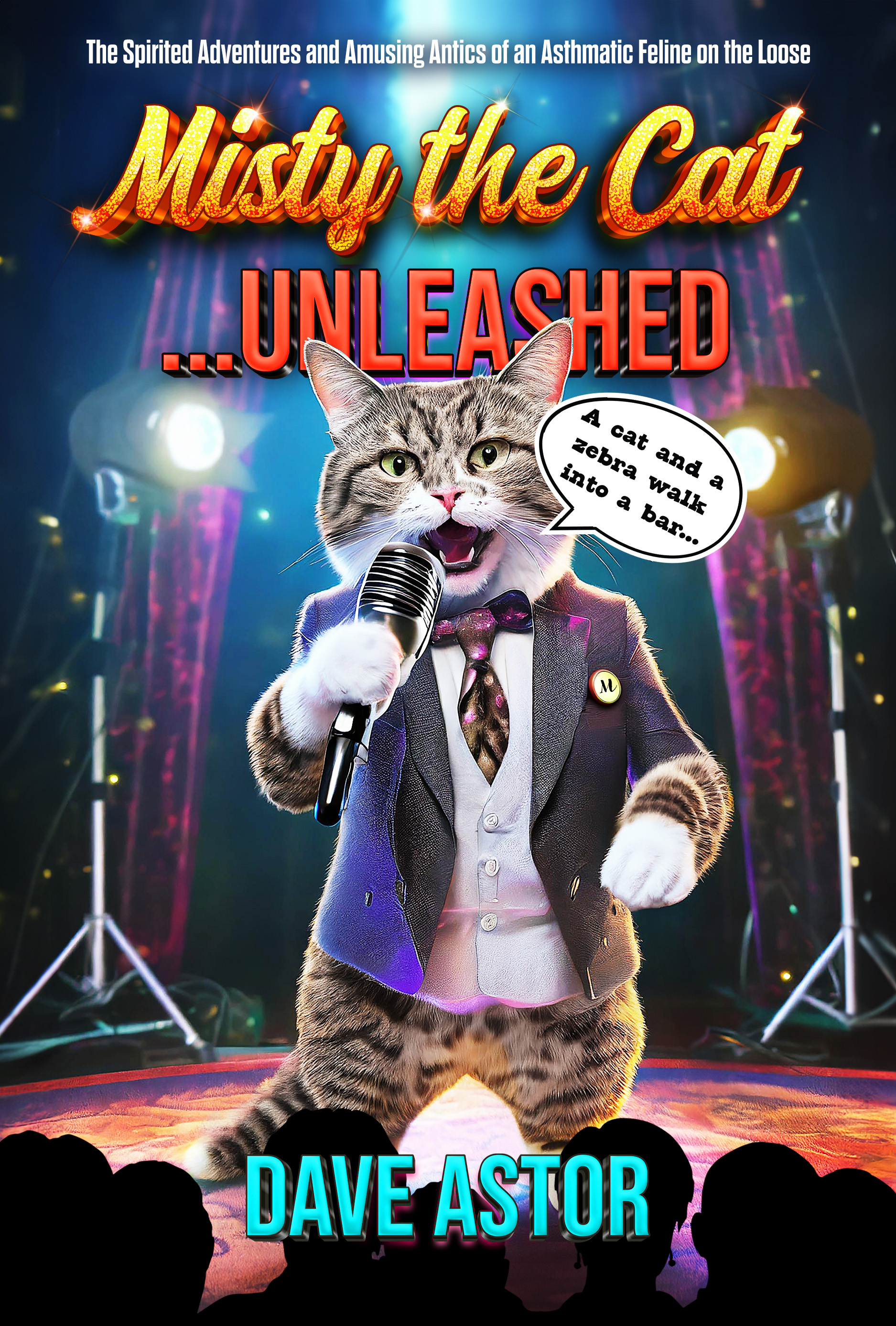
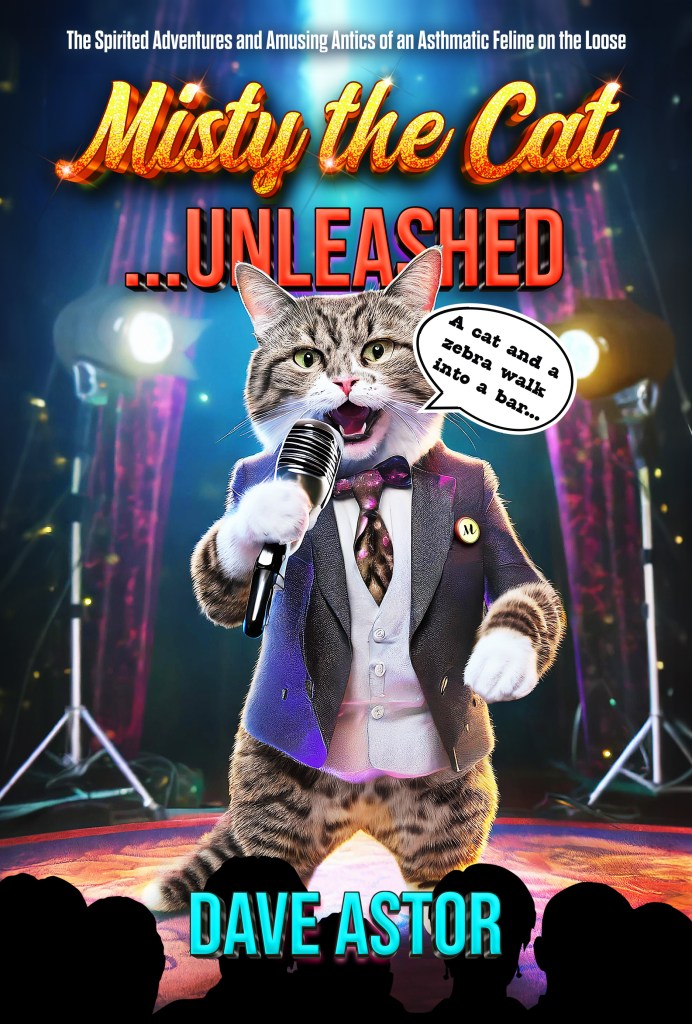
My comedic 2024 book — the part-factual/part-fictional/not-a-children’s-work Misty the Cat…Unleashed — is described and can be purchased on Amazon in paperback or on Kindle. It’s feline-narrated! (And Amazon reviews are welcome. 🙂 )
This 90-second promo video for the book features a talking cat: 🙂

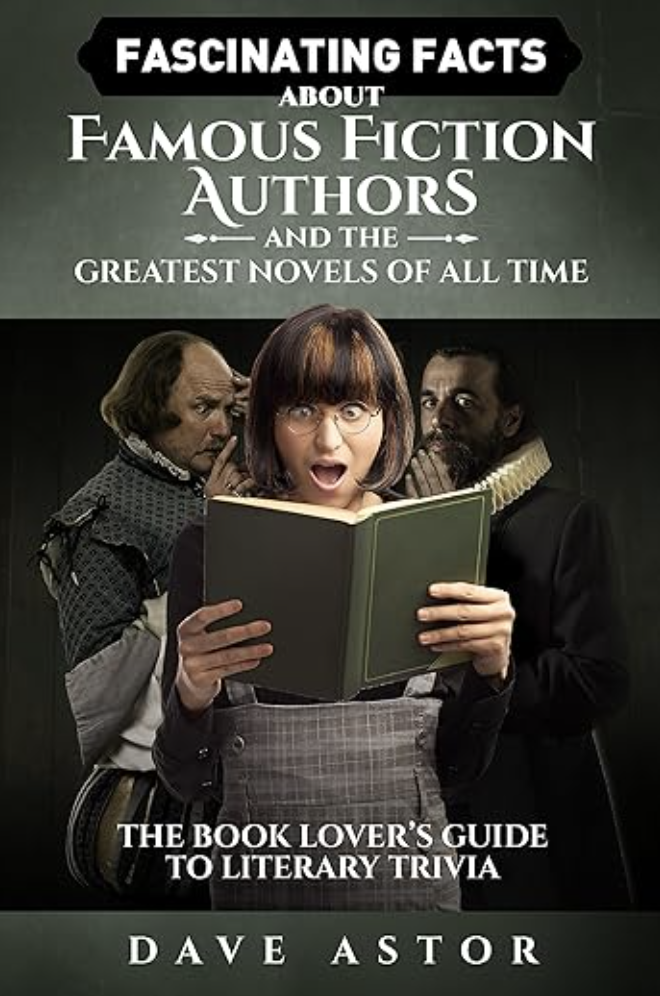
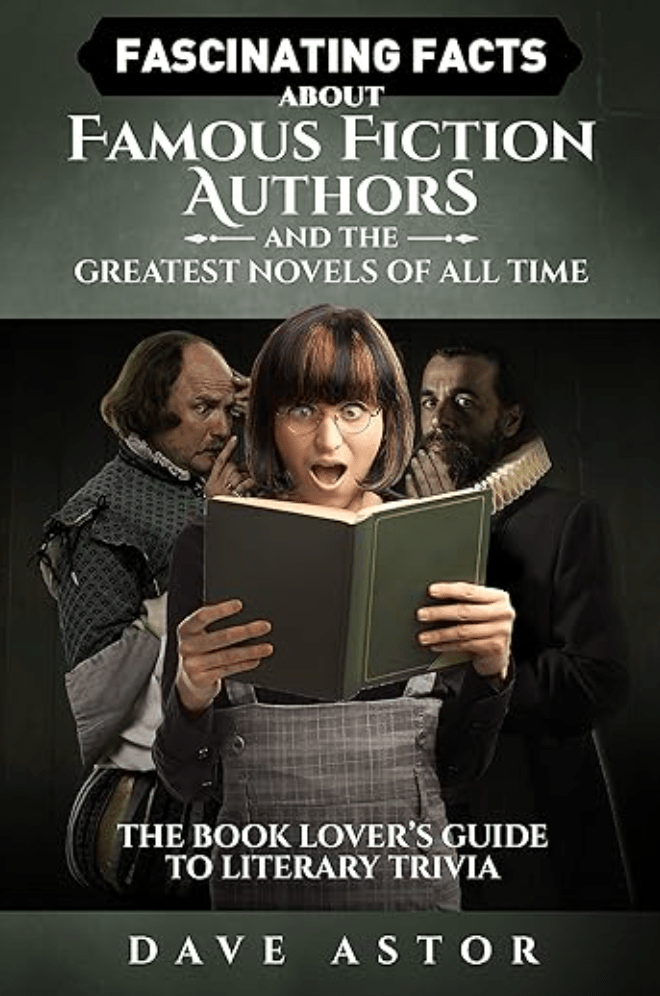
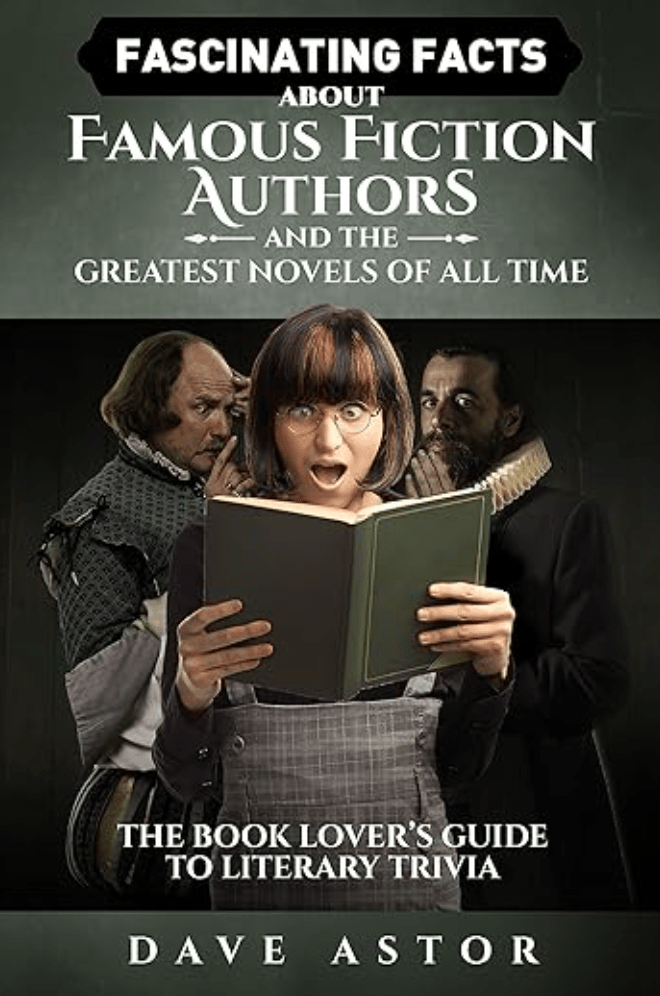
I’m also the author of a 2017 literary-trivia book

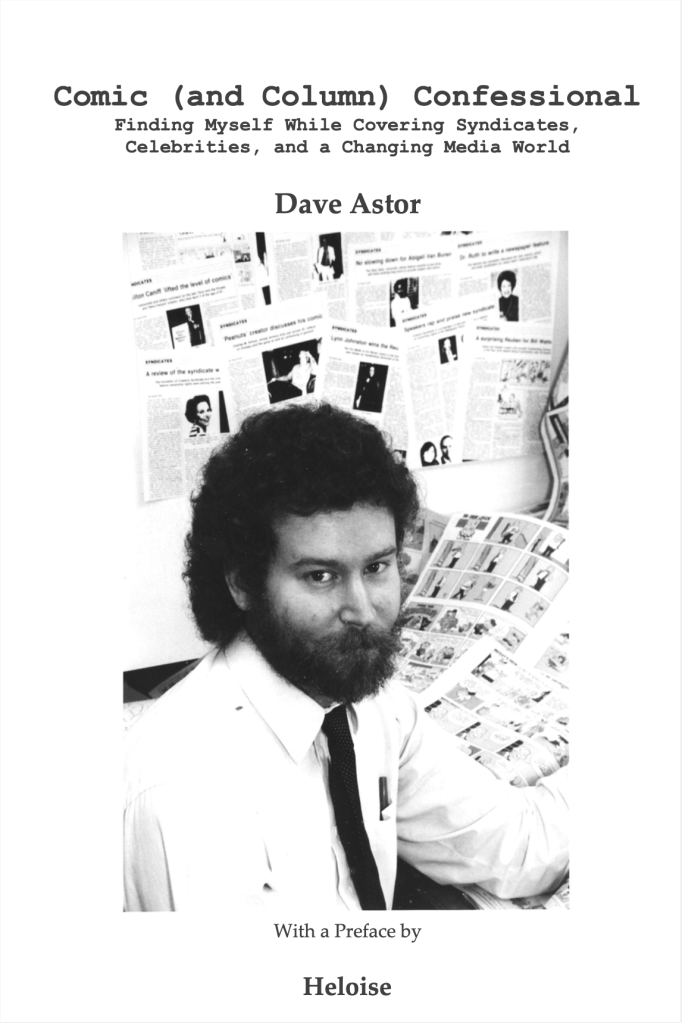
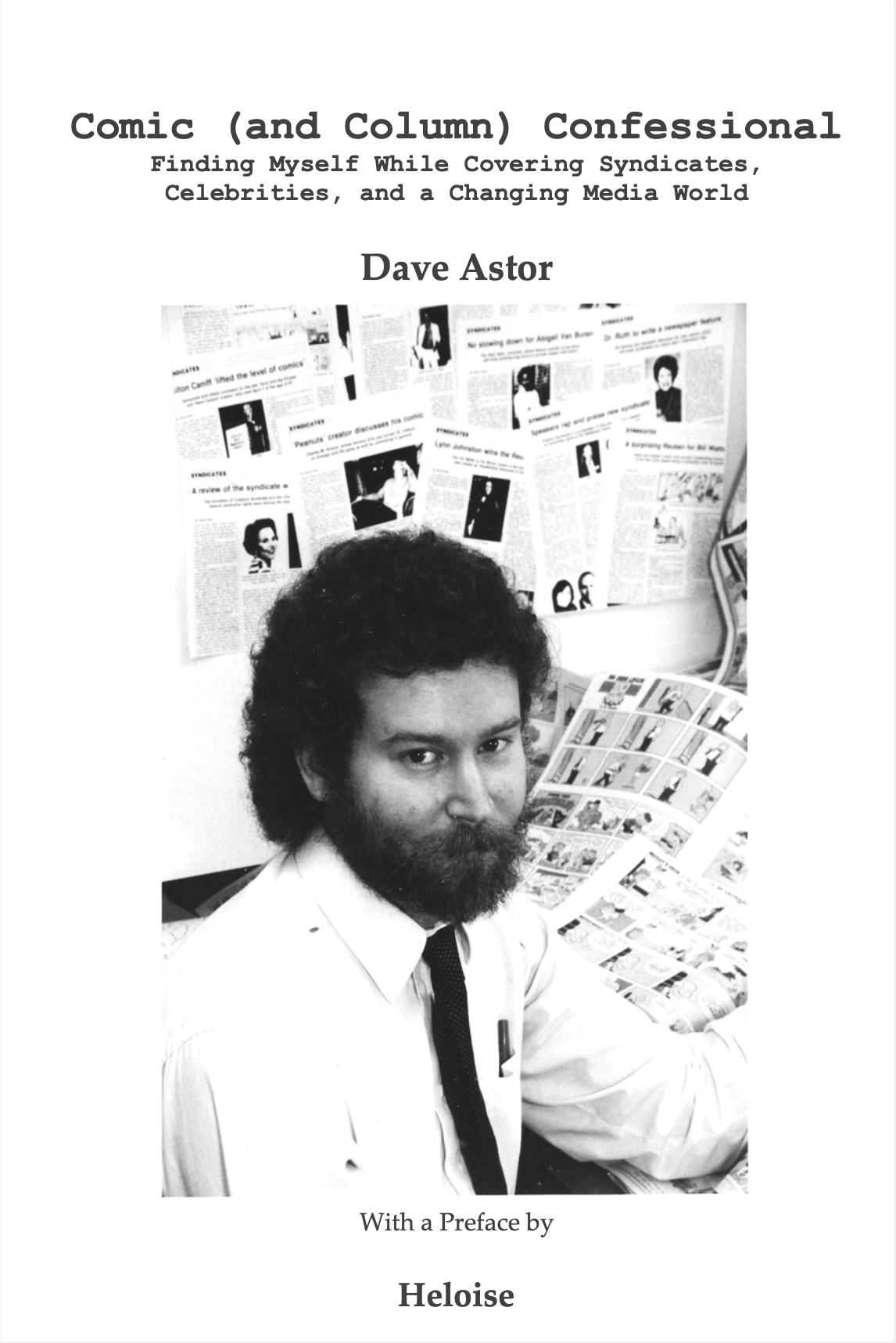
…and a 2012 memoir that focuses on cartooning and more, including many encounters with celebrities.
In addition to this weekly blog, I write the 2003-started/award-winning “Montclairvoyant” topical-humor column every Thursday for Montclair Local. The latest piece — about a VERY close budget referendum and a not-close but controversial development decision — is here.

Novels with a Sunshine State of Mind

A Delray Beach retirement community in 2018. (Photo by me.)

Florida! Beaches. Palm trees. Retired senior citizens. Disney World. Miami Vice. Kennedy Space Center/Cape Canaveral. Many nationally known pro and college teams in football and other sports. A once-blue but now-red state led by far-right/mean-spirited Governor Ron DeSantis. The home state of far-right/mean-spirited President Donald Trump, a New York native.

“The Sunshine State” has personal elements for me, too. After she retired, my New York-born/later-New Jersey-based mother lived in Delray Beach from the early 1990s to her death in 2018. My wife has extended family in Florida, where I also have friends. I covered conferences in Orlando, Sarasota, and Boca Raton when I was a magazine writer.

As you might expect, I’m also going to discuss Florida’s various literary connections. It’s one of the places where Ernest Hemingway lived — in Key West. The state is associated as well with novelists Zora Neale Hurston and Marjorie Kinnan Rawlings, columnists/authors Dave Barry and Carl Hiaasen, and other wordsmiths. And it’s the state where “The Wizarding World of Harry Potter” is located — a theme park inspired, of course, by the blockbuster J.K. Rowling series.

I didn’t plan this, but the last two novels I read were set a little or mostly in Florida. First there was James Leo Herlihy’s Midnight Cowboy (known more for the iconic movie), a riveting book about a down-and-out Texas hustler in New York City who ends up taking a fraught bus ride to Miami. Then I proceeded to James Michener’s Recessional, which takes a poignant and very absorbing look at a senior facility near Tampa. It was Michener’s final novel — published when he was 87 — so the author really “lived” the subject matter.

Other novels with partial or mainly Florida settings? Referencing authors already mentioned in this post, there was Zora Neale Hurston’s compelling classic Their Eyes Were Watching God starring a memorable independent woman, Marjorie Kinnan Rawling’s Pulitzer Prize-winning The Yearling featuring a boy and his fawn, and Ernest Hemingway’s fishing-boat saga To Have and Have Not.

I’ve read the columns of Dave Barry and Carl Hiaasen, and met and written about both men, but have not tried any of their books.

But I have read Rita Mae Brown’s Rubyfruit Jungle, in which the lesbian protagonist leaves Florida for more-tolerant New York City; Colson Whitehead’s The Nickel Boys, much of which is set at a problematic reform school in Florida; Joy Fielding’s Cul-de-sac, a page-turner about the families living on one suburban Florida street; John Grisham’s thriller Camino Island, in which manuscripts of F. Scott Fitzgerald play a prominent role; and Peter Straub’s Ghost Story, which — not surprisingly for a novel partly set in Florida — prominently features senior citizens in its cast.

Thoughts about and/or examples of this theme?

Misty the cat says: 🎵 “There’s something happening here/what it is ain’t exactly clear.” 🎵

My comedic 2024 book — the part-factual/part-fictional/not-a-children’s-work Misty the Cat…Unleashed — is described and can be purchased on Amazon in paperback or on Kindle. It’s feline-narrated! (And Amazon reviews are welcome. 🙂 )

This 90-second promo video for the book features a talking cat: 🙂

I’m also the author of a 2017 literary-trivia book

…and a 2012 memoir that focuses on cartooning and more, with many encounters with celebrities.

In addition to this weekly blog, I write the 2003-started/award-winning “Montclairvoyant” topical-humor column every Thursday for Montclair Local. The latest piece — about awful massive layoffs in my school district, upcoming elections, and more — is here.

Anti-‘Woke’ Folk Should Do a Literary Soak

Colson Whitehead photo by Chris Close/Doubleday.

The Trump Administration’s countless nasty actions during its first six weeks include a crusade against DEI (Diversity/Equity/Inclusion) in the United States — a crusade that once again shows that Donald and company are white supremacists. They’re also sexist, anti-LGBTQ+, uncaring about people with disabilities, etc.

Their wrongheadedness has meant, among other things, firings of many federal employees who are not white males and crackdowns on merit-based multicultural hiring. Buttressing everything is the Trump Administration’s racist view that Caucasian men are the most competent people for any job — a view proven false time and time again, including when one looks at Trump’s grossly unqualified white male picks for Cabinet posts and other high positions.

Some on the anti-DEI bandwagon acknowledge that racism, misogyny, and homophobia once existed but contend that they’re now things of the past. Yes, things have gotten better, but true equality is still a distant goal. Also, there has of course been much recent backsliding into intolerance “thanks” to Trump, many of his fellow Republicans, some Democrats, and others.

One way people can see the very problematic nature of an anti-DEI attitude is to read novels. Many fictional works spotlight talented characters who are not white males, and often depict the challenges those characters face in a world still teeming with bias.

For instance, I’m currently reading Kate Quinn’s excellent 2021 novel The Rose Code — in which the abilities of World War II codebreakers Osla Kendall, Mab Churt, and Beth Finch are inspiring, as are the struggles of those three young Englishwomen against sexism and being underestimated.

But for the rest of this post, I’m going to only mention novels featuring impressive Black female and male characters who give the lie to alleged white male superiority as they often deal with a LOT in a society that devalues them and too often threatens them.

Just before starting The Rose Code, I read Colson Whitehead’s Pulitzer Prize-winning 2019 novel The Nickel Boys — and there’s no doubt that African-American character Elwood Curtis is smarter, nicer, and harder-working than any other teen (Black or white) we “meet” in the segregated northern Florida of the early 1960s. But a racist criminal “justice” system sends Elwood to a brutal juvenile reformatory on a charge he’s innocent of, and the results are not pretty — including what we learn in the powerful twist near the book’s conclusion.

But that was more than 60 years ago, you say? Whitehead, who also sets The Nickel Boys in more-recent times, shows how prejudice never completely goes away; it continues to reverberate. Trauma lingers across many a decade (as does a much smaller amount of intergenerational wealth among Black people compared to white people).

A few other memorable characters whose lives were at least partly affected by America’s warped racial dynamics include Joe King Oliver of Walter Mosley’s Down the River unto the Sea (2018), Starr Carter of Angie Thomas’ The Hate U Give (2017), Ifemelu of Chimamanda Ngozi Adichie’s Americanah (2013), Kiki Belsey of Zadie Smith’s On Beauty (2005), Celie of Alice Walker’s The Color Purple (1982), Dana Franklin of Octavia E. Butler’s Kindred (1979), Macon Dead III of Toni Morrison’s Song of Solomon (1977), Kunta Kinte of Alex Haley’s Roots (1976), John Grimes of James Baldwin’s Go Tell It On the Mountain (1953), the unnamed narrator of Ralph Ellison’s Invisible Man (1952), Bigger Thomas of Richard Wright’s Native Son (1940), and Janie Crawford of Zora Neale Hurston’s Their Eyes Were Watching God (1937). I found every one of those novels well worth reading, and I wish everyone trashing DEI would read them, too.

There are of course many bias-slammed Black characters skillfully created by white authors, too. Among them are Donte Drumm, a teen who ends up on Death Row for a murder he didn’t commit in John Grisham’s The Confession (2010); and the also falsely accused Tom Robinson in Harper Lee’s To Kill a Mockingbird (1960). Hmm…kind of similar story lines, 50 years apart.

Some of the characters mentioned in this post “overcome,” some do not.

Your thoughts about, and examples of, this topic?

Misty the cat says: “The grass will get greener this spring or when I buy a big can of green paint.”

My comedic 2024 book — the part-factual/part-fictional/not-a-children’s-work Misty the Cat…Unleashed — is described and can be purchased on Amazon in paperback or on Kindle. It’s feline-narrated! (And Misty says Amazon reviews are welcome. 🙂 )

This 90-second promo video for my book features a talking cat: 🙂

I’m also the author of a 2017 literary-trivia book

…and a 2012 memoir that focuses on cartooning and more.

In addition to this weekly blog, I write the 2003-started/award-winning “Montclairvoyant” topical-humor column every Thursday for Montclair Local. The latest piece — about a newly hired township manager, bad sidewalks, and more — is here.