The 1950s in Literature

After recently reading Truman Capote’s famous 1958 novella Breakfast at Tiffany’s, I realized that my periodic posts over the years about a specific decade of literature had not yet included the 1950s. That will be remedied today faster than an Elvis Presley hip swivel.

Looking back, the ’50s are considered a relatively conventional time in certain ways, but there were definitely signs of change bubbling under the surface that would explode in the following decade – among them pushes for civil rights, women’s rights, and LGBTQ+ rights. So, not surprisingly, many ’50s-released novels contained both conventional and unconventional elements – with the unconventionality also including a bit more candid depiction of sexuality and a bit more use of four-letter words than in prior decades and centuries. 

Civil rights and the Black experience in general were reflected in novels such as Ralph Ellison’s Invisible Man (1952), James Baldwin’s Go Tell It on the Mountain (1953), and Chinua Achebe’s Things Fall Apart (1958). Unfortunately, the otherwise pretty open-minded Breakfast at Tiffany’s has some racist elements, whether that involved Capote thinking that way himself or the author just showing what many people’s views openly were back then.

Some non-white ethnic characters were also treated non-stereotypically in some ’50s novels. One who comes to mind is the highly educated Chinese-American cook/housekeeper Lee in John Steinbeck’s East of Eden (1952); he’s that book’s smartest, most ethical, and most relatable person.

Independent or partly independent women appeared in novels such as Breakfast at Tiffany’s (starring the flighty but strong-willed Holly Golightly), Daphne du Maurier’s Mary Anne (1954), Herman Wouk’s Marjorie Morningstar (1955), and Shirley Jackson’s The Haunting of Hill House (1959). There’s also East of Eden’s Cathy Ames — though that evil, driven character is far from a role model.

LGBTQ+ characters, whether closeted or not, in ’50s lit? There were certainly some in Breakfast at Tiffany’s – one of the before-its-time highlights of Capote’s novella. Giovanni’s Room (1956) by James Baldwin comes to mind, too.

Meanwhile, Wouk’s The Caine Mutiny (1951) gave readers food for thought about the necessity to distrust authority when the person in authority isn’t worthy of trust. A sentiment that would become more pronounced in the 1960s and beyond.

Also published in 1951 was J.D. Salinger’s The Catcher in the Rye, with its prescient look at teen angst and alienation through the lens of annoying protagonist Holden Caulfield.

Other ’50s novels of note include, among others, Ray Bradbury’s dystopian Fahrenheit 451 (1953), with its book-burning government’s thought-policing and anti-intellectualism; William Golding’s Lord of the Flies (1954), which explored how things can go bad when “civilization” is lost; and J.R.R. Tolkien’s The Lord of the Rings trilogy (1954-1955), the pioneering fantasy classic that some considered a World War II allegory despite the author’s denial of that.

Major releases that decade, to name some, also included Daphne du Maurier’s My Cousin Rachel and Josephine Tey’s The Daughter of Time (both 1951); Ernest Hemingway’s The Old Man and the Sea, Bernard Malamud’s The Natural, and Flannery O’Connor’s Wise Blood (all 1952); Erich Maria Remarque’s A Time to Love and a Time to Die (1954); Vladimir Nabokov’s Lolita (1955); Saul Bellow’s Seize the Day (1956); Nevil Shute’s On the Beach, Boris Pasternak’s Doctor Zhivago, and Jack Kerouac’s On the Road (all 1957); Giuseppe Tomasi di Lampedusa’s The Leopard and Graham Greene’s Our Man in Havana (both 1958), and Gunter Grass’s The Tin Drum and Philip Roth’s Goodbye, Columbus (both 1959).

The ’50s novels mentioned in this post are ones I’ve read; there are of course many other books from that decade I have not gotten to.

As an aside, I’ll mention a novel I recently read by 1955-born author John Grisham. That book is The Widow (2025), and I must say that, after 50 or so novels, Grisham’s still “got it.” The Widow, about a small-town lawyer falsely charged with murdering the title character, is a riveting page-turner.

Thoughts on this post and the books in it? Any other 1950s novels you’d like to mention?

Misty the cat: “I’m keeping the pillow warm for when my college human comes home for Thanksgiving.”

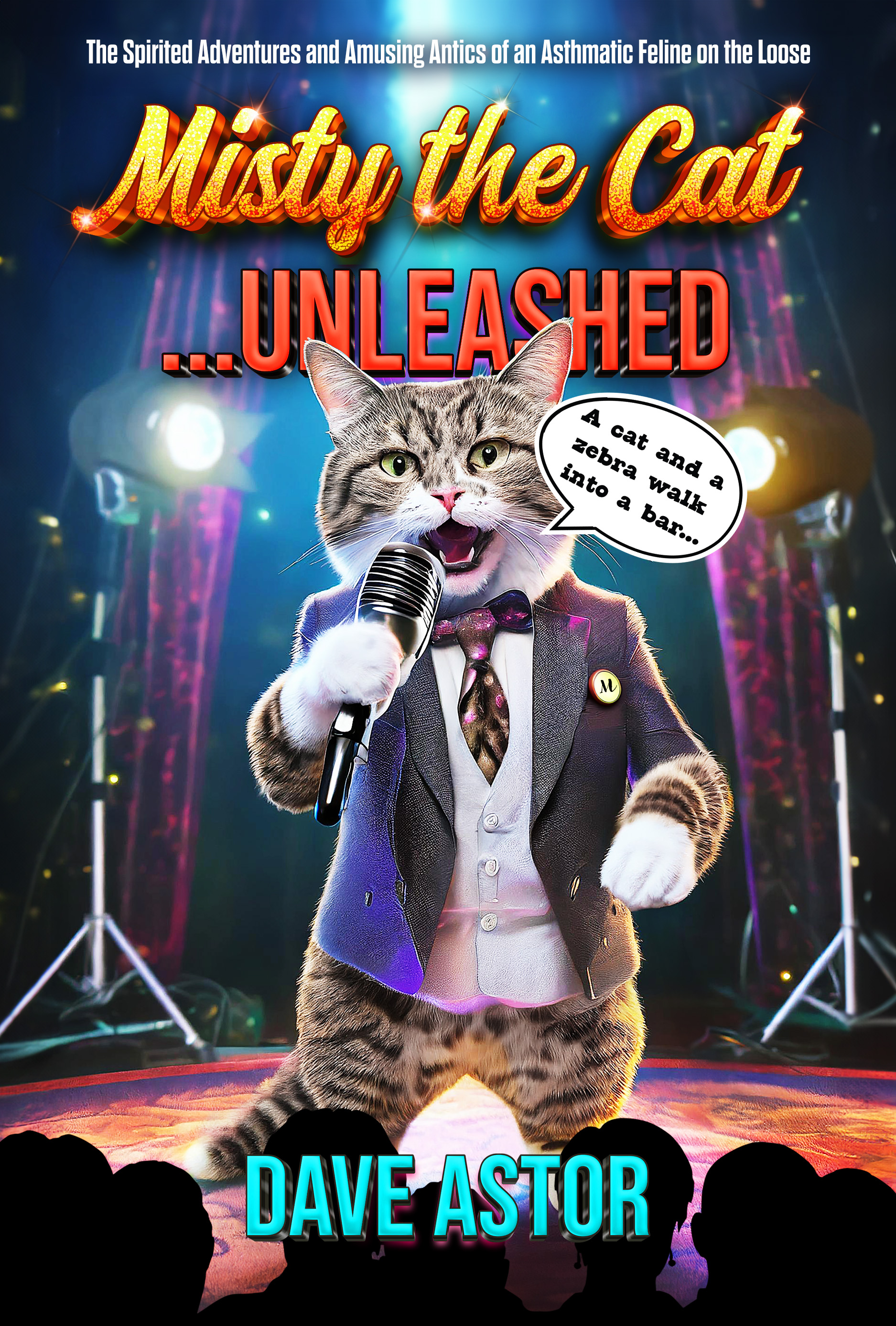
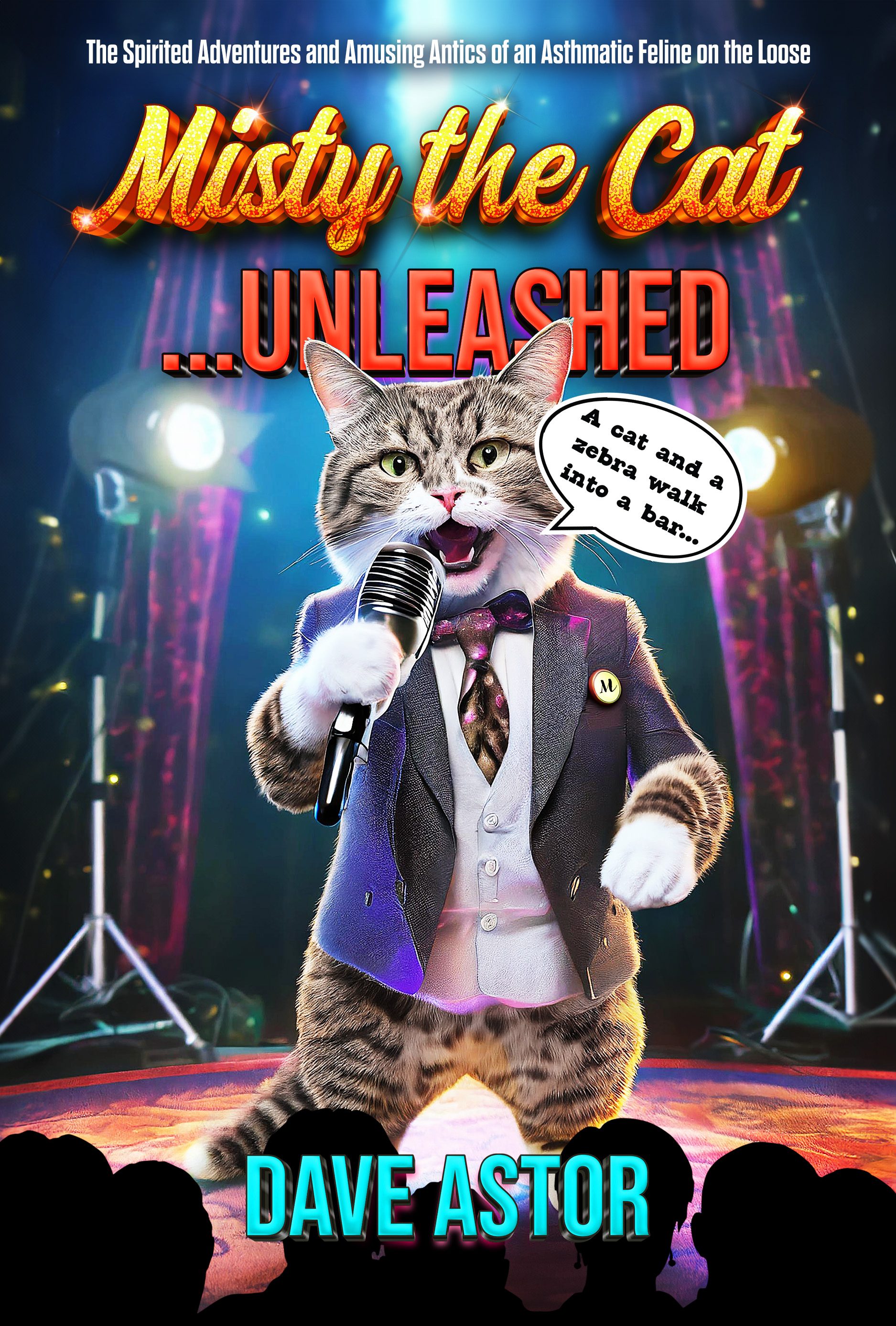
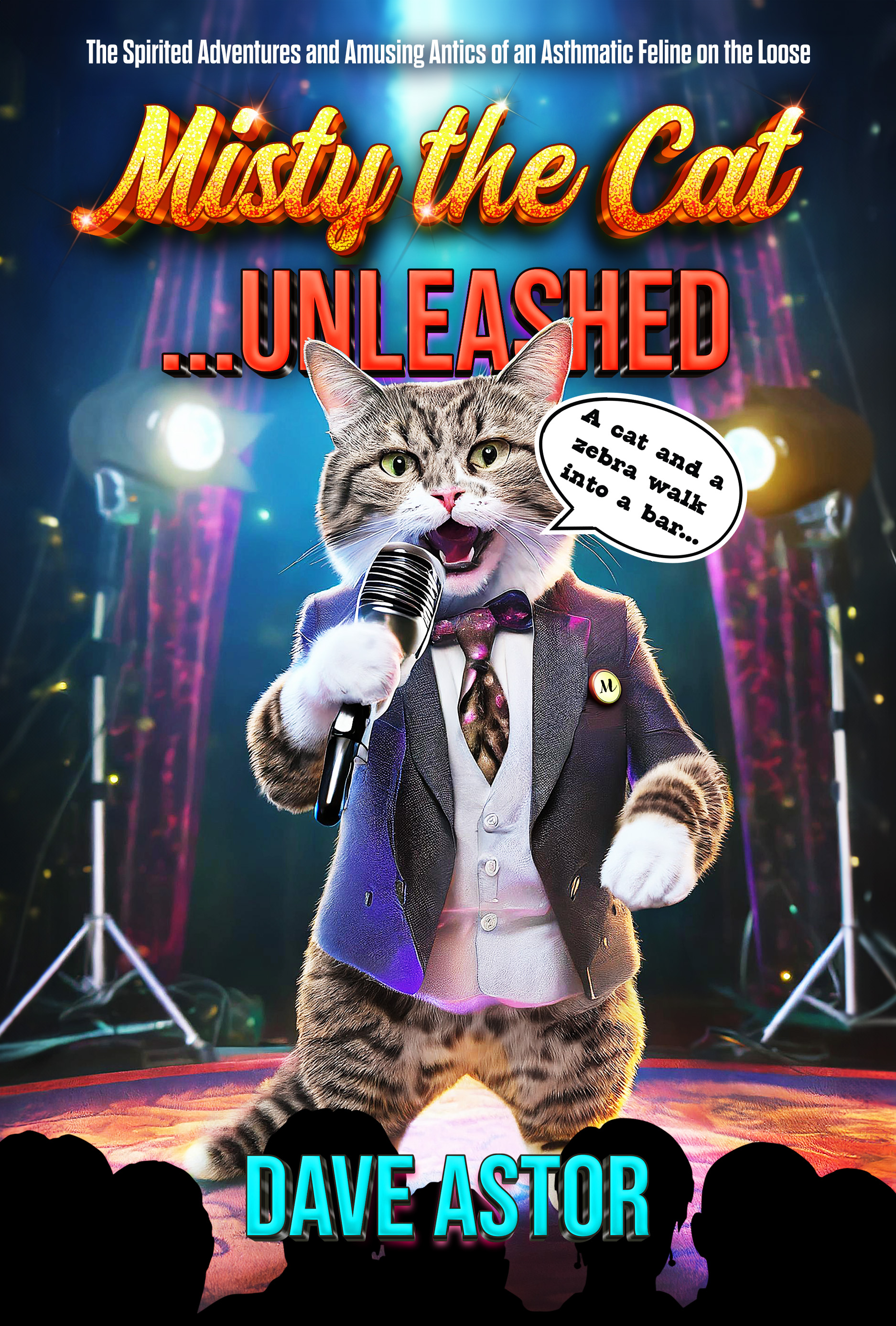
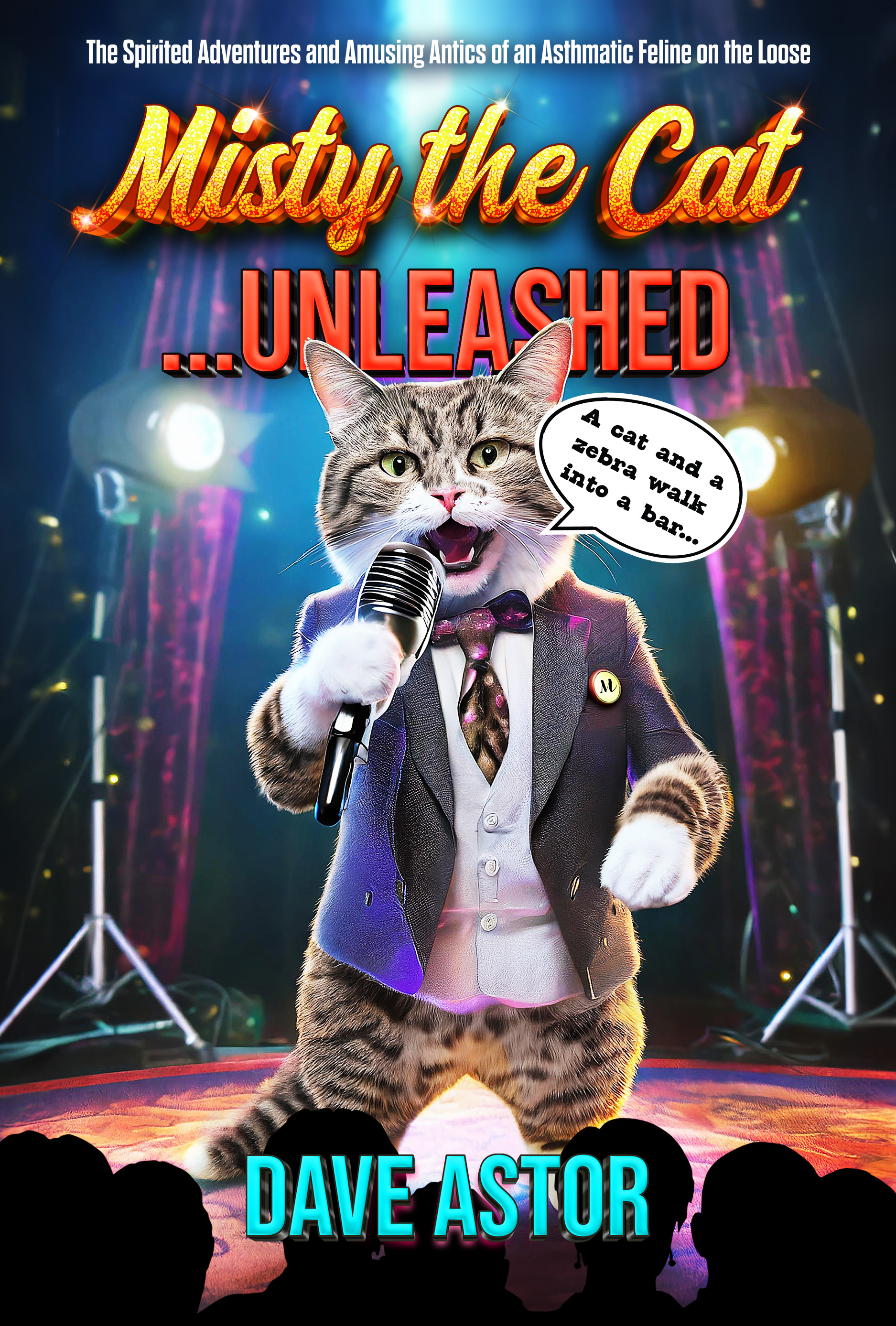
My comedic 2024 book — the part-factual/part-fictional/not-a-children’s-work Misty the Cat…Unleashed — is described and can be purchased on Amazon in paperback or on Kindle. It’s feline-narrated! (And Amazon reviews are welcome. 🙂 )
This 90-second promo video for the book features a talking cat: 🙂 Not my voice. 🙂

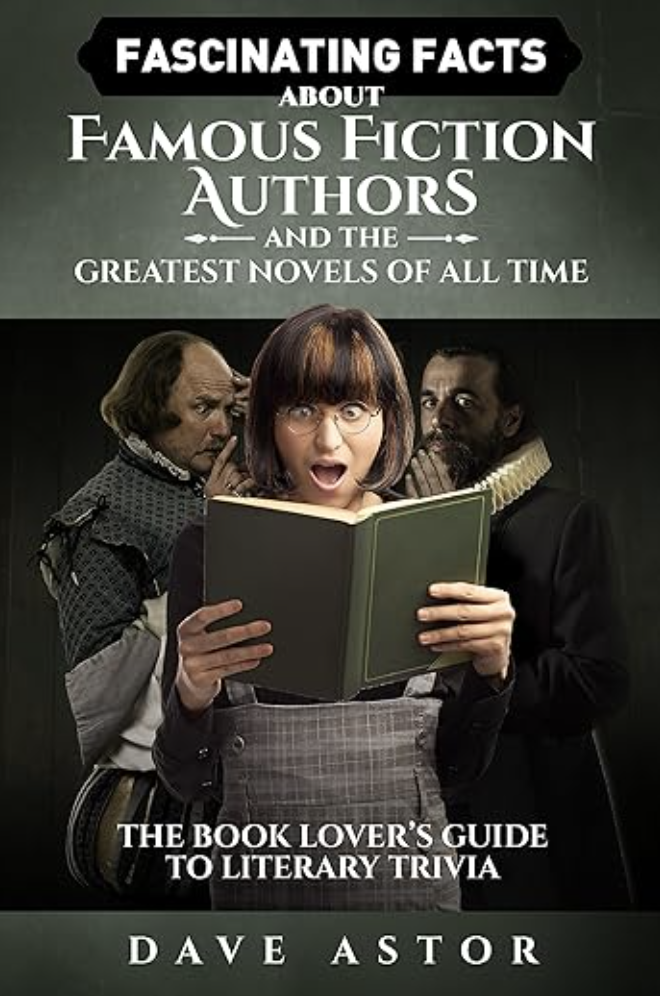
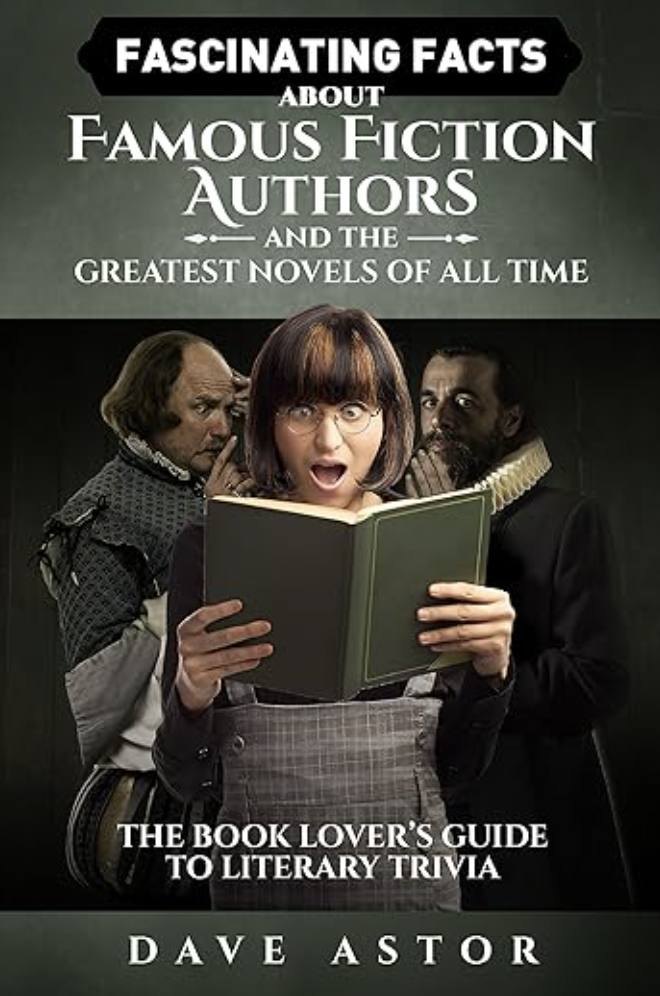
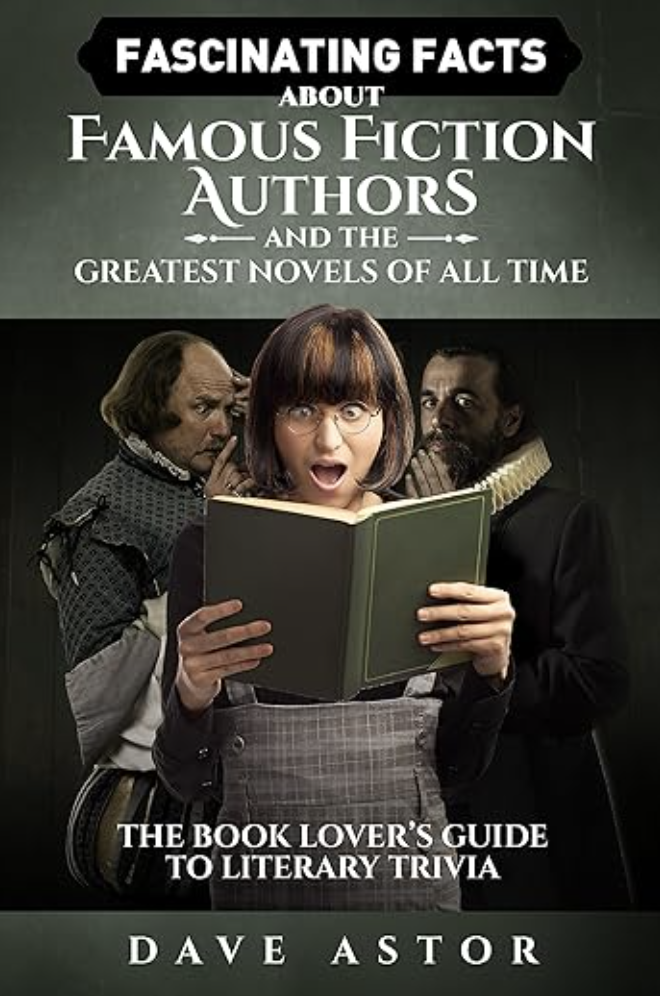
I’m also the author of a 2017 literary-trivia book…
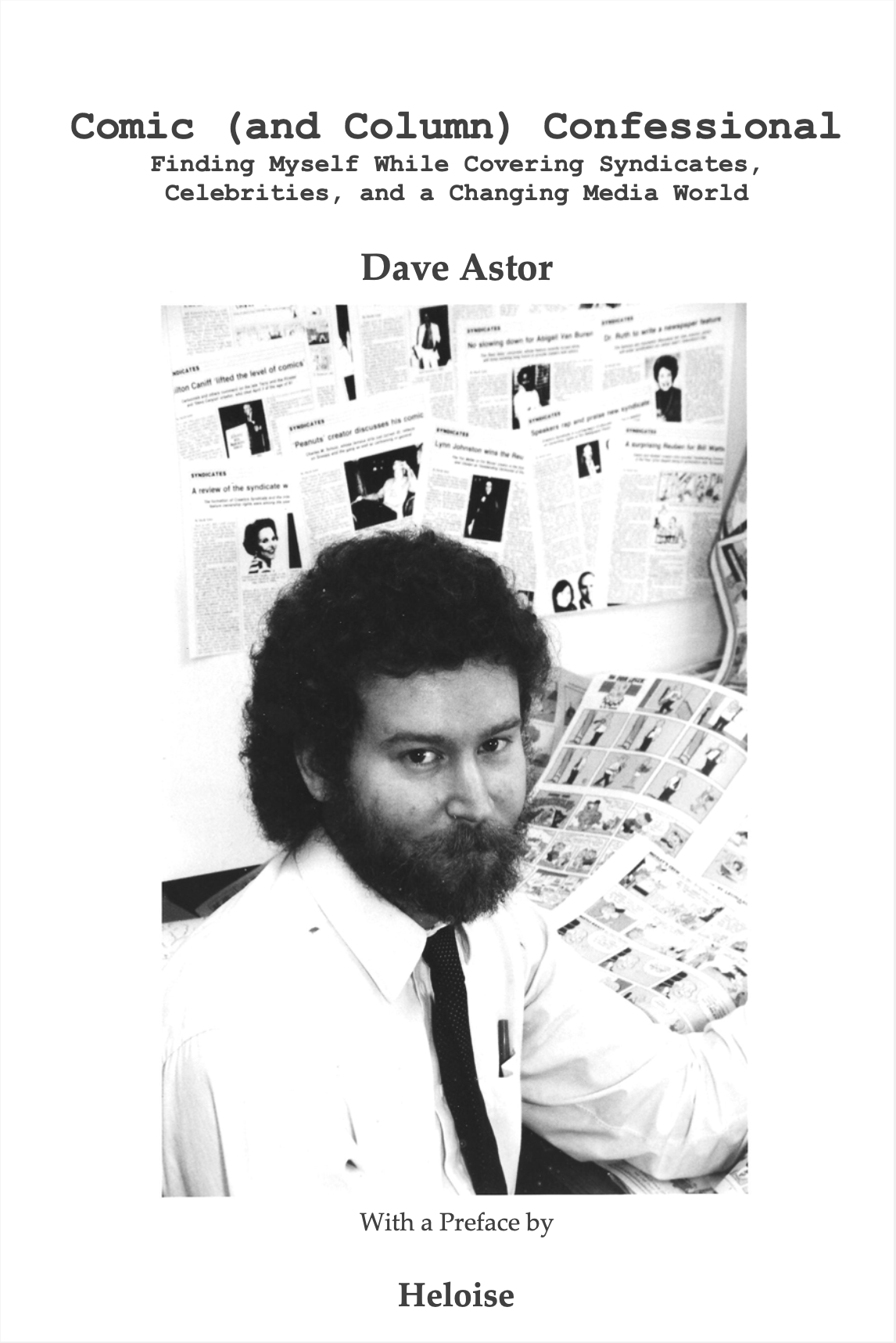
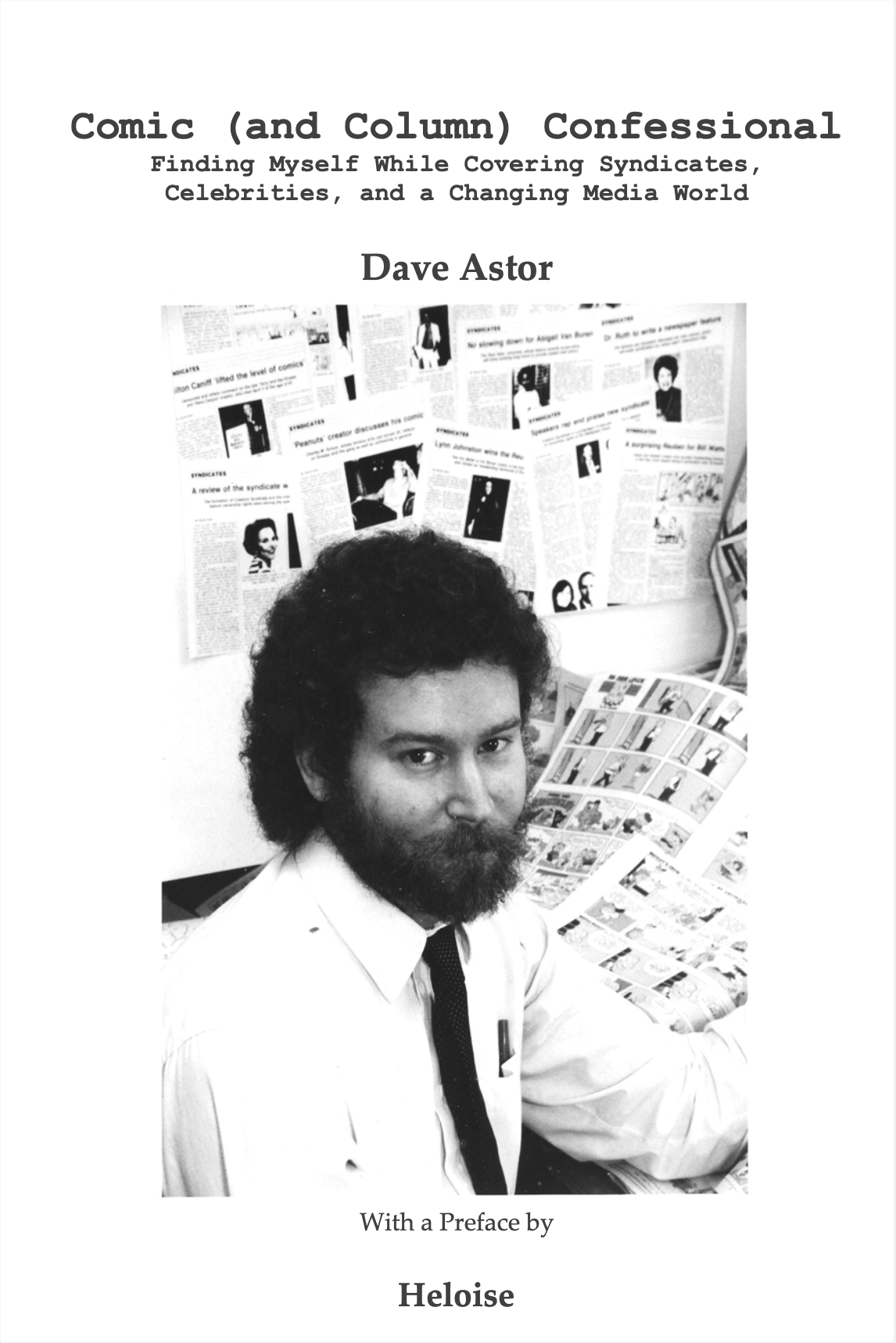
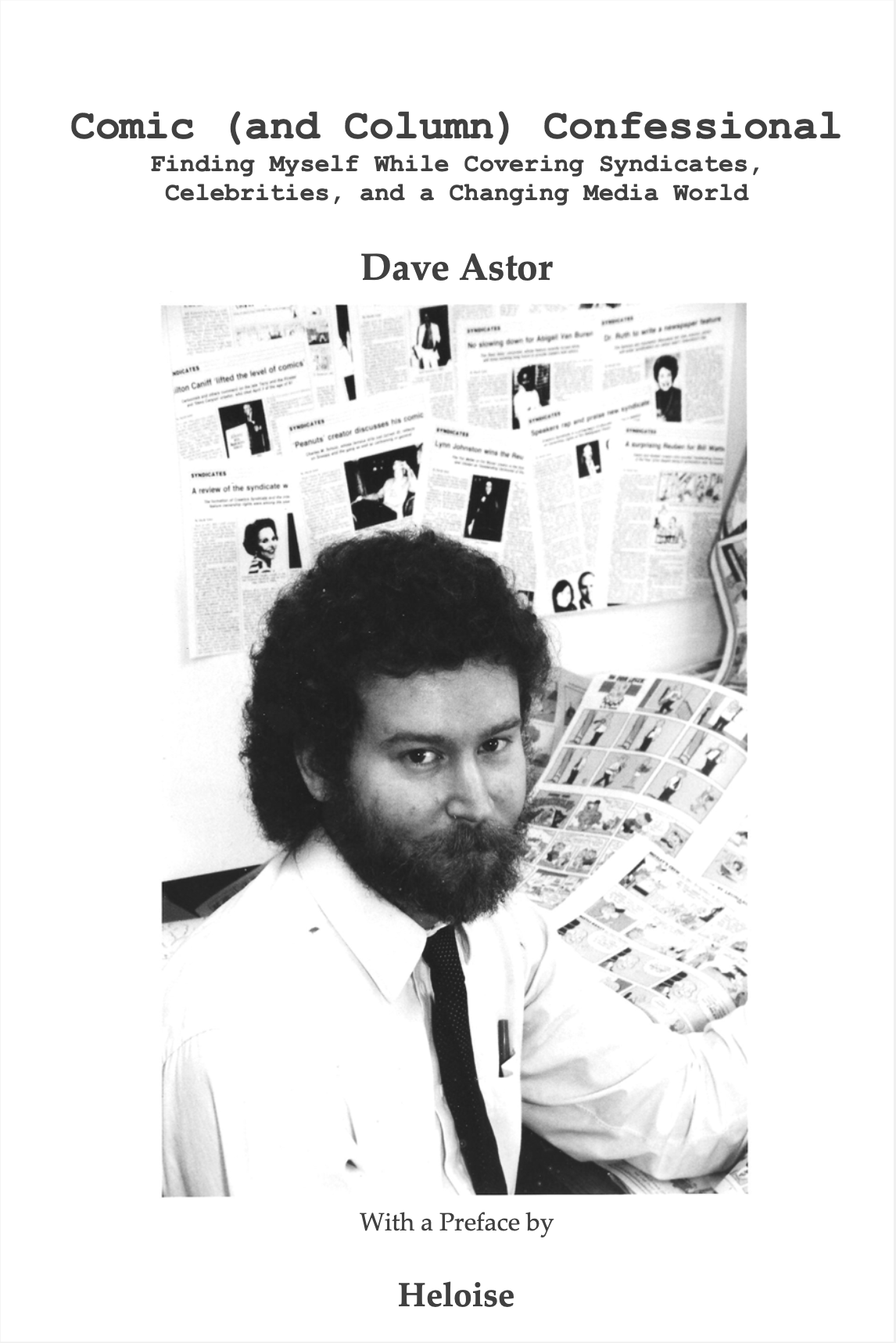
…and a 2012 memoir that focuses on cartooning and more, including many encounters with celebrities.
In addition to this weekly blog, I write the 2003-started/award-winning “Montclairvoyant” topical-humor column every Thursday for Montclair Local. The latest piece – about a very interesting Township Council meeting — is here.
In Fiction, Quirks Offer Perks

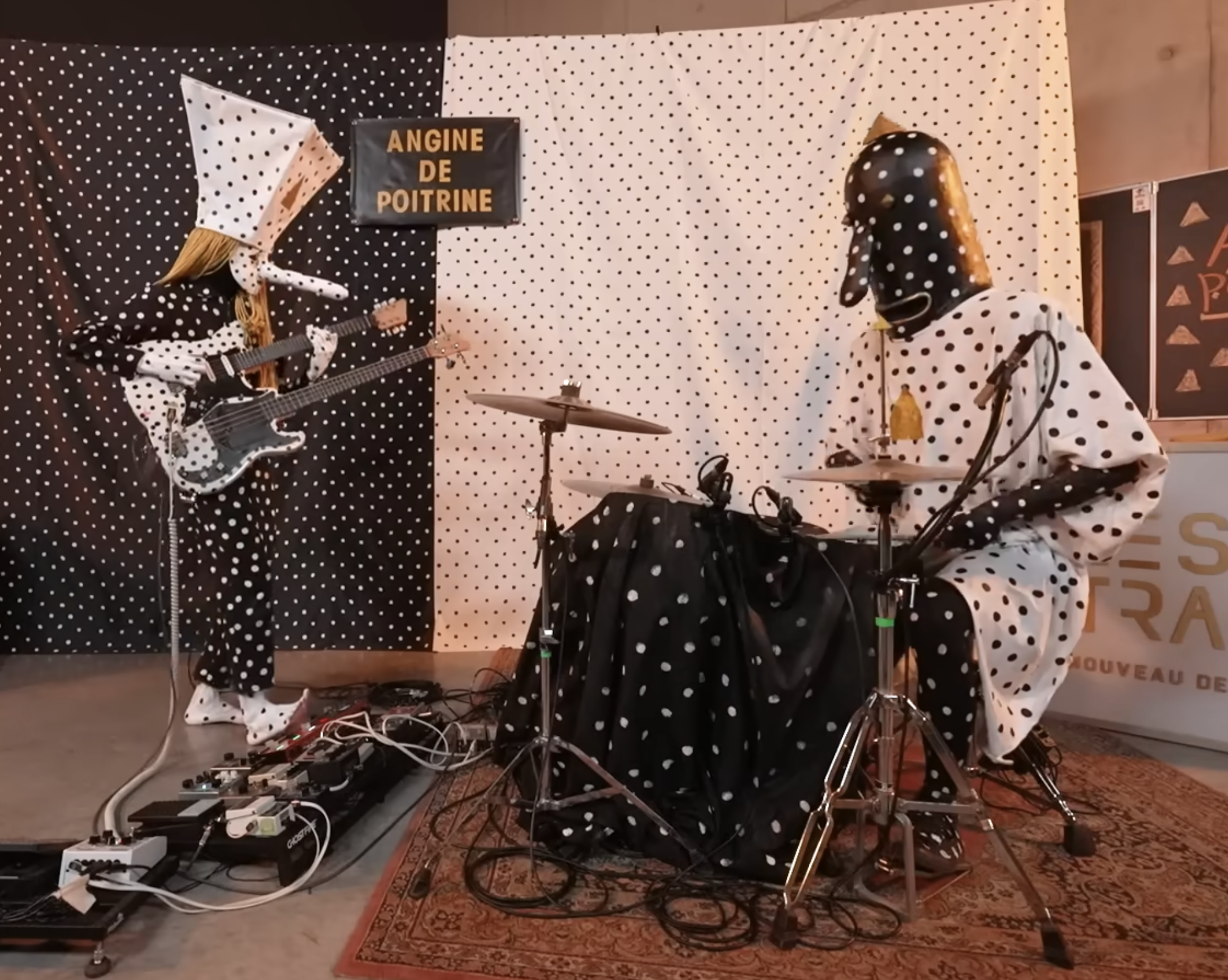
Angine de Poitrine! The video I took this screenshot from is at the end of today’s post.

I recently heard about a French-Canadian musical duo named Angine de Poitrine, and I must say that getting-very-popular band is delightfully quirky in its goofy appearance and mesmerizing songs.

The “q” word reminds me of some of the quirkiest authors and novels I’ve read over the years. Sometimes that quirkiness can be too much, but it’s often a nice change of pace…entertaining, compelling, and original. 

One of the first authors to come to mind is John Irving. He frequently deals with quite serious matters – war, abortion, LGBTQ+ rights, etc., but mixes in all kinds of weird things. Bear appearances, wrestling situations, a deadly foul ball during a baseball game, and more. Life is unpredictable…

There’s also Franz Kafka’s writing, which is…Kafkaesque. 🙂 One obvious example is the human Gregor Samsa becoming a giant insect in that author’s The Metamorphosis.

Herman Melville got quirky in his rare 100%-land-based novel Pierre, which includes strong hints of incest as well as the author using his title character as a vehicle to obliquely reference Melville’s real-life dismay over the poor reception for his previous year’s Moby-Dick.

Margaret Atwood’s The Edible Woman? The title alone telegraphs just how oddly the author uses food in her debut novel.

Anthony Burgess’ dystopian A Clockwork Orange is also very offbeat with its slangy different language and more.

Or how about Kurt Vonnegut’s Slaughterhouse-Five? It mixes horror, black humor, time travel, and more as it makes its antiwar points.

Shirley Jackson’s We Have Always Lived in the Castle features an isolated ultra-eccentric family, strange murders, and other eyebrow-raising content.

Mikhail Bulgakov’s The Master and Margarita includes the devil in its cast as well as a flying human (no airplane involved) and other fantastical elements.

Which reminds me that magic-realism novels, such as Gabriel Garcia Marquez’s One Hundred Years of Solitude, can also feature flying humans and other peculiar things.

Flann O’Brien’s The Third Policeman includes absurd content such as cops who speak mostly in non sequiturs and are obsessed with bicycles.

And we can’t forget Alice’s Adventures in Wonderland and Through the Looking-Glass by Lewis Carroll, who offers readers all kinds of surreal stuff: Alice’s body changing sizes, bizarre chess goings-on, the fading-away Cheshire Cat…

I’ll end by noting that there are novels that are mostly not weird but have at least one weird element. For instance, the tragic-yet-delightful ghost in Elin Hilderbrand’s The Hotel Nantucket.

Your thoughts about, and examples of, this topic?

An Angine de Poitrine song:

Misty the cat says: “Before the rain the birds get noisy/That doesn’t mean I live in Boise.”

My comedic 2024 book — the part-factual/part-fictional/not-a-children’s-work Misty the Cat…Unleashed — is described and can be purchased on Amazon in paperback or on Kindle. It’s feline-narrated! (And Amazon reviews are welcome. 🙂 )

This 90-second promo video for the book features a talking cat: 🙂 Not my voice. 🙂

I’m also the author of a 2017 literary-trivia book…

…and a 2012 memoir that focuses on cartooning and more, including many encounters with celebrities.

In addition to this weekly blog, I write the 2003-started/award-winning “Montclairvoyant” topical-humor column every Thursday for Montclair Local. The latest piece – about ICE agents again menacing my town and more — is here.

Back Catalogs, Here We Come!

Reading fiction offers many pleasures. I’ll discuss one of those pleasures today.

Discovering an excellent living author you’ve never read before is a great feeling, and it can be even greater when that author has been around for a while — meaning you suddenly have a number of novels to enjoy from that writer’s back catalog.

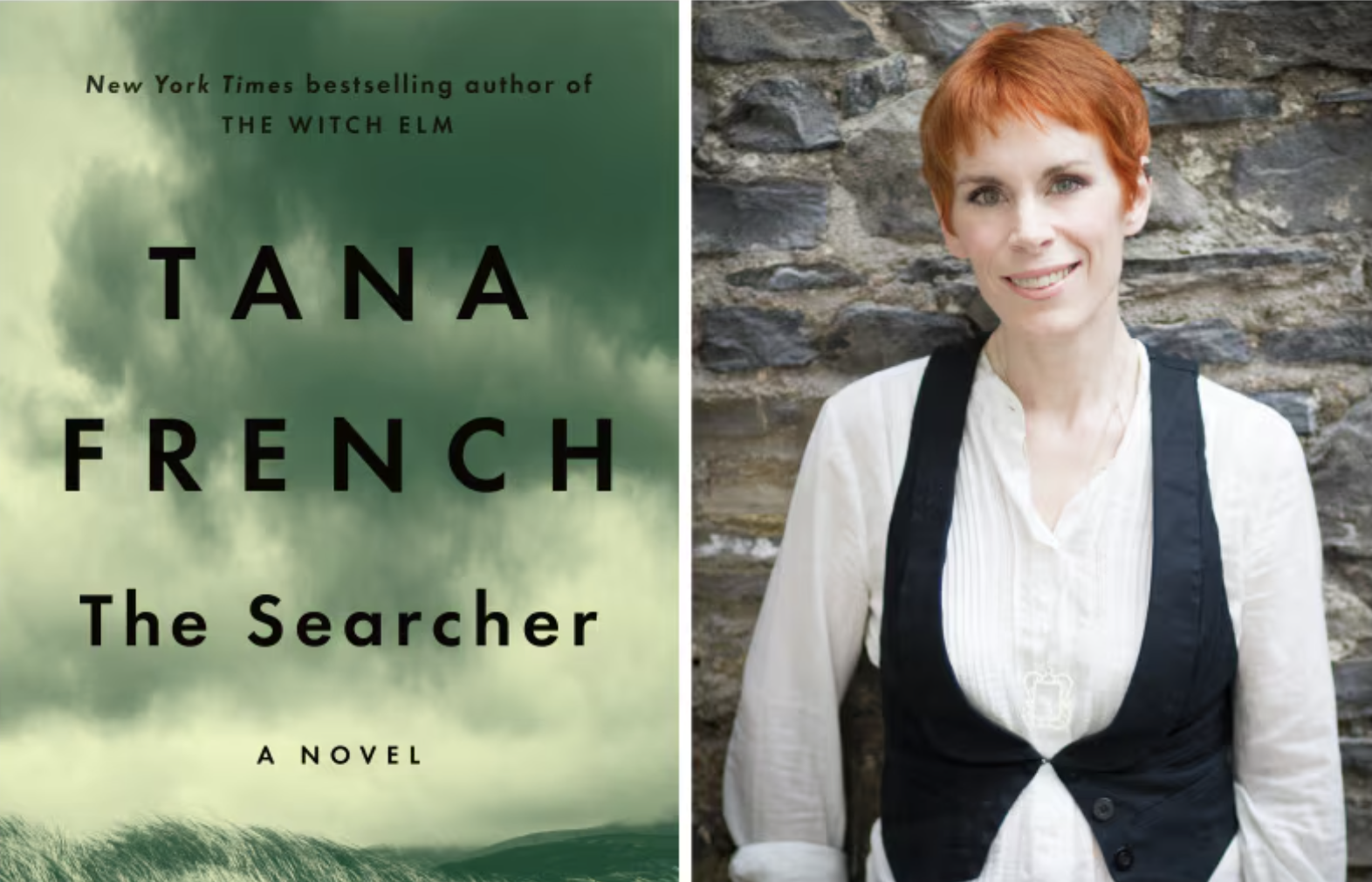
Such was the case when I read the quite-literary, character-rich mystery writer Tana French for the first time last week. I liked The Searcher a lot, and was happy to see that French had written nine other novels – the first dating back to 2007 – from which I could choose to read without waiting for new ones to be published.

The Searcher (2020) stars a 40-something retired Chicago cop who moves from the U.S. to rural Ireland (echoing the American-born French’s relocation to that European country) and has two sequels — the first of which, The Hunter (2024), I’m reading now and finding even better than The Searcher. Then there are six books in French’s “Dublin Murder Squad” series and one standalone novel.

Changing the name Tana by one letter to Tara, Tara Jenkins Reid is another author I recently tried for the first time, starting with her novel Daisy Jones and The Six. I liked that Fleetwood Mac-inspired story enough to quickly read two more Reid novels – Carrie Soto Is Back and Malibu Rising – and am impressed with the way the author infuses pop culture and sports into serious fiction. Six more novels in her back catalog…

Isabel Allende came out with her masterful debut novel The House of the Spirits in 1982, but I didn’t read that magic-realism classic until around 2010 or so. Meaning I subsequently had 14 previous Allende novels from which to choose, of which I would particularly enjoy reading Daughter of Fortune and Zorro. (Allende has written eight more novels since 2010.)

I was also late to Diana Gabaldon’s Outlander time-travel series, which launched in 1991 even as I didn’t read the first novel until 2019. By then there were seven more installments, all of which I addictively polished off during the height of Covid in 2020.

Kristin Hannah’s first novel was also published in 1991, but I didn’t discover her until reading The Nightingale less than five years ago. By then, there were more 20 other Hannah novels to catch up on, including the gripping family saga The Great Alone and the moving tale of friendship Firefly Lane.

It was more than 20 years after Elin Hilderbrand’s 2000 publishing debut that I belatedly began reading that author – starting with her delightful 2022 novel The Hotel Nantucket. By then, there were nearly 30 other Hilderbrand books to enjoy – and I polished off most of them.

When I first read Lee Child about a decade ago (his mid-career Jack Reacher novel 61 Hours), he had already written 20 Reacher books. So, there would be many Reacher page-turners in Child’s back catalog to enjoy, while also reading each of his new thrillers that arrived every fall since then.

Similar situation with John Grisham, who I didn’t start reading (choosing The Client) until he was in mid-career.

Of course, reading a deceased author for the first time usually means there are various other novels by that writer to enjoy in the future.

Your thoughts about this topic, and examples from your own reading experiences?

Misty the cat says: 🎵 “‘Rainy days and Mondays always get me down.’ 🎵 Except it’s Sunday.”

My comedic 2024 book — the part-factual/part-fictional/not-a-children’s-work Misty the Cat…Unleashed — is described and can be purchased on Amazon in paperback or on Kindle. It’s feline-narrated! (And Amazon reviews are welcome. 🙂 )

This 90-second promo video for the book features a talking cat: 🙂 Not my voice. 🙂

I’m also the author of a 2017 literary-trivia book…

…and a 2012 memoir that focuses on cartooning and more, and include many encounters with celebrities.

In addition to this weekly blog, I write the 2003-started/award-winning “Montclairvoyant” topical-humor column every Thursday for Montclair Local. The latest piece – about a daycare center’s 100th anniversary and other topics — is here.

Memorable Parties in Literature

Parties in fiction! They can be wild, weird, fun, entertaining, stressful, somber, tragic, etc. These gatherings can tell us a lot about the characters as well as put a spotlight on the culture and customs of their time. Meanwhile, those in attendance might meet for the first time, reunite, break up, and experience many other things. Parties can advance a novel’s plot, too.

Among the craziest parties I’ve encountered in a book is the 1983-set one in Taylor Jenkins Reid’s excellent 2021 novel Malibu Rising, which I read last week. The California shindig features plenty of drugs and sex, couples starting and ending relationships, changes in the lives of the Riva family members who star in the novel, celebrity cameos, police called to the door, and a mind-boggling conclusion. The novel basically alternates between that all-night party and various chapters fleshing out the backstories of the Rivas: rock star father Mick and the wife (June) and four now-adult children (Nina, Jay, Hud, and Kit) he abandoned.

Other novels with memorable parties? Let’s go chronologically back in time (of publishing date) to some examples.

In Zadie Smith’s London-set White Teeth, one of that 2000 novel’s main characters (Archie) is thinking of suicide but decides to go to a party instead – where he meets his future second wife (Clara). There is also much more to the book, which might be the most multicultural novel I’ve ever read.

Don DeLillo’s ambitious Underworld (1997) includes a scene at a real-life party: Truman Capote’s famous 1966 “Black-and-White Ball” at New York City’s Plaza Hotel. A rather high-profile guest list: Lauren Bacall, Irving Berlin, Leonard Bernstein, Johnny Carson, Walter Cronkite, Ralph Ellison, Mia Farrow, Henry Fonda, Joan Fontaine, Katharine Graham (the Washington Post publisher), Lillian Hellman, Lady Bird Johnson, Harper Lee, Norman Mailer, Arthur Miller, Frank Sinatra, John Steinbeck, Andy Warhol, etc. As one can see, some prominent writers attended in addition to the host Capote.

The first book (1954) of J.R.R. Tolkien’s iconic The Lord of the Rings trilogy opens with a massive party for the aged Bilbo Baggins, star of The Hobbit (1937). It’s a party that also serves to introduce Bilbo’s much younger adopted relative Frodo Baggins, who goes on to co-star in the trilogy.

Hermann Hesse’s existential 1927 novel Steppenwolf features a lavish masquerade ball, after which we witness the Harry Haller character’s famous visit to the fantastical “Magic Theatre.”

Two years earlier, in 1925, saw the release of Virginia Woolf’s masterful Mrs. Dalloway – which unfolds in one day as the title character prepares to host a party that then happens. But there is plenty of backstory and profound stuff going on in a book set soon after the trauma of World War I.

Emile Zola’s tragic The Drinking Den (1877) features a Paris wedding party that’s way too expensive for the bride (Gervaise) and groom (Coupeau). The extended scene depicts some happiness but mostly portends the doom to come.

Charlotte Bronte’s classic Jane Eyre (1847) includes a high-society gathering at Thornfield Hall during which Rochester dresses as a gypsy fortune-teller to question governess Jane, with whom he has been falling in love.

The orgy scene in The Magic Skin certainly has a big impact on things in Honore de Balzac’s 1831 novel.

Short stories of course also feature their share of parties, with two of many examples being James Joyce’s poignant “The Dead” (1914) and Edgar Allan Poe’s macabre “The Masque of the Red Death” (1842).

Thoughts about, and examples of, this topic?

Misty the cat says: “I’m where ‘the deer and the antelope play,’ minus the antelope.”

My comedic 2024 book — the part-factual/part-fictional/not-a-children’s-work Misty the Cat…Unleashed — is described and can be purchased on Amazon in paperback or on Kindle. It’s feline-narrated! (And Amazon reviews are welcome. 🙂 )

This 90-second promo video for the book features a talking cat: 🙂 Not my voice. 🙂

I’m also the author of a 2017 literary-trivia book…

…and a 2012 memoir that focuses on cartooning and more, including many encounters with celebrities.

In addition to this weekly blog, I write the 2003-started/award-winning “Montclairvoyant” topical-humor column every Thursday for Montclair Local. The latest piece – my 500th column for that website! — is here.