Symbolism Adds to Fiction’s Synergism

Nicholas Evans (Associated Press photo/Tina Fineberg).

The last time I devoted a whole post to symbolism in novels was in 2014 – the year this blog started. So, I’d like to revisit that topic via some books I’ve read since then or that I read before 2014 but didn’t mention in that previous post.

As I noted 12 years ago, symbolism can make a novel more interesting and evocative. It’s another element in the mix to draw in readers — along with the plot, characters, prose quality, etc.

I recently read Nicholas Evans’ riveting novel The Divide, which offers a compelling mystery, a heartbreaking family saga…and a symbolic title with multiple meanings. In the book, The Divide is the literal name of a Montana vacation spot where a meeting of two characters (one married to someone else) leads to a fateful romance that helps drive the plot. The title also evokes thoughts of the West/East, rural/urban, and ideological divides in the United States – and of “the divide” between women and men that’s a major theme as the storyline unfolds.

John Steinbeck’s East of Eden does the symbolism thing with a number of Biblical references, including the Trask sons Caleb and Aron having a Cain and Abel dynamic along with the same initials. Their father’s first name in the novel? Adam, of course.

The star of Ralph Ellison’s Invisible Man is obviously not literally an invisible man, but he is one figuratively because African-American citizens – especially decades ago — were not truly and truthfully SEEN by many people in a racist majority-white society.

Marcel Proust’s opus In Search of Lost Time features the serving of a delicious madeleine that triggers nostalgic memories. It’s both a cake and a symbol.

The pigs and other creatures in George Orwell’s Animal Farm are obviously symbolic stand-ins for humans.

Gregor Samsa becoming a giant insect in Franz Kafka’s The Metamorphosis symbolizes alienation, dehumanization, loss of identity, and more.

The title character of Herman Melville’s Moby-Dick is a living/breathing huge white whale but its existence also symbolically represents obsessive pursuit that can be pointless.

In Mark Twain’s Adventures of Huckleberry Finn, the Mississippi River is a…river…but also a literal symbol of freedom for the slave Jim and a more figurative symbol of the opening of Huck’s mind as he matures.

Robert Louis Stevenson uses the title character(s) in Strange Case of Dr. Jekyll and Mr. Hyde to shine a symbolic spotlight on the good-evil duality of many humans.

In my 2014 post, among the many novels I mentioned were George Eliot’s Daniel Deronda (which uses recurring water situations in a symbolic way), Barbara Kingsolver’s The Lacuna (whose title is an actual place in the novel but also symbolically has plot significance as a gap/blank space/missing part), and Jhumpa Lahiri’s The Namesake (in which “Gogol” is the actual name of a character even as that name evokes the absurdity of life in its reference to the often-absurdist Russian author Nikolai Gogol).

My 2014 post also noted that symbolism sometimes involves the initials of character names – including Jim Casy, the Jesus Christ figure in Steinbeck’s The Grapes of Wrath; Martin Eden, the semi-autobiographical “me” in Jack London’s Martin Eden; and Undine Spragg, who embodies crass U.S. materialism and ruthless ambition in Edith Wharton’s The Custom of the Country.

Your thoughts about, and examples of, this topic?

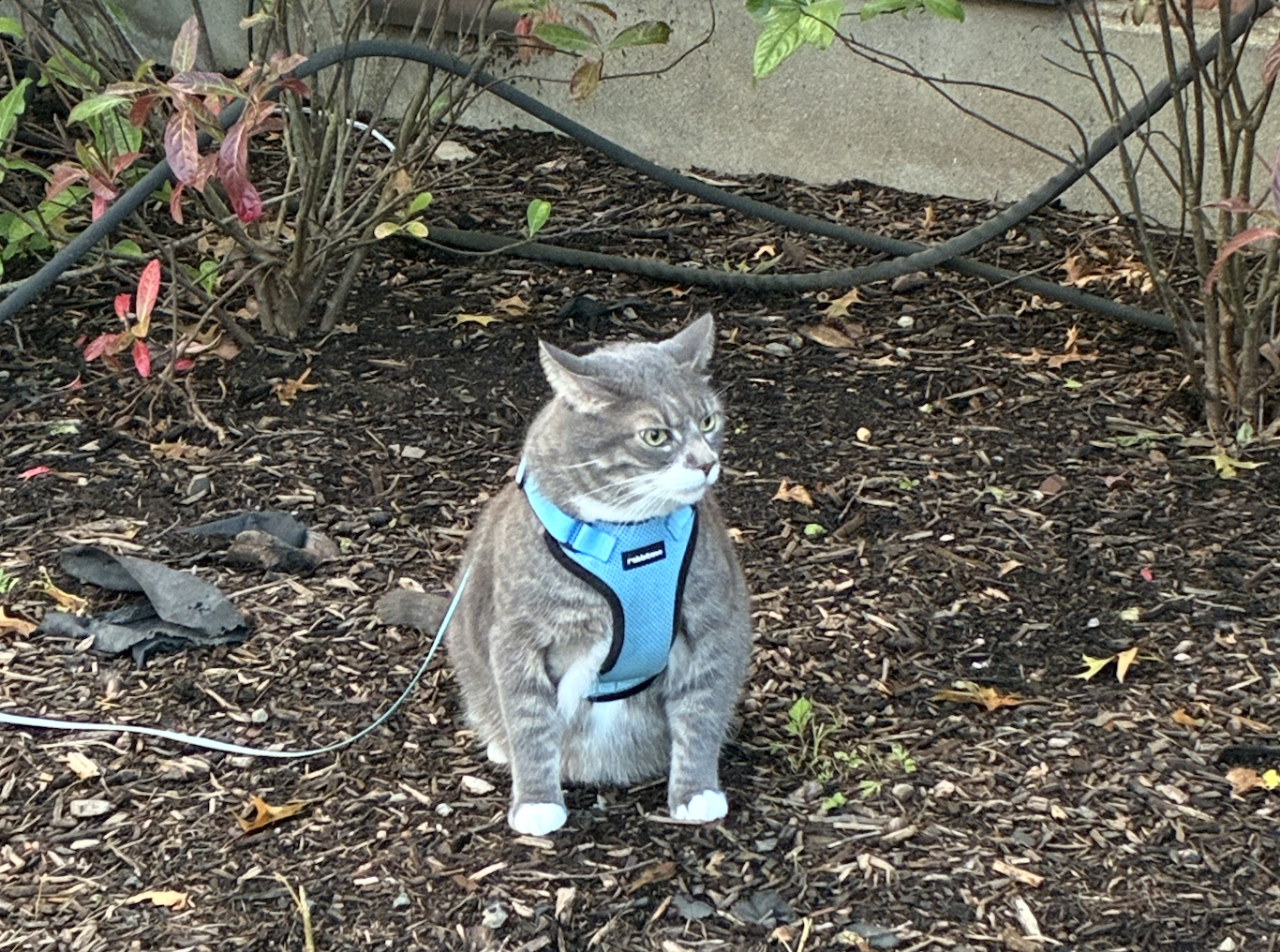
Misty the cat says: “I got my steps today, and also got my ladders.”

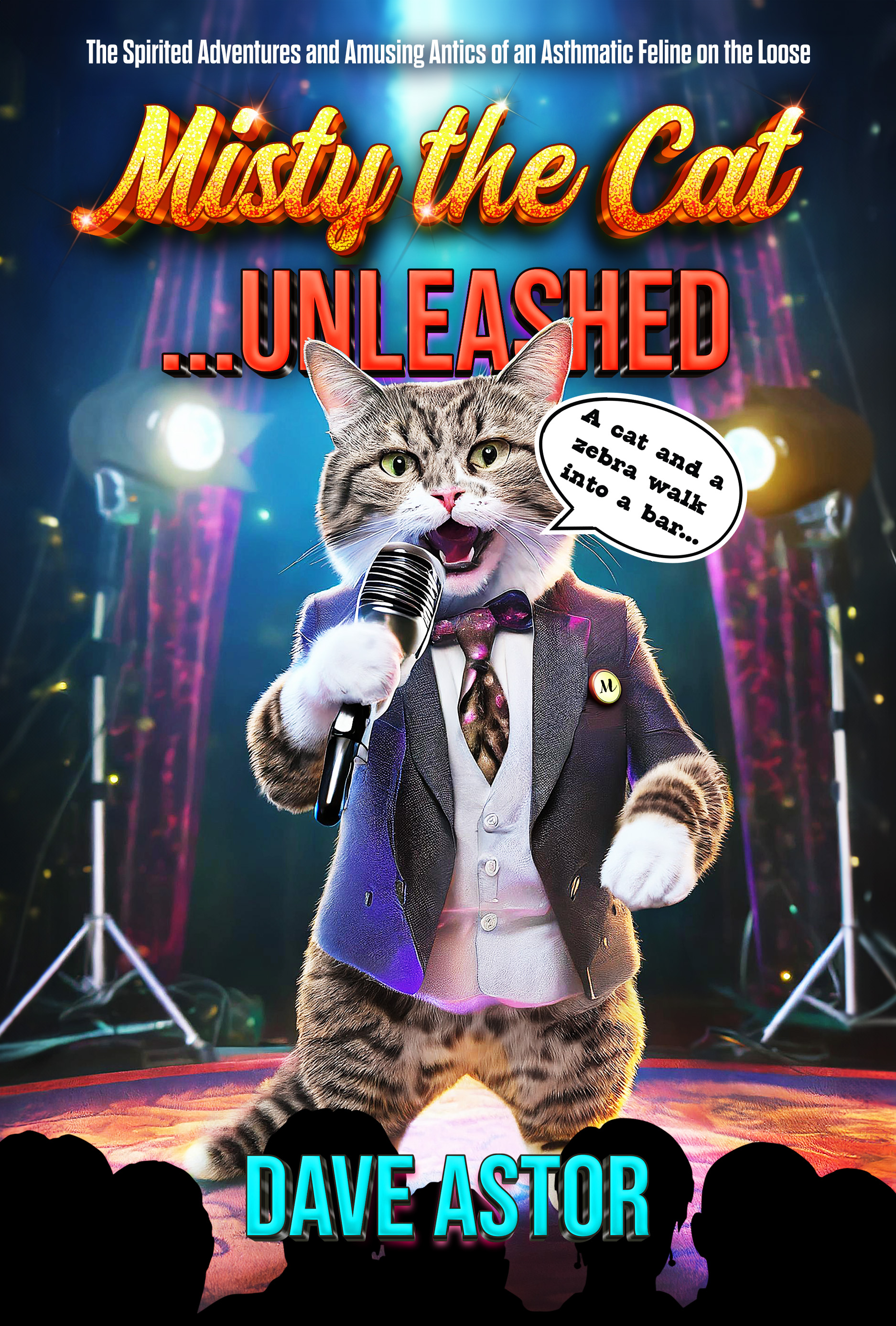
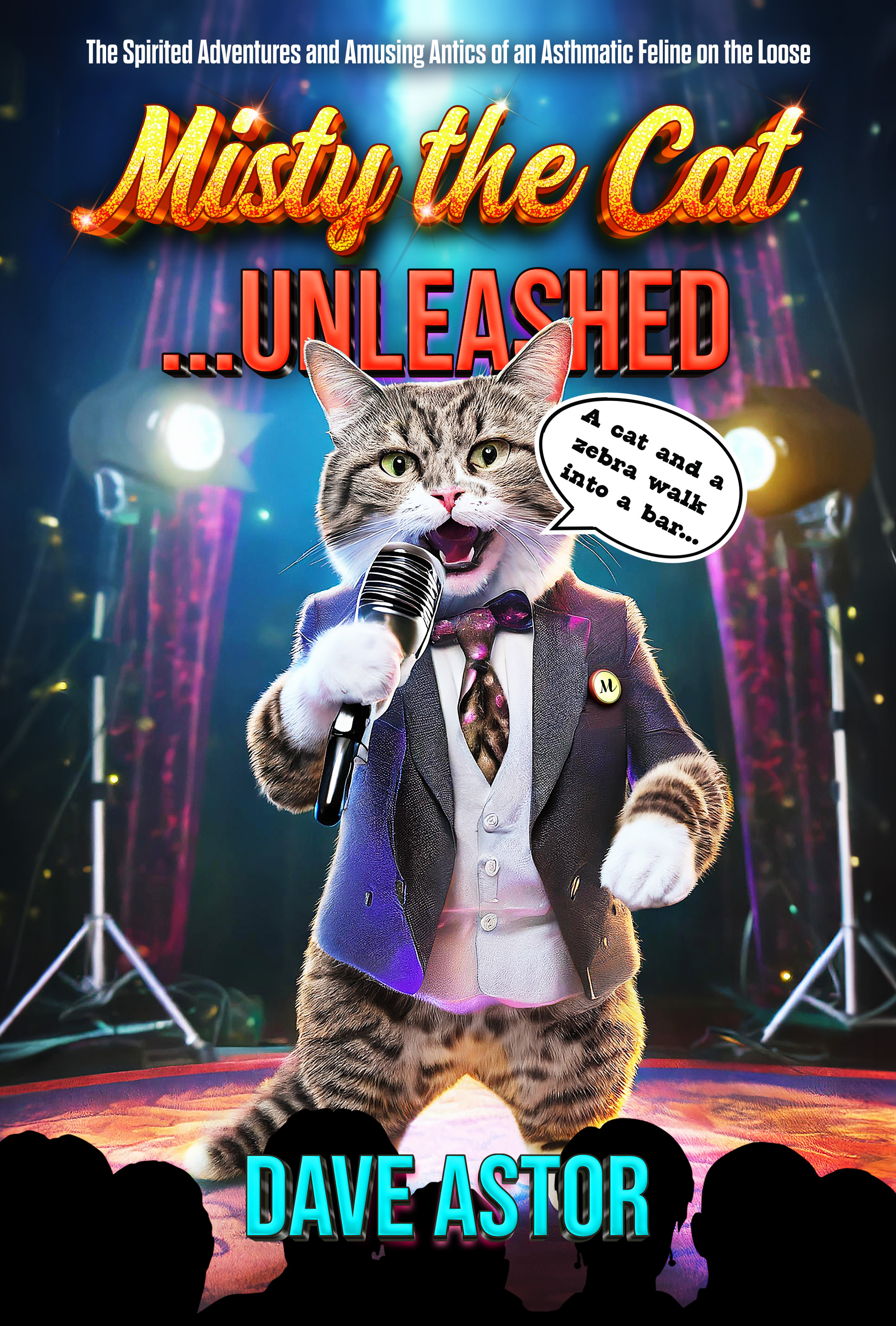
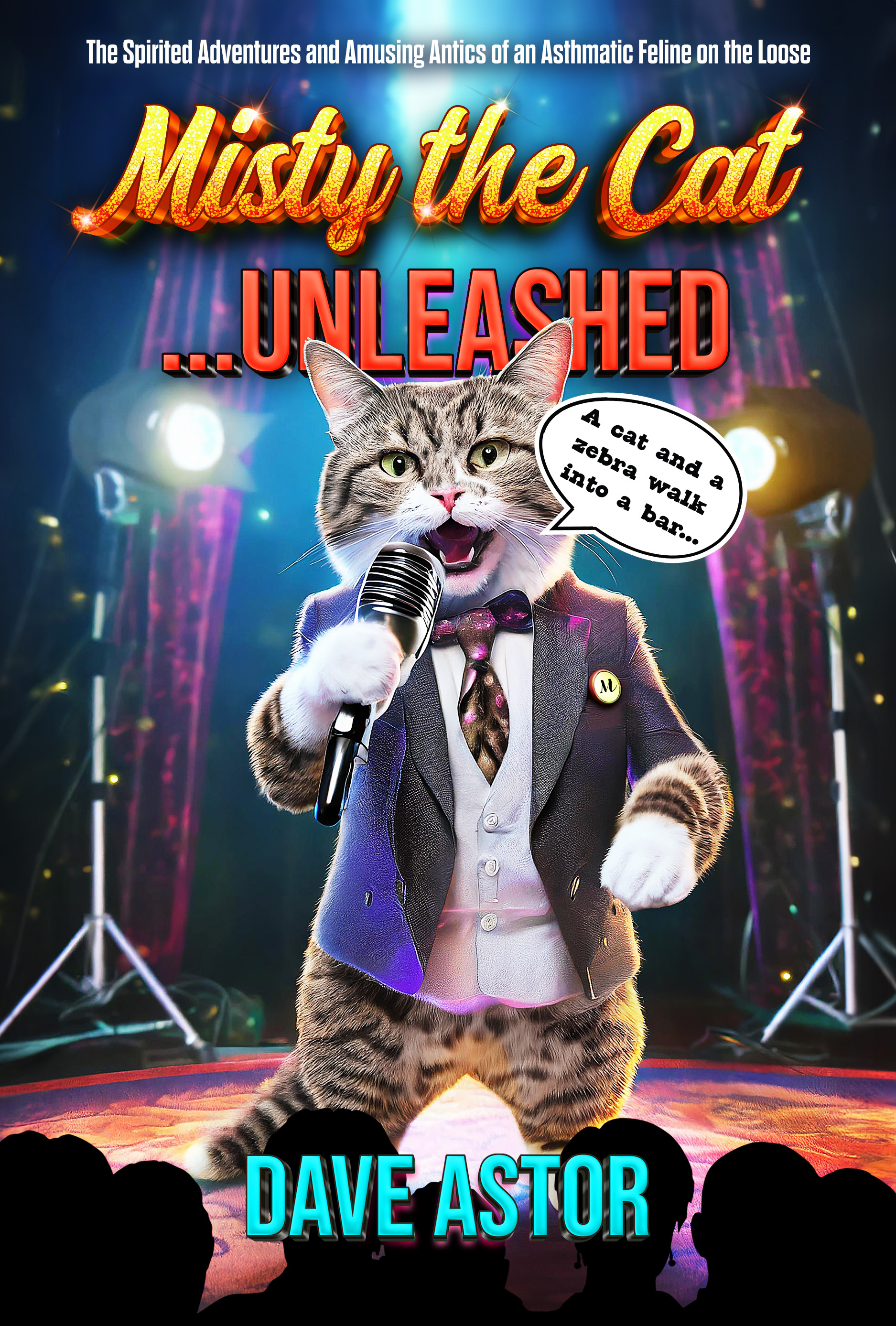
My comedic 2024 book — the part-factual/part-fictional/not-a-children’s-work Misty the Cat…Unleashed — is described and can be purchased on Amazon in paperback or on Kindle. It’s feline-narrated! (And Amazon reviews are welcome. 🙂 )
This 90-second promo video for the book features a talking cat: 🙂 (Not my voice. 🙂 )

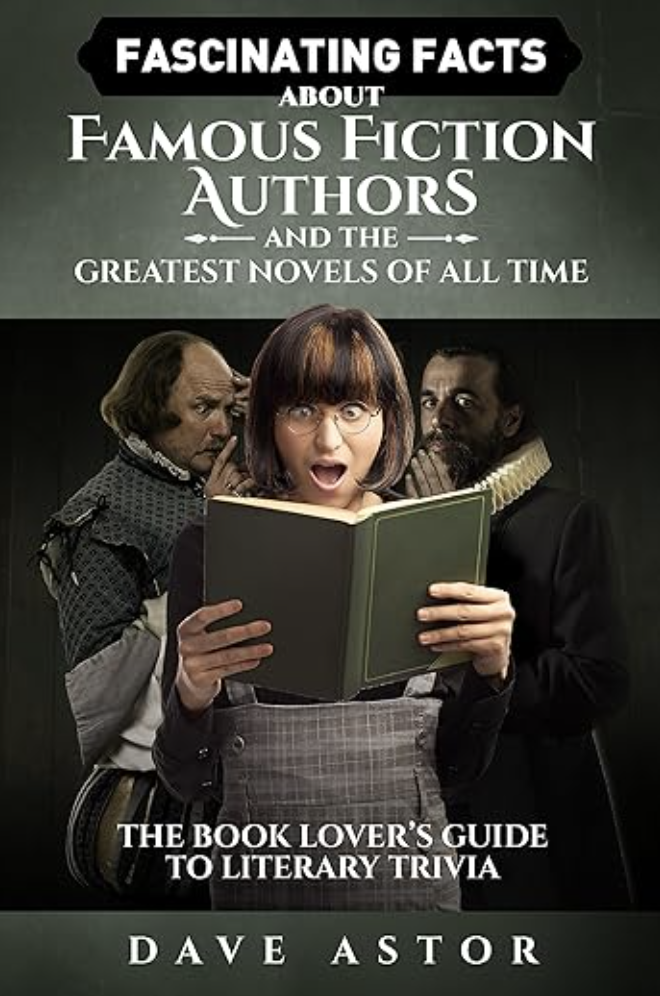
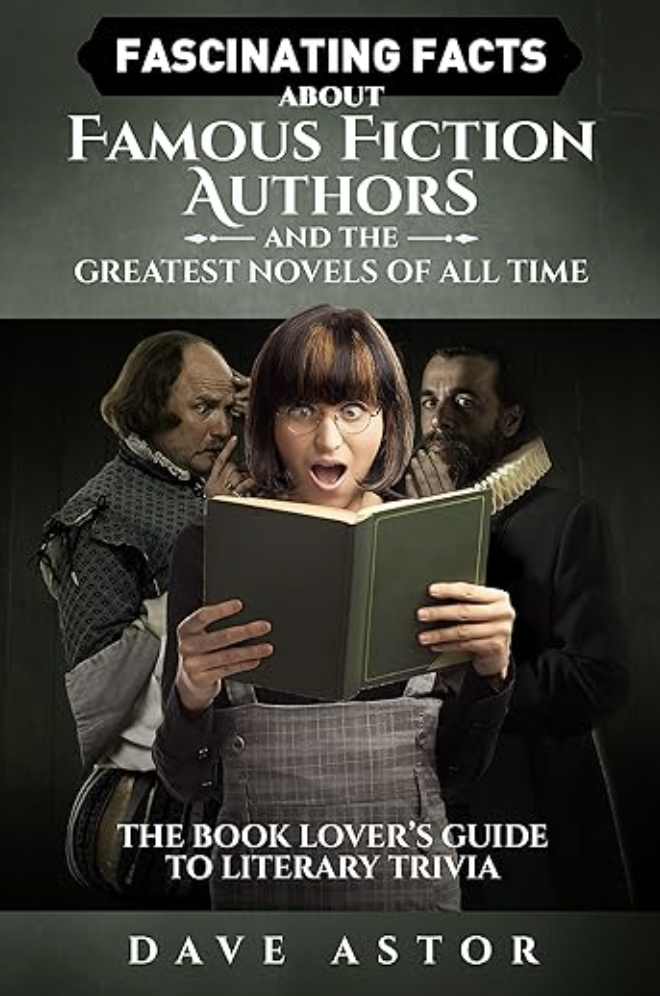
I’m also the author of a 2017 literary-trivia book…
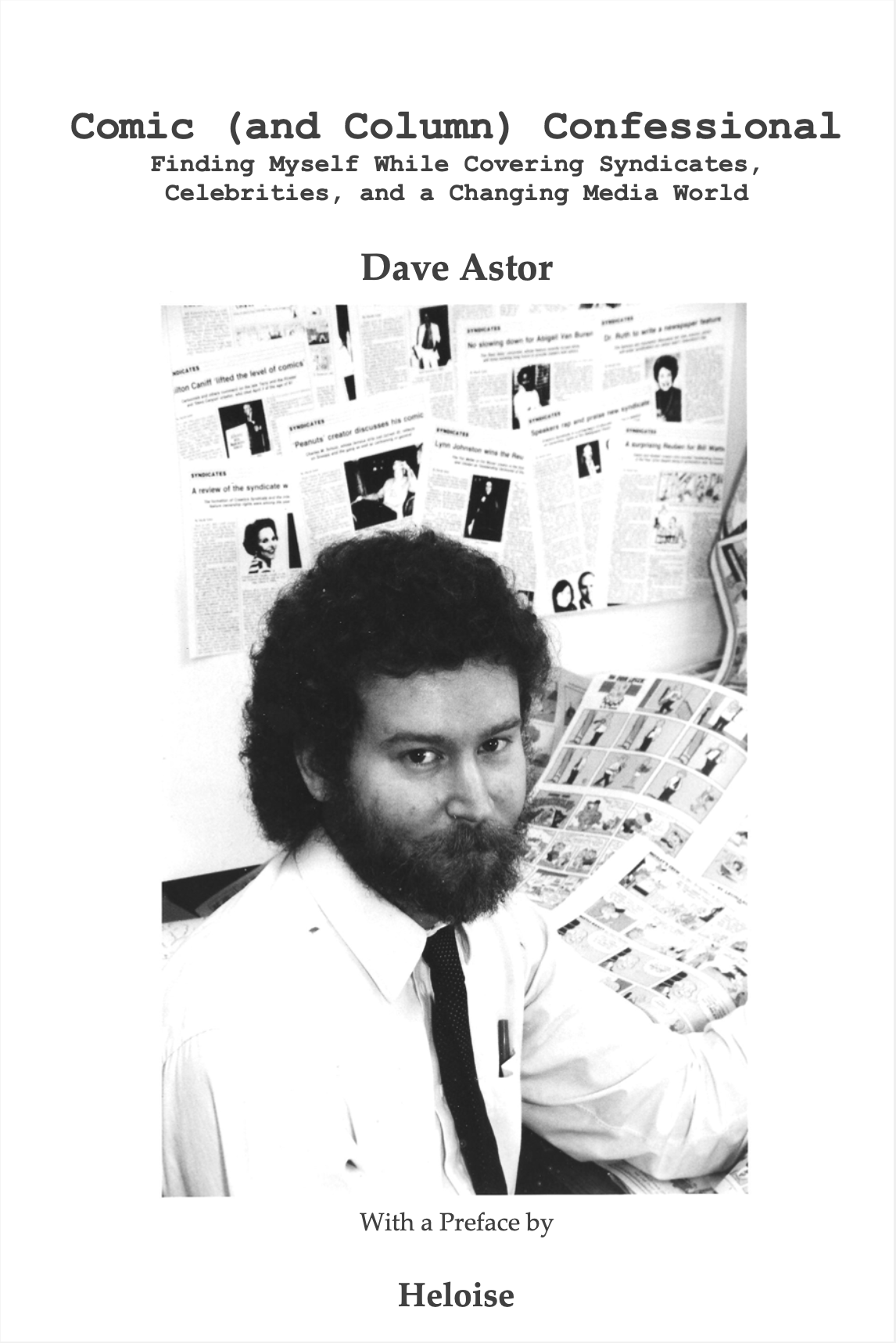
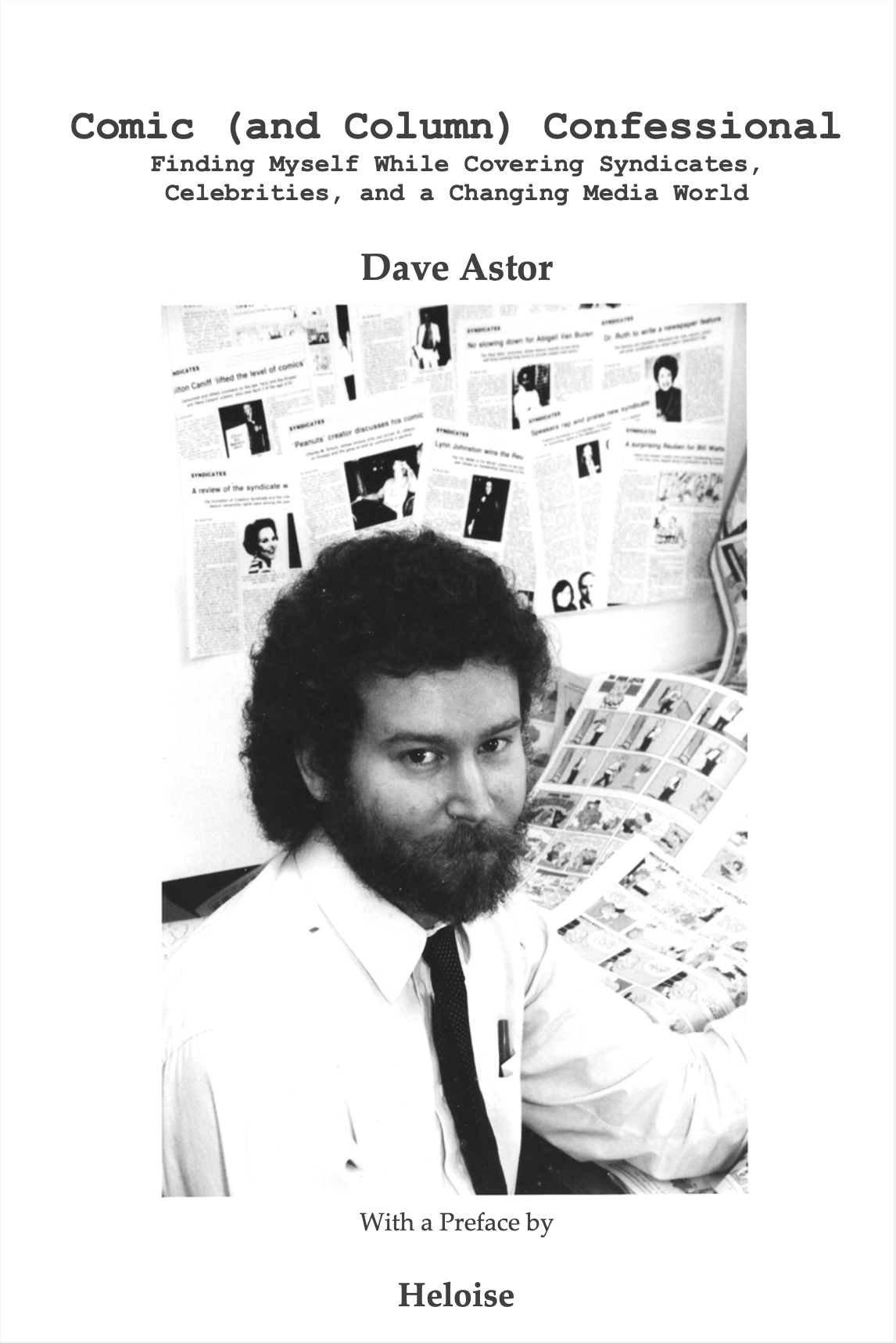
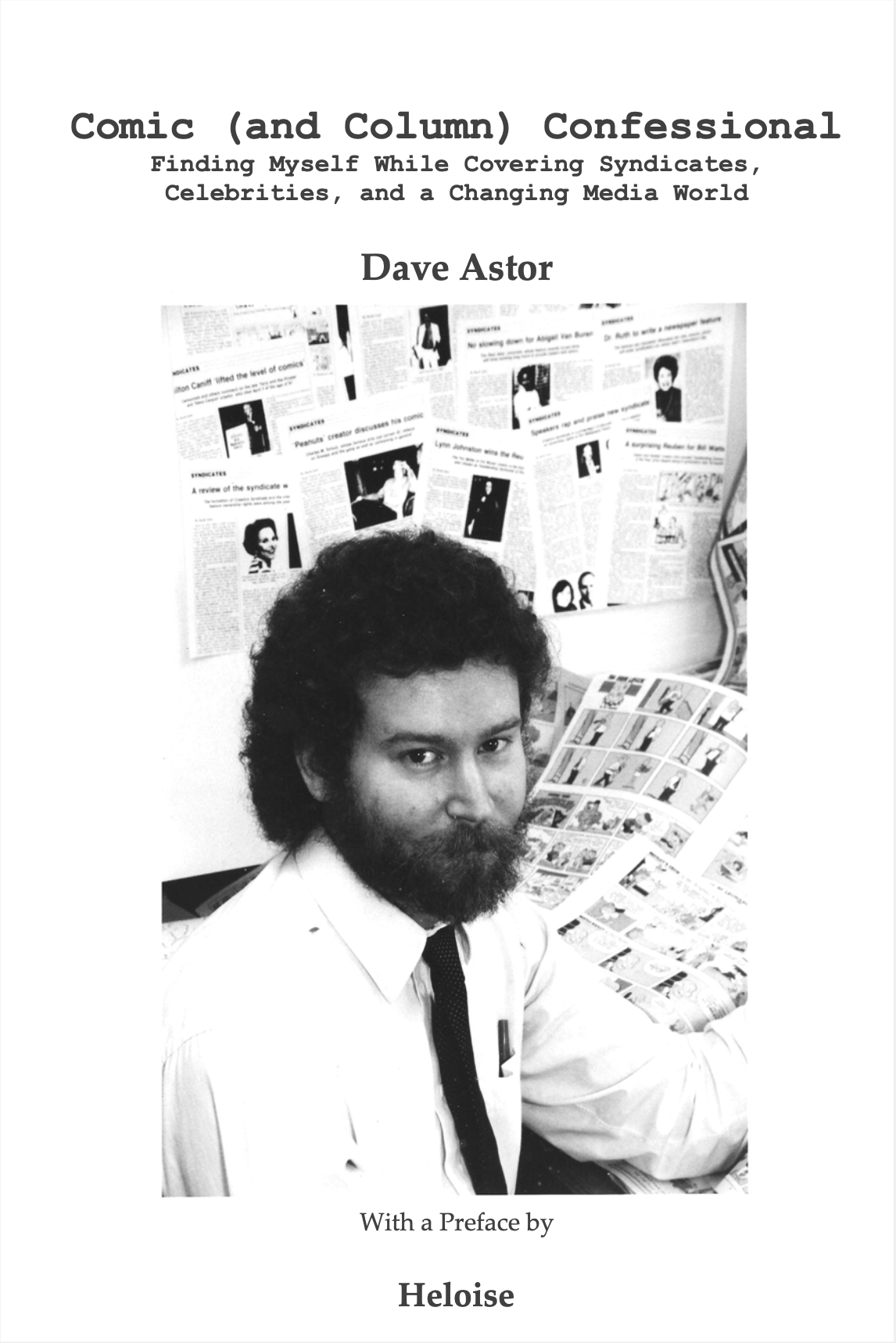
…and a 2012 memoir that focuses on cartooning and more, including many encounters with celebrities.
In addition to this weekly blog, I write the 2003-started/award-winning “Montclairvoyant” topical-humor column every Thursday for Montclair Local. The latest piece – about state school funding and more — is here.
Her Fiction Took Flight Before and After ‘The Birds’

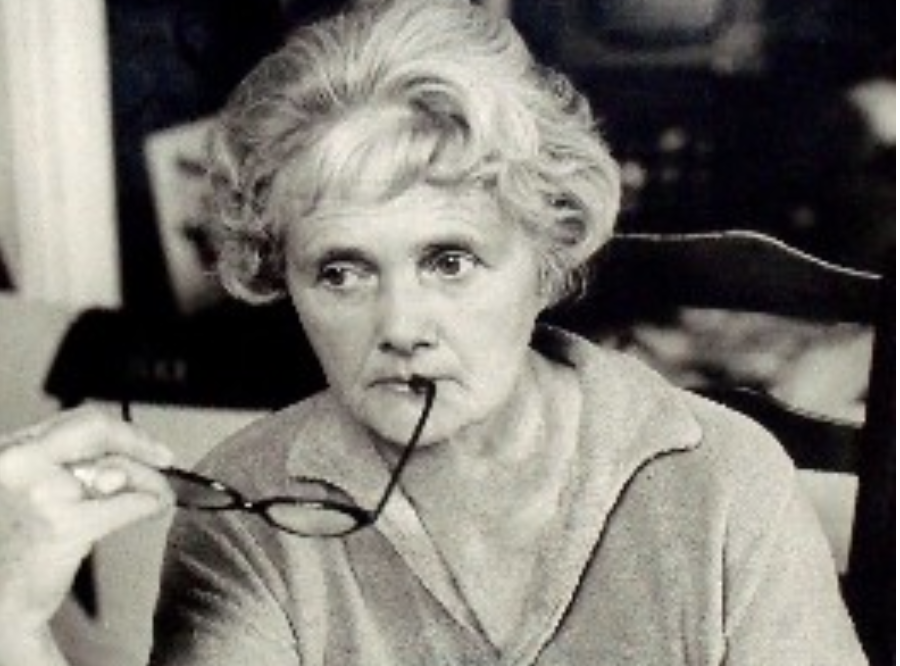
Daphne du Maurier

It’s Halloween month, and thoughts turn to writers skilled at creating scary, spooky, suspenseful fiction.

Those authors who come to mind include Edgar Allan Poe, Stephen King, H.P. Lovecraft, and Shirley Jackson, among others. But what about Daphne du Maurier?

Well…it’s complicated. A number of du Maurier’s novels and short stories indeed have chilling and sinister elements, but some of her books do not. One could say du Maurier was more an author of literary fiction than of Gothic horror fiction, though she of course excelled at both and could effectively combine the two. Let’s take a look at this British author’s stellar writing career after a brief detour into her interesting family lineage.

The 1907-born du Maurier’s mother Muriel was an actress and her father Gerald an actor/stage manager. Daphne’s grandfather George was a cartoonist and writer – including authoring the novel Trilby whose Svengali character had a name that would live on in language as an evil person who manipulates and controls others.

Daphne’s first novel to achieve wide renown was the potboiler Jamaica Inn (1936), which – along with Rebecca (1938) and her story “The Birds” (1952) – would cement the writer’s eerie bona fides by being turned into Alfred Hitchcock movies.

Rebecca is of course du Maurier’s most famous novel – and a classic. As many of you know, it stars the unnamed young bride of Maximilian de Winter, whose first wife (the title character) died under mysterious circumstances in the water bordering their Manderley estate. The book also features creepy housekeeper Mrs. Danvers, who’s intensely loyal to the late Rebecca and threateningly hostile to the new bride.

While the second Mrs. de Winter is initially shy and timid, her eventual turn into a more determined and self-assured person is an example of how du Maurier created a number of strong, feminist women in her fiction.

One of them is Frenchman’s Creek protagonist Dona – a married, upper-class, 17th-century English mother who daringly has an affair with a French pirate and even becomes a pirate herself for a while. In a 1941 novel of adventure and general fiction that’s not in the Gothic horror genre.

Among other du Maurier novels with little or no hint of the spooky and supernatural were 1949’s The Parasites (about an eccentric theater family) and 1954’s Mary Anne (a fictionalized look at du Maurier’s brainy and ambitious great-great grandmother navigating initial poverty and a patriarchal society).

In-between was 1951’s My Cousin Rachel, a mystery/romance with haunting elements.

The author was still going strong in 1969, when her time-travel novel The House on the Strand was published. The way du Maurier moves her protagonist repeatedly from the 20th to 14th century, and the eye-opening experiences he has in the 1300s, make that book one of the cleverer examples of the time-travel genre also explored by H.G. Wells, Mark Twain, Octavia Butler, Diana Gabaldon, Jack Finney, Edward Bellamy, Audrey Niffenegger, and others.

Short stories were a du Maurier strength, too. “The Birds,” of course, but also her later-career 1971 collection featuring “Don’t Look Now” and other memorable tales; a collection I just read for the first time. The “Don’t Look Now” story’s shocking manipulation-of-time conclusion is a wondrous thing to behold.

Among the works by du Maurier – who died in 1989 – that I haven’t read are a few of her other novels as well as her plays and nonfiction.

Any thoughts on this post and du Maurier’s writing?

Misty the cat says: “When that chipmunk writes its memoir, I can narrate the audiobook.”

My comedic 2024 book — the part-factual/part-fictional/not-a-children’s-work Misty the Cat…Unleashed — is described and can be purchased on Amazon in paperback or on Kindle. It’s feline-narrated! (And Amazon reviews are welcome. 🙂 )

This 90-second promo video for the book features a talking cat: 🙂 (Not my voice. 🙂 )

I’m also the author of a 2017 literary-trivia book…

…and a 2012 memoir that focuses on cartooning and more, including many encounters with celebrities.

In addition to this weekly blog, I write the 2003-started/award-winning “Montclairvoyant” topical-humor column every Thursday for Montclair Local. The latest piece – which includes a movie theme — is here.

Fiction That Achieves Underachievement

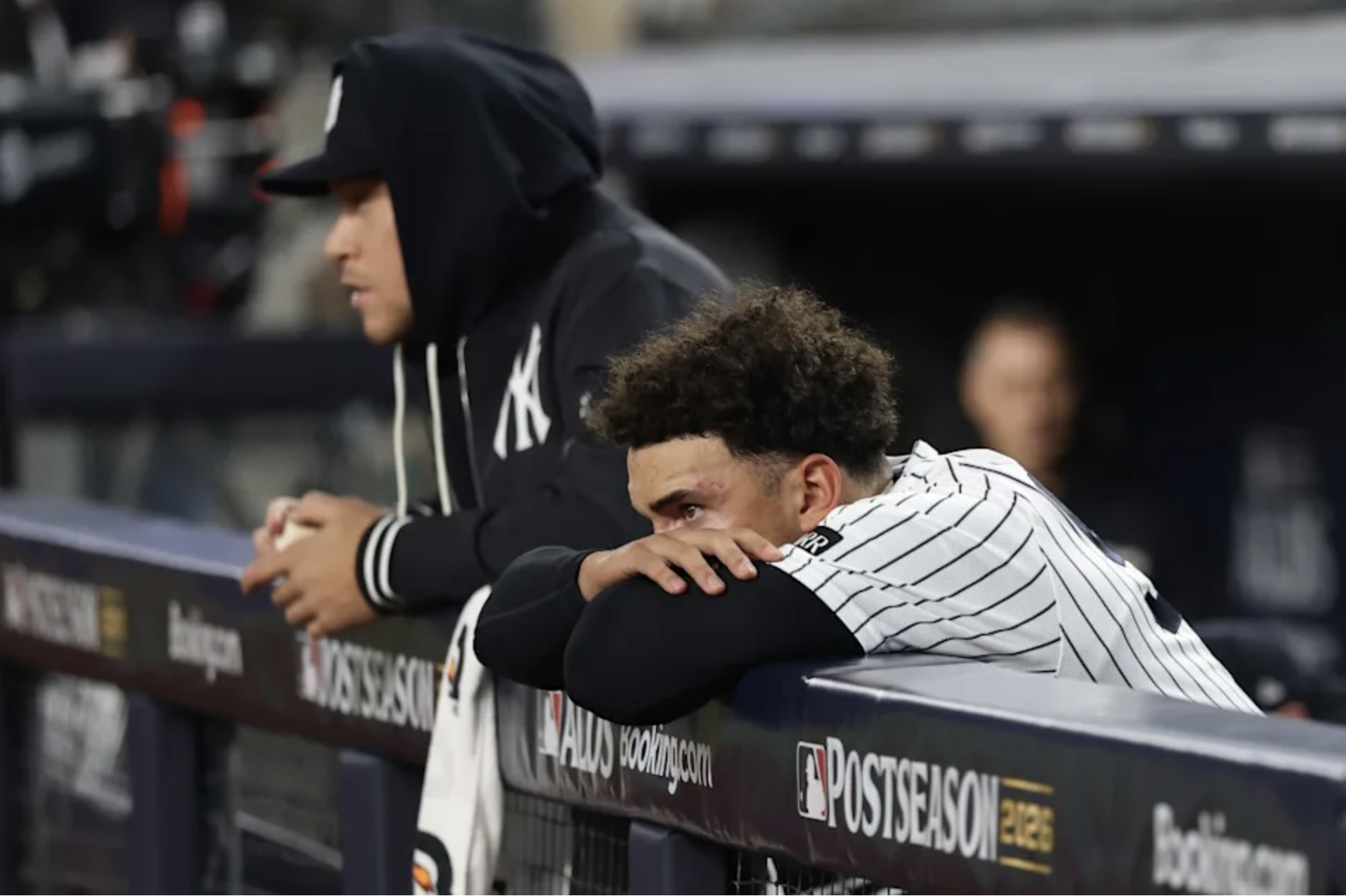
A forlorn Yankees dugout. (Getty Images.)

With the New York Yankees eliminated from the playoffs again last week despite having one of the highest payrolls in baseball, it’s time to take a swing at the topic of underachievers. In literature.

There are various reasons why fictional characters underachieve. Laziness, being spoiled, making dumb decisions, having psychological issues, having some physical or mental disability, etc. And there are cases where underachieving is a good thing – like, say, choosing a more-relaxing lifestyle over a frantic, high-paying job.

Our first underachiever to discuss is Tom Tulliver of George Eliot’s The Mill on the Floss. He’s from an initially affluent family, is favored over his smarter sister Maggie during an ultra-patriarchal 19th century, and so on, but becomes only somewhat successful. Why? For one thing, Tom is not that intelligent despite have some drive and practical skills, and he’s not very capable of “thinking outside the box.”

Another 19th-century character, Isabel Archer of Henry James’ The Portrait of a Lady, also has advantages: smarts, kindness, good looks, an inheritance, some independence. But she gets manipulated into a miserable marriage, and seems too wedded to conventionality to possibly get out of it. Again, a very patriarchal time and place in which to live.

Then there are bright characters whose lives are blighted well into adulthood because of the responsibility they feel, or are browbeaten into feeling, toward problematic parents.

For instance, the title character of Honore de Balzac’s Eugenie Grandet devotes much of her young-adult life to her not-nice, miserly father – essentially assuming the role of her late mother/his late wife.

In Daphne du Maurier’s The Parasites, daughter Celia in the theatrical Delaney family has a lot of drawing talent, but doesn’t pursue that craft as she devotes most of her time to doing stuff for her self-centered, demanding father.

Ignatius J. Reilly of John Kennedy Toole’s A Confederacy of Dunces is a pretty smart guy. But he’s too lazy, too eccentric, and too…various other things to make a success of his life.

Holden Caulfield of J.D. Salinger’s The Catcher in the Rye is also brainy, but drifts through his young life with self-centered and alienated thoughts.

Moving briefly away from novels, famous fictional underachievers include the title character of Herman Melville’s short story “Bartleby, the Scrivener” and Willy Loman of Arthur Miller’s play “Death of a Salesman.”

Of course, novels can feature upward or downward arcs in underachievement and achievement. One upward example is Sydney Carton, of Charles Dickens’ A Tale of Two Cities, who has an unsuccessful life until choosing heroic redemption. One downward example is Gervaise Macquart, of Emile Zola’s The Drinking Den, who painstakingly builds a successful life as a businesswoman until being dragged down by her once-admirable roofer husband after an injury sends him spiraling into alcoholism.

Your thoughts about, and examples of, this topic?

Misty the cat says: “My apartment-complex inspection has turned up no ‘Lord of the Rings’ orcs.”

My comedic 2024 book — the part-factual/part-fictional/not-a-children’s-work Misty the Cat…Unleashed — is described and can be purchased on Amazon in paperback or on Kindle. It’s feline-narrated! (And Amazon reviews are welcome. 🙂 )

This 90-second promo video for the book features a talking cat: 🙂 (Not my voice. 🙂 )

I’m also the author of a 2017 literary-trivia book…

…and a 2012 memoir that focuses on cartooning and more, including many encounters with celebrities.

In addition to this weekly blog, I write the 2003-started/award-winning “Montclairvoyant” topical-humor column every Thursday for Montclair Local. The latest piece – which covers parking, privacy, and polling places — is here.

A Feline Focuses on Fiction in the Fall

“Gabriel Garcia Marquez’s novel The Autumn of the Patriarch is not about me but should be,” says Misty the cat during one of his leashed walks. (Photo by Laurel Cummins.)

Misty the cat here, back for my every-two-month guest litterbox…um…literature post as autumn leaves turn from John Green to Tommy Orange to Rita Mae Brown. Prominent authors don’t grow on trees? Perhaps they do.

Speaking of prominent authors, today is the birthday of the late Anne Rice. She wrote many novels starring vampires, which are mythical undead creatures who rise from the grave at night to drink the blood of the living but never show up at my weekly book club gatherings. Perhaps I’m serving the wrong drinks. 

What have I, Misty the cat, been reading lately? The edition of Breakfast at Tiffany’s I borrowed from the library last month included a second Truman Capote novel. I was hoping that bonus book would be Lunch at Burger King, Dinner at Katz’s Delicatessen, or Midnight Snack at the Nearest Dumpster, but it turned out to be Other Voices, Other Rooms. I tried to stay with OVOR, but gave up after too many pages of too much racial stereotyping. Besides, I didn’t like what Holly Golightly did to one of my fellow felines at the end of Breakfast at Tiffany’s. So, I’ll be rereading Alexandre Dumas’ The Count of Monte Cristo to fine-tune my vengeful mood – and to learn why The Count moved from Sesame Street to Monte Cristo.

Capote may not have liked it, but Dumas was of part-African descent – as were the writers Colette and Alexander Pushkin, among others. Colette’s most-famous novel was Gigi (despite it hardly being her best book) while Pushkin’s masterpiece was Eugene Onegin. The title of that novel-in-verse has the same initials as Eggy Omelet, which I suspect some people order for breakfast at Tiffany’s.

I’m currently reading Salley Vickers’ The Cleaner of Chartres, and it’s always nice when a working-class character (in this case Agnes Morel) stars in a novel. Of course, many working-class people sadly get laid off – even as the “e” in “Salley” has so far escaped that downsizing fate.

Getting back to the current season of autumn, my thoughts turn to “The Fall of the House of Usher” – one of Edgar Allan Poe’s quartet of tales that also includes “The Winter of the House of Usher,” “The Spring of the House of Usher,” and “I, E.A. Poe, Might Be Dead But Stop Creating Fake Titles for My Short Stories.”

Dave will respond to comments while I, Misty the cat, read “The Summer of the House of Usher.”

Misty the cat asks: “Am I ‘Up the Down Staircase’ or up the up staircase?”

I and Dave’s comedic 2024 book — the part-factual/part-fictional/not-a-children’s-work Misty the Cat…Unleashed — is described and can be purchased on Amazon in paperback or on Kindle. It’s feline-narrated! (And Amazon reviews are welcome. 🙂 )

This 90-second promo video for the book features a talking cat: 🙂 (Not Dave’s voice. 🙂 )

Dave is also the author of a 2017 literary-trivia book…

…and a 2012 memoir that focuses on cartooning and more, including many encounters with celebrities.

In addition to this weekly blog, Dave writes the 2003-started/award-winning “Montclairvoyant” topical-humor column every Thursday for Montclair Local. The latest piece – which includes mentions of many famous plays — is here.